


Cold weather makes car batteries feel “weaker” because it slows the battery’s chemistry while simultaneously demanding more power from the engine and electrical system. That mismatch is the simplest explanation for winter drain and no-start mornings.
Beyond the chemistry, winter adds hidden loads: longer cranking, heated accessories, repeated short trips, and electronics that may not fully “sleep” when voltage is low. These factors can turn a borderline battery into a daily headache.
Also, the same winter symptom (slow crank, dim lights, intermittent starts) can come from different roots: a weak battery, a charging-system issue, or a parasitic draw. The goal is to separate “cold effect” from “true fault” without guessing.
To introduce a new idea, the most useful approach is to treat winter battery issues as a system problem: battery health + connections + charging + usage patterns—then validate each piece with quick, repeatable checks.
Why does cold weather drain a car battery faster, even when parked?
Cold weather doesn’t magically “consume” battery charge; it reduces available power and makes normal background loads feel bigger, so the battery reaches a no-start threshold sooner. Next, you’ll see how winter reshapes both supply and demand.
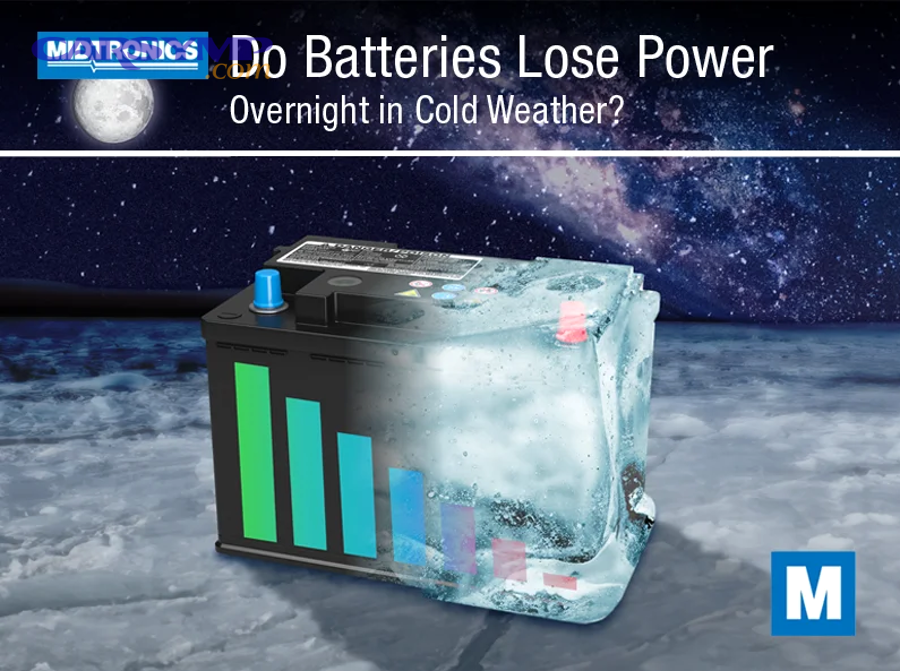
When your car is parked, it still has small electrical draws: security modules, keyless entry receivers, memory keep-alive circuits, clock, and sometimes telematics. In warm weather, a healthy battery shrugs this off. In cold weather, the same draw represents a larger fraction of what the battery can effectively deliver.
To illustrate, winter also increases self-discharge risk indirectly. A cold battery is harder to fully recharge, so if you drive short trips, the battery may remain in a partially charged state. That’s where many “battery keeps dying” stories begin: the car starts today, but it never truly recovers its charge—then it fails after a cold night.
The important winter twist is threshold behavior. Your engine doesn’t need “some” voltage; it needs enough cranking power to spin at a minimum RPM, and your modern electronics need stable voltage to allow the fuel and ignition systems to behave correctly. So a small drop overnight can be the difference between starting and not starting.
The simplest winter mental model is: cold lowers battery capability, then normal loads push it below the start line. In the next section, you’ll learn what changes inside the battery that causes this.
Theo nghiên cứu của AAA từ Automotive Research Center, vào 12/2025, ở 0°F ắc quy có thể yếu hơn khoảng 60% so với điều kiện ấm và ở 32°F yếu hơn khoảng 35%.
What actually changes inside a lead-acid battery when temperatures drop?
A lead-acid battery in the cold becomes a slower chemical factory: reactions proceed more slowly, internal resistance rises, and usable capacity drops even if the battery is “charged.” Next, we’ll connect that chemistry to real starting behavior.
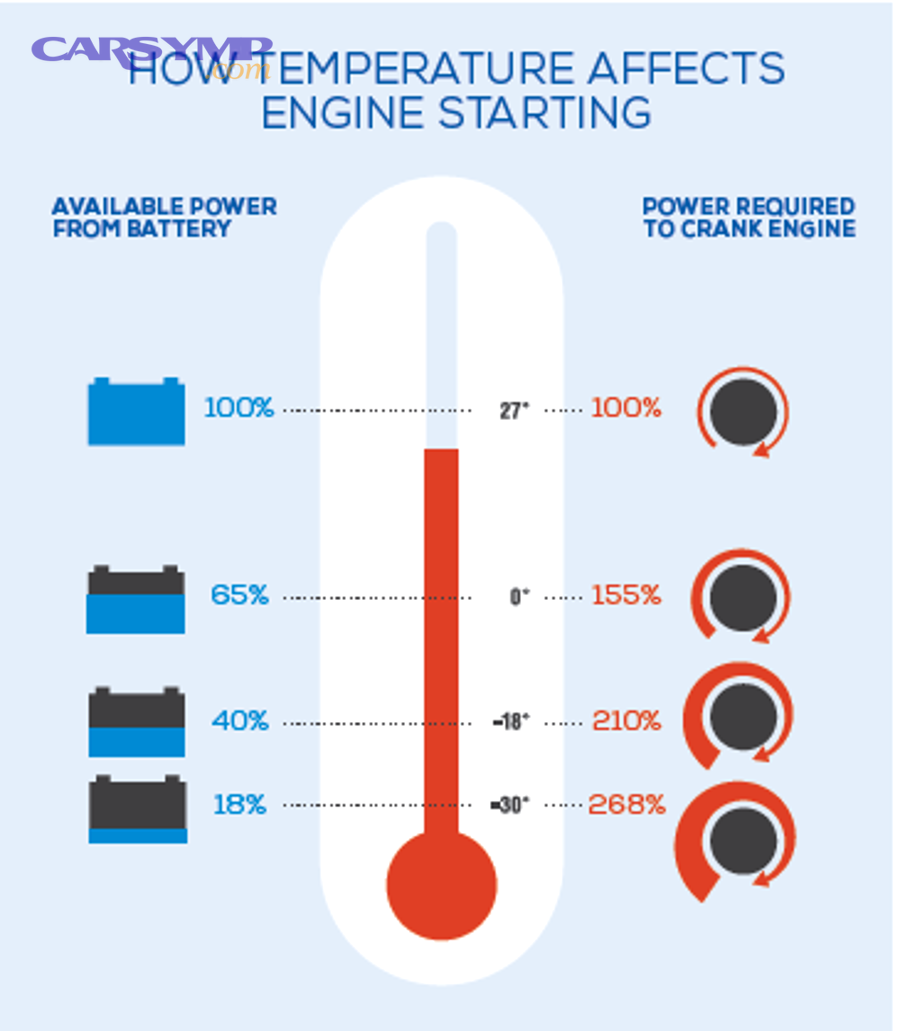
Lead-acid batteries produce electricity through chemical reactions between lead plates and sulfuric acid electrolyte. Temperature influences reaction rate. When it’s cold, ions move more slowly, reaction kinetics slow down, and the battery struggles to deliver high current quickly—exactly what starting requires.
That’s why a battery can measure “okay” at rest yet collapse under load when you crank. The voltage doesn’t just depend on state of charge; it also depends on internal resistance and how fast the chemistry can respond to demand. In winter, that response is sluggish.
Cold also makes a partially discharged battery more vulnerable. If the battery sits in a low state of charge, the electrolyte becomes more water-like, increasing freezing risk and encouraging sulfation over time. Sulfation (lead sulfate crystals hardening) reduces active surface area and makes future charging less effective—so winter can accelerate long-term decline.
Next, keep the “slow factory” image in mind as we talk about the other half of the equation: winter doesn’t just reduce supply; it also increases demand.
Theo nghiên cứu của Midtronics từ bộ phận Technical Training, vào 01/2024, thời tiết đóng băng có thể làm giảm đáng kể khả năng giữ và cung cấp năng lượng của ắc quy vì phản ứng hóa học chậm lại, khiến xe dễ rơi vào trạng thái thiếu điện khi để qua đêm.
How does cold weather increase starting demand and trigger no-start mornings?
Cold starts demand more current because engine oil thickens, mechanical friction rises, and the starter must work harder while the battery is simultaneously weaker. Next, we’ll translate this into the ratings and signs drivers can actually use.
In winter, your engine behaves like it’s moving through heavier syrup. Thicker oil and colder metal surfaces increase resistance, so the starter draws more current to reach the RPM needed for combustion. At the same time, cold reduces the battery’s ability to provide that current. This is why a battery that “survived” summer can suddenly fail in winter.
Modern vehicles also add electrical complexity during start-up: fuel pumps prime, modules wake, throttle bodies calibrate, and some cars run electric coolant pumps or emissions checks. These loads are short but intense. When voltage dips, modules can behave erratically—leading to delayed starts, warning lights, or resets.
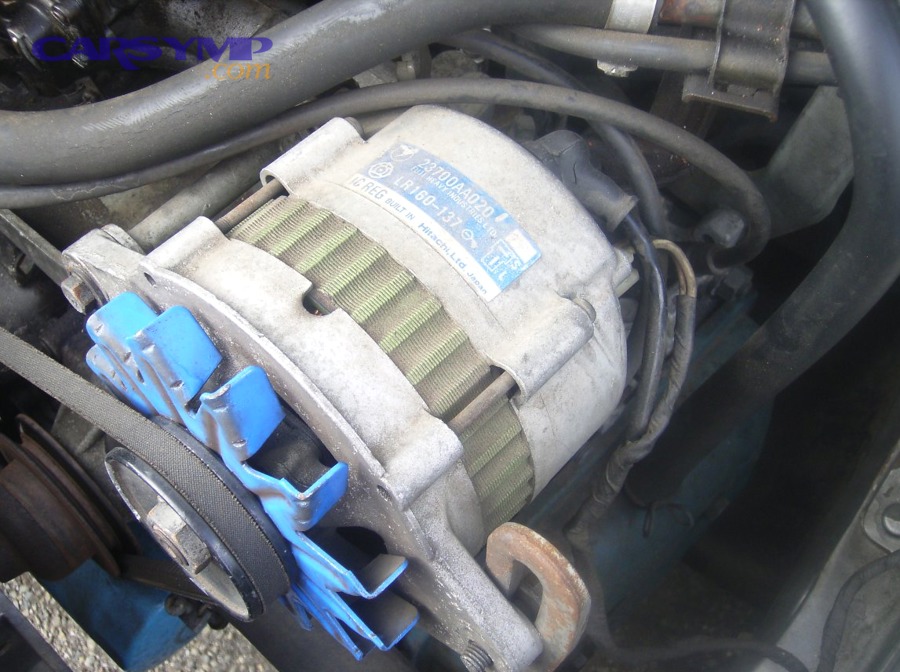
One practical sign: a slow crank that improves after a jump usually points toward inadequate battery output or poor connections. Another sign: rapid clicking often indicates voltage collapsing at the starter solenoid. In winter, both can happen even if the battery is not “dead,” just too weak under load.
Next, we’ll anchor this concept using the key winter metric drivers see when shopping for batteries: cold cranking amps.
Theo nghiên cứu của Battery University từ Cadex Electronics, vào 11/2021, chuẩn SAE J537 nêu rằng CCA phản ánh khả năng xả dòng lớn ở -18°C trong 30 giây mà vẫn giữ điện áp tối thiểu, giúp dự đoán năng lực đề máy trong thời tiết lạnh.
What does CCA really mean, and why does it matter more in winter than in summer?
CCA (cold cranking amps) is a standardized measure of how much current a 12V battery can deliver at 0°F for 30 seconds while maintaining minimum voltage, so higher CCA generally means easier winter starting. Next, we’ll use CCA correctly—without overbuying or misunderstanding it.
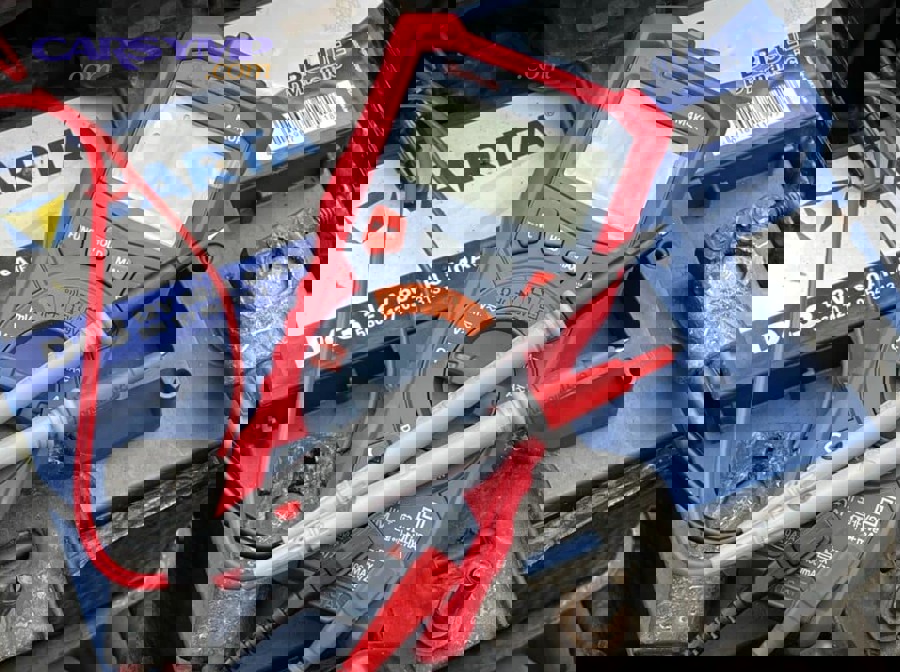
CCA isn’t about how “big” the battery feels; it’s about performance under cold load. Winter is the scenario where your battery is asked to do its hardest job while operating under its worst conditions. So CCA becomes the meaningful rating.
However, higher CCA is not a cure for every winter problem. If you have corroded terminals, a loose ground, a failing alternator, or a parasitic draw, even a high-CCA battery can end up flat. Think of CCA as starting capability, not charge retention.
How to use CCA smartly:
- Match OEM recommendations as a baseline. If you routinely see severe winters, a modest step up can help.
- Prioritize fit and quality (proper group size, solid warranty, reputable manufacturing).
- Fix the system first if you see repeated drain after sitting a few days; otherwise you’re masking the cause.
Next, we’ll focus on something drivers unintentionally do in winter that quietly prevents the battery from recovering: short trips and heavy accessory use.
Theo nghiên cứu của SAE International từ bộ phận Standards Development, vào 09/2023, SAE J537 mô tả quy trình thử ắc quy 12V ô tô, trong đó phép đo CCA ở nhiệt độ thấp giúp chuẩn hóa đánh giá khả năng đề nổ khi lạnh.
Which winter habits cause “low battery” even when the alternator is working?
Winter habits like repeated short trips, long idling, and heavy electrical loads can leave the battery undercharged because charging time is too short and demand is too high. Next, you’ll learn which patterns matter most and how to correct them.
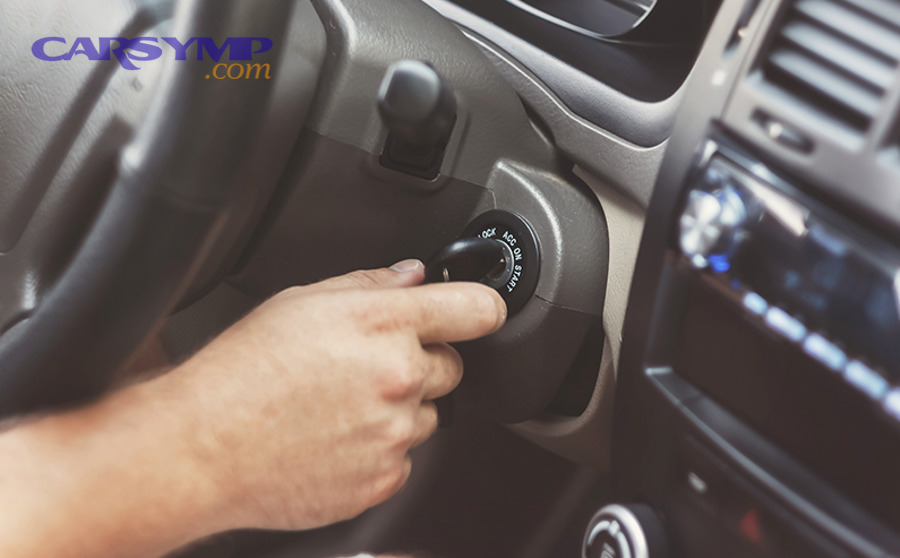
A common winter surprise is this: the alternator can be healthy, yet the battery still ends up low. That happens when your daily use never gives the battery a real chance to recover from starting and from accessory usage.
Here are the usual culprits:
- Short trips: you start the engine (high draw), then shut off before the alternator replenishes that energy.
- Heated seats, rear defroster, blower on high: these loads add up quickly, especially at idle.
- Frequent remote start: multiple cold starts without enough driving between them.
- Long idling in extreme cold: alternators often produce less output at idle than at cruising RPM, so idling is not always “charging time.”
If you notice the battery dies after sitting a few days, the winter pattern often looks like “partially charged most of the time,” then one cold night pushes it over the edge.
To introduce a new idea, the best fix is to adjust behavior before replacing parts: combine errands into longer drives, reduce accessory load during the first minutes after start, and consider a maintainer if you park outside.
Theo nghiên cứu của U.S. Department of Energy từ Vehicle Technologies Office, vào 09/2024, tải nhiệt và điện trong thời tiết lạnh có thể tăng đáng kể mức tiêu thụ năng lượng của hệ thống điện, làm giảm hiệu quả sử dụng năng lượng tổng thể khi xe vận hành trong lạnh.
How can you tell cold-related weakness from a parasitic draw or charging problem?
You can separate winter weakness from true faults by checking three things: resting voltage trend, charging voltage, and key-off draw behavior—then matching symptoms to patterns. Next, we’ll walk through a practical checklist that avoids guesswork.
Winter symptoms overlap, so you need pattern recognition:
- Cold-related weakness: starts fine after longer drives, struggles after cold overnight, improves noticeably after a full charge.
- Parasitic draw: battery is okay right after driving, but voltage drops abnormally fast during sitting; problem persists even in mild weather.
- Charging problem: battery is low frequently, headlights may brighten/dim with RPM changes, and charging voltage may be out of range.
A simple “Alternator vs battery vs parasitic draw checklist” approach:
- Morning start behavior: slow crank vs click vs silence, and whether a jump works immediately.
- Resting voltage after sitting: measure after the car has been off long enough to settle (ideally overnight).
- Charging voltage with engine running: confirm the alternator is supplying proper voltage at idle and with light loads.
- Sit test: after a full charge, let the car sit 24–48 hours and re-check voltage; a steep drop suggests draw or battery defect.
To introduce a new idea, track changes rather than obsessing over a single reading. In winter, a battery can look “borderline” but still be usable if it holds stable overnight. A battery that steadily falls despite being fully charged is telling you something.
Theo nghiên cứu của AAA từ Automotive Research Center, vào 12/2025, nhu cầu dòng đề trong lạnh có thể tăng mạnh trong khi khả năng cung cấp của ắc quy giảm, vì vậy việc đối chiếu điện áp nghỉ và điện áp sạc là cách nhanh để phân biệt yếu do lạnh với lỗi hệ thống.
What at-home tests confirm winter battery health without special tools?
You can confirm winter battery health with two easy tests: a stabilized resting-voltage check and a cranking-voltage drop check, both using a basic multimeter. Next, we’ll make these tests reliable by avoiding common measurement mistakes.
Test 1: Resting voltage (stabilized)
Turn the car off and let it sit long enough for surface charge to dissipate. Then measure across battery terminals. In winter, “good enough” is less about perfection and more about consistency. A healthy, fully charged lead-acid battery typically sits near the mid-12V range; consistently low readings suggest undercharge or deterioration.
Test 2: Cranking voltage drop
Keep the meter connected and watch voltage while someone cranks the engine. If voltage collapses dramatically and the engine cranks slowly, the battery may be weak, the connections may be resistive, or the starter load may be excessive. Next, you’ll use a quick connection check to separate these.
Quick connection sanity check
- Inspect terminals for looseness and visible corrosion.
- Check ground straps and the battery negative connection to chassis/engine.
- If possible, measure voltage drop between the battery post and the clamp while cranking; large drop points to a bad connection.
To illustrate a real-world pattern, if the car starts after a jump but then fails again the next morning, don’t assume the new charge “didn’t stick.” It may be that the battery never gets fully replenished or it is losing charge while sitting.
Theo nghiên cứu của Battery University từ Cadex Electronics, vào 11/2021, phép đo dưới tải (cranking) thường “lộ” sự suy yếu tốt hơn đo điện áp tĩnh, vì nội trở tăng khi lạnh làm điện áp sụt nhanh khi cần dòng lớn.
How do corroded terminals and bad grounds make winter drain feel worse?
Corroded terminals and weak grounds add resistance, which steals voltage exactly when the starter needs it most, so winter symptoms become louder: slower cranking, dim lights, and erratic electronics. Next, you’ll learn what to look for and why winter exposes this weakness.

In cold weather, every bit of extra resistance matters because the battery is already operating with reduced capability. Corrosion at terminals, loose clamps, and compromised ground straps act like a choke point in the electrical system. The battery might be capable of delivering high current, but the current can’t flow freely through resistive connections.
That’s why “Corroded terminals and bad ground symptoms” often mimic a dying battery: the starter drags, dashboard lights flicker, and you may hear clicking. But the root cause can be connection loss rather than battery failure.
Winter also encourages corrosion issues indirectly. Road salt, moisture, and repeated heat-cool cycles can accelerate terminal oxidation. A marginal connection that was “fine” in mild weather becomes a no-start problem when cold raises current demand.
To introduce a new idea, treat terminals and grounds as part of the battery itself. If you replace the battery without restoring clean, tight, protected connections, you may still get the same winter failure pattern—especially if you drive short trips.
If you publish automotive symptom guides, you’ll often see readers search a hub site like Car Symp for these patterns because the visual signs (white/green buildup, loose clamps) are easy to miss until winter forces the issue.
Theo nghiên cứu của Cadex Electronics từ bộ phận Engineering, vào 10/2004, các phương pháp đo điện trở/nội trở cho thấy khi điện trở tăng, khả năng cung cấp dòng cao giảm rõ rệt, điều này giải thích vì sao kết nối kém làm xe khó nổ hơn trong lạnh.
What prevention actually works to stop winter battery drain long-term?
The best prevention combines three moves: keep the battery fully charged, reduce key-off loads, and protect the electrical path (terminals/grounds) so voltage doesn’t get wasted. Next, you’ll see a practical routine that works for daily drivers and seasonal vehicles.
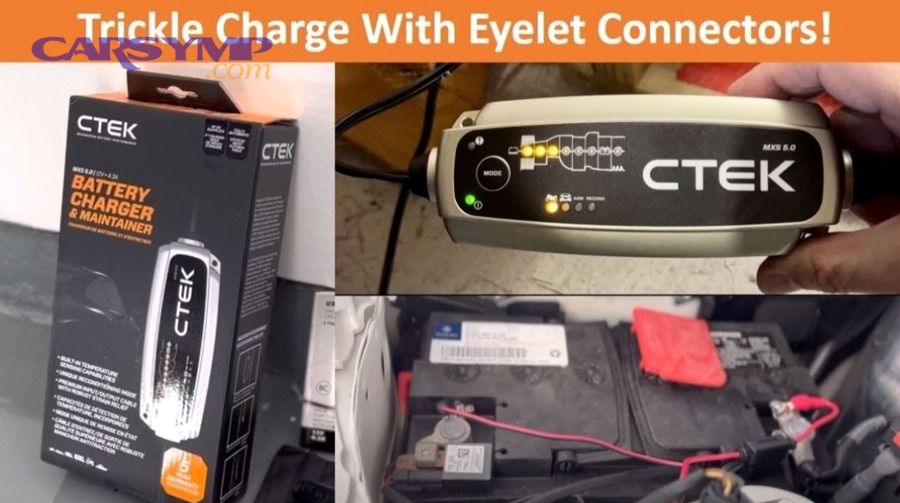
1) Keep the battery topped up (especially if you drive short trips)
A smart maintainer (battery tender) is the most reliable tool for winter stability when the car sits outside or is driven infrequently. Even if your alternator is healthy, a maintainer prevents chronic undercharge and reduces sulfation risk. This is especially relevant when you notice the battery dies after sitting a few days.
2) Reduce key-off drain where possible
- Unplug aftermarket accessories that stay powered (dash cams, OBD dongles, chargers).
- Check interior lights, trunk lights, glove box lights for switches that don’t fully close.
- If you added audio amps or remote-start systems, verify wiring and sleep behavior.
3) Protect the electrical path
Clean terminals, tighten clamps, verify grounds, and use appropriate protective spray/grease on terminals (after cleaning). This reduces voltage drop and makes starting easier in cold conditions.
4) Choose winter-friendly usage habits
- Combine errands into fewer, longer drives.
- After starting, avoid maxing blower + defroster + heated seats immediately for long periods if the battery is marginal.
- If the car sits, consider starting and driving long enough to genuinely recharge (idling alone may not be enough).
One helpful video
To illustrate how prevention solves repeating failures, many “battery keeps dying” cases stop once the owner combines a maintainer with cleaned terminals and longer weekly drives. The battery didn’t need a miracle—it needed a stable operating routine.
Theo nghiên cứu của Battery University từ Cadex Electronics, vào 03/2022, việc sạc đúng cách theo nhiệt độ (đặc biệt tránh sai lệch trong lạnh) giúp giảm suy giảm hiệu năng và kéo dài tuổi thọ, vì vậy duy trì mức sạc phù hợp là biện pháp phòng ngừa nền tảng.
Cold-weather battery drain in hybrids and EVs: related but different
Hybrids and EVs still experience cold-related battery challenges, but the dominant drains often come from heating and thermal management rather than starter cranking, so symptoms and prevention shift. Next, we’ll map the unique winter drivers for electrified vehicles.
Why cabin heat and defrost can feel like “battery drain” in EVs
EVs don’t have abundant waste heat like internal-combustion engines, so cabin heating often relies on electric resistance heat or heat pumps. In very cold weather, heating demand can significantly reduce range and can also increase auxiliary power consumption while parked if preconditioning or battery heating runs.
How the 12V system still matters in an EV
Even EVs typically have a 12V battery powering control modules, locks, lights, and safety systems. If that 12V battery is weak, you can see odd behavior even when the high-voltage pack is fine. The pattern can resemble classic winter issues: low voltage, module resets, and intermittent power-up problems.
Preconditioning: the winter tool that actually pays off
Preconditioning while plugged in shifts heating load off the battery (or reduces it), warming the cabin and sometimes conditioning the battery. This improves efficiency and reduces the “cold shock” on systems at startup.
Storage in freezing temperatures: what changes
For long parking periods, the biggest risk is not “cold itself,” but a low state of charge combined with cold. Keeping an appropriate charge buffer and following manufacturer storage guidance prevents the battery management system from reaching protective low-voltage states.
Theo nghiên cứu của U.S. Department of Energy từ Vehicle Technologies Office, vào 09/2024, tải HVAC và quản lý nhiệt trong điều kiện 0°F–20°F có thể tăng đáng kể công suất tiêu thụ, làm nổi bật vai trò của sưởi và điều hòa nhiệt pin trong suy giảm hiệu quả mùa lạnh.
Frequently asked questions about winter battery drain
Most winter battery questions come down to one theme: is this “normal cold behavior” or a fixable fault? Next, these quick answers will help you decide what to test first.

Is it normal for a healthy battery to struggle in extreme cold?
Yes—cold reduces available power and increases starting demand, so even a healthy battery can crank slower in extreme cold, especially if it is not fully charged. However, it should still start reliably if the system is healthy and the battery is within its service life.
Why does the car start fine today but die after sitting two or three days?
This pattern often means the battery is undercharged, aging, or there is key-off draw. In winter, the reduced capacity makes that drop happen faster. If “Why battery dies after sitting a few days” is your recurring pattern, a sit-test after a full charge is one of the fastest ways to separate battery weakness from parasitic draw.
Should I replace the battery first or test the alternator first?
Do both checks quickly: verify charging voltage with the engine running, then assess battery performance under load. Replacing the battery without confirming charging and connection health can lead to repeat failures.
Does idling recharge the battery enough in winter?
Sometimes, but not always. Alternator output and accessory loads vary, and winter loads (blower, defrost, heated seats) can consume much of what the alternator produces at idle. A sustained drive is usually more effective than long idling.
Theo nghiên cứu của AAA từ Automotive Research Center, vào 12/2025, thời tiết lạnh vừa làm giảm sức mạnh ắc quy vừa tăng nhu cầu dòng đề, nên các câu hỏi “bình thường hay hỏng” nên được trả lời bằng kiểm tra điện áp nghỉ, điện áp sạc và hành vi sau khi để xe qua đêm.