Fix Battery Keeps Dying: Diagnosis Guide for Drivers, Dead vs Weak
If your battery keeps dying, the cause is usually one of three things: the battery can’t hold a charge, the charging system isn’t refilling it, or something is draining power while the car is parked.
To narrow it down fast, you need a repeatable process—starting with what you can see and measure, then moving to targeted tests that confirm (not guess) the failure point.
You’ll also learn which symptoms point to wiring and ground problems, how driving patterns can prevent full recharging, and what to do immediately after a successful boost so the issue doesn’t return.
Giới thiệu ý mới: Below is a practical, step-by-step path from “mystery dead battery” to a confident fix—without replacing parts blindly.
Why does a battery keep dying even after you charge it?
Yes—when a battery keeps dying, it’s usually because capacity is reduced, charging is incomplete, or power is being consumed while parked.
To begin, think of the battery as a storage tank: if it’s cracked, never filled, or constantly leaking, it will “die” again no matter how many times you top it up.
What are the three root causes you should prioritize first?
There are three main causes: a weakened battery, a weak charging system, or an electrical drain while the vehicle is off.
Next, you’ll match symptoms to each category so your first test is the most likely to confirm the real fault.
A weakened battery often shows up as slow cranking after sitting, voltage dropping quickly under load, or needing frequent boosts. A weak charging system shows up as a battery that charges on a charger but doesn’t stay healthy in daily use. A key-off drain (parasitic draw) shows up as a battery that is fine right after driving but dead after parking overnight or for a few days.
In real-world terms, this is where the complaint “Why battery dies after sitting a few days” becomes a diagnostic clue rather than a mystery—because time parked is a strong indicator of a drain or a battery with reduced reserve capacity.
How do you avoid “false fixes” that make the problem look solved for a week?
You avoid false fixes by confirming the failure with measurements (voltage, load response, and charging output) before replacing anything.
Then, you re-check after the same conditions that originally killed the battery—such as two cold mornings, three short trips, or a weekend parked—to ensure the fix holds.
For example, cleaning terminals can temporarily improve starting because resistance drops, but it won’t fix a battery with a failing cell or a drain that empties the battery while you sleep. Likewise, replacing the battery may mask a drain for a short time because a new battery has more reserve—until it gets pulled down again.
How can you tell if the battery itself is failing?
You can tell the battery is failing if it won’t maintain voltage under load, self-discharges quickly, or shows signs of internal damage even after a full charge.
Next, you’ll do simple checks that separate “battery problem” from “system problem” in minutes.
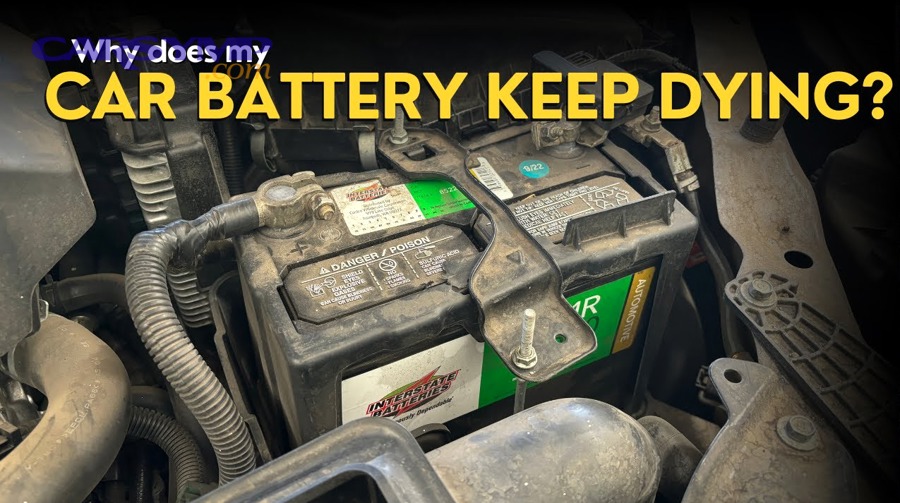
What should you look for visually before touching a multimeter?
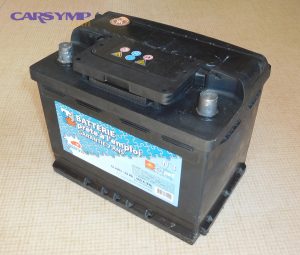
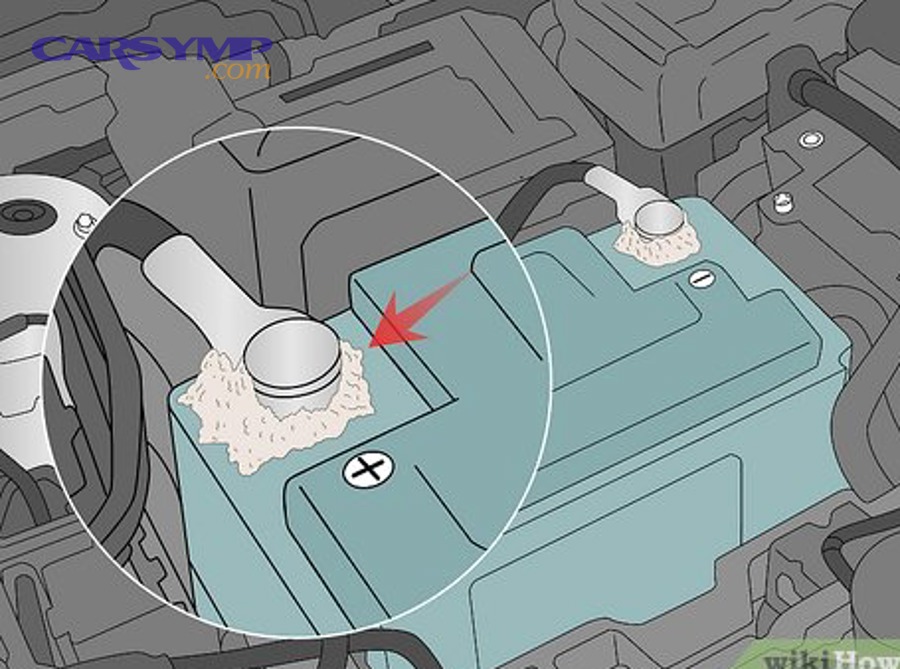
Look for swelling, leaks, cracked casing, loose posts, and heavy corrosion—because these can indicate damage or high resistance that mimics a weak battery.
After that, you’ll confirm with measurements so you don’t rely on appearance alone.
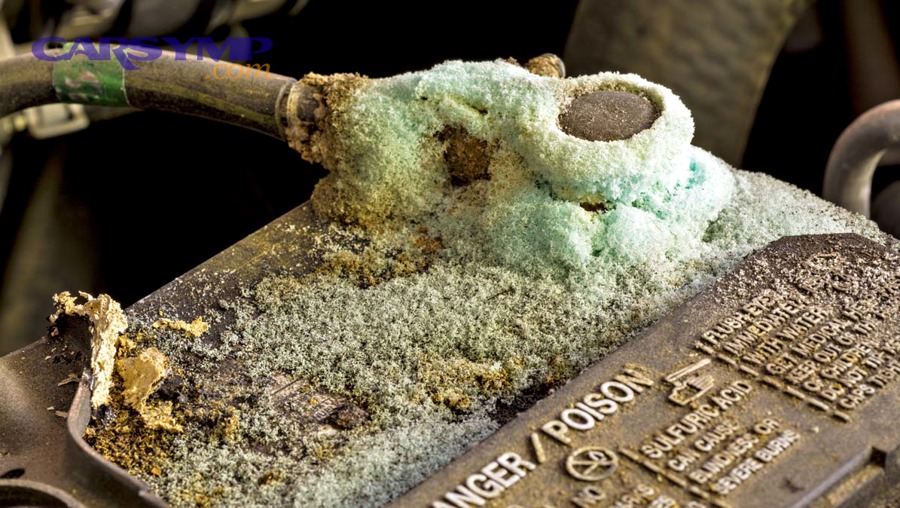
Battery cases that bulge can mean overheating or overcharging. Wetness or crust around the top can signal leakage. A loose terminal that rotates by hand can cause intermittent no-start symptoms, especially after bumps or temperature swings. If you see severe buildup, you’re also looking at Corroded terminals and bad ground symptoms—like dim lights, erratic electronics, or starter clicking even when the battery is relatively new.
How do you separate a bad cell from a charging issue using simple numbers?
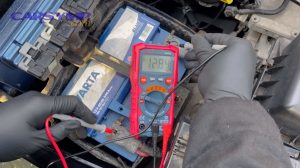
You separate them by checking resting voltage after a full charge, then observing how voltage behaves during cranking or a controlled load.
Next, you’ll pair those results with charging voltage so you can confirm the true failure mode.
This is where the idea Bad battery cell vs weak charging diagnosis becomes practical: a battery with a bad cell may show lower-than-expected resting voltage and a sharp drop under load, while a charging issue may show a battery that tests okay after charging but gradually ends up discharged again in normal driving.
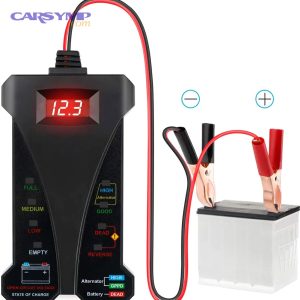
As a rule of thumb, a fully charged 12V lead-acid battery typically rests around the mid-12V range, and a large drop during cranking suggests either weak capacity or excessive resistance in cables/grounds. If resting voltage is acceptable but charging voltage is too low (or too high), the battery may be fine while the system is not.
What fast checks catch the most common causes of repeat battery death?
The fastest checks are terminal tightness, corrosion level, ground integrity, belt condition, and obvious accessory behavior when the car is off.
Next, you’ll turn these quick observations into a short list of likely culprits.
How do cables and grounds create “invisible” power loss?
Cables and grounds can cause invisible power loss by adding resistance, which steals voltage during starting and reduces effective charging.
Then, you’ll learn when cleaning is enough—and when the cable itself is the problem.
High resistance turns electrical energy into heat instead of useful power. That can make a battery appear weak even when it isn’t, and it can keep a good alternator from effectively refilling the battery. This is the practical reason people ask, When to replace battery cables—because corrosion can migrate under insulation, or the cable can develop internal damage that cleaning the ends won’t solve.
Clues include terminals that never stay clean for long, green/white crust returning quickly, a ground strap that looks frayed, or a cable that feels stiff and swollen near the end. If you notice voltage drop symptoms (slow crank with decent resting voltage), cable integrity moves to the top of your checklist.
What should “normal” look like after you shut the car off?
Normal looks like lights off, accessories asleep, and no unexpected buzzing, clicking, or fans running long after shutdown.
Next, you’ll test whether the vehicle actually “goes to sleep,” which matters for modern electronics-heavy cars.
Many vehicles keep modules awake briefly after you lock the doors; that’s normal. What’s not normal is a glovebox light staying on, a trunk lamp not turning off, an aftermarket device staying active, or a module that never sleeps. If the battery is healthy and charging is normal, these “stays on” problems are a common reason the battery keeps dying when parked.
How do you confirm a key-off electrical drain without guesswork?
You confirm a key-off drain by measuring current draw after the car is fully asleep, then isolating the circuit that changes the reading.
Next, you’ll use a safe process that protects your meter and avoids waking modules mid-test.
How do you set up a reliable home test without triggering false readings?
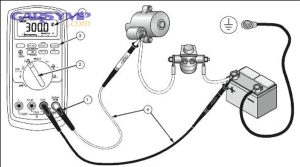
You set it up by turning everything off, closing latches, waiting for modules to sleep, and measuring draw in series using the correct meter range.
After that, you’ll isolate the source one circuit at a time and confirm repeatability.
This approach aligns with the concept Testing battery and charging system at home, but the key is consistency: if you open a door, unlock the car, or wake a module, your draw reading spikes and becomes meaningless. Use the hood latch method (or a mechanical latch hold) so the car thinks it’s closed, keep keys away, and wait the necessary time for sleep mode.
Once stable, you can begin isolating. This is where the phrase Alternator vs battery vs parasitic draw checklist becomes a useful mental model: you’re proving whether the “leak” exists (draw), rather than assuming the battery is the only culprit.
Which isolation method is safest for most DIYers?
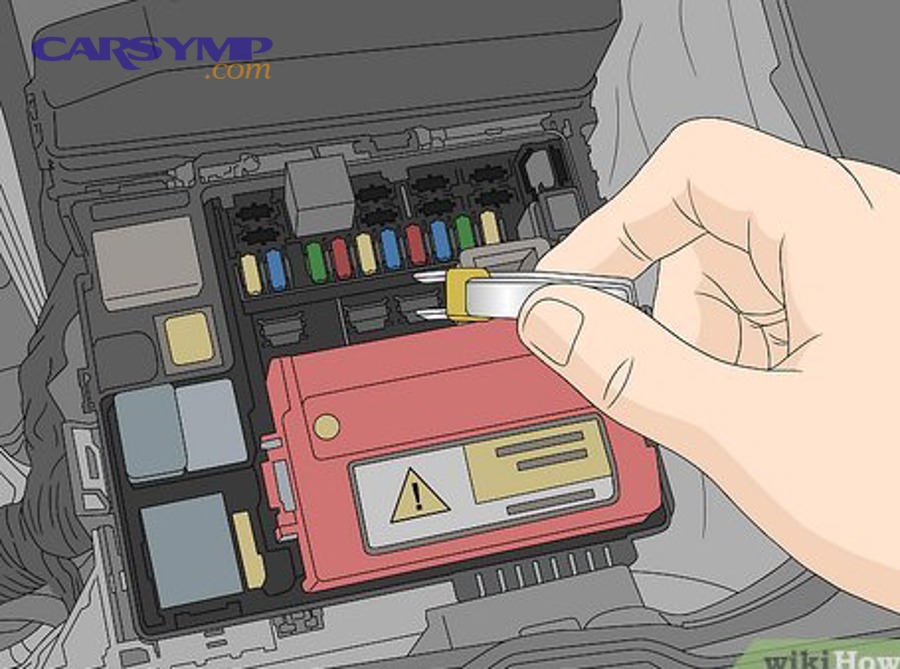
The safest method is circuit isolation by removing fuses one at a time while watching the stabilized current draw change.
Next, you’ll document the result so you can trace that circuit to specific components.
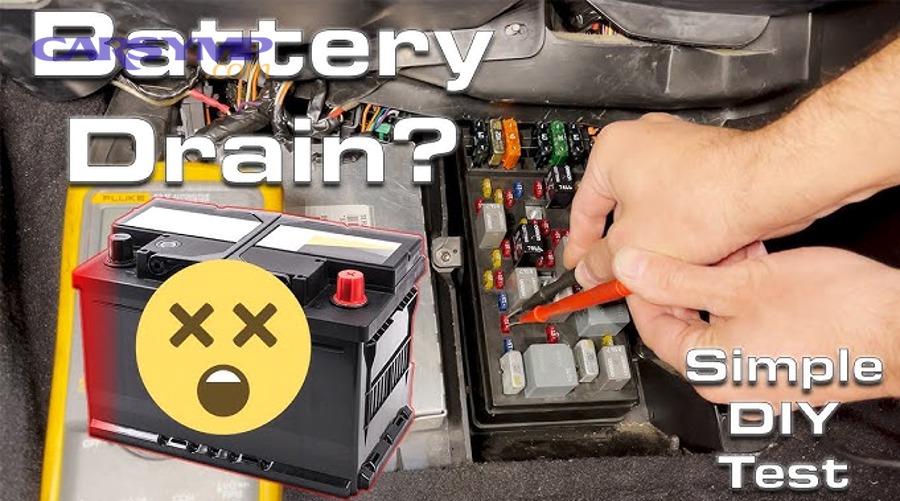
Pull one fuse, watch for a meaningful drop, reinstall, and repeat—slowly. If you find a fuse that drops the draw significantly, you’ve narrowed the search to the devices on that circuit. At that point, inspect common offenders: stuck relays, aftermarket accessories, amplifiers, dash cams, phone chargers, and lights that don’t turn off. The goal is to prove the relationship: drain present → fuse removed → drain reduced.
How do you check the charging system so the battery actually refills?
You check the charging system by measuring voltage at the battery with the engine running, then verifying output stability under electrical load.
Next, you’ll compare results to symptoms so you don’t confuse charging issues with battery capacity issues.
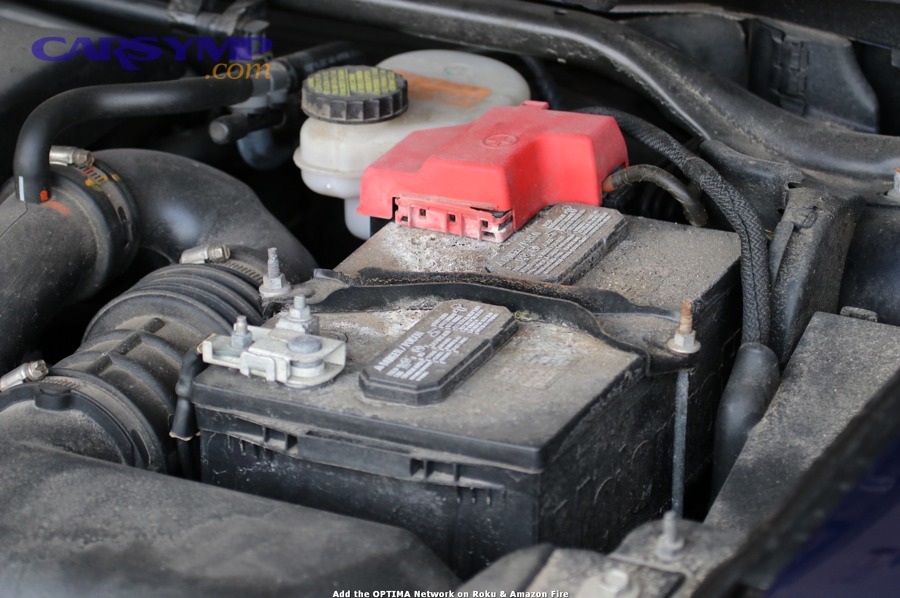
What signs point to alternator-related drain or weak charging?
Signs include a battery that tests fine but won’t stay charged, headlights that fluctuate with RPM, and charging voltage that’s unstable or consistently low.
Next, you’ll confirm with a simple voltage test and a load-on check.
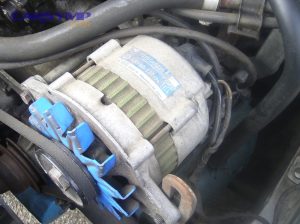
One often-missed clue is a faulty alternator diode that allows current to flow the wrong way after shutdown, effectively draining the battery. People may describe it as “the battery is dead in the morning even though it drove fine yesterday.” If you suspect this path, look for Alternator diode drain symptoms in the broader diagnostic picture: unexplained discharge parked, warm alternator after sitting, or AC ripple concerns that correlate with repeat failures.
How do you interpret charging voltage without overcomplicating it?
Interpret it by asking two questions: does voltage rise appropriately when running, and does it remain steady when loads are added?
Then, you’ll connect what you see to the battery’s real-world behavior over days.
If charging voltage never rises much above resting voltage, the battery may not be receiving enough recharge. If charging voltage spikes excessively, it can shorten battery life and increase water loss, leading to early failure. Add load (rear defroster, blower, headlights) and observe stability—wild swings can indicate regulation issues. When the battery keeps dying, confirming charging stability prevents replacing a battery that’s being undercharged every day.
Why can driving habits cause a battery to die repeatedly?
Driving habits can cause repeat battery death when the car isn’t run long enough to replace the energy used during starting and short trips stack the deficit.
Next, you’ll learn which patterns matter most and how to correct them without guesswork.
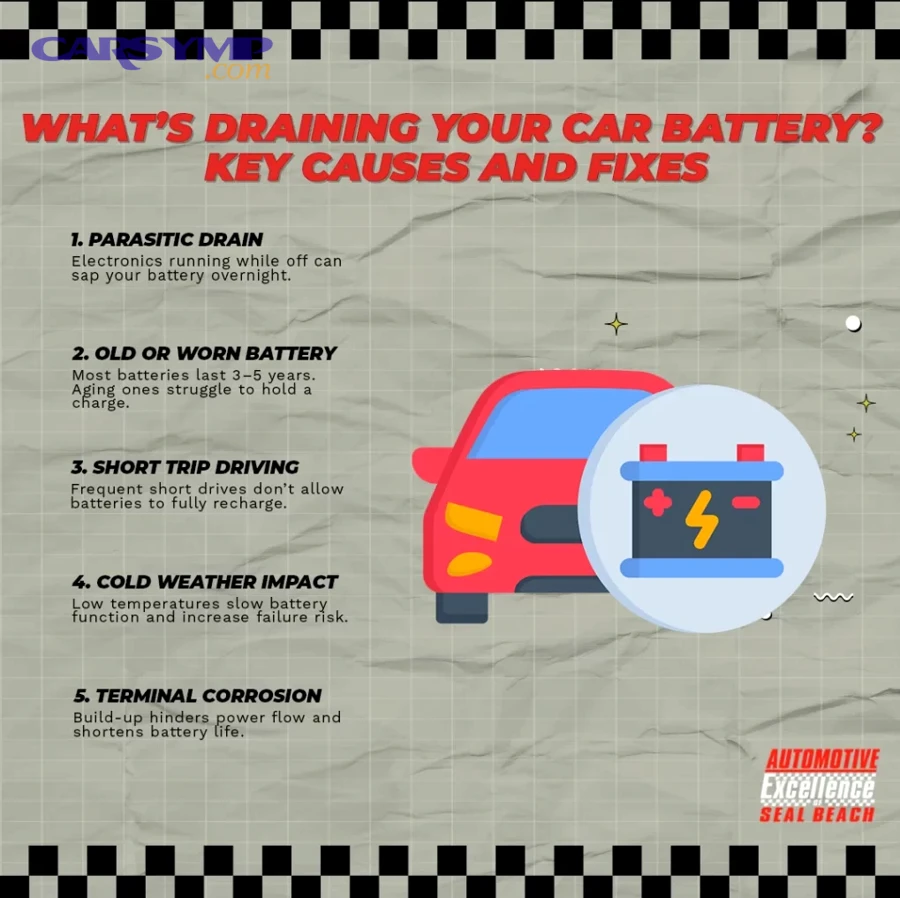
How do short trips create a permanent “charge deficit” over time?
Short trips create a deficit because starting draws significant energy and the alternator needs time at speed to replace it, especially with accessories running.
Next, you’ll spot the pattern and decide whether your routine needs a small change or a different solution.
This is the real meaning behind Short trip driving and battery charging issues: if you drive 5–10 minutes, run heated seats, defroster, and headlights, then park, the battery may never return to full charge. Over days and weeks, it lives in a partially charged state—accelerating sulfation and reducing capacity, which makes future starts harder and drains faster.
If your weekly routine is mostly short errands, a periodic longer drive or an occasional smart charger session can help. The goal is not “drive forever,” but to avoid living at a perpetual partial charge.
How does temperature change the story even if nothing is “broken”?
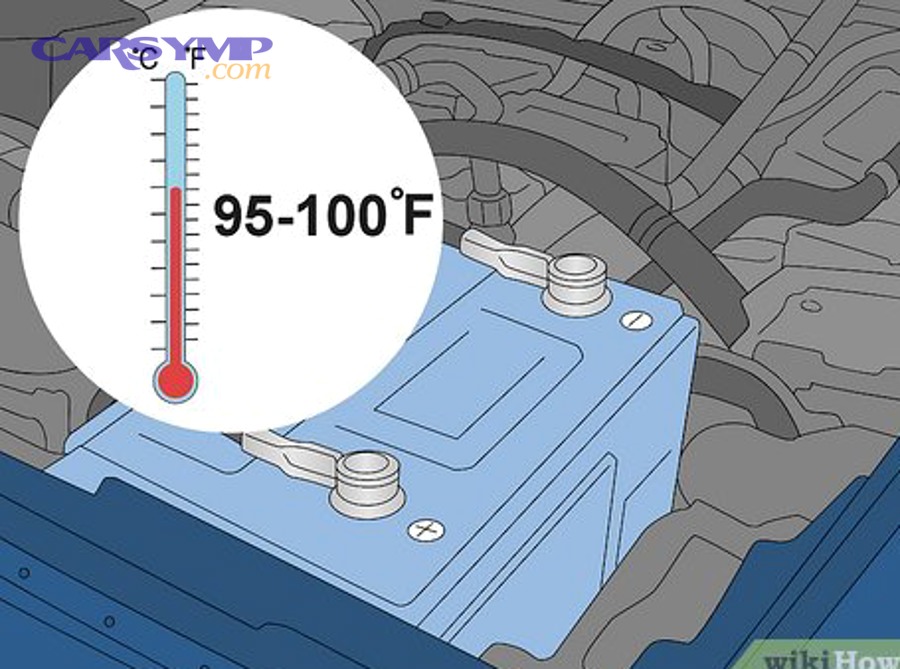
Temperature changes the story because cold reduces battery chemical activity and increases the engine’s cranking demand, making marginal systems fail more often.
Next, you’ll adjust your expectations and tests so winter doesn’t trick you into the wrong diagnosis.
In practice, Cold weather battery drain explanations often come down to two forces at once: the battery delivers less current, while the starter needs more. A battery that was “fine” in mild weather can suddenly reveal weakness in freezing conditions. That doesn’t always mean the alternator is failing; it can mean the battery’s reserve is simply no longer adequate for the environment and usage pattern.
What’s the smartest way to decide between cleaning, repair, or replacement?
The smartest decision comes from matching test results to the failure mode: resistance problems get repaired, capacity problems get replaced, and drain problems get isolated and corrected.
Next, you’ll use a simple checklist and a comparison table to avoid spending twice.
This table helps you quickly map symptoms to likely causes and the next best test—so the phrase Alternator vs battery vs parasitic draw checklist becomes a practical decision tool rather than a vague idea.
| What you observe | Most likely category | Best next confirmation | Common fix direction |
|---|---|---|---|
| Starts after charging, then weak again next morning | Key-off drain or low reserve capacity | Stabilized draw test after sleep | Isolate circuit; repair offender |
| Cranks slowly even when “fully charged” | Resistance or weak capacity | Voltage drop check at crank + load response | Clean/repair cables/grounds or replace battery |
| Battery warning light behavior or voltage instability | Charging system issue | Charging voltage test under load | Repair alternator/regulator/belt issues |
| Battery new, problem returned soon | Underlying drain or charging problem | Repeat draw + charging stability tests | Fix system cause; protect new battery |
When does corrosion stop being “maintenance” and become a real fault?
Corrosion becomes a real fault when it returns quickly, spreads under insulation, or causes measurable voltage drop during cranking and charging.
Next, you’ll decide whether cleaning is enough or the connection path must be rebuilt.
Surface corrosion can often be cleaned and protected, but deeper corrosion can keep growing. If your symptoms match Corroded terminals and bad ground symptoms and you’ve cleaned repeatedly without lasting improvement, treat it as a system reliability issue, not a cosmetic one. Clean, tighten, and protect—then verify with measurements so the fix is proven, not assumed.
When should you replace parts even if you can “get by” for now?
You should replace parts when tests show a battery can’t hold load, cables show persistent high resistance, or charging output is unstable—because repeated deep discharges shorten battery life rapidly.
Next, you’ll learn how repeat failures create a spiral that costs more over time.
Repeated boosts and deep discharges damage lead-acid batteries. Even if you can start today, you may be degrading tomorrow’s reliability. If your results point to a failing battery, replace it and fix the cause that killed it. If your results point to resistance, repair the connection path and verify. If your results point to drain, isolate and eliminate the offender before you destroy the replacement battery too.
What should you do immediately after a successful boost?
Immediately after a successful boost, you should stabilize the vehicle, ensure the charging system is working, and plan the next step so the battery doesn’t die again at the next stop.
Next, you’ll follow a safe sequence that protects electronics and turns the restart into a diagnosis opportunity.
What is the safest sequence to boost and what comes right after?
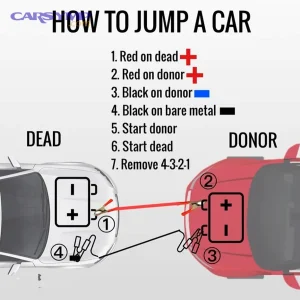
The safest sequence is correct cable placement, stable connection, start donor vehicle if needed, then start the disabled vehicle—followed by a charging verification step.
Next, you’ll decide whether you can drive, need a charger, or must stop and troubleshoot immediately.
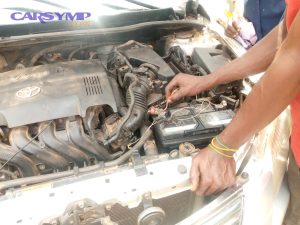
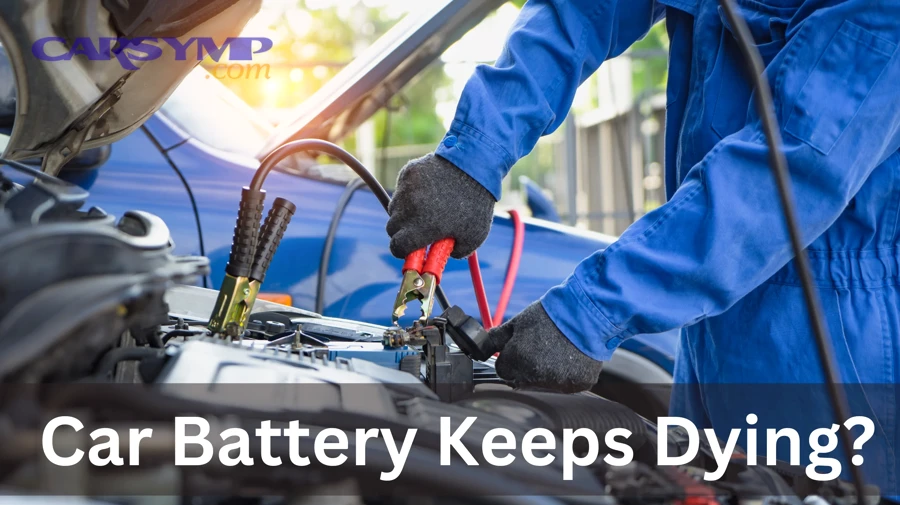
Use this as your guiding line: How to jump-start safely and what to do next. After it starts, don’t just drive away and hope. Check that charging voltage rises and remains stable; if it doesn’t, you risk stalling or ending up stranded again. Also, avoid shutting off immediately—give the system a chance to stabilize and confirm it’s truly charging.
To reinforce the process visually, here is a practical video walkthrough that matches the steps in this guide.
Why does the problem often return right after you shut it off again?
The problem returns because the battery may still be deeply discharged, the alternator may not be charging adequately, or a drain resumes as soon as the car is parked.
Next, you’ll prevent the “restart trap” by confirming charge recovery and identifying drains.
If the battery was very low, a short drive might not restore enough capacity for another start—especially if your routine includes short trips or cold temperatures. If the alternator is weak, it may not refill the battery at all. And if a drain exists, the battery may begin losing power again the moment the key is off.
How do you handle a battery that keeps dying after you already replaced it?
If the battery keeps dying after replacement, the root cause is usually an uncorrected drain, a charging deficiency, or resistance in cables/grounds that prevents proper charging and starting.
Next, you’ll focus on the “system around the battery,” because new parts don’t solve old electrical problems.
What are the most common reasons a new battery doesn’t stay healthy?
The most common reasons are a hidden key-off drain, a weak alternator/regulator, and cable/ground resistance that prevents full recharge.
Next, you’ll confirm which one it is with targeted tests—not more replacement.
This is exactly what people mean by Battery keeps dying after replacement causes: the battery was not the original problem, it was the victim. A new battery has more reserve, so it takes longer to show the same drain or undercharge pattern—but it will eventually repeat, and the new battery will be damaged sooner than expected.
Start with a stabilized draw test, then confirm charging output under load, then verify the integrity of cables and grounds. Fix the system issue, and the replacement battery becomes a true solution rather than a temporary bandage.
How do you know when cables are the hidden “bottleneck” after replacement?
You know cables are the bottleneck when the battery tests strong yet the starter still cranks poorly or charging voltage at the battery doesn’t reflect alternator output due to drop across connections.
Next, you’ll decide whether to clean, rebuild, or replace the cable path.
Even with a new battery, resistance can prevent proper charging and starting performance. If the car behaves better right after cleaning but degrades again quickly, revisit the question When to replace battery cables and treat it as a durability issue. Cables can look fine on the outside while failing internally.
When should you stop DIY and get professional diagnostics?
You should stop DIY when measurements are inconsistent, modules won’t sleep, the drain is intermittent, or you suspect alternator diode issues, wiring damage, or complex module communication faults.
Next, you’ll recognize the risk signals that can waste time or cause further damage if ignored.
Which situations are most likely to be intermittent and hard to catch?
Intermittent drains, sticking relays, and modules that wake randomly are the hardest because they can disappear during testing.
Next, you’ll learn how to capture the pattern so a technician can verify it faster.
If the battery only dies occasionally—like once every two weeks—it may be an intermittent wake-up event. Document what happened before the failure: did you use a certain accessory, park near a key fob, connect a charger, or leave a device plugged in? These details help pinpoint the trigger rather than forcing random part swaps.
How can you make a shop visit more efficient and cheaper?
You can make it more efficient by bringing your measurements, describing the exact timeline of failures, and listing any aftermarket electronics.
Next, you’ll avoid paying for repeat “basic checks” that you already did correctly.
Bring notes: resting voltage after a full charge, charging voltage under load, and whether the battery dies faster when parked. Mention any symptoms tied to Alternator diode drain symptoms or persistent connection issues. The clearer your data, the faster the path to the real fix.
Edge cases that make a battery failure look “random”
Edge cases make failure look random when the battery is marginal and external factors—sleep mode behavior, temperature, and trip length—push it over the line.
Next, you’ll use these scenarios to explain why the same car can start fine one day and fail the next.
How does sitting time change the diagnosis more than mileage does?
Sitting time changes the diagnosis because a drain or self-discharge acts continuously while the engine is off, so time parked becomes the “multiplier” of the problem.
Next, you’ll connect this directly to your real-life schedule to find the true trigger.
If you consistently return to a dead battery after the car sits, you’re living the scenario described by Why battery dies after sitting a few days. That points strongly toward either a key-off drain or reduced reserve capacity. The fix is not “drive more once,” but to identify the leak or restore capacity reliably.
How can cold weather expose a problem that summer never showed?
Cold weather exposes problems by reducing available battery power and increasing starting demand, so marginal batteries, cables, and charging systems fail more frequently.
Next, you’ll adapt your testing so seasonal behavior doesn’t mislead you.
This is why Cold weather battery drain explanations often sound confusing: nothing “new” was installed, yet the car suddenly struggles. In many cases, the system was already near the edge, and winter simply made the margin disappear. Treat cold-weather failures as a stress test that reveals underlying weakness.
Why do short trips create repeat failures even with a “good” alternator?
Short trips create repeat failures because alternator output depends on time and RPM, and accessory load can exceed what’s replenished in brief drives.
Next, you’ll decide whether a routine change or periodic charging support fits your situation best.
When people say Short trip driving and battery charging issues, they’re describing an energy budget problem: you withdraw a lot at start, then deposit too little before parking again. Over time, the battery lives below full charge, capacity declines, and the cycle accelerates.
How do you keep the fix from repeating and find trustworthy guidance?
You keep the fix from repeating by verifying the root cause with measurements, re-testing after the same conditions that caused failure, and maintaining clean, tight electrical connections.
Next, you’ll use a consistent checklist so you don’t restart the guessing cycle each time.
Make the process repeatable: verify battery health, verify charging behavior, verify key-off draw, and verify cable/ground integrity. If you want additional symptom-based guides and checklists written for everyday drivers, you can cross-reference resources on carsymp.com as you build your own routine for prevention and faster troubleshooting.
Frequently asked questions
These quick answers reinforce the most common decision points when a battery keeps dying, so you can move from symptoms to solutions faster.
Next, use them as a final check to ensure your diagnosis matches the pattern you’re experiencing.
Why does the car fail to crank even when lights still turn on?
It happens because starting requires far more current than cabin lights, and resistance in cables/grounds can drop voltage under heavy load even if small loads appear normal.
Next, focus on load behavior and voltage drop rather than judging by brightness alone.
This is where “car won’t start” can be misleading: the starter is the highest demand device, so it’s the first to reveal a weak battery, poor connection, or excessive resistance.
Can a battery be “new” and still be the wrong part for the vehicle?
Yes—if the battery lacks adequate cold cranking capacity or reserve for your usage pattern, it may behave like a weak battery even if it’s recently installed.
Next, match capacity and reserve to your climate, accessories, and trip length so the battery isn’t constantly stressed.
Should you keep jump-starting until it “fixes itself”?
No—repeated jump-starts without diagnosis can damage the battery and mask the real cause, especially if a drain or charging issue remains.
Next, treat each boost as a signal to test and confirm the system path that failed.
Follow the principle in How to jump-start safely and what to do next: restart is step one, verification is step two, and diagnosis is step three.
What’s the most common reason the problem comes back after a weekend parked?
The most common reason is a key-off drain or reduced reserve capacity that can’t support extended sitting time.
Next, measure stabilized draw and confirm battery capacity so you can eliminate the true cause.
This aligns directly with Why battery dies after sitting a few days, and it’s why draw testing is so valuable when symptoms are time-based.
How do you explain “it tests fine at a shop” but still dies at home?
It can happen when the drain is intermittent, the battery is marginal and fails only under certain conditions, or the vehicle’s sleep behavior changes at home (keys nearby, devices connected, different parking routine).
Next, document the conditions of failure so the test environment matches real life.
Intermittent cases are exactly where the framework Alternator vs battery vs parasitic draw checklist helps: you keep separating categories until one consistently matches the timeline, not just a single snapshot test.