


A failing belt tensioner usually creates unstable belt control (flutter, sudden chirps, uneven tracking), while a worn idler pulley most often reveals itself as a steady bearing noise and rough spin—even if the belt still looks fine.
To narrow it down quickly, you’ll compare what changes under load, what changes with speed, and what you can feel by hand when the belt is off—because tension control problems and bearing problems leave different fingerprints.
You’ll also learn how to avoid “false fixes” like replacing the belt first without verifying the root cause, and how to confirm the repair so the noise doesn’t come back after a few days.
To introduce a new idea, the most reliable diagnosis comes from combining sound patterns, belt tracking clues, and a short set of safe hands-on checks.
Entities: serpentine belt, accessory drive, spring-loaded tensioner, idler pulley, bearing, belt alignment, belt slip, harmonic vibration, alternator load, power steering load, A/C compressor load.
What’s the fastest way to tell tension control failure from a bearing failure?
Fast answer: tensioner issues usually change with load and cause belt movement (bounce or wandering), while idler pulley bearing issues are more constant, sounding like a dry hiss or growl that follows RPM even when loads are steady.
To connect the dots, start by observing the belt’s behavior at idle and during small load changes, then confirm with a belt-off spin check to identify rough bearings versus weak damping or spring control.
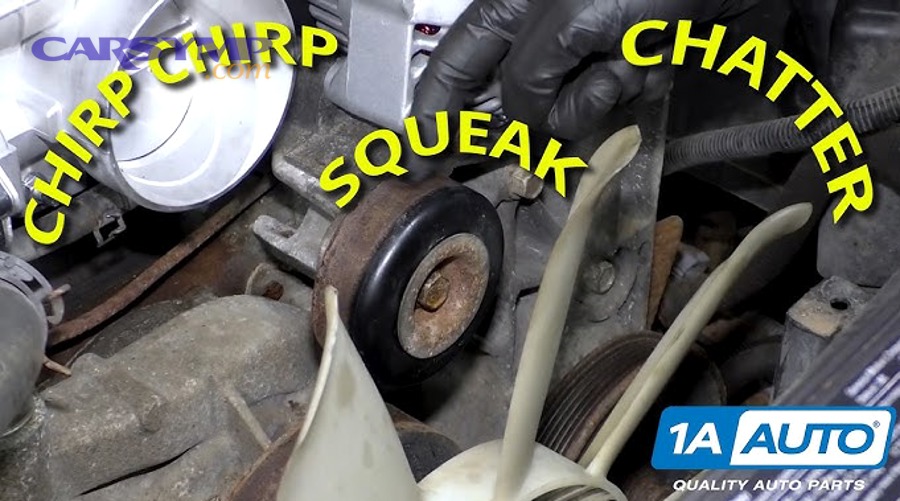
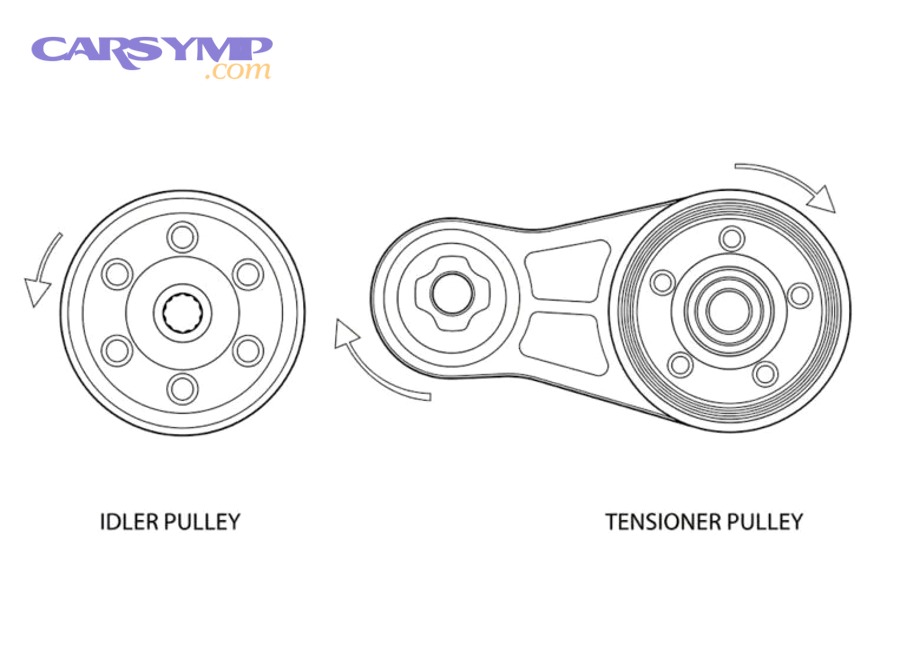
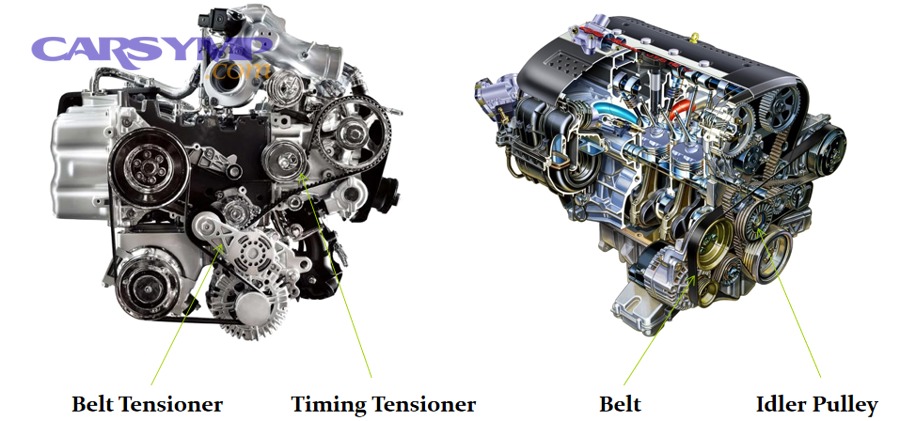
In practice, a belt tensioner is a control device: it applies force and absorbs belt oscillations. When it fails, the belt often shows visible symptoms—fluttering between pulleys, a “snap” change in belt tension, or a rhythmic chirp that appears when electrical or steering loads change.
An idler pulley is typically a passive guide. When its bearing is worn, the belt may still track normally, but the pulley itself becomes the noise source. The sound is often steadier and more “mechanical,” like a dry bearing or a faint grinding that rises with engine speed.
If you only do one quick observation, watch the tensioner arm at idle. A small, smooth movement is normal; repeated large oscillations, bouncing, or rapid flutter suggests damping/spring problems rather than a single pulley bearing.
According to research by the Society of Automotive Engineers (SAE) from the Noise and Vibration technical community, in 03/2016, accessory drive noise complaints are most often resolved by isolating load-sensitive belt slip from constant-frequency bearing noise using controlled load changes.
How does a belt tensioner fail, and what symptoms are most specific?
Direct answer: a tensioner fails by losing spring force, losing damping, or developing a worn pivot/bushing, which leads to belt slip under load, belt flutter, and irregular noise that often changes when accessories engage.
Next, you’ll map each failure mode to a symptom so you don’t replace the wrong part when the belt noise is only a side effect.
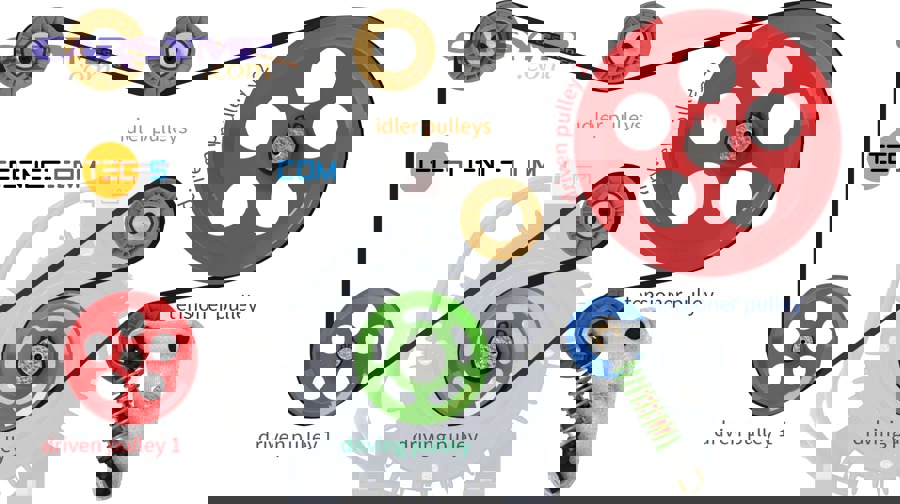
Loss of spring force typically shows up as insufficient belt tension. The belt may slip briefly during cold start, during sudden throttle blips, or when high-demand accessories load the belt. You might notice shiny glazing on the ribbed surface, or rubber dust near the pulleys.
Loss of damping is more distinctive: the tensioner arm moves too freely, allowing belt “whip” and rapid oscillation. Instead of a single squeal event, you get repeated chirps or a rattly, fluttering belt span. This is especially noticeable at idle, when the belt system is most sensitive to torsional pulses.
Worn pivot/bushing can cause misalignment. The belt may “walk” slightly across pulley ribs, or you may see the tensioner pulley not running in the same plane as neighboring pulleys. Misalignment tends to cause edge wear, fraying, or a repeated chirp that doesn’t disappear after a short warm-up.
One of the most specific clues is tensioner arm position. Many spring-loaded tensioners have a nominal operating range. If the arm sits near the end of its travel, the system may be compensating for belt stretch, wrong belt length, or weak spring force.
According to research by Gates (belt drive systems) from the OE Systems Engineering group, in 08/2019, improper tension control increases micro-slip events under transient accessory load, which can produce intermittent chirps even when belt ribs appear intact.
How does an idler pulley fail, and what symptoms point to it?
Direct answer: an idler pulley most often fails through bearing wear or contamination, creating a steady hiss/growl, a rough feel when spun by hand, and sometimes visible wobble that stays consistent regardless of accessory load.
To continue logically, you’ll confirm idler pulley suspicion by combining sound location, heat clues, and a belt-off bearing check.
Bearing wear often starts quietly: a faint dry “shhhh” sound that grows louder over weeks. As the bearing degrades, it can become a growl or a rumble. Unlike belt slip, this noise often doesn’t come and go with alternator load, A/C engagement, or steering input.
Contamination (water intrusion, road salt, engine bay chemicals) can accelerate wear. In some cases, the pulley feels normal cold but becomes noisy hot as the bearing clearance changes with temperature.
Wobble or runout is a red-flag symptom. If the idler pulley face is not running true, the belt can oscillate laterally, causing edge wear and repeating chirps. You might see the belt tracking slightly off-center or producing rubber dust in a narrow band.
A practical clue is localized heat. After a short drive, a failing bearing may run hotter than neighboring pulleys. Use caution: never touch rotating parts, and only check for heat after shutdown with a careful approach.
According to research by SKF (bearing engineering) from the Automotive Aftermarket technical notes, in 11/2020, early-stage bearing surface damage commonly presents as a broadband hiss that becomes more pronounced as grease breaks down and contamination increases friction.
Can you diagnose by sound alone, and what patterns matter most?
Direct answer: sound alone can narrow the suspect, but you need patterns—load sensitivity, pitch stability, and whether the noise “tracks” with belt speed or with accessory engagement—to reliably choose between a tensioner and an idler pulley.
To make the sound clues useful, treat them like a decision tree rather than a guess based on volume.
Load-sensitive noise suggests belt slip or tension control issues. If the noise appears when you switch on headlights, rear defroster, or A/C (which increases alternator or compressor load), that points toward insufficient tension or poor damping. A tensioner that cannot maintain stable force can allow micro-slip that sounds like chirping.
Steady RPM-following noise suggests bearing wear. If the sound is present consistently and rises smoothly with engine speed, a pulley bearing is a prime suspect.
Chirp vs squeal vs growl matters. Chirps are often short and repetitive, associated with slip or misalignment. Squeals are longer and more dramatic, often associated with slip under high load. Growls or rumbling often come from bearings.
Directional localization helps but can mislead. Sound reflects in engine bays. Use a mechanic’s stethoscope carefully on stationary housings after you’ve ensured you can do so safely, or use a long screwdriver as a listening probe on non-moving parts—never near the belt path.
According to research by the University of Michigan Transportation Research Institute (UMTRI) from the Vehicle NVH research group, in 02/2018, perceived “belt squeal” complaints frequently include non-belt sources, and structured pattern testing reduces misdiagnosis compared with listening alone.
What visual belt-tracking clues separate tensioner problems from idler pulley wear?
Direct answer: belt flutter, rapid span vibration, and a tensioner arm that oscillates widely point to tensioner control issues, while a belt that tracks off-center or shows edge wear can indicate pulley misalignment or pulley wobble.
Next, you’ll check the belt path like an alignment problem first, because tracking errors can make both parts seem guilty.
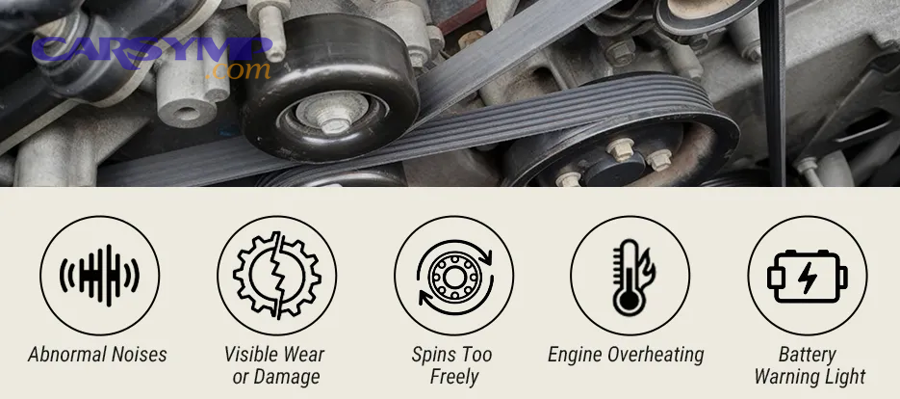
Watch the belt span (the longest straight section). If it flutters rapidly at idle, especially in sync with engine pulses, the tensioner may not be damping oscillations. A healthy tensioner typically keeps the belt motion controlled.
Watch the tensioner arm. A small, smooth movement is normal. Repeated large swings can indicate a weak damper, incorrect belt length, a seized accessory, or an internal spring issue.
Inspect belt edges. Frayed edges, a “polished” edge, or uneven rib wear can indicate misalignment. Misalignment may originate from a bent bracket, a worn pivot in the tensioner, or a pulley with runout (including an idler pulley bearing that has developed play).
Check rib condition. Glazing (shiny ribs) and fine rubber dust can point to slip. Slip is not always “belt is bad”—it can be tension control, contamination, or a driven accessory load spike.
According to research by Dayco (belt drive systems) from the Aftermarket Technical Training materials, in 05/2021, belt tracking deviation combined with edge wear is a strong indicator of misalignment or pulley runout rather than belt age alone.
How do you test the tensioner safely with the belt on?
Direct answer: with the belt on, you test the tensioner by observing arm stability at idle, applying small accessory loads to see if the arm reacts smoothly, and checking whether the belt slips or chirps during controlled load changes.
To proceed safely, you’ll do observation first—hands off—then move to brief load tests that don’t put you near rotating parts.
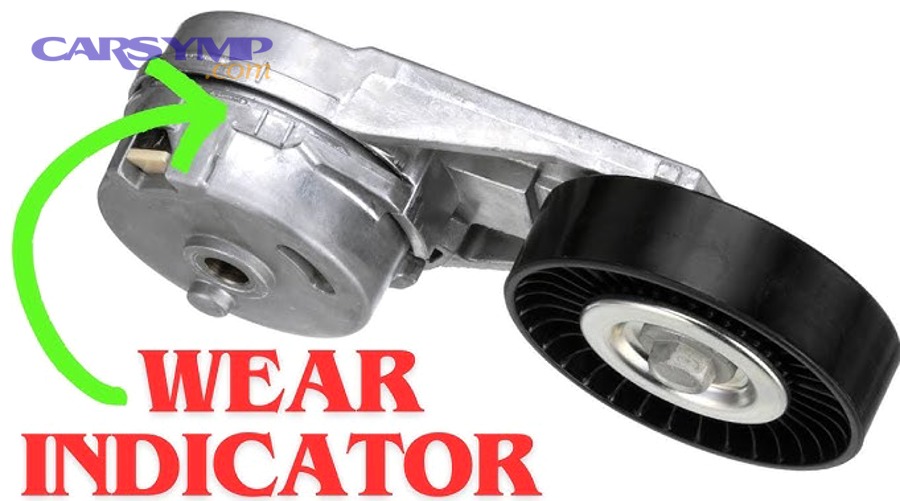
Step 1: Idle observation. Start the engine and watch from a safe distance. The belt should run smoothly. The tensioner arm should not bounce rapidly or slam back and forth.
Step 2: Controlled load change. Turn on headlights, blower fan, and rear defroster to increase alternator demand. If chirps appear or belt motion changes dramatically, tension control or belt condition becomes more likely than a single idler bearing.
Step 3: Steering and A/C check (if applicable). With the vehicle stationary and safe, lightly change steering load (power steering pumps can load belts) or engage A/C. If noise appears exactly as loads engage and disappears quickly, that’s consistent with slip events.
Step 4: Look for travel range. Many tensioners have a reference mark or visible range. If the arm sits near the end of travel, investigate belt length and component geometry before replacing parts.
Importantly, avoid spraying chemicals or water while the engine is running. It can be unsafe and can also create misleading temporary changes that hide the real fault.
According to research by the National Institute for Occupational Safety and Health (NIOSH) from the Workplace Safety and Health topic guidance, in 07/2017, rotating machinery hazards increase sharply when hands enter the belt path; diagnostic procedures should prioritize observation and shutdown inspection over live contact testing.
How do you confirm an idler pulley problem with the belt off?
Direct answer: with the belt off, a bad idler pulley will feel rough or gritty when spun, may have side-to-side play, and can produce a dry scraping sound—while a good pulley spins smoothly and quietly with uniform resistance.
Next, you’ll use a short, disciplined checklist so you don’t confuse normal seal drag with actual bearing damage.
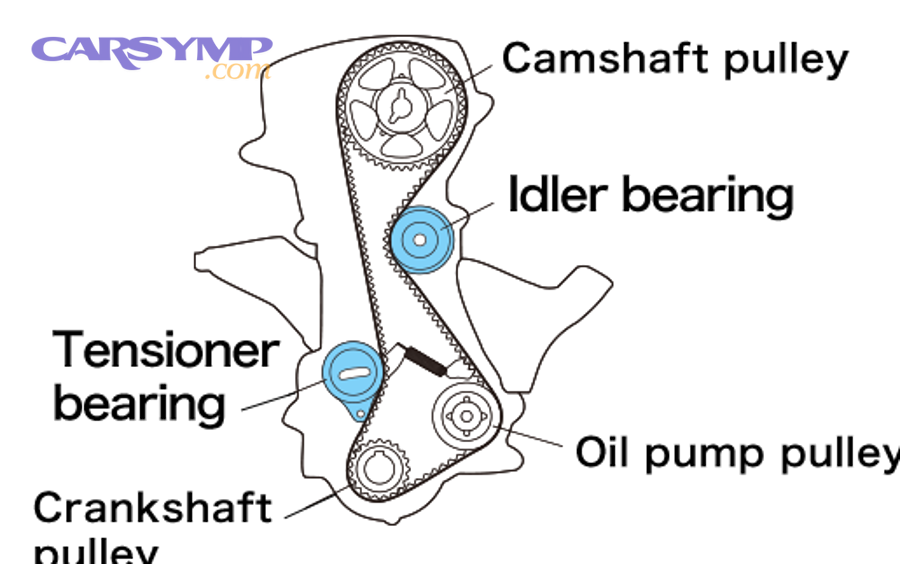
Step 1: Remove the belt safely. Use the correct tool on the tensioner’s hex or square drive. Note the belt routing or take a photo before removal.
Step 2: Spin the idler pulley by hand. A healthy pulley typically spins smoothly, with a gentle, even feel. A failing bearing often feels notchy, gritty, or uneven.
Step 3: Check for play. Hold the pulley and try to rock it in and out. Any noticeable looseness is suspicious. Tiny movement may be normal on some designs, but obvious wobble suggests bearing or mounting issues.
Step 4: Inspect the pulley face. Look for uneven wear patterns, discoloration, or grooves that don’t match the belt rib profile. A smooth pulley should show even contact; a ribbed pulley should show consistent rib contact.
Step 5: Compare to other pulleys. Spin other accessible pulleys (alternator, A/C, tensioner pulley if separate). The “odd one out” in feel and sound is often your culprit.
According to research by NTN (bearing manufacturer) from the Automotive Bearing troubleshooting guidance, in 09/2022, tactile roughness during hand rotation is a reliable early indicator of raceway damage even before audible growl becomes obvious in-vehicle.
How do you test the tensioner itself once the belt is removed?
Direct answer: with the belt removed, a good tensioner moves smoothly through its range with firm spring force and controlled return, while a failing tensioner feels weak, jerky, sticks, or snaps back without damping.
To connect this with what you heard earlier, you’ll focus on spring force, pivot smoothness, and damping behavior—not just whether it moves.
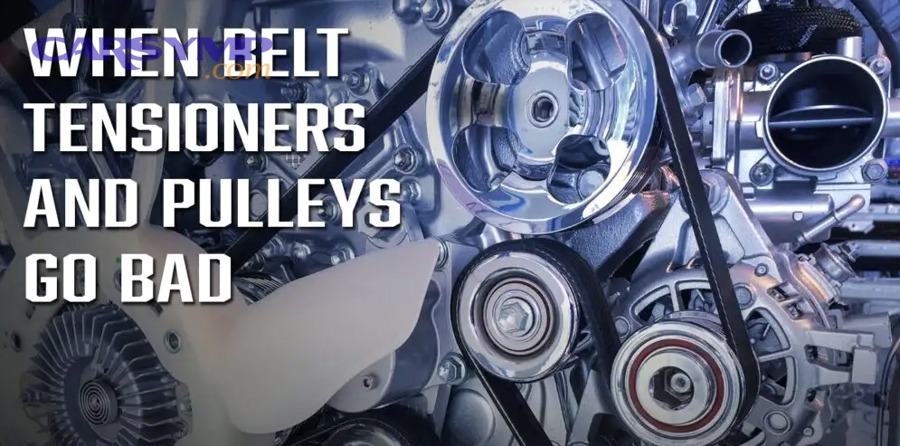
Spring force check. Apply force with the proper tool at the tensioner drive point. It should resist firmly. If it feels unusually easy to move or won’t hold a stable position, spring fatigue or internal failure is possible.
Return control (damping) check. Release the tensioner slowly. It should return in a controlled manner, not slam violently. A “snappy” uncontrolled return can indicate damping failure, which often correlates with belt flutter and intermittent chirps.
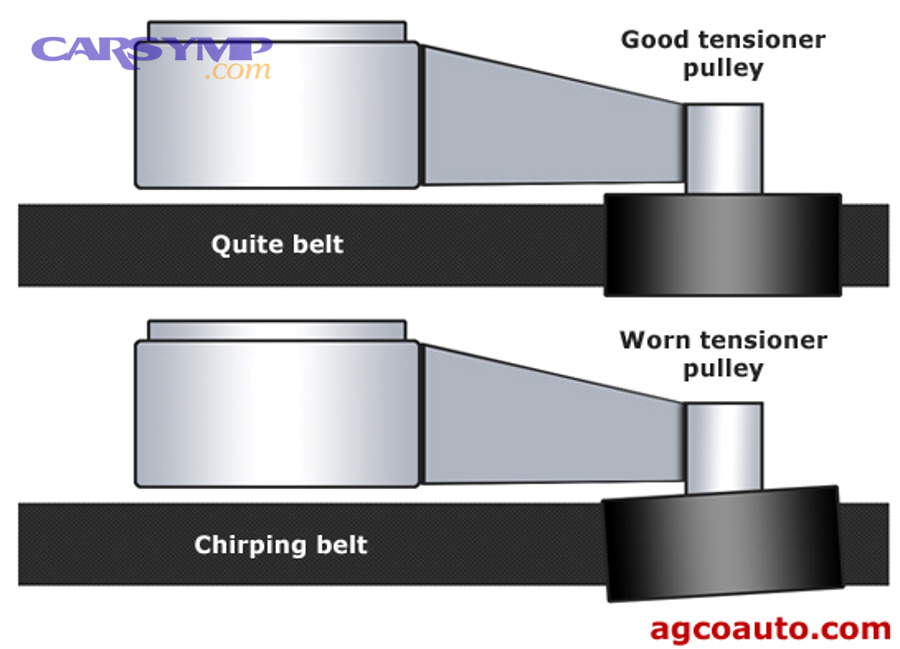
Pivot and alignment check. Observe whether the pulley face stays square to the belt plane as the arm moves. If the pulley tilts, the pivot/bushing or mounting may be worn, leading to tracking errors and edge wear.
Stop-to-stop smoothness. Move the tensioner through part of its travel. Binding, notchiness, or stiffness at certain points may indicate a mechanical issue in the pivot or housing.
Because some tensioners feel “stiff” by design, compare your findings to a known-good unit if possible or consult the manufacturer’s expected range and feel. The key is consistency: smooth, controlled motion—no dead spots or sudden jumps.
According to research by INA/Schaeffler (belt drive components) from the Technical Training department, in 01/2020, damping degradation is strongly associated with visible belt span oscillation and recurring chirp events during idle and accessory load transitions.
How do you separate belt slip from pulley bearing noise without guessing?
Direct answer: belt slip is typically load-sensitive and can leave visual residue (glazing or dust), while bearing noise is more load-independent and becomes obvious during belt-off spin checks and sometimes with localized heat after driving.
Next, you’ll combine three signals—pattern, evidence on the belt, and tactile feel—so one misleading symptom doesn’t drive the decision.
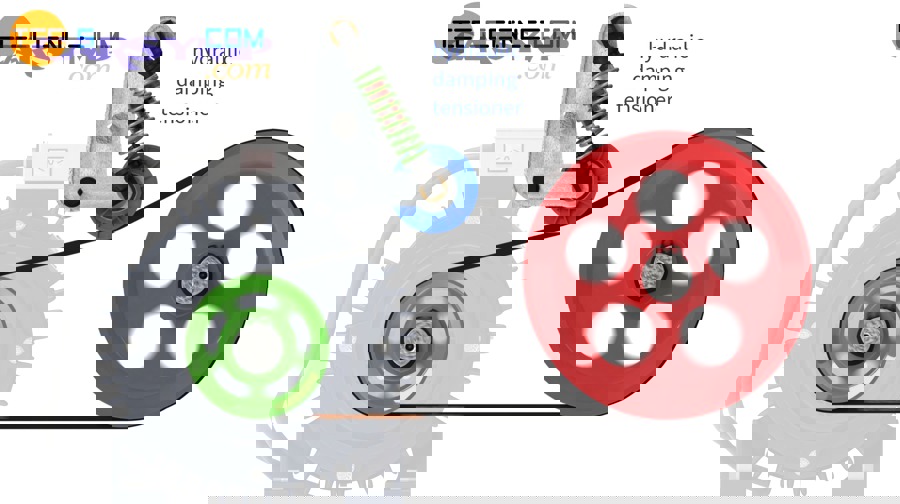
Signal 1: Pattern under controlled load. If the noise appears when you add alternator load or engage A/C, that leans toward slip/tension issues. If the noise is steady regardless of load, that leans toward bearings.
Signal 2: Belt surface evidence. A slipping belt often shows glazing (shiny ribs), hardening, or rubber dust. However, the belt may be reacting to a weak tensioner or a seized accessory, so treat belt condition as evidence—not a verdict.
Signal 3: Belt-off confirmation. The belt-off spin test is the most decisive differentiator. Slip cannot occur without the belt; bearings can still show roughness and noise by hand rotation.
Signal 4: Alignment and tracking. If the belt is being forced to one side, the noise might be a chirp caused by misalignment rather than slip or bearings alone. That points back to pulley runout, bracket issues, or tensioner pivot wear.
If you want a structured view, the table below helps you match symptoms to the most likely root cause so you replace parts with confidence.
This table shows common noise patterns and the diagnosis signal that best distinguishes a belt tensioner fault from an idler pulley fault. It helps reduce “replace-and-hope” repairs.
| Symptom pattern | More consistent with tensioner | More consistent with idler pulley |
|---|---|---|
| Noise changes when electrical load changes | Yes (tension control/ micro-slip) | Usually no |
| Tensioner arm visibly oscillates at idle | Yes (damping/spring issue) | No (unless misalignment forces oscillation) |
| Steady growl/hiss follows RPM smoothly | Sometimes (if tensioner pulley bearing is worn) | Yes (bearing wear common) |
| Belt edges fray or belt walks sideways | Possible (pivot wear/misalignment) | Possible (runout/wobble) |
| Pulley feels rough when spun with belt removed | Only if tensioner pulley bearing is failing | Yes (classic idler bearing indicator) |
According to research by SAE from the Belt Drive and Accessory Systems papers, in 10/2015, structured symptom-pattern testing reduces parts replacement errors by emphasizing load sensitivity and belt-off bearing confirmation.
What mistakes most often lead to replacing the wrong part?
Direct answer: the most common mistakes are assuming “any squeal means the belt,” skipping the belt-off bearing check, ignoring alignment clues, and overlooking that the tensioner pulley itself can have a bearing failure separate from the tensioner mechanism.
To avoid those traps, treat the system as a chain: belt condition, tension control, pulley bearings, and accessory loads can all produce similar noise signatures.

Mistake 1: Replacing only the belt as a first move. A new belt can temporarily mask marginal tension control because fresh rubber grips better. The noise returns when the belt wears in, and the underlying tensioner or bearing fault remains.
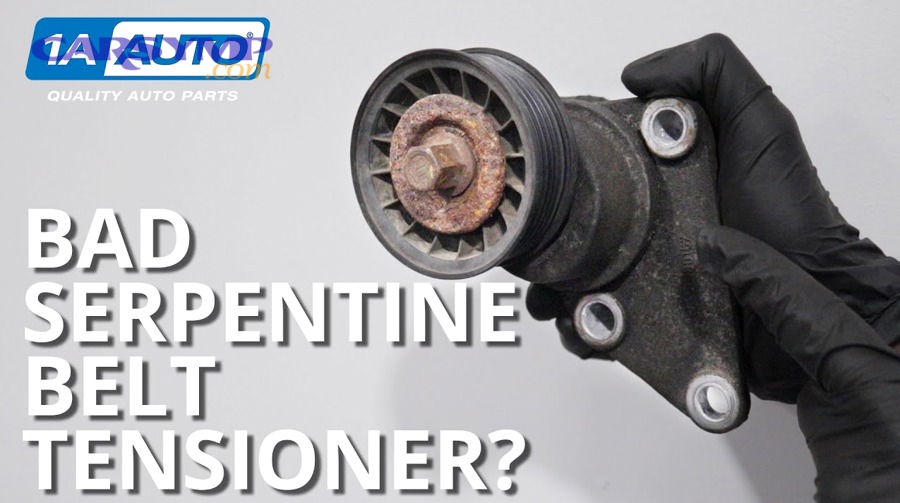
Mistake 2: Not checking the tensioner pulley bearing. Many people say “tensioner” when they mean “the pulley on the tensioner.” The pulley bearing can fail while the spring and damping are still fine. Your belt-off spin check will reveal this.
Mistake 3: Ignoring misalignment. If a bracket is bent or a mount is loose, replacing the idler or tensioner may not fix belt tracking. The new part may fail early due to abnormal belt forces.
Mistake 4: Confusing accessory load spikes with belt problems. A failing alternator bearing, A/C compressor clutch issue, or power steering pump load can trigger slip sounds even with a good belt and tensioner.
Mistake 5: Using “quick fixes” as diagnosis. Some sprays and dressings change friction and can temporarily alter noise, but that can hide the true fault long enough to mislead you.
According to research by the AAA Automotive Engineering outreach materials, in 06/2019, accessory belt noise is frequently misdiagnosed when technicians skip system-level checks and replace only the belt without verifying tensioner damping and pulley bearing condition.
When is it unsafe to keep driving with a suspected tensioner or idler issue?
Direct answer: it’s unsafe to keep driving if you see belt shredding, severe pulley wobble, repeated belt jumping, or a bearing growl that suddenly becomes loud—because belt loss can remove critical functions like alternator charging and power steering.
Next, you’ll identify the “stop now” signs so you don’t turn a repair into a roadside breakdown.
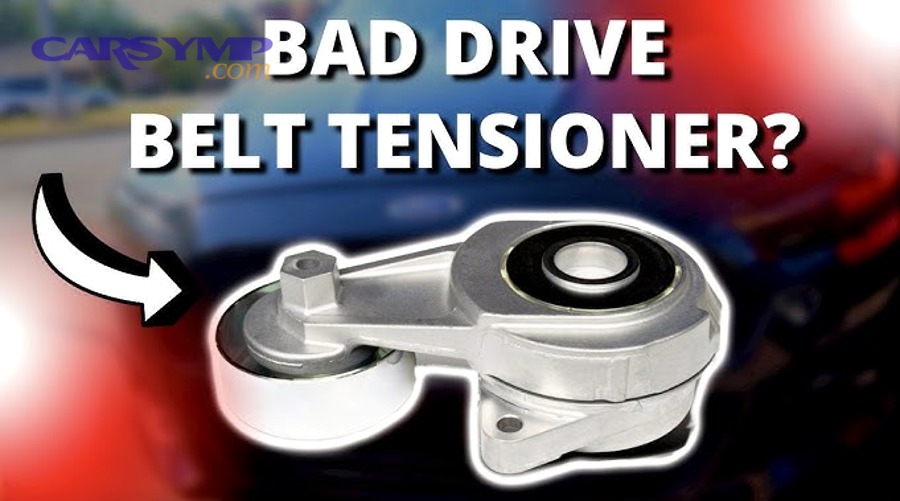
Stop-driving indicators:
- Visible belt damage: fraying, chunks missing, ribs separating, or cords exposed.
- Pulley wobble/runout: the pulley face visibly “waves” as it spins.
- Sudden increase in noise: a mild hiss becomes a loud growl or grinding sound.
- Burning rubber smell: sustained slip can overheat the belt quickly.
- Charging warning light or steering changes: belt loss can cause electrical discharge or reduced steering assist.
A failing idler bearing can seize, instantly shredding the belt. A failed tensioner can allow the belt to slip off or lose enough tension to underdrive critical accessories. Either way, the risk is not just noise—it’s functional loss.
According to research by NHTSA (National Highway Traffic Safety Administration) from vehicle defect and safety communications, in 04/2014, accessory drive failures can contribute to sudden loss of vehicle electrical power and reduced steering assist, increasing breakdown risk in traffic.
How do you choose the right replacement parts to prevent repeat noise?
Direct answer: choose OE-quality components, match pulley type and belt routing precisely, and replace any rough or misaligned pulley you find during belt-off inspection—because mixing worn bearings with a new belt can reintroduce noise quickly.
To keep the fix durable, you’ll treat the belt drive as a system: one weak link can shorten the life of everything else.
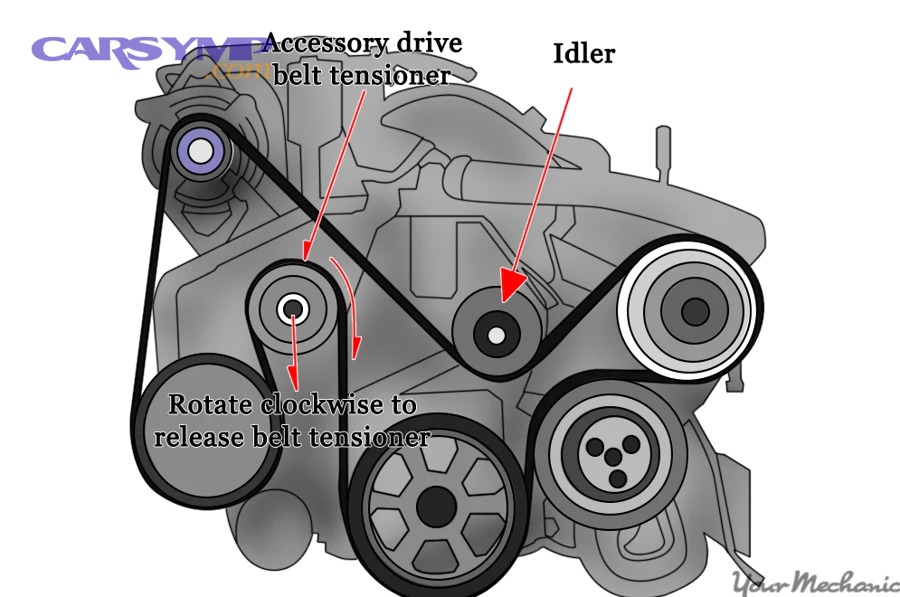
Match pulley design. Some applications use smooth pulleys on the belt’s back side and grooved pulleys on the ribbed side. Installing the wrong type can create tracking and friction problems immediately.
Prioritize bearing quality. A cheap pulley bearing may be noisy out of the box or fail early, especially in hot engine bays. OE-quality bearings and seals matter more than the pulley’s appearance.
Verify belt length and routing. An incorrect belt length forces the tensioner into an abnormal range and can mimic tensioner failure. Always verify the routing diagram and belt specification for your engine and accessory configuration.
Inspect mounting surfaces. Corrosion, debris, or a bent bracket can cause misalignment. Even a high-quality new part will track poorly if the mounting face is not true.
Replace what the evidence supports. If the idler is rough, replace it. If the tensioner spring/damping is weak or the pivot is worn, replace the tensioner assembly. If only the tensioner pulley bearing is rough and it’s serviceable separately, replace the pulley as appropriate for the design.
According to research by the Automotive Aftermarket Suppliers Association (AASA) from aftermarket quality guidance, in 03/2021, system-level replacement strategies (addressing all confirmed wear points) reduce comebacks compared with single-component replacement when belt noise is present.
How do you replace the component and verify the repair actually worked?
Direct answer: replace the confirmed faulty component, install the correct belt, align the belt fully in every groove, then verify by watching belt stability at idle and repeating the same load tests that originally triggered the noise.
To complete the loop, verification matters as much as installation—because a quiet idle alone doesn’t prove you fixed the root cause.
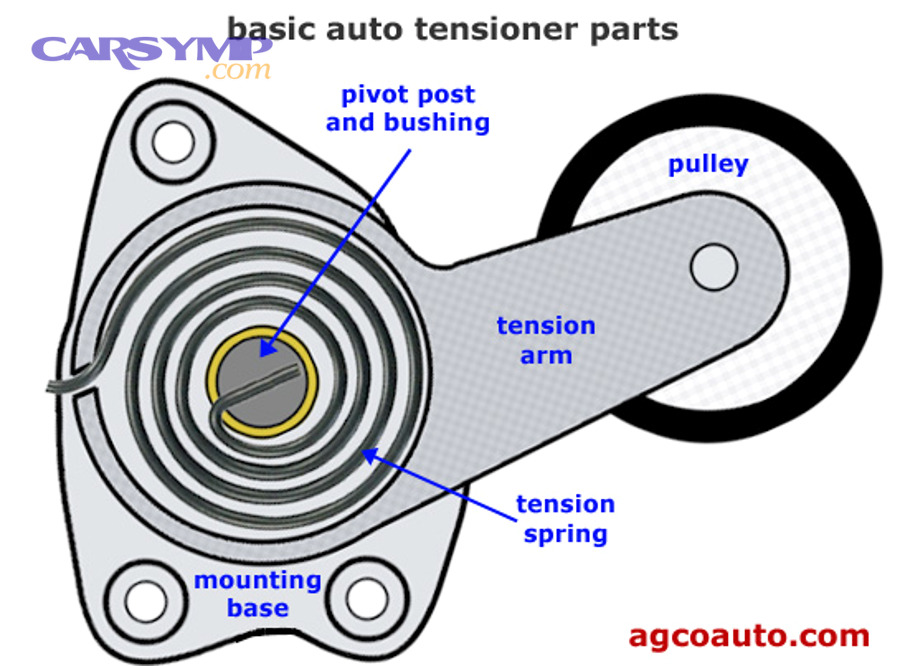
Replacement basics (high level):
- Document routing: photo or diagram of belt path.
- Relieve tension safely: use the proper tensioner tool position.
- Replace the faulty part: torque fasteners to specification and ensure mounting surfaces are clean and flat.
- Install belt correctly: ensure every rib seats in the grooves; one mis-seated rib can create immediate chirp.
- Initial check: rotate the engine by hand if appropriate and safe (vehicle-specific), or visually verify belt seating on each pulley.
Verification checklist:
- Idle stability: belt runs straight, minimal flutter, tensioner arm movement is controlled.
- Load repeat: turn on electrical loads and A/C if applicable; noise should not reappear.
- Short road test: re-check for dust, smell, or returning chirps.
- Post-drive inspection: confirm the belt hasn’t walked and pulley faces run true.
If you had an intermittent chirp before, repeat the exact scenario that triggered it—cold start, humidity, turning load, or electrical load—because that’s where the original weakness showed up.
According to research by Bosch Mobility Aftermarket from technical service training, in 12/2020, repeatable condition testing (recreating the original load and temperature conditions) is the most reliable method to confirm accessory drive noise repair success.
What video walkthrough helps you visualize the checks and safe belt removal?
Direct answer: a step-by-step serpentine belt diagnosis and tensioner/idler inspection video helps you see belt routing, safe tension relief, and what “rough bearing” versus “good bearing” looks and sounds like before you buy parts.
Next, use the video to reinforce the sequence—observe first, shut down, belt-off confirmation—so you stay safe and systematic.
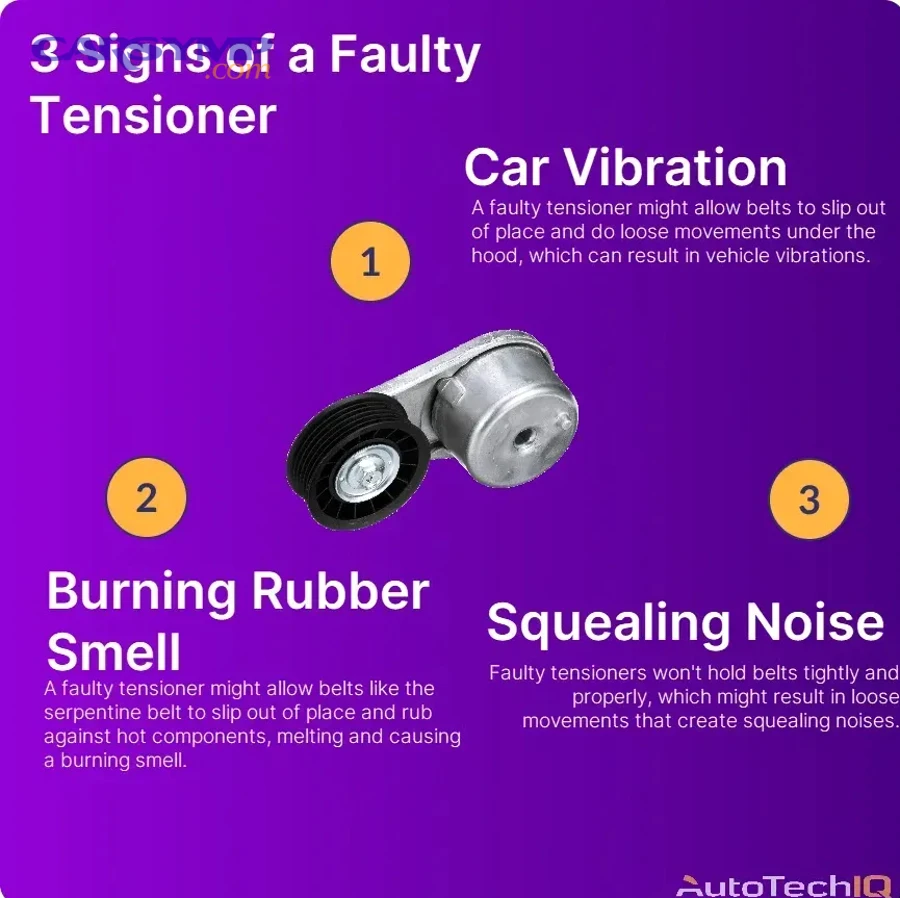
Use the walkthrough to pause at key moments: belt seating in pulley grooves, hand-spinning pulleys with the belt removed, and observing tensioner arm behavior at idle. The goal isn’t to copy every tool choice—it’s to recognize the mechanical signatures of each failure mode.
According to research by the University of Leeds from the Mechanical Engineering tribology and condition monitoring studies, in 09/2019, visual-tactile training examples improve fault recognition accuracy for rotating component wear compared with text-only instructions.
Contextual border: What extra factors can make the diagnosis confusing?
Direct answer: confusing cases happen when multiple issues overlap—like a marginal belt plus a slightly rough pulley—or when environmental conditions change friction, making noise appear and disappear even though the underlying part is still failing.
To broaden the context without losing focus, the next section covers the most common “noise modifiers” that mimic or mask tensioner and idler problems.
How can temperature and humidity change what you hear?
Direct answer: temperature and humidity can change belt friction and rubber stiffness, so a marginal tensioner system may be quiet warm but noisy cold, while a marginal bearing may get louder as it heats and grease thins.
To connect this to your earlier checks, always repeat the same test conditions that originally produced the noise before declaring the repair complete.
In real-world terms, Wet weather belt noise diagnosis often points toward friction changes on the belt surface or pulley faces rather than an instant mechanical “new failure.” Moisture can temporarily reduce friction consistency, revealing micro-slip that a weak tensioner could not control.
According to research by the Rubber Division of the American Chemical Society from published elastomer behavior discussions, in 10/2018, rubber friction and stiffness vary with temperature and surface moisture, which can affect transient slip noise in belt drives.
When does belt condition matter even if the parts are okay?
Direct answer: belt condition matters when the ribs are glazed, hardened, or contaminated, because the belt can slip or chirp even with good pulleys—especially during transient loads—making it seem like the tensioner or idler is failing.
Next, you’ll treat the belt as a measurable surface condition rather than an assumption based on age alone.
Instead of guessing, look for glazing, cracking between ribs, missing chunks, or a polished appearance. If you see contamination (oil, coolant), fix the leak first; a new belt on a leaking engine bay often becomes noisy again quickly.
For systematic troubleshooting, belt squeal diagnosis works best when you evaluate belt surface condition alongside tensioner behavior and belt-off pulley checks, because the noise can be a symptom rather than a root cause.
According to research by the American Society of Mechanical Engineers (ASME) from power transmission tribology discussions, in 06/2017, friction-modifying contamination is a common driver of intermittent slip noise even when mechanical alignment is within tolerance.
Do spray-on products help, and what should you do instead?
Direct answer: spray-on products may temporarily change friction, but they rarely solve the underlying mechanical issue and can attract dust; a better approach is to identify whether the noise is slip, misalignment, or bearing wear and repair that cause.
To keep your troubleshooting clean, avoid turning a diagnostic problem into a contamination problem.
Many drivers ask about Belt dressing pros/cons. The main “pro” is temporary noise reduction in some slip cases; the major “cons” are residue buildup, dirt adhesion, and the risk of masking a failing tensioner or bearing until it becomes severe.
Instead, use belt-off confirmation and alignment checks. If the belt is worn or contaminated, replace it. If a pulley is rough, replace it. If the tensioner’s damping/spring is compromised, replace the tensioner assembly.
According to research by the Society of Automotive Engineers (SAE) from maintenance and reliability discussions, in 01/2016, masking symptoms with friction modifiers increases diagnostic uncertainty and can delay identification of progressive bearing failure.
What replacement strategy reduces comebacks when multiple wear points exist?
Direct answer: the lowest-comeback strategy is to replace only what testing proves is worn, but to consider paired replacement when wear is clearly system-wide—because a new belt on a weak tensioner or a new tensioner with a rough idler can recreate noise.
Next, you’ll decide based on evidence: belt-off roughness, pivot wear, damping loss, and tracking damage patterns.
Many repair plans revolve around When to replace belt and tensioner together. A practical evidence-based rule is: replace them together when the belt shows slip evidence (glazing/dust) and the tensioner shows damping/spring weakness or sits near the end of travel, because the two failures amplify each other.
However, if your belt is clean and flexible, and your tensioner tests strong and controlled, but one pulley bearing is rough, replacing just the faulty pulley may be the most precise fix.
According to research by Gates from the aftermarket training and system-reliability guidance, in 04/2020, addressing confirmed wear points in the accessory drive as a system reduces repeat noise incidents compared with replacing a single visible component.
FAQ
Direct answer: these quick answers cover the most common “last-mile” questions people ask after they identify a likely tensioner or idler issue, including what noises mean, what checks are safest, and how to confirm the fix.
To wrap everything into action, use the questions below to double-check your diagnosis before purchasing parts.
Is a chirping noise more likely a tensioner or an idler pulley?
Direct answer: chirping is more often linked to slip or misalignment (often involving tension control), but a wobbling idler pulley can also create a repeating chirp by steering the belt sideways.
To choose correctly, watch belt tracking and do a belt-off spin check—chirps without rough bearings often point back to tensioner control or alignment issues.
If the noise disappears after warm-up, does that rule out an idler pulley bearing?
Direct answer: no—some bearings quiet briefly when grease warms, while others get louder; warm-up changes can also reduce belt slip, so you need belt-off confirmation to be sure.
To stay consistent, evaluate both cold and hot behavior, then confirm by hand rotation with the belt removed.
Can a new belt make a bad tensioner seem fine for a while?
Direct answer: yes—a new belt can grip better and reduce slip temporarily, masking weak damping or spring force until the belt wears in and the noise returns.
To avoid that cycle, verify tensioner stability and travel range before treating the belt as the only fix.
What if everything spins smoothly by hand, but the noise remains?
Direct answer: if pulleys feel smooth but noise persists, suspect misalignment, belt contamination, or an accessory load issue (alternator, A/C, power steering) that only appears under operating speed and torque.
To move forward, repeat controlled load tests and inspect alignment planes across multiple pulleys rather than replacing parts blindly.