


To inspect belt wear and glazing correctly, focus on three things: the belt’s rib shape (material loss), the belt’s edges and back side (polish/shine), and the way the belt sits and tracks across pulleys.
Beyond the belt itself, you’ll also learn how to spot the hidden “system” causes that make a good belt look bad—misalignment, failing bearings, weak spring tension, and contamination that changes friction.
You’ll then connect what you see (shine, fraying, rib rounding, dust, cracking) to the most likely mechanical root cause—so you don’t just replace the belt and watch the same symptom return.
To introduce a new idea, we’ll finish with a few rare-but-important wear patterns that act like “tells” for tensioner, idler, and pulley issues—especially on newer EPDM belts that can fool a purely visual inspection.
What does “belt wear” and “glazing” mean on a serpentine belt?
Belt wear is measurable loss or deformation of the belt’s rib profile, while glazing is a polished, shiny surface created by slip, heat, or abrasion that reduces grip and changes how the belt transmits power.
Next, the key is learning where to look—because ribs, edges, and the back side each “tell” a different story about what is happening in the drive system.
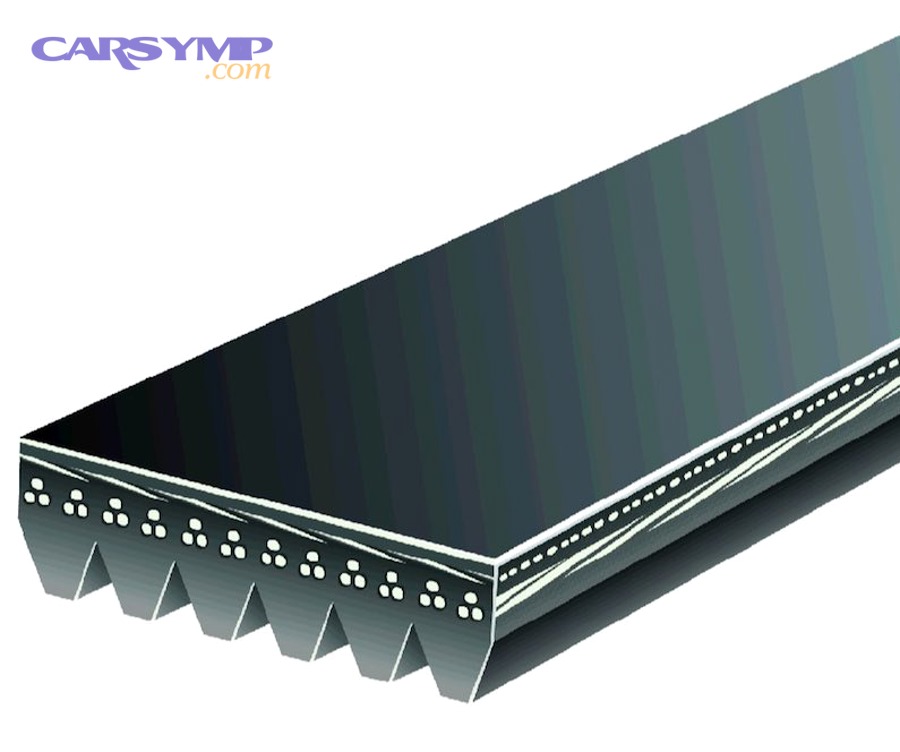
Which surfaces matter most: ribs, edges, or the back side?
Yes—inspect all three because they fail differently: ribs show traction and material loss, edges reveal tracking and misalignment, and the back side highlights abrasion against a foreign object or a smooth pulley.
After that, you can map each visual change to a likely cause—so your inspection becomes diagnostic instead of just observational.
- Ribs: rounding, bottoming-out, or uneven rib height suggests wear and loss of effective grip.
- Edges: shiny edge-glaze, fraying cords, or one-sided edge wear points to misalignment or pulley/bearing issues.
- Back side: a glossy “polished” stripe can indicate abrasion (belt contacting a flange/bolt) or excessive flutter in long spans.
Why cracks can be misleading on modern belts
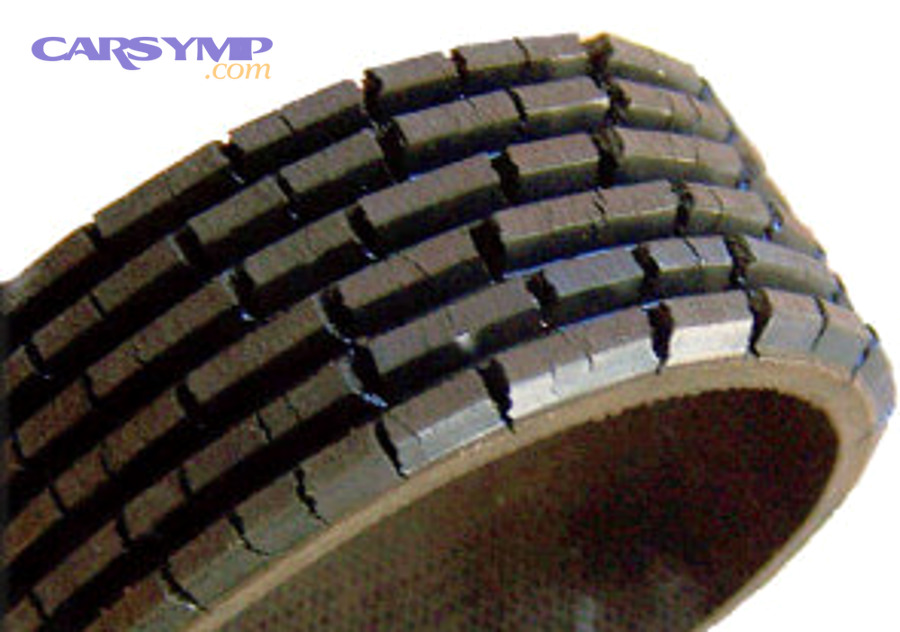
No—cracks alone are not a reliable wear indicator on many modern EPDM belts, because EPDM can resist visible cracking while still losing material and rib profile over time.
So instead of hunting only for cracks, you’ll get a better answer by checking rib shape, rib depth, and how the belt fits the pulley grooves.
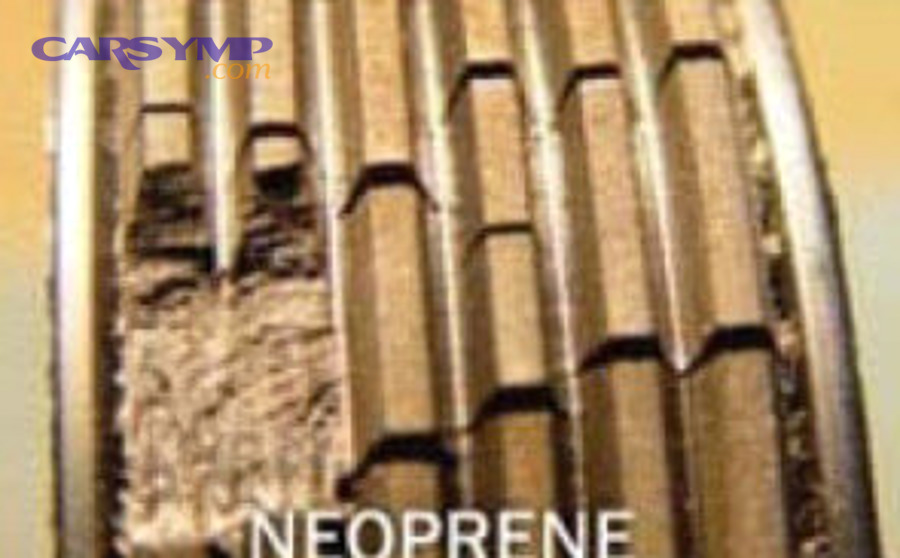
Gates notes that the classic “cracks per inch” rule fits older neoprene belts better than EPDM, and that material loss and profile change are a more useful diagnostic standard for EPDM.
How do you inspect belt wear and glazing safely under the hood?
The safest inspection method is a cold-engine, engine-off visual and tactile check of the belt’s full length, followed by a short running observation from a safe angle to confirm tracking and wobble—without placing hands near moving parts.
Next, you’ll make the inspection systematic so you don’t miss glazing that only shows up on one section of belt or one edge.
Step-by-step: a repeatable inspection routine
Use a 7-step routine—look, feel, rotate, compare, trace, check hardware, then confirm tracking—because belt wear and glazing are often localized, not uniform.
After that, you’ll know whether you’re seeing normal aging, abnormal slip, or a pulley/tension problem.
- Engine off, cool, key out: ensure no one can start the vehicle while you’re inspecting.
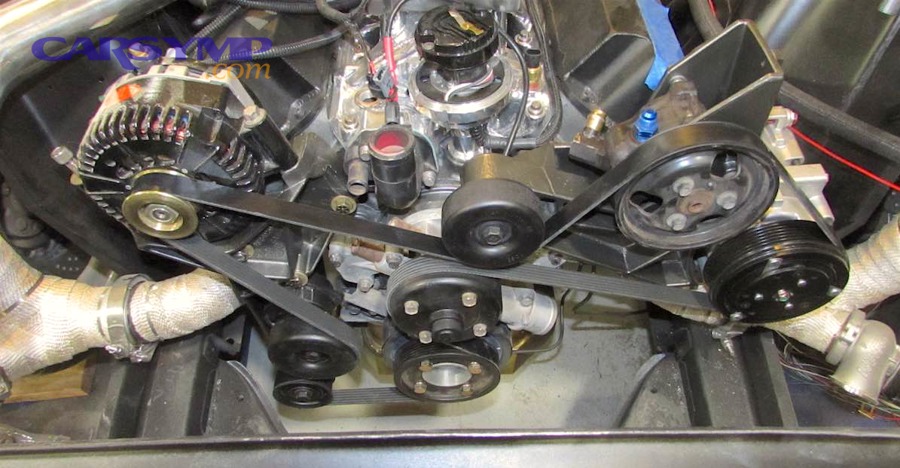
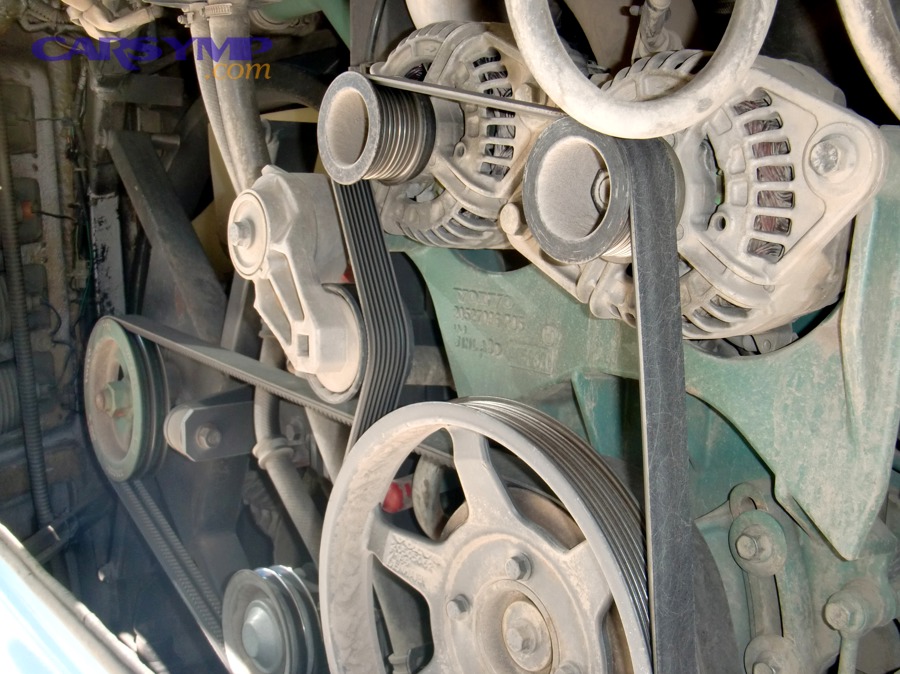
- Locate the belt routing: use the under-hood diagram or a service manual so you can identify long spans and critical pulleys.
- Scan the ribs: look for shiny rib faces, rib rounding, missing chunks, or embedded debris.
- Scan the edges: look for edge polish (shine), fraying cords, or one-sided wear.
- Check the back side: look for glossy stripes and scuffing, which can indicate abrasion.
- Rotate the belt: if access allows, rotate the belt/pulley by hand to view sections that were hidden.
- Confirm tracking: later, with the engine running, watch from a safe position to see if the belt rides centered or “walks.”
What “feel tests” are actually useful (and which are not)
Yes—touch can help if you use it to confirm hard glazing, edge fray, or rib sharpness, but it is not a reliable way to measure tension on automatic tensioner systems.
So treat touch as confirmation, then use visual alignment clues and component checks to find the cause.
- Useful: a glazed surface often feels smoother and harder than normal rubber; frayed edges feel fuzzy or stringy.
- Less useful: pressing on the belt for “deflection” is inconsistent on spring-loaded tensioners and varies by routing.
What are the clearest visual signs of belt wear and glazing you should not ignore?
Replace-now signs include missing ribs, exposed cords, deep edge fraying, severe polishing/glazing with slip symptoms, and any damage that suggests the belt is contacting a foreign object or running off-center.
Next, you’ll separate “belt-only” wear from patterns that strongly imply a pulley, bearing, or alignment fault.
Grouping the warning signs by what they usually mean
There are 4 main groups of visual warnings—rib damage, edge damage, back-side damage, and contamination patterns—each pointing to a different failure pathway.
After that, you can inspect the matching component group (tensioner, idler, accessory pulley, leak source) instead of guessing.
- Rib damage: rib cracking (belt type-dependent), chunking, rib separation, rib rounding, or uneven rib height.
- Edge damage: fraying cords, shiny “edge glaze,” one-edge wear, or ribs missing on one side only.
- Back-side damage: glossy scuff stripe, fabric exposure, or heat-polished areas (often abrasion-related).
- Contamination: oil-soak, coolant residue, power steering fluid, or belt dust that builds unusually fast.
How glazing usually shows up in real life
Glazing often looks like a shine—either along the belt edges or across a working surface—because slipping and heat polish the rubber and reduce the belt’s ability to grip consistently.
Next, treat glazing as a symptom that asks a second question: “What caused the slip or abrasion?”
NAPA points out that shiny belt edges can indicate support-pulley or accessory bearing issues and misalignment, and that glazing can also occur when a worn belt or worn tensioner allows slip.
A quick table to connect what you see to what to check next
This table summarizes common belt wear and glazing patterns and the most productive “next check” so you can move from symptom to cause without replacing parts blindly.
| What you see on the belt | What it often suggests | Best next check |
|---|---|---|
| One edge polished or shiny | Tracking/misalignment, bearing drag | Watch belt run centered; inspect idler/tensioner bearings |
| Edges frayed, cords showing | Severe misalignment or pulley wobble | Spin pulleys by hand (belt off) and check for wobble/roughness |
| Back side glossy stripe | Abrasion against flange/bolt or belt flutter | Look for contact marks; inspect routing and guard/clearance |
| Ribs rounded/bottoming out | Material loss and reduced traction | Use a wear gauge; inspect pulley groove condition |
| Oil-soaked belt surface | Leak contamination reduces friction | Find and fix leak source; replace belt after cleanup |
How can you tell rib wear (material loss) from harmless cosmetic shine?
The fastest way is to compare rib geometry—sharp “V” grooves vs rounded/bottomed ribs—because true wear changes how the belt nests into pulley grooves, while cosmetic surface sheen does not.
Next, you’ll use simple visual geometry checks (and optionally a gauge) that work well on EPDM belts where cracks may not show.
What “bottoming out” looks like on a worn belt
Yes—bottoming out is a real clue: when ribs wear down, the belt sits deeper and can leave visible clearance on the flanks, reducing effective wedge action and traction.
So if you see the belt riding too deep or the rib tips look flattened/rounded, treat it as functional wear, not cosmetic change.
Dayco explains that worn ribs “bottom out,” and that a gauge-based inspection looks at rib profile and rib depth to identify wear more reliably than casual visual checks alone.
When a belt wear gauge is worth using
Use a gauge when the belt is EPDM, symptoms suggest slip/noise, or the belt looks “fine” yet performance hints otherwise—because the gauge reveals profile loss that eyes often miss.
Next, you’ll treat the gauge result as a decision point: replace the belt, or look harder for the cause of slip and glazing elsewhere.
- Good fit: minimal side-to-side movement indicates the ribs still match the intended profile.
- Loose fit: movement suggests enough material loss that traction and performance can suffer.
Gates emphasizes that EPDM belts can run a long time without visible cracking and that material loss and profile change are better indicators of wear.
How do you check alignment and pulleys when glazing suggests slip or abrasion?
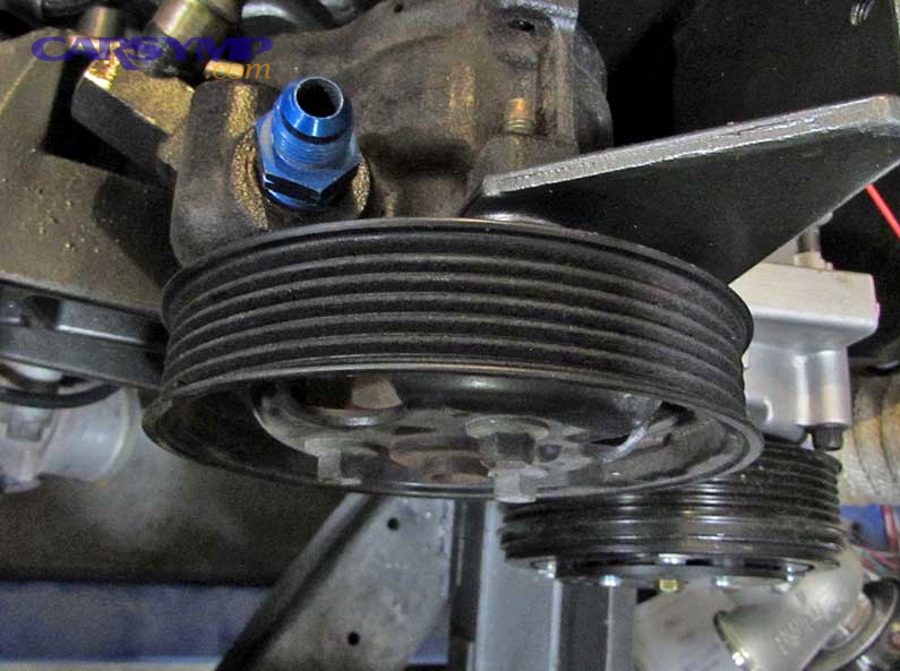
Check alignment by observing belt tracking and edge wear, then confirm pulley condition by looking for wobble, rough bearings, and groove damage—because many glazing cases are “system problems,” not belt problems.
Next, you’ll learn a practical set of checks you can do with basic tools and careful observation.
Tracking: the simplest alignment clue you can see fast
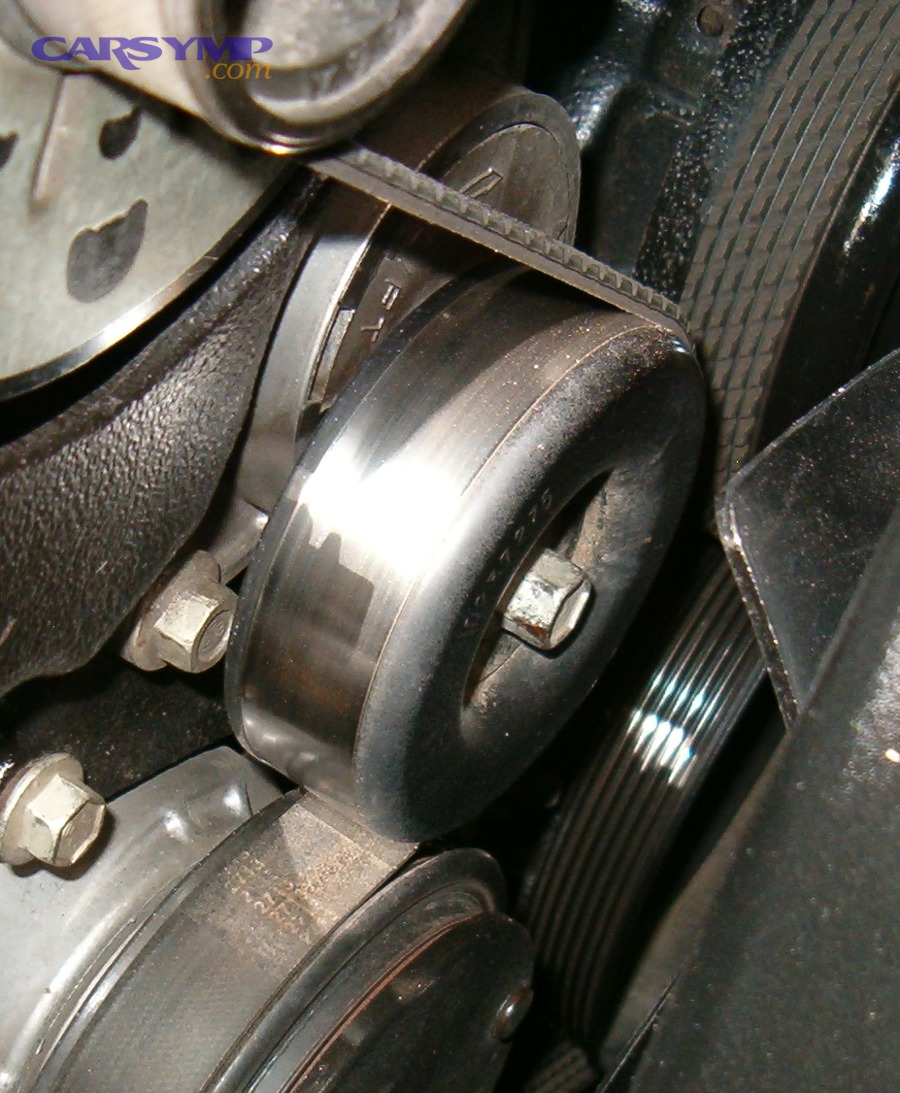
Yes—tracking tells you alignment: a healthy belt typically runs centered in the pulley faces, while a belt that walks toward one edge repeatedly suggests misalignment, pulley wobble, or a tensioner/idler angle issue.
After that, you can decide whether to focus on the tensioner arm geometry, the idler bearing, or an accessory pulley that is not running true.
- Centered track: edges look even, minimal edge polish.
- Edge-hunting: one edge gets shiny, dusty, or frayed earlier than the other.
- Visible wobble: suspect a bearing, a bent pulley, or improper installation.
Spin-and-feel checks (belt off) that reveal failing bearings
Yes—bearing feel is diagnostic: with the belt removed, a good pulley spins smoothly and quietly, while a failing bearing feels rough, notchy, loose, or noisy.
Next, if you find one bad pulley, treat it as a root cause candidate for glazing, edge wear, and repeated belt comebacks.
- Roughness: gritty sensation points to bearing damage.
- Play: side-to-side looseness suggests worn bearing or mounting issues.
- Noise: scraping or grinding is a strong replace/repair signal.
Gates’ accessory belt troubleshooting guidance highlights inspecting tensioners, idlers, and pulleys and checking for roughness or abnormal rotation when diagnosing belt-drive problems.
When glazed edges point to misalignment more than “old belt”
Glazed edges often mean misalignment because the belt is being forced sideways while under tension, which polishes the edge and can expose cords over time.
So if one edge looks dramatically different than the other, prioritize alignment and bearing checks before you declare the belt “just worn out.”
How do you confirm glazing vs contamination (oil/coolant) and fix it the right way?
Confirm glazing by identifying a hard, polished surface tied to slip/heat, and confirm contamination by spotting wet residue, swelling, or softening—because the correct fix depends on whether friction changed from heat-polish or from fluids.
Next, you’ll use a cause-first approach: fix the system condition, then replace the belt if needed.
Glazing checklist: what to look for and what it implies
Glazing is likely when you see smooth shine paired with slip symptoms, belt dust, or a heat-polished look on the belt surface—especially if the belt “looks okay” but behaves poorly.
After that, don’t stop at the belt: ask what created the slip, because replacing the belt alone may not remove the cause.
- Hard shine: polished surface on ribs or edges.
- Dust pattern: unusual rubber dust near one pulley or along one edge.
- Heat hints: localized gloss near high-load accessories (A/C, alternator) can indicate intermittent slip.
Contamination checklist: what fluids do to the belt
Contamination is likely when the belt looks wet, swollen, soft, or stained, because oil/coolant reduces friction and can accelerate wear, squeal, and glazing-like shine through repeated slip.
Next, the “right fix” starts with the leak—not the belt—because a new belt will also degrade if the leak remains.
- Oil: dark wet film, greasy dust buildup, softened rubber feel.
- Coolant: dried crust, sweet smell, residue trails from water pump area.
- Power steering fluid: wetness near pump/lines, slick belt surfaces.
What not to do when chasing glazing
No—avoid quick sprays and “belt dressings” on modern serpentine belts, because they can mask symptoms while the underlying slip, misalignment, or bearing drag continues.
So use the belt condition as a signal to diagnose root cause: alignment, tensioner action, pulley bearings, or contamination sources.
Gates advises against belt sprays in belt-drive troubleshooting guidance and emphasizes corrective action aimed at root causes rather than temporary quieting measures.
Contextual border: when the belt isn’t the real problem
If glazing or wear repeats quickly after replacement, the belt is usually reacting to a mechanical condition—misalignment, bearing drag, routing issues, or tension control—so the inspection must expand to the whole accessory drive system.
Next, we’ll move beyond the “standard” checks into a few rarer wear patterns and decision rules that save time and prevent repeat failures.
Supplementary: rare wear patterns and smarter replace-or-repair decisions
This section covers the uncommon tells—patterns that look subtle but point strongly to a specific component or condition—so you can make a confident call on what to service beyond the belt.
Next, you’ll connect belt evidence to tensioner behavior, pulley geometry, and load spikes that create intermittent slip and glazing.
Rare pattern 1: glazing on the back side that looks “too clean”
Yes—this can happen when the belt back rubs a foreign object, a flange, or a bracket edge, producing a narrow polished stripe that doesn’t match normal aging.
After that, inspect clearances along the belt path and look for witness marks on nearby hardware—because abrasion will often leave a matching shiny contact point.
Rare pattern 2: one or two outer ribs damaged more than the rest
This is a strong misalignment clue because the belt is being forced sideways, overloading one edge and tearing or polishing the outer ribs earlier than the center ribs.
Next, check pulley faces for angle error and confirm no pulley is wobbling, because a slightly bent pulley can create a persistent one-edge “attack angle.”
Gates’ troubleshooting manual describes damaged outer ribs and glazed/frayed edges as patterns often linked to pulley misalignment and recommends addressing the cause, then replacing the belt.
Rare pattern 3: the belt looks okay, but symptoms keep returning
Yes—this often points to tension control where the belt only slips under certain loads (A/C engagement, high electrical demand), creating intermittent glazing without obvious full-length damage.
After that, observe behavior during load changes and consider component condition, because intermittent slip is a classic way glazing “sneaks in” without dramatic cracks.
In practice, this is where you’ll see phrases like belt squeal diagnosis in repair notes—meaning the symptom is real, but the best fix usually comes from diagnosing tension, alignment, and pulley drag rather than “quieting” the belt.

Rare pattern 4: decision rule for replacing more than the belt
Yes—pairing parts can prevent repeat failures because belts, tensioners, and idlers often share similar service life in the same harsh environment.
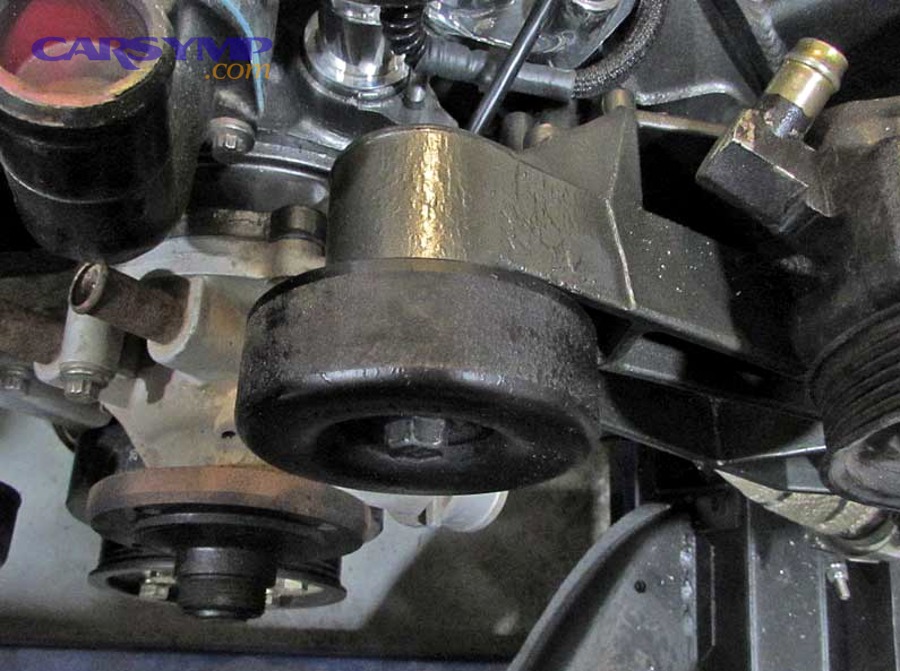
Next, apply a simple decision rule: if the belt shows severe wear patterns or the tensioner/idler shows any roughness, weak action, or wobble, service the system as a set rather than gambling on a single part.
Some service recommendations express this as When to replace belt and tensioner together, and the practical trigger is not a calendar date—it’s evidence of compromised tension control or pulley condition during your inspection.
If you’re comparing suspects, the phrase Belt tensioner vs idler pulley diagnosis is essentially asking: “Is the belt slipping because spring tension is weak, or because a pulley bearing is dragging/wobbling?”—and your belt-off spin test plus tracking clues usually answer it.
Gates’ accessory belt system guidance notes that belts, tensioners, idlers, and pulleys are designed with similar lifespans and recommends replacing worn components together to improve long-term outcomes.
FAQ
Can I keep driving if I see light glazing but no cracks?
Sometimes, but be cautious: light glazing can be an early sign of slip, and continued slip can overheat the belt and reduce accessory performance (charging, cooling, steering) depending on your vehicle.
Next, use the inspection logic: if glazing is paired with edge wear, dust, noise, or tracking issues, treat it as a “diagnose now” signal rather than waiting for failure.
What’s the single fastest way to spot serious wear on an EPDM belt?
Look for profile loss: rib rounding, bottoming-out signs, and poor fit in the pulley grooves are more meaningful than crack counting on EPDM belts.
After that, if symptoms exist but visuals are ambiguous, a simple belt wear gauge provides a clearer pass/fail signal for rib geometry.
Is one shiny edge always a belt problem?
No: one shiny edge is more often a tracking and alignment problem than “old belt,” especially if the opposite edge looks normal.
Next, inspect pulley faces, check for wobble, and do the belt-off spin test to find the component that is steering or dragging the belt.
Is there a good video walkthrough for spotting glazing?
Yes: a short video can help you calibrate your eyes for “polish vs normal rubber,” especially when you’re new to belt inspections.
Next, use the video as a visual reference, then return to the checklist steps above so your inspection stays systematic.