


Reading estimates and avoiding upsells is a practical skill: you compare what’s recommended to what’s required, verify how the price is built, and approve only the work that matches your symptoms, safety needs, and budget.
You’ll learn how to interpret parts, labor, and shop fees so the estimate becomes a clear checklist instead of a vague promise, which helps you stay confident during phone calls, texts, or digital inspection links.
You’ll also learn how to challenge unnecessary add-ons without arguing: asking for evidence, defining “must-do now” vs “plan later,” and keeping approvals in writing so you don’t get surprise charges.
Giới thiệu ý mới: as you connect each line item to a specific reason, you’ll naturally spot upsell patterns and protect your wallet while still taking care of the car.
What is a repair estimate, and what should a legitimate one include?
A repair estimate is a written, itemized forecast of what a shop plans to do, what it will cost, and what conditions can change the final bill. To start, treat it like a contract draft: it should name the vehicle, list each operation, and show the pricing logic.
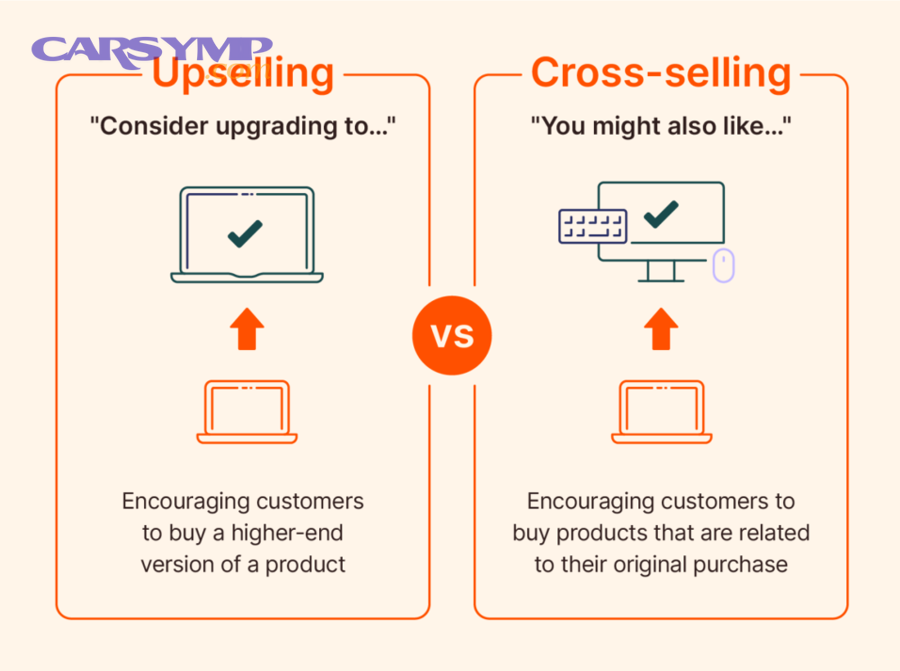
A solid estimate typically contains: your concern/complaint in plain language, diagnostic steps (if applicable), the recommended repair(s), parts descriptions (brand/grade when possible), labor hours, labor rate, shop supplies/environmental fees (if used), taxes, and the total. If something is “TBD,” it should be labeled as such and tied to a clear trigger (for example, “after inspection we may need…”).
Next, look for authorization boundaries: the estimate should state whether the shop needs permission to exceed the estimate, and how they will request it (call/text/email). In many places, consumer guidance emphasizes getting the option for a written estimate and clear authorization when costs cross certain thresholds; for example, Florida’s consumer resource on motor vehicle repair highlights written-estimate options around repairs exceeding $150.
To make the estimate usable, ask for two versions: (1) “minimum to address the symptom safely today,” and (2) “nice-to-do preventive items for later.” This simple structure turns a confusing list into a prioritized plan and reduces the pressure that often drives upsells.
If the shop won’t provide an itemized estimate, or refuses to explain line items, treat that as a risk signal—because you can’t evaluate value without transparency.
How do diagnostics appear on an estimate without becoming a blank check?
Diagnostics should be a defined procedure with a stated fee or time cap, not an open-ended promise. After that, insist on a “call before proceed” checkpoint, so the diagnostic result becomes a decision point rather than an automatic upsell ladder.
Next, ask what the diagnostic fee includes (scan, road test, smoke test, electrical tracing) and whether it is credited toward the repair if you approve the work. This keeps the process fair and makes the cost predictable.
What does “recommended” vs “required” mean on paper?
“Required” should mean your car has a current safety, drivability, or damage-risk issue that will likely worsen if ignored, while “recommended” should mean maintenance or optimization. Next, ask the shop to label each line item as “Now,” “Soon,” or “Later,” with a one-sentence reason for each.
This labeling reduces emotional selling and forces evidence-based prioritization—especially helpful when you feel rushed.
How do you read labor, parts, and fees line by line without missing hidden costs?
Read the estimate by separating three buckets—labor, parts, and fees—then verify each bucket’s logic against your car and complaint. Next, you’ll translate the shop’s shorthand into questions that reveal whether the price is reasonable and whether the work is truly needed.
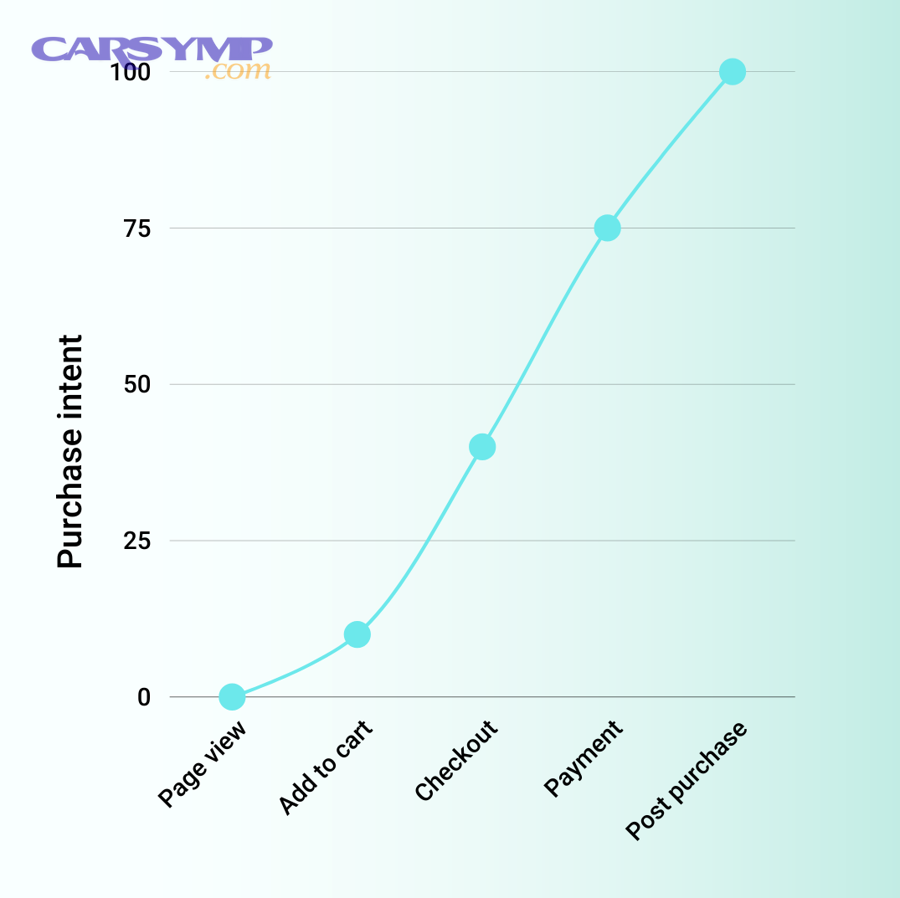
Labor is usually billed as hours × labor rate, sometimes based on guide times. Ask: “How many labor hours are you charging for each operation?” and “What’s your hourly rate?” Labor rates can vary widely by region and shop type, so comparing rates without the same job scope can mislead; AAA notes that mechanic labor rates vary across the country.
Parts should be identified by type and quality: OEM, aftermarket, remanufactured, or used. Ask for the brand/grade and whether a warranty applies. Also ask whether the part is necessary for the symptom or simply being bundled as a package.
Fees include shop supplies, disposal, environmental, or diagnostic charges. Fees aren’t automatically bad, but they should be explained and consistent. Next, ask whether fees are flat-rate or percentage-based and what they cover.
To keep expectations realistic, remember that maintenance and repair are ongoing ownership costs; AAA’s budgeting guidance for repairs and maintenance underscores that repair spending is a normal part of operating a vehicle, which makes it even more important to avoid paying for unnecessary items.
How can you spot “duplicate labor” and stacked charges?
Duplicate labor happens when the same disassembly is billed multiple times across related jobs. Next, look for repeated phrases like “remove and replace” across adjacent lines and ask, “Is any labor overlapping—can you combine steps to avoid double billing?”
A fair shop will explain what is truly separate (for example, a calibration step) versus what can be bundled because the parts are already accessible.
What does a parts markup mean, and when is it reasonable?
Parts markup covers sourcing, returns, warranty handling, and shop overhead, and it can be reasonable within limits. Next, ask for the out-the-door part price and whether you have options (good/better/best) rather than accepting a single premium part by default.
Be cautious when markup is paired with vague descriptions like “kit” or “service package” without a breakdown of included parts.
What are the most common upsell patterns, and how do you recognize them fast?
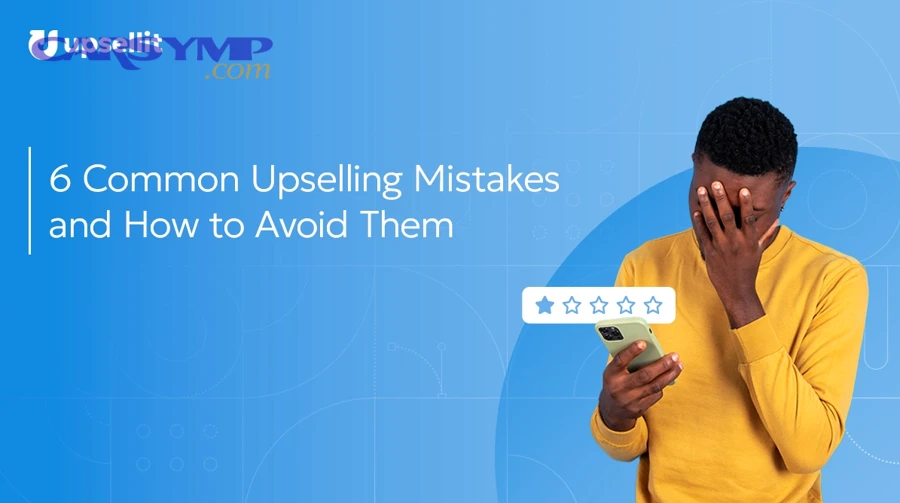
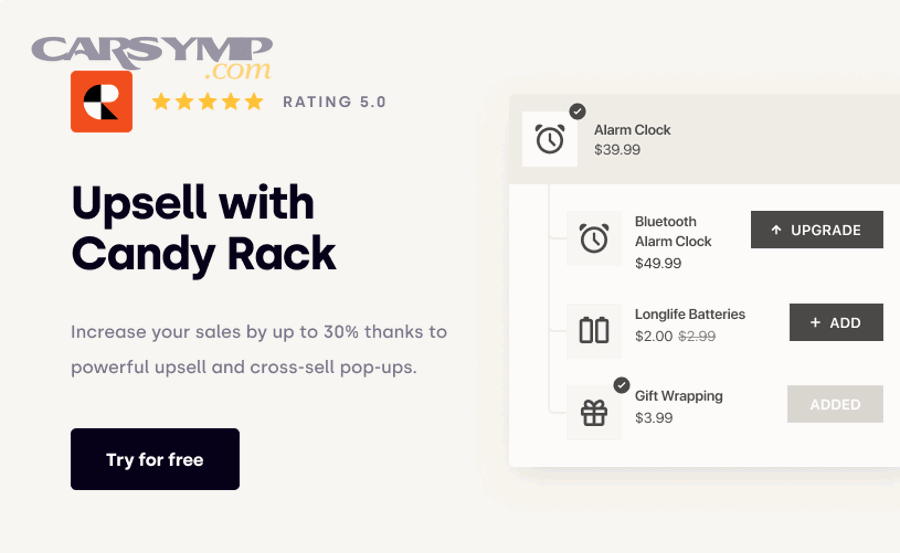
Most upsells follow repeatable patterns: bundle packages, fear-based urgency, and vague “while we’re in there” add-ons that aren’t tied to evidence. Next, you’ll use quick checks—proof, priority, and alternatives—to separate helpful advice from unnecessary selling.
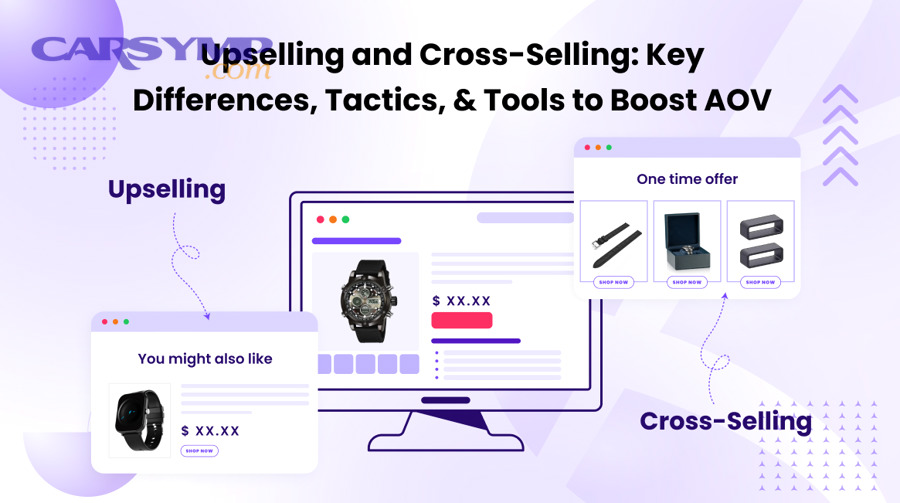
A useful reality check comes from older—but still instructive—consumer research: an NHTSA report summarizing multiple studies noted that in tests across eight states (1973–1975) with vehicles having known faults, a substantial share of shops charged for unnecessary repairs, and some charged for work not performed.
Next, treat every upsell claim as a hypothesis that needs evidence. Ask for one of three proof types: (1) measurement (thickness, voltage, pressure), (2) visual evidence (photo/video), or (3) a failed test result (scan code plus confirmation test). If none are available, downgrade the item from “now” to “later” unless it’s clearly safety-critical.
Also watch the emotional hooks: “It’ll be dangerous” without explaining the failure mode; “Everyone does this service” without showing the manufacturer interval; or “You’ll save money” without a cost comparison.
Some phrases can act as disguised pressure, especially when you are searching for the best auto repair shop near me and feel you must decide immediately; the safer move is to slow the process with evidence requests and written approvals.
Which upsells are usually low-value, and which can be legitimately important?
Low-value upsells are often “flushes” or “packages” sold without a clear symptom, test result, or manufacturer interval, while important recommendations are tied to safety, active leaks, overheating, braking, steering, or structural issues. Next, ask, “What happens if I wait 30 days—what fails, and what damage risk increases?”
If the answer is vague, it’s likely a convenience upsell; if the answer is specific and supported by evidence, it may be a legitimate priority.
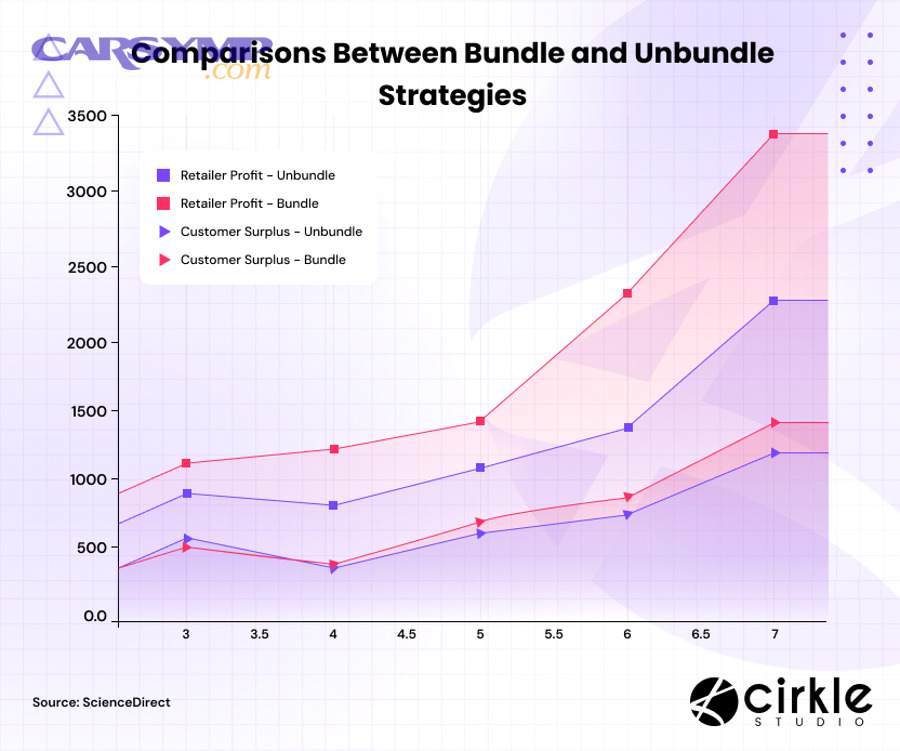
How do “package deals” and “bundles” hide unnecessary work?
Bundles hide value by mixing one needed item with several optional ones under a single price. Next, ask the shop to unbundle the package into individual line items and then re-quote “minimum safe fix” versus “preventive plan.”
The NHTSA report also discusses package deals as a place where consumers can end up paying far more than necessary, reinforcing why unbundling is a powerful anti-upsell move.
How do you compare two estimates fairly without getting tricked by different scopes?
Compare estimates by matching scope first, then price, because the cheapest estimate can simply be missing steps or using lower-grade parts. Next, you’ll standardize the language so two shops are quoting the same job.
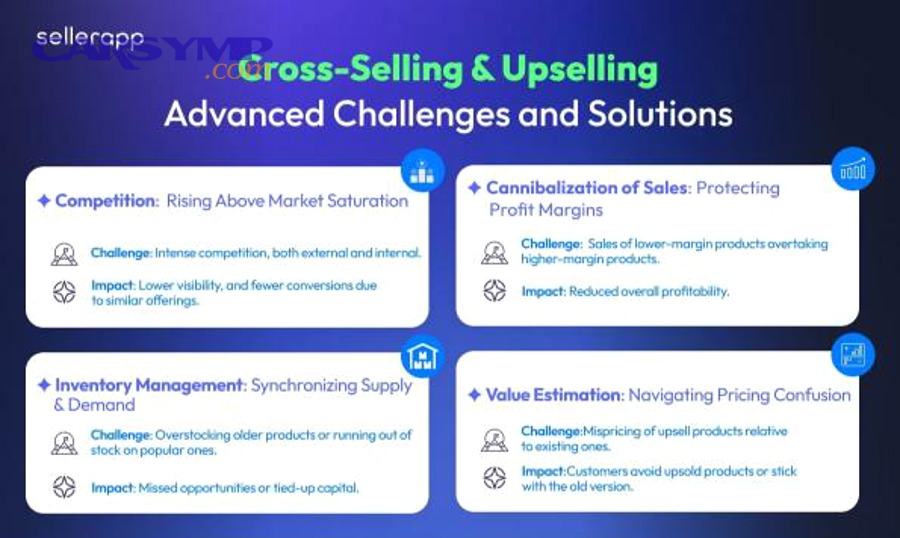
Start with a scope checklist: the symptom/concern, the diagnostic result, the exact part(s) to be replaced, any required calibrations, fluids, and whether alignment or post-repair testing is included. If modern driver assistance features are involved (camera/radar sensors), scope differences matter even more because calibration and verification can be required steps; AAA has highlighted ADAS repair scenarios and associated costs and testing considerations.
Next, compare labor hours and labor rate separately. A high rate with fewer hours can be fair, and a low rate with inflated hours can be expensive. Also compare parts grade and warranty terms, because a cheaper part with a weak warranty can cost more later.
Below is a practical comparison table; this table helps you normalize scope so you’re comparing “apples to apples” rather than one shop quoting a full repair and another quoting a partial patch.
| Comparison item | Estimate A | Estimate B | What to look for |
|---|---|---|---|
| Symptom statement | Yes/No | Yes/No | Must match your complaint and conditions |
| Diagnostic result | Test + evidence | Test + evidence | Ask for numbers/photos or a clear pass/fail result |
| Parts grade | OEM/Aftermarket | OEM/Aftermarket | Same grade for fair price comparison |
| Labor hours | # hours | # hours | Watch for duplicates and inflated time |
| Labor rate | $ / hour | $ / hour | Rates vary by region and shop type |
| Calibration/testing | Included/Extra | Included/Extra | Critical for ADAS and safety systems |
| Warranty | Months/miles | Months/miles | Longer isn’t always better—read coverage details |
To add a market reality check, use independent estimate tools where available and compare typical price ranges; Consumer Reports discusses strategies to reduce repair costs and encourages comparing and negotiating where appropriate.
What’s the simplest “scope lock” script you can use on the phone?
Use a scope lock: “Please quote the minimum repair to solve this symptom, and list optional preventive items separately.” Next, add: “If anything changes, pause and text me a revised estimate before doing more work.”
This script reduces scope creep and forces transparency without sounding confrontational.
How do you handle “we found more issues” without falling into a sales funnel?
When more issues appear, treat them as a new estimate, not an add-on. Next, ask for evidence, urgency ranking (“Now/Soon/Later”), and the cost impact if delayed, then approve only what aligns with your priorities.
Consumer protection guidance often emphasizes clear communication and avoiding vague claims; using a structured ranking makes the conversation objective.
What questions should you ask to prevent surprise charges and unnecessary work?
Ask targeted questions that force clarity on evidence, authorization, and outcomes, because upsells thrive in ambiguity. Next, you’ll use a short set of questions that turn pressure into documentation.
Use these five questions in order:
-
What is the exact problem you confirmed? Next, ask what test or observation proved it.
-
What is the minimum repair to make it safe and reliable? Next, request optional items separately.
-
What happens if I wait? Next, ask for the specific failure mode, not a generic warning.
-
What will the final total be, and what could change it? Next, ask for triggers that would require a revised estimate.
-
Do you need my approval to exceed the estimate? Next, decide the approval method (text/email) and keep it in writing.
These questions work because they make the shop articulate a logic chain: evidence → necessity → consequence → cost boundary. That logic chain is the opposite of upselling, which relies on urgency without proof.
In practice, clear authorization rules matter; consumer repair resources and laws in some jurisdictions describe written-estimate options and authorization expectations when costs exceed a threshold, reinforcing why “approve before proceed” is not rude—it’s normal.
How do you ask for evidence without sounding distrustful?
Ask as a learner: “Can you help me understand—what measurement or photo shows the part is failing?” Next, add: “I’m keeping notes so I can plan the rest of my maintenance.”
This frames your request as responsible ownership instead of suspicion, yet still blocks unsupported upsells.
How do you negotiate respectfully when the estimate feels high?
Negotiate by adjusting scope and options, not by attacking the shop’s integrity. Next, ask for alternative parts tiers, postponable items, and any coupons or discounts; Consumer Reports notes that asking for discounts and comparing options can reduce costs.
If the shop can’t move price, they may still improve value by adding warranty coverage or documenting future maintenance priorities clearly.
How do documentation, warranties, and modern vehicle tech change the upsell game?
Documentation and tech complexity can either protect you or expose you, depending on whether the shop is transparent and whether you keep approvals and evidence organized. Next, you’ll set up a “paper trail” that prevents misunderstandings and counters pushy sales tactics.
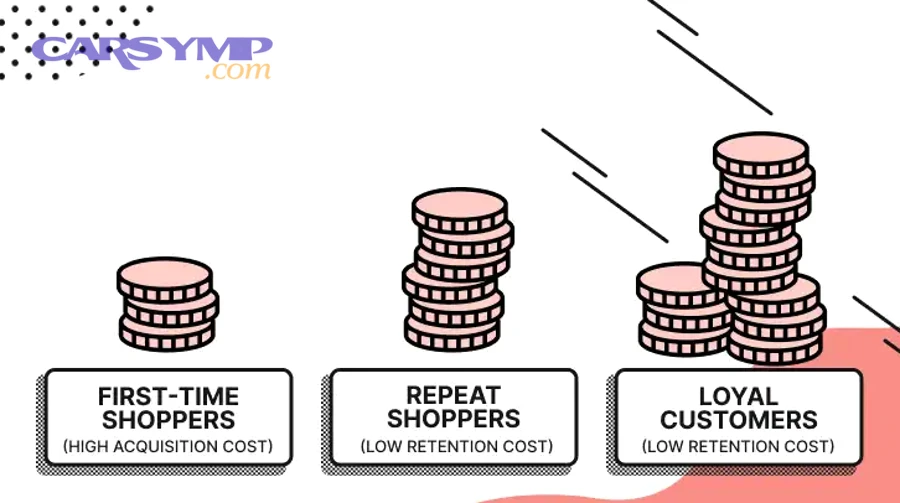
First, keep everything in writing: the estimate, your approvals, any changes, and the final invoice. If the shop uses digital vehicle inspections (DVI), save the photos/videos and the technician notes. This reduces “he said, she said” disputes and makes it easier to compare future estimates.
Second, understand warranty terms in plain language: what parts are covered, whether labor is included, and what documentation you need if the same issue returns. Consumer-oriented guidance from sources like Consumer Reports often highlights using reputable estimate tools and understanding what you’re paying for, which aligns with building a clear record.
Third, account for modern features that legitimately add steps and costs—especially ADAS sensors, cameras, and calibrations. AAA’s report on ADAS repair costs underscores that testing equipment and calibration considerations can be part of proper repairs, which means a higher estimate is not automatically an upsell if it’s supported by documented procedures.
Finally, keep a “declined items” list with dates and reasons. When a shop sees you track decisions, the interaction tends to shift from sales to planning.
What’s a “good” invoice, and how should it match the estimate?
A good invoice mirrors the estimate’s line items, notes any approved changes, and lists part numbers or descriptions clearly. Next, check that labor hours and fees match what you authorized and that any substitutions were approved.
If the final bill differs, request a written explanation tied to your approval messages and the shop’s documented findings.
How do right-to-repair and data access issues affect estimate accuracy?
As vehicles become more software-driven, access to repair data and tools can shape pricing and availability of options. Next, recognize that constraints can push some repairs toward dealers or specialized shops, which can affect estimates and lead times.
A GAO report in March 2024 examined how evolving vehicle technologies may affect competition and consumer choice in the vehicle repair market, which helps explain why some estimates include specialized steps or referrals.
Contextual border: Up to this point, you’ve focused on reading the estimate itself and controlling approvals; next, you’ll widen the lens to shop signals, certifications, and the subtle culture cues that make upsells less likely in the first place.
How do you choose a shop culture that minimizes upsells and improves estimate quality?
The best anti-upsell strategy is choosing a shop that communicates like a consultant: evidence-first, options-based, and transparent about trade-offs. Next, you’ll evaluate signals in how they write estimates, explain findings, and handle your questions.
Look for a pattern: they document problems with photos or measurements, prioritize safety items, and give you time to decide. They also welcome your request to split “now vs later” without guilt-tripping you.
Pay attention to how they respond when you ask for specifics. If they get defensive, vague, or push urgency without evidence, you’re more likely to face upsells. If they explain clearly and show proof, you’re more likely to get accurate, fair estimates.
Which credentials and signals actually matter in real life?
Credentials matter when they connect to consistent process and accountability, not just wall décor. Next, ask who will work on your car and whether technicians have recognized training; in everyday conversation, people often describe these as Certifications to look for, but the key is whether the shop can explain what those credentials mean for your repair quality.
Also consider whether the shop offers written warranties and a clear recheck policy, because that reduces incentive to sell questionable add-ons.
How do digital inspections help you avoid upsells instead of enabling them?
Digital inspections help when they show clear evidence and separate urgent repairs from preventive suggestions. Next, use the DVI media to ask, “What measurement proves this is out of spec?” and “Is this affecting my symptom?”
If the inspection is just a list of red/yellow/green without numbers or photos, it can become a sales tool rather than a diagnostic tool.
What are trust signals you can verify quickly before your first visit?
Trust signals are behaviors you can observe: clear estimate language, willingness to put approvals in writing, and explanations that match evidence. Next, match those behaviors to your experience during the quote and the update calls—this is more reliable than marketing claims.
In real life, drivers often summarize these behaviors as “Signs of a trustworthy neighborhood mechanic,” and the most telling sign is consistency: the estimate, the evidence, and the invoice all tell the same story.
How do you handle “specialized” upsells on modern cars like calibrations?
Some specialized steps are legitimate, especially on vehicles with cameras and sensors, but they should be explained and documented. Next, ask for the calibration requirement source (procedure reference, scan report, or post-repair test) and confirm whether the cost includes verification testing.
AAA’s ADAS-focused material highlights that repair scenarios can require equipment and labor steps beyond the visible part replacement, which is why documentation is crucial for distinguishing real needs from padding.
FAQs about reading estimates and avoiding upsells
These FAQs summarize the most common decision points drivers face when an estimate feels confusing or salesy. Next, use them as quick scripts during calls so you stay calm and consistent.
Consumer guidance often emphasizes planning, documentation, and comparing typical repair costs, which supports using simple scripts and written approvals to reduce unnecessary spending.
Should you approve “maintenance packages” offered during a repair visit?
No, you should not approve a package by default because bundles can include low-value items and hide unnecessary work. Next, ask to unbundle and approve only items tied to evidence, safety, or manufacturer intervals.
If the shop refuses to unbundle, treat it as a sign they are selling convenience, not necessity.
Is it normal to pay for diagnostic time even if you decline the repair?
Yes, diagnostic labor can be legitimate because it is skilled work, but it should have a clear fee or time cap. Next, ask for the diagnostic result in writing and whether the fee is credited if you approve repairs later.
Defined diagnostics protect both you and the shop by preventing open-ended charges.
How do you respond when a shop says “it’s dangerous” without details?
Ask for the failure mode and evidence: “What exactly could fail, and what measurement shows it’s at risk?” Next, request a “Now/Soon/Later” ranking with one-sentence reasons to replace fear with clarity.
A legitimate safety concern can be explained precisely; vague urgency is a classic upsell signal.
What’s the safest way to get a second opinion without wasting time?
Get the estimate, evidence (photos/measurements), and diagnostic notes, then request a scope-matched quote from another shop. Next, ensure both shops quote the same parts grade and required steps, especially calibrations on modern vehicles.
Comparing scope first is faster than debating prices after the fact.
Can you avoid upsells by choosing a different kind of shop?
Yes, choosing a shop that documents evidence and separates “must-do” from “nice-to-do” reduces upsells. Next, judge them by their estimate clarity, written approvals, and consistent invoices rather than by sales language or flashy promotions.
Use your first visit to test communication quality, because that predicts your long-term repair experience.
Entity map: repair estimate, written estimate, itemized invoice, labor hours, labor rate, parts grade (OEM/aftermarket), shop fees, diagnostics cap, digital vehicle inspection, authorization, warranty terms, ADAS calibration, scope matching, evidence request, now/soon/later prioritization.