


Finding a shop for your car make means choosing a repair facility that can service your brand with the right tools, data, parts knowledge, and quality controls—so repairs are correct the first time, not “close enough.”
To reduce surprises, you’ll want a repeatable way to validate competence for your make (diagnostics, programming, service procedures) before you hand over keys or approve a big job.
You’ll also need a decision framework for when a dealership is worth it, when an independent specialist is the sweet spot, and when a reputable general shop is perfectly fine.
Giới thiệu ý mới: below is a step-by-step method to screen shops by make-fit, proof, and process—so you pay for outcomes, not experiments.
Do you actually need a make-specialist shop for your brand?
Yes—sometimes. You typically need a make-specialist when the repair involves brand-unique systems, software programming, ADAS calibration, hybrids/EV high-voltage procedures, or recurring platform-specific failures; otherwise, a high-quality general shop can be enough.
To start, treat “make-specialist” as a risk-management choice, not a status upgrade—so you match shop capability to job complexity.
When your car make increases diagnostic risk
Some makes pack more modules, proprietary communication quirks, or procedure-sensitive steps (battery registration, steering-angle recalibration, immobilizer matching). If the symptom is intermittent, electrical, or network-related, the diagnostic quality matters more than the hourly rate. To make that practical, ask what scan platform they use, whether they can access factory service information, and how they document test results.
For example, a shop that can show you a pre-scan report, wiring checks, and measured values is less likely to “parts-cannon” your car. After that, you can compare candidates based on transparency rather than promises.
When “routine” becomes make-specific
Even routine jobs can become make-specific when the vehicle requires one-time-use fasteners, special bleeding procedures, electronic parking brake service mode, or module resets. A shop that routinely services your make will know the “gotchas” that prevent comebacks—like correct coolant specs, torque sequences, or calibration steps after suspension work.
Next, move from “Can you do it?” to “How do you do it on my make?” because process reveals competence.
A quick complexity test you can use on any shop
Ask the service writer to explain, in plain English, the extra step your make needs for the job you’re booking (scan/relearn/calibration/spec). If they can’t name any make-specific considerations and your vehicle clearly has modern electronics, treat that as a yellow flag. Then confirm whether that step is included in the estimate and timeline.
The goal isn’t to quiz them—it’s to confirm they recognize brand-specific requirements before the car is on the lift.
Theo nghiên cứu của Insurance Institute for Highway Safety (IIHS) từ News/Research, vào 02/2023, automakers often stipulate calibration anytime a sensor is removed and reinstalled, and calibration is a common step across many repairs.
What signals prove a shop is competent for your car make?
Look for verifiable proof: technician certifications, documented training, shop affiliations, and repeatable inspection/estimate practices—then confirm these show up in how they write estimates and explain procedures for your make.
Next, translate “nice reviews” into “credible signals” that predict fewer mistakes and better accountability.
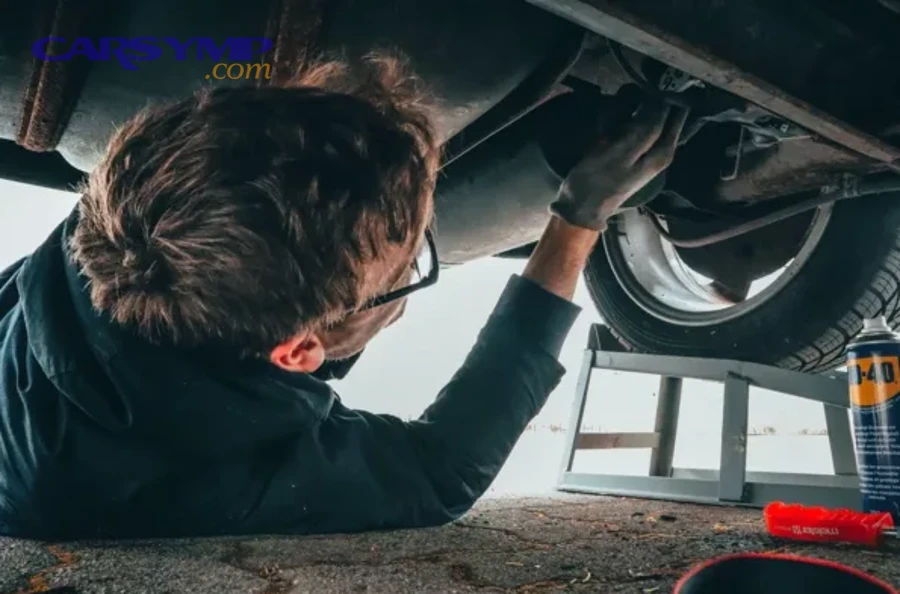
Certifications that matter (and what they really indicate)
Certifications don’t guarantee perfection, but they raise the floor. ASE credentials can indicate tested competency; a shop-level recognition like ASE’s Blue Seal program signals the business is investing in certified staff and ongoing standards. Ask how many technicians are certified, in which areas, and whether the tech who will touch your car has the relevant credential.
Then, connect the credential to the job: brakes, engine performance, electrical, HVAC, etc., rather than treating it as a generic badge.
Theo nghiên cứu của Automotive Service Excellence (ASE) từ Blue Seal Program, vào 01/2026, the Blue Seal recognition program highlights establishments that recruit and support trained, certified staff and emphasize proper equipment and standards.
Affiliations and standards that improve accountability
Affiliations (auto clubs, local business associations, manufacturer networks, warranty networks) can matter because they create external expectations—documentation, complaint handling, or minimum process standards. Don’t assume affiliation equals quality; use it as a prompt to ask about written policies: estimates, authorizations, parts, and warranty.
After that, the most telling sign is whether the shop commits to details in writing, not whether they “sound confident.”
Theo nghiên cứu của AAA từ Auto Repair Articles, vào 01/2026, AAA recommends checking technician certifications and confirming the shop offers a written warranty on parts and labor.
Communication quality is a technical signal
A make-competent shop can explain why a part failed on your platform and how they’ll verify the fix. They’ll also invite you to approve changes—rather than surprising you with upsells. Ask for photos, measurements, or scan screenshots when appropriate, and notice whether they welcome that transparency.
Next, you’ll validate capability through tools and information access, because modern makes are software-driven.
How can you confirm the shop has the right tools, software, and data for your make?
Confirm three capabilities: diagnostics that can read manufacturer-specific modules, service information access for your year/make/model, and the ability to handle programming/calibration when required.
Next, turn “We can work on anything” into specific evidence for your exact car and job.
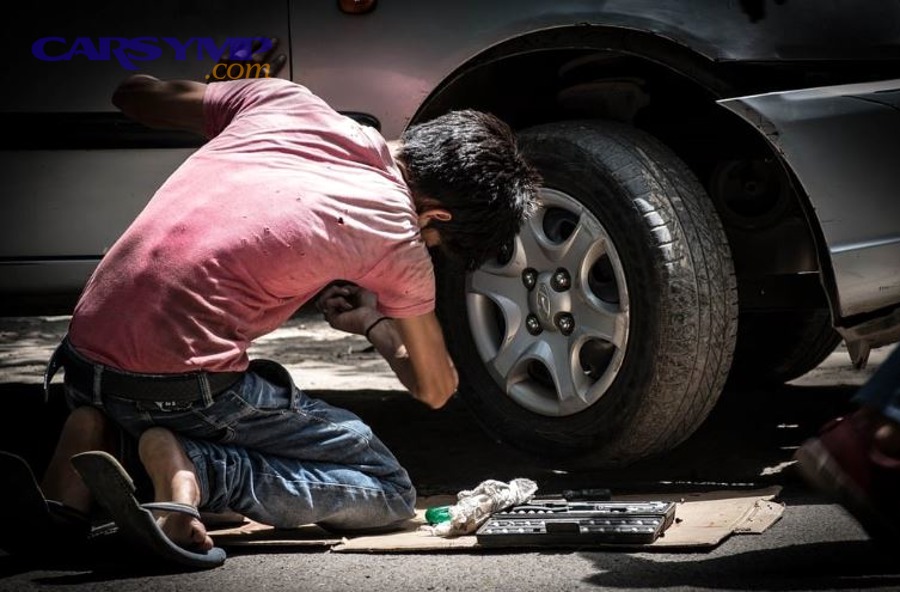
Diagnostics: beyond generic OBD-II
Generic OBD-II tools can miss body, chassis, network, and ADAS modules—exactly where many make-specific issues live. Ask whether they can scan all modules, store a pre-scan and post-scan, and interpret manufacturer-specific codes. If the job involves warning lights, drivability, battery management, or electronic steering/braking, this matters even more.
Then, ask how they avoid misdiagnosis: test plan, verification steps, and whether they use service bulletins where relevant.
Factory service information and procedures
The difference between “it fits” and “it’s correct” is often hidden in procedures: torque specs, sealants, fluids, bleed sequences, and calibration steps. A shop that can pull the factory procedure (or high-quality equivalent) for your VIN and show key steps is more likely to deliver OEM-level outcomes. Ask: “Which service information system do you use for my make?”
Next, link that to parts selection, because your make may be sensitive to certain components (sensors, ignition, cooling, electronics).
Programming and calibration: the make-specific cliff
Many modern repairs require module programming, relearns, or calibrations—especially after battery replacement, module swap, windshield replacement, alignment, or collision-related work. Ask whether they subcontract this, do it in-house, or refer you out; all three can be fine, but you want clarity upfront.
Theo nghiên cứu của IIHS (via an IIHS advisory summary) từ Auto Experts/Resource Center, vào 11/2018, recalibration was required after windshield replacement in tested vehicles to restore safety system accuracy.
Which shop type fits your make: dealership, independent specialist, or general repair?
Dealerships excel at brand-specific software and warranty work, independent specialists often balance expertise and value, and strong general shops are ideal for routine maintenance—so the best choice depends on your job and your make’s complexity.
Next, compare options by the criteria that impact outcomes: access, tools, experience, and accountability.
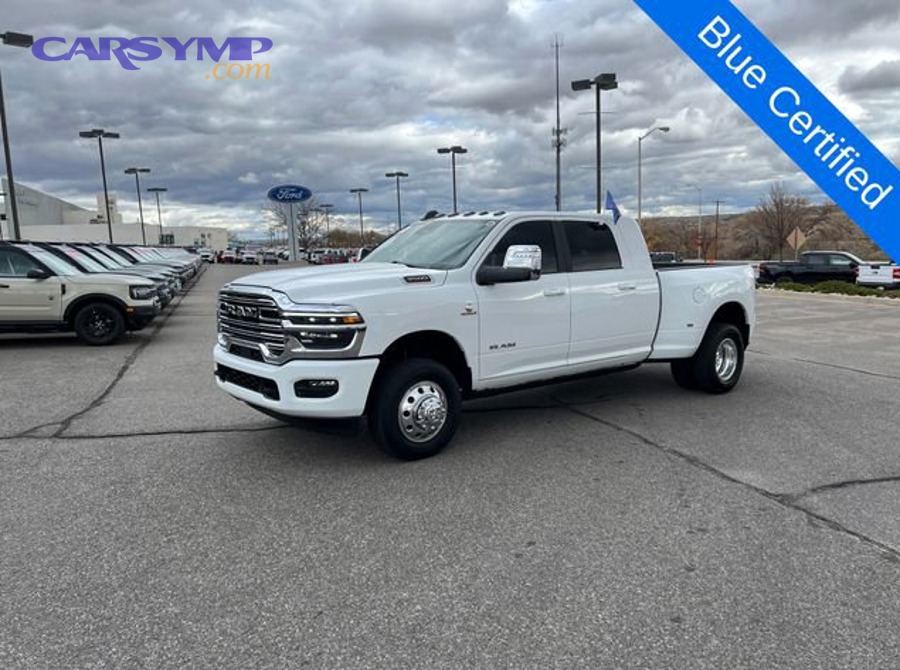
Dealership: best for software, recalls, and brand-edge cases
Dealerships are often strongest when your make needs factory programming, warranty authorization, recall work, or rare diagnosis on the newest platform. The trade-off can be cost and less flexibility on parts choices. If you choose a dealer, ask for a detailed line-item estimate and confirm which tech level is assigned to your repair.
Then, ensure you’re paying for the right strength: factory-level access and procedures.
Independent specialist: the “sweet spot” for many makes
A reputable independent shop focused on your make often has deep pattern recognition (what fails, what’s noise, what’s urgent), plus a more personal relationship and sometimes better price satisfaction. Look for a shop that can show multiple recent examples on your platform and explain common failure paths.
Theo nghiên cứu của Consumer Reports từ Car Repair Shop Survey, vào 03/2024, independent shops scored highest for satisfaction with price, while dealerships tended to score lower.
General repair shop: perfect for maintenance when process is strong
For tires, brakes, fluids, belts, and many wear items, an excellent general shop can be the best value—especially if they document work, follow procedures, and stand behind it. The key is not the label “general,” but whether they have disciplined intake, inspection, and authorization practices. If they can show you inspections and explain decisions, that often matters more than the sign outside.
Next, you’ll run a “test visit” screening method that works for any make and any shop type.
How do you screen a shop for your make before booking a big repair?
Use a four-step screen: check make experience, verify documentation habits, start with a small service, and evaluate how they handle authorizations and updates—so you learn their process before you risk a major job.
Next, you’ll turn subjective impressions into objective checkpoints.
Step 1: Ask make-specific questions that are hard to fake
Instead of “Do you work on BMW/Toyota/Ford?”, ask: “What are the most common failures you see on my generation?” and “What’s the correct verification step after this repair on my make?” A real specialist will answer with patterns, not slogans. They might mention known weak points, common leak sources, or required relearns/calibrations.
Then, request a brief plan: what they’ll test first and what would change that plan.
Step 2: Require written authorization habits
Good shops protect you and themselves with documentation. Ask how they handle discoveries mid-repair: do they call first, send photos, and update the estimate? Make sure you can say “stop” before extra work starts. This matters for make-specific jobs where additional parts may be revealed only after disassembly.
Theo nghiên cứu của AAA từ “Insist On A Written Repair Estimate”, vào 01/2026, a written estimate functions like a contract describing what will be done and how much it will cost.
Step 3: Run a “small job” trial
Book something low-risk but revealing: oil service plus inspection, brake fluid service, alignment check, or a diagnostic hour for a minor issue. Watch how they communicate, how cleanly they document findings, and whether they can explain your make’s service intervals and specs without guessing.
Next, evaluate whether they treat your car as a system (cause and effect) rather than a list of parts to replace.
Step 4: Evaluate post-service follow-through
A shop that fits your make will give you clear next steps: what’s urgent, what can wait, and what monitoring to do. They’ll also invite you back if something doesn’t feel right. That follow-through is a predictor of long-term reliability and trust, especially for brands with recurring maintenance patterns.
Now you’re ready to compare estimates and warranties intelligently—without getting trapped by vague numbers.
How should you evaluate estimates, parts, and warranties for make-specific work?
Evaluate three things: the completeness of the estimate (steps included), the appropriateness of parts for your make, and the clarity of warranty coverage—because the cheapest quote can omit the most important make-specific steps.
Next, you’ll learn to compare “apples to apples” so you’re not misled by a low headline price.

Estimate completeness: what must be listed for your make?
For modern cars, a proper estimate often includes scanning, calibrations, programming/relearns, shop supplies, and sometimes sublet operations (machine shop work, alignment, glass, ADAS). Ask what’s included and what’s “if needed.” Make sure labor operations reflect real steps, not a single generic line like “replace part.”
To make it concrete, ask the shop to list the verification steps that confirm success on your make—test drive conditions, scan results, leak checks, or measured values.
Parts strategy: OEM, OEM-equivalent, or aftermarket—based on the system
Parts choice should follow system sensitivity. Sensors, ignition components, cooling system parts, and driveline electronics can be make-sensitive, where quality variations cause repeat failures or new faults. In contrast, many wear items (filters, wiper blades, some brake hardware) can be fine from reputable aftermarket brands. Ask the shop why they chose a part and what failures they’ve seen with cheaper alternatives on your make.
Then confirm return policy and whether the part is new, remanufactured, or used—especially for modules and electronics.
Warranty clarity and fine print you should demand
Ask for written warranty terms on both parts and labor, including duration, mileage, exclusions, and what “labor warranty” covers if a part fails. This is where Warranty policies that matter become practical: you want clear language on who pays for diagnostics, towing, sublet work, and re-calibration if the repair needs rework.
Theo nghiên cứu của AAA từ Auto Repair Articles, vào 01/2026, consumers are advised to confirm the shop offers a written warranty covering parts and labor.
Price comparison that doesn’t trick you
If you’re searching “best auto repair shop near me,” resist choosing solely by star rating or the lowest estimate. Instead, compare line items: are scans included, are calibrations included, is the labor operation correctly broken out, and are parts equivalent? If you want a structured method, use the phrase How to compare labor rates locally as a reminder that your zip code affects labor and that differences can be legitimate when capability differs.
Theo nghiên cứu của AAA từ Average Mechanic Labor Rate by State (2026), vào 01/2026, average labor rates vary widely by location, with some areas below $100/hour and others above $200/hour.
What red flags tell you a shop is a poor match for your car make?
Watch for process red flags: vague estimates, no documentation, unwillingness to explain steps, refusal to discuss programming/calibration, and pressure tactics—because these usually signal weak make-fit or weak accountability.
Next, you’ll learn the specific behaviors that predict mistakes on brand-sensitive repairs.

“We don’t need to scan it” on a modern vehicle
For many late-model cars, scanning is a core diagnostic and verification step, especially when warning lights, electronic braking/steering, or ADAS are involved. A blanket refusal to scan—or charging for scans but refusing to share results—reduces transparency. For make-specific work, transparency is how you prevent guesswork.
Then, confirm whether they do post-repair verification scans when relevant.
They can’t name make-specific steps or specs
If a shop can’t name the correct fluid spec, torque requirements, relearns, or calibration considerations for your make (when those are known to exist), they may be relying on generic habits. That can be fine for older cars, but risky for newer platforms. Ask one or two make-relevant questions and see whether the answers are confident, specific, and consistent.
Theo nghiên cứu của IIHS từ News/Research, vào 02/2023, calibration is often necessary after sensor/camera-related repairs, and post-repair issues were reported more often when calibration factors were involved.
They push add-ons without linking to symptoms or measurements
Upsells aren’t always wrong—your car may genuinely need maintenance—but reputable shops explain the “why” using condition evidence (wear measurements, leak source, test results) and prioritize work. If everything is “urgent,” that’s a sign the shop is selling, not diagnosing. For make-specific platforms, poor prioritization can lead to fixing the wrong subsystem first.
Next, set a contextual border and expand into make nuances that change the decision in modern vehicles.
Contextual border: Up to this point, you’ve learned the universal screening method for finding a shop for your car make. Next, we’ll zoom in on unique or rare attributes—cases where make-fit matters dramatically because technology, powertrain type, or calibration requirements change the “best shop” decision.
Make-specific situations where the “right shop” choice changes dramatically
There are four common scenarios where your car make pushes you toward specialized equipment, training, and procedures: European luxury platforms, hybrids/EVs, trucks/diesels, and ADAS-heavy vehicles that require calibration discipline.
Next, you’ll see what to ask in each scenario so you choose based on capability, not branding.

European luxury and performance makes
These makes often demand platform-specific diagnostics, procedures, and parts quality to avoid repeat issues (cooling system plastics, oil leak patterns, electronic modules, coding). Look for a specialist who can show repeated experience on your exact engine family and chassis generation, not just the brand badge. Ask how they handle programming, whether they have OE-level scan capability, and how they source parts to avoid cheap-component failures.
Hybrids and EVs
High-voltage safety protocols, battery cooling, and module communication raise the stakes. For hybrids/EVs, ask about HV training, insulated tools, safety procedures, and whether they follow manufacturer guidance on isolating systems. Even if the repair is “not HV-related,” a shop that respects HV safety culture will usually have better process discipline overall.
Trucks, diesels, and towing-use vehicles
Heavy-duty use amplifies cooling, transmission, brake, and suspension wear. The right shop understands duty cycle and can advise on maintenance intervals tailored to towing or commercial use. Ask what they do differently for your make under load: fluid choices, service intervals, and inspection points that prevent breakdowns.
ADAS-heavy vehicles: calibration is the make-fit line in the sand
If your car has lane-keep, adaptive cruise, automatic emergency braking, or camera/radar sensors, the shop must treat calibration as a first-class requirement. Ask whether they can perform or coordinate calibration after windshield replacement, alignment, suspension work, or collision repairs, and how they verify success. To illustrate why this matters, use a shop that can explain calibration conditions (targets, distances, lighting, alignment rack requirements) rather than dismissing it as optional.
Theo nghiên cứu của IIHS (via advisory coverage) từ Auto Experts/Resource Center, vào 11/2018, manufacturers commonly recommend recalibration after windshield replacement and tests found recalibration was required to restore safety system accuracy.
FAQ
How many shops should I compare before deciding?
Compare at least two to three shops using the same job description and the same expectations for documentation. The key is to compare process and completeness—what steps are included, how they verify the fix, and how they handle changes—not just the final number.
Is an “import shop” automatically good for my make?
No. “Import” is a broad label. Some import-focused shops are excellent specialists; others are generalists with marketing. Ask generation-specific questions, confirm scan capability, and run a small-job trial to validate their process.
Should I bring anything for a first visit?
Bring your maintenance history (receipts or a summary), your VIN, a clear symptom description (when it happens, how often, what triggers it), and any prior diagnostic reports. This reduces guesswork and helps the shop confirm make-specific procedures quickly.
Can a shop be great even if it isn’t the cheapest?
Yes—especially for make-sensitive work where correct diagnosis and calibration prevent repeat visits. A higher rate can be worth it when the shop provides better verification, clearer documentation, and fewer comebacks that cost you time and additional money.
What’s the single best question to ask a shop about my make?
Ask: “What are the make-specific verification steps you’ll perform to confirm this repair is successful?” The answer reveals whether they understand your brand’s procedures, not just the part replacement.