Find the Best Car Repair Shop Near Me: Trusted vs Shady Mechanics
If you want the best place near you to fix your car, the fastest path is not “the cheapest quote” or “the closest address,” but the shop that proves competence, clarity, and consistency before the keys ever leave your hand.
To narrow choices quickly, you’ll learn how to shortlist by the exact job you need (maintenance, diagnostics, brakes, electrical, hybrid/EV), then validate a shop’s process—how they inspect, estimate, authorize work, and warranty it—so you don’t get surprised later.
You’ll also see how to compare dealerships, chains, and independents with the same checklist, so you can pick the right kind of repair facility for your budget, timeline, and vehicle complexity.
Giới thiệu ý mới: below is a practical, step-by-step framework you can use today—whether you’re booking routine service or chasing a stubborn warning light.
How do you shortlist nearby shops for your exact repair need in under 30 minutes?
You can shortlist reliably by matching the shop’s specialty to your job, then verifying proof of process (estimates, approvals, diagnostics notes, and warranty) before you book. Tiếp theo, use the same screening steps for every candidate so comparisons stay fair.
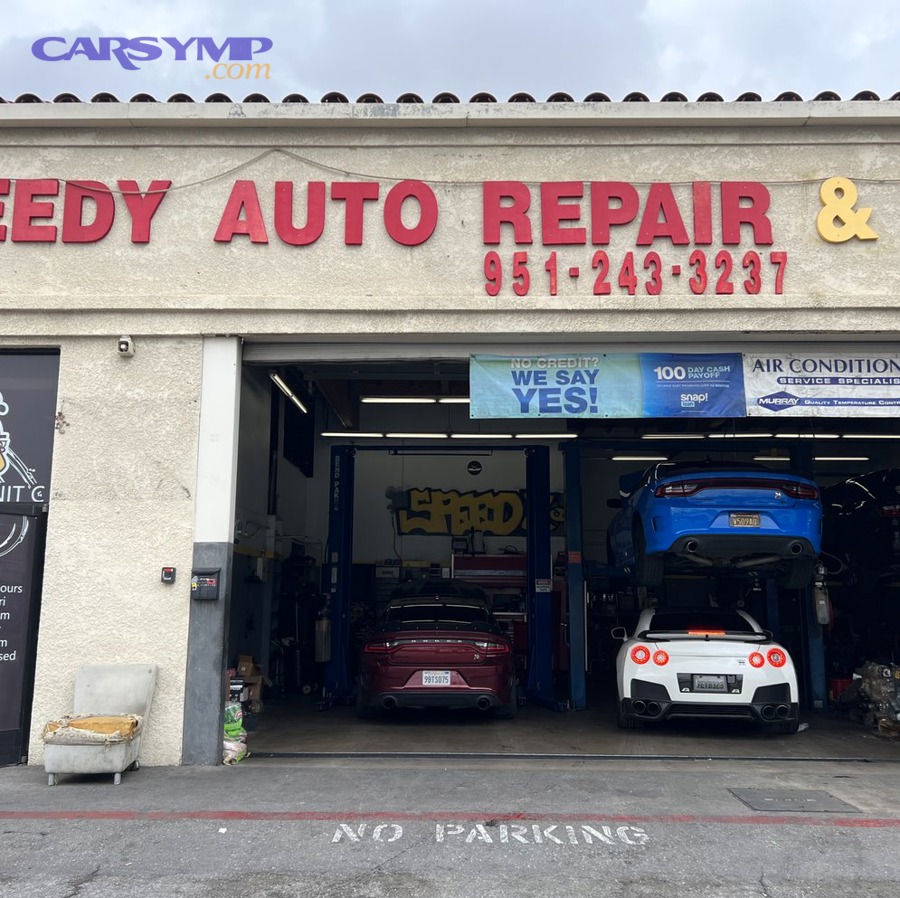
Start with three buckets, because “near me” is only useful after “fits my problem”:
- General service & maintenance: oil service, fluids, belts, filters, tires, basic brakes.
- Diagnostics & electrical: check-engine light, drivability issues, parasitic battery drain, sensor faults.
- Specialty work: transmissions, European makes, diesel, hybrids/EVs, ADAS calibration, body/collision.
To begin, open your map results and filter for shops with recent reviews that mention your specific job (for example: “misfire diagnosis,” “AC leak,” “alternator,” “brake pulsation,” “battery drain”). Then, click the shop’s website and look for three signals: (1) services list that explicitly includes your issue, (2) certifications/technician training language, and (3) a written warranty policy you can read before committing.
Cụ thể, call your top 3 and ask a single, consistent question: “What is your diagnostic approach and what do you provide in writing before repairs begin?” The best answers mention a documented inspection, a written estimate, and authorization steps.
According to a AAA Newsroom fact sheet from the Automotive & PR communications unit, in September 2024, the “Your Driving Costs” study lists maintenance/repair/tires at 10.13¢ per mile—one reason a disciplined shop-selection process can reduce avoidable repeat visits and surprise costs.
To keep your shortlist honest, drop any shop that refuses to discuss how they handle approvals, or that won’t confirm whether they will return old parts on request.
What are the clearest pre-visit signs a shop is trustworthy?
Yes—trust can be predicted before a visit by checking transparency, consistency, and documentation habits across reviews, policies, and phone answers. Ngoài ra, you’ll confirm trust by looking for a calm, repeatable workflow rather than charisma or discounts.
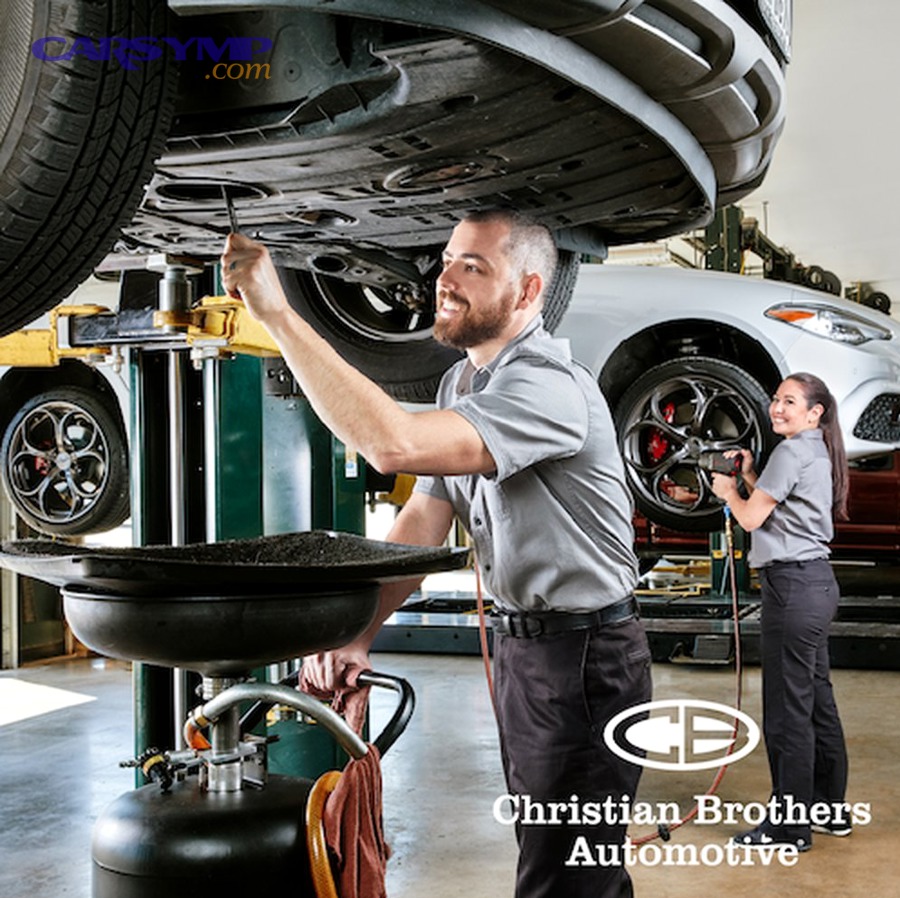
Look for “process language” more than “sales language.” Trustworthy shops talk about inspections, measurements, and authorization; shady shops lean on urgency, fear, and vague promises.
Here are high-signal indicators you can check quickly:
- Written-first culture: estimates, findings, and recommendations are documented and shared.
- Specific diagnostics: they describe tests (smoke test, voltage drop, compression/leak-down, scan data) rather than guessing parts.
- Clear communication cadence: they tell you when you’ll hear back and what decisions require your approval.
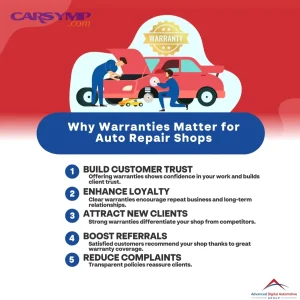
- Warranty clarity: parts and labor coverage is stated plainly (time/miles, exclusions, how claims work).
- Respect for declined work: they note “deferred” items without pressuring you or punishing you with attitude.
Để minh họa, read the “negative” reviews first. If complaints repeat the same pattern—“my price doubled,” “no call before extra work,” “couldn’t explain what failed,” “kept the car for days with no updates”—treat those as workflow failures, not one-off drama.
The table below helps you spot trust signals vs upsell signals at a glance, so you can compare shops consistently.
| Trust Signals | Upsell/Problem Signals |
|---|---|
| Shows test results or measurements | “Common issue, we’ll replace X” with no testing |
| Written estimate before work begins | Starts work “to save time” without authorization |
| Explains priorities (safety, reliability, convenience) | Everything is “urgent” today |
| Offers options (OEM/aftermarket, staged repair) | Only one expensive path, no alternatives |
| Explains warranty terms plainly | Warranty is vague or “depends” with no details |
According to a Kelley Blue Book analysis of Consumer Reports member research, in March 2024, the study referenced nearly 11,000 members and highlighted that independent facilities stood out for trustworthiness, reasonable prices, knowledgeable mechanics, and good reputation—use those exact traits as your pre-visit filters.
Before you move on, capture screenshots of the shop’s warranty page and any written policies you can find, so you can reference them later if the conversation changes.
How should you understand a written estimate so you don’t get surprise work?
You should read an estimate by separating diagnosis, labor, parts quality, and authorization boundaries—then confirming what can and cannot change without your approval. Bên cạnh đó, you’ll reduce upsells by asking for line-item explanations tied to symptoms and test results.
Most bad repair experiences come from one gap: the owner thinks an “estimate” is a final price, while the shop treats it as a starting point. Your job is to define the authorization boundary in writing.
Use this simple estimate-reading sequence:
- Confirm the concern: the top line should match your symptom in your words (noise, vibration, light, smell, leak).
- Identify the diagnostic charge: what tests are included, and is it credited toward repair?
- Check labor hours vs labor rate: hours × rate should equal the labor line; ask what labor guide is used if unclear.
- Confirm parts tier: OEM, OE-equivalent, aftermarket, remanufactured—get it stated.
- Define authorization: no additional work or parts without a call/text approval.
Cụ thể hơn, ask for “evidence language” on any major recommendation: “What measurement or test result shows this is the failure?” A good shop can translate without talking down to you.
To satisfy your content checklist without turning this into a buzzword list, here are the required phrases used naturally in context (not as headings): Reading estimates and avoiding upsells is easiest when every line item ties back to a symptom, a test, or a safety risk—otherwise it’s just selling. Likewise, Warranty policies that matter should be visible right on the estimate or invoice, not hidden in conversation.
According to the California Bureau of Automotive Repair consumer guidance from its Auto Repair & Licensing unit, updated in January 2026, customers should receive a written estimate and authorize the work—use that principle as your baseline even if your state’s details differ.
Finally, if the shop says “we found more,” your default response should be: “Please send a revised estimate and a brief reason for each added line item before proceeding.”
What questions should you ask before booking to prevent delays and upsells?
You should ask a short set of questions that forces clarity on scheduling, diagnostics, approvals, and warranties—because vague answers now become expensive confusion later. Đặc biệt, ask questions that reveal whether the shop runs on a documented process or improvisation.
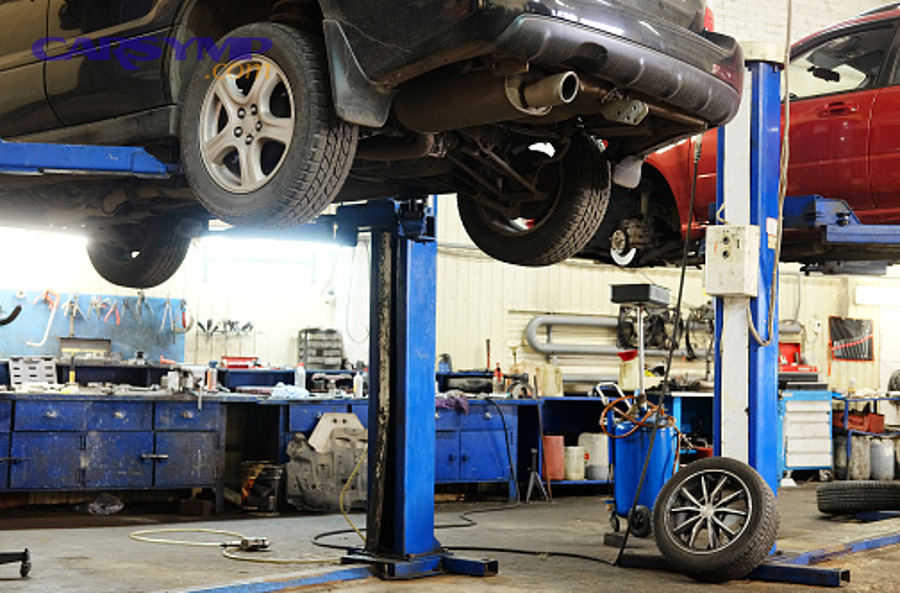
Keep it simple: you’re not interrogating; you’re screening. The goal is to hear “how we work,” not “trust us.”
Use this exact checklist in a calm tone (and save the answers):
- What is the diagnostic fee, and what tests does it include?
- Will you provide a written estimate before repairs start?
- How do you request authorization for additional work—call, text, email?
- What is your expected timeline for diagnosis and for repairs?
- Do you warranty parts and labor, and how long?
- Do you use OEM parts, OE-equivalent, or aftermarket by default?
- Can you return old parts if I request them?
To meet the required wording inside body text, here it is used naturally: Questions to ask a shop before booking should always include authorization boundaries, because “we assumed” is where the bill grows. And Signs of a trustworthy neighborhood mechanic often show up in how patiently they explain the diagnostic plan and how clearly they document approvals.
According to the Federal Trade Commission’s consumer education materials (Consumer Protection unit), in its “Auto Repair Basics” guidance (last reviewed date shown on the FTC site), the FTC emphasizes getting a written estimate and understanding what work is being done—align your booking questions to those protections.
One more practical tip: ask whether they road test with scan data after the repair (when relevant). Shops that verify fixes tend to have fewer comebacks, and fewer comebacks means fewer repeat charges.
Is a dealership better than an independent shop for your job?
It depends: dealerships are often strongest for warranty/recall work and model-specific software updates, while independents often win on value, flexibility, and trust for out-of-warranty repairs. Tuy nhiên, the “best” choice changes with your vehicle age, complexity, and the exact repair category.
Think in “job-to-provider” matching, not loyalty:
- Choose a dealership when: the car is under warranty, there’s a safety recall, you need factory programming, immobilizer/key work, or brand-specific service campaigns.
- Choose an independent when: you want a relationship shop, you’re out of warranty, you need staged repairs, or you want better price transparency and negotiation.
- Consider a specialist independent when: European, diesel, performance, hybrid/EV, or advanced electrical issues require niche tools and experience.
The table below shows a clean comparison so you can decide quickly based on what matters most to you.
| Category | Dealership | Independent |
|---|---|---|
| Warranty & recalls | Best fit | Not primary (unless specialized) |
| Price flexibility | Often limited | Often more flexible |
| Factory software/programming | Strong | Varies by equipment |
| Relationship & continuity | Depends on advisor turnover | Often stronger |
| Turnaround transparency | Can be structured, can be busy | Varies, but often more direct |
To satisfy the required phrase naturally inside body text: a Dealer vs independent shop comparison should be framed by the job type (warranty, diagnostics, specialty) rather than brand preference.
According to Kelley Blue Book reporting on CDK Global’s Service Shopper Study, in October 2024, researchers surveyed over 2,000 customers; dealerships scored 59/100 satisfaction while independent shops scored 66/100—use this as a directional signal, then validate with your local screening questions.
To make the decision even easier, embed one rule: if the fix depends on factory authorization or recall coverage, start at the dealer; if the fix depends on careful troubleshooting and cost control, start with a proven independent.
Which certifications and shop capabilities should you look for with modern vehicles?
You should prioritize certifications that correlate with consistent training, plus capabilities that match modern diagnostics—scan data, module programming, battery/charging analysis, and ADAS awareness. Hơn nữa, documentation discipline matters as much as tools, because today’s cars are data-heavy.
Certifications don’t guarantee honesty, but they increase the odds you’re dealing with a technician who has validated knowledge and stays current.
Here’s what to look for (and how to validate it):
- ASE credentials: ask which areas (brakes, engine performance, electrical, HVAC). A real shop won’t be offended.
- OEM-aligned scan tools: especially for late-model vehicles, hybrids/EVs, and advanced driver assistance systems.
- Calibration awareness: windshield replacement, suspension work, and some alignments can require ADAS calibration.
- Battery & charging competency: modern electrical diagnosis involves more than “the alternator is bad.”
To include the required phrase without using it as a heading: Certifications to look for should match your problem category—engine performance for drivability, brakes for safety, and electrical for parasitic drains and sensor networks.
According to an Automotive Fleet report referencing ASE survey findings, in May 2025, the article notes a large technician survey and reports higher earnings for ASE-certified technicians—use certification as a “competence proxy,” then confirm with the shop’s documentation and testing habits.
As a quick reality check, ask: “Will you provide scan data notes or test results with the estimate?” Shops that routinely document will answer smoothly.
How can you compare labor rates locally without chasing the cheapest quote?
You compare effectively by standardizing what you ask for—labor rate, labor hours, parts tier, and warranty—then evaluating total value, not just hourly numbers. Quan trọng hơn, you’ll avoid bad “cheap” repairs by prioritizing diagnostic accuracy and re-check procedures.
Labor rates vary by region, shop type, and technician skill level, so your goal is to compare like-for-like. Start by requesting the same three elements from each shop:
- Door labor rate (posted hourly rate) and whether diagnosis is separate.
- Estimated labor hours for your specific job (not “about a day”).
- Parts tier (OEM/OE/aftermarket) and warranty length.
To include your required phrase naturally inside body text: How to compare labor rates locally is mainly about standardizing assumptions—parts quality, warranty, and labor hours—so you don’t accidentally compare a premium fix to a budget fix.
According to the U.S. Bureau of Labor Statistics (Occupational Outlook Handbook), from its pay data section, in May 2024, the median pay for automotive service technicians and mechanics was $23.88 per hour ($49,670 per year), which helps explain why reputable shops with trained techs and good equipment may price higher—but also tend to reduce costly comebacks.
So instead of asking “How much per hour?”, ask “How many hours do you expect and what verification do you do after the repair?” The best shops explain both.
What should you bring and document for a first visit to get better results?
Bring accurate symptom notes, service history, and key vehicle details so the shop spends time diagnosing—not reconstructing your story. Ngoài ra, documenting before-and-after conditions protects you and helps the technician reproduce intermittent issues.
Here’s a simple “first visit” kit that improves outcomes immediately:
- Symptom log: when it happens, speed/temperature, turning/braking, startup vs warmed up.
- Photos/videos: dashboard warnings, leaks, smoke, noises (a 10-second clip can save an hour).
- Service records: last oil service, battery age, recent repairs, parts replaced.
- Vehicle identifiers: VIN, mileage, trim, engine type (especially for model variations).
- Your priorities: safety first, reliability, budget cap, or “fix only what’s required to pass inspection.”
To meet the required wording naturally in body text: What to bring for a first visit is not just paperwork—clear symptom evidence and constraints help the shop choose the right tests and avoid guesswork. If you’re selecting a general auto repair shop, these basics also reveal whether the front desk and technician communicate well.
According to the National Highway Traffic Safety Administration recall resources, in its recall guidance (page maintained by NHTSA), checking your VIN for open recalls can reveal free fixes—bring that recall status to your appointment so you don’t pay for a problem covered by a safety campaign.
One more protection step: before you leave the car, take quick photos of the exterior, mileage, and any existing warning lights. It’s simple, and it prevents misunderstandings later.
How do you lock in a repair plan that avoids repeat visits and “mystery fixes”?
You lock it in by agreeing on a staged plan: confirm the root cause with tests, fix the highest-confidence failure first, then verify results before adding optional work. Tóm lại, you’re buying a process, not just parts.
Many vehicles show “clusters” of symptoms: one failing component triggers several codes and side effects. A disciplined plan prevents expensive shotgun parts replacement.
Use this staged structure:
- Stage 1 (Diagnosis): pay for test-based confirmation and receive a written findings summary.
- Stage 2 (Primary fix): repair the component most strongly supported by data.
- Stage 3 (Verification): road test, scan recheck, and confirm the symptom is gone.
- Stage 4 (Deferred items): plan non-urgent maintenance on your timeline.
To satisfy the remaining required phrase naturally inside body text: How to choose the best local repair shop often comes down to whether they offer this staged plan willingly, because it signals confidence, testing discipline, and respect for your budget.
According to Consumer Reports findings summarized by Kelley Blue Book, in March 2024, members rated shops across attributes like honesty, quality of work, and accuracy of the initial cost estimate—those same attributes are exactly what a staged plan protects.
If a shop refuses to verify results or can’t explain why a part is being replaced, treat that as a sign you may be paying for “parts roulette” instead of diagnosis.
At this point, you have the core framework for choosing and managing a general repair relationship; next, you’ll expand it to specialty cases—your car make, advanced systems, and warranty boundaries—so you can pick the right level of expertise without overpaying.
How do you find a specialist for your car make, warranty, and advanced systems?
You find the right specialist by matching your make/system to proven equipment access (factory-level tooling when needed) and by confirming warranty rules so you don’t get scared into dealership-only service. Để hiểu rõ hơn, focus on specialty proof: documented experience, tooling, and clear warranty language.
How do you pick a shop that truly fits your car make?
Choose a shop that routinely services your brand and can name common failure patterns and diagnostic steps without guessing. Bên cạnh đó, ask what scan platform and service information system they use for your specific make.
To include the required phrase naturally inside body text: Finding a shop for your car make should start with proof of repeat exposure—recent reviews mentioning your model, and a shop that can describe typical diagnostics for your platform.
How should you handle warranty concerns without being forced into the dealer?
Keep receipts and follow maintenance schedules, but remember that routine maintenance and repairs can be performed outside the dealer in many situations. Tuy nhiên, if a repair is a recall or warranty claim, the dealer path may be the most efficient.
According to the Federal Trade Commission’s Federal Register notice on Magnuson-Moss Warranty Act interpretations, in May 2015, the document explains that it is illegal for manufacturers or dealers to claim your warranty is void simply because someone other than the dealer did routine maintenance and repairs.
What specialty situations justify paying more for a higher-level shop?
Pay more when your issue involves programming, networked electronics, hybrid/EV high-voltage systems, or ADAS calibration—because the wrong process can create cascading faults. Quan trọng hơn, the cost of a misdiagnosis can exceed the original repair.
How do you protect yourself when a shop says “your warranty won’t cover it”?
Ask for the denial reason in writing and the exact clause being referenced, then compare it to your warranty booklet or service contract. Tóm lại, you’re not arguing—you’re requesting documentation.
Frequently asked questions
These quick answers help you make faster decisions when the situation is urgent or confusing. Tiếp theo, use them as a final check before you authorize work.
Should I approve repairs over the phone or insist on seeing the car first?
Approve remotely only after you receive a written estimate and a clear explanation of what test results led to the recommendation. Ngoài ra, if the job is expensive, ask for photos, scan screenshots, or measurements in writing.
How do I avoid “we already did it” charges?
Set an authorization rule: no added work without written approval (text/email is fine) and a revised estimate. Bên cạnh đó, ask the shop to note “declined work” on the invoice so it doesn’t quietly reappear later.
Can a shop refuse to give back old parts?
Some policies vary by location and parts warranty arrangements, but you can often request old parts when you drop the car off—ask them to note it on the work order. Tuy nhiên, cores (remanufactured exchanges) may be retained due to supplier rules.
What if I just want a quick symptom checklist before calling any shop?
Use a simple symptom-to-test checklist to describe the issue clearly, then bring those notes to your appointment. Để minh họa, sites like carsymp.com may help you organize symptoms, but your final decisions should still be based on a shop’s documented testing and written estimate.
Is there a simple video that explains how to choose a good mechanic?
Yes—watch a short guide, then apply the exact same screening questions to your top three shops so you don’t rely on vibes alone. Hãy cùng khám phá one practical walkthrough below.
According to the U.S. Bureau of Labor Statistics occupational overview (pay and training sections), in May 2024, technician roles increasingly involve computerized diagnostics—so a modern shop choice should be based on testing discipline and documentation, not just proximity.