


Warranty policies that matter are the ones you can actually use when something fails—without arguing, surprise fees, or “that’s not covered” loopholes. In practice, the best warranty is clear about what’s covered, how long it lasts, and what proof you need to make a claim.
A strong policy also protects you from the most expensive scenario: paying twice for the same job because a part was defective, labor was rushed, or the repair didn’t address the real cause. So the right warranty is both a financial safeguard and a quality signal.
Beyond length, the details decide everything: parts vs labor coverage, exclusions for wear items, conditions like maintenance records, and whether diagnostics are included. Those details determine whether “12 months” feels like real protection or just marketing.
Tiếp theo, we’ll break down how to read warranty language, compare policies between shops, and use your paperwork to make coverage enforceable—so you can choose with confidence and avoid the common traps.
What does an auto repair warranty actually cover in plain language?
An auto repair warranty covers specific outcomes of a repair—typically the replaced part, the labor to install it, and the workmanship standard—within a stated time and mileage window. The key is matching “what failed” to “what the invoice says was fixed.”
To begin, it helps to think of warranty coverage as a three-part promise: the component, the work performed, and the conditions under which the shop will redo it.
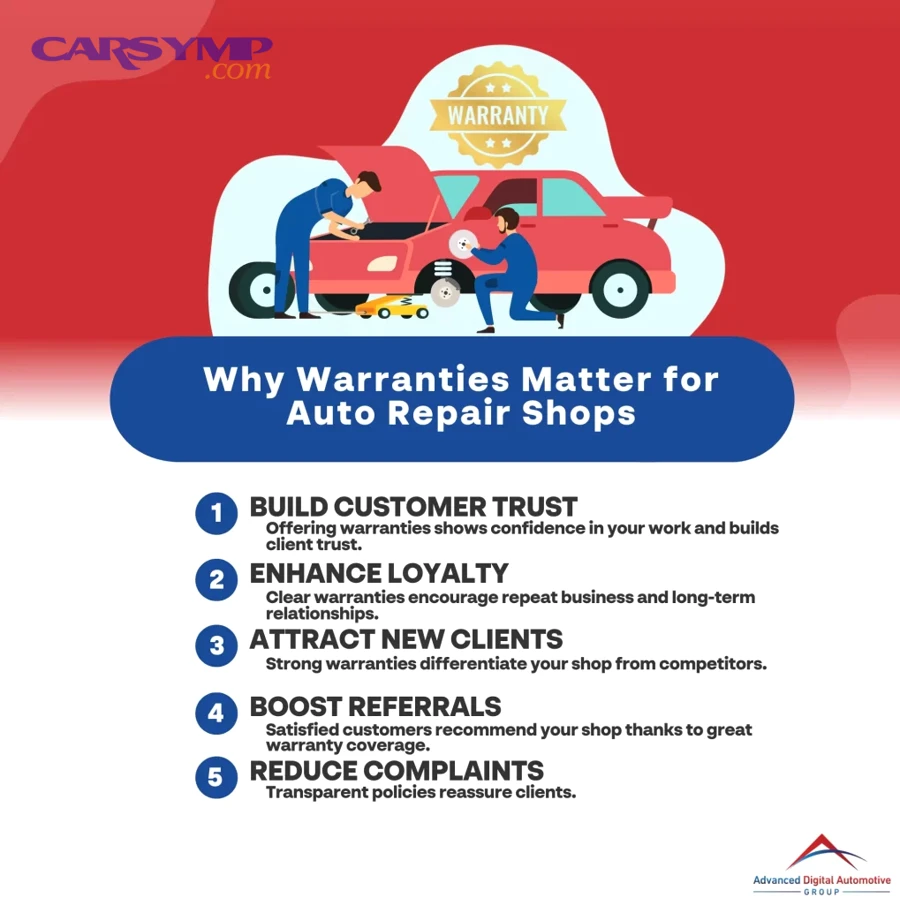
Parts coverage: what “defective part” usually means
Parts coverage generally applies if the replacement part itself fails prematurely under normal use. Cụ thể, this includes things like a remanufactured alternator that stops charging, a new water pump that leaks, or a coil pack that fails electrically.
However, many policies distinguish between “parts warranty from the manufacturer” and “shop warranty.” A manufacturer-backed parts warranty may require the part to be returned for inspection, and the shop may need approval before replacing it. Because of that, the timeline for a fix can depend on how quickly the part supplier responds.
To avoid ambiguity, your invoice should list the exact part name (and ideally the part number or brand). If the invoice only says “replace component” without details, it becomes easier for a dispute to turn into “that’s not the part we installed.”
Labor coverage: the overlooked half of a real warranty
Labor coverage is what saves you the most money, because labor is often the bigger cost. Ví dụ, a starter motor might be moderately priced, but the labor to access it can be significant depending on the vehicle.
A warranty that covers parts but not labor can still leave you paying hundreds for the same repair twice. So when you see “parts only,” treat it as limited protection rather than full peace of mind.
Also note that some policies cover labor at a fixed rate or for a capped number of hours, which matters if your vehicle requires more time than average. To keep it fair, a good shop explains those caps upfront rather than after something fails.
Workmanship coverage: when the repair itself is the problem
Workmanship coverage applies when the installation, adjustment, or procedure was performed incorrectly—think loose clamps, improper torque, misrouted belts, missing seals, or calibration steps skipped. Cụ thể hơn, this is the “we’ll make it right” part that separates serious shops from “good luck” shops.
Workmanship issues can be tricky because the shop may argue the new symptom is unrelated. That’s why documentation matters: a detailed invoice, before-and-after notes, and any test results help link the failure to the work performed.
In real life, the easiest workmanship claims are the ones that show up quickly (leaks, noises, warning lights right after pickup). The harder ones are intermittent issues—so the more precise your paperwork, the better.
How long should a good warranty last, and what do time and mileage limits really mean?
A “good” warranty lasts long enough to cover early failure and workmanship defects—commonly measured in months and sometimes paired with mileage. The real meaning is: whichever limit comes first can end your coverage, so you must read the dual limits as a single boundary.
Next, compare duration the way you’d compare two locks: not by the label, but by how the mechanism works under stress and real driving habits.
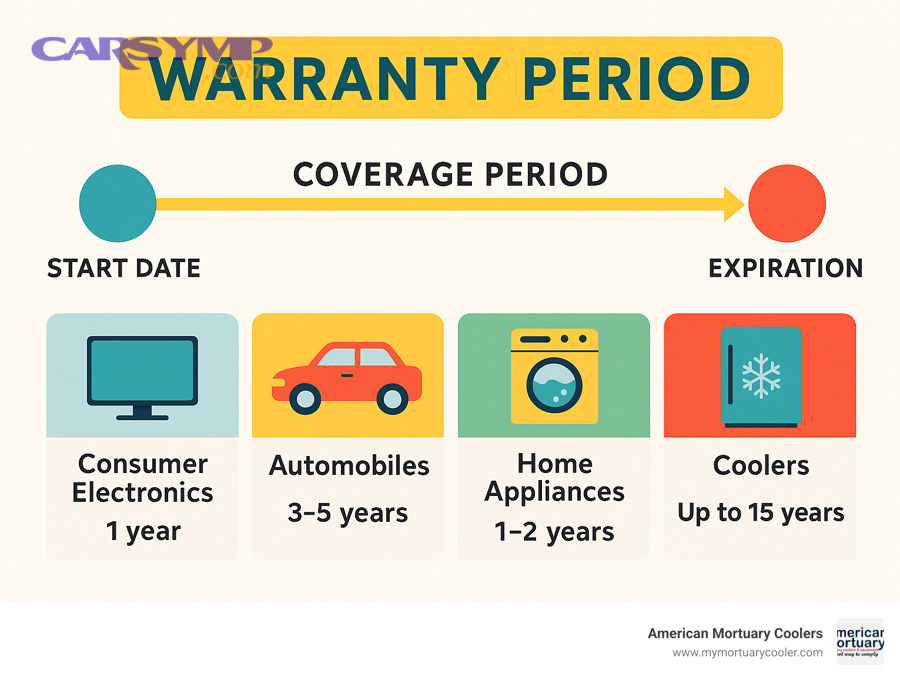
Time-based warranties: why “12 months” isn’t automatically equal
Time-based warranties measure coverage from the repair date. That sounds straightforward, but differences hide in the conditions: some require you to return to the same shop, some require immediate reporting, and some exclude “diagnostic time” if the issue isn’t confirmed quickly.
Also, ask whether the warranty clock starts at “invoice date,” “completion date,” or “pickup date.” Those are often close, but in busy shops they can differ—and small differences matter if the failure happens near the boundary.
Finally, note whether the policy pauses if the car is out of service (rare but valuable). Even if it doesn’t, a shop with strong customer care may handle borderline cases fairly—another reason the shop’s behavior matters as much as the policy text.
Mileage limits: how they can shrink coverage faster than you expect
Mileage limits protect shops from high-use vehicles where wear accelerates. However, they also penalize commuters, rideshare drivers, and anyone with long-distance travel patterns.
To make mileage limits practical, you should align them with your driving reality. If you drive 1,500–2,000 miles per month, a 12-month/12,000-mile warranty effectively gives you 6–8 months of coverage. In contrast, the same warranty feels much longer to a low-mileage driver.
Because of that, you should compare warranties using your own expected miles—not the marketing headline. A shorter-looking warranty with no mileage cap can be more valuable for high-mileage drivers than a longer term with a tight cap.
“Whichever comes first”: the clause that changes everything
“Whichever comes first” means you lose coverage as soon as you hit either the time limit or the mileage limit. Cụ thể, if you exceed mileage by a small amount—even if you are still within the time window—the policy may treat the warranty as expired.
So, when comparing two policies, always rewrite them into a single sentence for yourself: “I am covered until DATE or ODOMETER, whichever happens first.” That one rewrite prevents most misunderstandings.
If the shop can’t clearly explain this clause, treat that as a warning sign that your future claim may be a struggle.
Which types of warranty protection matter most for real-world repairs?
The warranty types that matter most are the ones that pay for the most painful failures: parts-and-labor coverage, workmanship guarantees, and coverage that includes consequential rework (like replacing gaskets, fluids, or one-time-use hardware). The best mix depends on the repair category and risk of re-diagnosis.
To understand the hierarchy, it helps to group warranties by what they truly pay for when something goes wrong.
Parts-and-labor warranty: the baseline you should aim for
Parts-and-labor coverage is the baseline because it protects you from paying twice for the same outcome. It is especially important on repairs with high labor time: timing components, suspension work, HVAC systems, or anything buried deep in the engine bay.
However, even “parts and labor” can be narrow if it excludes related items. For example, a shop may warranty a water pump but not the coolant, clamps, or belts disturbed during installation. In a real failure, those add-ons can be the difference between “free fix” and “still expensive.”
So, the best version of this warranty clearly states whether associated materials and necessary fluids are included in a warranty redo.
Nationwide vs shop-only coverage: when portability matters
A shop-only warranty requires you to return to the original shop for warranty work. That can be fine if you live nearby and trust them. But if you travel often, portability becomes a practical advantage.
Some repair networks and warranty programs allow participating shops to honor coverage elsewhere, often with standardized claim processes. That reduces friction if you break down away from home.
Still, portability should never replace clarity. A portable warranty with vague exclusions can be less useful than a local warranty that is direct, well-documented, and customer-friendly.
Workmanship guarantee vs manufacturer warranty: why you need both
A manufacturer warranty covers the part’s defect, but a workmanship guarantee covers the installation quality. Both matter because failures often blur the line between defective part and poor installation.
For example, a leak might come from a flawed seal (part defect) or from improper surface preparation (workmanship). A shop that stands behind workmanship reduces the chance you get stuck in the “supplier says no, shop says no” loop.
So, when you judge a warranty, ask: “If the cause is unclear, do you help me solve it—or do you make me prove it?” The answer predicts your experience.
What exclusions and conditions can quietly void your warranty?
Yes, exclusions can void your warranty even when the repair fails, because most policies require “normal use” and compliance with specific conditions like maintenance, fluids, and follow-up checks. The most common void triggers are wear-and-tear items, contamination, overheating, and neglect after warning signs appear.
Now, let’s map exclusions the way an adjuster would: by cause, by condition, and by documentation.

Wear-and-tear exclusions: the line between defect and aging
Wear items—brake pads, wiper blades, clutches, tires, and sometimes belts—are often excluded because they are expected to degrade. Even when a wear item fails early, the shop may argue it was caused by driving conditions or usage, not a defect.
To reduce disputes, the invoice should specify whether the part installed was “new,” “remanufactured,” or “used,” and whether it is considered a wear component. A clear classification sets expectations and prevents surprise later.
If a shop warranties wear items, that can be valuable—but only if the policy defines what “premature” means and how it is measured.
Contamination and collateral damage: the hidden cause clause
Many warranty policies exclude failures caused by contamination: dirty fluids, metal debris, sludge, or wrong-spec oil/coolant. Cụ thể, a new turbo can fail if the oil supply is compromised, and the shop may deny the claim if they can document contamination.
This is where “system flush” language matters. If the shop recommends flushing or replacing related components (like oil feed lines), refusing that work can later be used to deny coverage. So, if you decline a recommended preventive step, make sure you understand the risk and have it noted clearly.
Similarly, “collateral damage” exclusions can limit coverage to only the installed part, not the downstream damage caused by its failure. That’s why you should ask whether the warranty includes consequential damage or only direct replacement.
Overheating, low fluids, and warning lights: the “continued driving” argument
Some warranties are void if you continue driving after symptoms appear—overheating, oil pressure warnings, severe noises. The logic is that you turned a small failure into a big one.
To protect yourself, document when the symptom began, what you did next, and whether you stopped driving. Receipts for towing or roadside help can support your case.
Also, ask whether the shop expects you to return immediately for reinspection when a warning light appears after a repair. If that expectation exists, it should be written, not implied.
How do you make a warranty enforceable with the right paperwork and service records?
You make a warranty enforceable by ensuring the invoice precisely states the complaint, the diagnosis, the repair performed, the parts installed, and the warranty terms—and by keeping proof of maintenance that affects the repaired system. The clearer the chain from symptom to fix, the harder it is to deny responsibility.
To connect everything, treat your paperwork as a “story” that a third party could read and understand without guessing.
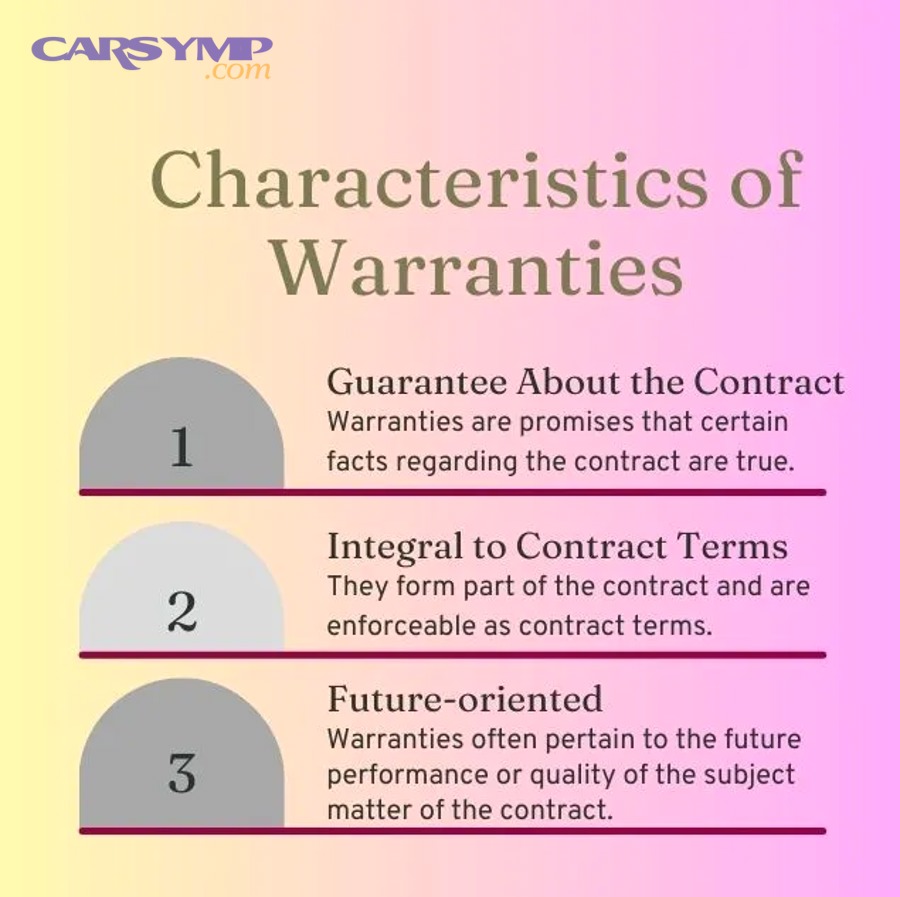
Invoice language that strengthens your claim
A strong invoice includes: your original complaint (in your words), the shop’s diagnostic findings, the exact parts replaced, and the test confirming the fix. Ví dụ, “Customer reports squeal on cold start; found belt tensioner bearing noise; replaced tensioner and belt; verified no noise after road test.”
If your invoice is vague—“fixed noise”—you lose leverage, because a later issue could be framed as a different noise. Ask for specificity while the details are fresh, not months later.
Also, confirm the warranty term is printed directly on the invoice. A verbal promise is hard to enforce if staff changes or records are incomplete.
Maintenance records: what to keep and why it matters
Keep receipts for oil changes, coolant services, transmission fluid changes, and any work affecting the repaired system. Some warranties require maintenance “per manufacturer schedule,” and proof can be decisive.
Even if the warranty doesn’t explicitly require it, maintenance records strengthen your credibility and reduce the shop’s ability to blame neglect. That’s especially important for engine, cooling, turbo, and transmission-related claims.
If you do your own maintenance, keep dated logs and parts receipts. A simple folder or digital album can be enough to show consistent care.
Photos, digital inspections, and scan reports: modern proof that wins disputes
Many shops now provide digital vehicle inspections with photos. Those photos can prove the pre-repair condition and show what was replaced. They also help you demonstrate that a failure occurred within the warranty window.
Additionally, if your repair involves electronics (sensors, modules, calibrations), ask for scan reports or confirmation steps. Documentation like “performed calibration” or “cleared codes and verified readiness” reduces the chance the shop later claims the step wasn’t part of the job.
In short, the more evidence you can keep without extra effort, the more your warranty becomes a real tool rather than a hopeful promise.
How can you compare warranty policies between repair shops without getting misled?
You can compare warranty policies reliably by standardizing the questions: what’s covered (parts, labor, workmanship), what’s excluded, what proof is needed, and how claims are handled (reinspection, diagnostics, and timelines). The best comparison turns vague promises into identical checkboxes.
To make that comparison fair, you need a consistent framework—otherwise you’ll compare slogans instead of real protections.
Turn marketing into measurable warranty terms
Some shops advertise “best warranty in town” without defining it. Your job is to translate that into specifics: months, miles, parts-and-labor or parts-only, claim process, and exclusions.
Ngược lại, a shop that calmly explains the policy and prints it on the invoice is often more trustworthy than a shop that promises “we’ll take care of you” but avoids details.
If you’re searching online for the best auto repair shop near me, use the warranty policy as a filter: strong warranties often correlate with strong processes, training, and accountability.
Use a checklist to compare policies apples-to-apples
This table helps you compare warranty policies across shops by focusing on what impacts real claims: scope, conditions, exclusions, and friction points. It’s designed to prevent “surprise non-coverage” after you’ve already paid.
| Comparison Item | What to Look For | Why It Matters |
|---|---|---|
| Coverage Scope | Parts + labor + workmanship (written) | Prevents paying twice for the same job |
| Duration | Months and mileage, plus “whichever comes first” clarity | Defines the true expiration boundary |
| Exclusions | Wear items, contamination, overheating, misuse | Common reasons claims get denied |
| Claim Process | Reinspection required? Appointment priority? Loaner/tow help? | Determines how painful a claim becomes |
| Diagnostics | Is diagnostic time covered if the repair is warrantable? | Avoids surprise fees during claims |
| Documentation | Warranty printed on invoice + itemized parts | Turns promises into enforceable terms |
Ask the right questions before you authorize the repair
Many disputes begin because the customer asked about price but not about what happens if the fix doesn’t hold. That’s why it helps to prepare a short list of Questions to ask a shop before booking, focusing on warranty scope, exclusions, and claim steps.
For example: “If the part fails, do you cover labor?” “If the symptom returns, is re-diagnosis free?” “If I’m traveling, can another shop help?” When a shop answers confidently and consistently, you’re seeing process quality in action.
Also, if the shop hesitates or changes the answer depending on who you ask, treat that as a signal that the policy is not standardized—and claims may become inconsistent.
What should you do if a warranty claim is denied or delayed?
If a warranty claim is denied or delayed, you should request the denial reason in writing, ask for evidence (photos, test results, part inspection notes), and escalate through the shop’s management or warranty administrator. Most claim conflicts are resolved faster when you stay factual, organized, and calm.
To move forward effectively, follow a structured path that reduces emotion and increases clarity.

Step 1: Reconfirm the exact terms on your invoice
Start by re-reading the printed warranty term and the repair line items. Then match the current symptom to the repaired component and workmanship. If the link is direct—same part, same failure mode—your position is stronger.
Be specific when you communicate: “The alternator you installed on DATE is not charging; battery light is on; vehicle tested at X volts.” Specificity shortens the back-and-forth and signals that you’re serious.
If your paperwork is unclear, ask the shop to explain how the repair was defined. Their explanation can reveal whether the dispute is about scope, diagnosis, or exclusions.
Step 2: Ask what evidence would change the decision
Instead of arguing, ask: “What would you need to see to approve this claim?” That question forces the conversation into objective criteria—test results, part inspection, or re-check procedures.
If the shop says the failure is due to contamination or misuse, ask them to show you the evidence: photos, readings, or part condition notes. This keeps the claim from becoming a vague blame game.
When you understand the shop’s logic, you can respond with your own documentation: maintenance receipts, photos, or proof that you stopped driving when symptoms appeared.
Step 3: Escalate politely and use timelines
Delays often happen because a shop is waiting on supplier approval or a part inspection. Ask for a clear timeline: “When will the part be inspected?” “When will you hear back?” “When can the vehicle be rechecked?”
In many cases, a polite escalation to the service manager produces faster action because it triggers internal accountability. Keep your tone collaborative: “I want to resolve this fairly and quickly.”
If the shop is reputable, they’ll typically prefer goodwill over conflict—especially if you’re organized and reasonable.
How do certifications and shop standards influence whether a warranty is worth trusting?
Certifications and shop standards don’t guarantee perfection, but they increase the odds that a warranty will be honored consistently because the shop follows repeatable processes, training, and documentation. The most practical value is fewer comebacks, clearer invoices, and better diagnostics—so claims become rarer and easier.
To connect the dots, think of warranty strength as a result of capability: better capability usually means fewer failures and fewer disputes.
Why process quality matters more than the warranty headline
A generous warranty can still be painful if the shop lacks diagnostic skill. In that case, you might get repeated parts swapping, delays, or “could not duplicate” outcomes. A smaller warranty from a highly competent shop can deliver a better overall experience because the first repair is correct.
So, look for operational signals: consistent communication, transparent estimates, detailed invoices, and a clean, organized workflow. These signals reduce the risk that you’ll need the warranty in the first place.
In other words, a warranty is insurance—but competence is prevention.
How to evaluate repair standards without being an expert
You don’t need to be technical to evaluate standards. Ask how they confirm a fix: road test, scan tool verification, pressure tests, or calibration steps. A strong shop will explain validation steps confidently.
Also ask how they handle comebacks: Do they prioritize them? Do they assign a senior technician? Do they re-check the original diagnosis first? The structure of that answer is often more revealing than the warranty duration.
Finally, keep an eye on whether the shop provides written warranty terms proactively. That behavior often reflects a culture of accountability.
Where “Certifications to look for” fits into warranty confidence
If you’re comparing shops, Certifications to look for can help you identify places more likely to follow best practices—especially for complex diagnostics, ADAS calibration, hybrids, and late-model electronics.
That said, treat certifications as one factor, not the only factor. Pair them with the warranty checklist: clarity, scope, claim process, and documentation. When both align, you’re much more likely to have a warranty that actually works.
Quan trọng hơn, a shop that can explain its standards without defensiveness is usually a safer bet than one that dismisses questions.
How do repair warranties interact with OEM warranties, extended warranties, and insurance?
Repair warranties can coexist with OEM warranties, extended warranties, and some insurance claims, but responsibility depends on who paid for the repair and what component category is involved. The safest approach is to confirm in writing which warranty is primary and whether any pre-authorization is required.
To avoid confusion, treat warranties like layers: the top layer pays first, and the other layers fill gaps—if they allow it.
OEM warranty overlap: when the dealer and independent shop differ
If your vehicle is still under an OEM warranty, some repairs may be covered only when performed at authorized facilities. That doesn’t mean an independent shop is always a bad choice—it means you should verify whether the specific failure is an OEM-covered item.
In many cases, a shop repair warranty covers their work, while OEM warranty covers unrelated future failures. The risk is paying out of pocket for something the OEM would have covered if you used the correct channel.
So, before approving major repairs on a newer vehicle, confirm whether the issue is part of a recall, technical service bulletin pathway, or warranty extension program—then decide where the repair makes the most sense.
Extended warranties: pre-authorization and documentation are everything
Extended warranties often require pre-authorization, approved labor times, and specific documentation. If a shop performs work without approval, the warranty company may deny payment—even if the repair was valid.
Because of that, the repair shop’s willingness to work with third-party warranty administrators matters. Ask if they regularly handle extended warranty claims and what the process looks like.
If you do use an extended warranty, keep records of approval codes, adjuster notes, and the final invoice. Those details can prevent “missing paperwork” denials later.
Insurance-related repairs: workmanship warranties and claim supplements
Insurance repairs often include workmanship guarantees from the body shop, and sometimes parts coverage depending on what was used (OEM vs aftermarket). The claim can also involve supplements—additional repairs discovered after teardown.
To stay protected, make sure you understand who warranties what: the shop, the insurer, or the parts supplier. Also verify whether the warranty applies nationwide or only at the original repair facility.
Tóm lại, when multiple payers are involved, the best protection is clarity: written responsibility and complete documentation.
Contextual Border: Up to this point, we focused on the core warranty structures that directly impact selection and claim success. Dưới đây, we’ll expand into less obvious fine print—rare but costly details that can change the real value of a policy.
Hidden warranty fine print that can change the real value of coverage
Hidden fine print matters because modern repairs often involve diagnostics, software steps, calibrations, and one-time-use components—and some warranties quietly exclude those costs. The best policies define whether these “support steps” are included when the main repair is warrantable.
To see the real value, you must look at what happens around the repair—not just the part itself.

Diagnostics and re-diagnosis fees during warranty claims
Some shops cover re-diagnosis if the original repair is at fault, but charge diagnostic time if the symptom is unrelated. That’s reasonable—if the rule is clearly stated.
The problem arises when the shop charges diagnostic fees before determining whether the issue is warrantable, then refuses to refund it even if the failure is directly related. A fair policy explains how diagnostic charges are handled and under what conditions they’re waived.
If you want to minimize risk, ask: “If the same symptom returns within the warranty period, do you charge to re-check it?” The best answer explains both scenarios—related and unrelated—without defensiveness.
Calibration and software updates: the modern repair step that gets excluded
Repairs involving steering angle sensors, cameras, radar modules, or throttle body adaptations often require calibration or relearn procedures. If a warranty excludes “programming” or “calibration,” you might still pay significant labor even when the replaced part is covered.
So, for late-model vehicles, ask whether required calibrations are included in warranty rework. A strong shop will either include them or clearly price them as part of the original job.
In practical terms, coverage that includes calibration steps is often more valuable than a longer warranty term that excludes them.
Fluids, gaskets, and one-time-use hardware in warranty redo work
Many repairs require fluids and one-time-use parts (coolant, transmission fluid, seals, stretch bolts, clamps). If the warranty covers only the “main part,” you may still pay for these consumables on a redo.
To avoid surprises, check whether “materials” are covered in the warranty. If the policy is silent, ask the shop to clarify—and ideally note it on the invoice.
This is especially important for cooling system work, engine reseals, and transmission services where fluids and seals can become a large fraction of the cost.
Customer obligations: maintenance intervals, return visits, and “normal use” definitions
Some warranties require you to follow specific maintenance intervals or return for a recheck after certain repairs (like alignments after suspension work). Others define “normal use” in ways that exclude towing, racing, or heavy commercial use.
Even if you don’t do any extreme driving, definitions matter. For example, rideshare use might be treated differently than personal use in some policies.
So, if your vehicle usage is unusual (frequent towing, high mileage, commercial driving), disclose it and ask how it affects coverage. Transparency up front prevents conflict later.
Frequently asked questions about repair warranties
These quick answers focus on the most common warranty misunderstandings and the practical steps that prevent expensive surprises. Use them as a final check before you approve a repair or file a claim.
Is a longer warranty always better?
No—longer is only better if coverage is broad and the claim process is fair. A shorter parts-and-labor warranty with clear workmanship support can outperform a longer parts-only warranty that excludes diagnostics, materials, and related steps.
Can a shop deny coverage because I didn’t do maintenance there?
Sometimes, but it depends on the policy and the failure type. If the warranty requires proof of maintenance, you can usually provide records from any reputable provider (or your own receipts/logs). The key is showing the repaired system wasn’t harmed by neglect.
What should I do immediately when a repaired symptom returns?
Stop driving if the symptom could cause damage (overheating, oil pressure warning, severe noises), document the symptoms, and contact the shop promptly. Fast reporting reduces the “continued driving” denial risk and makes diagnosis easier.
Do warranties cover “related parts” that weren’t replaced?
Often, no. Many warranties cover only what was installed or explicitly repaired. That’s why a strong invoice and clear scope discussion matter—especially for systems where a related part can cause the same symptom.
What’s the single most important thing to look for in warranty terms?
The most important thing is whether labor and workmanship are covered in writing, along with clear exclusions and a defined claim process. That combination determines whether the warranty saves you money and time in real-world situations.