


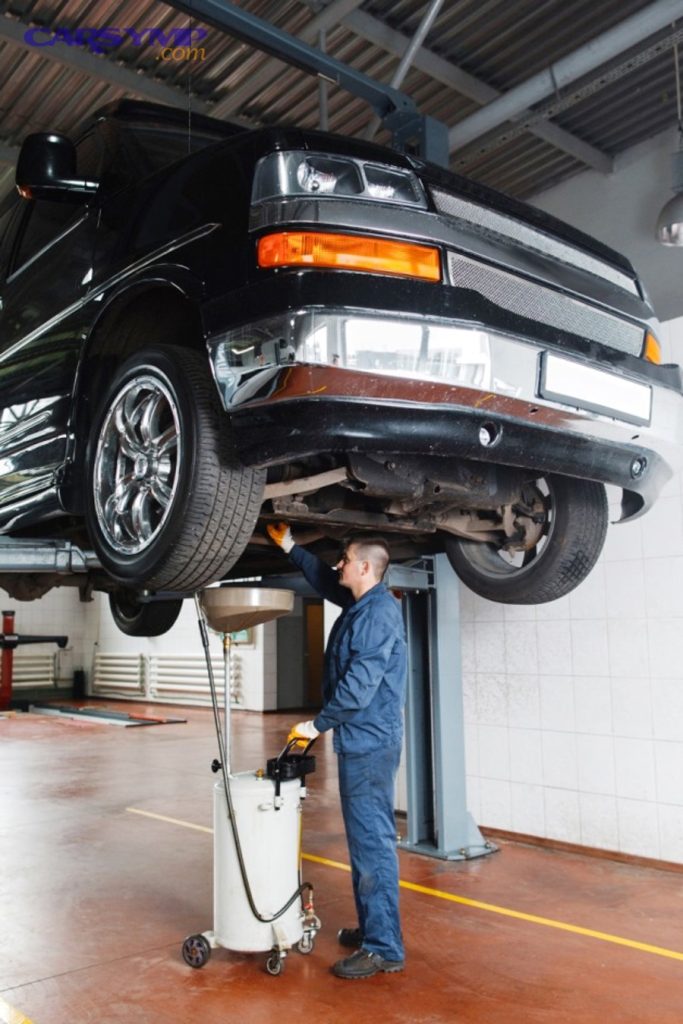
Choosing between a dealership service department and an independent repair shop is mainly a comparison of value: cost, accuracy, convenience, warranty coverage, and long-term vehicle reliability.
Dealerships tend to shine when the job is brand-specific, software-heavy, warranty/recall-related, or requires factory procedures and parts traceability.
Independent shops often win on pricing flexibility, personalized communication, pragmatic repair options for aging vehicles, and faster scheduling—especially for routine maintenance and common repairs.
Next, we’ll break down the real-world tradeoffs so you can match the shop type to your car’s age, the repair category, and your risk tolerance.
Decision snapshot: Dealer is usually strongest for warranty/recall/software and complex brand diagnostics; independent is usually strongest for cost control, relationship-driven service, and flexible parts options.
Which option is usually cheaper, and why do invoices differ so much?
Independent shops are often cheaper for the same repair because their overhead, labor structure, and parts sourcing are typically more flexible than dealership operations.
Next, it helps to see exactly where the price gap comes from—labor rates, parts strategy, and how each shop bills diagnostic time.

At a high level, dealership service departments carry larger facility costs, manufacturer-required tooling and training, and standardized procedures that can lengthen billed time on certain jobs. Independents can be leaner: fewer brand-specific compliance costs, more freedom to source parts, and more freedom to propose repair paths (repair vs replace, OEM vs equivalent).
To make the comparison concrete, the table below summarizes the most common invoice drivers and how they tend to differ by shop type. It helps you spot why a quote is higher—not just that it’s higher.
| Invoice Driver | Dealership Service Department | Independent Repair Shop |
|---|---|---|
| Labor rate | Often higher due to facility overhead, OEM tooling, and brand training | Often lower or more negotiable; may vary by specialty and region |
| Diagnostic process | Factory scan tools + guided procedures; more standardized steps | Aftermarket scan tools + technician experience; may be faster for common issues |
| Parts pricing | OEM parts common; parts pricing may be less flexible | Broader sourcing: OEM, OE-equivalent, aftermarket, remanufactured |
| Repair approach | Often “replace with OEM assemblies” for speed and policy compliance | More likely to offer repair/rebuild options and tiered part choices |
| Included perks | Shuttles, loaners, valet, OEM-branded amenities (varies) | Often fewer perks, but stronger direct access to the person doing the work |
However, “cheaper” isn’t always “better” if the repair requires factory programming, a recall procedure, or a brand-specific calibration step. The best cost outcome is the quote that is correct the first time—because comebacks, repeated diagnostics, and parts swapping can erase any initial savings.
According to research by Consumer Reports from its Cars team, in March 2024, labor rates at independent shops tend to be lower than at dealerships, and many independents use aftermarket parts that usually cost less than OEM parts.
When is a dealership the smarter choice for repair quality and risk control?
A dealership is often the smarter choice when the repair is tied to warranty, recall campaigns, factory software updates, or complex brand-specific diagnostics where OEM procedures reduce risk.
Next, let’s pinpoint the situations where OEM tooling and factory access directly translate into fewer surprises and more reliable outcomes.
Is the repair covered by warranty, recall, or goodwill assistance?
Yes—if the work is warranty- or recall-related, the dealership is usually the lowest-risk path because it is the authorized channel for OEM reimbursement and official campaign procedures.
Next, the key is to confirm coverage details before authorizing paid work, so you don’t accidentally pay for what the manufacturer would cover.
Warranty claims often require exact documentation, approved parts, and precise labor operations that map to the manufacturer’s system. Even if an independent shop can do the work mechanically, they typically can’t submit the claim in the same way. “Goodwill” assistance (partial coverage offered by the manufacturer outside normal warranty) is also more likely to be handled through dealership channels because the relationship and records live there.
Does the job require factory programming, immobilizer pairing, or module coding?
Yes—dealerships are often best for software-dependent jobs because factory systems and security access reduce the chance of failed programming or incomplete calibrations.
Next, consider the hidden cost of a “cheap” attempt that fails and must be repeated elsewhere with towing, downtime, and replacement modules.
Modern vehicles may require coding after battery replacement on certain models, steering angle sensor calibration, ADAS camera alignment verification, or module initialization. Dealerships generally have direct access to brand servers, security gateways, and the most current service bulletins. That can matter when a fault is not purely mechanical.
Is there a known technical service bulletin or updated procedure for your exact model-year?
Often yes—dealerships may implement factory bulletins quickly, which can improve first-time fix rates for recurring patterns on specific vehicles.
Next, if your symptom is model-specific, ask whether the shop has seen the exact issue on your make and engine family before.
Some problems are notorious within a platform: a certain transmission solenoid behavior, a recurring oil leak point, a specific EV coolant valve failure, or a software patch that resolves false warning lights. A good independent specialist can also be excellent here—especially one focused on a brand—but a general independent may not see the same pattern frequency as a dealer network.
According to research by J.D. Power from its U.S. Customer Service Index (CSI) Study, in March 2024, the study measures satisfaction with service at franchised dealer and aftermarket facilities among owners of one- to three-year-old vehicles, highlighting how service processes (like valet and app-based updates) can shape perceived quality.
When do independent shops deliver better overall value than dealerships?
Independent shops often deliver better value for routine maintenance, wear-and-tear repairs, and older vehicles because they can offer flexible parts choices and more personalized problem-solving.
Next, let’s look at the specific scenarios where independents routinely outperform—especially when the goal is cost control without sacrificing competence.
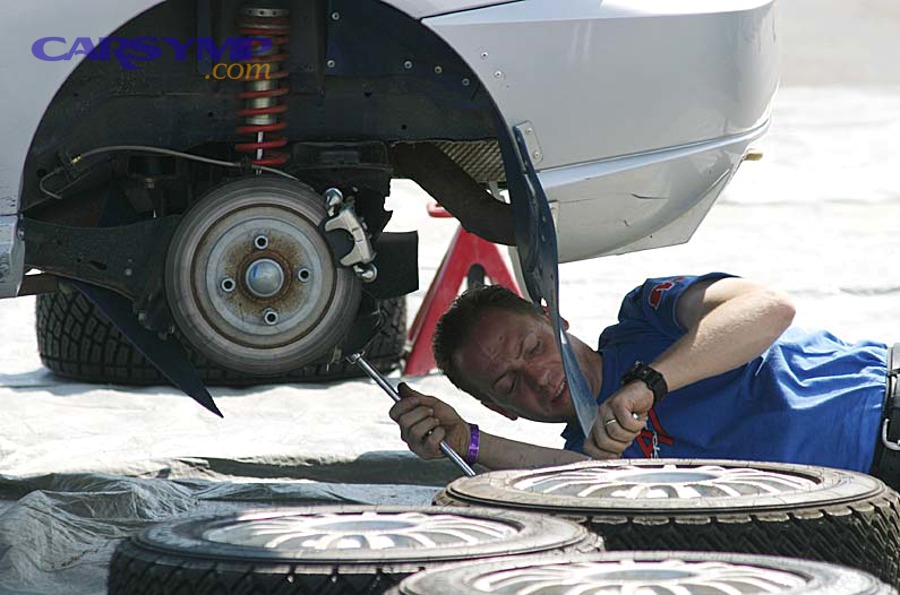
Is your car out of warranty and primarily needs maintenance or common repairs?
Yes—independents tend to win once the car is out of warranty because the repair decision can be optimized for budget, longevity, and practicality rather than strict OEM policy.
Next, match the shop’s strengths to the job category: fluid services, brakes, suspension, tires, and cooling system work are often excellent independent territory.
For many drivers, the sweet spot for independents is the “middle years” of a vehicle’s life—after warranty, before the car becomes a high-mileage project. A strong independent can keep a vehicle reliable with smart preventive maintenance schedules, and can explain priorities without funneling every item into “replace now.”
Do you want tiered choices: OEM, OE-equivalent, or aftermarket parts?
Yes—independent shops are typically better at offering tiered parts options so you can choose price versus longevity intentionally.
Next, the best shops will explain the risk tradeoff in plain language, including warranty terms, brand reputation, and expected lifespan.
Parts choice is not just “cheap vs expensive.” It is “fit, durability, noise/vibration behavior, and warranty.” An OE-equivalent brand may match OEM performance at lower cost; a budget aftermarket part may be fine for a short-term plan; and OEM may be worth it for parts that are hard to replace twice. The value of an independent shop is the ability to align parts with your plan: keep the car 6 months, 3 years, or 10 years.
Do you want direct communication with the person diagnosing the car?
Often yes—independents can be more relationship-driven, giving you clearer explanations and fewer “telephone-game” handoffs between advisor and technician.
Next, prioritize transparency signals: photos, measurements, old parts return policies, and a willingness to show you the wear point.
Many drivers don’t realize how much anxiety comes from uncertainty rather than the bill itself. A good independent shop often reduces uncertainty: what failed, why it failed, what can wait, and what is safety-critical. That clarity can be worth as much as a discount.
According to research by Cox Automotive from its Insights Hub, in November 2025, dealerships had lost a share of service visits to competitors since 2018, reflecting how many owners choose independent shops and other alternatives as vehicles age and service needs diversify.
How do parts choices (OEM, OE-equivalent, aftermarket, reman) change the comparison?
Parts choices can flip the value equation because the “same repair” can mean different materials, tolerances, and warranty terms, changing both price and the likelihood of comebacks.
Next, understanding parts categories helps you evaluate quotes as “apples-to-apples” rather than comparing numbers that represent different quality levels.
What does OEM really mean in practice?
OEM means the part is sold under the vehicle manufacturer’s brand, typically matching factory spec and fit, which can reduce risk for complex assemblies.
Next, the practical question is not “OEM or not,” but “which parts truly benefit from OEM-level tolerances and documentation?”
OEM can be especially valuable for modules, sensors, specialty gaskets, and parts where a tiny tolerance difference triggers drivability issues or warning lights. It can also matter when a repair is labor-intensive: if it takes six hours to reach the part, paying extra for OEM to avoid doing the job twice may be rational.
When are OE-equivalent or premium aftermarket parts a smart compromise?
OE-equivalent or premium aftermarket parts can offer near-OEM performance at a lower cost, making them a strong value option for many wear items.
Next, the best approach is to ask the shop which brand they trust for that exact component category and why.
Brake pads, rotors, struts, control arms, and filters often have high-quality aftermarket options. The risk is not “aftermarket” as a category—it’s unvetted aftermarket. A reputable independent shop typically has a short list of trusted brands and avoids the cheapest parts that create noise, rapid wear, or fitment problems.
What about remanufactured parts and rebuild options?
Remanufactured parts and rebuilds can cut costs dramatically, but they carry variability risk that depends on the rebuilder’s quality control and the shop’s installation standards.
Next, evaluate reman parts like a mini-contract: warranty length, labor coverage, and what happens if it fails early.
Alternators, starters, steering racks, and some transmissions can be reman options. The value is strongest when the reman unit is from a reputable rebuilder and the shop offers clear labor warranty. The downside is inconsistent quality across suppliers—so transparency about sourcing is crucial.
How do technician expertise, tools, and data access compare between the two?
Dealerships often lead in brand-specific training and factory tooling, while independents often lead in broad multi-brand experience and practical diagnosis—so the “better” option depends on the problem type.
Next, think of expertise as a match: brand complexity and software needs versus mechanical fundamentals and pattern recognition across many vehicles.
Does a dealership always have better technicians?
No—dealerships can have excellent brand-trained technicians, but independents can be equally or more skilled, especially specialists and master-level diagnosticians.
Next, focus on evidence of competence: certifications, diagnostic documentation, and the ability to explain the failure chain clearly.
In practice, technician quality varies more by individual and shop culture than by shop type. A top independent specialist who works on one brand (or one region’s common vehicles) may diagnose faster than a dealership that rotates staff and faces volume pressure. Conversely, a dealership may have the newest factory tool that solves a security-gateway problem in minutes.
What tool access differences actually matter to drivers?
The differences that matter most are factory scan functions, programming subscriptions, and access to the newest service procedures—especially for late-model cars.
Next, if your car is 0–5 years old, ask the shop how they handle software updates, module coding, and calibrations after repairs.
Independents increasingly invest in advanced scan tools and subscriptions, and many do factory programming through authorized portals when allowed. Still, there are cases where the dealer’s direct pipeline reduces friction: fewer compatibility surprises, fewer “cannot complete procedure” errors, and easier access to brand-specific technical support.
How does the right-to-repair landscape influence your choice?
It can increase independent capabilities over time, but access may still vary by brand, region, and the specific procedure needed.
Next, treat data access as a checkable fact: a good shop can tell you exactly which tools and subscriptions they use for your make and model.
According to research by the Federal Trade Commission from its report to Congress, in May 2021, the FTC discussed how repair restrictions and limited access can affect repair markets, reinforcing why transparent access to parts, tools, and information influences consumer outcomes.
How do warranties, service records, and resale value differ by shop choice?
Dealerships often provide stronger alignment with manufacturer records and goodwill policies, while independents can provide equally valid documentation if they itemize work clearly and use quality parts.
Next, the goal is to build a paper trail that protects you—whether for warranty disputes, future diagnostics, or resale confidence.
Do dealer stamps always improve resale value?
No—dealer history can help, but clear, consistent records from a reputable independent shop can be just as persuasive to buyers and inspectors.
Next, what matters is completeness: dates, mileage, part brands, fluid specs, and a consistent maintenance cadence.
Buyers and appraisers often care less about “where” and more about “proof.” If the independent shop documents OEM-spec fluids, torque-critical repairs, and warranty terms, the record quality can rival dealership documentation. For enthusiast cars, specialist independent records can even be a stronger signal than generic dealer visits.
How should you compare warranties on the repair itself?
Compare both parts and labor coverage, plus whether the warranty is honored nationwide or only at that location.
Next, ask for warranty terms in writing and confirm what “labor included” really means if the part fails.
Dealerships may offer standardized warranties and easier integration with OEM parts channels. Independents vary widely: some provide excellent nationwide warranties (especially networks), while others provide short local guarantees. The “best” warranty is the one that you can actually use without a fight, so clarity and reputation matter.
How do you choose the right shop type for your exact repair?
Use a decision framework: pick the dealership for warranty/recall/software complexity, and pick a strong independent for routine or out-of-warranty repairs where flexible parts and clear communication create better value.
Next, apply the framework to your situation using the repair category, vehicle age, and the consequences of getting it wrong.
If you’re searching for the best auto repair shop near me, don’t start with star ratings alone. Start by matching the shop type to the repair type, then use a short vetting checklist to confirm competence and transparency.
Step 1: Classify the repair by “software risk” and “safety risk”
Classify first: software-heavy issues and recall/warranty items lean dealer, while mechanical wear items and maintenance often lean independent—then adjust for safety-critical systems like brakes and steering.
Next, once the repair is classified, you can compare quotes fairly by forcing both shops to quote the same parts tier and warranty terms.
Examples of software-heavy repairs include module programming, immobilizer/key pairing, and certain ADAS calibrations. Examples of mechanical wear items include brake pads/rotors, control arms, struts, wheel bearings, and belt-driven accessories. Safety risk matters because you may prefer the shop with the clearest process and strongest warranty for high-consequence systems, regardless of price.
Step 2: Vet the shop with a “transparency first” script
Ask for transparency signals—photos, measurements, and the failure explanation—because honest shops can teach you what failed without pressure tactics.
Next, use a short set of prompts as your personal filter, not as an interrogation.
Here’s a practical way to structure your vetting: treat it like Questions to ask a shop before booking, but keep it conversational. Ask what the diagnosis fee covers, whether they’ll call before adding work, what parts tier they recommend and why, and what warranty applies to parts and labor. If their answers are vague, rushed, or defensive, that’s a signal—especially for expensive jobs.
Step 3: Prepare for the appointment so diagnosis is faster and more accurate
Bring the right context—symptoms, timelines, and prior work—because better information reduces guesswork and lowers the chance of parts swapping.
Next, organize your visit like a mini-briefing rather than a story, so the technician can reproduce the symptom efficiently.
Think of it as What to bring for a first visit: the most recent service records, a list of warning lights with photos, the conditions when the symptom appears (cold start, turning, braking, highway speed), and any recent changes (battery replacement, tire change, collision, accessory install). If you have an OBD code printout, bring it—but remember codes point to a system, not always the exact failed part.
How can you avoid upsells and misdiagnosis at both dealers and independents?
You can reduce upsells and misdiagnosis by demanding clarity: verified tests, measured wear limits, and a prioritized plan that separates urgent safety issues from “nice-to-do” maintenance.
Next, the goal isn’t to distrust shops—it’s to create a process where the truth is easier than the sales pitch.
Request evidence, not persuasion
Ask for evidence: photos of leaks, measured brake pad thickness, tire tread depth, battery test results, and scan tool screenshots that show live data or confirmed faults.
Next, once evidence is on the table, you can decide based on risk and budget rather than pressure.
A good shop—dealer or independent—won’t mind documenting. The fastest way to expose fluff is to ask, “What test confirmed this?” If the answer is only “we recommend,” push gently for the measurement or diagnostic step that supports the recommendation.
Use a two-quote rule for expensive, non-urgent repairs
For expensive, non-urgent repairs, getting a second opinion often protects you because it reduces the odds of paying for the wrong root cause.
Next, when you get the second quote, share symptoms—not the first shop’s conclusion—so you don’t bias the diagnosis.
This is especially useful for intermittent electrical problems, unusual noises, and “replace multiple assemblies” estimates. The second shop may confirm the same plan (increasing confidence) or propose a simpler root fix (saving money). Either way, you’ve bought clarity.
Insist on a priority ladder
Ask for repairs ranked by priority: safety now, reliability soon, preventative later—because a ladder prevents you from approving a shopping list.
Next, once you have the ladder, you can choose what to do today and what to schedule later, keeping control of cash flow.
A priority ladder also helps you compare dealer versus independent quotes fairly: the dealer may propose a comprehensive package; the independent may propose a minimal safe fix first. Seeing both as a ladder clarifies which approach fits your goals.
According to research by AAA from its automotive advocacy survey page, drivers report mixed trust in the repair industry, yet many still find a provider they trust—reinforcing how transparency and consistent communication are the practical path to confidence.
Beyond the core dealer-versus-independent decision, a few edge cases can change the best choice dramatically—especially with newer technology and specialized calibration needs.
Edge cases that change the best choice between dealer and independent
Some vehicles and repair categories are “edge cases” where the right shop is defined less by price and more by specialized tools, calibration requirements, or platform-specific expertise.
Next, use these edge cases as quick triggers: if your situation matches one, choose the shop that has the required equipment and proven experience, even if the hourly rate is higher.
EVs and ADAS calibrations
EV systems and ADAS calibrations can favor dealers or highly equipped specialists because the required procedures, targets, and software steps must be executed precisely.
Next, ask directly whether the shop performs calibration in-house, sublets it, and how they verify completion.
For example, a windshield replacement may require camera recalibration; a suspension repair may require steering angle sensor alignment; an EV coolant service may require specific bleeding procedures and safety protocols. A capable independent can do these well—but only if they have the equipment and training.
European luxury and brand-specialist independents
Brand-specialist independents can beat dealers on value for European cars because they focus deeply on a narrow set of platforms while offering more flexible repair paths.
Next, look for specialization signals: dedicated tooling, platform familiarity, and a track record with your engine and transmission family.
For many European vehicles, a specialist independent offers the best blend: high competence with lower overhead than the dealer, plus honest guidance on which OEM parts are truly necessary and which equivalents perform well.
Intermittent electrical issues
Intermittent electrical problems can favor whichever shop has the strongest diagnostic culture—because the skill is not swapping parts, but capturing conditions and proving the fault.
Next, choose the shop that explains their diagnostic plan: time allocation, test strategy, and what results would confirm or rule out each hypothesis.
These issues often require patience and structured testing. The best shop is the one that treats diagnosis as a process, not a guess.
Fleet and commercial uptime needs
For fleets, the best choice is often the shop that minimizes downtime through scheduling discipline, parts availability, and fast approvals—whether dealer or independent.
Next, evaluate throughput: hours of operation, loaners, parts sourcing speed, and communication cadence.
Sometimes the dealer wins due to parts pipeline; sometimes an independent wins due to speed and flexibility. Uptime is the metric—everything else is secondary.
FAQ
Is it safer to always service at the dealership?
No—dealership service can be excellent, but many independent shops provide equal or better workmanship; safety depends on technician skill, process discipline, and transparent documentation.
Next, pick safety-critical repairs (brakes, steering, suspension) based on proven competence and warranty, not brand signage.
Should you always use OEM parts at a dealership?
No—OEM is not always necessary; for many wear items, OE-equivalent or premium aftermarket parts can deliver strong value when sourced and installed by a reputable shop.
Next, reserve OEM spending for parts that are labor-intensive to replace or known to be sensitive to tolerances and software integration.
Can an independent shop maintain your new car without voiding warranty?
Often yes—routine maintenance can typically be done outside the dealership if the shop follows manufacturer specifications and keeps clear records, though warranty claims and recall work usually still route through authorized channels.
Next, keep itemized invoices with fluid specs, part brands, and mileage to protect yourself if a warranty question arises later.
How do you compare two quotes fairly?
Compare apples-to-apples by matching parts tier, warranty coverage, and the diagnostic scope—not just the bottom-line number.
Next, ask each shop to list what is included (fluids, seals, shop supplies, calibrations) so hidden line items don’t distort your decision.