


To compare labor rates locally, you need one simple rule: match the same job, the same car, and the same scope, then compare what you’re truly buying—time, skill, tooling, and warranty—not just the dollar number on the wall.
Beyond the posted hourly rate, you’ll want to evaluate how hours are calculated (flat-rate vs actual time), what “shop supplies” cover, and whether diagnostic time is credited into the final bill.
You’ll also get better outcomes by building a small “local rate map” from multiple quotes, then normalizing those quotes with identical parts assumptions, identical labor operations, and clear authorization limits.
Giới thiệu ý mới: below is a practical, step-by-step framework you can use to compare quotes confidently and choose value—without overpaying or under-buying quality.
What does an hourly labor rate really include when you compare labor rates locally?
An hourly labor rate is the price of the shop’s time—including technician pay, equipment, training, overhead, and warranty support—so comparing rates locally starts by understanding what that number does (and does not) cover. To connect the dots, you’ll want to break the rate into “what you see” and “what you’re actually buying.”
Is the posted rate a single rate, or a tiered rate?
Many shops use different labor tiers (general, diagnostic/electrical, European, diesel, hybrid/EV, ADAS calibration), so the “hourly rate” you heard on the phone may not match the rate on your specific repair. Next, ask which tier applies to your vehicle and job before you treat any number as comparable.
For example, a basic brake job may be billed at a general mechanical rate, while intermittent electrical faults may be billed at a diagnostic rate because the work demands specialized tools, longer testing time, and higher technician skill.
How do shop fees and policies change the effective rate?
Items like shop supplies, environmental fees, disposal, and minimum labor charges can raise the real cost of a “cheap” rate. To keep your comparison honest, request an itemized estimate that separates labor hours, labor rate, supplies, and taxes—then compare totals for the same scope.
Also clarify whether “diagnosis” is a separate line item and whether that diagnostic fee is credited if you approve the repair. That single policy can swing the real cost more than a $10–$20 difference in posted hourly rate.
Why overhead matters more than people think
Two shops can have different rates because they run different businesses: one may invest heavily in OEM-level scan tools, calibration targets, training, and comebacks prevention, while another runs lean with fewer tools and narrower service scope. To move from price to value, connect rate differences to capability: can the shop handle your problem quickly and correctly the first time?
How many local quotes do you need to compare labor rates locally with confidence?
You generally need three to five local quotes for the same job to see the real market range, because one quote can be an outlier due to scheduling, specialization, or misunderstanding of scope. Next, build a consistent quote request so every shop is pricing the same thing.
What exact script should you use when requesting quotes?
To compare cleanly, provide: year/make/model/engine, mileage, key symptoms, and the exact service request (or the exact diagnostic request). Then ask: labor rate tier, estimated hours, and whether diagnostic time is applied to the final repair. After that, request the estimate in writing—email or text—so you’re not relying on memory.
Keep your request narrow. If you ask one shop for “check everything,” and another for “fix the noise,” you’ll receive different scopes that cannot be fairly compared.
When should you stop collecting quotes?
Stop when you see a stable cluster—two or three estimates that align on the same labor hours and similar totals—and only one or two outliers remain. Next, shift from collecting prices to verifying scope: confirm what is included, what is excluded, and what authorization limits you can set before additional work is performed.
How to avoid “quote drift” between phone and in-person
Phone quotes are often rough because the shop can’t inspect the car, confirm parts access, or validate the real cause. To reduce drift, ask for a written range (“best case / likely / worst case”) and what findings would move the job from one bucket to another. That way your comparison reflects uncertainty rather than hiding it.
How do you normalize estimates so you’re comparing apples to apples locally?
To compare labor rates locally, normalize every estimate to the same labor operation, the same assumptions about parts, and the same diagnostic path; otherwise you’re comparing different jobs with different risks. Next, you’ll translate each quote into a shared format you can evaluate quickly.
Start by matching the exact labor operation
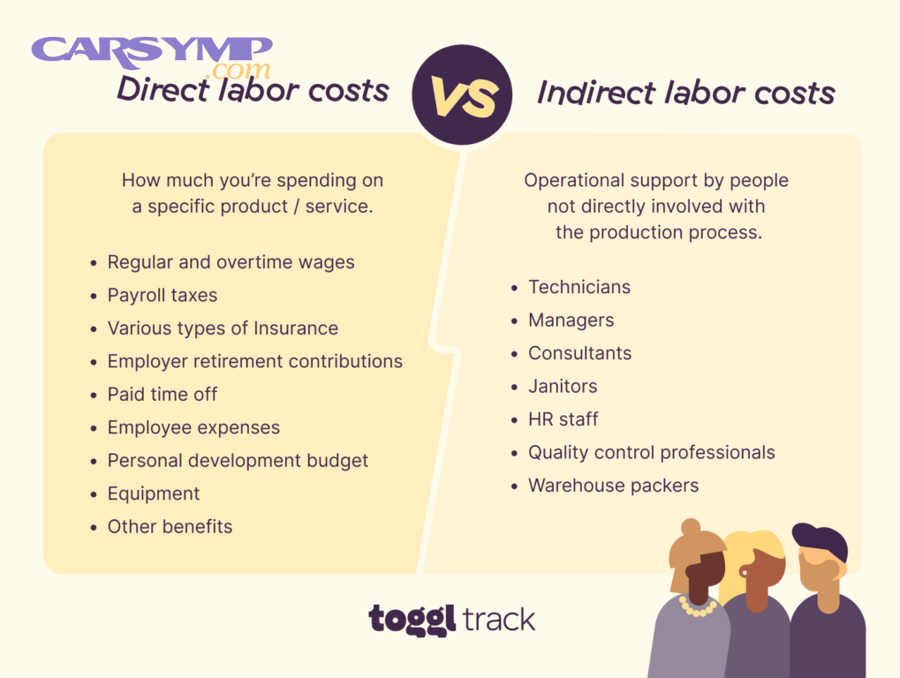
Ask each shop to identify the labor line item in plain language: “replace front brake pads and rotors,” “replace alternator,” “replace serpentine belt and tensioner,” or “diagnose intermittent misfire.” Then ensure each estimate is pricing the same operation, not a “bundle” at one shop and a narrower repair at another.
For instance, one quote might include new hardware, cleaning hubs, and brake fluid top-off, while another is pads-only. Those are different scopes, so the hourly rate comparison becomes meaningless until you align scope.
Convert totals into an effective labor cost per job
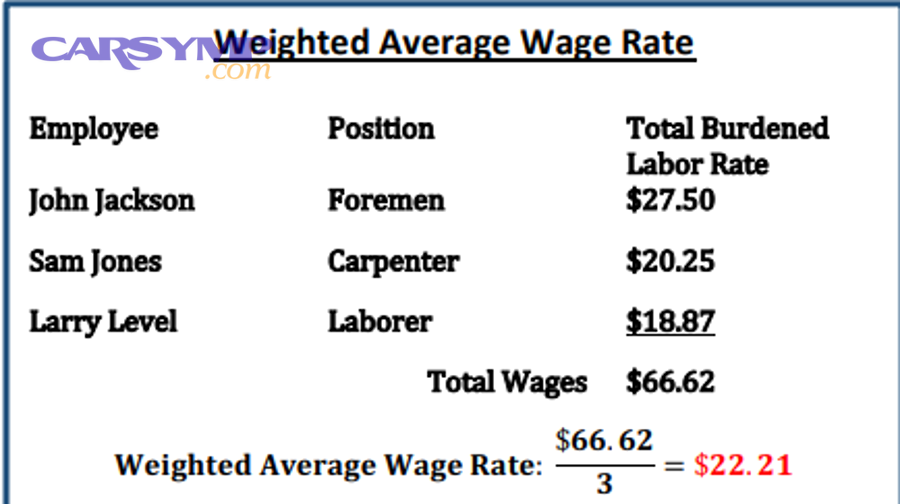
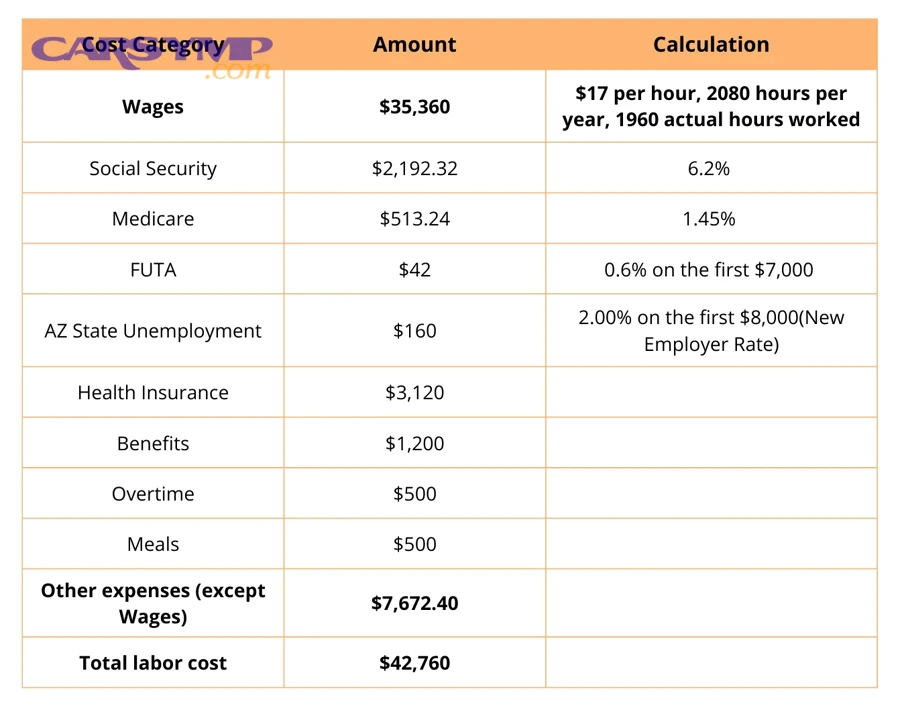
If you only compare hourly rates, you can miss the bigger picture. Instead, calculate the effective labor cost for the job: (labor hours × labor rate) + mandatory fees. Next, compare that number across shops for the exact same scope, and keep parts separate so you can see where the differences truly come from.
Use a simple table to standardize your quotes
This table helps you standardize each quote into the same structure—rate tier, hours, fees, and warranty—so you can compare fairly and fast.
| Shop | Rate Tier | Quoted Hours | Mandatory Fees | Warranty (Labor) | Notes on Scope |
|---|---|---|---|---|---|
| Shop A | General / Diagnostic | — | Supplies / Disposal | — | What’s included/excluded |
| Shop B | General / Diagnostic | — | Supplies / Disposal | — | Parts assumptions, approvals |
| Shop C | General / Diagnostic | — | Supplies / Disposal | — | Diagnostic credited or not |
Clarify flat-rate manuals vs actual time
Many repairs are billed using flat-rate labor guides, which assign standard hours to common operations. That means the time billed may not match the clock time—sometimes that benefits you, sometimes it doesn’t. Next, ask whether the shop bills strictly by guide time, by actual time, or by guide time with documented adjustments for rust, seized hardware, or prior modifications.
When is a higher local labor rate actually the cheaper choice?
A higher labor rate can be cheaper when it reduces total hours, prevents misdiagnosis, or avoids repeat visits—so the “best” local rate is often the one that delivers the lowest total cost to correct, not the lowest posted number. Next, compare speed, accuracy, and warranty strength as cost controls.
Fewer hours beats a lower rate in many real repairs
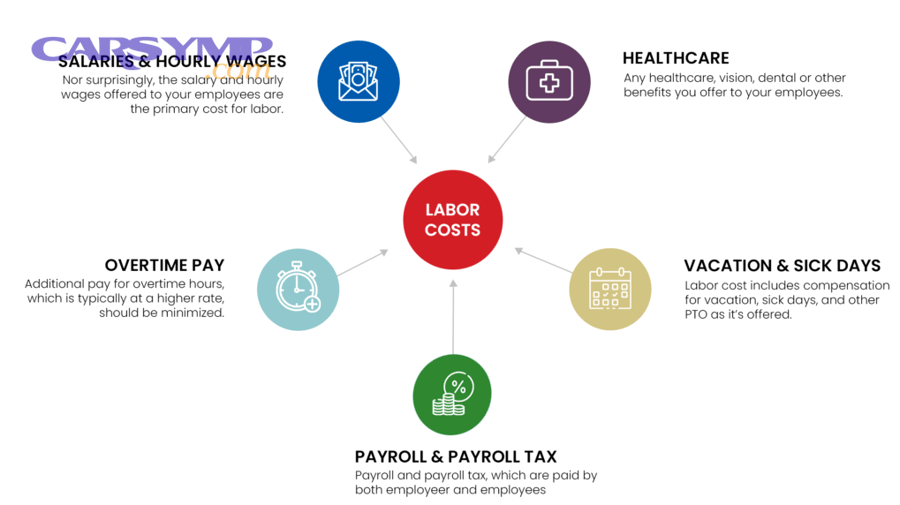
Consider two shops diagnosing the same intermittent electrical issue: one charges more per hour but finishes in two billed hours because they have the right scan tools and experience; another charges less but bills five hours chasing possibilities. The higher rate wins because the job’s total labor cost is lower.
So, when you compare labor rates locally, always evaluate rate × hours as a pair, not independently.
Accuracy reduces the “comeback tax”
A misdiagnosis can double your costs: you pay once for the wrong repair and again for the right repair. Next, ask what diagnostic steps they use, what evidence they look for, and whether they confirm the fix with a test drive, scan data, or re-check procedure.
If a shop can explain the failure mechanism clearly—what failed, why it failed, and how they verified it—that communication often correlates with lower comeback risk.
Warranty depth can be a hidden discount
A shop with a strong labor warranty may cost more upfront but protect you if the issue returns. Next, compare warranty terms: duration, mileage limits, exclusions, and whether they cover both parts and labor or only parts. A slightly higher rate can be a bargain if it reduces your downside.
How can you spot labor-rate padding and sales pressure while comparing locally?
Yes—you can spot padding by checking for inconsistent labor hours, vague line items, and “stacked” add-ons, then verifying each item against the actual symptom and scope. Next, use a simple challenge-and-clarify method to keep the estimate honest without arguing.
Watch for vague labor descriptions that hide extra time
Lines like “general labor,” “miscellaneous labor,” or “shop time” can be legitimate in rare cases, but they can also mask padding. Next, ask what task that time covers, what outcome it produces, and whether it’s required for your repair to be completed safely.
Legitimate examples might include rust cleanup, seized fasteners, or access issues—but those should be explained clearly, not buried.
Identify double-charging: diagnostic + repair steps repeated
Sometimes an estimate charges for diagnosis and then includes diagnostic-like steps inside the repair labor. Next, ask: “Which diagnostic steps are included in the repair labor, and which are separate?” This keeps you from paying twice for the same investigation.
And if you’re trying to avoid sales pressure, it helps to separate essential work from “nice-to-have” work. Later, when you’re comparing options across multiple shops, you can apply the same filter to every quote.
Use controlled authorization to prevent estimate creep
Before dropping the car off, set a clear authorization limit: “Do not exceed $X without calling me.” Next, request that any additional recommendations be presented as priority tiers—urgent safety, near-term reliability, and maintenance—so you can compare essentials first.
When you do this, you’re effectively protecting your comparison framework from being rewritten mid-repair.
Keep the evaluation grounded in written proof
When prices feel slippery, ask for documentation: photos, measurements, scan data, or the old part. Next, save the written estimate and the final invoice so you can compare what was quoted to what was billed—this is one of the fastest ways to learn which shops quote responsibly.
In this stage, you’ll also benefit from learning about Reading estimates and avoiding upsells as a skill, because it turns your comparison from emotion-based to evidence-based.
How do warranties and shop policies change the “true” local labor rate?
Warranties and policies change the true rate because they affect your risk: how likely you are to pay again if something fails, and how the shop handles disputes or repeat symptoms. Next, translate each policy into practical outcomes you can compare.
Compare labor warranty terms with real-world scenarios
Ask what happens if the same symptom returns within the warranty window. Will they re-check for free? Will they cover labor fully or partially? Next, clarify exclusions like customer-supplied parts, modified vehicles, or “related but not identical” symptoms—because those gray zones matter most when problems are complex.
Ask how they handle comebacks and misdiagnoses
Good shops have a defined process: re-test, verify the complaint, review prior data, and decide whether the new finding is related. Next, ask how they communicate that decision and whether you’ll be charged for re-diagnosis if the original repair didn’t resolve the symptom.
This is where competence shows up in policy form.
Understand the difference between “parts warranty” and “labor warranty”
Some warranties cover parts only, leaving you to pay labor again. Next, insist on knowing which coverage applies to your quote, because labor is often the largest portion of the bill in modern repairs. When you compare labor rates locally, a shop that stands behind labor can effectively be the better deal.
What questions should you ask to compare labor rates locally before you approve the job?
You should ask questions that lock down scope, hours, and decision points—because the best comparison is the one that stays valid after the hood is opened. Next, use a short checklist that forces clarity without being confrontational.
Which labor tier applies to my repair, and why?
Ask whether the job is billed at a general mechanical rate or a diagnostic/electrical/specialty rate. Next, request the reason (tooling, complexity, testing time) so you can compare tiers across shops rather than comparing apples to oranges.
How many labor hours are you quoting, and what would change that?
Get the exact billed hours and the conditions that would increase them: rust, broken studs, seized bolts, prior poor repairs, or additional failures discovered after teardown. Next, ask whether they’ll call you before exceeding the quoted hours.
Is the diagnostic fee credited if I proceed?
This single policy is often the biggest swing factor in total cost. Next, ask for it in writing and include it in your standardized table so your comparisons remain fair.
Can you show me the evidence behind the recommendation?
Request photos, measurements, or scan data where applicable. Next, ask how they verified the fix (re-test, road test, post-repair scan) so you’re comparing not only price but quality control practices.
As you build confidence, you’ll find it easier to pick the best auto repair shop near me for your situation—not by hype, but by repeatable evaluation.
How do you use certifications, training, and specialization when comparing local labor rates?
Certifications and specialization matter because they explain why one shop can solve a problem faster and more accurately than another—so you’re comparing capability per hour, not just cost per hour. Next, translate credentials into practical questions about your specific job.
Match the shop’s specialty to your car and symptom
A shop that routinely works on your make, engine type, or platform often bills fewer hours and makes fewer mistakes. Next, ask how often they perform the specific repair you need, and what common complications they’ve seen on your model year.
Ask how they invest in tools and training
Modern vehicles require scan tools, programming access, and calibration equipment. Next, ask what diagnostic platforms they use and whether they sublet specialized procedures (like calibration) or perform them in-house. This can affect both rate and outcome.
Use credentials as a tie-breaker, not a shortcut
Credentials are not magic, but they can be a meaningful signal when two estimates are close. Next, use them to break ties after you’ve normalized scope, hours, warranty, and communication quality. Many consumers describe this evaluation process as learning about Certifications to look for—because it helps explain why “cheaper” sometimes costs more later.
How can online reviews help you compare labor rates locally without getting misled?
Online reviews can help if you filter for patterns about transparency, communication, and repeat-visit prevention—because price comments alone are noisy and often incomplete. Next, use reviews to validate your estimate analysis instead of replacing it.
Search reviews for “explained,” “showed me,” and “called before doing more”
Look for repeated mentions of clear explanations, evidence (photos/measurements), and authorization discipline. Next, treat those as trust signals that support a fair estimate process. A shop that communicates well is less likely to surprise you with unapproved labor hours.
Be cautious with “cheap” and “expensive” claims
Reviewers often don’t share the full scope, the parts quality, or whether diagnosis was included. Next, pay more attention to whether the final bill matched the estimate, and whether the repair solved the issue on the first attempt.
Check how the shop responds to negative feedback
A professional response that addresses process, invites re-checks, and clarifies warranties can signal maturity. Next, compare that tone with your own experience during quoting—did they answer questions clearly, put things in writing, and respect authorization limits?
If you want to track your research and organize what you learn, some people keep a local comparison worksheet and save links and notes in a single place—sometimes even bookmarking resources like carsymp.com alongside their estimate files to keep everything accessible.
Contextual border: At this point, you can compare labor rates locally using normalized scope, effective labor cost, and policy-based risk controls; next, we’ll expand into subtle local factors that can swing pricing even when two shops seem identical.
What hidden local factors can change labor rates even when estimates look similar?
Hidden local factors—like demand spikes, specialized calibration work, and billing methodology—can shift pricing week to week, so recognizing them helps you interpret differences without assuming one shop is “greedy.” Next, use these factors to ask sharper follow-up questions.
How do seasonality and local demand spikes affect labor pricing?
When demand surges—before holidays, during harsh weather swings, or after major storms—shops may be booked out and prioritize higher-margin work. Next, ask about scheduling: “If I book next week instead of tomorrow, does the estimate change?” Sometimes timing affects access to technicians, not just the price.
Also, a shop that is overloaded may quote conservatively high hours to protect their schedule, while a shop with open bays may quote more tightly to earn your business.
Why ADAS calibration and EV work can create “rate cliffs”
Advanced driver-assistance systems and high-voltage EV/hybrid procedures often require specialized tooling, strict safety steps, and calibration targets. Next, ask whether any part of your repair triggers calibration (windshield replacement, suspension work, steering work, certain alignments), because that can introduce separate labor categories that look like sudden rate jumps.
This isn’t automatically padding—it can be real complexity. Your job is to ensure it’s explained and documented.
How warranty, insurance, and sublet relationships influence local pricing
Some work is billed differently when a third party is involved—warranty administrators, insurance claims, or sublet partners. Next, ask whether the shop sublets any steps (machine shop work, programming, calibration) and how those costs appear on the invoice. A quote that looks low can become high if sublet fees are added later.
Flat-rate manuals vs time-and-materials: why it changes your comparison
Flat-rate billing can benefit you when a skilled technician completes the job quickly while still billing standard hours, but it can also hurt when rust or access issues force added time. Next, ask which method applies and how adjustments are justified. This helps you compare two shops fairly even if they use different billing philosophies.
Tóm lại, comparing labor rates locally is less about chasing the lowest hourly number and more about building a consistent framework: align scope, confirm tier, verify hours logic, account for policies, and judge capability—so you pay for results, not surprises.