


Blower motor failure symptoms usually show up as no airflow, weak airflow, odd noises, or intermittent fan behavior—and they often appear suddenly when you most need heat, A/C, or defrost. If you’re dealing with a blower not working situation, the key is to separate a dead motor from a power, control, or airflow restriction problem.
Beyond comfort, a failing cabin fan can become a visibility and safety issue when defrost can’t clear the windshield. That’s why this guide focuses on symptom patterns you can recognize quickly, then turns those patterns into the most likely causes—without guessing.
You’ll also learn how symptoms change by scenario: works only on certain speeds, runs but barely moves air, squeals or rattles, or smells like burning. Each pattern points to different parts of the HVAC circuit, so the next step becomes obvious.
After that, Giới thiệu ý mới: we’ll walk through simple confirmations (what to check first, what to stop doing immediately, and what information to collect) so you can decide whether it’s a quick fix, a deeper electrical issue, or a restriction that’s overloading the system.
What does a failing blower motor feel like in real driving?
A failing blower motor usually feels like unpredictable cabin airflow—it may start strong then fade, surge, stall, or sound strained even when the climate settings don’t change. Tiếp theo, match the feel to the exact symptom cluster below to narrow the cause fast.
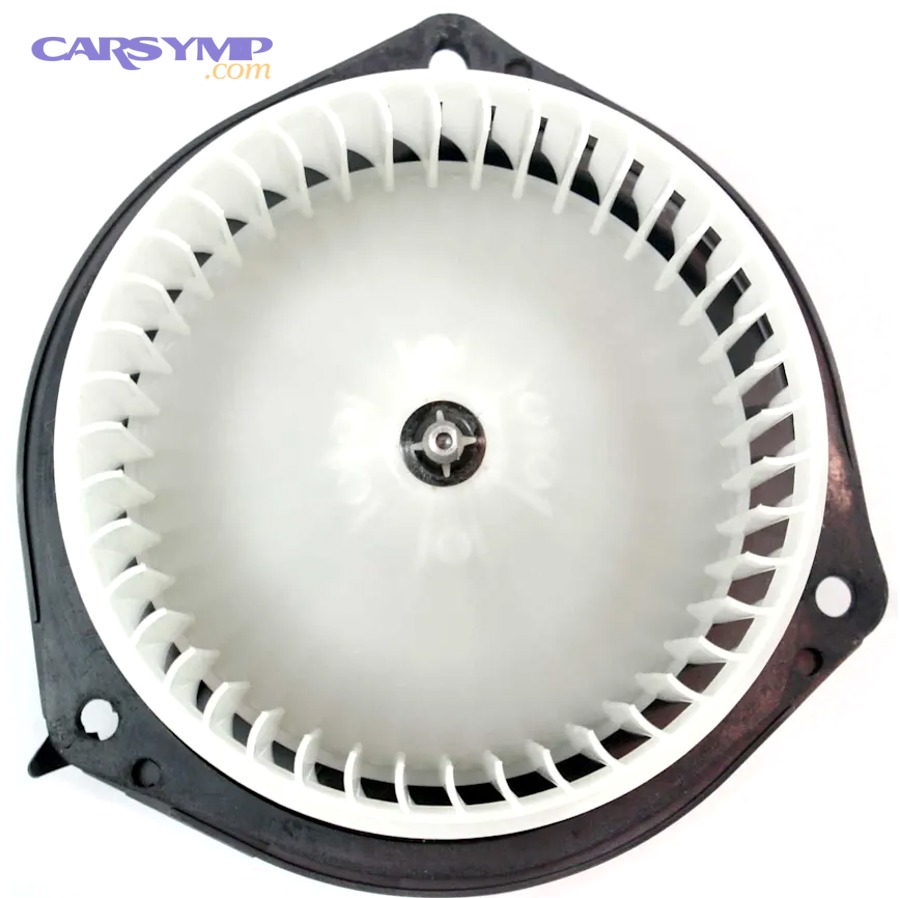
Symptom cluster A: no air from the vents at any speed
If nothing blows from any vent mode and any fan speed, the system is either not powering the motor, not grounding the motor, or the motor is mechanically stuck. Cụ thể, a seized bearing, jammed fan wheel, or a burned commutator can stop rotation even if the control panel looks normal.
Look for supporting signs: the fan knob changes the display but there’s no sound; you may hear a faint click from a relay; or you may notice the issue appeared right after heavy rain, windshield cowl debris, or cabin filter neglect. Để minh họa, a blower wheel packed with leaves can lock the motor and quickly overheat the circuit.
Symptom cluster B: airflow is weak but the fan “sounds” normal
Weak airflow with a normal-sounding fan often means the motor is spinning, but air can’t travel freely through the HVAC box. Cụ thể hơn, a clogged cabin filter, blocked intake, stuck mode door, or foam debris in the ducts can mimic a dying motor.
The giveaway is sound-to-air mismatch: you hear a steady fan rush, yet the vent output is poor or only improves slightly on high. Hơn nữa, if airflow improves when you switch from dash vents to defrost (or vice versa), the issue may include doors or duct restrictions rather than pure motor failure.
Symptom cluster C: intermittent operation (works sometimes, then quits)
Intermittent operation points to brush wear, heat-sensitive connections, or control electronics. Cụ thể, worn brushes can lose contact as the motor warms; a loose connector can open under vibration; a failing control module can shut down when it overheats.
Watch the pattern: if it dies after 10–20 minutes and returns after cooling, suspect thermal overload, high current draw, or poor airflow cooling the resistor/module. Quan trọng hơn, intermittent operation paired with hot plastic smell is a red flag—stop and inspect before continuing.
Why is the blower not working at all?
Yes—when the blower not working condition is total (no sound, no airflow), the most likely causes are a blown fuse, bad relay, failed motor, or a dead control module/resistor path. Sau đây, use a symptom-first checklist to avoid replacing the wrong part.
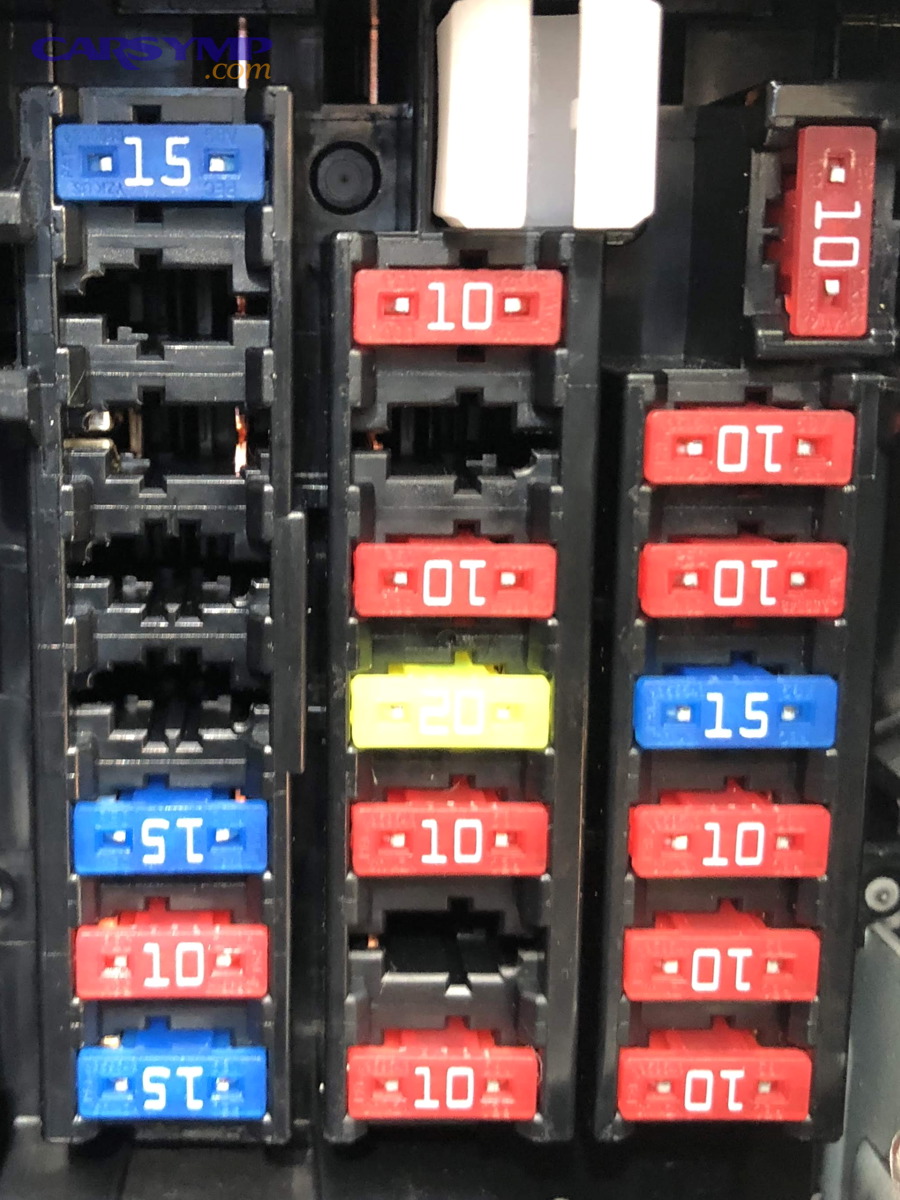
Quick confirmation: does the motor attempt to start?
Turn the fan to max and listen closely near the passenger footwell or under-dash HVAC box. If you hear a brief hum, a click, or a short squeak then nothing, the motor may be stuck or drawing too much current. Cụ thể, a seized bearing can cause a start attempt then immediate shutdown.
If you hear absolutely nothing—no hum, no click—shift suspicion toward fuse/relay, control power, or the ground path. Để hiểu rõ hơn, it helps to check whether other HVAC functions work (mode doors moving, A/C light on, temperature blending changes) to see if the control head is alive.
Fast electrical logic: power, ground, and command
A blower motor needs power, ground, and a control command (through a resistor pack for fixed speeds or a control module for variable speeds). Cụ thể hơn, one missing leg will look like a dead fan even if other HVAC functions appear normal.
If the failure happens only in one key position (e.g., works in ACC but not RUN, or vice versa), that’s a strong hint of ignition feed or relay control issues. Bên cạnh đó, if the fan sometimes runs with the key off, the control module/relay may be sticking—treat that as urgent to prevent battery drain.
Most common “surprise” cause: a jammed wheel from debris
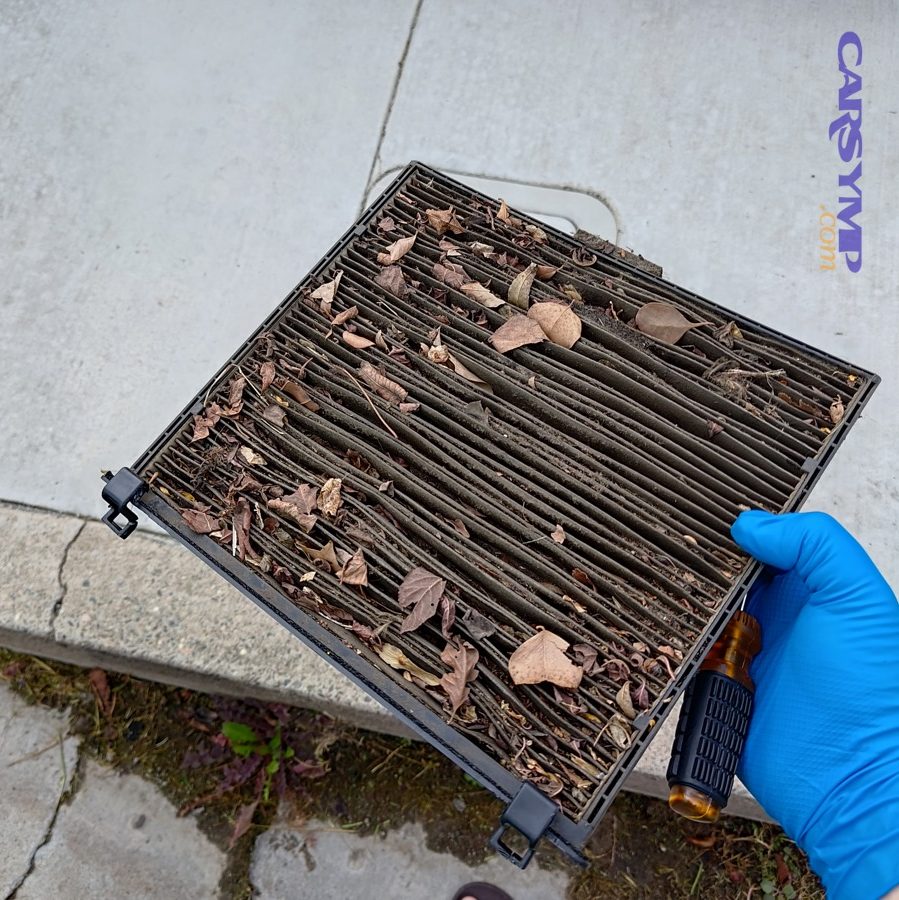
Leaves, twigs, foam pieces, or a torn filter edge can get sucked into the blower wheel and lock it. Cụ thể, the motor may overheat, melt the connector, or blow the fuse—so the end symptom becomes total failure even though the original cause was physical blockage.
When you inspect, look for scratch marks on the wheel, plastic dust, or foreign objects lodged in the housing. Tổng kết lại, if you remove debris but the motor still won’t spin freely by hand, internal damage is likely.
Why does the fan work only on some speeds?
If the fan works only on high (or only on a couple of settings), the most likely fault is the resistor pack or blower control module—not the motor itself. Tiếp theo, identify whether your vehicle uses fixed speeds or variable speeds to choose the right diagnostic path.
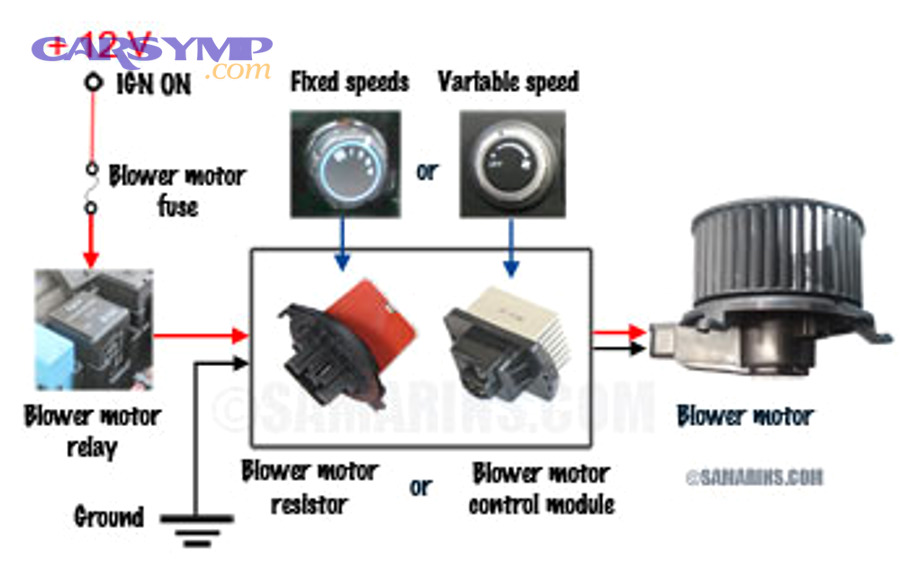
Fixed-speed systems: “high only” points to the resistor path
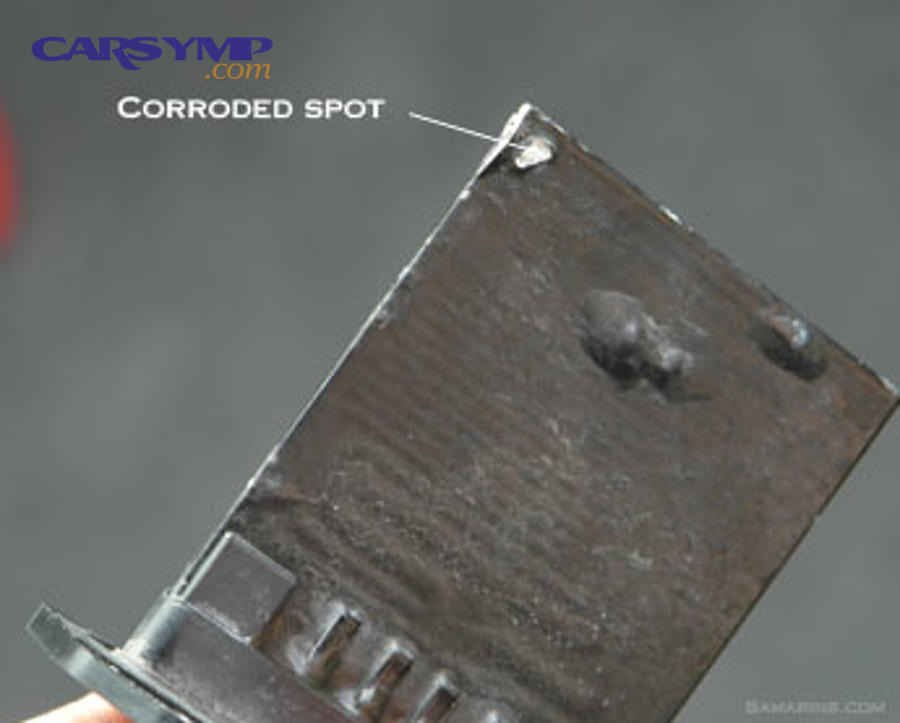
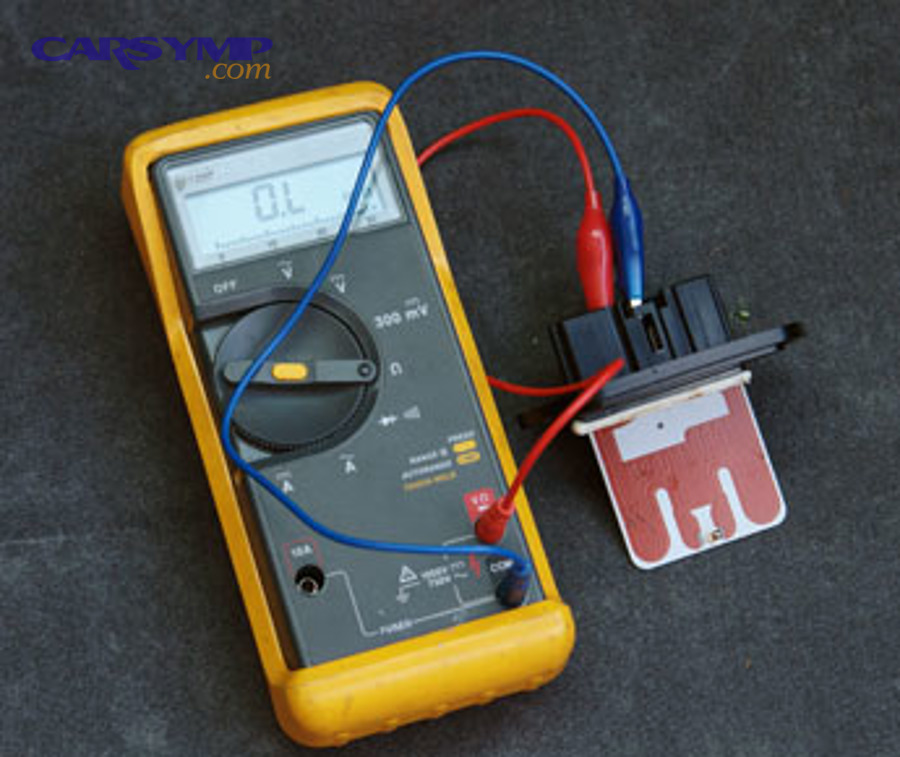
On many fixed-speed setups, the highest setting bypasses the resistor so the motor receives near full battery voltage. Cụ thể, when lower speeds die but high still works, it often means the resistor has opened or corroded, while the high-speed bypass still functions.
However, if the motor is dragging (worn bearings), it can overheat and repeatedly damage the resistor. Quan trọng hơn, “high only” plus squealing noise is a classic pairing: the resistor may be the victim, not the root cause.
Variable-speed systems: module overheating or failing under load
Vehicles with automatic climate control often use an electronic module to vary blower speed smoothly. Cụ thể hơn, a failing module can cause speed dropouts, runaway speed, or total failure—especially when heat builds up in the air duct where it’s mounted.
Watch for patterns: it may work when cold, then quit after driving; or it may surge unpredictably while the control setting stays constant. Đặc biệt, if it behaves differently between AUTO and manual fan mode, the module or control signal is a prime suspect.
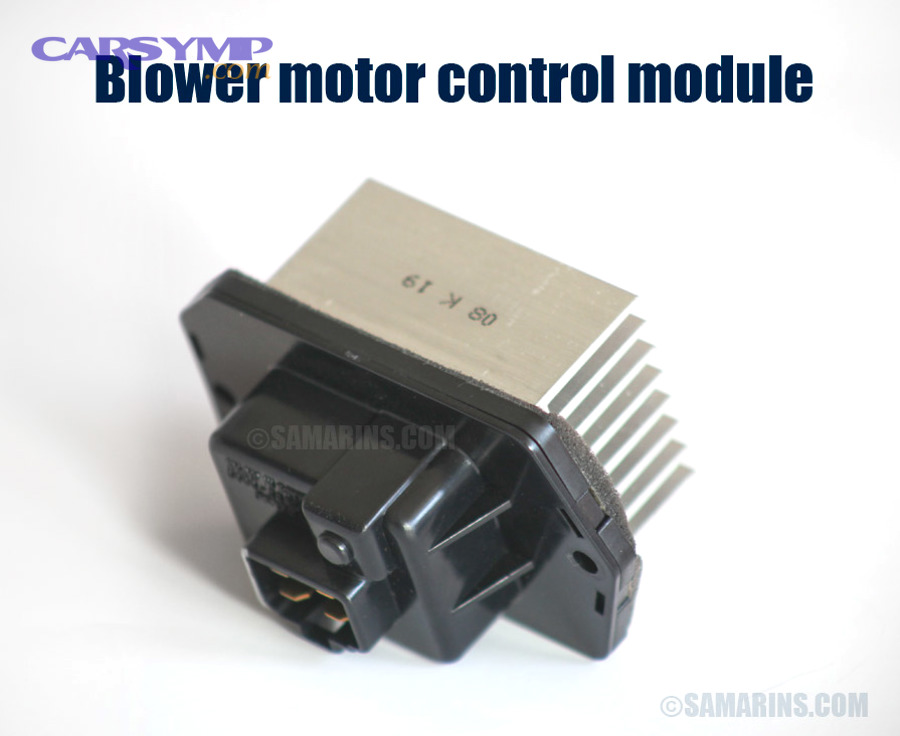
Connector and ground issues that mimic resistor/module failure
Heat and current can weaken terminals at the resistor/module connector. Cụ thể, a slightly loose terminal can carry low current briefly, then open as it warms—making speeds disappear one by one.
Inspect for browned plastic, green corrosion, or terminals that back out of the connector body. Tóm lại, repairing the connector may be as important as replacing the failed component—or the new part will fail again.
What noises point to blower motor trouble?
Yes—specific noises are strong blower motor failure symptoms: squealing suggests bearing or bushing wear, rattling suggests debris or a loose wheel, and grinding suggests severe internal damage. Sau đây, decode each noise to decide whether you can safely keep running it.
Squeal or chirp that changes with fan speed
A speed-related squeal usually comes from dry bearings/bushings or a worn motor shaft surface. Cụ thể, the pitch rises as RPM rises, and it may be worst on cold starts or humid days.
This noise often appears before the fan fails completely, acting like an early warning. Hơn nữa, squeal plus occasional stoppage can indicate brushes are near end-of-life and the motor draws higher current as friction increases.
Rattle, tapping, or fluttering noise from the dash/footwell
Rattles commonly come from foreign objects inside the blower wheel or housing. Ví dụ, leaves can slap the wheel blades, or a broken wheel segment can wobble.
If the rattle appeared right after driving under trees or after a cabin filter replacement, inspect for mis-seated filter doors, loose screws, or debris that slipped into the intake. Quan trọng hơn, continuing to run a rattling blower can damage the wheel and overload the motor.
Grinding or loud vibration that you can feel in the dash
Grinding suggests advanced failure: worn bearings, a rubbing wheel, or a motor shaft that’s no longer centered. Cụ thể hơn, vibration can mean the blower wheel is out of balance or cracking.
This is a “stop soon” symptom—running it can melt connectors, blow fuses, or damage the HVAC housing. Tổng kết lại, if you feel the vibration through the glovebox area, plan immediate inspection.
What smells or smoke warnings mean stop immediately?
Yes—burning smells are a serious blower motor failure symptom because they can signal overheating wiring, melting connectors, or a motor short. Tiếp theo, treat odor type as diagnostic evidence, not just an annoyance.
Burning plastic or “hot electrical” odor
A hot electrical smell often comes from a high-resistance connection heating up—especially at the resistor/module connector or motor plug. Cụ thể, poor contact creates heat, heat weakens plastic, plastic loosens the terminal further, and the cycle accelerates.
If you smell it, turn the fan off and locate the source before resuming. Quan trọng hơn, a connector can overheat enough to distort pins and cause intermittent fan failures that look like a bad motor.
Sharp “ozone” smell or sudden smoke
An ozone-like smell can indicate arcing at brushes or a shorting motor. Cụ thể hơn, if smoke appears from vents or under the dash, stop running the blower immediately.
Do not keep turning the fan back on “to test”—each attempt can worsen damage. Tóm lại, this is a safety event, not a comfort issue.
Musty smell that increases with fan speed
Musty odor is usually not motor failure—it points to moisture, mold, or a dirty filter/evaporator area. Cụ thể, the blower is simply moving contaminated air.
However, if musty smell pairs with weak airflow, the restriction causing odor buildup may also be overworking the motor. Bên cạnh đó, a clogged filter can increase motor load and heat, shortening motor life.
Why is airflow weak even when the fan sounds loud?
Weak airflow with a loud fan usually means the motor is spinning but air is blocked by a clogged cabin filter, blocked intake, or misdirected airflow doors. Sau đây, separate airflow restriction from motor weakness by using simple “route tests.”
Restriction clue: airflow changes dramatically by vent mode
Switch between dash vents, floor, and defrost. If one mode is much stronger, the blower is likely fine, and the problem may be a door, duct, or localized blockage. Cụ thể, a stuck mode door can choke one pathway while another remains open.
If all modes are weak, focus on the intake path and filter first. Hãy cùng khám phá: the simplest wins—filters and intakes are common, cheap, and fast to confirm.
Filter clue: the fan “roars” but output barely improves on high
A severely dirty cabin filter reduces volume while increasing turbulence noise, making the fan seem louder. Cụ thể, the blower has to work harder to pull air through the restriction, increasing current draw and heat.
Replacing a clogged filter can instantly restore airflow and reduce strain. Quan trọng hơn, if airflow improves after filter replacement but the motor still squeals or surges, the motor may already be worn from long-term overload.
Recirculation and intake clue: changes when switching fresh/recirc
If airflow improves noticeably in recirculation mode, the fresh-air intake may be partially blocked (leaves at the cowl, damaged screen, or water intrusion debris). Cụ thể hơn, blockages upstream can starve the blower and raise noise.
Check the cowl area under the windshield for debris buildup. Tổng kết lại, preventing debris entry helps prevent both airflow loss and blower wheel jamming.
How can you confirm it’s the motor, not the fuse, relay, or control?
You can confirm the blower motor is the fault by proving three things: command is present, voltage reaches the motor, and the motor still won’t spin or spins abnormally. Tiếp theo, follow the least invasive checks first.
Step 1: Verify the “high speed” behavior pattern
If the fan works on high but not on lower speeds, suspect resistor/module more than the motor. Cụ thể, high speed often uses a different path (bypass) that can still function when other paths fail.
If the fan fails on all speeds and you’ve checked the fuse, move to voltage-at-motor confirmation. Bên cạnh đó, pay attention to whether the fan fails only when the engine is running (vibration/heat) versus in accessory mode.
Step 2: Check for voltage at the motor connector
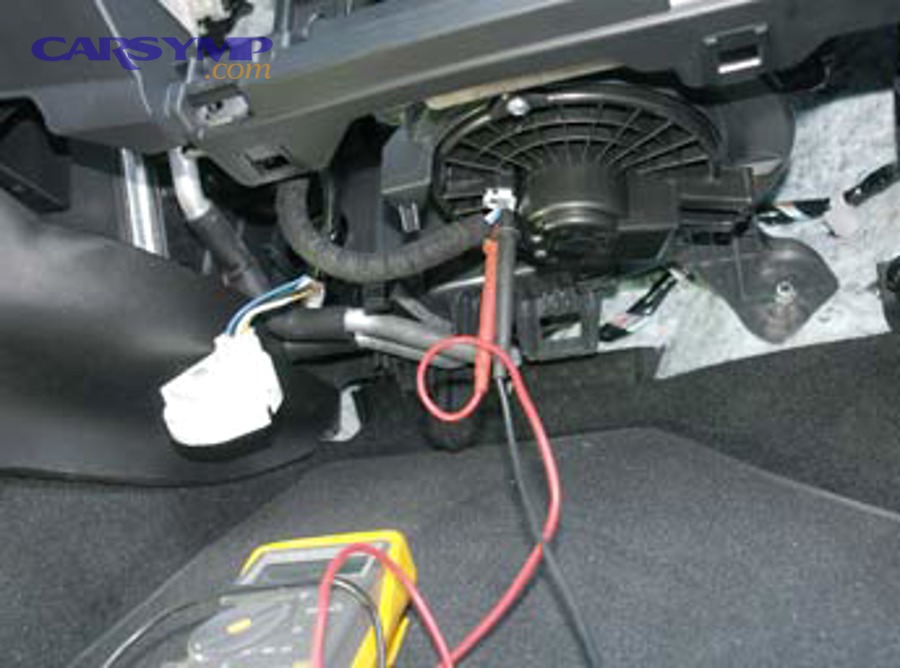
With the fan commanded on, measure voltage at the blower motor connector. If you see appropriate voltage but the motor doesn’t run, the motor is likely failed or jammed. Cụ thể, low-speed commands may show lower voltage, while high should approach battery voltage.
Use safe probing practices and avoid shorting terminals. Quan trọng hơn, if voltage is absent, your focus shifts upstream to fuse, relay, module, ground, or the control head—not the motor.
Step 3: Evaluate current draw and heat clues without special tools
Even without an amp clamp, you can detect high current problems by heat: a very hot connector, browned plastic, or repeated fuse blowing suggests excessive draw. Cụ thể, a dragging motor can overheat components that were originally fine.
If a new resistor/module fails quickly after replacement, suspect the motor is overloading the circuit. Tóm lại, the “why did the new part fail?” question often points back to the blower motor’s mechanical condition.
When is it unsafe to keep driving with these symptoms?
It’s unsafe to keep driving when blower motor failure symptoms prevent defrost, create smoke/burning smell, or cause electrical overheating under the dash. Sau đây, prioritize visibility and electrical safety over cabin comfort.
Visibility risk: defrost can’t clear the windshield
If the blower won’t move air across the glass, humidity and fogging can quickly remove your ability to see. Cụ thể, rain, snow, or multiple passengers can overwhelm passive defogging.
In that situation, you should stop and address the blower issue before continuing long distances. Hơn nữa, even if heat is available, it won’t reach the windshield effectively without airflow.
Electrical risk: hot smell, melted plug, or recurring fuse blows
Repeated fuse failures indicate a fault that can worsen with repeated attempts. Cụ thể, a shorted motor or overheated connector can escalate and damage wiring.
Do not keep “testing” by cycling the fan. Tổng kết lại, if you smell burning plastic, turn the fan off and inspect the circuit before it becomes a bigger repair.
Mechanical risk: grinding, severe vibration, or wheel contact
Grinding and heavy vibration can break the blower wheel or damage the HVAC housing. Cụ thể, a cracked wheel can shed pieces into ducts and create new blockages.
If the noise is loud enough to be felt through the dash, assume advanced wear and stop soon. Quan trọng hơn, preventing secondary damage can save significant labor later.
What should you record before visiting a shop or diagnosing deeper?
The most useful information is a clear symptom timeline: when it fails, which speeds work, what noises/smells appear, and whether airflow changes by mode. Tiếp theo, use a consistent checklist so you don’t miss a key clue.
Document the exact operating pattern
Write down whether the fan works on high only, works for 5 minutes then stops, or works only after hitting bumps. Cụ thể, these patterns point to resistor/module, thermal overload, or loose connections.
Also note outside temperature and humidity, because some failures become obvious only under heat load or moisture. Bên cạnh đó, record whether the failure is identical in AUTO vs manual fan mode (if equipped).
Capture smell/noise descriptions precisely
Use simple labels: squeal, rattle, grind, burning plastic, musty odor. Cụ thể, “squeal on cold start then quiet” suggests bearing/bushing wear, while “burning plastic after high speed” suggests connector heat.
If safe, take a short video of the sound with the fan setting visible. Hãy cùng khám phá: that one clip can save a lot of diagnostic time.
Note recent events that can trigger failures
Recent cabin filter replacement, windshield/cowl cleaning, water leaks, or rodent activity can all relate. Cụ thể, a misplaced filter door can rub the wheel, or debris can be pulled in after cowl disruption.
Also note if the blower failure started after battery work or electrical repairs. Tổng kết lại, correlation is not proof, but it guides the first checks and prevents wasted parts.
Contextual Border: From here, we move beyond core symptoms into extended planning, prevention, and fix strategy—useful when you’re deciding the next move and trying to avoid repeat failures.
Extended strategy: prevent repeats, plan access, and decide next steps
This section expands from symptoms into ownership decisions: how to avoid repeat damage, what access typically looks like, and how to plan time/cost realistically. Tiếp theo, use these insights to choose the right fix path for your vehicle and your risk tolerance.
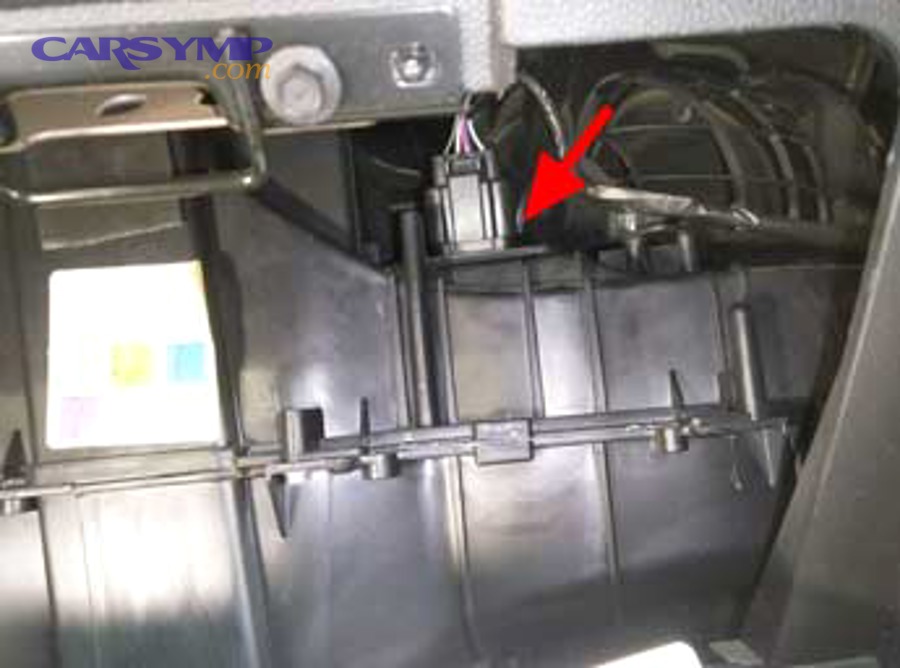
How do access locations differ across vehicles?
Access varies widely: many cars place the blower under the passenger dash near the glovebox, while others require removing panels, undertrays, or parts of the HVAC housing. The phrase How to access blower motor by vehicle matters because the same symptom can be a 20-minute job in one model and a multi-hour job in another.
Cụ thể, if access is behind the glovebox, you may see a round housing with screws and a connector; if access is deeper in the dash, labor rises because trim and ductwork must be moved carefully to avoid squeaks and broken clips. Bên cạnh đó, always confirm whether the cabin filter slot is adjacent—because filter debris is a frequent contributor to recurring problems.
How long does the work usually take in real life?
Time depends on access complexity, whether the blower wheel comes with the motor, and whether connectors are heat-damaged. People often search Blower motor replacement labor time because it strongly affects total cost and appointment planning.
Cụ thể hơn, if the blower sits behind the glovebox with direct screw access, labor may be short; if it requires removing the center console, pedals, or large dash panels, labor increases sharply. Quan trọng hơn, add time if the resistor/module and melted connector also need attention—because replacing only one weak link can lead to repeat visits.
What habits help prevent repeat failures?
Most repeat failures are not “bad luck”—they come from heat, restriction, moisture, and debris. Preventing blower motor burnout is often as simple as keeping airflow paths clean and reducing load on the motor.
Cụ thể, replace cabin filters on schedule, keep the cowl intake area clear, fix water leaks that drip into the HVAC box, and address early noises before the motor starts drawing excessive current. Hơn nữa, if you notice “high only” fan behavior, don’t run it at max for long periods—high current and heat can worsen connectors and modules.
FAQ: quick answers drivers ask when symptoms appear
Q: Can I keep driving if the fan still works on high?
A: You can sometimes continue short-term if there are no burning smells and defrost isn’t critical, but high-only operation often indicates resistor/module failure—and prolonged high-speed use can increase heat and stress.
Q: Why did the problem start after a filter change?
A: A mis-seated filter, broken filter frame, or debris knocked loose can fall into the blower wheel, creating rattle, drag, and eventual failure. Inspect the filter door and wheel area if symptoms started immediately afterward.
Q: Should I replace the motor or diagnose further first?
A: If voltage reaches the motor and it won’t run or it screams/grinds, the motor is a strong suspect; if it runs only on certain speeds, diagnose the resistor/module path first to avoid unnecessary parts.
Q: Where does the phrase “blower motor replacement” fit in the decision?
A: blower motor replacement is usually the correct step only after you confirm the motor is jammed, noisy from internal wear, or fails with proper voltage present—otherwise you risk replacing a good motor while the real issue remains upstream.