


No—you should not drive with a brake fluid leak because it can cause sudden brake failure, increase stopping distance dramatically, and trigger uneven braking that makes the vehicle unstable. Even a “small” leak can become a fast loss of pressure once you press the pedal repeatedly, especially in traffic or downhill braking.
Beyond the immediate safety risk, the next concern is identifying where the fluid is escaping (caliper, hose, line, ABS module, or master cylinder) because the repair path and urgency can differ. Some leaks show up as puddles near a wheel; others hide behind the booster at the firewall and are harder to spot until the pedal feels wrong.
A third layer is what to do right now: how to recognize the warning signs, what steps reduce risk while you arrange help, and when towing is the only responsible option. A leak is not a “monitor it for a week” situation; it’s a “make a safe plan today” situation.
To begin, let’s separate myths from reality and then walk through a practical, safety-first decision path—Giới thiệu ý mới—so you know exactly when to stop driving, what to check visually, and how to communicate the problem clearly to a shop or roadside service.
Can you drive with a brake fluid leak at all?
No—you should not drive with a brake fluid leak because (1) hydraulic pressure can drop without warning, (2) the pedal can suddenly sink to the floor, and (3) braking can become uneven, pulling the car to one side. However, the most dangerous part is that brakes often feel “kind of OK” right before they become “not there at all.”
To connect the risk to what you actually feel behind the wheel, the braking system depends on sealed hydraulic circuits. When fluid escapes, air can enter, and air compresses—so the pedal travel increases while clamp force at the wheels decreases. In real-world terms, that means your stopping distance changes unpredictably from one stop to the next.
For evidence-based context, many universities and safety organizations describe how longer stopping distances sharply raise crash risk as speed increases; the practical takeaway is simple: if your braking effectiveness is uncertain, every mile multiplies risk. Dưới đây is the safest decision rule you can apply immediately.
- If you see an active drip, a growing puddle, or the reservoir level is dropping: do not drive.
- If the pedal feels spongy, sinks, or needs pumping to stop: do not drive.
- If the brake warning light is on and you can’t confirm it’s only a sensor issue: do not drive.
- If you must move the vehicle a few feet for safety (e.g., out of traffic): do so at idle speed only, then stop and arrange a tow.
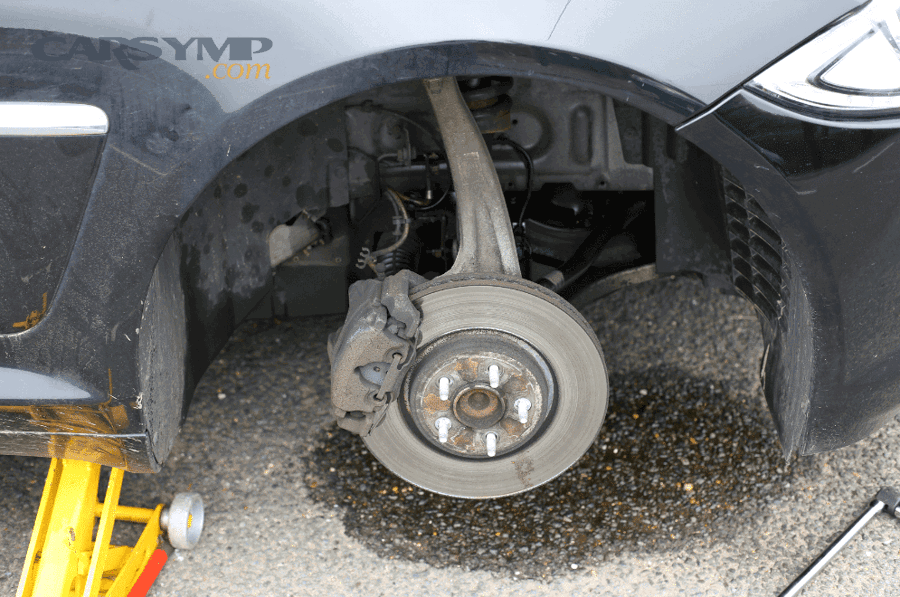
What makes a brake fluid leak so different from other leaks?
A brake fluid leak is different because it reduces your ability to stop, not just your car’s ability to run efficiently. Cụ thể, many engine leaks give warning over days or weeks; brake hydraulic leaks can cross a failure threshold in minutes—especially if a flex hose splits wider under pressure.
Brake fluid is also chemically aggressive to paint and some rubber compounds, so a leak can damage surrounding components while you’re “just driving it home.” Additionally, fluid on friction surfaces reduces braking performance even if the hydraulic pressure is still partially present.
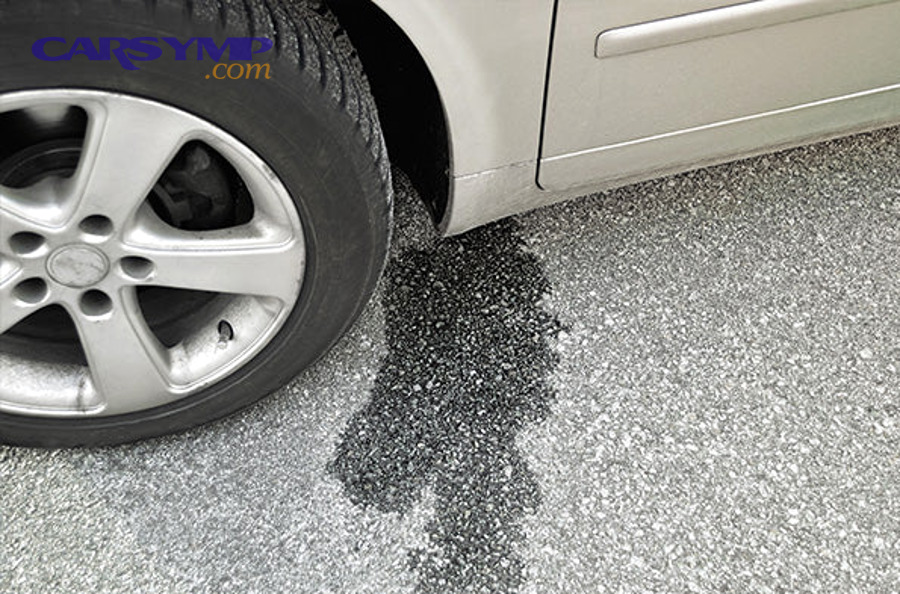
Is there any “small leak” that’s okay for short distances?
No—even a small brake fluid leak is unsafe because you cannot reliably predict how quickly it will worsen, and you cannot guarantee the next stop won’t require maximum braking. Ngược lại, the moment you need the brakes most—an unexpected cut-in, a child crossing, a red light—can be the moment the leak crosses from “minor” to “critical.”
Small leaks often appear when the system is cold and parts are contracted; once warmed, pressure cycles and vibration can enlarge the leak path. That’s why “it only drips sometimes” is still a tow-level problem.
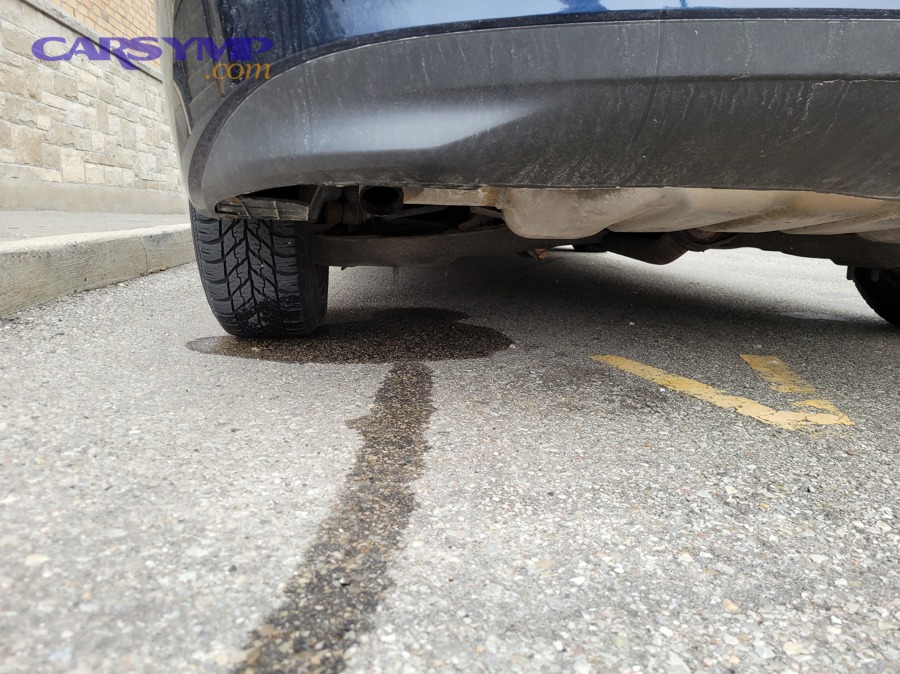
What are the most reliable brake fluid leak signs you can spot quickly?
Yes, there are clear signs of a brake fluid leak: (1) a low brake fluid reservoir, (2) a soft or sinking pedal, and (3) wetness around a wheel, along a brake line, or under the master cylinder/booster area. Bên cạnh đó, odor and warning lights can add confirmation.
To keep this practical, you’re looking for a pattern: loss of pedal firmness + fluid level drop + visible wetness. Any two of these together strongly suggest a leak and justify stopping the vehicle immediately. Tiếp theo are the fastest checks that don’t require tools.
- Reservoir check: Pop the hood and look at the brake fluid reservoir level against the MIN/MAX marks (don’t open the cap if you’re not sure about contamination).
- Pedal feel test (engine off): Press the pedal 3–5 times; it should get firm. If it stays spongy or sinks, treat it as unsafe.
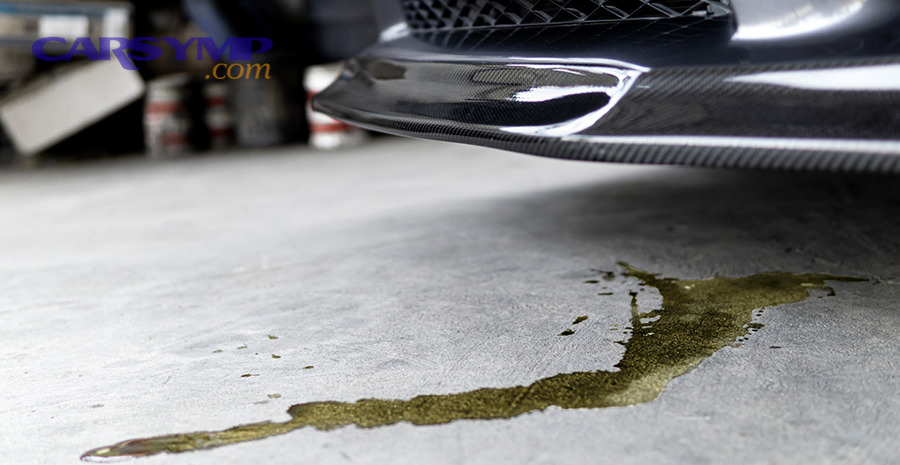
- Ground scan: Look for a clear-to-amber oily puddle near a tire or under the firewall area.
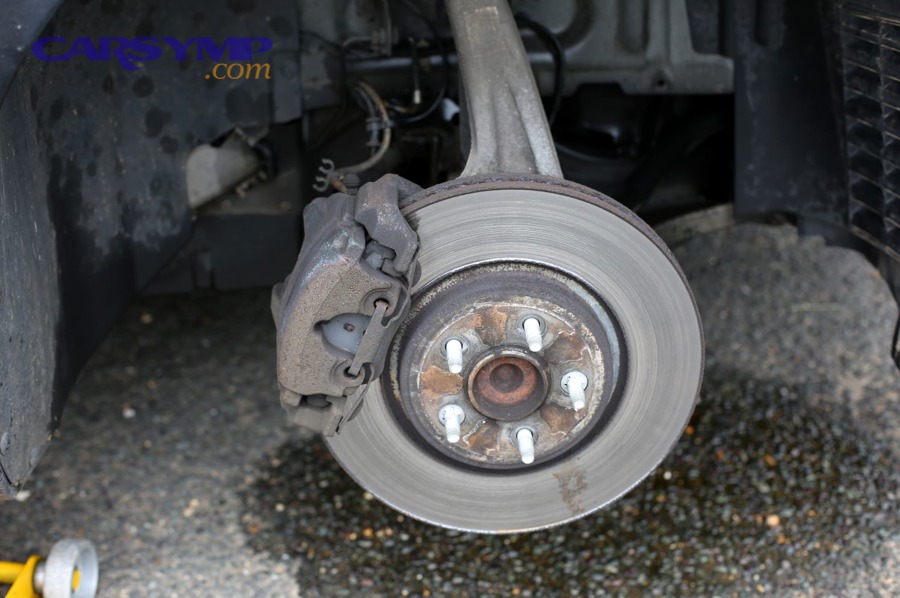
- Wheel inspection: Look behind the wheel spokes for wet streaks on the caliper or the inside of the tire.
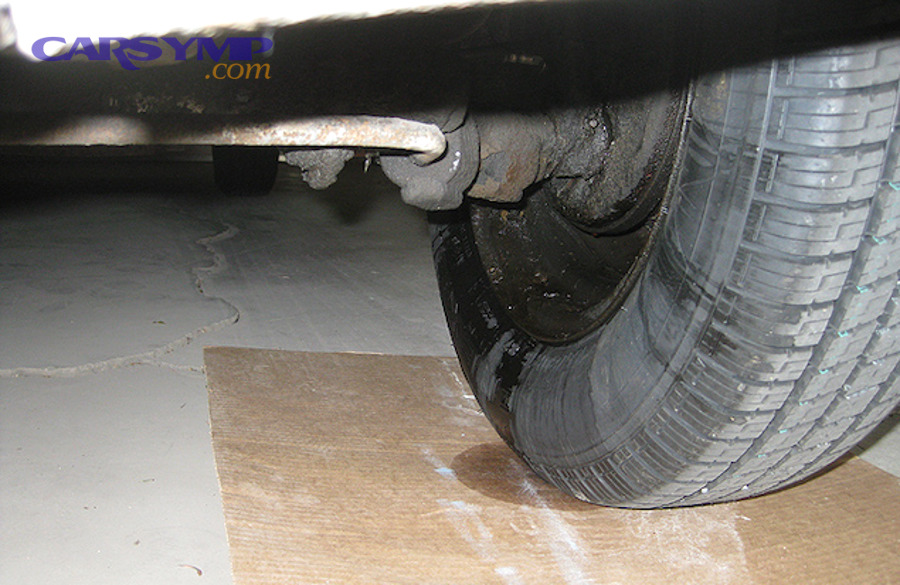
How can you tell brake fluid from other fluids?
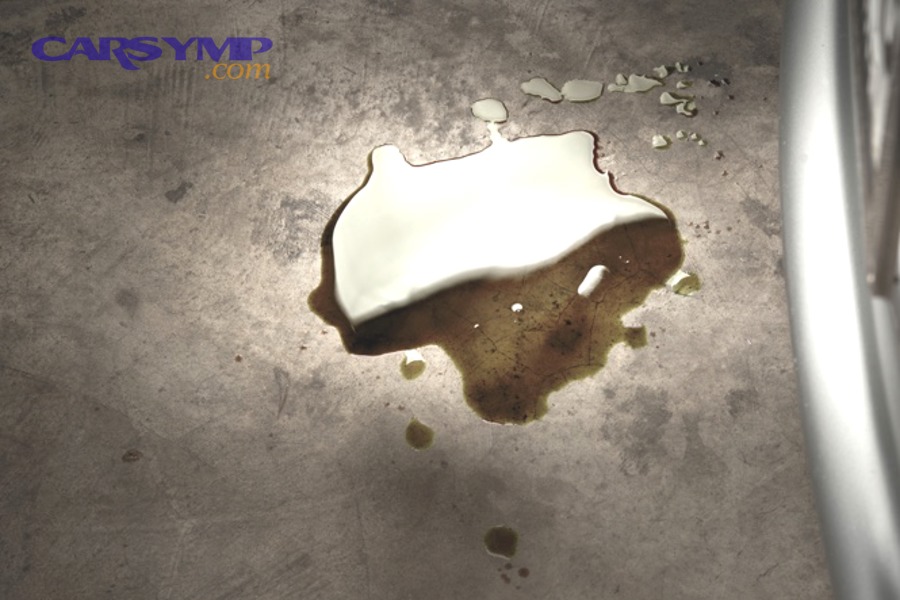
Brake fluid is typically clear to amber, feels slippery, and can smell slightly sharp or chemical. Ví dụ, coolant is often colored (green/orange/pink) and watery; engine oil is darker and thicker; power steering fluid can be reddish (on older vehicles) but varies.
A simple clue is location: brake fluid often appears near a wheel (caliper/line/hose) or under the master cylinder (firewall area). Another clue: brake fluid can dull paint quickly; if you see a “cleaned” or streaked paint area near the leak source, that supports the diagnosis.
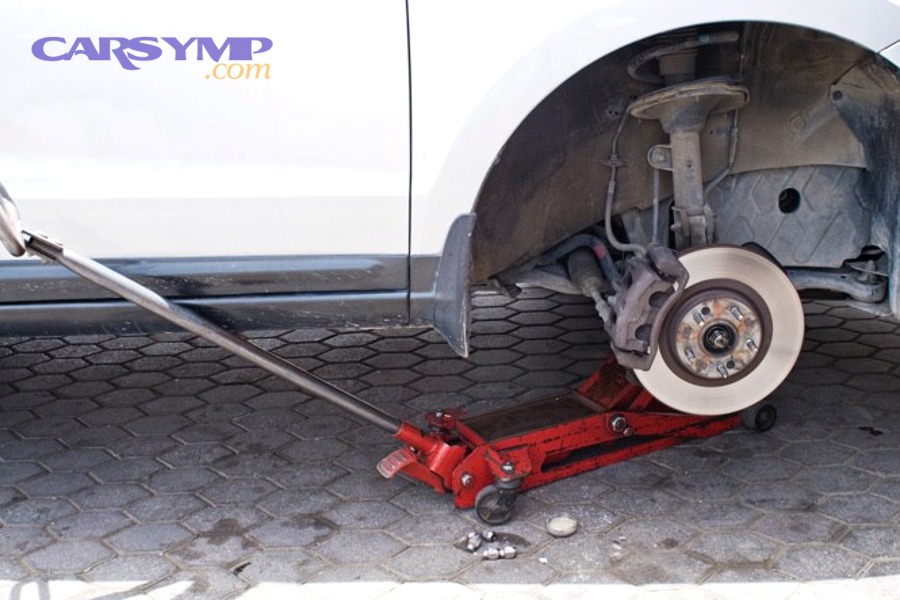
Why does the pedal go spongy or sink with a leak?
Because air enters the hydraulic system or pressure cannot build due to fluid loss, the pedal may feel spongy, require pumping, or slowly sink. Cụ thể hơn, fluid transmits force; air compresses. When you press the pedal, some of your force compresses air bubbles instead of pushing pads onto rotors.
If the pedal sinks while you hold steady pressure, that can indicate an internal bypass in the master cylinder or a significant external leak. Either way, it’s a stop-driving condition.
Where do brake fluid leaks usually come from?
There are 5 common sources of a brake fluid leak: (1) calipers or wheel cylinders, (2) flexible brake hoses, (3) hard brake lines, (4) ABS hydraulic unit/modulator connections, and (5) the master cylinder or its seals. Hơn nữa, each source has a different “tell” you can use to narrow it down.
To keep your troubleshooting safe, focus on visual confirmation rather than dismantling anything. If you can identify which area is wet, you can tell a shop exactly where to look, which speeds up diagnosis and reduces labor time. Dưới đây is a quick locator guide.
Để minh họa nhanh, bảng này chứa vị trí rò rỉ thường gặp, dấu hiệu đi kèm, và bước an toàn ưu tiên giúp bạn quyết định “tắt máy—gọi cứu hộ—hay kiểm tra tiếp”.
| Likely leak source | Where you’ll see wetness | Typical signs | Safest immediate action |
|---|---|---|---|
| Caliper | Inside wheel, caliper body, near piston boot | Pulling, uneven braking, fluid on wheel/tire | Do not drive; tow |
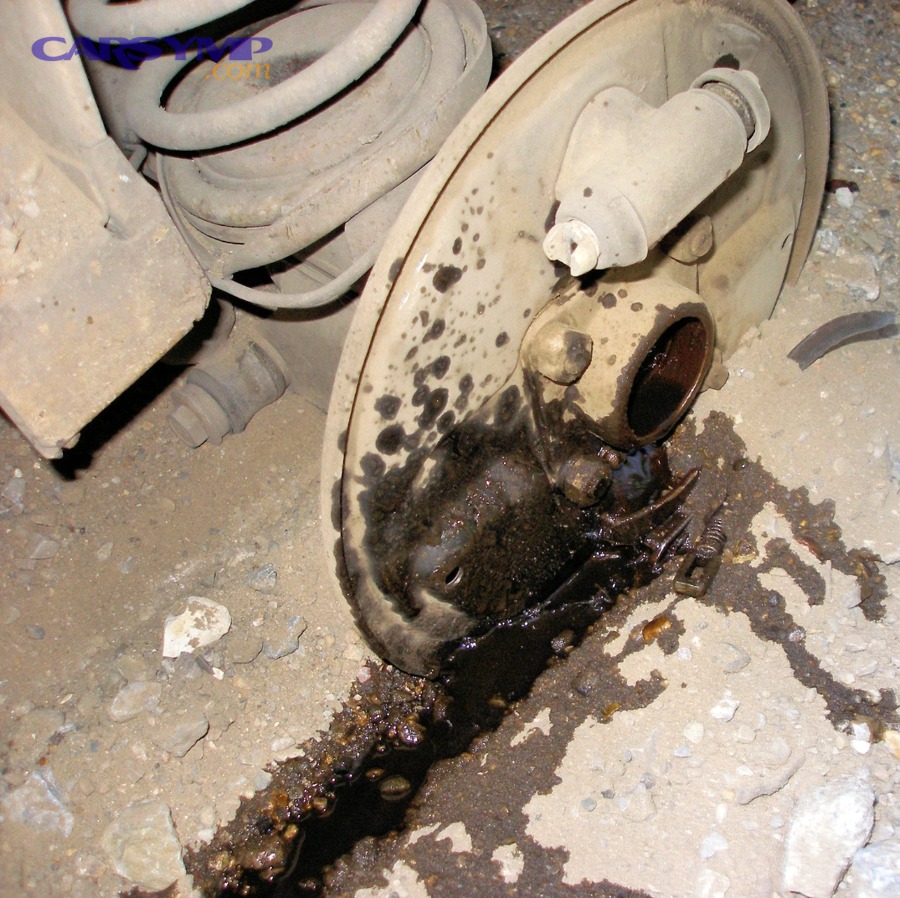
| Wheel cylinder (drum brakes) | Behind drum/backing plate | Low pedal, brake dust turns wet/dark | Do not drive; tow |
| Flexible brake hose | Near suspension travel points | Drips after braking, bulging hose | Do not drive; tow |
| Hard line | Along chassis, rusty line sections | Sudden leak after a bump, corrosion | Do not drive; tow |
| Master cylinder / booster area | Firewall, around master cylinder, sometimes inside booster | Pedal sinking, fluid near reservoir, paint damage | Do not drive; tow |
| ABS module fittings | Near ABS pump/hydraulic unit | Warning light, wet fittings, intermittent level drop | Do not drive; tow |
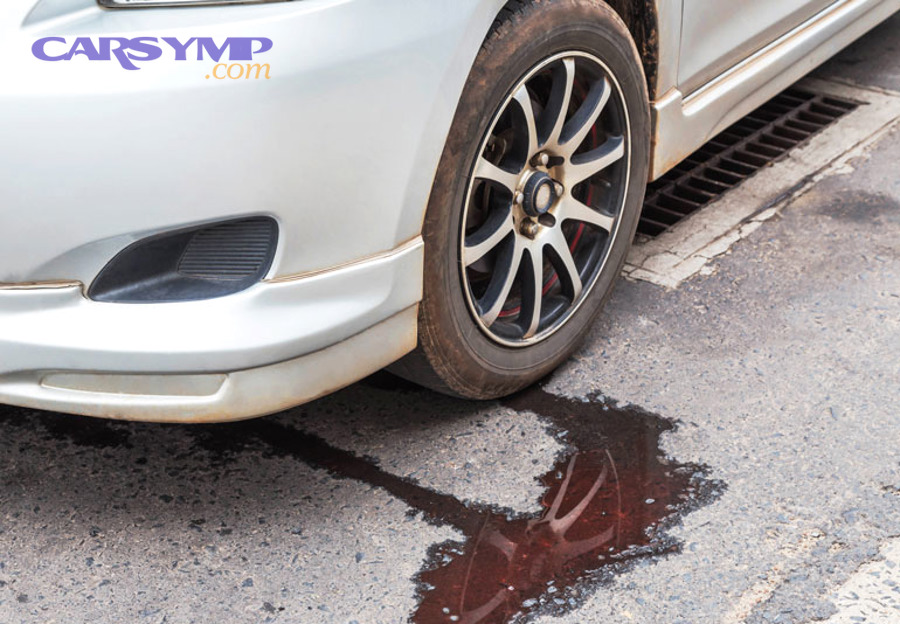
Brake fluid leak at a wheel: caliper vs hose vs line
Wheel-area leaks are most often calipers or hoses, while line leaks are common on older vehicles with corrosion. Tuy nhiên, you can often separate them by where the wetness originates: caliper leaks start at the caliper body/piston region, hose leaks start at the flex section or crimp, and line leaks track along a rigid metal tube.
Caliper leaks may fling fluid onto the inside of the wheel due to rotation. Hose leaks may show as a wet stripe near where the hose bends with steering or suspension movement. Rusted lines often look damp along a crusty section and may be worst near mounting clips where moisture gets trapped.
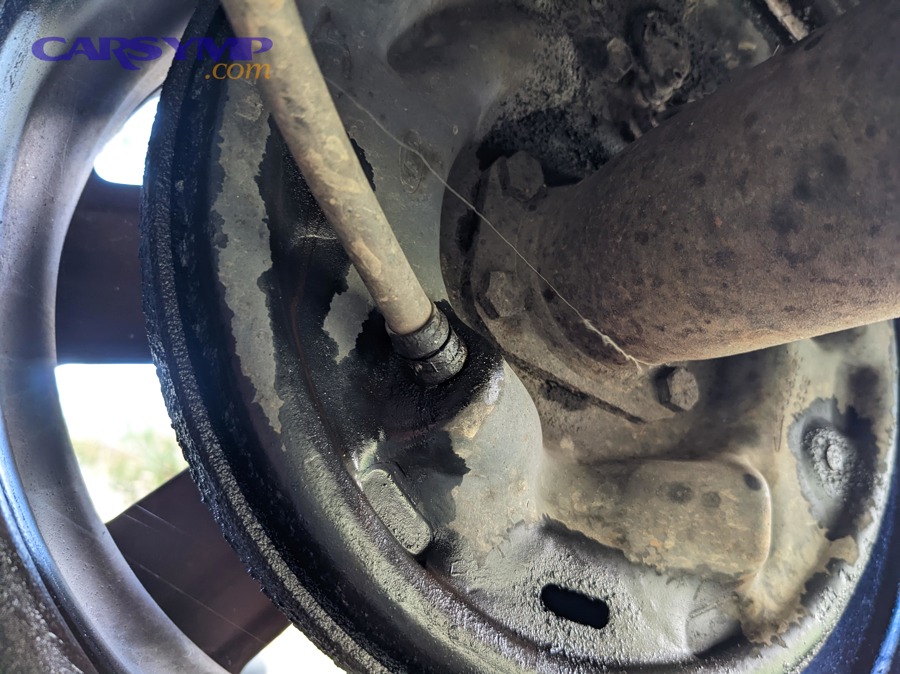
Brake fluid leak near the firewall: why master cylinder leaks are high risk
Firewall-area leaks are high risk because they can be the master cylinder, and the master cylinder is the pressure source for the entire system. Quan trọng hơn, a master cylinder can leak externally (you see wetness) or internally (pressure bypass) where you may not see a puddle but still lose braking effectiveness.
If fluid leaks into the brake booster, it may not drip to the ground right away; instead, it can be trapped and later cause booster damage. That combination—pedal behavior changes + hidden fluid loss—is one reason you should not gamble with “just driving slowly.”
What should you do immediately if you suspect a brake fluid leak?
Stop driving, secure the vehicle, and arrange help because (1) you may not be able to stop reliably, (2) braking can worsen suddenly, and (3) fluid loss can damage components and reduce traction if it reaches tires. Sau đây is a safe sequence that prioritizes people first and the car second.
The most important step is to remove the vehicle from active danger without creating new danger. If you’re in traffic, use hazards, reduce speed gently, and pull into the safest nearby area. Once parked, do not “test drive” it again to see if it feels better.
- Get to safety: pull off the road, hazards on, parking brake engaged if safe.
- Check the reservoir level: if below MIN or empty, treat as tow-only.
- Look for an active drip: wheels and firewall area are top targets.
- Call for towing or mobile service: describe where you saw wetness and how the pedal felt.
- Avoid topping off as a “fix”: adding fluid may temporarily improve pedal but does not stop the leak or remove air.
Is it ever okay to add brake fluid and drive to a shop?
No—topping off brake fluid is not a safe permission slip to drive because it doesn’t restore sealing integrity, it can hide the severity for a short time, and it doesn’t address air that may already be in the system. Trong khi đó, the leak can accelerate under repeated braking and heat.
If you must move the car for safety (for example, a few yards out of an intersection), adding fluid might help you roll slowly to a safer shoulder. But the correct plan is still towing, not commuting to a shop.
What if the brake warning light is on but the brakes feel normal?
Do not assume it’s safe because a warning light can indicate low fluid, system imbalance, or ABS-related faults, and “normal feel” can change quickly with a leak. Ngoài ra, some cars have split circuits; one circuit can fail while the other still provides partial braking, creating a false sense of security.
Use the reservoir level and a quick ground/wheel scan to decide. If level is low or dropping, it’s tow-only. If level is stable and there’s no leak, you can investigate the specific code later—but don’t merge onto highways with uncertainty.
Brake fluid leak signs and safety steps you can follow at the roadside
Yes—you can follow a short safety checklist that reduces risk: (1) confirm the leak indicators, (2) avoid contaminating surfaces, and (3) communicate precise symptoms for faster help. Để bắt đầu, treat this as a safety event, not a normal maintenance task.
The goal is not to repair brakes on the shoulder. The goal is to avoid a crash and avoid making the problem worse. So you focus on observation, not disassembly, and you avoid touching pads/rotors with oily hands or rags. Tiếp theo is a practical roadside routine.
- Observe pedal: spongy, sinking, or pumping needed = stop driving.
- Observe fluid: reservoir below MIN or visibly dropping = stop driving.
- Observe location: wheel wetness suggests caliper/hose/line; firewall wetness suggests master cylinder area.
- Protect traction: if fluid is on a tire, do not drive; it can reduce grip.
- Describe clearly: “Front-left wheel wet, pedal spongy, fluid low” helps a technician prepare parts and tools.
What to say when calling a tow or shop
Use a three-part description: what you felt, what you saw, and what changed over time. Cụ thể, “Pedal got soft over two days, reservoir dropped below MIN, wetness behind right front wheel” is far more actionable than “brakes feel weird.”
Also mention whether the vehicle has ABS and whether any warning lights are on. That’s not repair advice—it’s context that speeds up triage.
What not to do on the roadside
Do not test drive repeatedly, do not pump the brakes aggressively to “build pressure,” and do not ignore fluid on tires or rotors. Đặc biệt, avoid wiping braking parts with random rags that can leave residue; contamination can create brake noise and reduced friction later.
If you must inspect near a wheel, keep hands and clothing clear of hot rotors, and never crawl under a car that is not properly supported.
How dangerous is it if the leak is from the master cylinder?
Very dangerous—a master cylinder leak can disable braking quickly because (1) it affects overall system pressure, (2) it can fail internally without obvious puddles, and (3) it may worsen under steady pedal pressure. Hãy cùng khám phá the most telling signs so you can recognize this scenario.
The master cylinder converts pedal force into hydraulic pressure. When its seals degrade, fluid can bypass inside the cylinder bore; the pedal slowly sinks while braking force fades. External leaks at the master cylinder can also allow air into the system and drop fluid level rapidly.
In some cases, brake fluid migrates into the brake booster. This can degrade booster diaphragm materials and create additional drivability symptoms. But the primary risk remains: braking becomes unreliable and can fail at the worst time.
Master cylinder leak symptoms that point to internal failure
Yes, there are specific Master cylinder leak symptoms: (1) the pedal sinks while holding steady pressure, (2) braking fades at a stoplight without releasing the pedal, and (3) the fluid level may not drop quickly even though braking worsens. Tuy nhiên, internal bypass can coexist with small external seepage, so use the full pattern.
If your pedal feels normal on the first push but sinks on a sustained hold, that’s a classic clue. Another clue is inconsistent braking that returns briefly after pumping, then fades again—because pumping temporarily moves seals into a less-worn area.
Master cylinder leak symptoms that point to external seepage
External seepage often shows as wetness at the master cylinder body, around line fittings, or on the firewall paint below it. Ngoài ra, you may see dust stuck to a damp area, forming a dark grime patch.
If you see wetness where the master cylinder meets the booster, treat it seriously. Fluid can travel into the booster and may not drip to the ground immediately.
What repairs are typically required, and why towing is usually cheaper than risk?
Most brake fluid leaks require component replacement (hose, line section, caliper/wheel cylinder, master cylinder, or ABS fitting repair) because the system must hold high pressure without flexing open. Hơn nữa, towing often costs less than the financial and physical cost of a crash—or even a minor collision.
In many cases, the repair includes bleeding the brake system to remove air and restore proper pedal feel. If the leak contaminated pads or shoes, friction materials may also need replacement because they can absorb fluid and lose performance even after cleaning.
From a cost-control perspective, identifying the leak source early can reduce labor time. That’s why your observations—where wetness appears and how the pedal behaves—are not “extra details”; they’re time savers.
Can a brake fluid leak damage other parts besides brakes?
Yes—brake fluid can damage paint, soften certain rubber parts, and contribute to corrosion in areas where it removes protective coatings. Đặc biệt, repeated leakage near wiring harnesses or bushings can create secondary issues that complicate repair.
That’s another reason “I’ll just keep topping it off” is a bad strategy: the longer it leaks, the broader the damage footprint becomes.
What if you have ABS—does a brake fluid leak change the risks?
No, ABS does not make a brake fluid leak safer because (1) ABS still needs hydraulic pressure, (2) a leak can cause air entry and pressure loss, and (3) ABS modules add connection points where leaks can hide. Tuy nhiên, ABS-equipped cars can show additional warning lights and may require more careful bleeding procedures after repairs.
ABS can help prevent wheel lock during hard braking, but it cannot create braking force if the system cannot build pressure. If you have a leak, the priority remains the same: stop driving and fix the leak.
Contextual Border
Edge cases and misconceptions drivers have about brake fluid leaks
There are a few common misconceptions that increase risk: assuming “it only leaks when parked,” thinking “the parking brake will save me,” or believing “a warning light is just a sensor.” Besides, there are rare but important scenarios—like intermittent leaks under pressure—that can fool experienced drivers.
“It only leaks after I press the pedal”—why that’s a red flag
Yes, some leaks appear only under pressure, which is exactly why they’re dangerous. Cụ thể, a hose or fitting may look dry until the system pressurizes, then it sprays or seeps. That means your driveway inspection can miss the problem, while your emergency stop reveals it.
If you suspect a pressure-only leak, treat it as tow-only even if you can’t see a puddle yet.
“My parking brake works, so I can still drive”—why that’s wrong
No, a parking brake is not a substitute for hydraulic braking because it is designed for holding, not repeated dynamic stops, and it often acts only on the rear wheels. Ngược lại, normal braking balance and stability depend on all four brakes working correctly.
In an emergency, relying on the parking brake increases the chance of a skid or loss of control, especially at speed or on wet pavement.
“I’ll just drive slowly”—why speed isn’t the only issue
No, driving slowly doesn’t eliminate risk because the problem is unpredictability, not only speed: you may still need a sudden stop, you may face downhill grades, and you may have traffic behind you. Hơn nữa, slow driving often means more brake applications in city traffic, which can accelerate fluid loss.
Even at 15–25 mph, a sudden brake failure can cause a collision, injuries, or pedestrian harm. So the safer “slow plan” is a tow, not a slow drive.
“The fluid level looks okay”—why you can still have a serious leak
Yes, you can have a serious issue even if the reservoir looks near normal because a split-circuit system may still show enough fluid to look acceptable, and internal master cylinder bypass won’t always drop fluid quickly. Quan trọng hơn, the pedal feel and warning lights matter just as much as the level.
If you have spongy pedal, sinking pedal, or inconsistent braking, treat it as unsafe even if the reservoir is not empty.
FAQ: Can you drive with a brake fluid leak?
Can I drive to the nearest mechanic if it’s only a small puddle?
No—a visible puddle indicates active loss, and the situation can worsen quickly under braking pressure. Tóm lại, towing is the safer and often cheaper choice than risking brake failure en route.
What if only one wheel is leaking—do I still lose all brakes?
Yes, you can still lose most braking depending on how the system is split and how much air enters. However, even partial braking can become unstable and pull the car, which is dangerous in traffic and at speed.
Is a spongy pedal always a brake fluid leak?
No—a spongy pedal can also come from air introduced during service, boiling fluid, or internal seal issues, but a leak is one of the highest-risk causes and should be ruled out first. Để hiểu rõ hơn, combine pedal feel with reservoir level and visible wetness checks.
Should I keep topping off brake fluid until I can repair it later?
No—topping off doesn’t stop the leak, doesn’t remove air, and can create a false sense of safety. Tổng kết lại, the correct move is to stop driving and fix the leak immediately.