


If you suspect brake fluid loss, treat it as an emergency: do not continue normal driving, because hydraulic pressure can drop suddenly and your stopping distance can become unpredictable.
Next, your goal is to get the vehicle under control and get to safety—without gambling on “one more mile.” That means choosing the safest stop option, calling for help early, and preventing secondary hazards like being rear-ended or rolling.
Then, you'll want a quick, structured check so you can explain what happened and avoid unsafe “temporary fixes” that can make the repair bigger and the situation more dangerous.
To begin, here’s a step-by-step playbook for Emergency temporary measures and what not to do, organized so you can act fast, stay calm, and protect everyone around you.
Should you stop driving immediately when the brake pedal feels soft or sinks?
Yes—stop driving as soon as it’s safely possible, because a soft or sinking pedal often means hydraulic pressure is compromised, and it can fail fully with little warning. Next, shift your attention from “Can I make it home?” to “How do I stop safely and avoid traffic risk?”
Three reasons “it still kind of stops” is not a safety signal
First, brake systems can lose effectiveness non-linearly: one moment you have partial braking, the next moment the pedal travels farther and does almost nothing. In other words, “works at low speed” doesn’t predict “works when a car cuts in front of me.”
Second, the system can ingest air when fluid level drops; air compresses, so pedal travel increases and the response becomes delayed. As a result, your reaction time effectively gets worse even if you think you’re pressing harder.
Third, if the leak is at one wheel or one circuit, braking can become uneven and the vehicle may pull, which raises the chance of a loss of control during panic braking. Therefore, the safest assumption is that braking performance is unreliable.
What “stop now” actually means in real traffic
Stop now doesn’t mean slamming on the pedal or stopping in a live lane. Instead, it means slowing progressively, signaling early, and choosing a spot that reduces exposure: shoulder, parking lot, wide driveway, or an exit ramp area where you can come to rest without creating a chain-reaction hazard.
A real-world pattern: hose/line issues can turn into sudden pressure loss
Failures involving hydraulic components are often described in safety investigations as creating reduced braking effectiveness and an increased crash risk. To illustrate: “Theo nghiên cứu của National Highway Traffic Safety Administration từ Office of Defects Investigation, vào 04/2015, báo cáo kỹ thuật về corrosion-related brake pipe concerns ghi nhận rò rỉ/ăn mòn có thể dẫn đến giảm hiệu quả phanh và cần hành động an toàn kịp thời.”
What are the first 5 safety moves to control the situation right now?
Use a simple 5-move sequence: signal, stabilize, slow, steer to safety, and secure the vehicle. Next, once you’re out of moving traffic, you can evaluate without pressure and without rushing into risky “DIY fixes.”
Move 1: Signal early and make yourself predictable
Turn on hazard lights and use your turn signal well before changing lanes. Specifically, predictable movement reduces the chance that another driver tailgates or cuts in at the worst moment.
Move 2: Stabilize your speed with engine braking
Lift off the throttle and downshift (for automatics, move to a lower gear mode if available). In practice, this reduces reliance on hydraulic braking while you aim for a safe stop point.
Move 3: Increase following distance immediately
Create a bigger buffer in front of you than you think you need. That way, you avoid needing sudden braking and you gain time to plan a gentle, controlled stop.
Move 4: Choose the safest stop location, not the closest one
A flat shoulder is better than a steep shoulder; a parking lot is better than a blind curve; a wide driveway is better than a narrow bridge. After that, position the vehicle so it’s visible to approaching traffic.
Move 5: Secure the vehicle to prevent rolling and secondary incidents
Once stopped, keep the foot brake pressed, shift to Park (or first gear for manual), apply the parking brake gently, and shut off the engine. Then, set wheel chocks if available, especially on any incline.
Why these five moves matter more than “checking under the hood first”
In an emergency, your biggest risk is not the repair bill—it’s being hit, rolling into traffic, or losing control while still moving. So these moves prioritize traffic safety first, mechanical diagnosis second.
“Theo nghiên cứu của National Highway Traffic Safety Administration từ Office of Defects Investigation, vào 08/2025, các tài liệu thu hồi liên quan đến brake hose/line issues thường nhấn mạnh nguy cơ giảm hiệu quả phanh và tăng khoảng cách dừng khi rò rỉ xảy ra.”
How can you do a 60-second check before you call for help?
You can do a fast, low-risk check in about a minute by confirming symptoms, checking the reservoir, and looking for obvious leak evidence—without crawling under the vehicle in a dangerous spot. Next, you’ll use what you find to decide whether the safest action is towing or roadside assistance.
Step A: Confirm the symptom pattern
Press the pedal (engine off) and note whether it feels firm, slowly sinks, or feels spongy. Then start the engine (only if you are safely parked) and check whether the pedal travel increases noticeably.
Step B: Check the brake fluid reservoir level safely
Open the hood and locate the reservoir. Look for “MIN/MAX” marks and any wetness around the cap, body, or booster area. After that, note the fluid color: very dark fluid may indicate age/contamination, but the emergency priority is level and leakage, not perfect color.
Step C: Look for external evidence without putting yourself at risk
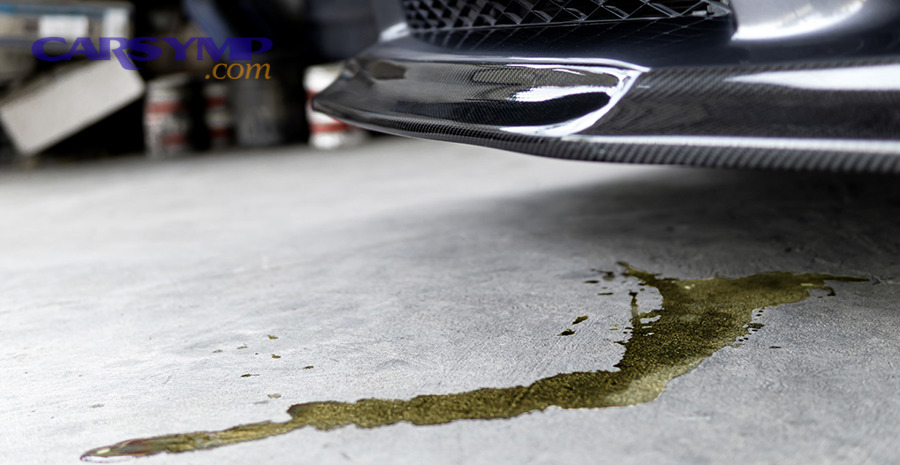
Scan the ground near each wheel and under the engine bay area for fresh wet spots. For example, a puddle near one wheel often points toward a caliper/hosing area, while wetness along the chassis line may suggest a line issue.
Step D: Smell and feel cues—without touching with bare skin
Brake fluid can feel slick and can damage paint; avoid direct contact. Instead, use a flashlight and paper towel if you must confirm wetness on accessible components.
A practical clue: why fluid condition matters in emergencies
Brake fluid absorbs moisture over time, and that can reduce boiling point—important if you’re tempted to “drive slowly home.” In context: “Theo nghiên cứu của Institute of the Motor Industry (IMI) từ Technical & Membership Services, vào 11/2021, tài liệu đào tạo về brake fluid nhấn mạnh hygroscopic behavior và mối liên hệ giữa water content và giảm boiling point, làm tăng nguy cơ vapor/soft pedal khi phanh nặng.”
What temporary actions can help you move to a safer spot without making it worse?
Only minimal, safety-first actions are acceptable: move the car a short distance to a safer place if needed, call for help early, and avoid improvised “repairs” that can fail. Next, treat any movement as a controlled relocation—not continued driving.
Temporary action 1: Relocate at walking speed—only if you must
If you are stopped in a dangerous position (blind curve, live lane, narrow shoulder), relocating a short distance can be safer than staying put. Specifically, choose the nearest flat, low-traffic spot and move at walking speed with maximum following space—preferably with a spotter outside.
Temporary action 2: Top up fluid only as a short-distance safety measure
If the reservoir is below MIN and you have the correct fluid type for your vehicle, topping up can restore enough pressure to move to safety. However, topping up is not a “fix”—it is a temporary safety measure for the shortest possible relocation.
Important boundaries: do not overfill, do not mix unknown fluid types, and do not assume topping up makes highway driving safe. After that, plan for towing or immediate professional repair.
Temporary action 3: Use engine braking and avoid hard stops
Keep speeds very low and use low gear to slow the vehicle. In other words, you are reducing demand on a compromised hydraulic system.
Temporary action 4: Use the parking brake gently (if needed) and only at very low speed
The parking brake can help stabilize a low-speed stop, but it can also lock rear wheels if applied abruptly. Therefore, apply it gradually and never treat it as a substitute for normal braking at road speed.
Temporary action 5: Call for help sooner than you think
If there is any doubt, call roadside assistance or a tow. Because the risk of a total loss of braking can outweigh the inconvenience or cost of towing.
One video that helps you recognize and respond safely
Why “temporary” must stay temporary
Even if the car stops after topping up, the leak is still active and can worsen. To illustrate: “Theo nghiên cứu của National Highway Traffic Safety Administration từ Office of Defects Investigation, vào 08/2025, các hồ sơ thu hồi mô tả rò rỉ thủy lực có thể tái diễn nhanh và làm giảm hiệu quả phanh bất ngờ, vì vậy khuyến nghị hành động an toàn ngay lập tức.”
What should you never do with a suspected hydraulic brake leak?
There are clear “do not” rules: don’t keep driving normally, don’t improvise sealing, and don’t create new failure points by clamping, pinching, or contaminating parts. Next, treat the system as safety-critical and avoid shortcuts.
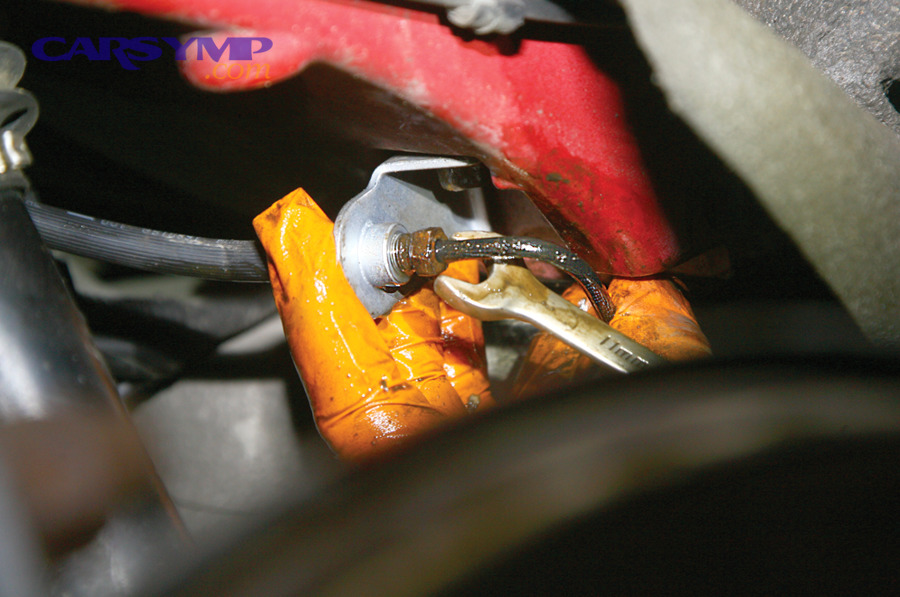
Never do 1: Don’t rely on repeated pumping as a strategy
Pumping can sometimes build temporary pressure, but if fluid is leaking or air is entering, the effect can fade rapidly. More importantly, it encourages risky continued driving by creating a false sense of control.
Never do 2: Don’t use “stop leak,” sealant, tape, or glue in the brake system
Brake hydraulics operate under high pressure and temperature, and contaminants can damage seals, ABS components, and valves. So adding anything other than the correct brake fluid is a high-risk mistake.
Never do 3: Don’t clamp a brake hose as a “quick fix”
Clamping can damage the hose internally, create a weak spot, and still fail under pressure. Additionally, it can unbalance braking across wheels and increase the chance of pulling or instability.
Never do 4: Don’t mix unknown DOT types or pour in “close enough” fluids
Using the wrong fluid can harm seals or reduce performance. Therefore, if you cannot confirm the correct specification, prioritize towing rather than experimenting.
Never do 5: Don’t ignore paint and rubber damage risks
Brake fluid can damage paint and degrade some materials. For example, wipe spills quickly and keep it off belts, hoses, and painted surfaces where possible.
Never do 6: Don’t crawl under the car on a dangerous shoulder
Diagnosis is not worth the risk of being struck by traffic. Instead, relocate to a safer place first or wait for professional help.
Why contamination and corrosion themes keep showing up in braking research
Brake systems include metals and valves where deposits and corrosion can affect operation. To illustrate: “Theo nghiên cứu của National Institute of Standards and Technology (NIST) từ Materials Science and Engineering Laboratory, vào 09/1998, báo cáo kỹ thuật về corrosion/deposits trong ABS nêu khả năng hình thành hạt/đọng chất lạ ở bề mặt làm kín của van, có thể ảnh hưởng đến hiệu năng phanh.”
How do you decide between towing, roadside help, or driving a very short distance?
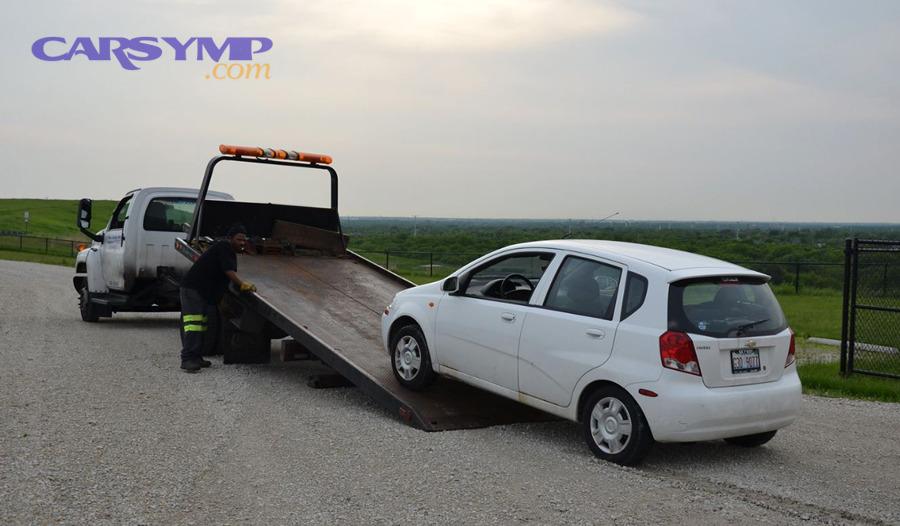
Towing is the default safest choice, while roadside help is useful when you’re stuck in a risky location and need on-site support. Next, only consider moving the car under its own power if you must reposition to immediate safety and braking response remains controllable at walking speed.
This table helps you choose the safest option based on risk, location, and symptom severity.
| Option | When it makes sense | When it’s unsafe | What you do next |
|---|---|---|---|
| Tow | Soft/sinking pedal, visible leak, low reservoir, warning light, unknown cause | Rarely unsafe; only delays can create traffic risk | Request flatbed if possible; tell dispatcher “possible brake hydraulic leak” |
| Roadside help | You’re stranded in a hazardous spot and need assistance to relocate or assess | If they propose unsafe workarounds (clamping, sealing, “just drive it”) | Ask for relocation or tow coordination, not an improvised repair |
| Very short relocation | Only to move from immediate danger to a safer stopping point | Any normal road-speed travel, downhill routes, heavy traffic, repeated pedal drop | Move at walking speed, minimal braking demand, then tow |
What to say when you call for a tow
State your symptoms: “brake pedal feels soft/sinks,” “possible fluid leak,” and whether the vehicle is in a dangerous location. Then, request a safe pickup plan, especially on highways.
How to prevent secondary hazards while you wait
Stay inside with seatbelt on if traffic is close, or move behind a barrier if safe to exit. Additionally, use hazard triangles or flares only if conditions allow and local laws permit.
A real-world reminder: lines can fail from corrosion, especially in salt regions
Brake line corrosion is a known failure mode in certain environments, and it can create sudden leaks. Therefore towing is often the most defensible decision when the cause is unknown.
What details should you collect to avoid misdiagnosis and speed up repair?
Collect clear symptoms, locations, and recent history so a shop can diagnose quickly and avoid “parts guessing.” Next, use a short checklist that captures what changed, when it changed, and where fluid appears to be coming from.
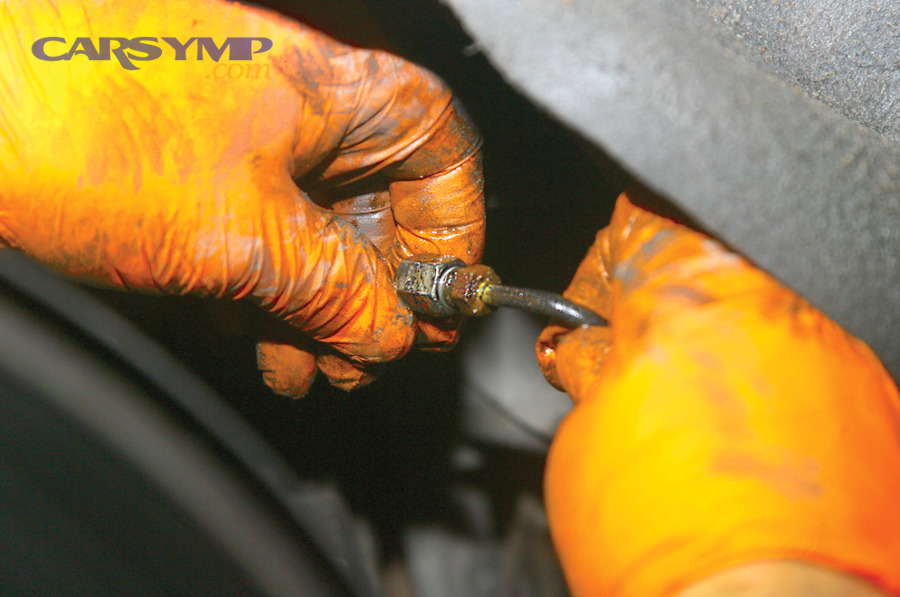
Detail 1: Exactly what the pedal did
Describe whether the pedal was spongy, sinking, suddenly went to the floor, or required pumping. Then note whether braking pulled to one side or felt uneven.
Detail 2: Where you saw wetness or dripping
Note the corner of the vehicle (front-left, rear-right) or whether it appeared near the centerline. Specifically, a wheel-corner clue often changes the diagnostic path.
Detail 3: Warning lights or messages
Report whether the brake warning light or ABS light came on, and whether it was steady or intermittent. After that, mention any chimes or “Brake!” messages if your vehicle displays them.
Detail 4: Recent brake work or fluid top-ups
List any recent pad/rotor work, caliper service, hose replacement, or fluid additions. Because a loose fitting, damaged hose, or disturbed line can become apparent shortly after service.
Detail 5: Environment and exposure
Mention whether the car is exposed to road salt, coastal air, long periods of sitting, or frequent wet conditions. That way, the technician can weigh corrosion risk more heavily.
Where the “money questions” come from
Once you have the details above, you can ask targeted questions about parts and labor rather than accepting vague answers. For example, you can ask how the shop will confirm the source before replacing components, and what the most likely leak points are for your model.
Within the broader brake fluid leak conversation, these notes also help you understand How to find the leak location quickly in a safe, structured way—without crawling under the car in a dangerous place.
Contextual Border: The sections above focus on immediate control and safe temporary measures. Next, we’ll cross the contextual border into micro-level factors that change risk and repair strategy—especially corrosion patterns, ABS considerations, and fluid specification traps.
Micro-level risks that change your plan after the immediate emergency
Three micro factors often decide whether the situation is “tow now” or “tow immediately”: corrosion exposure, ABS/valve sensitivity, and fluid compatibility. Next, use these factors to avoid the most common mistakes that turn a manageable repair into a system-wide issue.
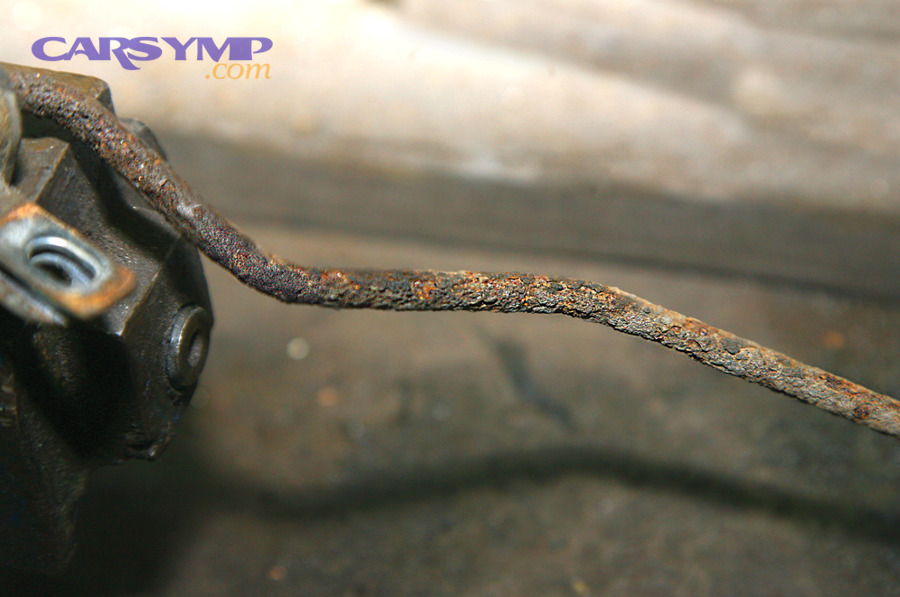
How salt and corrosion change the leak story
If you live in a region with heavy road salt, corrosion can progress invisibly along metal lines and fittings until a weak section fails. Therefore, replacing one small section may not be enough if adjacent line segments are similarly degraded.
This is where discussions about Brake line corrosion and replacement options matter: sometimes the safer choice is replacing a longer section or upgrading materials where appropriate for your vehicle.
Why ABS-equipped vehicles are less forgiving of contamination
ABS modules and valves include small passages that can be affected by debris or degraded fluid chemistry. In practice, that’s why adding sealants or contaminants is so risky and why proper bleeding procedures matter after repairs.
“Theo nghiên cứu của National Institute of Standards and Technology (NIST) từ Materials Science and Engineering Laboratory, vào 09/1998, báo cáo kỹ thuật mô tả khả năng deposits/corrosion ảnh hưởng bề mặt làm kín của van trong hệ ABS, cho thấy hệ thống nhạy cảm với điều kiện hóa học và tạp chất.”
Fluid specification traps: DOT types and mixing risks
Many vehicles use DOT 3 or DOT 4; some use DOT 5.1; DOT 5 (silicone) is different and not generally interchangeable with glycol-based fluids. So, in an emergency, only add the correct fluid—otherwise choose towing.
After a top-up, what to watch for in the next 10 minutes
If you topped up just to relocate, monitor whether the pedal changes rapidly, whether the warning light returns, and whether new fluid appears under the car. In other words, treat any change as confirmation that normal driving is unsafe.
Frequently asked questions
These quick answers cover common edge cases people face during brake-related emergencies. Next, use them as a final check before you decide to move the vehicle or wait for a tow.
Can I drive “just a few miles” if I add fluid and the pedal feels better?
No—treat it as unsafe because a leak can reopen under pressure and air can re-enter quickly, bringing back the soft pedal with little warning. Instead, use any improvement only to reposition to safety and then tow.
Is it okay to keep topping up the reservoir every time it gets low?
No, because repeated top-ups hide the severity of the leak and increase the chance you’ll be caught without brakes at speed. Therefore, prioritize diagnosis and repair once you’ve reached a safe stop.
What if the leak seems to be at one wheel—can I disable that wheel and drive slowly?
No, because braking balance matters for stability; disabling a corner can cause pulling, uneven stopping, and loss of control. So, towing is the safer path.
What should I tell the shop so they don’t misdiagnose it?
Tell them the symptom pattern, reservoir level, and where fluid appeared, plus any recent brake work and whether the issue happened suddenly or progressed over days. After that, ask how they will confirm the leak source before replacing parts.
Emergency temporary measures and what not to do; brake fluid leak; How to find the leak location quickly; Brake line corrosion and replacement options; Brake fluid leak repair cost estimate; Car Symp