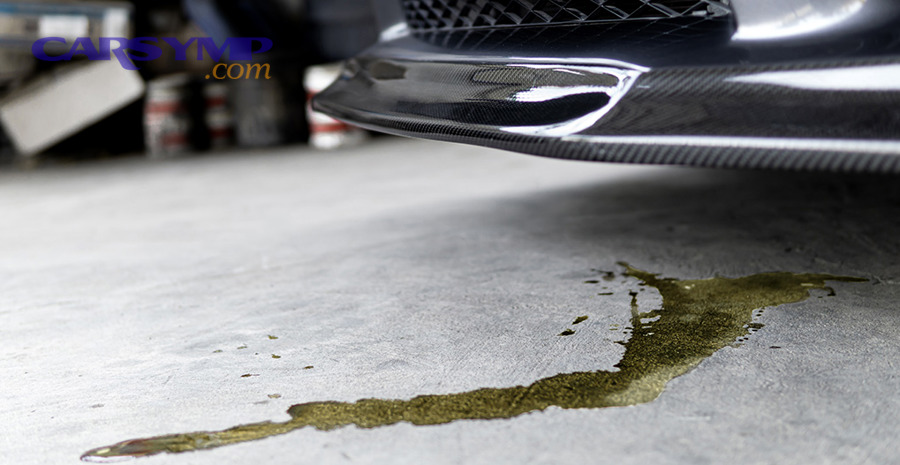
Brake hose leak symptoms usually show up as sudden changes in pedal feel, uneven braking, or visible wetness near a wheel—signs that hydraulic pressure is escaping where it shouldn’t. If you suspect a problem, treat it as urgent because braking relies on sealed fluid pressure, not “extra” capacity.
For many drivers, the confusing part is that brake hose failure can mimic other brake problems, like worn pads or a sticking caliper, especially when the symptoms appear only during hard stops or after heat builds up. Knowing what patterns to watch for helps you avoid misdiagnosis.
Beyond the obvious puddle, a brake hose failure can announce itself through subtle clues: a brake pull that comes and goes, a pedal that feels normal once and then sinks the next time, or a faint burning smell when fluid touches hot parts. These details matter because they narrow the fault from “somewhere in the system” to a specific corner of the car.
To introduce a new idea, the most reliable way to stay safe is to match each symptom to a simple inspection path—what you can see, smell, and feel—before you decide whether the vehicle should be towed or carefully moved a short distance for repair.
What are the most common brake hose leak symptoms you can notice while driving?
The most common signs are a soft or sinking pedal, longer stopping distance, and braking that feels uneven or unpredictable. To connect this to a quick self-check, pay attention to when the symptom happens—first press, repeated presses, or only under hard braking.
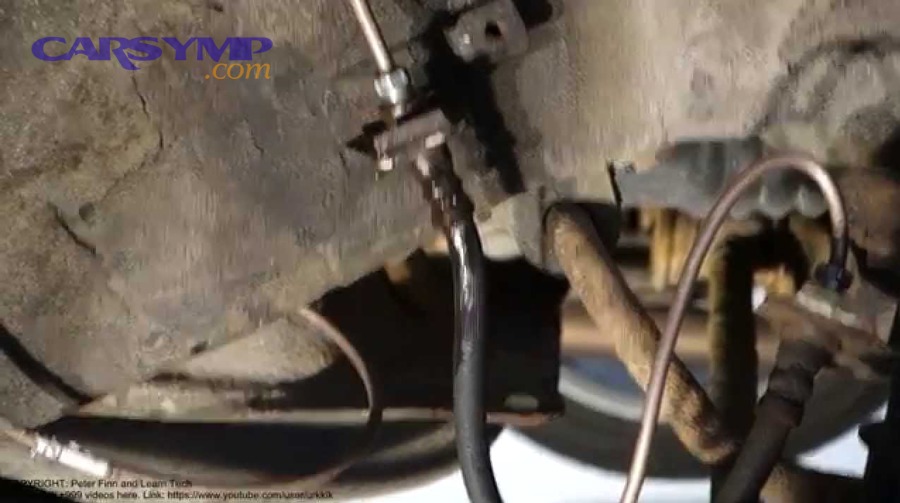
1) Pedal feel changes that don’t match road conditions
A leaking hose often causes the pedal to feel softer than usual because the system can’t hold pressure. Cụ thể, you may press the pedal and notice it travels farther before the car begins to slow, or it feels “spongy” as if air is compressing—except the real culprit is fluid escaping and pressure collapsing.
2) Stopping distance increases, especially in repeated braking
If pressure is bleeding off at one corner, the braking system may still work partially, but it needs more pedal travel to generate the same clamp force. Để minh họa, city driving with frequent stops can make the weakness more obvious than a single highway stop.
3) Vehicle pulls left or right under braking
A hose leak at one wheel can reduce braking force on that wheel, making the car pull toward the side that still brakes harder. However, pulling can also be caused by uneven tire grip or caliper issues, so you’ll want to pair this symptom with a visual inspection later in this guide.
4) Brake warning indicators may appear with other cues
Some vehicles trigger warnings when fluid level drops or when pressure behavior looks abnormal. In practice, a warning light matters most when it appears together with pedal changes—because that combination suggests a real hydraulic problem rather than a sensor glitch.
5) Smell and smoke clues near a wheel
If fluid leaks onto a hot rotor, pad, or exhaust component, you might notice a sharp chemical odor or light smoke near the wheel area after a stop. Hơn nữa, that smell can appear before you see a puddle, especially if the leak only occurs under pressure.
How can you spot brake hose failure during a quick driveway inspection?
You can confirm many brake hose problems by checking for wetness, cracks, swelling, or chafing at the hose ends and along the hose body. To move from suspicion to evidence, start at the wheel with the strongest symptom (pulling, odor, or dampness) and work outward.
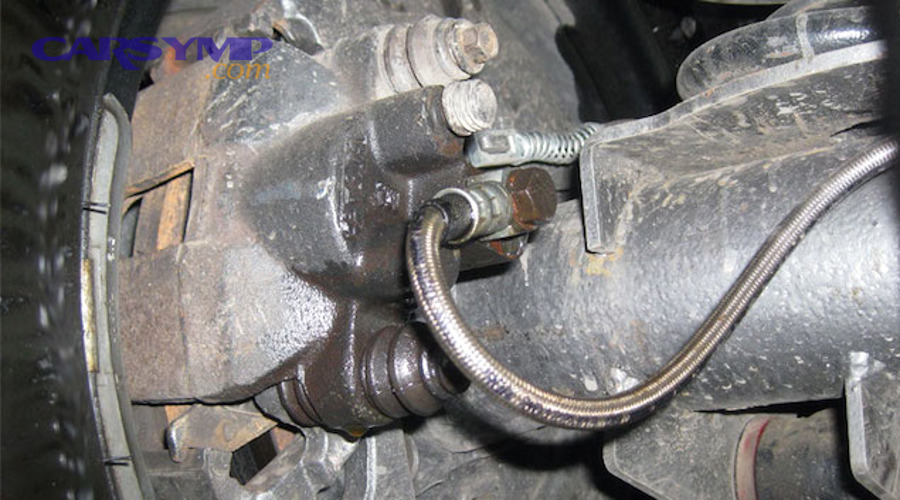
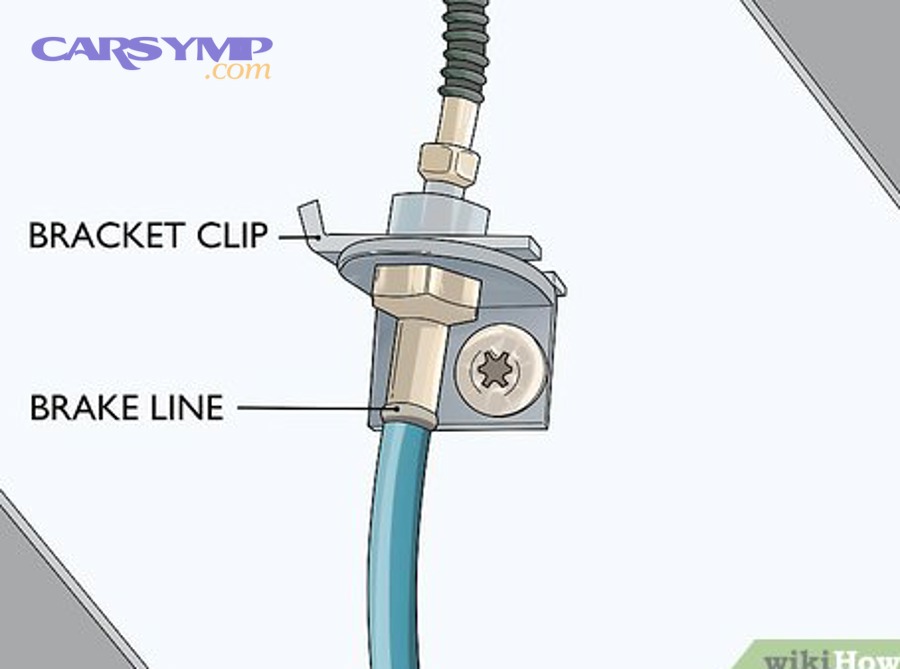
Start where leaks like to hide: the hose fittings
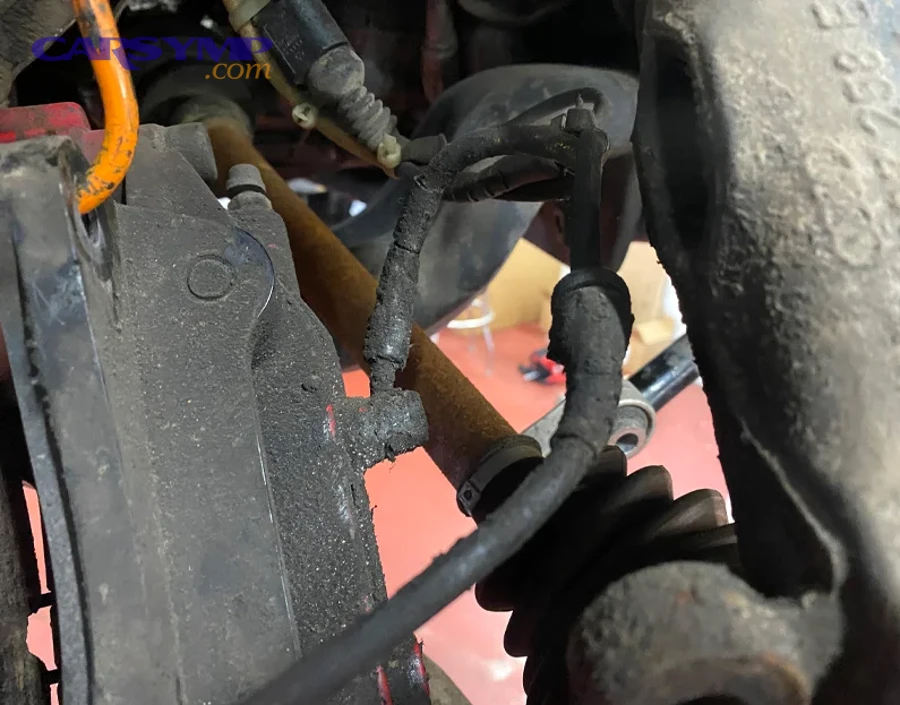
Most external leaks show up around the crimped fitting or banjo bolt area (depending on design). Cụ thể hơn, look for fresh wetness, shiny streaks, or fluid that has collected dust into a dark, sticky film.
Check the hose body for “aging signatures”
Rubber hoses can develop surface cracking from heat and ozone exposure, and the outer jacket can split where it flexes most (near steering movement). Ngược lại, a hose that looks “puffy” or uneven can indicate internal layer damage—an important clue because internal failure can cause pressure problems even without a dramatic external drip.
Look for chafing and contact marks
A hose routed too close to the tire, suspension, or sharp brackets may rub through over time. Đặc biệt, if you see polished metal or a worn groove where the hose touches something, that spot deserves extra attention because a small abrasion can become a spray leak during hard braking.
Do a controlled press test (with help)
If it’s safe, have a helper press the brake pedal firmly while you observe the hose area (do not put any body part in a pinch zone). Tuy nhiên, if the pedal sinks fast or you see fluid spurting, stop immediately—this indicates a serious pressure loss.
Verify fluid level without “topping off and forgetting”
A low reservoir supports the leak diagnosis, but adding fluid only masks the symptom. Quan trọng hơn, the real goal is to find where the system is losing pressure so the repair addresses the cause, not the warning.
Can a brake hose leak be intermittent, and why does it change with steering or braking force?
Yes—hose leaks can be intermittent because pressure and hose position change as you steer, hit bumps, or brake harder. To understand the pattern, think of the hose as a flexible tube that can open a crack when stretched or when pressure spikes.
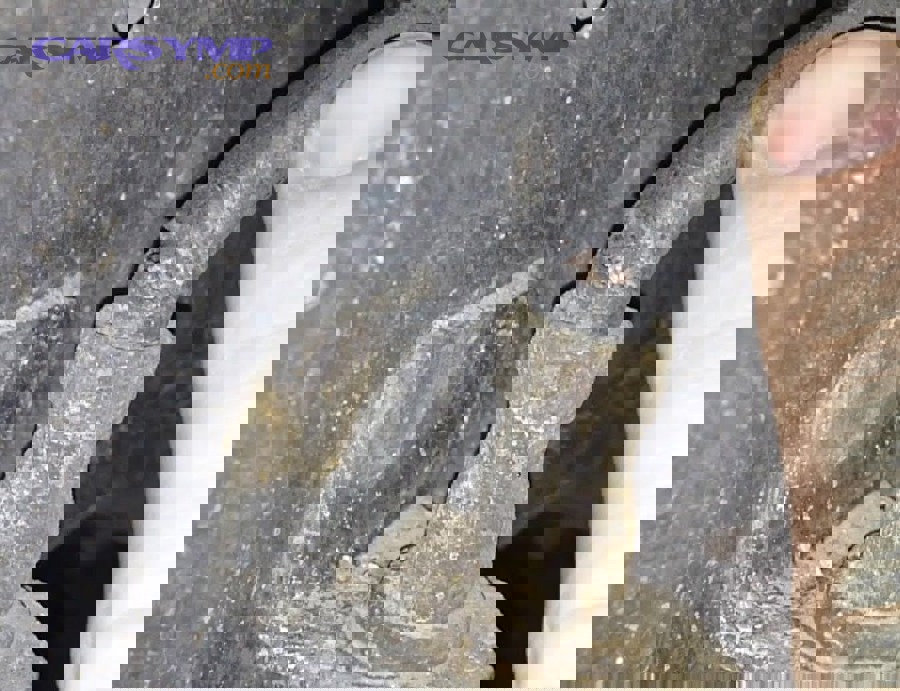
Intermittent external seep: crack opens under flex
A small split may stay “closed” at rest and seep only when the hose bends during steering or suspension travel. Cụ thể, you might see no drip while parked, then notice wetness after a drive with lots of turns or rough roads.
Pressure-dependent leak: shows up only under hard stops
Hard braking raises hydraulic pressure sharply, and a weak fitting seal or damaged hose section may leak only at that higher load. Bên cạnh đó, drivers often describe this as “it only happens when I brake hard,” which can delay diagnosis if the car feels normal in gentle stops.
Heat influence: rubber expands and materials soften
After repeated braking, heat can change how the hose and seals behave. In some cases, the leak appears once components warm up, then seems to “disappear” after cooling—until the next drive repeats the cycle.
Steering angle changes the hose routing and tension
Front hoses flex with steering. Nếu bạn notice symptoms more when turning left or right, it can point you toward the affected front corner and help you distinguish it from rear brake issues.
How do brake hose leak symptoms differ from worn pads, a sticking caliper, or brake hose failure inside the hose?
Hose leaks typically cause pressure loss (soft pedal, fluid evidence), while worn pads usually cause noise and longer stops without fluid loss. To separate look-alikes, match each symptom to whether the system is losing pressure, losing friction, or losing mechanical movement.
Worn pads: friction material issue, not hydraulic loss
Worn pads often create squealing or grinding and may reduce braking performance, but the pedal usually feels consistent. Tuy nhiên, if you also see wetness at a wheel, prioritize the hydraulic issue because it affects your ability to generate clamp force at all.
Sticking caliper: heat and pull, but not always fluid loss
A seized caliper can cause pulling, overheated wheels, and a burning smell, similar to a leak dripping onto hot parts. Ngược lại, a caliper problem often produces persistent heat on one wheel even without a lower reservoir level, whereas a leak tends to correlate with declining fluid over time.
Internal brake hose failure: acts like a one-way valve
This is a key scenario: the inside liner can delaminate and restrict flow, which may cause dragging brakes (pressure goes in but doesn’t release) or delayed application. Cụ thể hơn, you might get a wheel that doesn’t fully release after braking, leading to heat and odor, yet you may not see an external drip.
ABS events can confuse the feel
ABS pulsation is normal during hard stops, so don’t confuse vibration with a leak. Hơn nữa, if the pedal sinks steadily while the car barely slows, that’s not “ABS doing its job”—that’s a pressure-holding problem that needs immediate attention.
A quick symptom map helps you decide the next step
This next table helps you connect what you feel to the most likely fault and how urgent it is, so you can decide whether to tow, park, or proceed with a controlled inspection.
| Symptom you notice | Most likely direction | What to check first | Urgency |
|---|---|---|---|
| Soft/sinking pedal + reservoir dropping | Hydraulic leak (often hose/fitting) | Wetness at hose ends, caliper area, inside wheel | High |
| Pulls under braking + damp wheel area | Leak or uneven pressure at one corner | Compare left vs right hoses and fittings | High |
| Grinding noise, pedal still firm | Worn pads/rotors | Pad thickness, rotor surface | Medium |
| One wheel extremely hot, odor, dragging | Sticking caliper or internal hose restriction | Wheel temp comparison, release behavior after stop | High |
| Pulsation only during hard stops | ABS operation or rotor variation | ABS engagement conditions, rotor runout signs | Varies |
What causes brake hose failure and leaks in real-world driving?
Most brake hose problems come from aging rubber, heat cycling, physical abrasion, and corrosion at metal interfaces. To keep the diagnosis practical, focus on the “stress points”: where the hose bends, where it’s clamped, and where metal meets rubber.
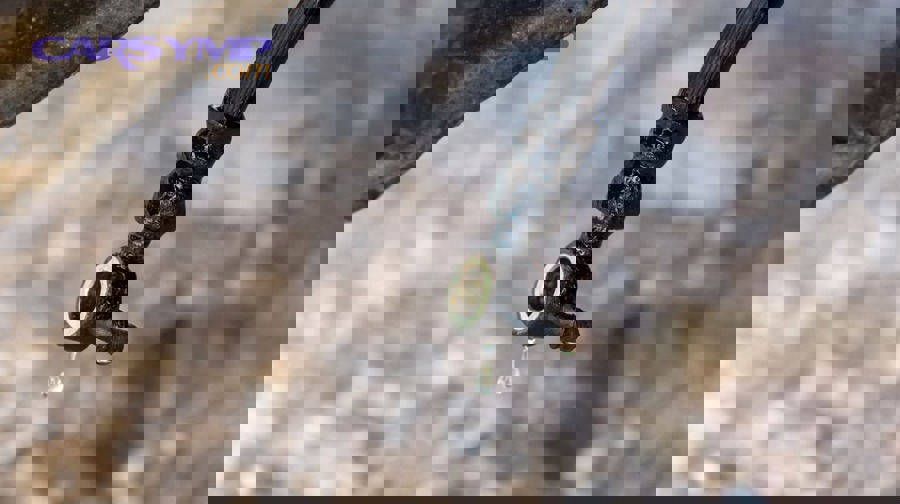
Age, ozone, and heat break down elastomers
Rubber hoses live near hot brakes and engine components and face ozone exposure that accelerates surface cracking. Cụ thể, cracks often start as tiny lines that widen over time, especially in climates with big temperature swings.
Repeated flex and twist at the front wheels
Front hoses flex every time you steer. If the hose is slightly twisted after service, it experiences extra strain each turn, increasing the chance of an early leak at the crimp or along the jacket.
Improper routing and missing clips
Factory clips keep the hose away from tires and sharp edges. Ngoài ra, after suspension work, a missing clip can let the hose rub until it thins and fails—sometimes suddenly during a hard stop.
Contamination and chemical exposure
Some cleaners, petroleum products, or incorrect fluids can damage rubber over time. Quan trọng hơn, even if the hose looks fine outside, chemical exposure may weaken internal layers and contribute to internal restriction behaviors.
Corrosion at fittings and brackets
Where the flexible hose meets the hard line, rust can compromise sealing surfaces or clips. Tuy nhiên, corrosion-related leaks can be mistaken for “hose failure” when the real issue is the metal connection area, so cleaning and close inspection are essential.
Is it safe to drive with brake hose leak symptoms, and what should you do first?
No—if you suspect a hose leak, driving is unsafe because braking pressure can drop suddenly and without warning. To act safely, your first priority is to reduce risk: stop driving, secure the vehicle, and arrange inspection or towing.
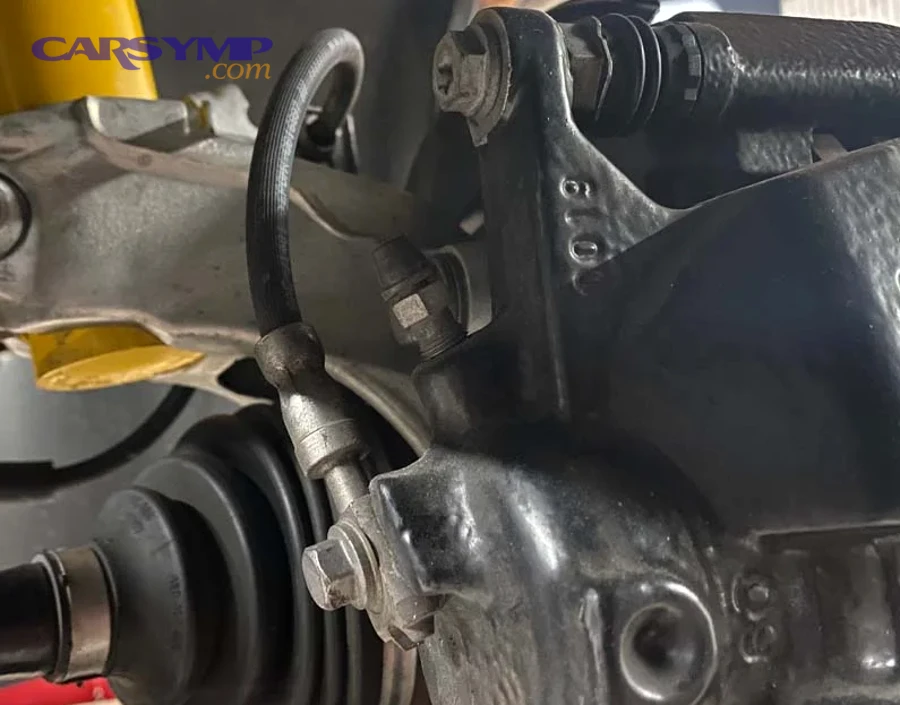
Step 1: Treat it as a loss-of-brakes scenario
A small seep can turn into a burst under pressure. Cụ thể, you may still have some braking now, but the next hard stop could drop pedal pressure dramatically if the leak enlarges.
Step 2: Find a safe place and minimize pedal pumping
If you are already on the road and notice a sudden pedal change, slow down carefully and pull over safely. Tuy nhiên, repeatedly pumping the pedal may temporarily build pressure in some faults, but it also accelerates fluid loss if a leak is present.
Step 3: Look for visible evidence without putting yourself at risk
Check around the wheels for wet streaks and look under the car for fresh drips. Bên cạnh đó, avoid touching any wet area near hot brake components, and do not crawl under a vehicle supported only by a jack.
Step 4: Do not rely on “topping off” as a solution
Adding fluid can restore pedal feel briefly, but it does not restore safety. Quan trọng hơn, the leak path remains and can fail at the worst moment—so the correct move is repair, not replenishment.
Step 5: If you must move the car a short distance
Only consider moving the car if braking still feels consistent and you can do so at very low speed in a controlled area. Tóm lại, if the pedal is sinking, travel is long, or warnings appear alongside poor braking, choose towing.
Contextual Border: Up to this point, you’ve focused on identifying symptoms and confirming likely hose-related faults. Next, we’ll expand into micro-level details that help you choose the right repair approach, prevent repeat failures, and avoid confusing hose leaks with other line issues.
Repair decisions, prevention, and expert-level clues for brake hose leaks
In this extended section, the goal is to help you pick the safest repair path, understand why some fixes fail early, and recognize less-obvious hydraulic behaviors that signal deeper issues. To keep the flow practical, each subtopic below ties back to a symptom pattern you can recognize.
When does a leaking hose require replacement vs resealing a fitting?
If the hose body is cracked, swollen, chafed, or weeping through the rubber, replacement is the correct fix—not resealing. Cụ thể, resealing applies only when the leak is clearly at a serviceable connection (like a properly designed banjo bolt with correct washers) and the hose itself is structurally sound.
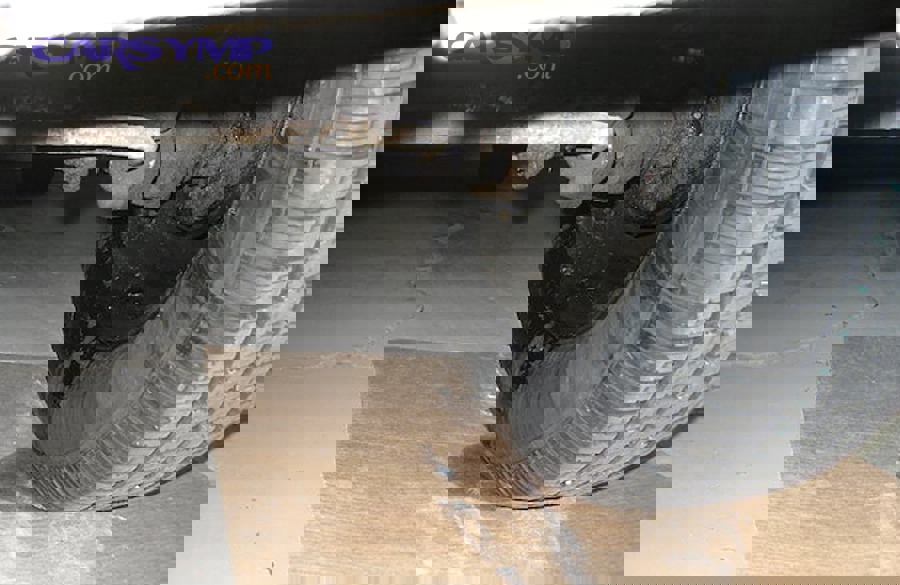
Hơn nữa, always consider the failure story: if abrasion caused the leak, simply resealing won’t stop the hose from rubbing again. A correct repair includes restoring routing, clips, and clearance.
How to avoid repeat brake hose failure after replacement
The best prevention is correct installation: no twist, correct routing, and secure clips that keep the hose away from moving or sharp parts. Cụ thể hơn, after installation, turn the steering lock-to-lock (front wheels) and check that the hose doesn’t tighten, kink, or contact the tire.
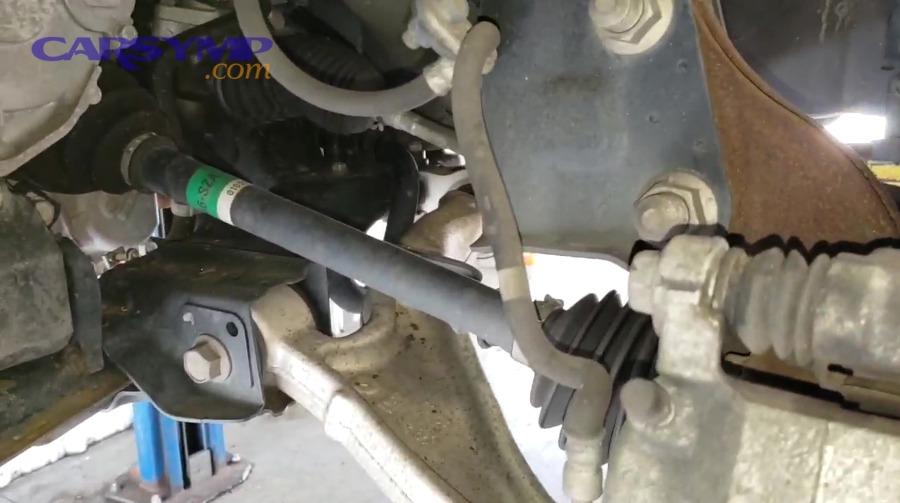
Ngoài ra, choose quality components and replace in pairs when appropriate (left/right) if age-related cracking is present on both sides, because similar service life often means similar failure timing.
How hose leaks relate to other hydraulic problems you should not ignore
A hose leak can coexist with other issues, so don’t stop at the first wet spot if symptoms don’t fully match. Cụ thể, if you see a brake fluid leak near one corner but also feel dragging at another, you may have multiple faults that appeared at the same time due to age.
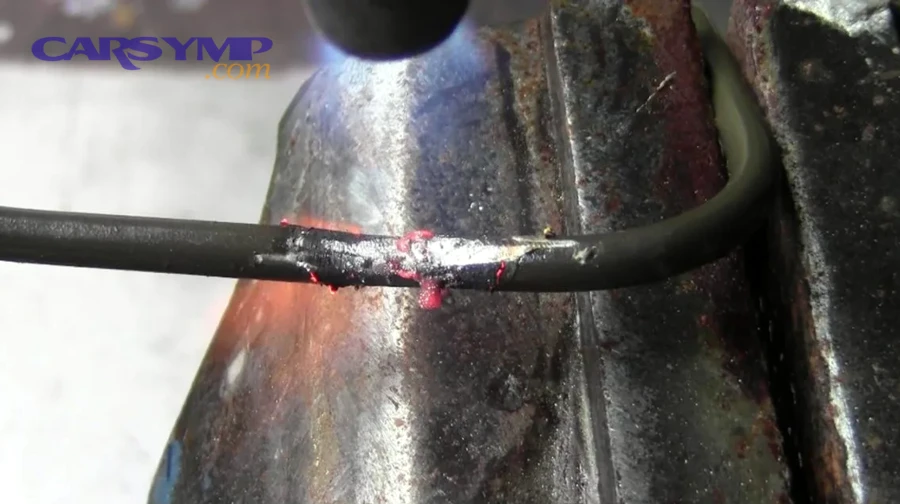
For example, a low reservoir from a brake fluid leak can introduce air into circuits, leading to spongy pedal even after the visible leak is repaired—so proper bleeding and verification are part of a complete fix.
Knowing your line condition matters: hard line rust vs hose issues
Flexible hoses fail from flex, abrasion, and rubber aging, while hard lines often fail from rust and external corrosion. Cụ thể hơn, if the wetness appears along a rigid metal tube under the car rather than at the wheel hose, you must consider “Brake line corrosion and replacement options” as a separate diagnostic branch.
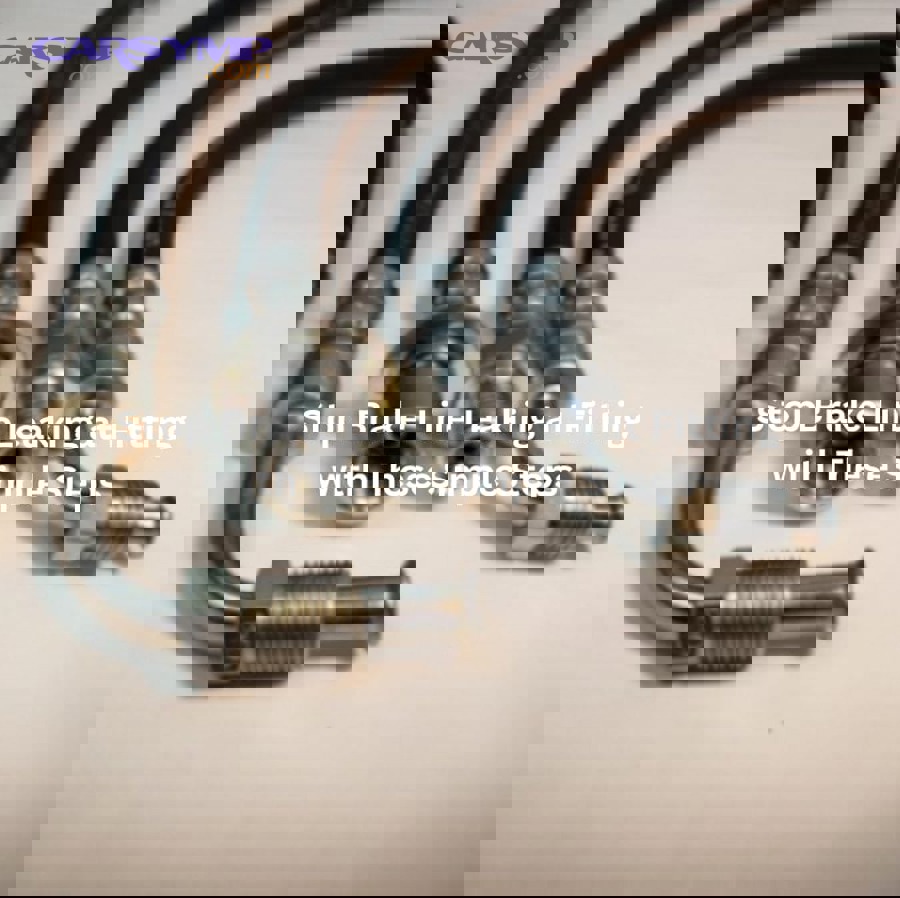
Ngược lại, wheel-area wetness with a clean hard line upstream points you back to the hose, the caliper inlet, and the immediate fittings near the suspension.
FAQ
Can brake hose leak symptoms come and go with weather?
Yes, they can appear worse in cold weather (stiffer rubber, changed seal behavior) or after wet conditions that reveal dampness more clearly. Tuy nhiên, a true hydraulic fault does not “heal”—if symptoms fluctuate, it often means the leak is pressure- or flex-dependent.
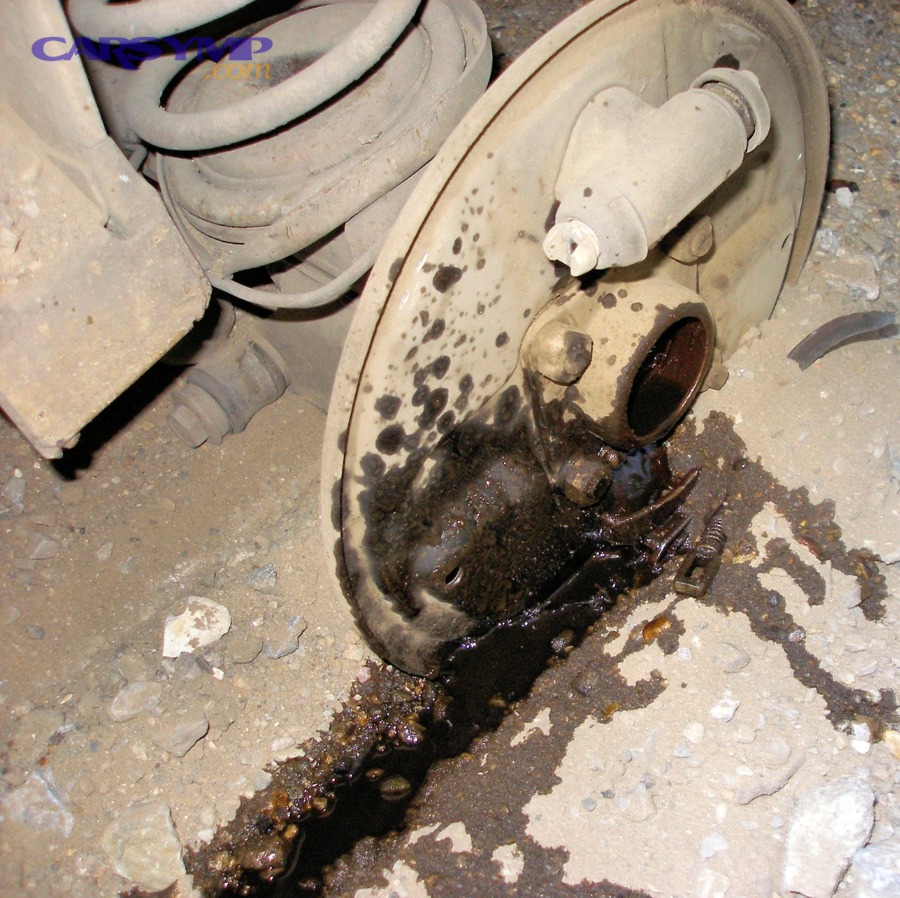
What does brake fluid look and feel like near a wheel?
It often appears as a clear to amber oily liquid that can collect dust into a dark film. Cụ thể, it may feel slick and can damage paint, so avoid wiping it across painted surfaces and use appropriate cleaning methods after repairs.
Could a warning light be the only symptom at first?
Sometimes a low-fluid warning can appear before you feel a major pedal change, especially if the leak is slow. Quan trọng hơn, if you’re searching for “What to do if brake warning light is on”, treat it as a prompt to check fluid level and inspect for wetness immediately rather than continuing normal driving.
Do I need to bleed brakes after replacing a leaking hose?
Yes, in most cases you must bleed the affected circuit because air can enter when the system is opened. Để bắt đầu, follow the correct bleed order for your vehicle and verify a firm pedal before returning to normal driving.