


Brake line corrosion can turn a normal stop into a long, scary pedal and a sudden loss of braking power, so the safest approach is to treat rusted hydraulic lines as a high-priority repair—not a “later” maintenance item.
Beyond safety, the right replacement strategy can reduce repeat repairs, keep the system sealed under pressure, and minimize future downtime—especially if you drive in salt, humidity, or coastal climates.
You’ll also want clarity on materials, fittings, and repair scope (a single section vs a full set), because those choices directly affect longevity, labor time, and how well the system resists future corrosion.
Tiếp theo, “Giới thiệu ý mới” we’ll walk through causes, early detection, decision rules, and practical replacement methods so you can choose an option that matches your vehicle, tools, and risk tolerance.
What causes brake line corrosion, and why is it so dangerous?
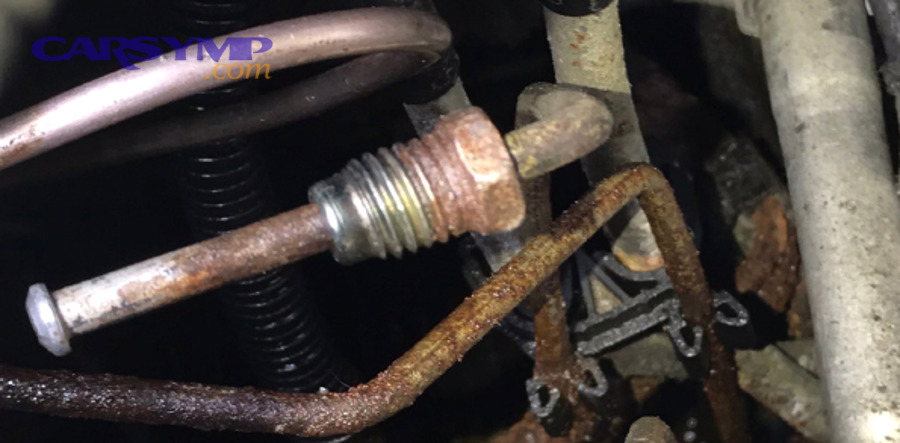
Brake line corrosion happens when steel tubing oxidizes from moisture and road chemicals, thinning the wall until it can seep, balloon, or burst under pressure. To start, the danger is that failure can be sudden during hard braking, not gradual.
After that, it helps to know where corrosion starts: salt and moisture collect on clips, brackets, and low points where the protective coating gets scraped. In other words, the line can look “mostly fine” yet be paper-thin under a clamp.
Which environments accelerate corrosion the most?
Winter road salt, coastal air, frequent rain, and muddy roads accelerate corrosion because they keep metal wet and carry electrolytes that speed oxidation. Dưới đây, if your area uses de-icers, corrosion risk is typically higher on older vehicles and vehicles with damaged underbody coatings.
Besides that, frequent short trips can leave moisture on the chassis longer, while heat cycles can crack old coatings. As a result, a car that “only drives locally” can still corrode quickly if it’s exposed daily.
Why can a line fail without obvious warning?
A corroded line may look rusty but intact until a high-pressure event—panic stop, downhill braking, or ABS activation—spikes pressure and the weakened section splits. Tuy nhiên, the failure point is often hidden behind a clip or under a plastic shield, so visual checks can miss it.
More importantly, brake hydraulics rely on sealed pressure. Once the seal is compromised, pedal travel increases and stopping distances can jump immediately. That’s why corrosion is treated as a safety-critical issue, not cosmetic rust.
Where should you inspect first on most vehicles?
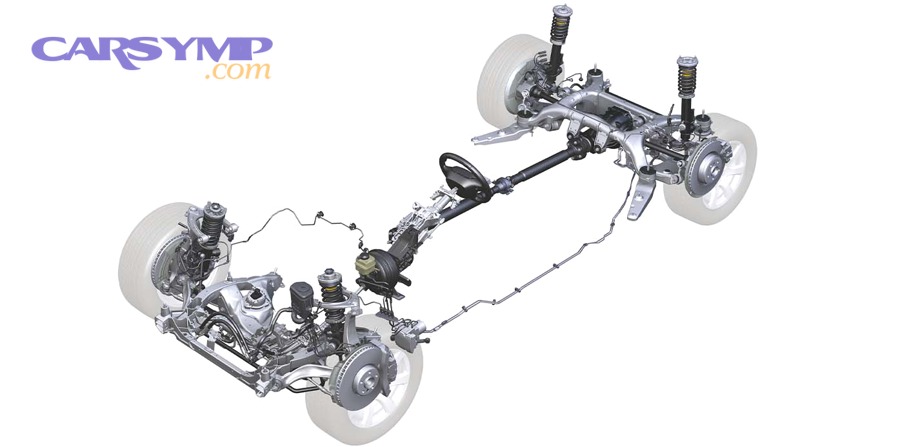
Start at the underbody “runs” from front to rear, then check where lines bend over the rear axle, near fuel tank shields, around mounting clips, and at unions. To begin, focus on spots that trap dirt and salt—those are common origin points.
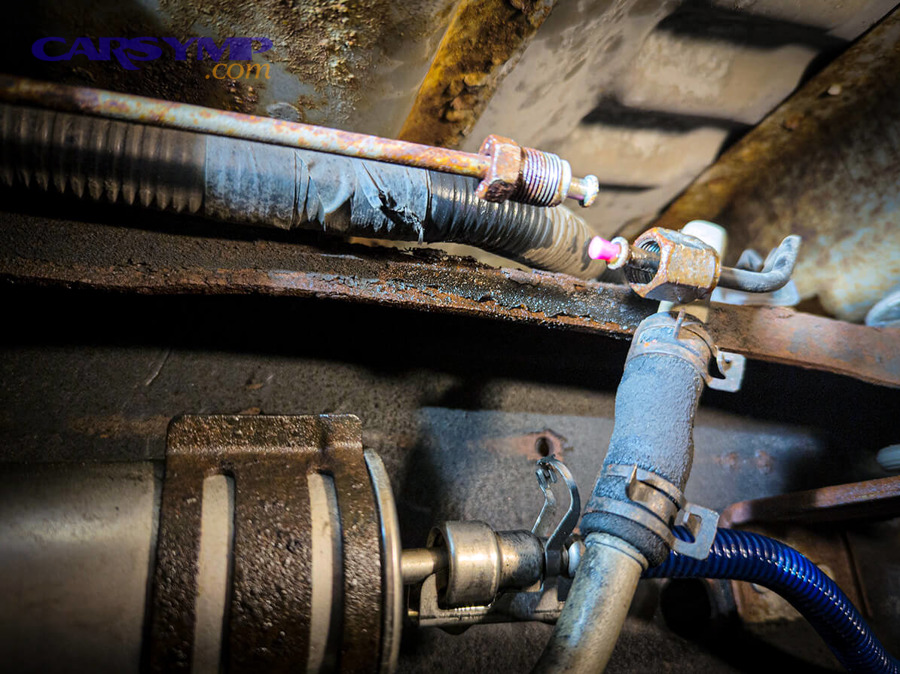
Next, look at transitions: hard line to flexible hose, and hard line near the master cylinder/ABS unit. Because these connections are exposed, they often show early corrosion at fittings even before the tube wall thins.
How can you spot brake line corrosion before it becomes a failure?
You can spot early corrosion by checking for flaking scale, deep pitting, wetness around fittings, and rust “blisters” under coating; then confirm by gently probing suspect sections. To start, don’t rely only on color—texture and pitting depth matter more.
After that, use a bright light and inspect with the wheels turned, then follow the lines by hand where safe. Specifically, you’re looking for rough, layered rust that can be scraped into powder—an indicator the metal is actively degrading.
What “surface rust” is acceptable vs what is not?
Light surface rust that doesn’t pit—where the tube still feels smooth and round—can be monitored, especially on newer lines with intact coating. Tuy nhiên, if your fingernail catches on pits, or scale flakes off in layers, that’s beyond “acceptable” for a pressure line.
To make this practical, classify it by touch: smooth (monitor), rough with shallow pits (plan replacement), deep pits/flaking (replace now). That way, you’re using a repeatable standard instead of guessing.
How do you safely “probe” a suspicious section?
Use a plastic pick or a small screwdriver lightly—never stab—then brush away loose scale to see if pitting remains. To begin, keep the tool pressure minimal; you’re evaluating metal thickness indirectly, not trying to puncture it.
Next, if the line dents unusually easily or crumbles at a clip point, treat it as compromised. In that case, avoid driving and move straight to replacement planning.
What symptoms can appear while driving?
Early line degradation can be silent, but warning signs may include a pedal that sinks over time, inconsistent brake feel, or a sudden need to pump the pedal. Besides that, if you ever notice a new warning light combined with reduced braking response, treat it as urgent.
Importantly, don’t confuse “pad wear” with hydraulic issues: pad wear usually feels predictable, while a hydraulic problem can change quickly between stops. Because of this, any sudden change deserves inspection.
Should you replace a corroded brake line immediately, or can it be repaired/treated?
Yes—replace immediately if corrosion is pitted/flaking or any wetness appears; no—don’t rely on cleaning/coating if the tube wall is already compromised. To start, pressure lines aren’t a place for “temporary fixes” because failure can be abrupt.
After that, a limited “treat” approach is only reasonable for mild surface rust with intact tubing and no pitting. However, the moment you see deep scaling near clips or fittings, replacement is the safer decision.
When is replacement non-negotiable?
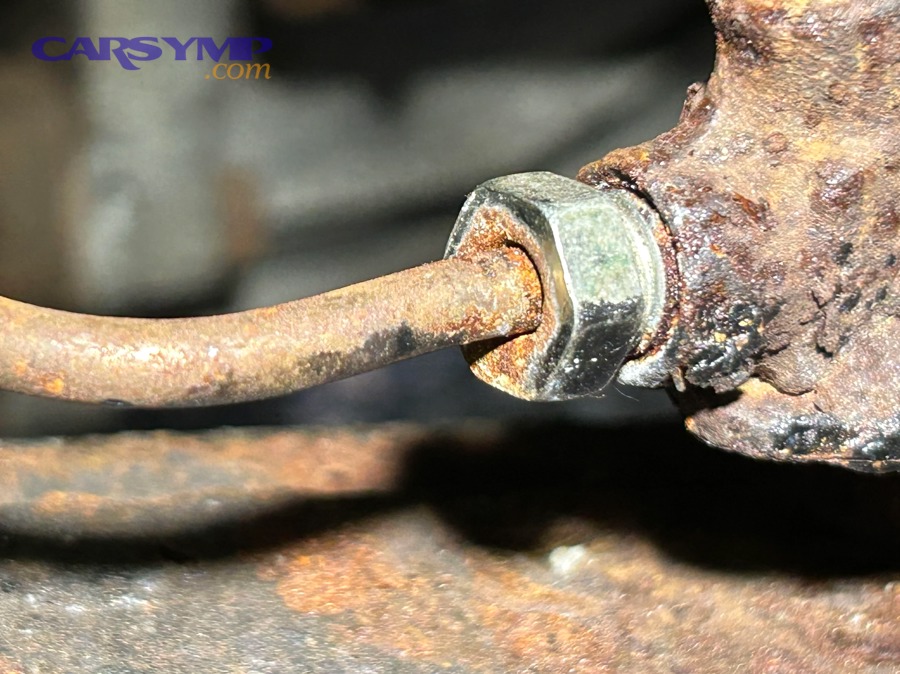
Replacement is non-negotiable if you see fluid dampness, swelling, cracks at bends, heavy flaking rust, or deep pitting—especially near brackets. Để bắt đầu, treat any visible wetness as “active leakage” until proven otherwise.
Also, if a fitting is seized and rounds off, forcing it can twist the line and create a weak point. So, if you can’t safely disconnect without distortion, plan to replace the affected section rather than reusing damaged tubing.
Can coating or rustproofing stop corrosion once it starts?
Coating can slow future corrosion only after you remove loose scale and confirm the tube is still structurally sound. Tuy nhiên, coating does not restore thickness; it can also hide advancing pits if applied over active rust.
Therefore, think of coating as prevention after repair—not a cure. In practice, the safest sequence is: inspect → replace weak sections → then protect new lines and clips.
What about “patching” with compression fittings?
Compression fittings are tempting because they’re quick, but many vehicle manufacturers and shops avoid them on brake hydraulics due to reliability concerns under vibration and heat. To begin, the best practice is to use proper flares and brake-rated unions designed for the correct flare type.
In short, if you must join, use a brake-line union with the correct flare standard, torque correctly, and confirm zero seepage under pressure. That leads to a repair that behaves like OEM rather than a workaround.
What replacement materials and line types should you choose?
There are three common choices: coated steel (OEM-like), stainless steel (corrosion resistant but harder to flare), and copper-nickel (CuNi) (high corrosion resistance and easy to shape). To start, match the material to your climate and tooling.
Next, the “best” choice depends on flare quality and installation skill as much as material. For example, a perfect CuNi double flare is safer than a poorly flared stainless line.
This table compares common brake line materials to help you choose based on corrosion resistance, ease of installation, and long-term durability. It helps you decide what to buy before you start bending and flaring.
| Material | Corrosion Resistance | Ease of Bending/Flaring | Best For | Tradeoffs |
|---|---|---|---|---|
| Coated Steel (OE-style) | Medium (depends on coating) | Medium | Stock replacement, budget repairs | Will corrode again in salt regions |
| Stainless Steel | High | Hard | Long-term builds, harsh climates | More difficult flares; higher risk if tools/technique are poor |
| Copper-Nickel (CuNi) | Very High | Easy | DIY-friendly, salt belt longevity | Must use correct fittings/flare; some shops have preferences |
Coated steel: when is it the smartest option?
Coated steel is smart when you want OEM-like routing, predictable fit with factory clips, and easy compatibility with standard flaring tools. To begin, it’s often the fastest route for daily drivers and fleet vehicles that must stay cost-effective.
However, in heavy salt regions, coated steel can still corrode over time—especially at chips and clamp points. So, pairing coated steel with better clips and protective coating is crucial if you want it to last.
Stainless steel: who should use it and who should avoid it?
Stainless is best for experienced installers with high-quality flaring tools because it resists corrosion extremely well but is less forgiving during flare formation. To begin, it’s ideal if you’re building for long service life and you can verify flare perfection.
Ngược lại, beginners may struggle to flare stainless consistently, creating micro-leaks that show up weeks later. That’s why many DIYers choose CuNi instead: similar corrosion benefit with easier workmanship.
Copper-nickel: why is it so popular for corrosion-prone regions?
Copper-nickel resists corrosion and bends smoothly without kinking, which makes it easier to route cleanly along OEM paths. To start, it helps you make long, gentle bends that reduce stress at fittings.
Besides that, CuNi forms high-quality flares with common tools, which improves sealing confidence. As a result, it’s often a practical “best balance” choice for longevity plus DIY success.
Should you replace one section, one axle’s lines, or the entire brake line set?
Replace the smallest section only if the rest of the system is clearly solid; replace an axle’s lines if corrosion is widespread in that zone; replace the full set if multiple runs show pitting or fittings are uniformly seized. To start, decision-making should be based on corrosion distribution, not just the visible leak.
Next, think like a reliability engineer: if one line is failing, neighboring lines likely share the same age, salt exposure, and clip wear. So, replacing more than one section can reduce repeat labor and future risk.
How do you “map” corrosion to choose the right scope?
Start at the worst section, then inspect forward and backward to the nearest solid, smooth tubing; mark every clip point and union that shows pitting. Dưới đây, if you find two or more compromised zones on the same run, it’s usually smarter to replace that entire run.
Next, check the opposite side: rear lines often corrode symmetrically because the environment is the same. That’s the hook—if the left rear line is failing, the right rear may be close behind.
What’s the risk of doing “just the leak spot”?
The risk is that you fix the visible failure but leave near-failure sections under other clips, leading to another leak soon. To begin, that creates repeated bleeding cycles, more exposure to air, and more time off the road.
Therefore, treat a leak repair as a reliability opportunity: replace enough line to ensure the next weakest point is not already on the brink. This approach often saves money in the long run.
When does a pre-bent kit make sense?
Pre-bent kits make sense when available for your model and you want OEM routing with minimal fabrication. To start, they can reduce time spent bending and can lower the chance of poor routing that rubs on suspension components.
However, if the kit is expensive, hard to source, or doesn’t match modifications, hand-fabricated CuNi or coated steel can be more flexible. So, choose pre-bent when fit certainty matters more than customization.
What tools, fittings, and flare types are required for a safe replacement?
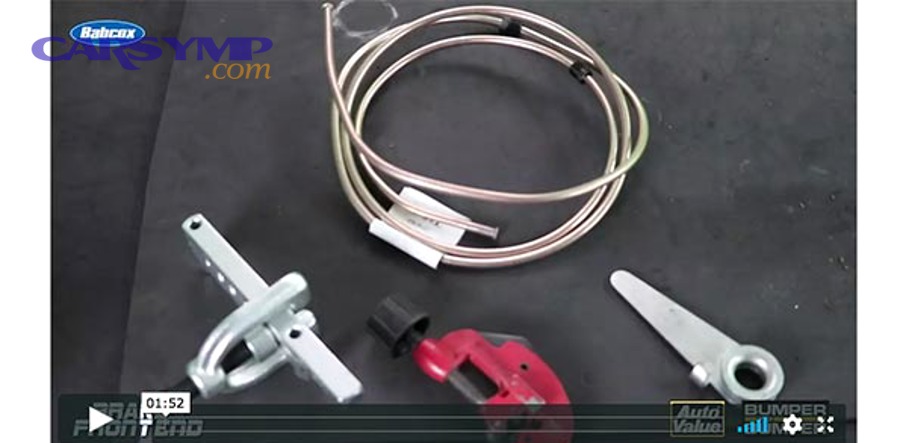
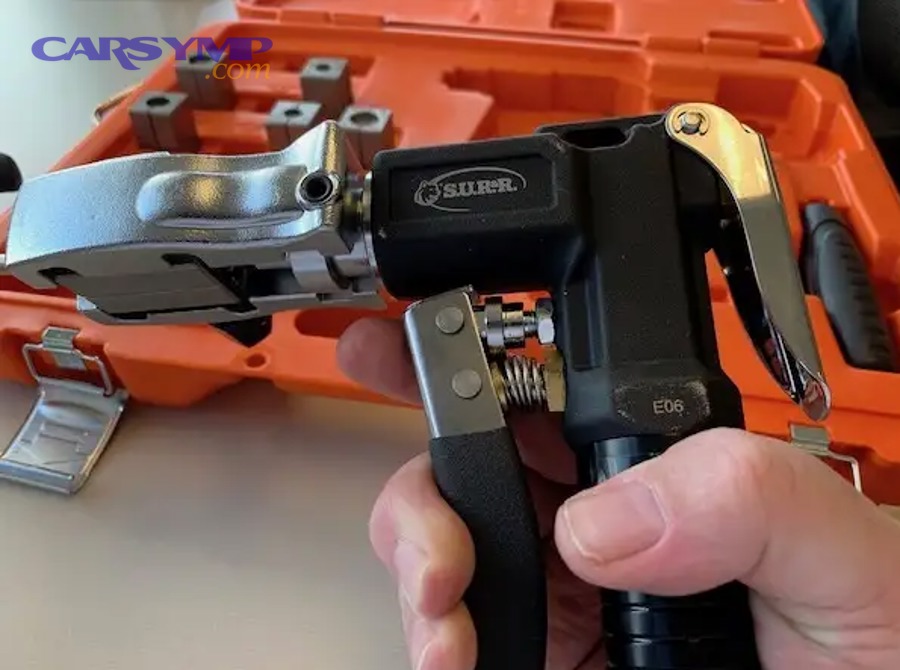
A safe brake line replacement requires the correct flare standard, a quality flaring tool, a tubing cutter, a deburring method, line wrenches, and proper clips to prevent vibration wear. To begin, the flare type must match the vehicle’s fittings or sealing will be unreliable.
Next, “good enough” tools often create slightly uneven flares that seep under pressure, so tool quality matters. In practice, the flaring tool is the heart of the repair.
What are the common flare types you’ll encounter?
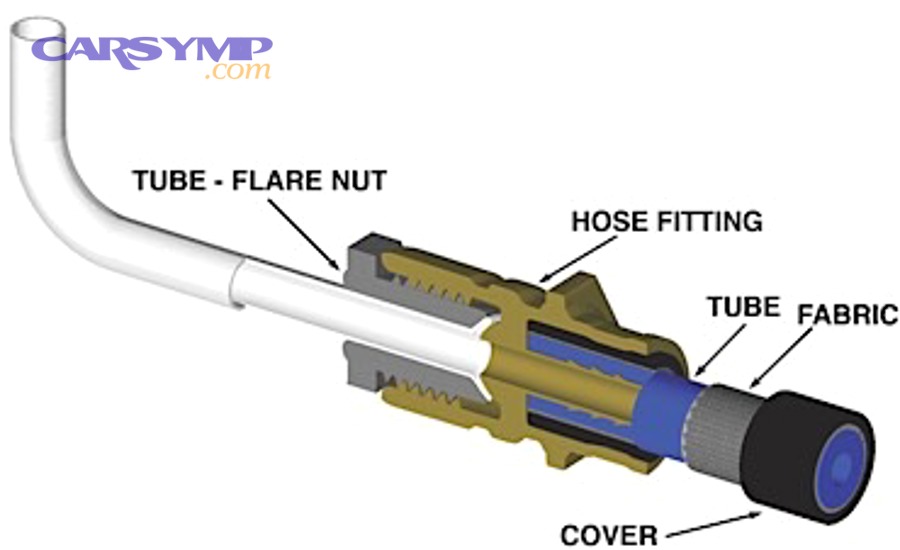
Common flares include double/inverted flare (common in many domestic vehicles) and ISO/bubble flare (common in many European and some Asian vehicles). To begin, you must identify which one you have before buying unions and fittings.
To make it simple, compare the original end: bubble flares look like a rounded “mushroom,” while double flares fold inward. Because mixing standards can cause leaks, matching the flare is non-negotiable.
Which fittings should you avoid reusing?
Avoid reusing fittings that are heavily rusted, rounded, or distorted, because they can’t torque correctly and may never seal consistently. To start, if the hex corners are soft or the seat looks damaged, replace it.
Besides that, old clips that pinch or rub the line can recreate the same corrosion and wear point. So, treat clips and grommets as part of the replacement, not optional extras.
How do you prevent kinks and stress points during fabrication?
Use a proper tubing bender for tight radii, keep bends smooth and gradual, and follow the original routing with clearance from moving parts. To begin, avoid “hand bending” near the flare ends; that’s where stress concentrates.
Next, leave enough straight length before the flare so the flare forms square and seats properly. This detail reduces the chance of micro-seepage and fatigue cracks later.
How do you replace a corroded brake line step-by-step without introducing new problems?
The best method is to replace in measured steps—depressurize, remove, pattern-match, fabricate with correct flares, install with proper routing, then bleed and verify under pressure. To start, the key is controlling contamination and air entry so the pedal feel returns correctly.
Next, focus on the hardest part first: getting clean disconnects at fittings without twisting other lines. After that, the fabrication is straightforward if you keep lengths accurate and flares perfect.
Step 1: Make the job safe and reduce system mess
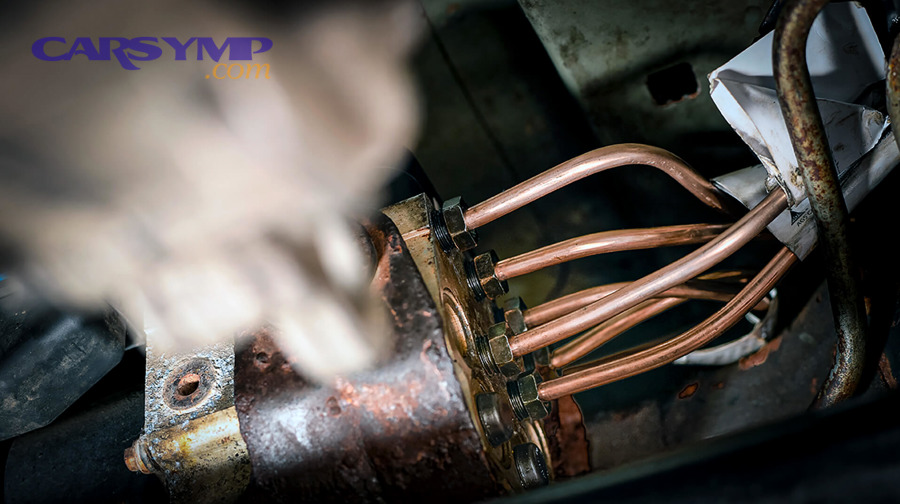
Park level, secure the vehicle on stands, protect painted surfaces, and clean around fittings before loosening. To begin, dirt around fittings can fall into open ports, so brushing and wiping is a small step that prevents big headaches.
Next, have caps or clean plugs ready for open ports and a catch bottle for drips. That way, you keep the system cleaner and reduce the chance of aerating the fluid.
In the middle of diagnosis and repair planning, you may also encounter related clues such as brake fluid leak residue patterns around a union; treat those as signals to inspect neighboring sections, not as isolated stains.
Step 2: Remove the old line without damaging surrounding components
Use line wrenches, apply penetrating oil, and support the tubing near fittings so torque doesn’t twist the line into a spiral. To start, if the fitting fights you, work it back-and-forth gently rather than forcing a single hard turn.
Then, if a fitting rounds off, stop and switch to a removal strategy (better grips, heat where appropriate, or replacing the mating component). Otherwise, you can create extra damage that multiplies costs.
As you remove parts, keep your thinking aligned with system-level troubleshooting: sometimes the root cause story overlaps with Leak at caliper vs line vs master cylinder diagnosis, so note where wetness begins and where it only travels.
Step 3: Fabricate the new line with accurate length and correct flare
Measure the original line, add a small margin, cut square, deburr inside and out, then form the flare perfectly centered and smooth. To begin, always slide the fitting nut onto the tube before you flare—this is the most common DIY mistake.
Next, make bends gradually, checking against the original route so you don’t create rubbing points. Specifically, avoid routing lines where they can contact suspension arms, steering components, or exhaust heat.
When deciding routing and adjacent components to inspect, remember that flexible connections can contribute clues like Brake hose leak symptoms—if the hose area is wet, you may be replacing more than just the hard line segment.
Step 4: Install, torque correctly, bleed, and verify under pressure
Install by hand-threading fittings first, secure with proper clips, then torque snugly without over-tightening; finally bleed using the correct sequence for your vehicle. To start, the most important check is a dry system: any seepage means rework before driving.
Next, do a static pressure test: hold firm pedal pressure for 30–60 seconds and look for wetness at every connection. After that, road-test cautiously in a safe area and re-check again.
In emergencies, drivers sometimes ask Can you drive with a brake fluid leak; the safest answer is that you should not rely on a compromised hydraulic system, and the correct move is repair or tow rather than risk sudden pressure loss.
How can you prevent future corrosion after replacing brake lines?
You prevent future corrosion by choosing corrosion-resistant material, improving protection at clips, keeping lines clean, and applying appropriate underbody protection without trapping moisture. To start, the prevention goal is simple: keep salt and water from sitting on bare metal.
Next, the “small” details—like new clips, proper grommets, and smart routing—often determine whether the repair lasts years or repeats soon. So, prevention isn’t a separate job; it’s built into how you install.
What protective measures work without causing hidden rust?
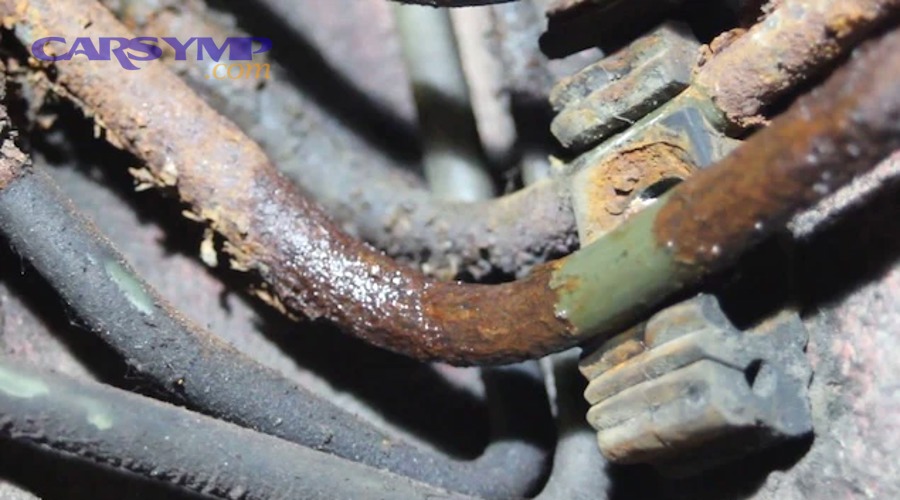
Use non-porous coatings intended for underbody protection, but apply them on clean, dry metal and avoid sealing over active rust. To begin, if you spray over damp grime, you can trap moisture and speed corrosion underneath.
Also, avoid thick coatings at clamp points where dirt collects—choose clips that minimize abrasion. That’s the tradeoff: protection must not create a moisture pocket.
How should you route and secure lines to avoid wear-through?
Follow OEM paths, maintain clearance from moving parts, and secure with clips that hold firmly but don’t chafe. To start, vibration is a hidden enemy: a line can wear through from rubbing even if it never rusts significantly.
Next, check clearances at full steering lock and full suspension travel. This step prevents the “it looked fine on stands” surprise later.
What maintenance habit catches corrosion early?
Rinse the underbody after salt exposure, inspect annually before winter, and re-check clip points where coatings get scraped. To begin, a quick seasonal inspection is more valuable than waiting for a symptom.
In addition, use a flashlight and look for fresh rust streaks or wetness near unions. As a result, you can plan replacements proactively instead of reacting to a sudden failure.
Contextual Border: From here, we move beyond the core replacement workflow into rarer constraints, system-specific edge cases, and the most common questions that shape final material and repair decisions.
What FAQs and rare scenarios affect brake line replacement choices?
Rare constraints include local inspection rules, shop policies, ABS bleeding complexity, and pricing transparency; understanding these prevents rework and delays. To start, the safest plan is the one that fits both your vehicle’s requirements and your local realities.
Is copper-nickel acceptable everywhere, and will shops work with it?
Copper-nickel is widely used and valued for corrosion resistance, but acceptance can vary by local inspection practice and individual shop policy. To begin, if you plan to have a shop finish the job, ask whether they’ll flare and warranty CuNi lines.
Next, keep documentation of material spec and use brake-rated fittings and correct flares. This helps avoid disputes where the issue is actually flare quality rather than material choice.
How do ABS systems change the bleeding and verification process?
ABS-equipped vehicles may require a specific bleeding sequence, and some situations need scan-tool activation to cycle valves if air entered the ABS unit. To start, avoid letting the reservoir run low during line replacement to reduce the chance of air traveling deep into the system.
Besides that, perform repeated leak checks after the first drive because small seepage can appear only after pressure cycles. That’s why verification should be staged, not a single glance.
What should you do if fittings are seized or the line snaps during removal?
If a fitting is seized, stop escalating force and switch to a controlled plan: penetrating oil, correct wrenching technique, and readiness to replace the mating component if needed. To begin, snapped tubing often means the remaining tube was too weak to reuse anyway.
Next, don’t “chase” the problem by reusing questionable fittings; replace unions and consider replacing a longer run. This reduces the risk of repeating the same failure at the next corroded point.
How can you judge professional quotes and avoid incomplete repairs?
A good quote specifies the line material, the scope (which runs are replaced), new fittings/clips, bleeding procedure, and a leak re-check plan. To start, avoid quotes that only say “repair leak” with no detail—those often imply a minimal patch.
Next, ask whether the shop will inspect adjacent lines and document corrosion mapping, because that’s how you prevent repeat failures. Overall, the best value is a durable scope that reduces future visits, not the smallest upfront number.