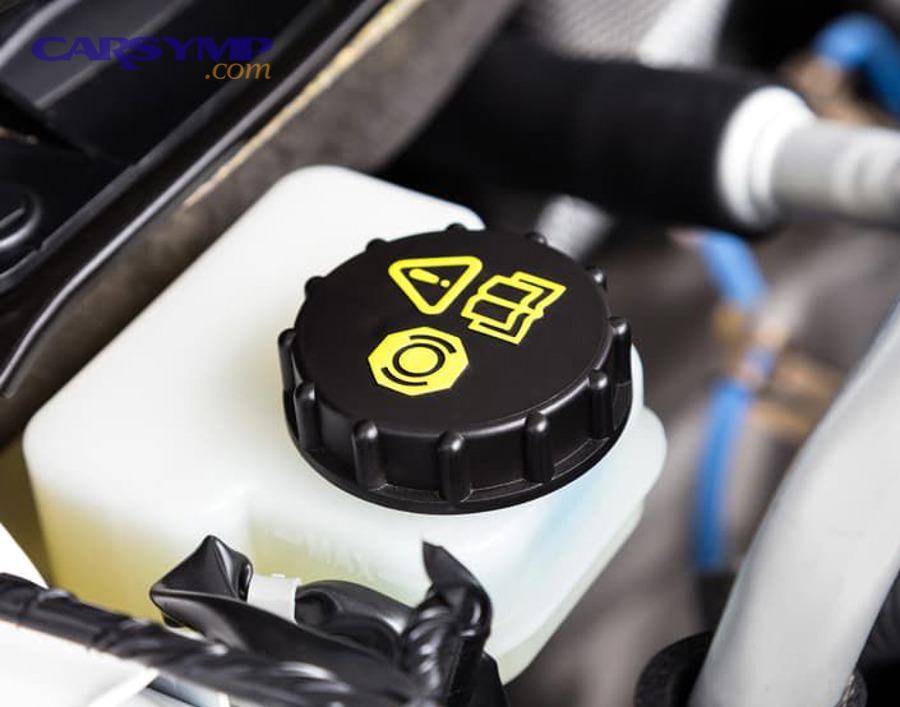
A brake fluid leak repair cost estimate is possible, but it’s never one flat number: the final price depends on where the leak is, how accessible the part is, and whether the system needs additional work like bleeding, line replacement, or ABS-safe procedures.
Besides the total cost, most drivers also want to know what they’re paying for—parts vs labor, shop fees, and whether the repair is urgent or can wait until a scheduled visit.
Many estimates also change after inspection because the leak’s source is misidentified at first glance, so knowing how shops confirm the leak location can prevent surprise add-ons.
After that, the most important thing is safety: if the brake warning light is on or the pedal feel changes, you need a decision checklist that connects risk to repair urgency. To introduce a new idea, below is a practical cost framework you can use before you approve any work.
How much does a brake fluid leak repair usually cost, and why does it vary so much?
It varies because the same symptom can come from different leak points, and each leak point has a different parts price, labor time, and likelihood of extra steps like bleeding or replacing corroded hardware.
To start, think of an estimate as three buckets: diagnosis + parts + labor (plus fluid/bleed). After that, the ranges below help you spot whether a quote is reasonable or missing steps.
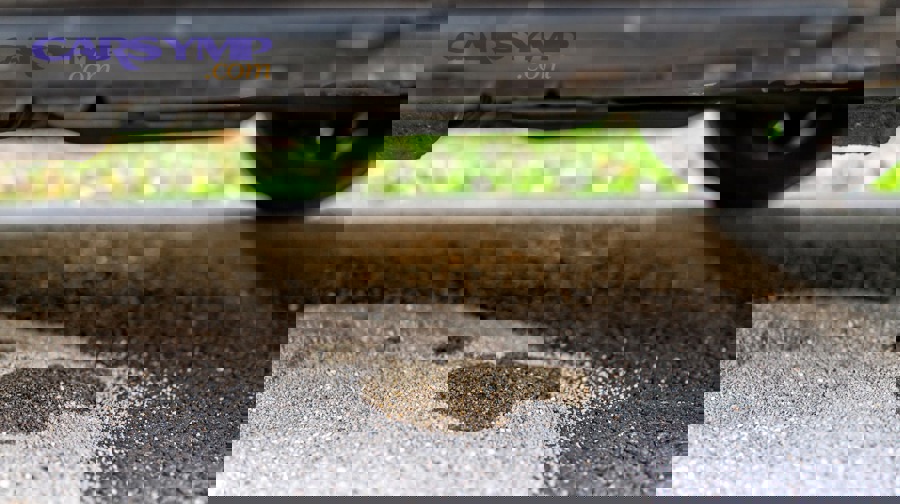
Typical cost ranges by leak location (real-world estimate bands)
Most brake fluid leak repairs land in one of these bands, assuming a common passenger vehicle and a standard shop rate; however, complex access or heavy corrosion can push you up a tier.
Next, use the table to compare what a shop is proposing against what the leak location usually implies in parts and labor.
This table contains common leak sources and typical cost bands, so you can sanity-check a quote before authorizing repairs.
| Leak source (common) | What’s usually replaced | Typical labor complexity | Typical total cost band (USD) |
|---|---|---|---|
| Bleeder screw / caliper fitting seep | Bleeder screw, sealing surface cleanup, sometimes caliper | Low to medium | $80–$350 |
| Brake hose leak (rubber flex hose) | Brake hose + banjo washers, fluid, bleed | Medium | $150–$450 |
| Brake hard line corrosion / pinhole | Section of line or full line + fittings, fluid, bleed | Medium to high | $200–$900 |
| Caliper leak (piston seal/body crack) | Rebuilt/new caliper + pads/hardware as needed, fluid, bleed | Medium | $250–$800 |
| Wheel cylinder leak (rear drum) | Wheel cylinder + shoes/hardware often, fluid, bleed | Medium | $200–$650 |
| Master cylinder external leak | Master cylinder + bench bleed, fluid, bleed | Medium | $250–$900 |
| ABS hydraulic unit / module leak (rare) | ABS unit (and sometimes programming), fluid, bleed | High | $900–$2,800+ |
What causes the biggest swings in the quote?
The biggest swings come from access time, rust, and whether the shop must replace related wear items to restore safe braking after the leak is fixed.
After that, these factors usually decide whether you get a “simple leak fix” price or a “system restoration” price:
- Access and packaging: some master cylinders, lines, and ABS units require removing intake, battery trays, subframe shields, or fender liners.
- Corrosion and seized fittings: rusted flare nuts and bleeders increase labor and may force replacement of more line than planned.
- Contamination and heat damage: leaking fluid can soak pads/shoes or degrade rubber; fixing only the leak may not restore braking performance.
- Bleeding complexity: some vehicles need scan-tool ABS bleed routines, adding time and shop charges.
- Shop rate differences: labor rates vary by region; the same job can differ by hundreds.
To connect the dots, if a quote looks low, it may be skipping bleeding, hardware, or corrosion risk—so your next step is to verify what’s included.
What should be included in a fair estimate?
A fair estimate includes diagnosis, correct parts, brake fluid, and a complete bleeding procedure that restores pedal feel and braking consistency.
Next, compare the itemized quote against this checklist; if multiple items are missing, expect either a change order later or an incomplete repair.
- Leak confirmation method: visual proof, cleaning + recheck, or pressure-assisted inspection.
- Parts list with quality tier: OEM vs aftermarket vs rebuilt; warranty terms.
- Brake fluid type and quantity: DOT spec and number of bottles/units.
- Bleed procedure: manual bleed, pressure/vacuum bleed, and whether ABS bleed is required.
- Shop supplies and disposal: reasonable fees, clearly stated.
- Related wear items: pads/shoes/hardware if contaminated or worn to unsafe limits.
To understand it even better, the next section shows how shops identify the leak source—because that drives the estimate more than anything else.
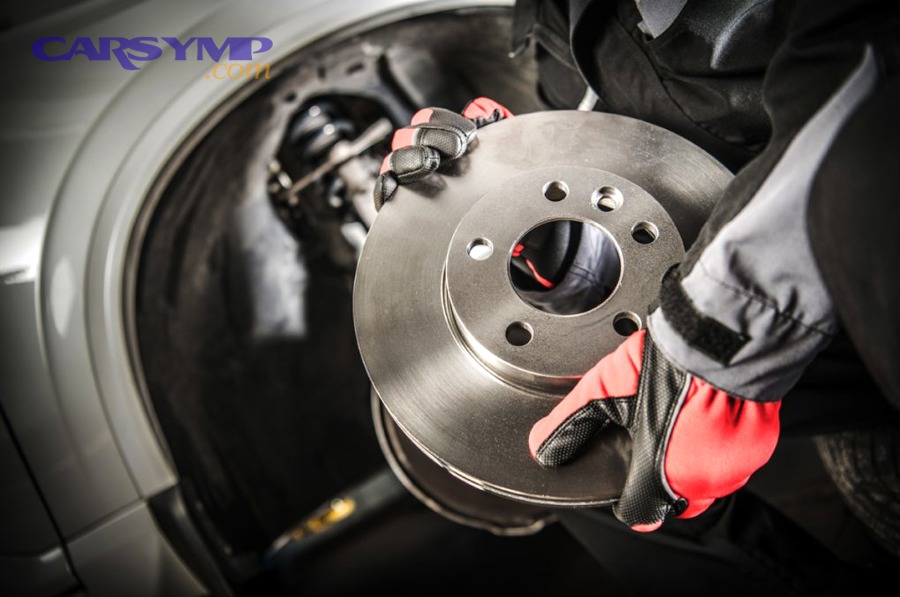
How do shops confirm the leak location before quoting the repair?
They confirm it by cleaning the area, checking fluid level and pedal feel, then tracing fresh fluid under pressure from the reservoir to the wheels and along the frame lines.
After that, the key is distinguishing “wet from spilled fluid” vs “wet from active leakage,” because only active leakage predicts what must be replaced.
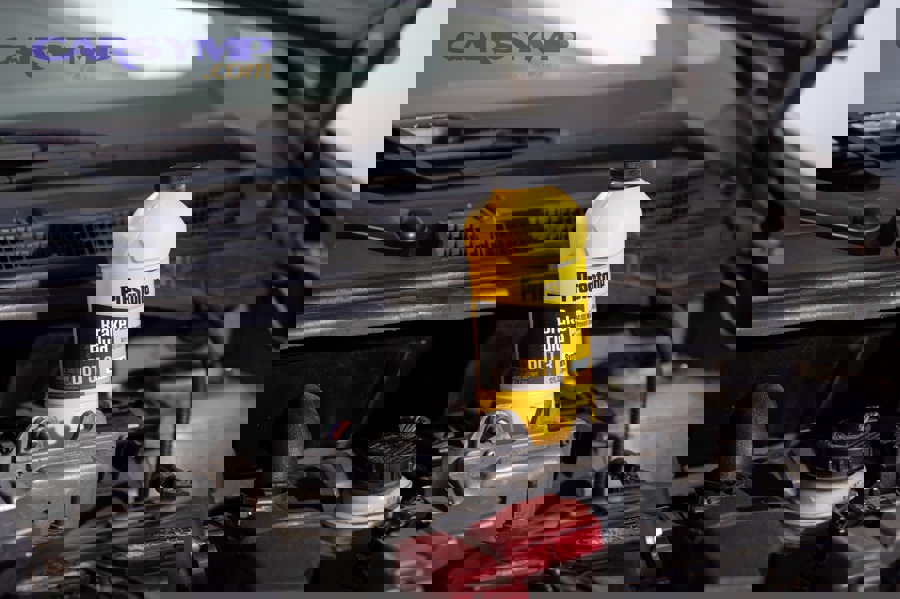
Step-by-step: the quick diagnostic workflow that affects cost
The most common workflow is: verify warning lights and fluid level, inspect each wheel area, then inspect the master cylinder/booster and lines; this minimizes misquotes and reduces unnecessary replacements.
Next, here’s what that looks like in real terms:
- Safety triage: check brake warning light, ABS light, and pedal travel; if the pedal sinks, the car may not be safe to move.
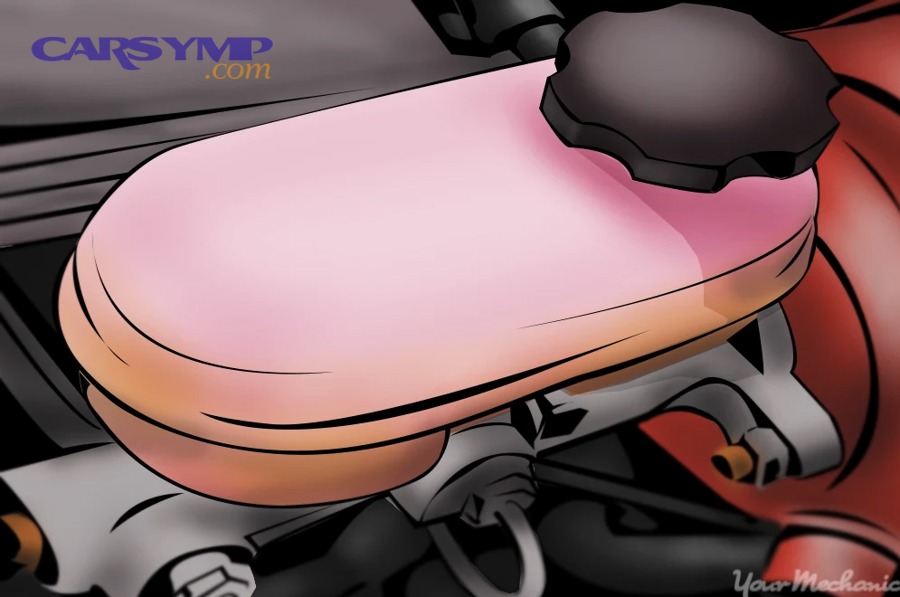
- Reservoir check: confirm fluid level drop; top-off only if needed to avoid air ingestion during inspection.
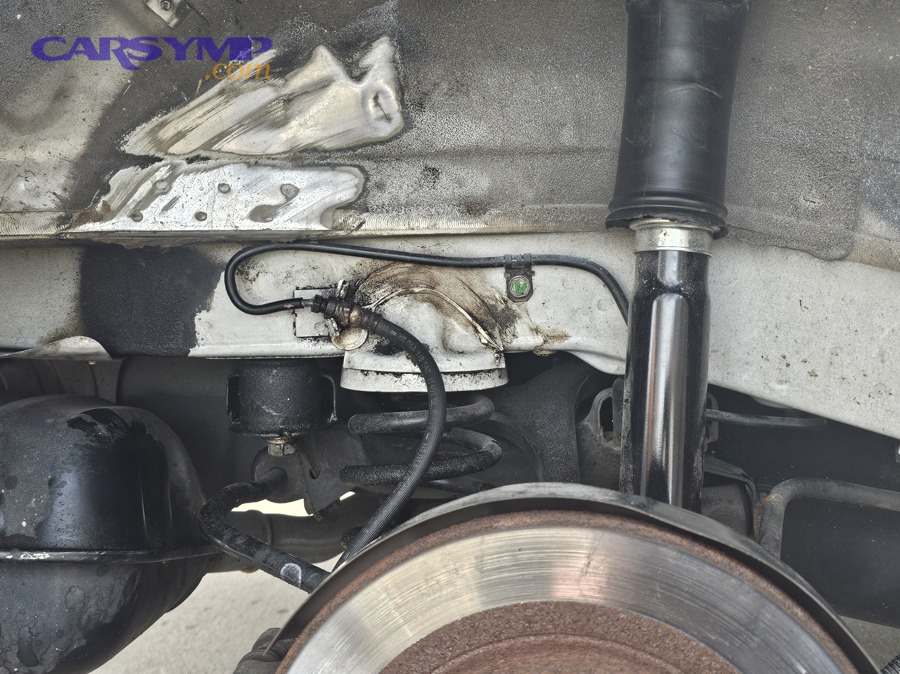
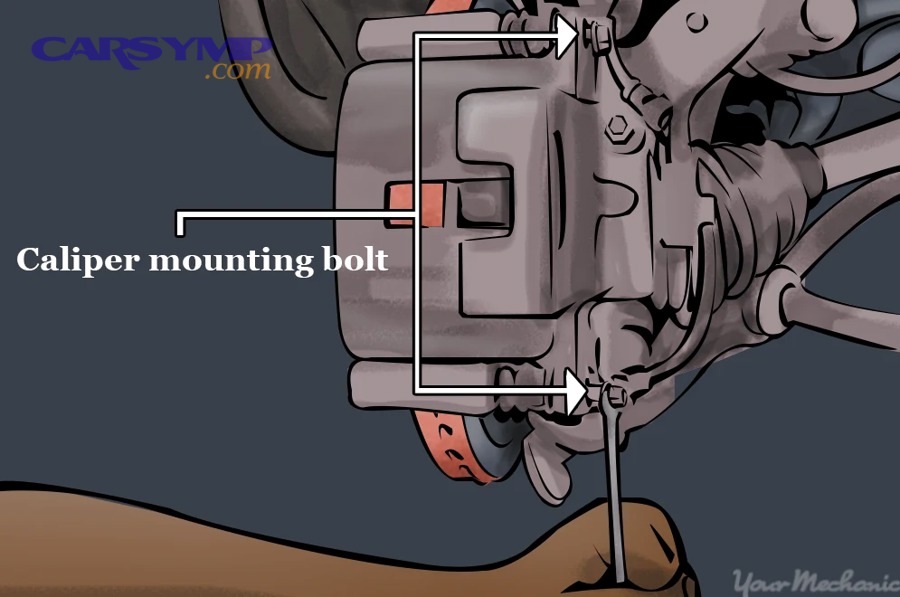
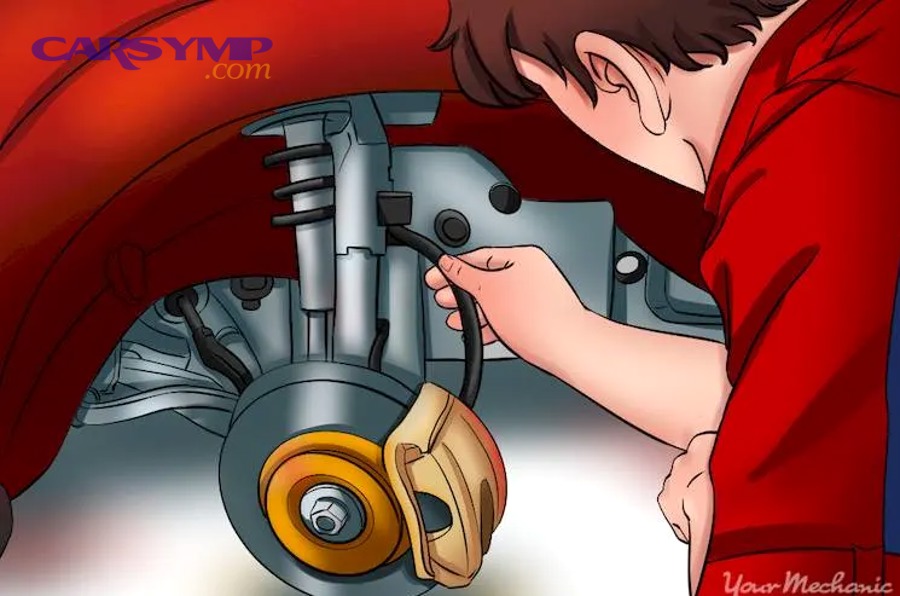
- Wheel-end inspection: look behind each tire for wet calipers, wet backing plates, or fluid on the inside rim.
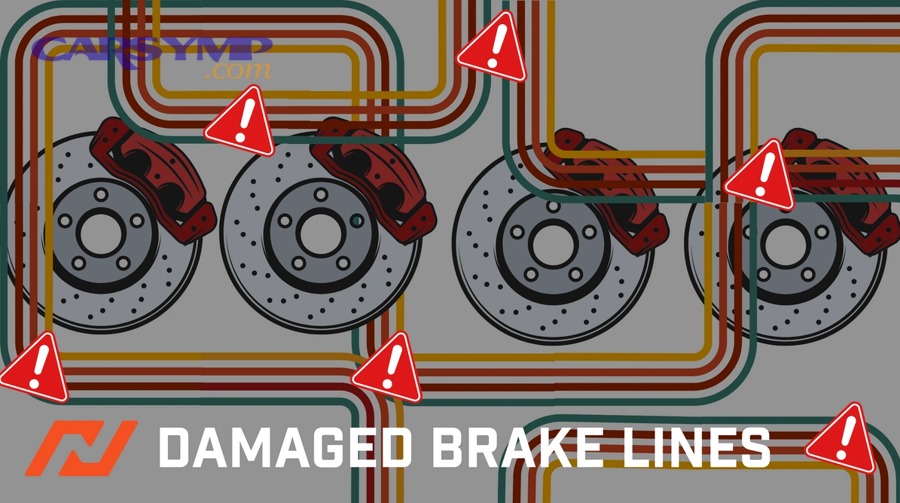
- Line inspection: follow hard lines along the underbody for rust blisters, wet spots, and drips at junction blocks.
- Master/booster inspection: check where the master cylinder meets the brake booster; leaks here often mimic other issues.
- Pressure confirmation: apply pedal pressure while observing suspected areas; fresh seepage identifies the active point.
To keep the flow going, once the leak location is known, the estimate becomes a parts-and-labor math problem—so next we break down quotes by caliper, line, and master cylinder.
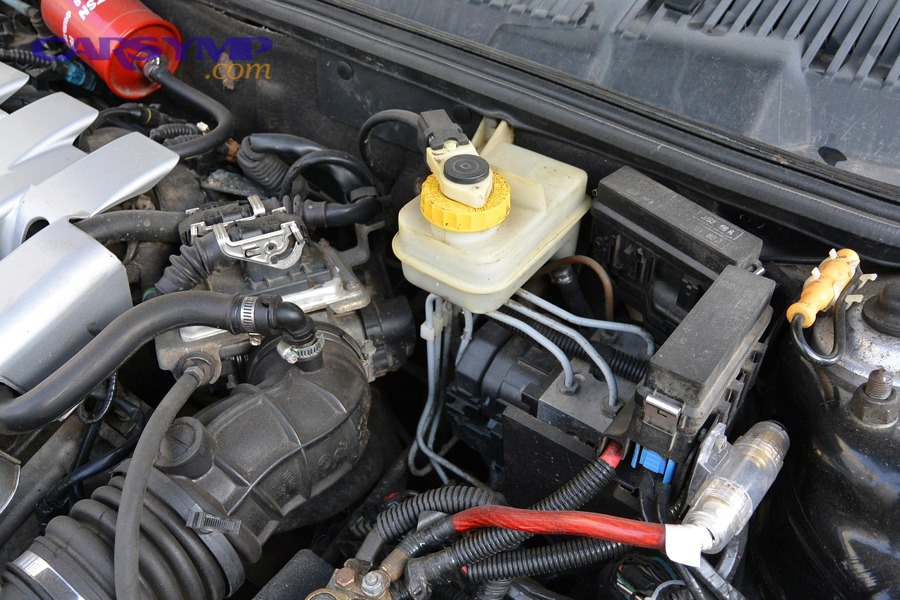
Why misdiagnosis happens (and how to prevent paying twice)
Misdiagnosis happens when fluid spreads and drips away from the source, making a “downstream” component look guilty even though the leak started higher up.
In other words, brake fluid can travel along dust shields, hoses, or frame rails, so the wettest spot is not always the source. After that, these are the common traps:
- Gravity drip confusion: a master cylinder leak can drip down and look like a line leak.
- Road splash masking: wet roads and grime can hide slow leaks until pressure is applied.
- Recent service residue: spilled fluid after service can mimic leakage if not cleaned and rechecked.
To avoid paying twice, ask for a photo/video of active seepage under pressure, and ask whether the area was cleaned before the final diagnosis.
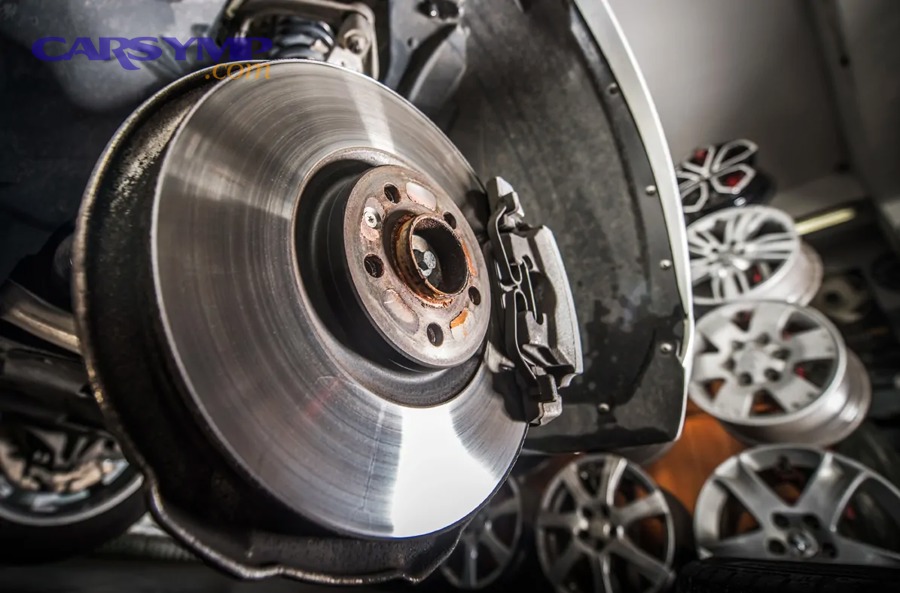
Leak at caliper vs line vs master cylinder: what does each repair usually cost?
Caliper leaks often cost more than hoses but less than extensive line corrosion, while master cylinder repairs can swing widely depending on access and whether related symptoms point to internal failure.
Next, we’ll translate each leak type into what’s typically replaced, what labor steps happen, and what costs jump if rust or contamination is present.
Caliper leak repairs: what drives the estimate?
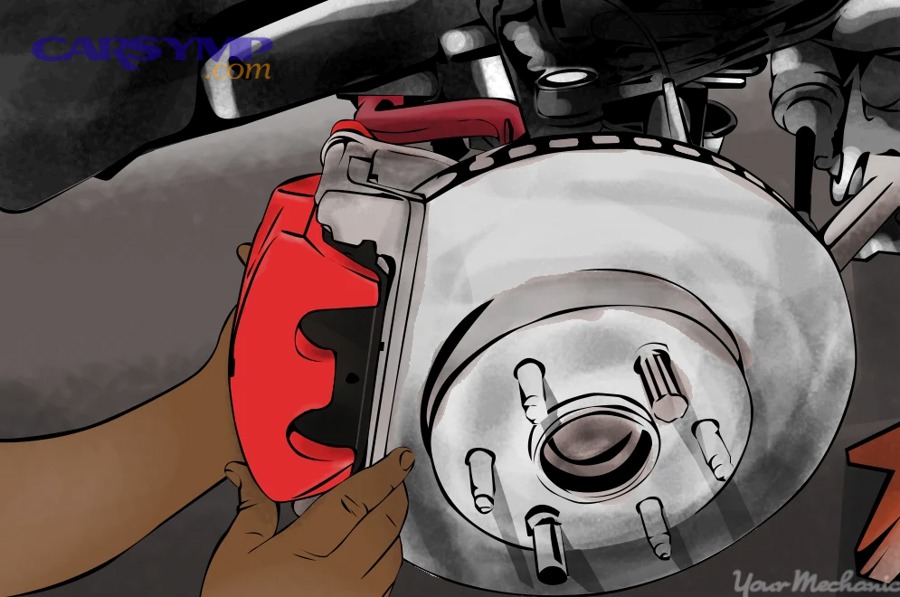
A caliper leak estimate usually includes the caliper assembly, brake fluid, and bleeding, and it may include pads/rotor service if the leak contaminated friction material.
After that, cost changes depend on whether the caliper is rebuilt or new, and whether hardware is seized:
- Rebuilt vs new: rebuilt is often cheaper; new can reduce comeback risk, especially in rust-belt conditions.
- Single vs pair replacement: many shops recommend replacing calipers in pairs on the same axle for balanced braking; this can roughly double parts.
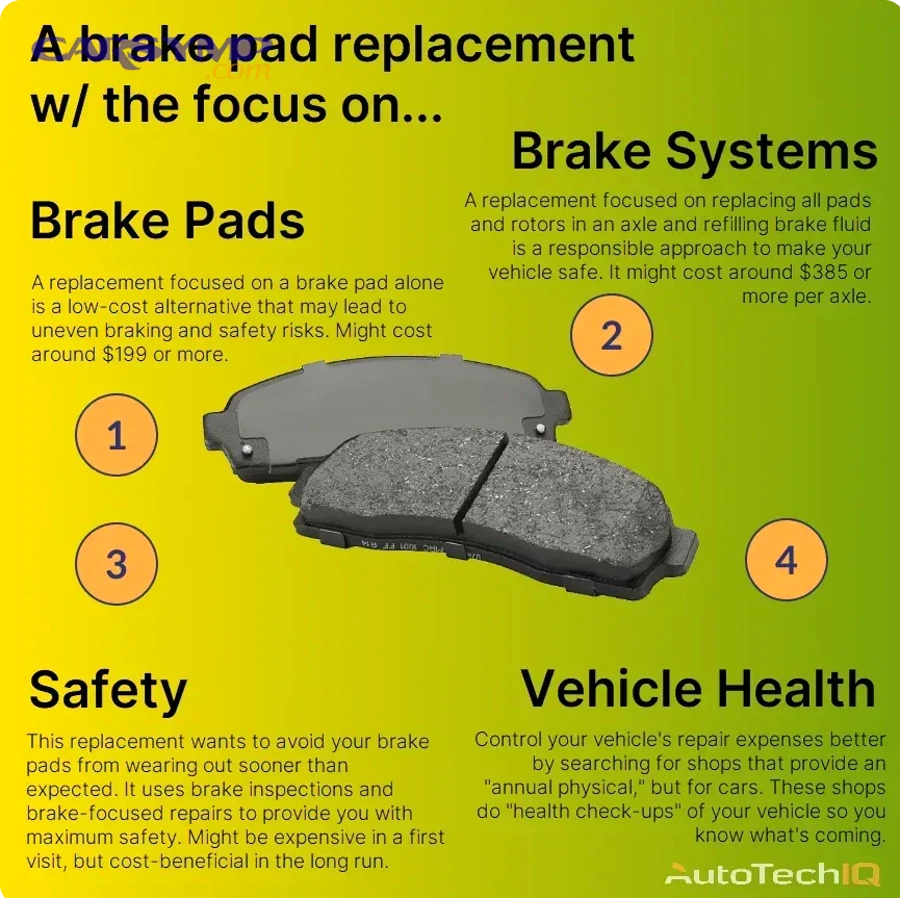
- Contaminated pads: if fluid soaked the pad surface, replacement is usually recommended for consistent braking and noise control.
- Slide pin/hardware condition: seized pins add labor and can require bracket/hardware replacement.
To illustrate, a “caliper only” quote can be moderate, but once pads/hardware are added, the total commonly moves into the mid-range bands.
Brake line repairs: why corrosion changes everything
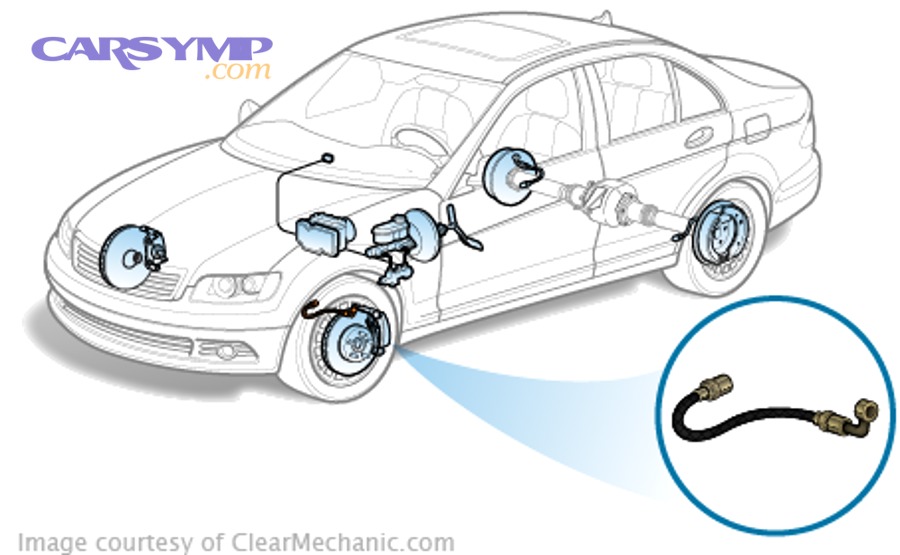
Brake line repairs range from moderate to expensive because a tiny pinhole may require a longer section replacement if the surrounding line is thin, rusty, or prone to future failure.
After that, the quote depends on the repair approach:
- Patch/section repair: replacing a section with proper flares and fittings can be cost-effective if the rest of the line is healthy.
- Full line replacement: needed when corrosion is widespread; routing and access drive labor.
- Fitting seizure risk: flare nuts at junction blocks can strip or snap, increasing labor and expanding scope.
- Routing complexity: lines over the fuel tank/subframe can require extra disassembly.
To connect to pricing, line corrosion is one of the most common reasons an initial estimate grows after teardown, so a conservative quote may include a contingency line item.
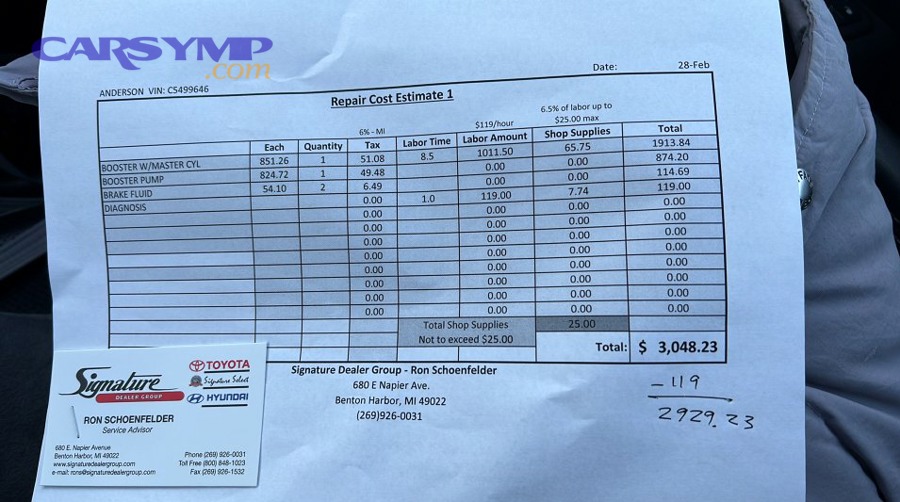
Master cylinder leak repairs: when the estimate climbs
Master cylinder repair costs climb when the leak is combined with internal bypass symptoms, difficult access, or fluid contamination in the booster area that requires extra cleanup and testing.
Next, watch for the symptoms that push a simple seal/replace job into a broader brake system service.
What are master cylinder leak symptoms, and how do they affect the quote?
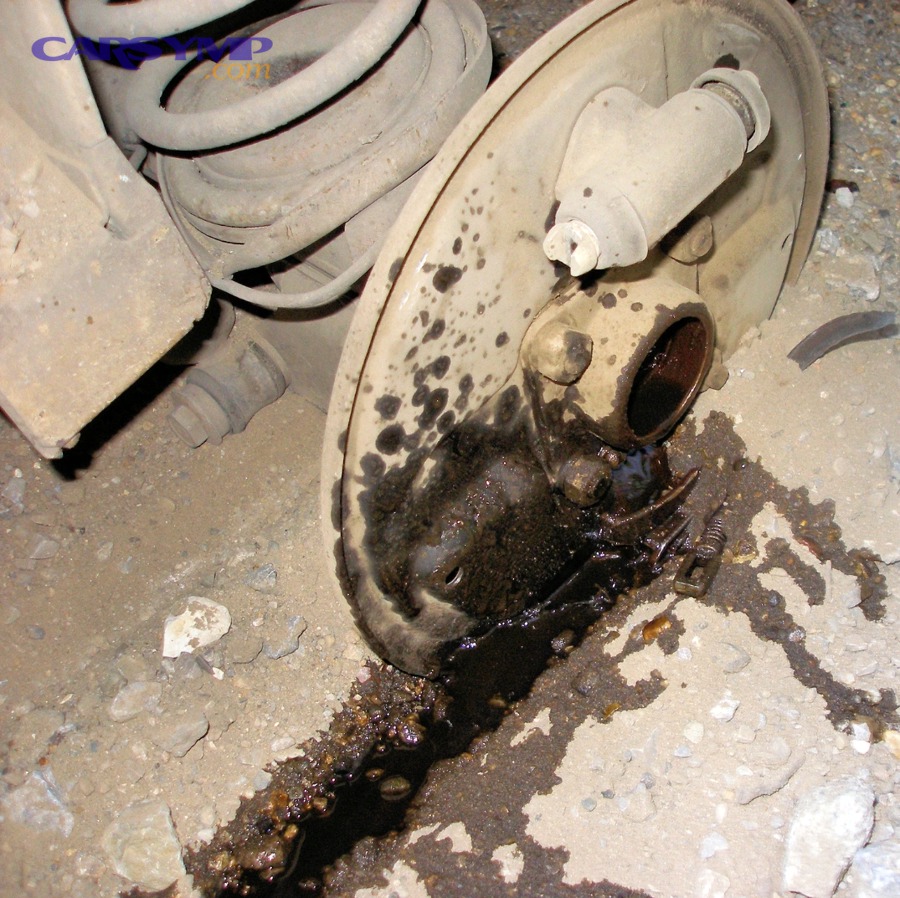
Master cylinder leak symptoms include fluid loss at the reservoir, wetness at the booster connection, a sinking pedal, or inconsistent braking—each of which can change both the urgency and the scope of the repair.
After that, the practical point is: external leaks mostly add parts and labor, while internal failure patterns can add diagnostic time, bleeding time, and sometimes related component checks.
External leak vs internal bypass: cost implications
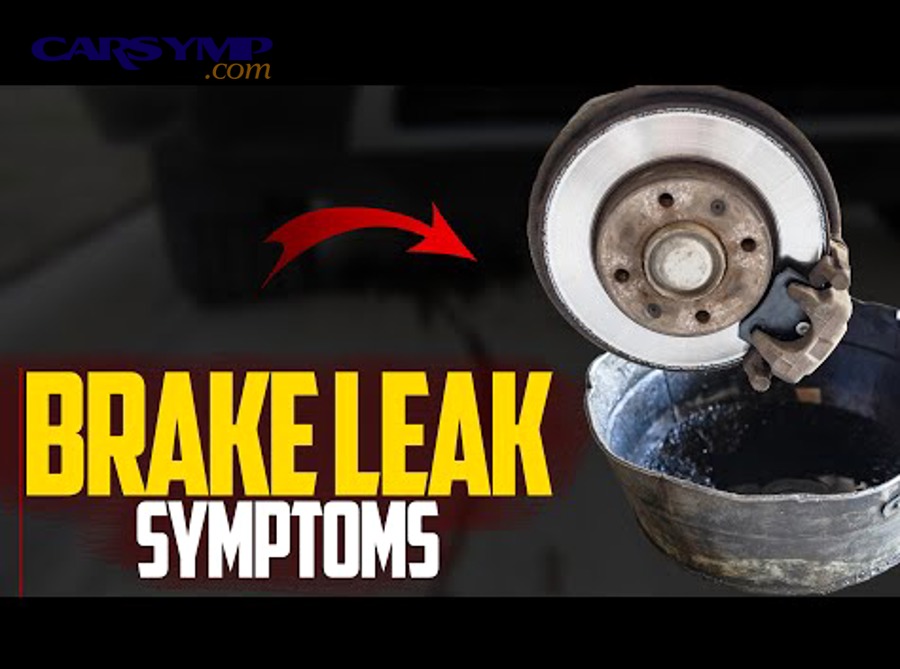
An external leak often points to replacement plus standard bleeding, while internal bypass can require extra testing and sometimes repeated bleeding if air entered the system.
Next, here’s how the two map to estimates:
- External leak signs: wetness where the master cylinder mounts, fluid streaks, or reservoir level dropping.
- Internal bypass signs: pedal slowly sinks at a stop, braking feels inconsistent, or the pedal changes after repeated presses.
- Quote impact: internal-bypass suspicion can add diagnostic labor, and in some vehicles may require additional calibration/ABS bleed steps after replacement.
To keep your expectations realistic, if the brake system ran low, the shop may also recommend a more thorough bleed to remove air from multiple circuits.
Bench bleeding, system bleeding, and ABS considerations
Replacing a master cylinder often requires bench bleeding and then full system bleeding to restore pedal feel, which is why labor varies more than the part price.
After that, ABS-equipped vehicles can add complexity because air can become trapped in the hydraulic unit. In those cases:
- Bench bleed: reduces air before installation and can shorten final bleeding time.
- Full bleed: ensures each circuit is free of air; the sequence matters.
- ABS bleed routine: some cars require a scan-tool routine to cycle valves and purge trapped air.
To illustrate with a real-world outcome, skipping the correct bleed steps can create a “soft pedal” comeback, which costs you time and can lead to extra labor charges if not included up front.
Evidence-style note for readers who want “numbers”
According to research by the National Highway Traffic Safety Administration (NHTSA) from its Office of Vehicle Safety Compliance, in February 2022, brake system integrity is treated as a critical safety factor in vehicle defect investigations and compliance efforts, reinforcing why leaks and pressure loss are handled as urgent repairs rather than optional maintenance.
Next, we’ll translate urgency into action—because what you do when a warning light appears can change both repair cost and risk.
What to do if the brake warning light is on while you suspect a fluid leak?
If the brake warning light is on and you suspect a leak, you should treat it as “do not gamble”: stop driving unless you can confirm safe pedal feel, stable fluid level, and no active dripping—because a small leak can become sudden pressure loss.
After that, the best move is a short safety protocol that prevents air ingestion and keeps the car controllable if you must move it a short distance.
Immediate safety steps that also reduce cost escalation
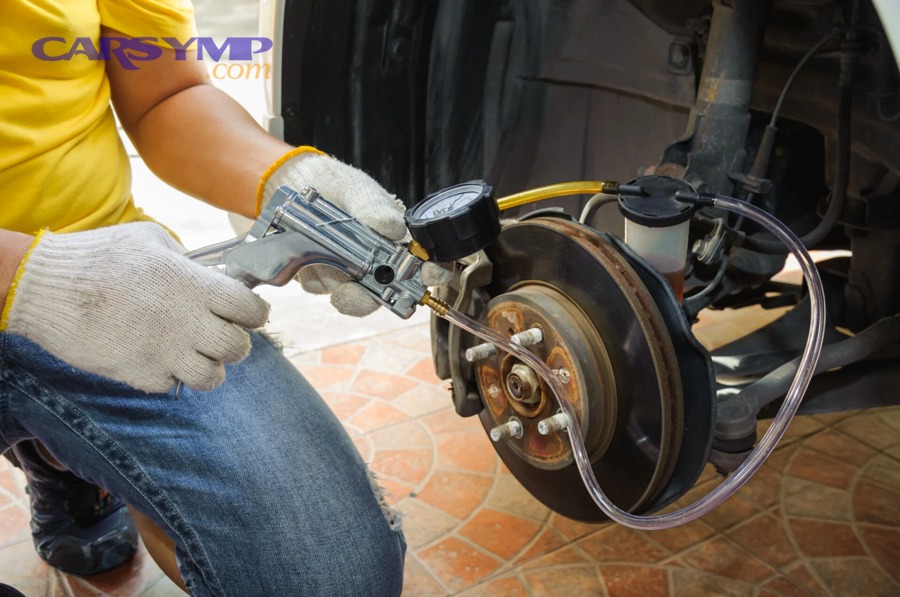
The fastest safe approach is: secure the car, check fluid level, look for the leak source, and avoid repeated pedal pumping that can worsen air entry—then arrange towing or a short, controlled move only if safe.
Next, follow these steps in order:
- Stop and assess: if the pedal goes to the floor, feels suddenly soft, or braking distance increases, do not continue driving.
- Check reservoir level: if empty or near-empty, avoid pumping the brakes; air will enter and bleeding becomes longer and more expensive.
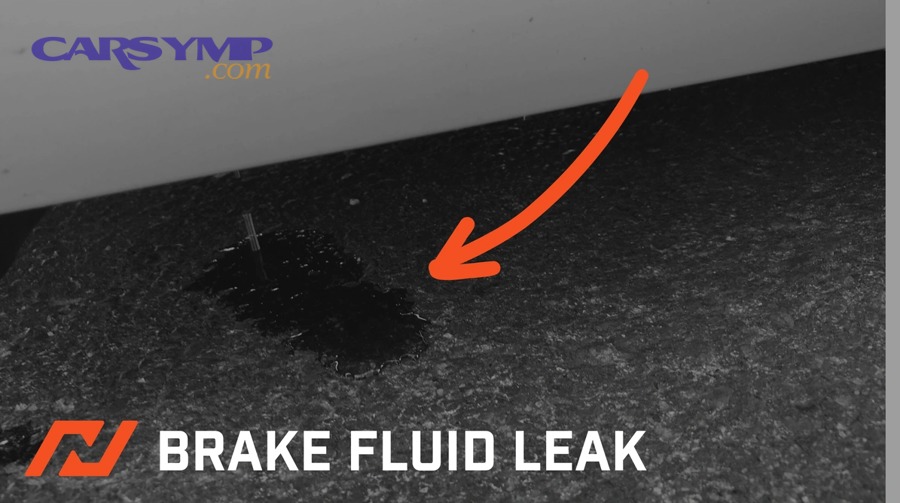
- Look under the vehicle: identify active drips near a wheel, along the frame, or under the firewall area.
- Use parking brake cautiously: only as a backup to stop/hold the car, not as a primary braking method at speed.
- Decide tow vs short move: towing is the default if the leak is active or pedal feel changed.
To connect this to cost, avoiding air entry and avoiding friction-material contamination can prevent the repair from expanding into a full axle service.
When it is NOT worth driving (even “just to the shop”)
It’s not worth driving if the leak is actively dripping, the brake pedal feels different, the reservoir keeps dropping, or you need to pump the pedal to get braking—because the system may fail without warning.
Next, treat any of these as tow-now triggers:
- Pedal sinks while holding pressure at a stop.
- Brake warning light remains on with a dropping reservoir level.
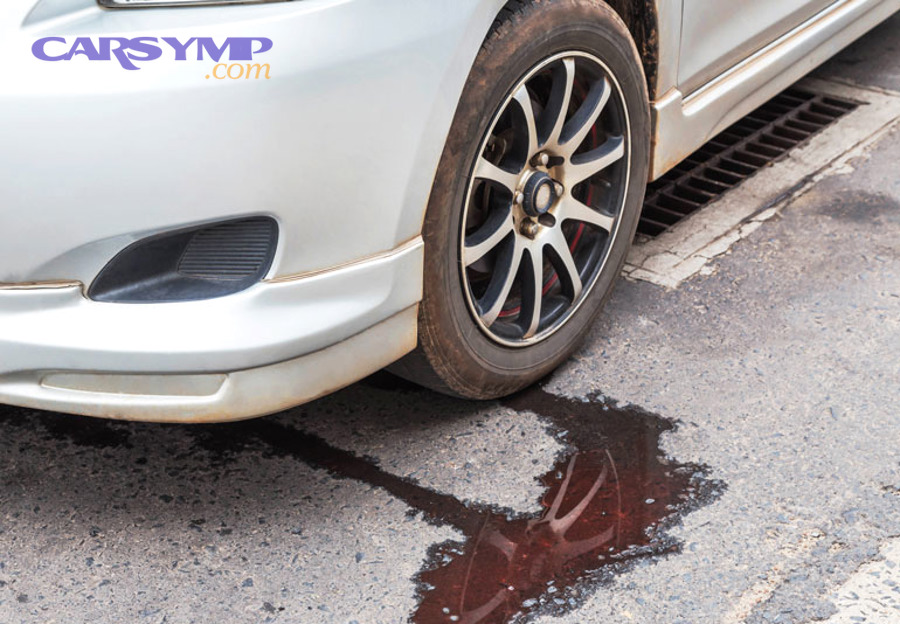
- Visible wetness on the inside of a wheel or a growing puddle.
- ABS + brake lights together with unstable pedal feel.
To keep the flow, once you know it’s a tow situation, you can focus on negotiating the quote—so next we break down labor and parts math in a way you can actually use.
How to estimate the repair bill yourself using parts + labor math
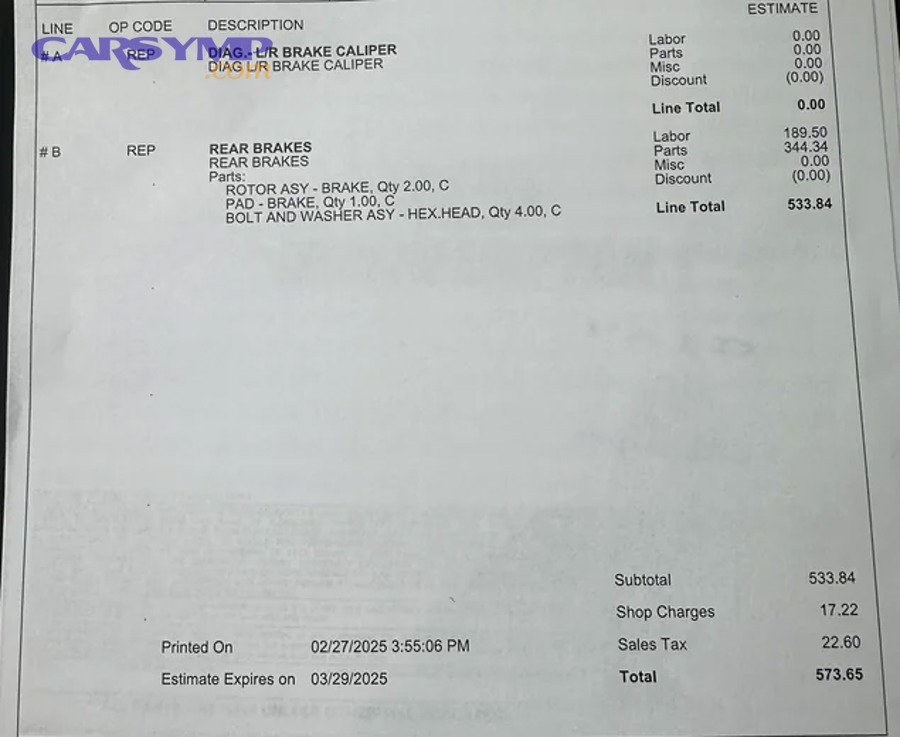
You can estimate the bill by combining parts cost for the confirmed leak source, expected labor time for that job, and the “must-add” services: brake fluid and bleeding.
After that, add realistic modifiers for corrosion, access difficulty, and whether friction components are contaminated.
Step 1: Translate leak source into a labor-time band
Labor time is usually the largest variable, so start by mapping the repair to a time band rather than guessing a single number.
Next, these bands are a practical guide for many vehicles:
- 0.5–1.0 hr: minor fitting/bleeder issues, simple hose swap on accessible setups.
- 1.0–2.5 hr: most calipers, wheel cylinders, typical flex hoses, straightforward line sections.
- 2.5–5.0+ hr: long brake lines with difficult routing, master cylinder with poor access, complex rusted systems.
- 5.0+ hr: extensive line replacement, ABS unit replacement, heavy corrosion teardown.
To connect it to the final price, multiply labor hours by the shop’s hourly rate and then add parts, fluid, and fees.
Step 2: Add “must-have” services many quotes hide
Most brake fluid leak repairs require bleeding and new fluid, and these line items sometimes appear as separate charges—so include them in your estimate from the start.
Next, check the quote for:
- Brake fluid: correct DOT spec, enough volume for a full bleed if air entered.
- Bleeding labor: not just “top off”; the system must be purged of air.
- ABS bleed procedure: if required by the vehicle, ensure it’s included.
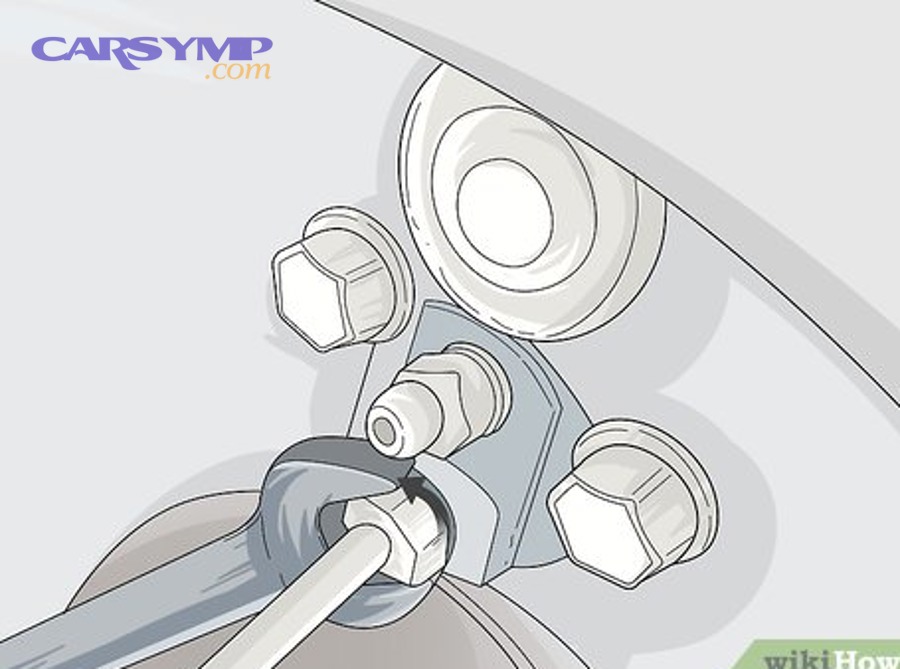
- Hardware: crush washers, clips, flare nuts, bleeder caps, small items that prevent repeat leaks.
To keep the flow, once you’ve added these must-haves, you can evaluate whether the shop is recommending extras for a real reason or as padding.
Step 3: Decide if “related parts” are justified
Related parts are justified when they restore safe braking consistency—especially if brake fluid contaminated pads/shoes or if hardware corrosion makes a reliable seal impossible.
Next, here’s a practical rule set:
- Contaminated pads/shoes: usually justified because fluid reduces friction and can cause pulling, noise, and uneven braking.
- Rotors/drums: may be justified if deeply contaminated, scored, or near minimum thickness from prior wear.
- Both sides on an axle: sometimes justified for balanced braking; ask for measurement-based reasoning.
- Line “upgrades”: justified if multiple rust blisters exist, not just one pinhole.
To connect this to costs, “extras” that are justified often prevent comebacks and repeat labor charges later, which can be more expensive than doing it right once.
How to read an estimate and negotiate without sacrificing safety
You can negotiate by clarifying scope, choosing part quality tiers intelligently, and confirming what’s included—without removing critical safety steps like bleeding and proper line sealing.
After that, the best approach is to ask precision questions that force the quote to become transparent.
The 7 questions that uncover hidden costs
These questions reveal whether the shop is quoting a complete repair or a partial fix that will require extra labor later.
Next, ask:
- Where exactly is the active leak? (Ask for a photo/video under pedal pressure.)
- What parts are being replaced, and why? (Confirm the exact component name.)
- Is bleeding included, and what method? (Manual/pressure/vacuum; ABS routine if needed.)
- What brake fluid spec will you use? (DOT rating and brand/quality.)
- Are pads/shoes contaminated? (Ask for visual evidence and wear measurements.)
- What happens if fittings seize or lines break? (Ask how they handle corrosion escalation.)
- What warranty covers parts and labor? (Duration and conditions.)
To keep the flow, once you have these answers, you can choose the best cost lever: parts tier, scope, or scheduling—without removing safety-critical work.
Where you can save money safely (and where you shouldn’t)
You can save money by choosing reputable aftermarket parts or rebuilt components when appropriate, but you should not cut corners on bleeding, line integrity, or contamination-related friction parts.
Next, use this split:
- Often safe to optimize: aftermarket hose/line kits from reputable brands, rebuilt calipers with strong warranty, bundling service with pad/rotor work if due.
- Do not cut: replacing visibly corroded line sections, correct DOT fluid, proper bleeding steps, replacing soaked pads/shoes, fixing master cylinder leaks promptly.
- Timing strategy: if it’s a slow seep with stable level and no warning light, you may schedule soon—yet you still shouldn’t delay weeks if any symptoms worsen.
To connect to decision-making, the next section helps you judge urgency by the leak severity—because urgency affects both risk and total cost.
Contextual Border
Why a “cheap” fix can become expensive later: unique failure patterns and cost traps
A cheap fix becomes expensive when it doesn’t address the underlying cause—like widespread corrosion, incorrect bleeding on an ABS system, or ignoring early master cylinder leak symptoms that later cause air ingestion and repeat labor.
After that, the goal is to recognize rare-but-costly patterns early, so you pay once and restore reliability.
Antonym-style reality check: “temporary” vs “permanent” repair
A temporary approach may reduce immediate cost, but a permanent repair restores sealing surfaces, line integrity, and correct bleeding—so the total cost over time is usually lower with a complete fix.
Next, here are examples of the difference:
- Temporary: topping off fluid repeatedly, cleaning without fixing the seep, tightening a fitting beyond spec.
- Permanent: replacing the failed hose/line/caliper/master cylinder, using correct washers/flares, and fully bleeding the system.
To keep the flow, the next topic explains a rare but expensive scenario: when the booster gets contaminated by a master cylinder leak.
Rare but costly: brake booster contamination from a master cylinder leak
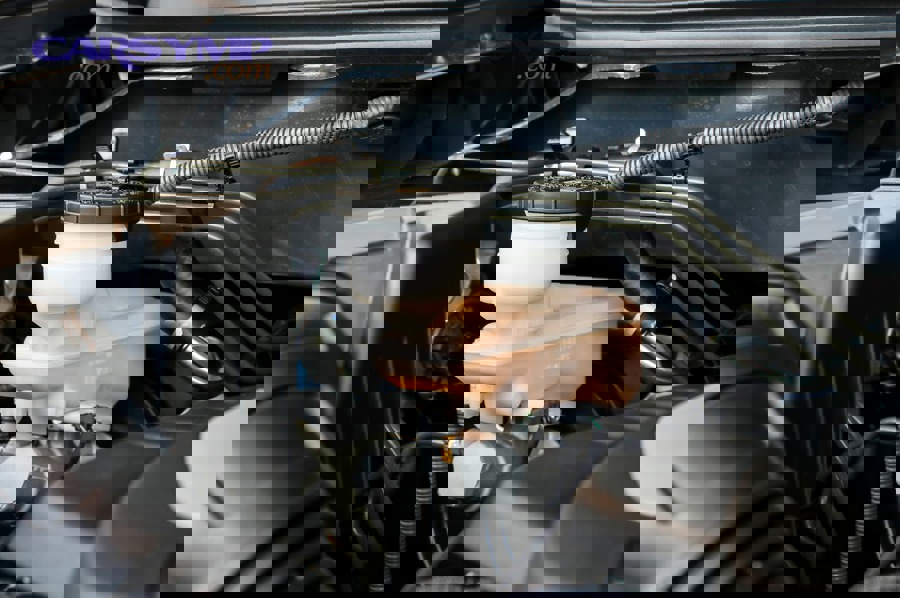
Brake booster contamination is rare, but if brake fluid leaks into the booster, it can damage internal diaphragms and create additional drivability or braking issues that raise the bill significantly.
Next, warning patterns include persistent wetness at the master-to-booster junction and worsening pedal feel even after topping off. In that case:
- Cost trap: replacing only the master cylinder may not solve the problem if the booster is compromised.
- Inspection need: the shop may recommend testing booster function and checking for fluid presence.
- Estimate impact: adding booster replacement increases parts cost and labor, especially on tight engine bays.
To connect this to smart budgeting, ask whether the shop found evidence of fluid inside the booster before approving any extra replacement.
Hyponym-based grouping: the “small leaks” that still demand urgency
Even small leaks can be urgent because they are often “progressive leaks” that worsen with pressure and time, especially in rubber hoses and rusted hard lines.
Next, here are common “small leak” types that deserve fast scheduling:
- Slow bleeder seep: can suddenly worsen if the bleeder threads/surface are damaged.
- Micro-crack in hose: can balloon under pressure and fail abruptly.
- Rust blister pinhole: indicates the line wall is thin in more than one spot.
To keep the flow, the next topic shows how to build an “estimate buffer” so your budget survives corrosion surprises.
How to budget an estimate buffer without being overcharged
A sensible estimate buffer is a pre-agreed plan for corrosion or seized-fittings escalation, not a blank check; it defines what extra work can be approved and when the shop must call you.
Next, a practical way to do this is:
- Set a cap: approve up to a specific extra amount for rust complications.
- Define triggers: broken flare nut, snapped bleeder, additional line rust found.
- Require proof: photos of the failed fitting/line before expanding scope.
- Ask for options: section repair vs full line replacement if safe and code-compliant.
Tóm lại, budgeting a buffer protects you from surprises while still enforcing transparency and safety.
FAQ
Can I just top off brake fluid and postpone the repair to save money?
No, topping off does not fix the leak, and it can increase total cost if the reservoir runs low and air enters the system, requiring longer bleeding and possibly additional component replacement.
Next, if you must move the car, prioritize safety checks and arrange towing rather than repeated top-offs.
Is a brake hose leak cheaper than a hard line leak?
Usually yes, because hoses are shorter and more accessible, while hard line corrosion can require longer replacements, complex routing, and dealing with seized fittings.
Next, confirm whether the quote includes bleeding and new fluid, because those are required for both jobs.
Will I always need new pads or shoes if there’s a leak?
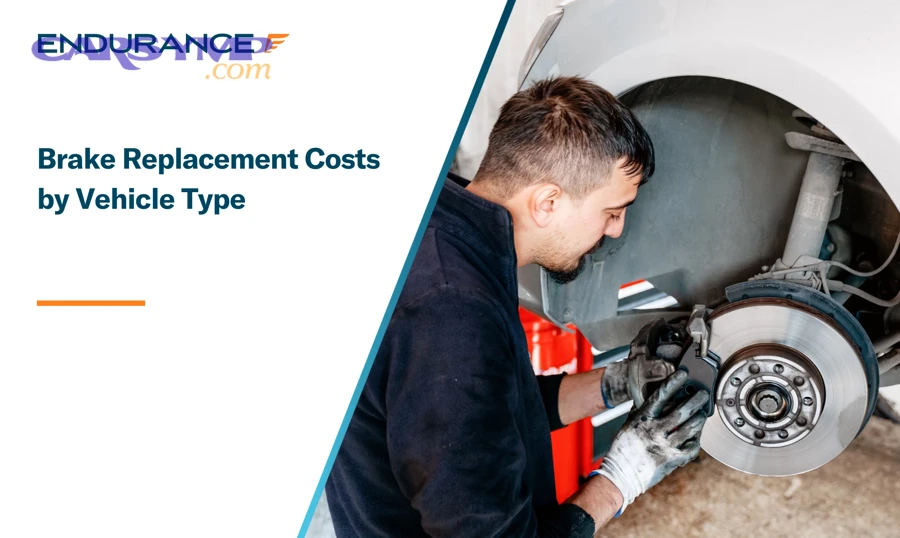
No, not always—but if brake fluid soaked friction material, replacement is commonly recommended because fluid reduces friction and can cause pulling, noise, or longer stopping distances.
Next, ask the shop to show the contamination and provide thickness measurements before you approve extra axle work.
What’s the most expensive brake fluid leak repair?
ABS hydraulic unit leaks and extensive brake line corrosion tend to be the most expensive because parts are costly and labor/bleeding procedures are more complex, sometimes requiring scan-tool routines.
Next, confirm whether the diagnosis is proven and whether there are lower-cost safe alternatives, such as replacing only the affected corroded line section when appropriate.
Should I get a second opinion on a master cylinder quote?
Yes, if the quote is high or symptoms are unclear, because leaks can be misattributed; a second inspection that confirms active leakage under pressure can prevent unnecessary replacement.
Next, compare both quotes for what’s included: bench bleeding, full system bleeding, and any ABS bleed steps.