


If your brake warning light is on, treat it as a safety signal first and a repair problem second: slow down, test braking gently, and get to a safe stop to figure out whether it’s an urgent “stop now” issue or a “drive carefully to service” issue.
In many cars, that light can mean anything from the parking brake being slightly applied to a system problem that reduces stopping power, so your next moves should prioritize control, distance, and a safe place to assess what changed.
You’ll also want to separate “brake” from “ABS” and “traction” alerts, because each one points to a different part of the braking ecosystem—mechanical friction, hydraulic pressure, and electronic stability—and the safest response depends on which one is actually lit.
To begin, use a simple decision flow: confirm the symbol and color, check how the pedal feels, verify the parking brake, then do a quick under-hood check and decide whether to stop driving or proceed slowly to help—this is the fastest way to protect people and the car. After that, we’ll walk step-by-step through the exact checks.
Is it safe to keep driving when the brake warning light is on?
No, it is not automatically safe to keep driving with the brake warning light on, because the light can indicate reduced braking ability, a system fault, or a condition that can worsen in minutes; your safest default is to slow down and assess before continuing.
Next, use the light’s color and your car’s feel as your first filter.
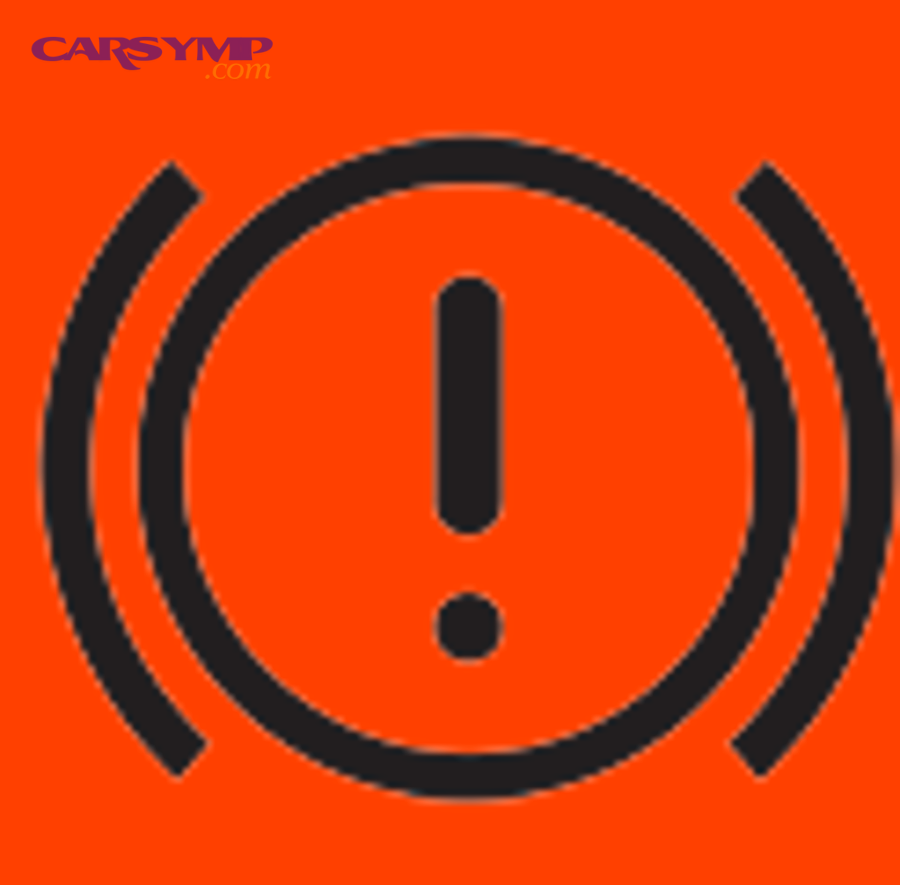
Red vs amber: why color changes the urgency
Red commonly signals a higher-urgency brake condition (or parking brake), while amber is often used for ABS/traction-related warnings; either way, the light means “pay attention now,” but red should push you toward stopping sooner and being ready for towing.
To connect this with real-world safety, treat red + strange pedal feel as “stop driving,” while amber + normal pedal feel often means “drive cautiously and schedule service,” unless other symptoms appear.
Three reasons you should not ignore it even if braking “feels fine”
First, brake problems can be intermittent: a small pressure loss can become sudden after a few stops. Second, some issues show up only under heat, load, or downhill braking. Third, the warning can be tied to fluid level or pressure sensors that detect trouble before you feel it at the pedal.
Because of that, a “feels okay” moment should be treated as a chance to inspect safely—not a reason to postpone action.
When it’s probably not an emergency
If the light turns off when you fully release the parking brake, the pedal is firm, the car stops straight, and there are no unusual smells, noises, or pulling, the immediate risk is typically lower; however, you should still check fluid level and get the system inspected soon.
In other words, low risk is not “no risk”—it just means you can choose a safer, calmer path to service.
What should you do in the first 60 seconds after the light turns on?
Use a calm 6-step response: reduce speed, increase following distance, test braking gently, check the parking brake, avoid sudden maneuvers, and move to a safe stopping spot as soon as possible.
After that, you’ll decide whether to stop driving entirely or proceed slowly to assistance.
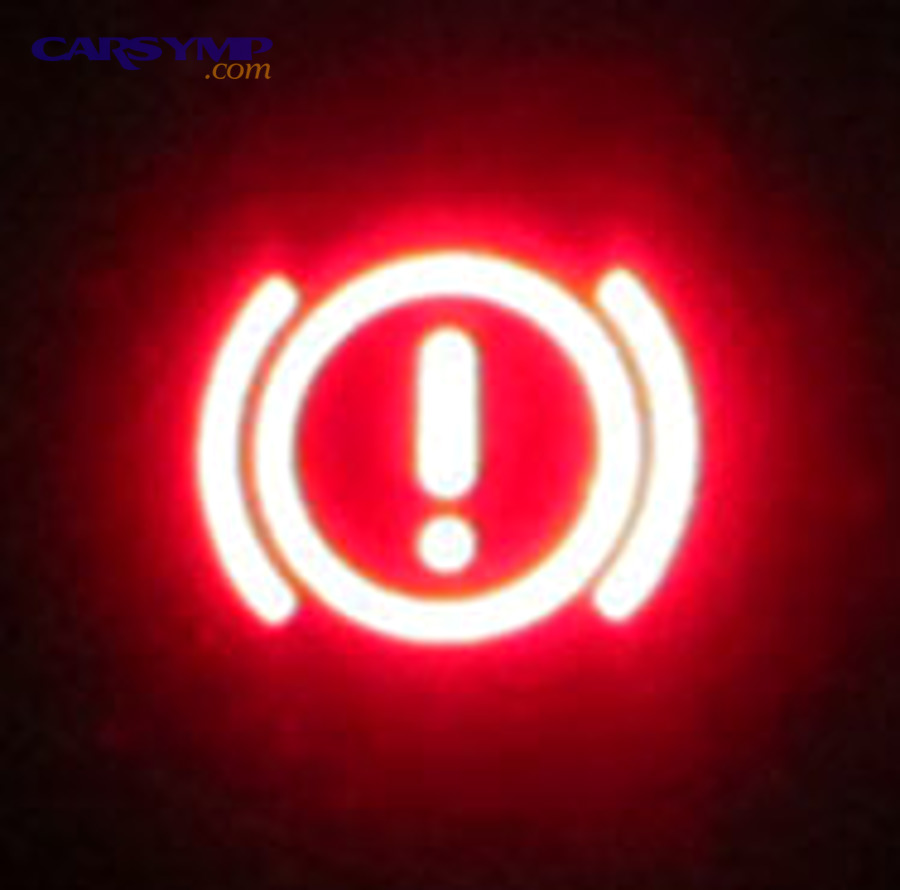
Step 1–2: Control speed and space before anything else
Lift off the accelerator, keep both hands on the wheel, and increase the gap in front of you; then avoid tailgating by moving to a slower lane if it’s safe.
This matters because extra space is your “insurance” if braking performance is reduced.
Step 3: Test the brakes the safe way
Gently press the brake pedal once or twice while traveling straight on a clear stretch of road; you’re checking for firmness, response, and consistency rather than trying to stop hard.
Then, if the pedal sinks, feels spongy, or requires much more distance, treat the situation as urgent and prepare to stop as soon as safely possible.
Step 4: Verify the parking brake is fully released
Make sure the parking brake lever is down (or the electronic parking brake is fully released); a slightly applied parking brake can trigger the light and create heat, odor, and extra drag.
Next, if you smell burning or feel the car resisting, stop and let things cool—dragging brakes can escalate quickly.
Step 5–6: Choose a safe stop and decide “tow vs drive”
Signal early, choose a flat, well-lit place away from traffic, and stop smoothly; then decide whether to call for a tow or drive slowly to a nearby shop based on what you find in the next sections.
To keep the flow simple, you’re about to classify the warning and then run a quick no-tools inspection.
Which warning light is it: brake, ABS, or traction, and what does each imply?
There are three common categories: the brake system light (often red), the ABS light (often amber), and the traction/stability light (often amber); each points to a different subsystem and a different risk profile.
Next, use the table to interpret the alert without guessing.
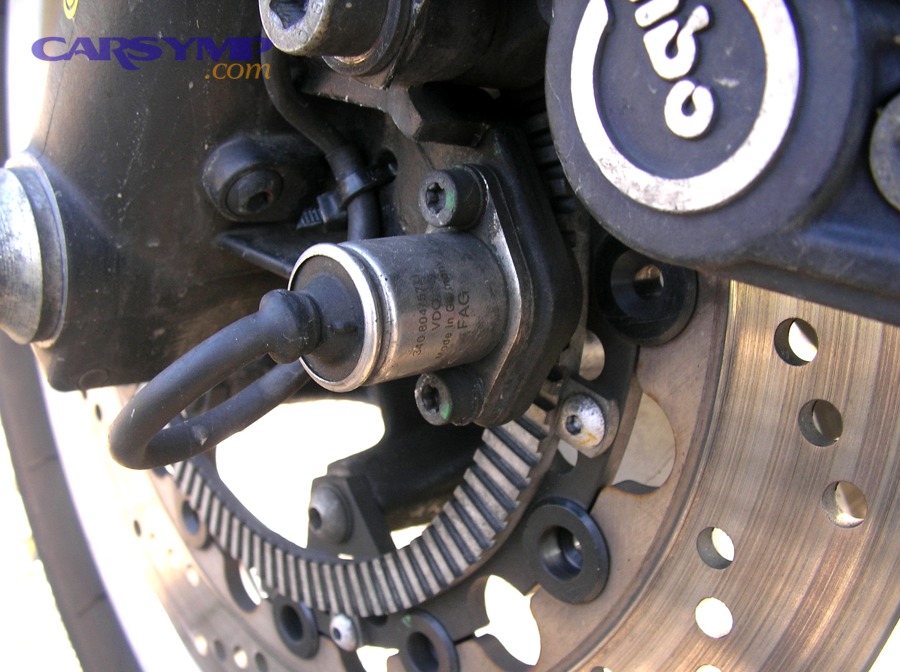
This table explains what each common brake-related warning light usually indicates and how urgent the response should be.
| Light category | Typical meaning | What you may notice | Safe next move |
|---|---|---|---|
| Brake system (often red) | Parking brake applied, low fluid level, pressure/portioning issue, or hydraulic fault | Possible soft/sinking pedal, longer stopping distance, or no change at first | Slow down, test gently, stop to inspect; tow if pedal/stop power changes |
| ABS (often amber) | ABS disabled or fault in sensors/module; base brakes may still work | Normal braking in dry conditions, but wheels can lock under hard braking | Drive cautiously, avoid hard stops, schedule service soon |
| Traction/Stability (often amber) | System intervention (flashing) or fault (steady); linked to wheel speed data | Flashing during slip, steady if system is off/faulted | If steady, drive cautiously and service; if flashing, reduce speed on slick roads |
Why ABS and traction warnings still matter even if the pedal feels normal
Even when “normal braking” is available, ABS and stability features help you steer while braking hard, especially on wet or uneven surfaces; losing them raises the risk of skids or wheel lock in emergencies.
So, if you must drive, compensate by slowing earlier and keeping extra distance.
How your owner’s manual and cluster message refine the meaning
Some vehicles show a text message like “BRAKE,” “CHECK BRAKE SYSTEM,” or “ABS OFF,” which narrows the diagnosis; your owner’s manual also explains whether the brake light is dual-purpose (parking brake + fluid/pressure alert) on your model.
Next, you’ll do a quick inspection that works for most cars regardless of brand.
How can you check the basics under the hood and in the cabin without tools?
You can quickly check the parking brake position, brake pedal feel, and the brake fluid reservoir level, then look for obvious wetness near wheels and under the car; these checks identify the most urgent problems without taking anything apart.
After that, you’ll compare what you found to “tow-now” symptoms.
Cabin checks: pedal feel and warning combinations
Press the brake pedal with the engine on: a healthy system usually feels firm and stops descending after a short travel; a pedal that slowly sinks, feels springy, or goes near the floor is a serious warning.
Next, note whether other lights (ABS, traction, red triangle) turned on at the same time, because clusters often “stack” warnings when voltage drops or modules detect instability.
Under-hood checks: fluid level and obvious contamination
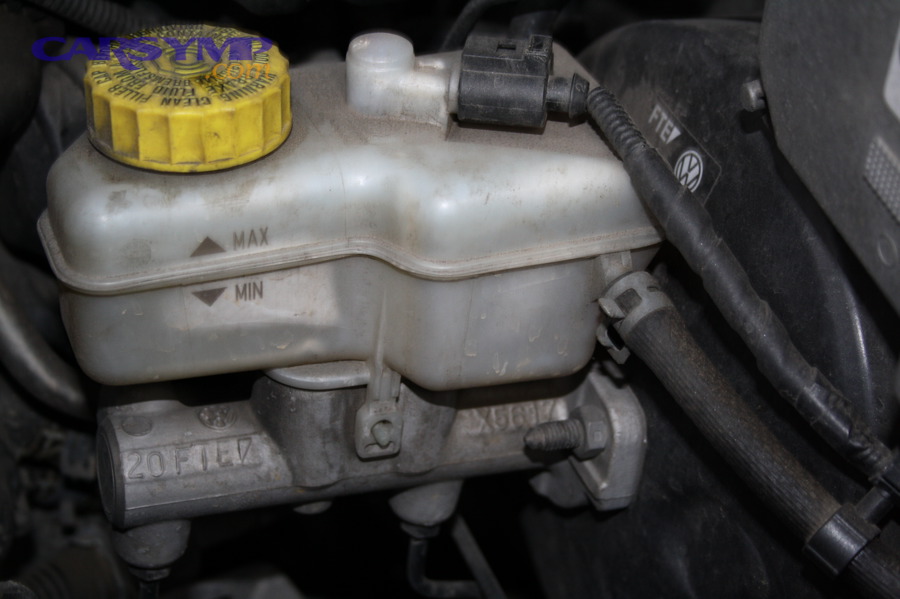
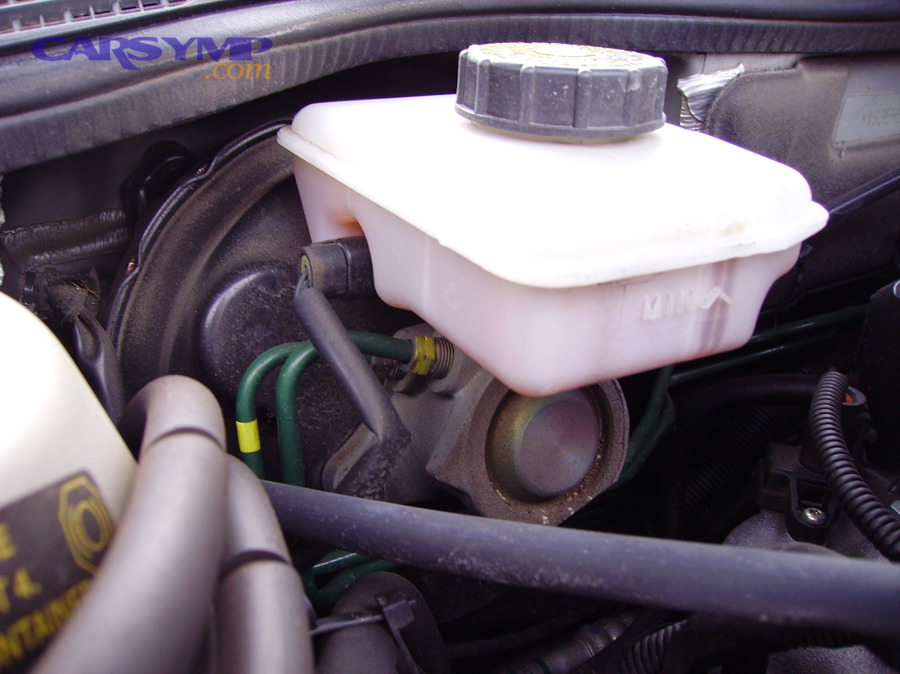
Locate the brake fluid reservoir (often near the firewall on the driver’s side) and check whether the fluid is between the MIN and MAX marks; if it’s below MIN, do not keep driving until you understand why it dropped.
Then look for signs of contamination such as oily residue around the cap area or unusual dark sludge; contamination can affect seals and braking consistency.
Quick ground check: what to look for near each wheel
Look behind each wheel and under the car for wet streaks, fresh drips, or a shiny trail; also smell for sharp chemical odor or burning.
Next, if one wheel area looks much wetter than the others, that narrows the likely source and increases the urgency of professional inspection.
What symptoms mean you must stop immediately and call for a tow?
You should stop immediately and call for a tow if braking performance changes suddenly, the pedal goes soft/sinks, the car pulls hard during braking, you smell burning with smoke, or you see significant fresh fluid under the vehicle.
Next, use the following “red-flag” list as your final decision gate.
Pedal red flags: spongy, sinking, or near-floor travel
A spongy pedal can indicate air in the system, while a sinking pedal can indicate pressure loss or internal bypass; either condition can worsen quickly and reduce stopping force when you need it most.
So, if pedal feel changes noticeably from normal, assume you cannot trust the next stop and choose towing.
Behavior red flags: pulling, grinding, or overheating
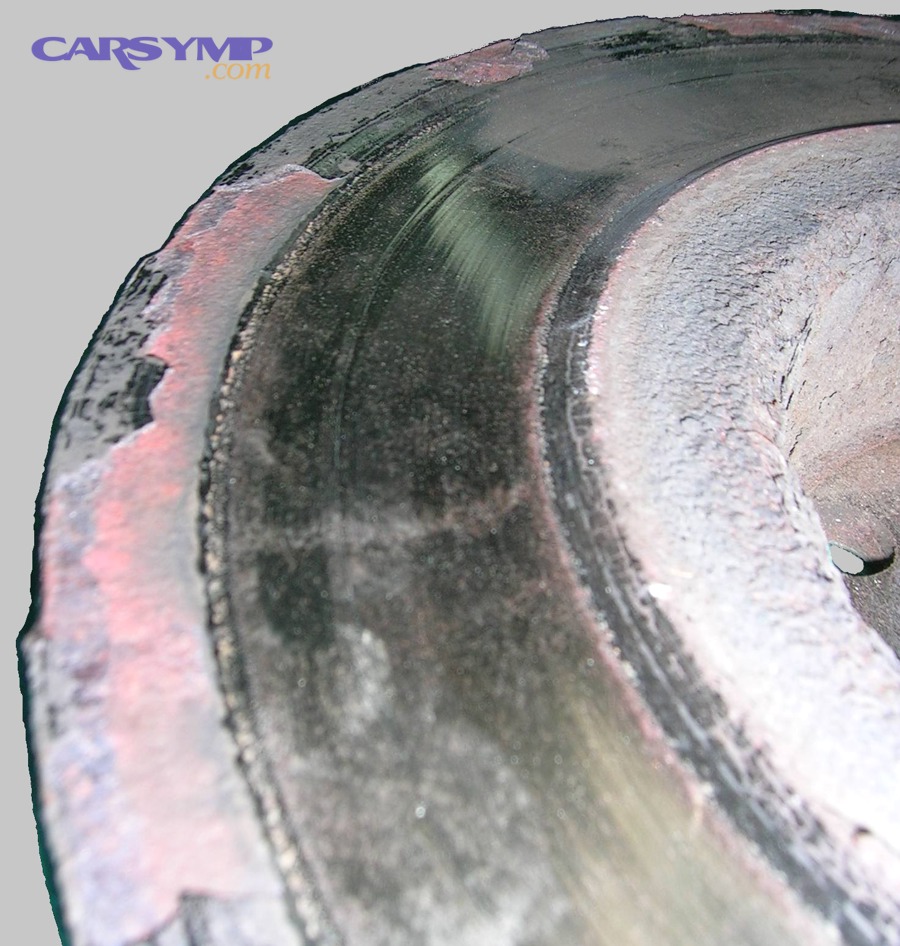
Hard pulling can signal uneven braking force side-to-side, while grinding can indicate metal-to-metal contact; overheating smells or smoke can mean dragging brakes that may damage components and increase fire risk in extreme cases.
Next, if any wheel is extremely hot to the point you feel heat radiating after stopping, keep distance and do not touch components—call for help.
Visual red flags: fresh puddles and wet wheel backs
Fresh wetness that reappears after wiping, a growing puddle, or wetness on the inside of a wheel is a “stop now” indicator because it suggests the braking system may not hold pressure reliably.
After these checks, you’re ready to think about likely causes—especially hydraulic ones—without guessing blindly.
What are the most likely brake-system causes, and how do you respond safely?
The most common causes include a partially applied parking brake, low brake fluid level, worn pads triggering level change, a failing hydraulic component, or an electrical/sensor fault; your response should match the risk signals you observed, not just the light itself.
Next, use cause-by-cause clues to decide whether to drive carefully or stop entirely.
Parking brake not fully released or switch misread
If the light goes off when you re-apply and fully release the parking brake, the issue may be simple; however, a sticky cable, worn adjustment, or a faulty switch can keep the warning on even when the brake is physically released.
Then, if you notice heat or drag, stop driving and have the parking brake mechanism inspected.
Low brake fluid level: what it means and what not to do
Low fluid can be caused by normal pad wear (the caliper pistons sit farther out) or by a brake fluid leak, and the safest assumption is that the drop is abnormal until proven otherwise.
To keep this practical, you can top up only if you know the correct fluid type and only as a temporary measure to move the car to service—but you must still find the cause, because topping up can mask a serious problem.
Hose, line, caliper, or master cylinder: narrowing by location
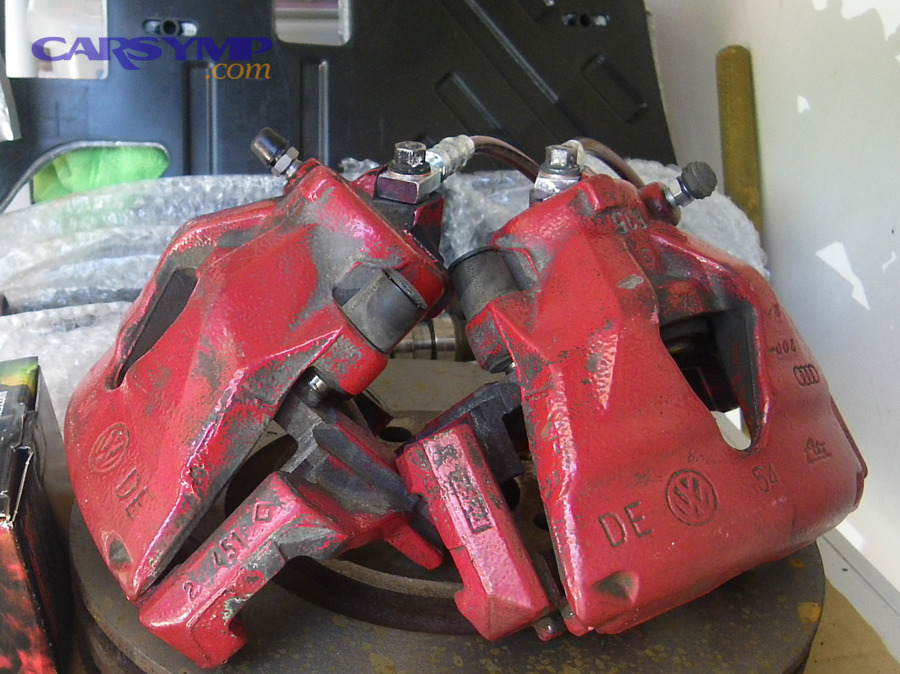
Wetness near one wheel often points to a caliper or flexible hose area, while wetness along the chassis can point to a hard line, and wetness near the firewall area can point to the master cylinder region; these patterns help a mechanic locate the fault faster.
For clarity in your notes, write down any wheel location you suspect and any pedal changes, then share them when you arrive or call for help.
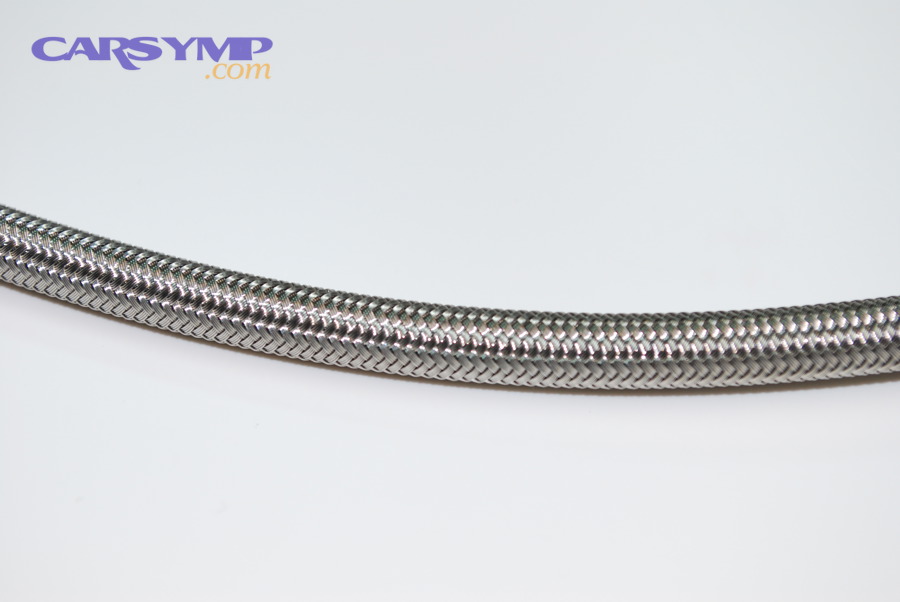
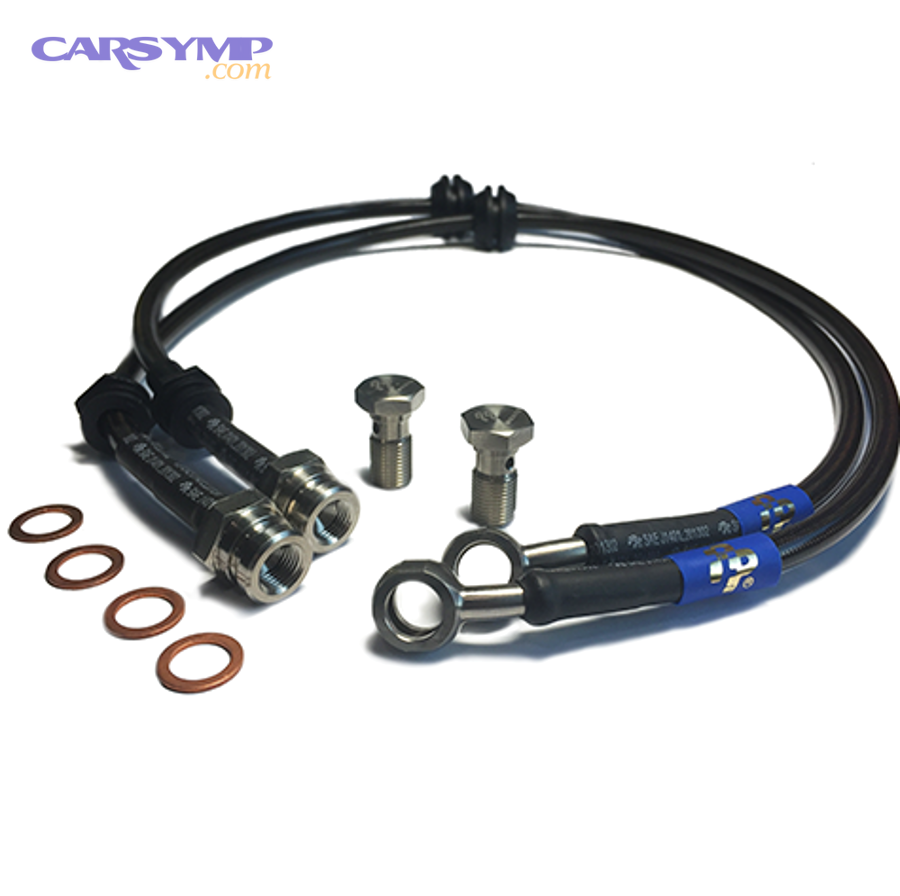
Brake hose leak symptoms often include wetness on the inside of the wheel, a soft pedal that worsens after several presses, and braking that feels inconsistent during repeated stops; these signs deserve urgent inspection even if the car still stops “okay” once or twice.
How to find the leak location quickly as a driver is to park on clean pavement or cardboard, press the pedal a few times (engine on), then look for fresh wet spots near each wheel and along the underside—if you see active dripping, do not continue driving.
Electrical or sensor-related causes: when the brakes are mechanically fine
Sometimes the warning is triggered by a fluid level sensor, parking brake switch, or wiring issue rather than a true loss of braking; in those cases, the pedal usually feels normal and the car stops normally, but you should still treat it as a priority inspection.
Next, if you recently had brake work, consider whether a connector was left loose or a sensor float is stuck, and mention that history to the shop.
If it seems minor, how do you drive to a shop more safely and explain the problem clearly?
If your pedal feels normal, the car stops straight, there’s no burning smell, and you see no fresh fluid, you can often drive slowly to the nearest qualified shop; do so by minimizing speed, braking early, and avoiding high-traffic routes.
Next, you’ll make the trip safer by adjusting your driving style and by documenting what happened.
Safe driving rules until inspected
- Drive slower than usual and avoid highways if an alternative is available.
- Increase following distance to reduce the need for hard stops.
- Brake earlier and more gently to keep heat down and preserve control.
- Avoid towing, steep hills, and heavy loads that demand more braking.
- Stop immediately if the pedal changes, the light turns red, or any new symptom appears.
Then, if you must stop on the shoulder, use hazard lights and choose a location where you can exit the vehicle away from traffic.
What details help a mechanic diagnose faster
Tell them: when the light came on (speed, road condition), whether it’s steady or intermittent, what other lights appeared, how the pedal feels, whether the car pulls, any odors/noises, recent brake work, and whether the parking brake affects the light.
Next, if you can safely take photos, a picture of the dashboard warning and any wet area near a wheel can reduce diagnostic time.
Questions to ask so you avoid guesswork repairs
- “Can you confirm whether this is a hydraulic pressure issue or a sensor/switch issue?”
- “What did you observe at each wheel and at the reservoir—any wetness or uneven wear?”
- “If the fluid was low, what evidence supports pad wear vs an external leak?”
- “Will any parts be replaced in pairs, and why?”
In the same flow, ask for the old parts back when practical—this builds transparency and helps you learn what failed.
Contextual Border: Up to this point, you’ve handled immediate safety and diagnosis triage. Beyond this border, we’ll focus on prevention habits, typical cost drivers, and quick FAQs so you reduce the chance of seeing the warning again.
Long-term prevention, costs, and FAQs about brake warning lights
You can prevent many brake warning light surprises by keeping up with inspections, addressing small symptoms early, and understanding what services actually protect safety versus what merely “clears a light.”
Next, use the habits and quick answers below to build a simple, repeatable routine.
Prevention habits that reduce risk the most
Check the reservoir level periodically (especially before long trips), pay attention to pedal feel changes, and have brake inspections that include pad thickness, rotor condition, and caliper slide function; small issues like dragging pads or minor seepage are far cheaper and safer to handle early.
Then, if you drive in salty winter regions or coastal climates, request occasional underbody checks for brake line corrosion and protective measures where appropriate.
What usually drives cost up or down
Cost varies mainly by vehicle type, whether the fix is a simple switch/sensor or a hydraulic component, and whether the repair is localized (one wheel) or systemic (lines, master cylinder, ABS module). Labor time increases when parts are hard to access or when bleeding procedures are more complex.
Next, ask the shop to separate parts and labor in writing, and to explain why a part needs replacement rather than cleaning/adjustment.
How to keep the repair honest and the diagnosis precise
Request a clear explanation of the fault path: what triggered the light, what was tested, and what evidence supports the conclusion; for example, “low level measured below MIN,” “active seepage at fitting,” “parking brake switch stuck,” or “ABS sensor signal drop.”
Then, avoid “parts cannon” replacements by asking what test would fail again if the suspected part were actually good.
FAQ: quick answers drivers search for
Q: Can I reset the brake warning light myself?
A: You can sometimes clear a message by fixing the cause (like fully releasing the parking brake), but you should not chase a reset without diagnosis because the light is designed to warn you about safety-critical conditions.
Q: What if the light comes on only when turning or braking downhill?
A: Intermittent lights can happen when fluid sloshes in a low reservoir, when a sensor float sticks, or when wiring moves; treat this as a strong hint to check level and schedule service soon.
Q: Why did the light come on after new pads or calipers?
A: Common reasons include a disturbed sensor connector, a float sensor issue, trapped air, or a parking brake adjustment change; return to the installer promptly so they can verify bleeding and connections.
Q: Is it normal for the brake light and ABS light to come on together?
A: It can happen with low voltage events or system faults, but it can also indicate broader braking control issues; the safe move is the same: slow down, assess pedal feel, check basics, and get professional diagnosis.