


The shop diagnosis cost for brake noise is usually a separate inspection fee, and it exists to pay for the time, test drive, and measurements needed to find the real cause—not just the sound you hear.
Most drivers want two things at the same time: a fair price for the diagnostic work and a clear path to reduce that cost if a repair is approved the same day.
You also want to avoid the common trap where a “cheap” check turns into multiple billable steps because the noise only happens under specific conditions like light braking, reversing, or after the brakes heat up.
To begin, we’ll break down what you’re paying for, what makes the price swing up or down, and how to ask the right questions so the estimate matches reality—Giới thiệu ý mới that turns confusion into a predictable plan.
What is the shop diagnosis cost for brake noise, and what does it pay for?
The shop diagnosis cost for brake noise is a paid inspection process that covers technician time to reproduce the noise, inspect brake components, measure wear, and confirm a root cause before quoting repairs.
To start, think of it as buying certainty—because brake sounds can come from pads, rotors, calipers, shields, wheel bearings, suspension, or even tire patterns, and guessing often costs more later.
Why shops charge for diagnosis instead of “free listening”
Shops charge because the correct fix requires controlled testing, disassembly checks, and measurements, not only hearing the sound in the parking lot.
Next, that time includes a structured road test, lift inspection, and documentation so you can approve work with confidence.
Cụ thể hơn, a technician may need to remove wheels, check pad thickness and hardware contact points, inspect rotor faces for scoring and heat spots, and verify caliper slide movement—work that is skilled, slow, and safety-critical.
When a diagnostic fee is a flat fee vs hourly labor
Many shops use a flat diagnostic fee for common brake-noise complaints, while harder cases may be billed by time if the noise can’t be reproduced quickly.
However, a flat fee usually includes a defined checklist, while hourly billing often applies after the initial scope is exceeded.
Ví dụ, “one-time inspection fee” may cover the first lift inspection and basic measurements; if the noise only happens after 20 minutes of driving, extended testing can be billed separately.
What you should receive for your money
You should receive a clear cause statement, evidence (measurements or photos), and a repair plan with options—minimum safe fix vs best long-term fix.
Besides that, ask for the worn parts identified, the condition of related components, and what would happen if you postpone repairs.
To illustrate, a strong write-up may note inner-pad wear, caliper slide binding, rotor thickness variation signs, and whether resurfacing is viable or replacement is safer.
Why does the diagnosis price vary so much between shops and cars?
Diagnosis price varies because brake noise can be simple or deeply intermittent, and the time required depends on vehicle design, rust level, driving conditions, and whether the noise can be reproduced consistently.
Next, the more “mystery” in the symptom, the more testing steps the shop must fund—so the fee reflects risk and time.
Vehicle design and access time changes the bill
Some cars allow quick visual checks, while others require more disassembly or special procedures to see the true contact surfaces.
In the next step, wheel design, splash shields, electronic parking brakes, and sensor wiring all add careful labor time.
Cụ thể, an electronic parking brake may require service mode before rear-brake inspection, and that extra setup time can raise the diagnostic charge.
Rust, corrosion, and regional climate raise complexity
Rust makes parts harder to remove and changes how noises present, so diagnosis often takes longer in salted-road regions.
Moreover, rust can hide the real issue until components are cleaned and rechecked.
Ví dụ, a rotor hat rust ridge can cause scraping, but confirming it safely may require wheel removal and careful inspection of shield clearance and pad edge contact.
Intermittent noises cost more than constant noises
Intermittent noise is more expensive to diagnose because it may require longer road testing under specific speed, temperature, or braking pressure.
However, good prep from the driver can reduce that time significantly.
To illustrate, “only after highway driving” or “only first stop in the morning” are clues that guide the shop’s test plan and can shorten billable time.
What steps are included in a professional brake-noise diagnostic?
A professional diagnostic includes symptom confirmation, road testing, lift inspection, component measurement, and a decision tree that separates brake causes from non-brake causes before recommending repairs.
To begin, the technician follows a repeatable workflow so the conclusion is defensible, not a guess.
Step 1: Interview and symptom mapping
The shop starts by mapping when the sound happens—speed, pedal pressure, direction, temperature, and road surface—because timing is often the fastest path to the cause.
Next, this helps separate normal brake sounds from warning sounds.
Cụ thể, a structured brake noise diagnosis interview may ask whether the sound is squeal, grind, click, or scrape; whether it changes with steering; and whether it appears with light braking vs hard braking.
Step 2: Road test with controlled maneuvers
A controlled road test confirms the noise pattern and identifies triggers like light pedal pressure, reversing, or turning while braking.
Besides that, the technician may do gentle stops, moderate stops, and a cool-down to see if heat changes the sound.
To illustrate, some noises only appear once pads warm up, while others happen on the first cold stop due to surface rust.
Step 3: Lift inspection and measurements
Lift inspection checks pads, rotors, caliper slides, hardware, shields, and wheel play, then uses measurements to confirm what the eye can’t reliably judge.
Next, measurements protect you from replacing parts that “look fine” but are out of spec.
Cụ thể, the tech may measure pad thickness, rotor thickness, rotor runout, and look for uneven contact marks—then compare findings to safe thresholds and manufacturer guidance.
To illustrate, technicians often use sound categories like those in Types of brake noises and what they mean to connect your description to specific inspection targets without jumping to conclusions.
Step 4: Root-cause confirmation, not symptom chasing
Root-cause confirmation means the technician proves the source—like a bent dust shield, seized slide pin, or pad hardware contact—before recommending a fix.
However, when multiple minor issues exist, the shop should rank them by safety and likelihood.
For example, a clear Pad wear indicator sound identification outcome can point directly to low pad material, but the technician should still confirm rotor condition and caliper operation to prevent repeat noise after pad replacement.
When is the diagnostic fee waived, credited, or bundled into the repair?
The diagnostic fee is often waived or credited when you approve the repair immediately, because the shop can convert diagnostic time into paid repair labor and avoid billing you twice for overlapping work.
Next, policies vary, so the key is asking the right question before the keys leave your hand.
Common “credit back” policies you’ll see
A typical policy is: pay the inspection fee up front, then receive that amount as a credit on the final invoice if you proceed with recommended brake work.
Besides that, some shops apply partial credit if the repair is small, and full credit if the repair is a larger brake job.
To illustrate, a shop may credit the fee toward pad-and-rotor replacement but not toward unrelated services like tire rotation.
Bundled brake inspections vs paid diagnostics
Bundled inspections are usually quick checks included with routine services, while paid diagnostics are deeper investigations aimed at a specific complaint.
However, if your concern is safety-related noise, a deeper diagnostic often saves money by preventing repeat visits.
Cụ thể, a quick check may spot “pads low,” but a diagnostic can reveal why: seized caliper slides, rotor hot spots, or hardware fitment—issues that create noise and uneven wear.
How to avoid “double billing” for overlapping steps
To avoid double billing, ask which diagnostic steps are included and whether wheel removal is part of the fee or becomes paid labor.
Next, request that any inspection steps repeated during repair be recognized as already paid for.
Example questions include: “Is wheel removal included in the diagnostic?” and “If we replace pads and rotors today, does this fee apply as credit?”
How can you estimate your total cost before you authorize anything?
You can estimate total cost by confirming the diagnostic scope, the shop’s billing model, and the likely repair range, then setting a clear approval limit so the shop can’t exceed it without calling you.
To begin, this turns an open-ended visit into a controlled decision.
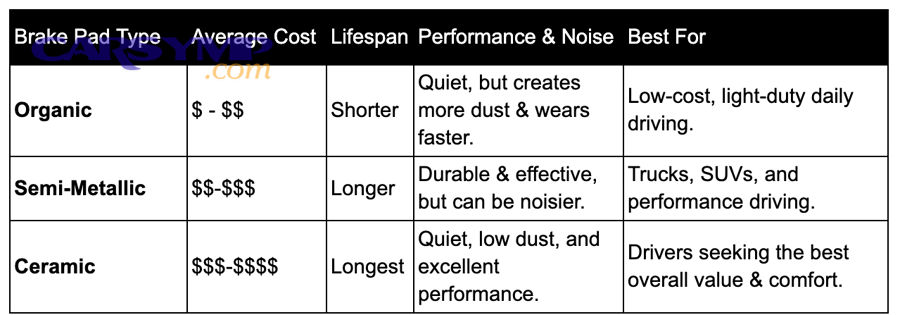
Use a three-number framework: fee, likely repair range, worst-case cap
Ask for three numbers: the diagnostic fee today, the most common repair range for your symptom, and a “do-not-exceed” cap without approval.
Next, that cap should include taxes and shop supplies so you aren’t surprised at pickup.
Cụ thể, your cap might be “diagnosis plus one hour of additional testing,” or “diagnosis only—no extra steps without a phone call.”
Ask what conditions would increase the diagnostic charge
Ask what triggers extra charges: noise not reproducible, rusted hardware, wheel locks, aftermarket parts fitment issues, or electronic parking brake setup.
However, also ask what you can do to reduce that risk.
To illustrate, providing wheel-lock keys, sharing videos of the sound, and noting temperature/direction can shorten the test process.
Use a table to compare common pricing structures
This table helps you compare how shops bill brake-noise diagnosis so you can match your situation to the most predictable option.
It shows typical structures, what they usually include, and the main risk of surprise add-ons.
| Billing style | What it usually includes | Most common surprise |
|---|---|---|
| Flat diagnostic fee | Road test + lift inspection + basic measurements | Extra charge if noise can’t be reproduced |
| Hourly diagnostic time | Step-by-step testing until cause is proven | Time increases with intermittent symptoms |
| Free check with repair | Basic inspection credited if you approve repair | Limited scope if you decline repairs |
| Bundled inspection (service package) | Quick visual checks during oil change/rotation | May miss deeper causes of repeat noise |
Which brake noises are cheaper to diagnose, and which are harder?
Some noises are cheaper to diagnose because they have a direct physical signature, while others are harder because they’re intermittent, heat-related, or caused by multiple interacting parts.
Next, grouping your sound type helps you predict how long the shop will need.
Group 1: Easy-to-confirm noises with visible evidence
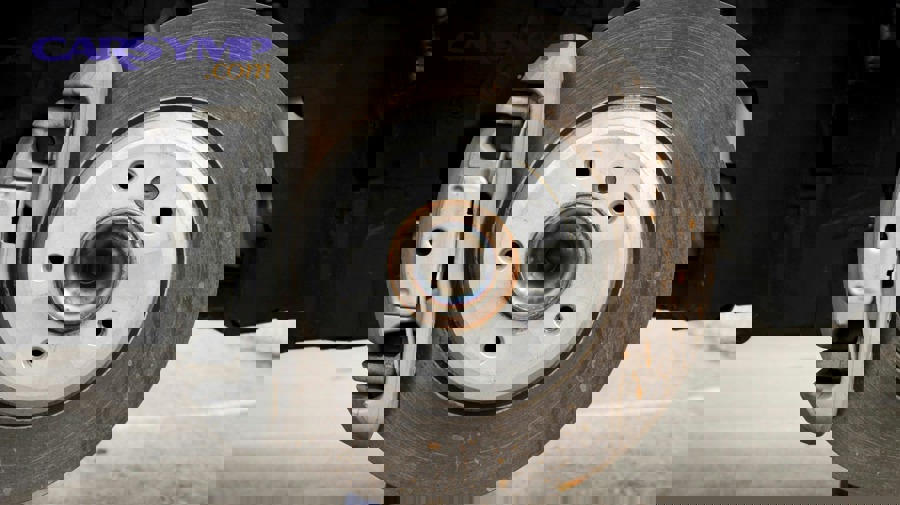
Grinding, metal-on-metal contact, and severe scraping are often faster to confirm because the wear or contact marks are obvious once the wheel is removed.
However, the repair cost can still be higher because damaged parts may need replacement.
To illustrate, deep rotor grooves or missing friction material are quick to identify, even if the fix involves rotors, pads, and sometimes calipers.
Group 2: Intermittent squeals and chirps that depend on conditions
Light squeals and chirps can be harder because they may depend on humidity, pad temperature, or very light pedal pressure that’s difficult to recreate on demand.
Besides that, some squeals are “normal-ish” and require judgment about safety vs annoyance.
Cụ thể, a careful workflow may compare rotor surface finish, pad material type, and hardware contact points to reduce the chance of the sound returning after parts are replaced.
Group 3: Clicks, knocks, or clunks while braking
Clicks or clunks while braking can be harder because the source may be brake hardware, loose caliper bracket bolts, suspension play, or wheel bearing issues.
Next, the shop often needs extra checks to rule out non-brake causes.
To illustrate, a brake pad shifting in the bracket can click, but a worn control arm bushing can also knock during weight transfer—so diagnosis may expand beyond brakes.
Is a dealer, independent shop, or chain shop the best value for diagnosis?
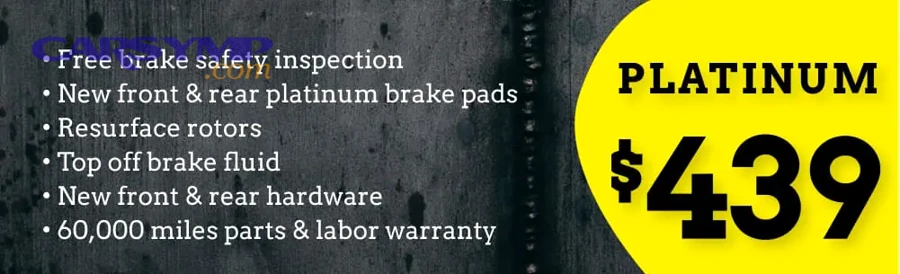
Independent shops often offer strong value for brake-noise diagnosis, dealers may excel with brand-specific procedures and parts data, and chains may be convenient—but value depends on transparency, diagnostic depth, and credit policies.
However, the best choice is the shop that can reproduce your symptom and document the cause clearly.
When a dealer diagnostic makes sense
A dealer can make sense when the vehicle has complex electronic braking systems, brand-specific service modes, or warranty-related concerns that require official documentation.
Next, dealers may have the most direct access to technical service information for that model.
Cụ thể, if your car has electronic parking brakes, integrated stability systems, or brake-by-wire features, dealer procedures can reduce guesswork.
When an independent shop is the smarter buy
An independent shop is often the smarter buy when you want a practical diagnosis and flexible repair options at competitive labor rates.
Besides that, independents may be more willing to explain multiple repair paths—minimum safe vs best long-term.
To illustrate, a good independent shop can show you wear patterns, explain hardware issues, and prioritize safety-critical items without upselling.
What to watch for at chain shops
Chain shops can be convenient, but you should confirm diagnostic scope because some locations rely on standardized processes that may be shallow for intermittent noises.
However, many chain shops do excellent work when the location is well-managed and staffed with experienced technicians.
Cụ thể, the key is documentation: ask for measurements, photos, and a written conclusion, not just “needs brakes.”
What questions should you ask to control the diagnosis fee and avoid surprises?
You can control diagnosis cost by asking about scope, billing triggers, credit policies, and what the shop will deliver in writing before work starts.
Next, these questions turn a vague “check it out” into a defined service.
Questions that clarify scope in plain language
Ask: “Is this a flat fee or time-based?” “Does it include wheel removal?” “What exact checks are included?” and “What would trigger extra diagnostic time?”
Besides that, ask whether the shop will road test and whether that’s included.
To illustrate, a flat fee that excludes road testing may miss noises that only happen under braking load at certain speeds.
Questions that protect you from add-on work
Ask: “Do not perform any repairs without my approval,” and set a numeric limit for additional testing without a call.
Next, confirm whether shop supplies, disposal fees, or “inspection add-ons” can be added automatically.
Cụ thể, a clear authorization note can prevent the classic surprise: extra billed time spent chasing an intermittent sound you didn’t approve.
Questions that improve diagnostic accuracy
Ask what information helps them reproduce the issue: temperature, speed range, braking force, reversing, turning, recent brake work, and whether the sound changed suddenly or gradually.
Moreover, offer to share a short video or audio clip of the sound.
To illustrate, a video can show whether the sound is rhythmic with wheel rotation or tied to pedal pressure, which changes the inspection path.
How can you prepare your car so the shop spends less time diagnosing?
You can reduce diagnostic time by making the noise easy to reproduce, removing friction points like missing wheel-lock keys, and providing a clean symptom history so the technician doesn’t start from zero.
To begin, preparation is the cheapest way to lower the final bill.
Bring the right “clues” and tools (wheel lock key matters)
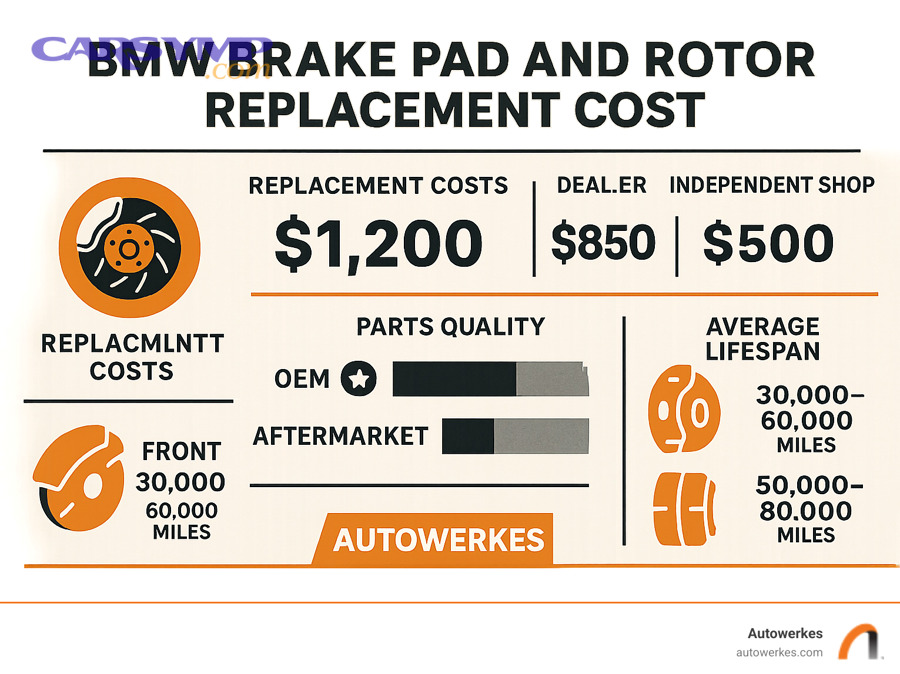
Bring the wheel-lock key, note recent brake or tire work, and list any changes like new pads, new rotors, or aftermarket wheels.
Next, those details prevent time-wasting delays and reduce the chance of misdiagnosis.
Cụ thể, missing wheel-lock keys can stall inspection or force extra steps, which can increase labor time before diagnosis even begins.
Describe the sound like a technician, not like a story
Describe: what it sounds like, when it happens, and what makes it stop—short, factual, repeatable.
Besides that, note whether it happens only while braking or also while coasting.
To illustrate, “high-pitched squeal on light braking under 20 mph, disappears with harder braking” is far more actionable than “it sometimes squeaks.”
Do a safe, quick home check to narrow the problem
A safe home check can confirm obvious issues—like a bent dust shield or a visible pad near the end of life—without disassembly or risky driving tests.
Next, it helps you arrive at the shop with stronger context.
Cụ thể, a simple DIY brake inspection checklist approach can include checking for stones stuck near the rotor, listening for scraping while rolling slowly, and inspecting for uneven pad dust patterns—then letting the shop handle the technical measurements.
When should you skip diagnosis and treat brake noise as an emergency?
You should treat brake noise as urgent if it comes with reduced braking power, pulling, grinding, burning smell, brake warning lights, or pedal changes, because these signs can indicate rapid component failure or unsafe stopping distance.
Next, safety symptoms override cost concerns every time.
Red-flag combinations that justify towing
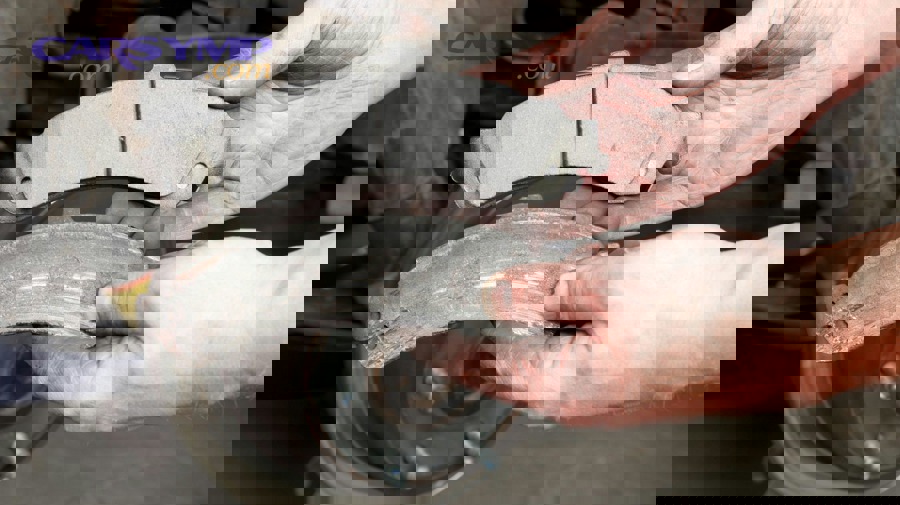
Tow the car if noise is paired with a sinking pedal, fluid loss signs, severe grinding, or a warning light—especially if stopping distance feels longer.
However, if you must move the car, do so only at low speed to a safe location and avoid traffic.
To illustrate, metal-on-metal grinding can destroy rotors quickly, and a fluid-related issue can lead to sudden loss of braking performance.
Why “driving a little more” can multiply repair cost
Continuing to drive can turn a pad replacement into rotors, calipers, and even wheel bearing or hub damage if heat spreads and surfaces degrade.
Next, the longer the noise is ignored, the less predictable the final bill becomes.
Cụ thể, once a rotor is deeply scored or overheated, resurfacing may not be an option, and replacement becomes the safer path.
How does the shop document the diagnosis so you can trust the recommendation?
A trustworthy shop documents diagnosis with measurements, photos, and a clear cause statement that connects the symptom to a specific failing part and explains why the proposed repair will stop the noise.
To start, documentation is what separates value from guesswork.
Measurements that matter more than opinions
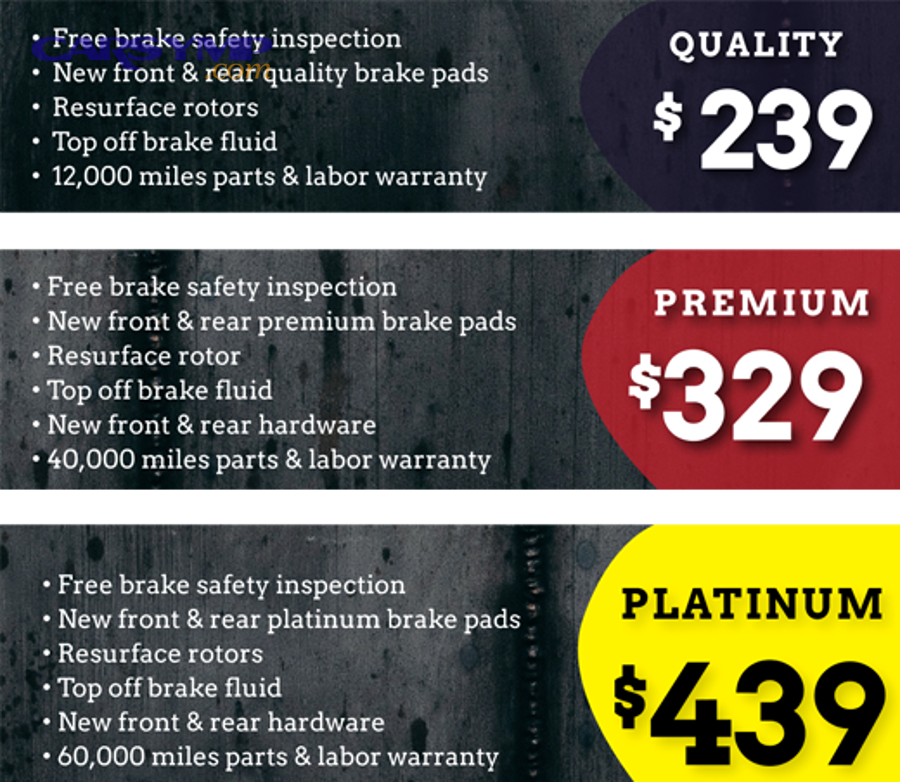
Key measurements include pad thickness (inner vs outer), rotor thickness, rotor condition, and signs of uneven wear that suggest sticking calipers or hardware issues.
Next, ask the shop to show you the readings or mark them on the estimate.
To illustrate, uneven inner-pad wear can support a diagnosis of caliper slide binding, which explains both noise and rapid wear.
Photos and “show-and-tell” in the service bay
Photos of contact marks, scoring, or heat spots help you verify the cause without needing to be a technician.
Besides that, seeing the parts builds confidence that the recommendation matches the evidence.
Cụ thể, a quick photo of a bent dust shield touching the rotor edge can explain a scraping sound instantly and prevent unnecessary parts replacement.
Repair options: minimum safe vs best long-term
A good estimate provides repair tiers—what you must fix for safety now and what you can plan for later if budget is tight.
However, the shop should be clear about which choice risks repeat noise or reduced braking performance.
To illustrate, replacing pads alone might reduce noise temporarily, but if rotors are out of condition, the sound can return quickly.
How do you choose the “right” diagnostic depth without overspending?
The right diagnostic depth matches the symptom severity: mild noise with normal braking can start with a standard inspection, while intermittent or safety-linked noise needs deeper testing to avoid repeat visits and unnecessary parts swapping.
Next, you’re balancing cost today against certainty tomorrow.
Start shallow only when the symptom is truly mild
If the noise is faint, braking feels normal, and there are no warning lights, a standard inspection can be a reasonable first step.
However, you should still ask for measurements, not just a visual glance.
To illustrate, mild squeal could be pad material behavior, but a quick measurement can confirm whether pad life is low and approaching the wear indicator.
Go deep when the noise is intermittent, load-dependent, or repeat after repair
If the noise is intermittent, changes with temperature, or returned after recent brake work, deeper diagnosis is usually cheaper than repeated “try this part” repairs.
Next, deeper diagnosis is especially valuable when multiple systems could be involved.
Cụ thể, repeat noise can come from hardware fitment, rotor surface issues, caliper slide friction, or mismatched pad compounds—so the shop must confirm the true interaction, not just replace parts again.
Contextual Border
Beyond the core pricing and process, the following details can change the final invoice in ways most drivers don’t expect—so understanding them helps you negotiate scope, approve work confidently, and prevent repeat brake-noise visits.
Supplementary insights that change the bill after diagnosis
These supplementary factors can raise or lower your final cost even when the diagnosis is correct, because billing rules, parts choices, and estimate formatting determine how the shop converts findings into a repair plan.
Moreover, knowing these levers helps you keep control without arguing about safety.
How flat-rate labor guides influence diagnosis and repair pricing
Flat-rate systems standardize labor time, so a repair might cost the same even if one technician finishes faster than another.
Next, ask which parts of the job are flat-rate and which are time-and-materials when rust or seized hardware is involved.
Cụ thể, a shop may quote a standard brake job labor line, but add time if corrosion forces additional work to remove stuck components safely.
How part quality and compatibility affect noise return risk
Brake noise often returns when pads, rotors, and hardware aren’t matched in quality or fit, even if the initial repair “solves” the symptom briefly.
However, higher-quality parts aren’t always necessary—what matters is correct fitment and proper bedding-in.
To illustrate, using the correct hardware clips and applying proper lubrication at the right contact points can prevent squeal and clicking without expensive upgrades.
How to read estimate lines so you know what you’re approving
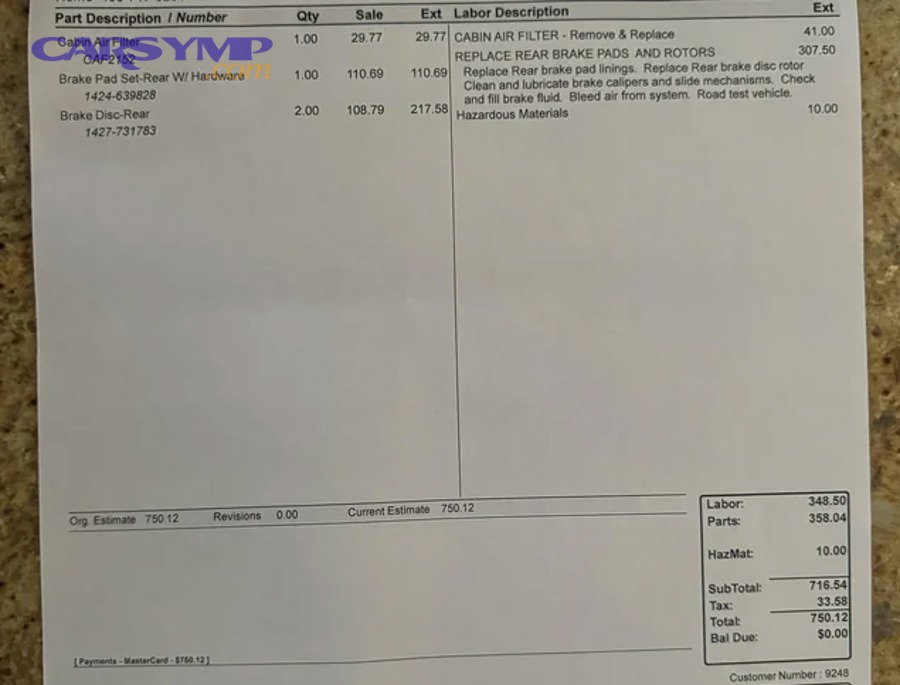
Reading the estimate means separating diagnosis, parts, labor, shop supplies, and optional add-ons, then confirming what is included in each line item.
Next, ask for clarity when you see vague labels like “brake service” without detail.
Cụ thể, the most useful estimates specify pads, rotors, hardware kits, caliper service steps, and whether machining or replacement is included.
How warranty, goodwill, and repeat-visit policies can reduce your cost
If you recently had brake work done, you may qualify for reduced-cost reinspection or warranty coverage on parts and labor, depending on the shop’s policy.
Besides that, some shops offer goodwill credits if the noise returns within a short window and the root cause is linked to a previous repair step.
To illustrate, if hardware was reused and noise returns quickly, a shop may offer a reduced labor charge to replace missing clips or correct fitment, especially when documentation supports it.
FAQ: Shop diagnosis cost for brake noise
Is it normal to pay a diagnosis fee even if I decline the repair?
Yes, it’s normal because the fee pays for skilled time and testing; however, you should still receive a written conclusion and evidence so you can decide confidently.
Can I ask the shop to stop after the initial inspection?
Yes—set an approval limit up front, and request a call before any additional testing time is billed, especially for intermittent noises.
What should I do if two shops recommend different fixes?
Compare the evidence: measurements, photos, and the specific cause statement; the recommendation supported by clearer proof is usually the safer choice.
Should I authorize parts replacement without a confirmed cause?
Only if the parts are clearly unsafe or worn beyond limits; otherwise, prioritize confirmation steps so you don’t pay twice for trial-and-error repairs.