


Brake pad wear symptoms are the real-world signals that your friction material is getting thin, uneven, overheated, or contaminated—often long before the brakes “fail.” If you’re noticing squeal, longer stopping distances, vibration, or a warning light, your car may be telling you the pads are getting close to the end of their usable life.
Many drivers only act when the brakes sound awful, but that’s late-stage. Earlier clues—like inconsistent pedal feel, a change in bite, or noise that appears only under specific conditions—can help you catch pads worn out before you damage rotors and create a larger repair.
Another key goal is separating what’s normal (a brief morning squeak, a light rust scrub, a little dust) from what’s not. The wrong assumption can either waste money or delay a safety repair—so the symptom pattern matters more than any single sign.
To introduce a new idea, the fastest way to stay safe is to map each symptom to what it usually means, confirm it with a quick check, and then decide whether you should drive, monitor, or stop immediately.
What are brake pad wear symptoms, and why do they appear before failure?
Brake pad wear symptoms are the audible, visual, and “feel” changes that happen as the pad’s friction layer thins, heats, or wears unevenly, reducing how smoothly it can clamp the rotor. To begin, think of symptoms as early warnings—not proof of danger by themselves—because the brake system still has reserve capacity until the pad material becomes critically low.
Next, the reason symptoms show up early is simple: friction material changes gradually, but your senses detect small changes in vibration, sound frequency, and pedal response long before the pad backing plate touches the rotor. Specifically, pads worn out often show themselves through noise at light braking, reduced initial bite, or a gritty feel that wasn’t there before.
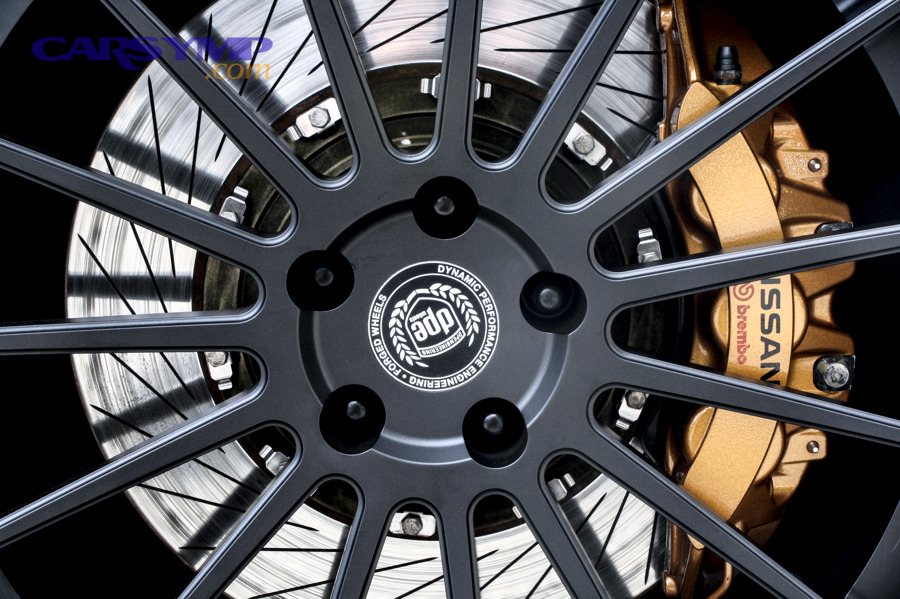
To illustrate, a pad can still stop the car yet squeal because a wear indicator is beginning to contact the rotor, or because the pad has glazed from heat. In contrast, true metal-to-metal grinding usually means the friction layer is already gone in at least one spot.
According to guidance from Haynes Manuals, published September 2019, many vehicles start warning around roughly 3 mm of pad material, and replacement is commonly recommended at about that point to avoid late-stage damage and performance loss.
Besides pad thickness, pay attention to heat patterns. Repeated hard stops can overheat pads and create a shiny “glazed” surface that squeaks and reduces bite. More importantly, heat can also transfer into the rotor and caliper, making symptoms feel worse even when thickness is not yet minimal.
Finally, symptom timing matters. Noise only at very low speeds can be different from noise only under heavy braking. As a result, your best diagnostic habit is to notice when the symptom happens, how repeatable it is, and whether it’s getting worse.
Do squealing brakes always mean pads worn out?
No—squealing does not always mean pads worn out, but it is a strong warning when it happens consistently during braking, especially after the brakes are warmed up. Next, you should treat persistent squeal as a “check soon” signal because it often indicates a wear indicator tab or an electronic sensor is reporting low remaining material.
Specifically, many pads include an acoustic wear indicator (a thin metal tab). As the friction layer gets thin, that tab contacts the rotor and makes a high-pitched squeal designed to be annoying on purpose. In other words, the sound is engineered as a reminder, not an accident.
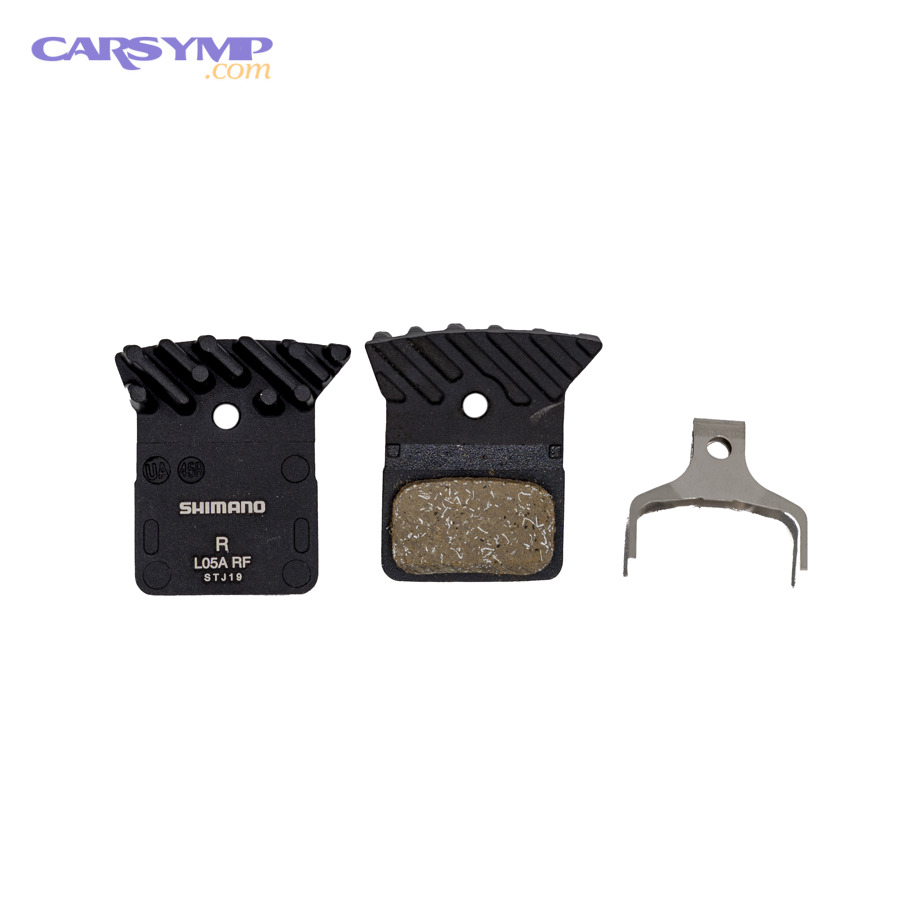
However, squeal can also come from moisture, light surface rust, dust build-up, pad glazing, missing anti-rattle hardware, or a pad compound that is naturally noisy under light pressure. To understand it correctly, look for a pattern: does it happen only at the first stop in the morning, or every time you brake?
According to Chapel Hill Tire, published July 2022, “squealers” are metal tabs that begin contacting the rotor once pad thickness drops below a safe level, creating squeaking/scraping sounds as a deliberate warning.
To connect this to a quick decision: if squeal is occasional and disappears after a few stops, you can monitor and plan inspection. But if squeal is frequent, gets louder, or is paired with weaker braking, treat it as urgent.
Also consider that some vehicles have electronic wear sensors. If the warning light comes on without squeal, it can still indicate low pad life remaining, especially if the sensor circuit is designed to “fail” as the pad wears.
In summary, squeal is not a guaranteed “danger now” sign, but it is rarely something you should ignore for weeks—because the next stage after warning can be rotor damage.
What does grinding mean compared with squealing or light scraping?
Grinding is the “stop now” sound more often than not, because it commonly means the friction material is worn down far enough that metal is contacting metal, while squealing is frequently an earlier warning. Next, treat grinding as a higher-risk symptom because it can rapidly damage rotors, overheat components, and reduce consistent stopping performance.
To clarify, squeal is usually high-pitched and may come and go. Grinding tends to be lower, harsher, and can feel like rough vibration through the pedal. Sometimes you’ll hear scraping that changes with wheel speed even when you’re not braking—this can happen if a worn pad backing plate is touching the rotor or if hardware is dragging.
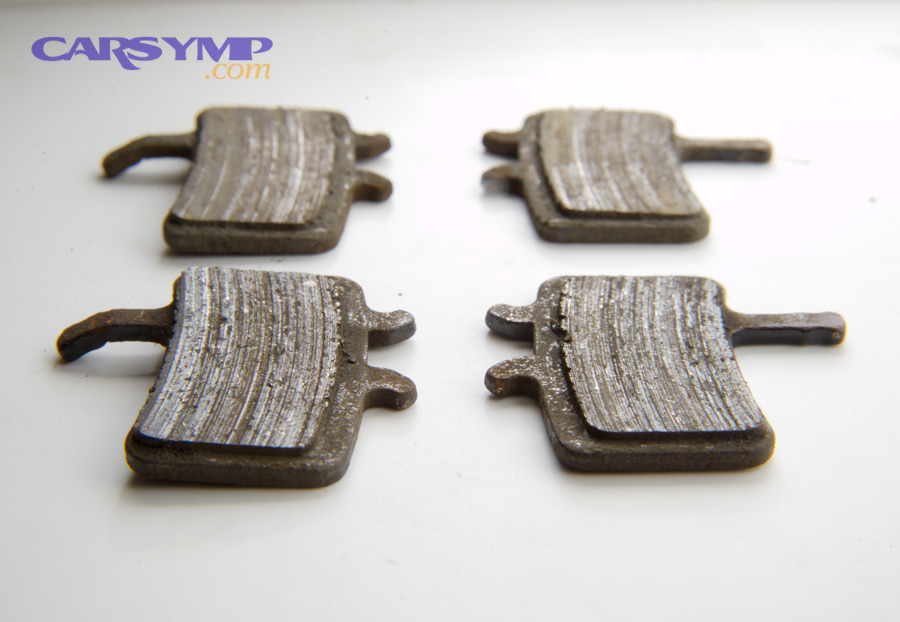
According to ADVICS Aftermarket, published September 2023, grinding often occurs when a pad has worn so thin that the rotor is coming into contact with the caliper area, putting rotors and calipers at risk and signaling the need for immediate pad service.
To understand the “why,” imagine the pad as a heat-managing friction layer. When that layer is gone, the system loses a controlled friction surface, so heat spikes faster, and the rotor surface can be gouged. That gouging is why grinding frequently turns a pad job into a pad-and-rotor job.
Now, to introduce a practical check: if grinding appears only at the very end of a stop and only on one side, you may have uneven wear. For example, a sticking caliper slide pin can keep one pad in contact, wearing it faster until it reaches metal. The symptom is telling you not only “pads worn out,” but also “find the reason for the uneven wear.”
If you want a quick visual explainer, this video demonstrates how a wear tab can scrape the rotor and how noises change as pads get thinner:
How can you confirm pad wear with a quick visual check?
You can confirm pad wear by visually estimating remaining friction material thickness and comparing inner vs outer pads, then checking for uneven wear clues. Next, a quick inspection is valuable because it turns a vague symptom into a concrete “how much material is left” answer.
To begin, safely park on level ground, set the parking brake, and look through the wheel spokes at the caliper. Many vehicles let you see the outer pad; some let you see the inner pad too. The friction material is the block between the backing plate and the rotor—this is what you’re judging, not the backing plate itself.
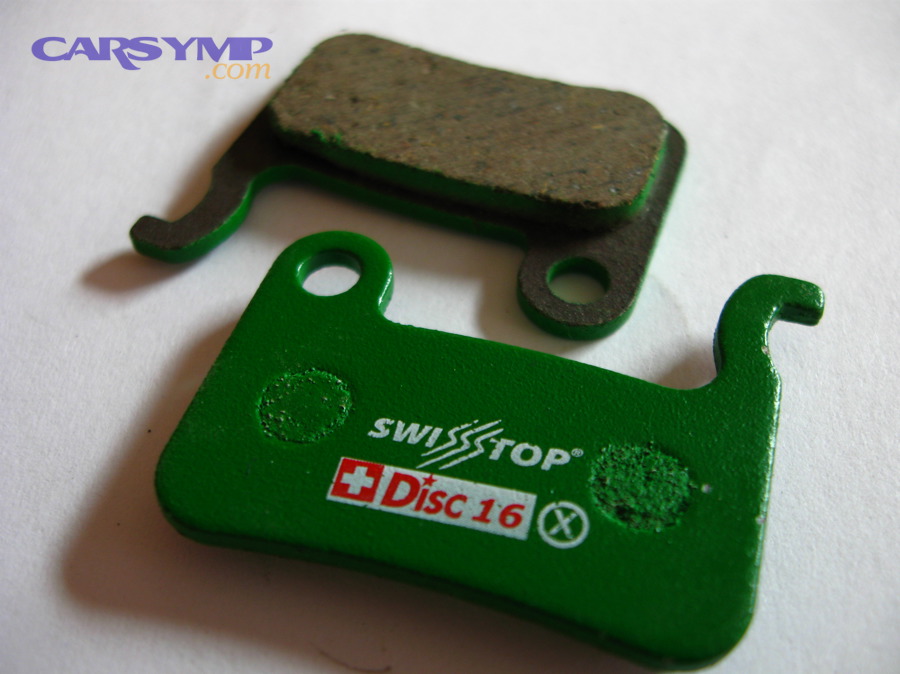
As a rule of thumb, when the friction layer looks very thin, you’re likely close to the end of service life. Specifically, if you see a thin strip that looks like a few millimeters, plan service soon—especially if other symptoms suggest pads worn out.
According to Haynes Manuals, published September 2019, many systems begin warning around ~3 mm and replacement is commonly recommended at about 3 mm to avoid running into late-stage wear.
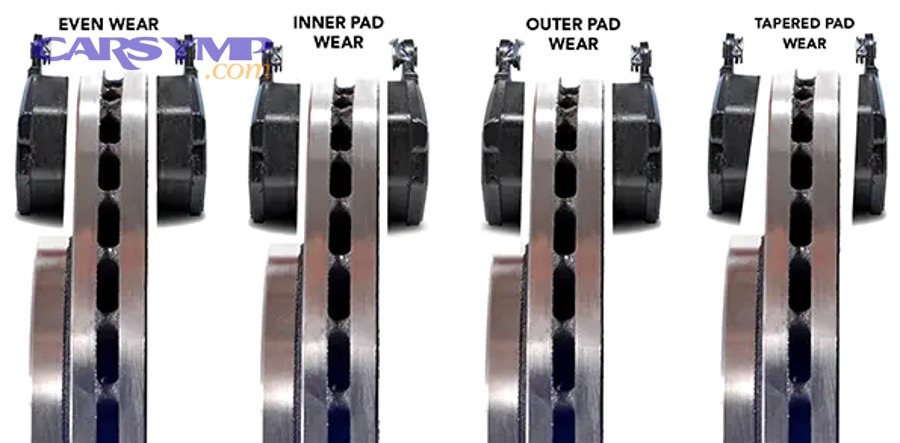
To make the check more reliable, compare left vs right and inner vs outer pads. Uneven thickness between sides suggests a caliper or hardware issue. Uneven thickness between inner and outer pads suggests a sliding mechanism problem or piston retraction issue.
Also look for surface clues: a glassy shine can indicate glazing; crumbly edges can indicate heat stress; and heavy scoring on the rotor can indicate hard debris or metal contact. These details help you choose the right fix, not just replace parts blindly.
Finally, if the wheel design blocks visibility, don’t guess. A shop can measure thickness precisely in minutes, or you can remove the wheel if you have safe lifting equipment and experience.
Which “feel” symptoms point to worn pads rather than something else?
Feel symptoms that often align with worn pads include reduced initial bite, longer pedal travel, and a rough sensation during braking, but each can overlap with other brake issues. Next, you should pair feel symptoms with sound and visual checks to avoid misdiagnosis.
Specifically, worn pads can feel like you need more pedal to get the same slowing effect, especially at highway speeds. If the pad compound is heat-stressed or contaminated, you may also feel inconsistent bite: strong at first, then weak, or weak until warmed up.
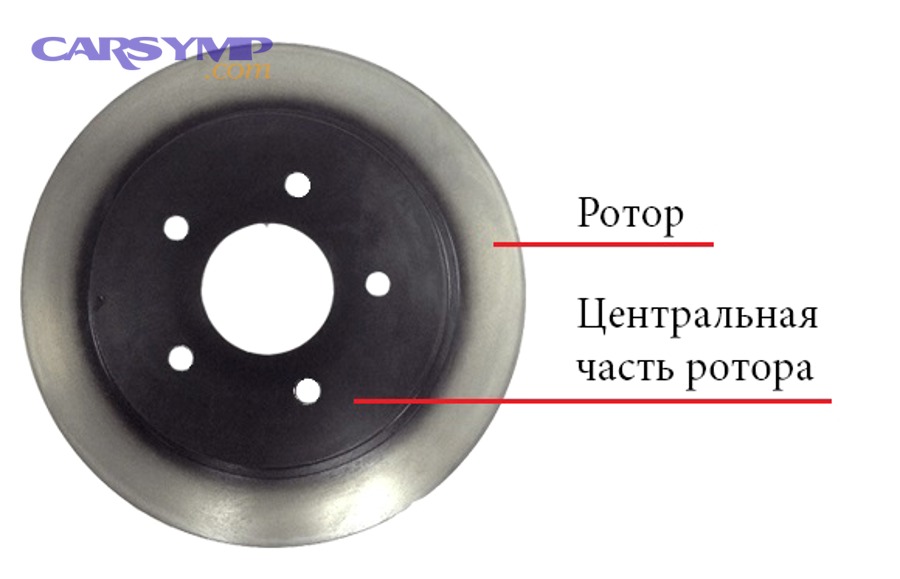
However, vibration through the steering wheel is more often linked to rotor surface variation than pad thickness alone. In other words, worn pads can contribute, but the vibration pattern may point you toward rotor condition, torque issues, or stuck calipers.
According to a technical report by the U.S. National Highway Traffic Safety Administration’s Vehicle Research and Test Center (VRTC), in March 1999, 648 stopping-distance tests were conducted across multiple vehicles and conditions, highlighting how braking performance depends on system condition and test variables—so small component changes can produce noticeable “feel” differences even before obvious failure.
To connect this to your daily driving: if you feel the pedal getting lower over time, don’t assume it’s “just pad wear.” Pads wear gradually, but a sudden change can indicate fluid issues, air in the system, or a leak. Those are higher-risk than ordinary pads worn out.
Use this quick symptom map to guide urgency:
This table helps you match common symptoms to likely meaning and urgency so you know what to inspect first.
| Symptom | Most common meaning | Urgency |
|---|---|---|
| High-pitched squeal only when braking | Wear indicator contacting rotor or pad glazing | Inspect soon |
| Harsh grinding during braking | Friction material gone in at least one area | Stop and service |
| Longer stopping distance / weaker bite | Thin pads, heat stress, contamination, or hydraulic issues | Inspect promptly |
| Vibration/pulsation in pedal | Rotor surface variation or uneven deposits | Inspect soon |
| Pulling left/right under braking | Uneven braking force (pad wear, caliper, hose) | Inspect promptly |
In summary, feel symptoms help you prioritize, but they should trigger confirmation—not guessing—because safety depends on the true cause.
Can worn pads damage rotors and calipers, and how quickly can it escalate?
Yes, worn pads can damage rotors and calipers, and the escalation can be surprisingly fast once the friction layer is very thin. Next, the big risk is that thin pads lose heat capacity and can allow metal-to-metal contact, which quickly gouges rotors and overheats surrounding parts.
To begin, rotors are designed to work with a controlled friction material. When that layer becomes too thin, the pad backing plate or embedded debris can score the rotor surface, creating grooves and hot spots. This doesn’t just make noise; it can reduce smooth contact and worsen vibration.
According to ADVICS Aftermarket (published September 2023), continuing to drive when pads are extremely thin increases the chance that rotors and calipers may also need service or replacement, not just the pads.
To connect this to “how fast”: once you’re hearing harsh grinding, every stop is effectively machining the rotor. The rotor surface can be ruined quickly, and the caliper can run hotter than designed. Overheat can cook seals and boots, and it can also lead to brake fade during repeated stops.
Also remember uneven wear. One pad can be worn out while the opposite side still looks “okay.” That’s why a single grinding corner is not rare. The solution is not only new friction material; it’s correcting the cause of the uneven wear so the next set doesn’t fail early.
In short, if the symptom suggests metal contact, the safest assumption is that continued driving is costing you rotors and risking braking consistency.
When should you stop driving immediately vs drive carefully to a shop?
You should stop driving immediately if you have grinding, a sudden loss of braking power, a brake warning light paired with poor pedal feel, or braking that feels unpredictable. Next, if the symptom is only mild squeal with normal braking performance, you can often drive carefully to a shop, but you should still schedule inspection soon.
To be practical, “stop now” signs are those that imply the braking system may not respond as expected in an emergency. Grinding is a prime example because pads worn out can leave you with inconsistent friction and severe heat spikes. Another “stop now” sign is a pedal that suddenly sinks or requires pumping to work.
According to Firestone Complete Auto Care (published August 2025), acoustic wear indicators (“squealers”) are designed to create a high-pitched squeal when pad material wears low—meaning the sound is a prompt to service before it becomes a more damaging condition.
To connect the dots: squeal by itself is often “service soon,” while grinding is often “service now.” But context matters—if squeal is paired with longer stopping distances, steering pull, burning smell, or smoke, treat it as urgent.
Here are safer “drive carefully to a shop” rules when the car still brakes normally: avoid high speeds, increase following distance, avoid hard stops, and choose a route with minimal traffic. If anything worsens—new vibration, new warning light, or bite suddenly disappears—stop and tow.
In summary, your goal is not to “see how long it lasts,” but to avoid crossing the line where symptoms become component damage or a safety event.
What driving habits and environments make pads wear out faster?
Pads wear out faster in stop-and-go traffic, hilly terrain, towing, aggressive braking, and repeated short trips where brakes don’t dry out or cool evenly. Next, understanding these accelerators helps you interpret symptoms: if your driving matches the “high wear” profile, the same symptom likely means you’re closer to the end of pad life.
To begin, brake pads convert motion into heat. The more often you brake, and the harder you brake, the more heat cycles the pads endure. Heat cycles can cause glazing, cracking, and uneven transfer films—each of which can create noise and reduced bite even before pad thickness is minimal.
According to Bestparts.ca (published September 2025), new pads are often around 10–12 mm, while minimum safe thickness commonly falls in the 2–3 mm range depending on manufacturer specs—making high-frequency braking conditions more likely to bring you into the warning zone sooner.
To illustrate, city driving can wear pads quickly even if you don’t drive many miles, because wear is closely tied to stop events, not just distance. Likewise, mountain descents can heat-soak brakes and accelerate wear if you ride the pedal instead of using engine braking where appropriate.
Also, environment matters. Road salt and water can encourage corrosion and cause hardware to stick. Dust and sand can embed into pads and increase abrasive wear. These factors don’t just shorten pad life—they can change symptom style, making noises appear earlier.
Finally, if you frequently notice pads worn out sooner than expected, the fix may be partly behavioral (braking style) and partly mechanical (sticking slides, seized hardware, misalignment), so it’s worth checking both.
Contextual Border: Up to this point, you’ve focused on the core symptoms and safety decisions. Next, the article shifts into micro-details—uneven wear patterns, sensor behavior, and symptom look-alikes—so you can diagnose more precisely and avoid repeat wear.
Extra details that explain uneven wear patterns and confusing warning signals
This section zooms in on the “why” behind tricky cases, because symptoms don’t always appear in a clean, textbook order. Next, use these micro-patterns to connect what you hear and feel with what the parts are doing mechanically.
Why can the inner pad wear faster than the outer pad?
The inner pad can wear faster when caliper slide pins stick, the caliper bracket is corroded, or the piston doesn’t retract smoothly, keeping pressure on one side. Next, this matters because you might look through the wheel and see a “fine” outer pad while the inner pad is actually close to pads worn out.
To illustrate, a sticky slide pin prevents the caliper from centering, so one pad does most of the work and overheats. Over time, that pad becomes thin, glazed, and noisy—while the opposite pad wears slowly. The fix is not just new friction; it’s cleaning and lubricating the hardware and correcting any seized parts.
According to Haynes Manuals (published September 2019), pads can wear unevenly and the only reliable judgment is measuring the actual friction thickness at the thinnest point, especially when access is limited.
Why might a warning light appear before you hear noise?
A warning light can appear first if your vehicle uses electronic wear sensors that complete or break a circuit as pad material gets low. Next, this can feel confusing because you expect squeal, but the sensor may be designed to alert earlier or on a different wheel than the one that would squeal first.
To be concrete, some systems place sensors on a specific axle or corner, and they can trigger due to uneven wear or wiring damage. This is why you should treat the light as a reason to inspect, not a reason to guess which wheel is worn.
According to Standard®’s overview of brake pad wear sensors, these sensors are intended to warn the driver when pad thickness becomes too low and should be replaced when pads are serviced.
Why can new friction still squeak, even though wear isn’t the problem?
Sometimes squeak after new friction is caused by pad bedding issues, glazed rotors, missing hardware, or incorrect lubrication points, not because the pads are already thin. Next, this is where the phrase Squeal after pad replacement causes becomes relevant: the sound is often a process issue rather than a “bad part.”
To illustrate, if the pad compound is not bedded properly, the transfer layer on the rotor can be uneven, creating vibration and noise under light braking. Likewise, if anti-rattle clips are reused when they’re weak, or if shims are missing, the pad can chatter. The fix is often to correct installation details and perform correct bedding rather than immediately replacing parts again.
According to Firestone Complete Auto Care (published August 2025), wear indicators create a specific squeal when pad material is low—so if you have squeak with plenty of thickness, you should look for other causes like hardware fitment, rotor condition, or contamination.
How to plan the repair logically when you suspect the pads are worn
A logical plan is: confirm thickness, check for uneven wear causes, decide whether rotors are serviceable, then schedule the work with the right parts and timeline. Next, this is where brake pad replacement becomes more than a parts swap—because correcting the underlying wear pattern prevents an early repeat.
To make planning easier, consider Front vs rear brake pad differences in how they wear: many vehicles wear front pads faster due to weight transfer under braking, but some modern vehicles and driving profiles can wear rears faster depending on brake bias, stability control use, and parking brake design. Therefore, you should inspect both axles rather than assuming the front is always the culprit.
Finally, budgeting is clearer when you think in ranges rather than single numbers. Use Brake pad replacement cost estimate as a planning phrase, but anchor your expectation to what might change the price: rotor resurfacing/replacement, sensor replacement, seized hardware, and whether one axle or both are needed.
According to the NHTSA VRTC brake testing technical report (March 1999), brake performance testing is sensitive to system condition and preparation (including brake linings and rotors being in “like new” condition for methodology testing), reinforcing why correct parts condition and installation details matter for consistent braking results.
FAQ
This FAQ answers common “what does it mean?” questions that come up when drivers notice brake pad wear symptoms and suspect pads worn out. Next, use these as quick checkpoints, then confirm with an inspection when safety is involved.
How thin is “too thin” for brake pads?
Many technicians recommend planning replacement when friction material approaches a few millimeters, because you’re entering the warning zone where performance margin shrinks and rotor damage risk rises. According to Haynes Manuals (published September 2019), replacement is commonly recommended at about 3 mm remaining material for many vehicles.
If I only hear noise in the morning, are my pads worn out?
Not necessarily. Light morning squeak can come from moisture or surface rust and may disappear after a few stops. However, if the noise returns consistently under braking, grows louder, or pairs with weaker braking, it may indicate a wear indicator or other pad-related issue and should be inspected.
Can one wheel be worn out while the others look fine?
Yes. A sticking caliper, seized slide pin, or uneven hardware can wear one pad rapidly. This is why checking inner vs outer and left vs right matters more than a single quick glance through the wheel spokes.
Is squeal always the wear indicator tab?
No, but it’s common. According to Chapel Hill Tire (published July 2022), squealers are metal tabs that contact the rotor once pad thickness drops below safe levels, creating squeaking/scraping sounds.
What’s the simplest safe next step if I suspect pad wear?
The simplest safe step is to confirm pad thickness (visually if possible, measured if not), then schedule inspection promptly if you hear persistent squeal, feel weaker braking, or experience vibration. If you hear grinding or feel unpredictable braking, stop driving and arrange towing or immediate service.