


Front vs rear brake pad differences come down to workload, heat, and control: the front axle usually does more braking, so front pads are often built to handle higher temperatures and faster wear, while rear pads commonly focus on stability, balance, and parking-brake integration.
Because the front tires carry more load during braking, the front brake system typically needs more bite and thermal capacity; in contrast, the rear system often “finishes” the stop and helps keep the vehicle settled, especially when weight shifts forward.
Just as important, many cars use different hardware, sensors, and even caliper or parking-brake designs between axles, so pad shape, backing plate thickness, and attachment points can differ even if the friction material looks similar.
To introduce a new idea, the fastest way to choose correctly is to treat front and rear pads as two related parts of one system, then match the pad design to your braking forces, driving pattern, and the symptoms you’re trying to fix.
What are the practical front vs rear brake pad differences you can feel?
Front pads usually deliver stronger initial stopping power and manage more heat, while rear pads often prioritize balance, stability, and smoother engagement—so the “feel” difference is commonly bite up front versus control and consistency in the back.
Next, it helps to map what you feel (pedal response, noise, vibration, and stopping confidence) to what each axle is responsible for during a real stop.
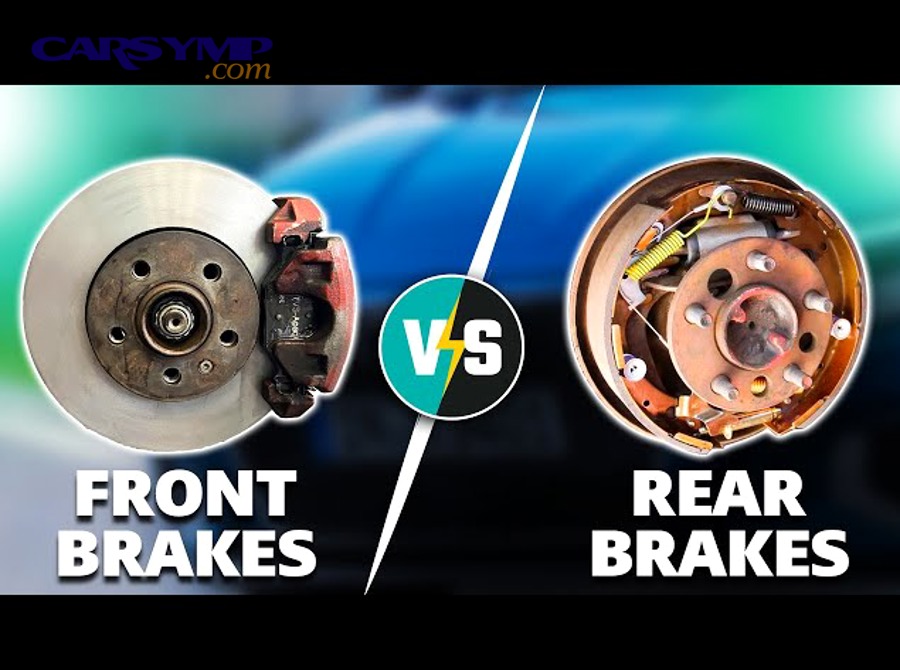
In most passenger vehicles, the front brakes contribute a larger share of braking force during medium-to-hard stops because weight transfers forward and increases front-tire traction. That extra work creates more friction heat at the front rotor, so front pads often use a formulation and backing plate design that tolerates higher temperatures without fading quickly.
Rear pads, meanwhile, are frequently tuned to keep the rear end stable and predictable. If rear brakes grabbed too aggressively, the vehicle could feel twitchy under braking—especially in wet conditions or during corner entry. That’s why rear pads may be slightly less “bitey,” and why some rear setups emphasize smooth engagement, lower noise, and consistent output at lighter pedal pressures.
In real driving, this can show up as: stronger initial bite and more heat-related smell from the front after repeated stops, while the rear tends to be quieter—until it isn’t. When rear pads do get noisy, it can feel like a lower-frequency groan or a rhythmic scrape that’s more noticeable at low speeds.
Do front brake pads wear faster than rear brake pads?
Yes, front brake pads often wear faster than rear pads because the front axle typically handles more braking force, reaches higher temperatures, and experiences greater friction work per stop; however, rear wear can catch up if your car uses rear-biased stability control, towing, or an aggressive rear system.
However, wear rate is not a rule—it’s a result—so the next step is to identify what’s causing your particular wear pattern.
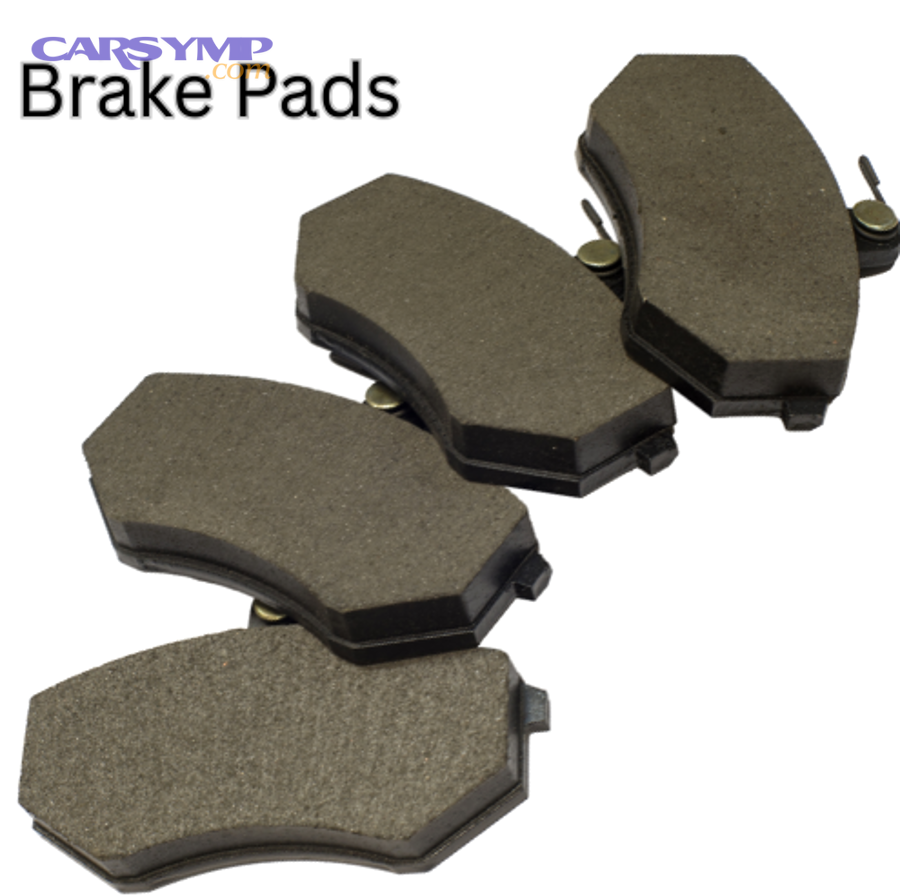
Three big reasons front pads commonly wear faster:
- Weight transfer: The front end loads up under braking, giving the front tires more grip and the front brakes more “permission” to do work.
- Heat cycling: Higher front rotor temperatures can accelerate pad glazing, binder breakdown, and overall material loss.
- Driving style: Late braking, stop-and-go commuting, and downhill driving tend to punish the front axle first.
Now for the exceptions that make rear pads wear surprisingly quickly. Some modern vehicles apply rear brakes more actively for stability control, traction management, and electronic brake distribution. If you live in a hilly area, tow frequently, or drive in slippery conditions where stability systems intervene often, rear pads can see more use than you expect.
A practical check is to compare inner-pad thickness to outer-pad thickness on both axles. If one inner pad is much thinner, a sticky caliper slide or piston behavior may be involved. That kind of “uneven” wear matters more than the raw difference between front and rear thickness, because it points to hardware friction, not just driving demand.
How does braking force distribution change pad design front vs rear?
Front pad designs typically emphasize heat capacity and consistent friction at higher loads, while rear pad designs more often emphasize stability and smooth modulation, because braking force distribution shifts forward under deceleration and the rear axle must avoid sudden lockup or instability.
To begin, consider the stop as a shared task: the front generates most of the deceleration, and the rear maintains balance while contributing controlled braking torque.
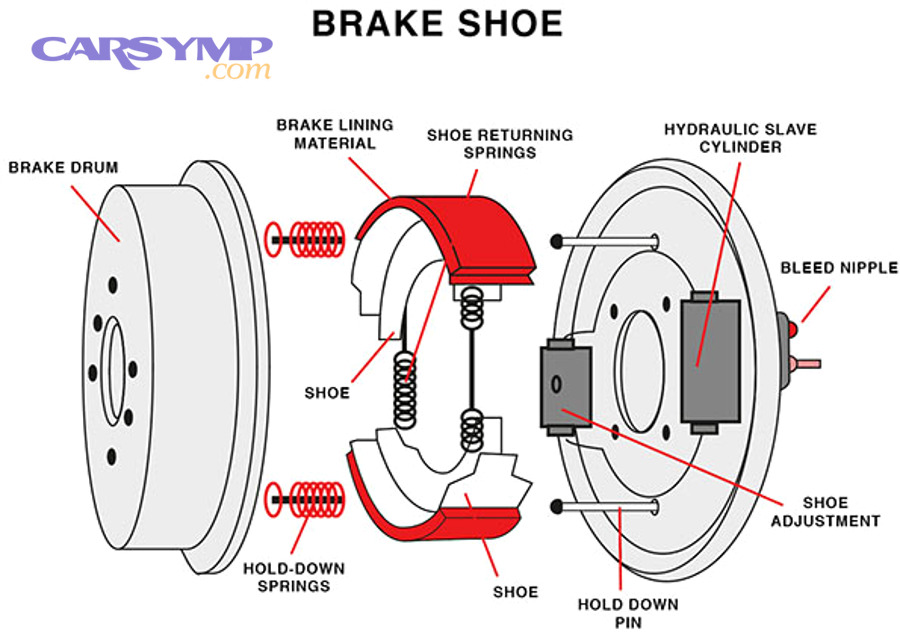
Pad design differences you’ll commonly see across axles include:
- Friction material tuning: Front pads may be formulated for higher-temperature performance, while rear pads may be tuned for quiet, smooth engagement at lower pressures.
- Backing plate stiffness: More stiffness can reduce squeal and improve pedal feel, especially on the front where clamping loads are higher.
- Chamfers and slots: These can be used differently front vs rear to control noise, dust, and initial bite characteristics.
Specifically, the front axle’s higher clamping force and heat can expose weaknesses in pad material faster: fade, glazing, and friction drop-off. So a front pad that feels “strong” cold but fades hot is a poor match for repeated braking. Rear pads, by contrast, can be more sensitive to noise issues at low speeds where drivers notice squeaks most clearly—like parking lots and stop signs.
Also, vehicle architecture matters. A car with larger front rotors and smaller rears may use a more aggressive front compound to maintain consistent stopping distances, while a vehicle with relatively strong rear brakes (or performance-oriented setups) may demand a rear compound that remains stable and predictable at higher temperatures as well.
Which hardware features make front and rear pads physically different?
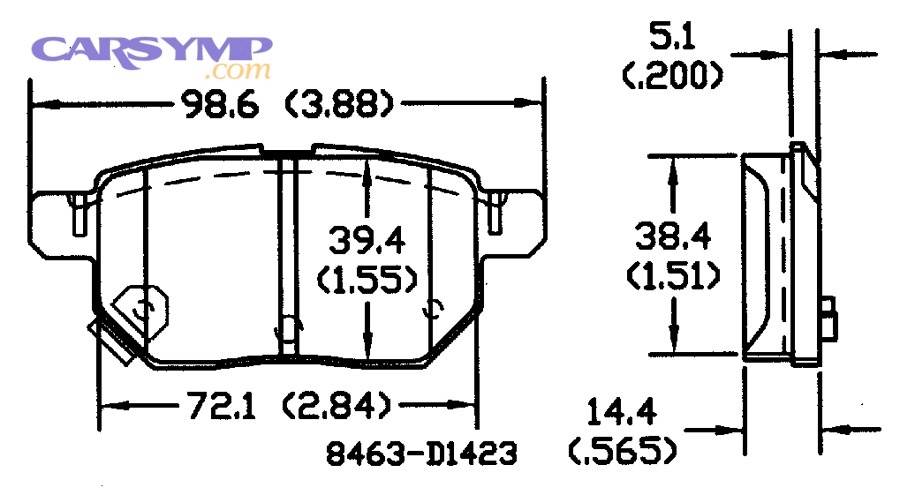
Front and rear pads can differ in shape, thickness, and attachment features because calipers, pistons, abutment brackets, anti-rattle clips, wear sensors, and parking-brake mechanisms may be different between axles—even on the same vehicle.
Next, treat “pad fit” as more than size: hardware compatibility is what prevents noise, uneven wear, and binding.
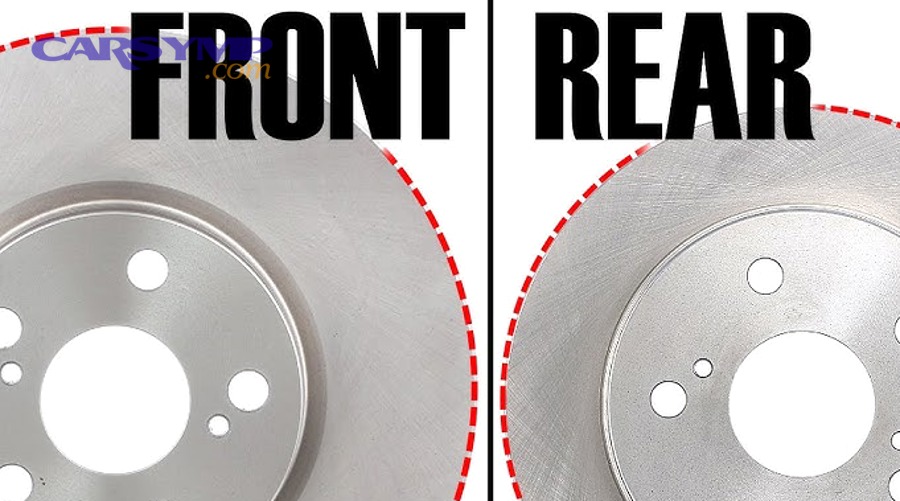
Common physical differences you may notice:
- Wear sensor location: Some pads include an electrical sensor; others use a mechanical squealer. The sensor may exist on only one axle, or only on one side.
- Clip and shim geometry: The front may use thicker shims or specific anti-squeal hardware due to higher vibration energy.
- Pad ears and abutment points: The “ears” that slide in the bracket can be different front vs rear to match bracket casting and clip design.
- Parking-brake integration: Many rear calipers incorporate a mechanism that affects piston movement and pad retraction behavior.
For example, rear calipers on many vehicles require a special retracting procedure (often a rotation-and-press motion) because the parking brake mechanism is integrated into the caliper piston. That can influence the pad backing plate design and how the pad sits in the caliper bracket.
If you ignore these hardware differences, you can end up with pads that technically “fit” but don’t slide freely, causing drag, hot spots, and rapid wear. That’s one reason a careful brake pad replacement process includes cleaning and lubricating the correct contact points, verifying clip seating, and confirming the pads move smoothly in the bracket.
Can you swap front and rear brake pads if the dimensions look similar?
No, you generally should not swap front and rear brake pads even if they look similar, because the friction formulation, backing plate geometry, sensor features, and hardware interfaces are axle-specific; swapping risks poor braking balance, abnormal wear, and noise.
However, to understand why, it helps to look at what “similar” hides: design intent and fit tolerances.
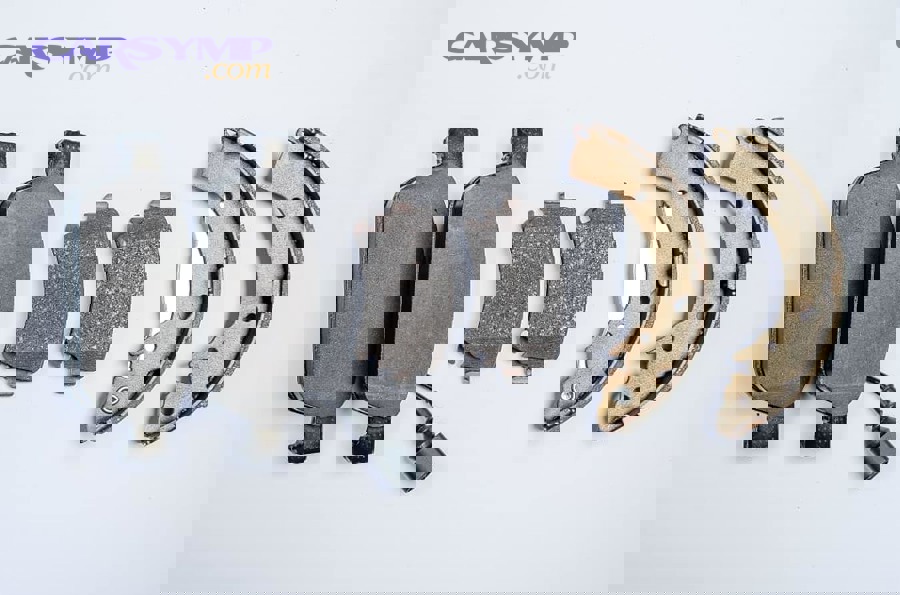
Three practical reasons not to swap:
- Balance and stability: The car’s braking system is tuned for predictable front-to-rear behavior; changing axle compounds can alter stability during braking.
- Hardware mismatch: A missing sensor slot, different clip engagement, or incorrect pad-ear thickness can cause binding or rattling.
- Heat mismatch: A pad designed for the rear may overheat on the front and fade; a front-focused pad may create excess rear bite and noise.
In performance contexts, some enthusiasts do tune pad compounds front vs rear, but they do it intentionally with a full understanding of brake bias, tire grip, and thermal behavior—and often with matching rotor and fluid considerations. For daily driving, the safe approach is to select pads designed for each axle as specified for your exact vehicle.
How do front vs rear worn pads sound and behave differently?
Front worn pads often produce stronger vibration, steering-wheel shudder, or a harsh grind because the front axle transmits braking torque through the steering and suspension, while rear worn pads may show as low-speed squeal, a groan, or a subtle change in vehicle stability under braking.
To understand this clearly, match the symptom to the axle’s job: the front “steers and stops,” while the rear “stabilizes and follows.”
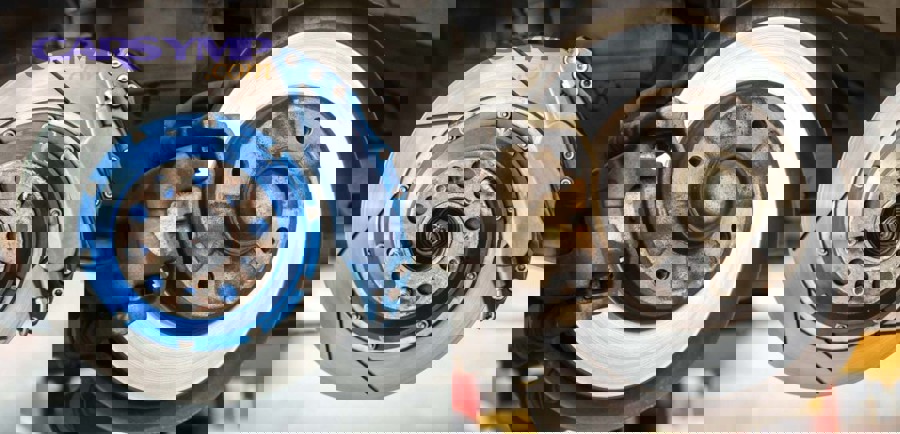
Here’s what commonly changes when front pads are worn:
- Steering feedback: Shudder or vibration felt in the steering wheel during braking can be more noticeable from front brake issues.
- Harsh grinding: If the pad friction material is gone, the metal backing plate can grind the rotor quickly.
- Longer stops under heat: Fade after repeated stops is more likely to show up first at the front.
And what commonly changes when rear pads are worn:
- Low-speed noise: Squeaks or groans can be more obvious during gentle stops or backing up.
- Parking brake changes: If your rear system integrates parking brake hardware, you may notice reduced holding ability or inconsistent behavior.
- Vehicle settling: You might feel the rear end behave less “planted” during braking transitions.
To illustrate, if you feel the steering wheel shake mainly while braking from highway speeds, you’re more likely dealing with a front-end issue (rotor surface variation, pad deposits, or suspension interaction). If the noise is primarily at low speeds and seems to come from behind you, rear pad and hardware fitment becomes a prime suspect.
What should you inspect before replacing pads on the front vs rear?
Before changing pads, inspect pad thickness, rotor surface condition, caliper slide movement, hardware clips, and brake fluid condition; front inspections should emphasize heat damage and steering-related vibration sources, while rear inspections should emphasize parking-brake mechanisms and even pad retraction.
Next, use a consistent checklist so you don’t fix one axle while leaving the root cause on the other.
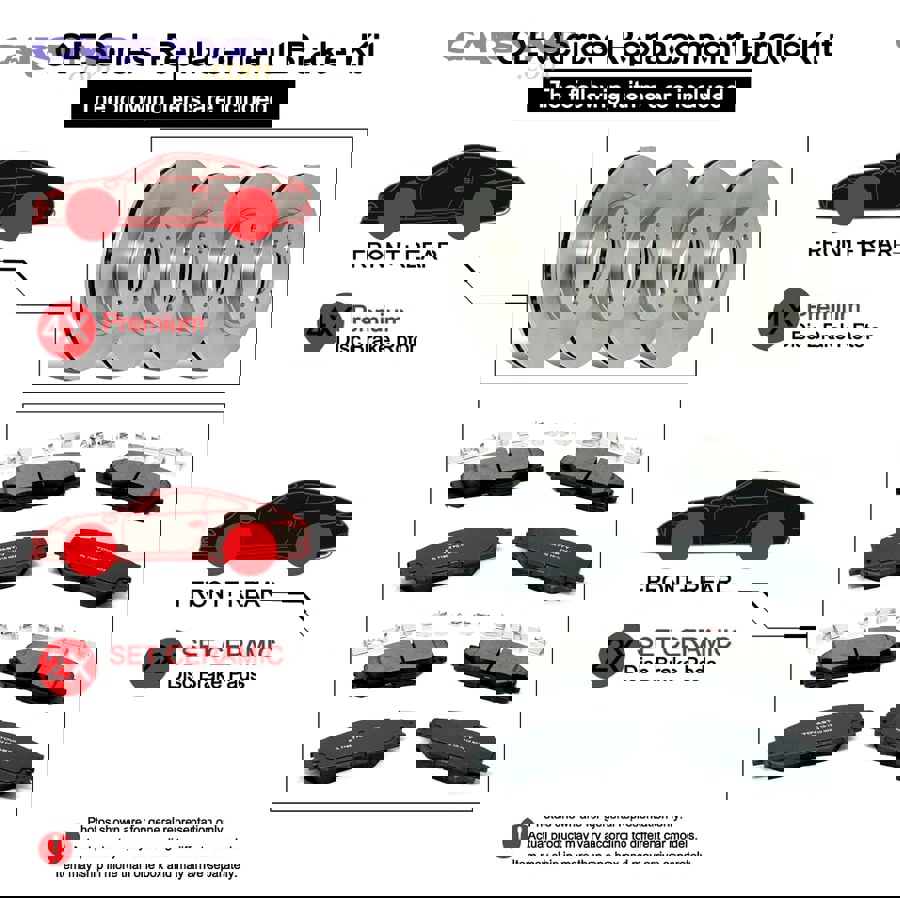
Front-focused inspection priorities:
- Rotor hot spots or blueing: A sign of heat stress that can reduce pad life and create vibration.
- Caliper slide lubrication: Sticky slides can cause tapered wear and overheating.
- Front suspension influence: Worn bushings or ball joints can amplify brake vibration sensations.
Rear-focused inspection priorities:
- Parking brake function: Confirm proper engagement and release; dragging parking brakes can cook rear pads.
- Piston retraction behavior: Rear calipers can retract differently due to integrated mechanisms.
- Hardware cleanliness: Corrosion on pad contact points can cause binding and uneven wear.
Deeper note: if you’re planning brake pad replacement, your outcome depends heavily on prep. Cleaning the bracket lands, replacing worn clips, and using correct lubrication at contact points reduces noise and prevents premature wear. This also sets you up to correctly evaluate whether your rotors are healthy or need attention before the new pads bed in.
How do costs and service time differ between front and rear pad jobs?
Front pad jobs can take longer and cost more when access is tighter or when rotors and hardware see higher heat stress, while rear pad jobs can take longer if the caliper requires special retraction steps or if parking-brake-related adjustments are needed.
However, the most reliable way to estimate is to separate parts, labor steps, and “add-on” factors like rotor condition and seized hardware.
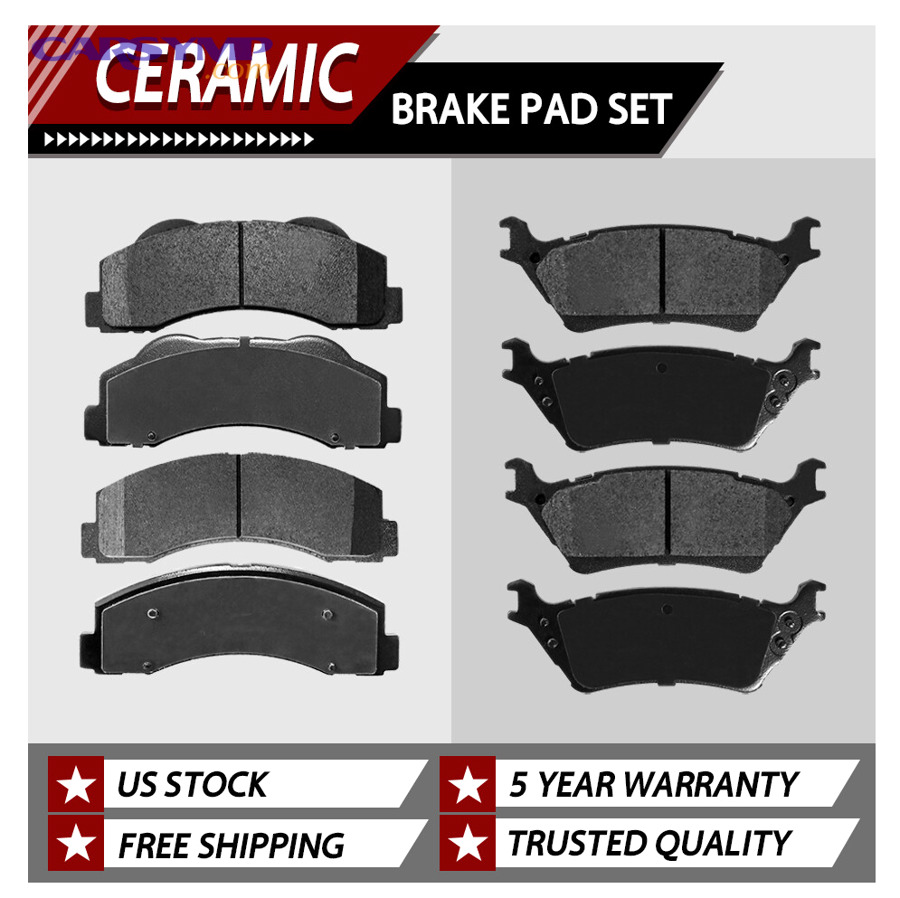
What typically drives time and cost differences:
- Rotor condition: If rotors are grooved, heat-spotted, or below minimum thickness, the job expands.
- Hardware condition: Corrosion can turn a simple swap into a bracket-cleaning and hardware-replacement job.
- Rear caliper procedure: Some rears require rotation tools, electronic parking brake service mode, or careful piston handling.
This is where drivers often get surprised: a rear job can be “simple” in theory but slow in practice if the parking brake is integrated or if an electronic parking brake needs to be placed into service mode. Meanwhile, the front job can expand if the rotor surface has developed vibration-causing variation or if the pads have left uneven deposits.
When you’re comparing quotes, ask what’s included besides pads: clip hardware, caliper slide service, rotor measurement, and test drive. Those steps influence long-term results more than the difference between axles. In shop terms, the Brake pad replacement labor time can shift meaningfully based on rust level, fastener access, and whether the vehicle requires special procedures for the rear system.
This table summarizes how the two axles commonly differ and helps you decide what to prioritize during diagnosis and service.
| Category | Front Pads (Typical) | Rear Pads (Typical) |
|---|---|---|
| Workload & heat | Higher heat, higher braking contribution | Lower average heat, stability contribution |
| Wear rate | Often faster wear | Often slower, but can vary with stability control/towing |
| Common feel | Stronger bite, more steering feedback | Smoother engagement, less steering feedback |
| Hardware complexity | May include wear sensors, heavier-duty shims | May integrate parking brake mechanism or special piston action |
| Typical complaint | Vibration/shudder under braking | Low-speed squeal or groan, parking brake concerns |
Do you need to service rotors when you install new pads?
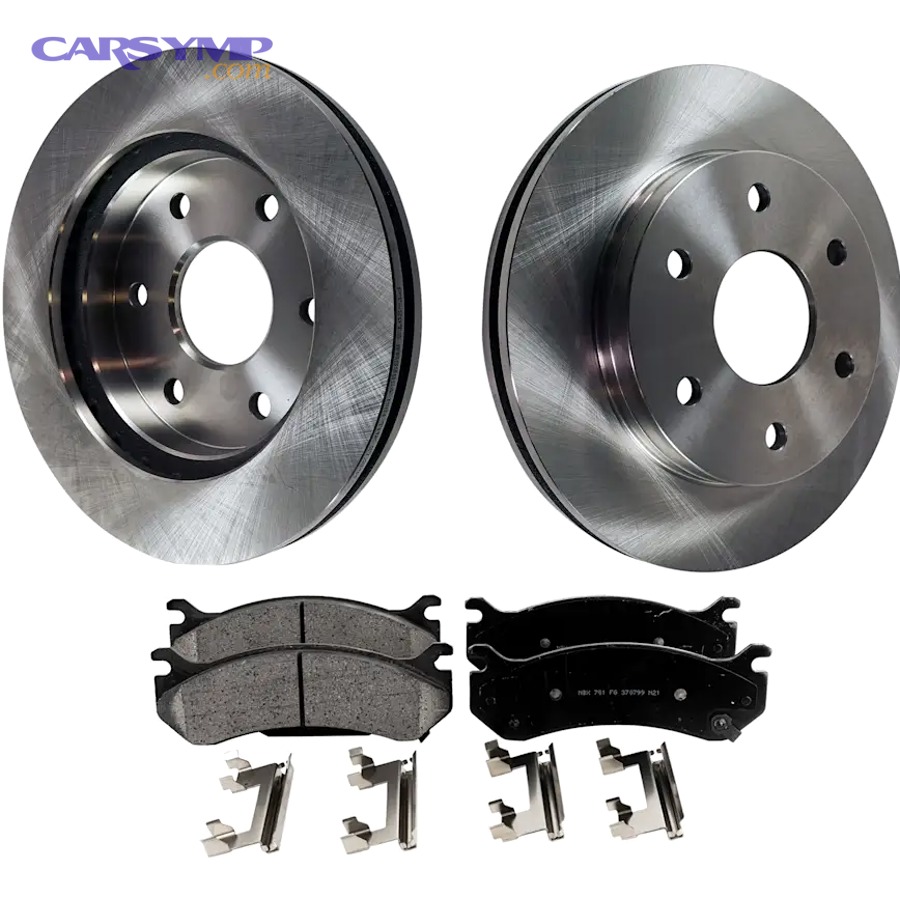
Sometimes yes: you should service or replace rotors when they’re below minimum thickness, deeply grooved, cracked, heat-spotted, or causing vibration; otherwise, healthy rotors can often be reused if they’re within spec and have an even, bed-in-friendly surface.
Next, use measurement and surface condition—rather than guesswork—so your new pads can bed in evenly and last longer.
Three reasons rotors sometimes must be addressed with new pads:
- Thickness and safety: A rotor that’s too thin can overheat and warp more easily, reducing braking consistency.
- Surface compatibility: Deep grooves or uneven deposits prevent even pad contact and can create noise and vibration.
- Heat damage: Cracks or severe hot spots can compromise structural integrity and braking smoothness.
To illustrate, if you install new pads on a rotor with heavy scoring, the pads may only contact at high points, causing uneven wear and poor stopping feel. If a rotor has heat checking (fine cracks) or severe blueing, it may already be past a healthy thermal life cycle and can quickly degrade the new pads.
In everyday decision-making, the phrase When rotors must be replaced with pads becomes practical when you see any of these: rotors below spec, repeated vibration under braking, visible cracking, or a surface too uneven to bed in properly. Addressing the rotor at the same time reduces the risk of squeal, shake, and premature pad wear.
How should you choose pads so front and rear work as one system?
You should choose pads that match your vehicle’s intended brake balance, your driving conditions, and your noise/dust preferences, ensuring front and rear compounds are compatible so the car remains stable and predictable during both gentle stops and hard braking.
Moreover, once you pick the “system goal” (quiet daily driving, towing stability, or spirited driving), your pad selection becomes much clearer.
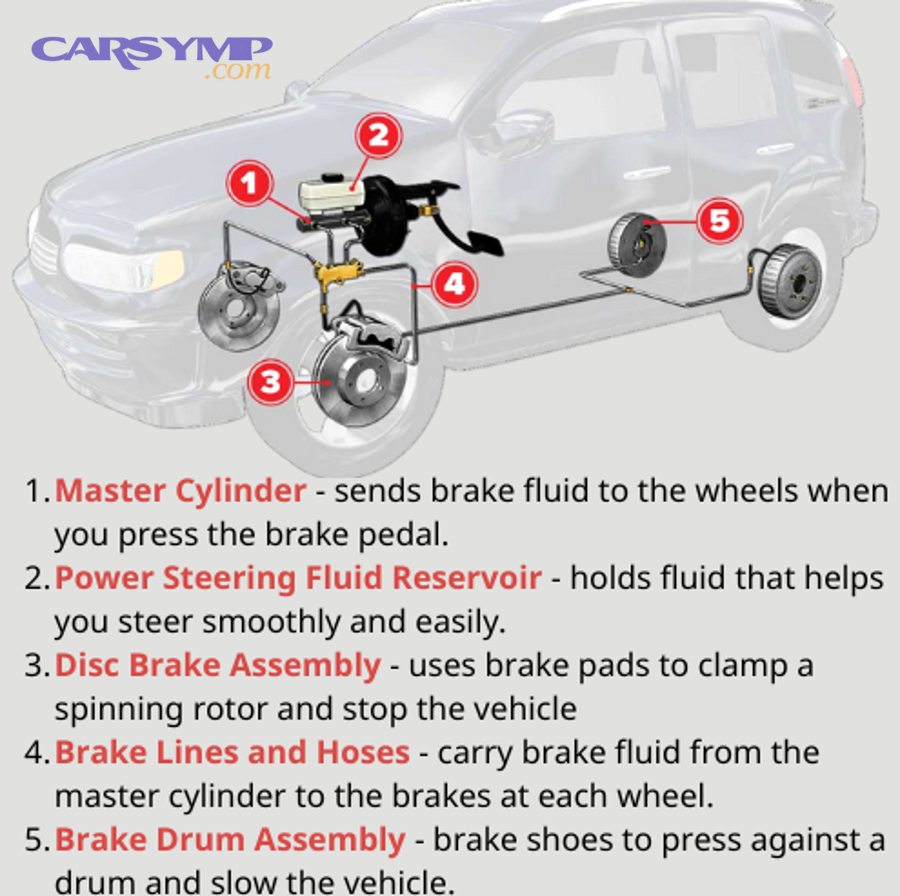
Practical selection factors that affect both axles:
- Driving pattern: City stop-and-go stresses heat and dust; highway commuting emphasizes smoothness and rotor friendliness.
- Vehicle load: Passengers, cargo, and towing increase braking demand and heat generation.
- Weather: Wet, salty, or snowy environments accelerate corrosion on hardware and rotor surfaces.
- Noise tolerance: Some higher-performance compounds can be noisier, especially when cold.
Now connect this to actual outcomes. If you want a quiet daily-driver experience, prioritize pads known for low noise and predictable cold friction, then ensure hardware service is done correctly. If you tow or drive mountains, prioritize temperature stability and fade resistance, especially for the front axle where heat is concentrated.
Also, remember that the same pad family may offer different formulations for front and rear. Keeping the set “matched” helps preserve braking balance. In the real world, it’s common to improve one axle and accidentally create imbalance—like a very aggressive front pad with a mild rear pad that makes the car pitch forward more harshly.
Contextual Border: Up to this point, the focus has been macro—how the front and rear roles differ and how that affects wear, feel, and service decisions. Next, we zoom into micro choices that refine comfort, noise, dust, and long-term rotor friendliness.
Pad material choices that change noise, dust, and feel
Different pad materials change how your brakes sound, how much dust they make, and how they behave hot versus cold, so selecting the right compound can fine-tune the front-and-rear balance you’re trying to preserve.
In addition, material choice should match your driving reality rather than marketing labels alone.
Ceramic pads: when they fit best
Ceramic pads are often chosen for low dust and quiet operation, and they can feel smooth and consistent for daily driving; however, they may not always deliver the same cold bite or high-heat performance that some drivers expect in extreme conditions.
Next, evaluate whether your priority is cleanliness and comfort or maximum bite and heat tolerance.
If your goal is quiet commuting and cleaner wheels, ceramics can be a strong match—especially when paired with careful hardware service. This is where a Ceramic vs semi-metallic pad comparison is useful: ceramics often win on dust and noise, while semi-metallic can win on bite and heat robustness depending on the exact formulation.
Semi-metallic pads: when they fit best
Semi-metallic pads often provide strong bite and good heat handling, which can help in hilly driving, towing, or repeated braking; however, they may produce more noise and dust and can be more aggressive on rotors depending on the blend.
However, their real value appears when your front axle runs hot and you need stable friction through repeated stops.
For many vehicles, semi-metallic pads are a common front-axle choice because they handle thermal stress well. On the rear, they can work too, but you’ll want to ensure the compound doesn’t create excessive rear bite or low-speed noise—especially if your rear system is sensitive to squeal.
Organic and low-metallic blends: where they sit
Organic and low-metallic blends often aim for smooth, quiet performance at modest temperatures, making them comfortable for gentle driving; however, they can wear faster or fade sooner under high heat compared with more heat-tolerant compounds.
Moreover, these blends can be a smart choice when your braking demands are mild and comfort is the main goal.
In practice, many “OEM-style” pads fall into this broad category. They tend to be rotor-friendly and quiet when installed with proper shims and clips, which can make them appealing for rear axles where smoothness and stability are priorities.
How to avoid imbalance when changing materials front vs rear
To avoid imbalance, keep front and rear compounds within the same performance “family,” prioritize predictable modulation over extreme bite, and bed the pads properly so each axle develops a stable transfer layer on its rotors.
To begin, decide what you want the car to do under braking—then make both axles support that behavior together.
If you upgrade to a more aggressive material on the front, consider whether the rear needs a compatible change to maintain balance, especially during panic stops. If you change the rear to reduce dust or noise, verify that the rear still contributes smoothly without causing early ABS intervention or a “light tail” feeling. When in doubt, using matched front and rear sets designed for your vehicle is the simplest, safest path.
FAQ
Should you replace front and rear pads at the same time?
Not always: replace pads when they’re worn or causing symptoms, but consider doing both axles together if the wear levels are close, if you want consistent feel, or if you’re already servicing hardware and rotors for long-term reliability.
Why are rear pads sometimes smaller than front pads?
Rear pads are often smaller because the rear axle usually handles less braking force during most stops, so less pad area can be adequate while still providing the controlled contribution needed for stability and balance.
Can new pads squeal even if installed correctly?
Yes, new pads can squeal due to break-in behavior, rotor surface conditions, or compound characteristics; careful bedding, correct hardware installation, and clean contact surfaces reduce the chance, but some materials are inherently noisier.
What’s the biggest mistake people make when changing pads?
A common mistake is treating pads as a simple swap and skipping hardware cleaning, clip replacement, and slide service; that shortcut can cause binding, uneven wear, noise, and a poor pedal feel even with high-quality pads.