


Besides the total price, most drivers also want to know what they’re actually paying for—parts quality, labor time, shop fees, and the steps that prevent squeaks, vibration, or uneven wear after the service.
Another common concern is value: what changes the estimate the most, what you can safely skip, and what “cheap” estimates often leave out that later becomes expensive.
To introduce a new idea, the best way to understand your final bill is to break the estimate into its core components and then test each component against your car’s real-world needs and your driving style.
What does a brake pad replacement cost estimate usually include?
A brake pad replacement cost estimate usually includes pads (parts), labor, shop supplies, and taxes/fees—then optionally adds rotor service, hardware, and fluid-related work depending on inspection results. Next, you’ll want to see how each line item affects the total.

Parts: pads, hardware, and sometimes sensors
The pads themselves are the headline item, but the parts portion can also include new abutment clips, anti-rattle springs, and pad shims. Some vehicles add wear sensors (separate or built into the pad) that trigger a dashboard message when pad material gets thin. Specifically, if a shop quote lists “hardware kit,” it often means small metal pieces that help the pads slide correctly and reduce noise.
Labor: remove, inspect, clean, lubricate, and reassemble
Labor is not just “swap pads.” A proper service includes lifting the vehicle safely, removing wheels, retracting caliper pistons, cleaning bracket contact points, applying the right brake-safe lubricant in the right places, and torqueing fasteners to spec. To clarify, these steps are often what separate a smooth, quiet brake job from one that squeaks or drags.
Rotor line items: resurface, replace, or measure-and-reuse
Many estimates show a rotor option because rotor condition strongly affects braking feel and noise. A shop may measure rotor thickness and runout, then recommend resurfacing (machining) or replacement. However, resurfacing is not always available or advisable, depending on rotor design and thickness limits.
Fees: shop supplies, disposal, and taxes
Supply fees may cover cleaners, rags, and lubricants; disposal may cover old parts. These are legitimate in many markets, but you should still ask what they cover. In other words, fees shouldn’t be mysterious—your estimate should be itemized and easy to compare.
How much can brake pad replacement cost by vehicle type and location?
Brake pad replacement cost ranges vary widely because labor rates and part prices vary—so the most accurate estimate is a range that matches your vehicle segment and your local market. To start, use a simple benchmark table, then refine it with your car’s details.
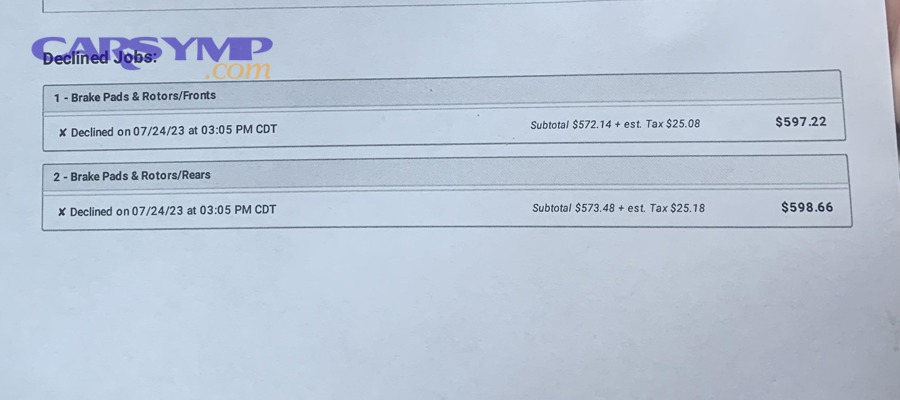
This table contains typical per-axle pricing ranges (front axle or rear axle) and helps you quickly spot quotes that are unusually low or unusually high for your category.
| Vehicle category | Typical parts range (per axle) | Typical labor range (per axle) | Common total range (per axle) |
|---|---|---|---|
| Small sedan / compact | $35–$120 | $90–$180 | $150–$320 |
| Midsize sedan / small SUV | $60–$180 | $120–$240 | $220–$480 |
| Large SUV / truck | $90–$260 | $150–$320 | $300–$650 |
| Luxury / performance | $150–$450+ | $180–$420 | $400–$950+ |
Why “per axle” matters more than “per car”
Estimates can look confusing when one shop quotes “front pads” while another quotes “all four wheels.” Many vehicles use different pad shapes and sizes front vs rear. Next, confirm whether a quote is for one axle (two wheels) or both axles (four wheels).
Urban vs rural labor rates
Labor rates in high-cost cities can be dramatically higher than rural areas. In the same way, dealership labor rates often exceed independent shop rates, even when the job steps are similar.
Supply chain and part availability
If your pads are common, pricing is competitive. If your vehicle uses specialized pads or has limited aftermarket options, parts pricing rises. To illustrate, some late-model vehicles use integrated wear sensors or unique caliper designs that narrow your choices.
Why can front and rear brake pad estimates be different?
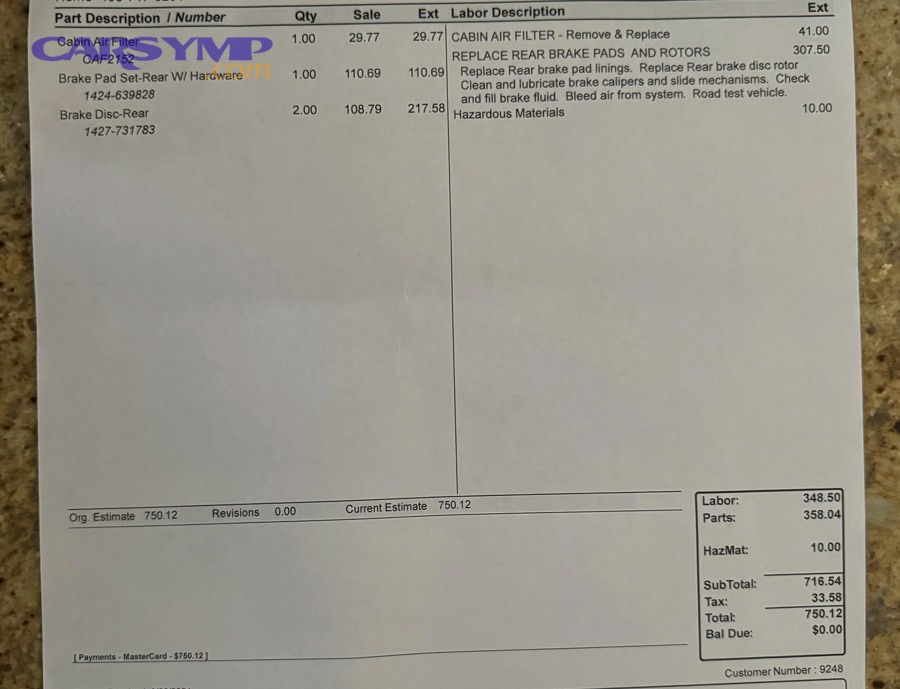
Yes—front and rear pad costs can differ because pad sizes, caliper design, and brake system workload differ by axle, even on the same vehicle. However, you should validate the reason for the difference rather than assuming it’s normal.
Meronymy in the brake system: front axle vs rear axle
Front brakes usually do more work during stopping because weight transfers forward under braking. That often means larger pads and rotors up front, which can cost more. Next, rear brakes may include extra mechanisms for parking brake functions that add labor complexity.
Electronic parking brake and “service mode” steps
Many modern rear calipers require the electronic parking brake to be placed into a maintenance mode so the piston can retract correctly. In other words, the rear job can take longer even if rear pads are smaller.
Different wear patterns and replacement timing
Some vehicles wear fronts faster; others (especially with stability control patterns and certain drivetrains) can wear rears surprisingly quickly. Besides, towing, hills, and stop-and-go traffic can shift wear patterns, changing which axle becomes the cost driver.
Which factors raise or lower the labor portion of your estimate?
Labor costs rise when access is tight, corrosion is heavy, or extra steps are required to ensure safe movement and noise control of the pad-and-caliper system. Next, you can evaluate whether a higher labor quote is justified by real complexity.

Rust, seized hardware, and stuck slide pins
Corrosion can seize slide pins or lock pads into bracket channels. A careful technician may need extra time to clean and restore smooth sliding surfaces, or replace hardware and pins. More importantly, skipping this work can cause dragging brakes, uneven pad wear, and heat-related rotor damage.
Caliper piston retraction complexity
Some rear calipers require a twist-in piston tool; some systems require scan-tool commands. Specifically, the “hard part” can be safely retracting pistons without damaging seals or triggering brake system faults.
Wheel and fastener complications
Locking lug nuts, swollen lug nuts, over-torqued fasteners, or stripped bolts add time. In addition, some shops include anti-seize and torque verification in their process, which can reduce future service trouble.
Noise-prevention process quality
Good labor includes cleaning and preparing the contact points, applying the right lubricant to the right areas (not on friction surfaces), and verifying pad fitment. To understand better, a higher-quality process often costs a little more but reduces callbacks for squeal or vibration.
Do you need rotors replaced too, and how does that change the cost?
Not always—rotors should be replaced when they’re below minimum thickness, heavily grooved, cracked, or causing vibration, but many can be reused if measurements and surface condition are acceptable. Next, decide based on measurement, not guesswork.

Three common paths: reuse, resurface, or replace
There are three common approaches. Reuse is cheapest when rotors are healthy. Resurface can restore smoothness when thickness allows and machining is available. Replace is most expensive but sometimes the best value if machining would leave rotors too thin or if the rotor is already heat-stressed. However, you should ask the shop to show rotor thickness readings and the minimum specification.
How rotor work changes your estimate
Adding rotors can double the parts portion for that axle, and sometimes adds labor. In practice, an estimate that includes pads plus rotors often climbs into a higher “common total” range—especially on trucks, SUVs, and performance models.
When “cheap pads only” becomes expensive later
If pads are installed on badly grooved or uneven rotors, the new pads may wear faster, squeal, or feel weak until they bed in—if they bed in properly at all. As a result, you may pay twice: once for pads and again for rotors and pads sooner than expected.
How can you lower cost without lowering braking safety?
You can reduce cost safely by choosing the right-quality pads for your driving needs, avoiding unnecessary add-ons, and timing service before rotors and calipers are damaged. Next, focus on value-driven decisions rather than the lowest number.
Choose pad material based on your real driving
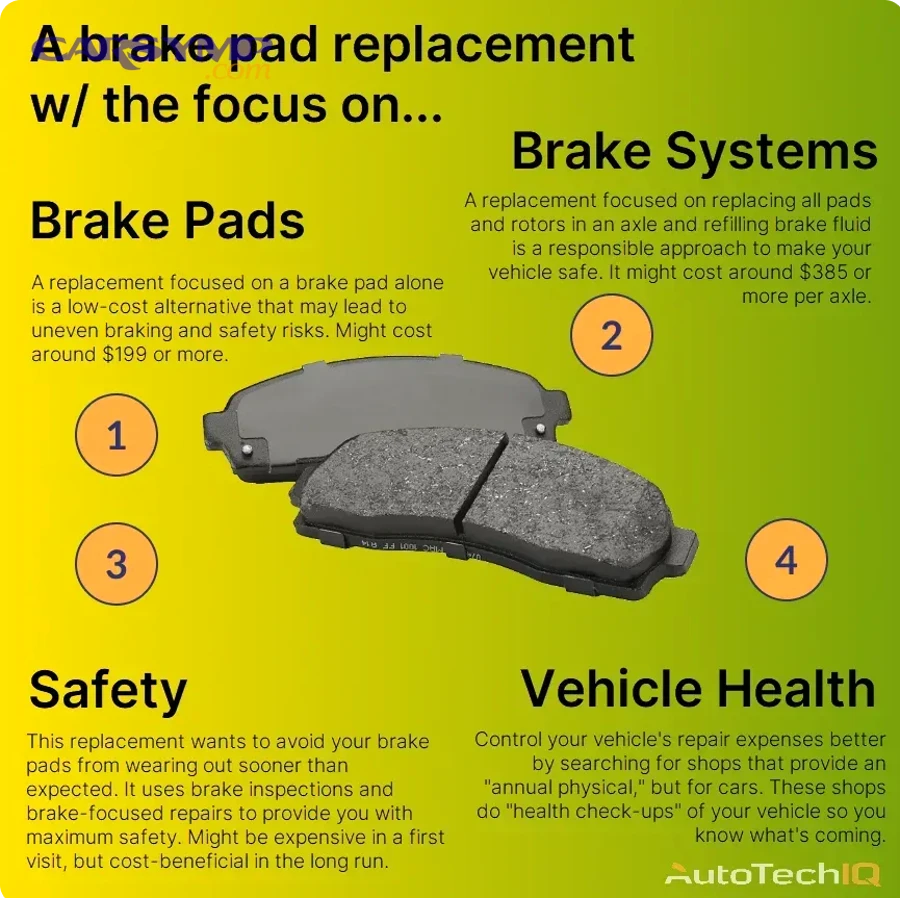
Not everyone needs premium performance pads. Daily commuting may not require the most aggressive friction compound, but it does benefit from consistent braking, stable temperature performance, and low noise. To illustrate, a balanced pad choice can reduce squeal complaints and extend rotor life—saving money over time.
In the body of your research, you’ll see terms like Ceramic vs semi-metallic pad comparison. Use that phrase as a reminder to compare noise, dust, cold bite, and heat tolerance—not as a shortcut to “most expensive is best.”
Ask for a “good/better/best” estimate instead of one price
Request three pad options with clear warranty and performance notes. However, make sure each option includes the same labor process and the same hardware expectations so you’re comparing apples to apples.
Prevent rotor damage by servicing at the right time
Replacing pads before they grind protects rotors and calipers. More importantly, it protects stopping distance consistency and reduces the odds of heat damage from metal-on-metal contact.
Use reputable independent shops—when appropriate
Many independent shops offer strong value because overhead is lower than a dealership. In contrast, dealerships can be best for unusual electronic procedures or warranty coverage on certain models. Choose based on complexity, not brand loyalty.
Is doing the job yourself cheaper once you count tools, time, and risk?
Sometimes—DIY can save labor costs, but only if you have the right tools, safe lifting practices, and the ability to verify correct assembly and bedding-in. Next, compare the “true cost” beyond the parts price.

The real DIY cost: tools, consumables, and learning curve
Basic savings come from labor, but DIY often requires a floor jack, jack stands, a torque wrench, a caliper piston tool, and brake-safe lubricant and cleaner. Specifically, if you buy tools you’ll use again, DIY can make sense; if you buy tools for a one-time job, savings shrink.
Hidden risk costs: mistakes can create bigger repair bills
Common mistakes include contaminating friction surfaces with grease, damaging a caliper boot, forgetting to torque bolts, or pinching a brake hose. More importantly, a brake mistake is a safety issue first and a cost issue second.
Where to learn: a structured process matters
If you’re researching, you’ll run into guides titled DIY brake pad replacement steps. Use that phrase as a cue to follow a step-by-step process that includes correct lifting, correct piston retraction, correct lubrication points, correct torque, and correct post-service pedal checks.
Quick checklist to decide DIY vs shop
- DIY is more suitable if you have safe lifting equipment, a torque wrench, and a simple caliper design.
- A shop is more suitable if you have heavy rust, electronic parking brake requirements, recurring noise/vibration, or limited workspace.
- Either way, you should confirm pedal feel and perform careful bedding-in before normal driving.
How do you compare estimates fairly and avoid surprise charges?
To compare estimates fairly, make every shop quote the same scope: which axle, which pad grade, rotor plan, hardware inclusion, and warranty—then evaluate the process quality behind the number. Next, ask short, direct questions that force clarity.

Ask these five questions before you approve the estimate
- Is this quote per axle or for all four wheels?
- Does it include a hardware kit and slide-pin service if needed?
- What is the rotor plan (reuse, resurface, replace) and why?
- What’s included in shop fees and how much are they?
- What is the warranty on parts and labor, and what voids it?
Red flags in very low estimates
Ultra-low quotes sometimes omit hardware, skip cleaning steps, or ignore rotor condition. However, the goal is not to pay more—it’s to avoid paying twice because the first job was incomplete.
Understand “recommended” vs “required” add-ons
Some add-ons are legitimately required after inspection; others are optional. To clarify, ask the shop to show you the measured values (pad thickness, rotor thickness, rotor condition) and explain the safety or durability reason.
A short video that explains what shops evaluate
What symptoms suggest you should budget for pads soon to avoid higher costs?
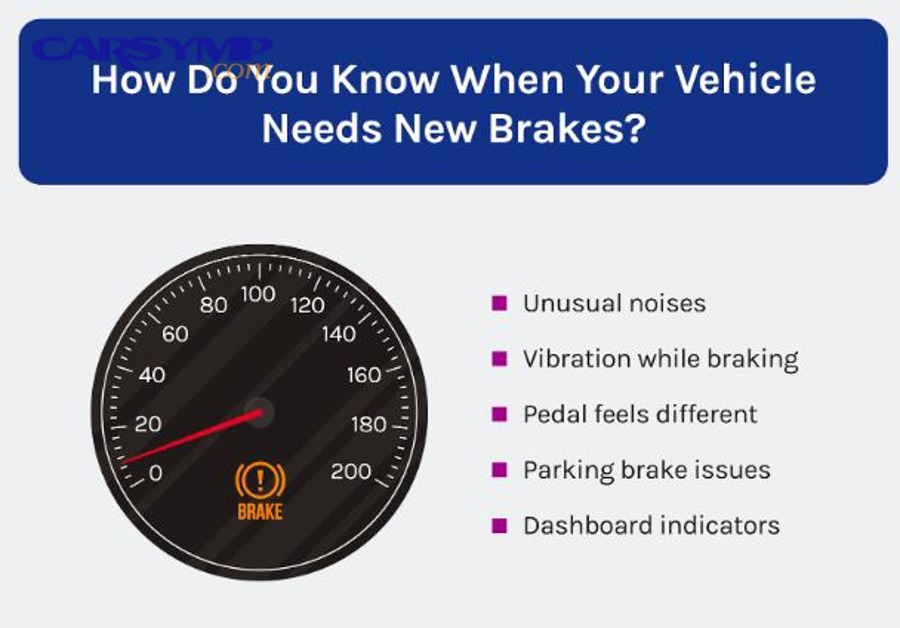
Common warning signs include squealing, reduced braking confidence, or vibration—acting early can keep the estimate closer to “pads only” rather than “pads plus rotors plus calipers.” Next, connect what you feel to what a technician can measure.
Noise: what it can mean before it becomes grinding
A light squeal can be a wear indicator or minor vibration between pad and rotor; grinding often means pad material is gone and metal is contacting the rotor. More importantly, grinding typically pushes the estimate up because it increases the chance of rotor replacement and caliper stress.
Pedal feel and stopping confidence
Pads that are very thin can overheat faster, reducing friction consistency. In addition, uneven pad wear can create a pulling sensation or inconsistent bite that prompts additional inspection and potential extra labor.
Vibration under braking
Vibration can come from rotor thickness variation or runout, not always from pads. However, vibration often triggers a rotor-related recommendation that changes the cost estimate significantly.
How to describe issues clearly when requesting an estimate
When you talk to a shop, describe what happens, when it happens, and how it changes with speed or braking intensity. To illustrate, “squeals only at low speed after rain” is more useful than “brakes are noisy.” In deeper research, you may organize these observations under a label like Car Symptoms to keep your notes consistent across vehicles and seasons.
Contextual Border: From here, we move beyond the standard estimate and focus on less-obvious variables that can meaningfully change price, outcome quality, and long-term value.
Supplementary details that sharpen accuracy and protect long-term value
This section helps you tighten your estimate by addressing unique variables: pad material nuances, bedding-in expectations, warranty details, and platform-specific requirements that can surprise owners. Next, use the points below as a final checklist before choosing parts or approving labor.
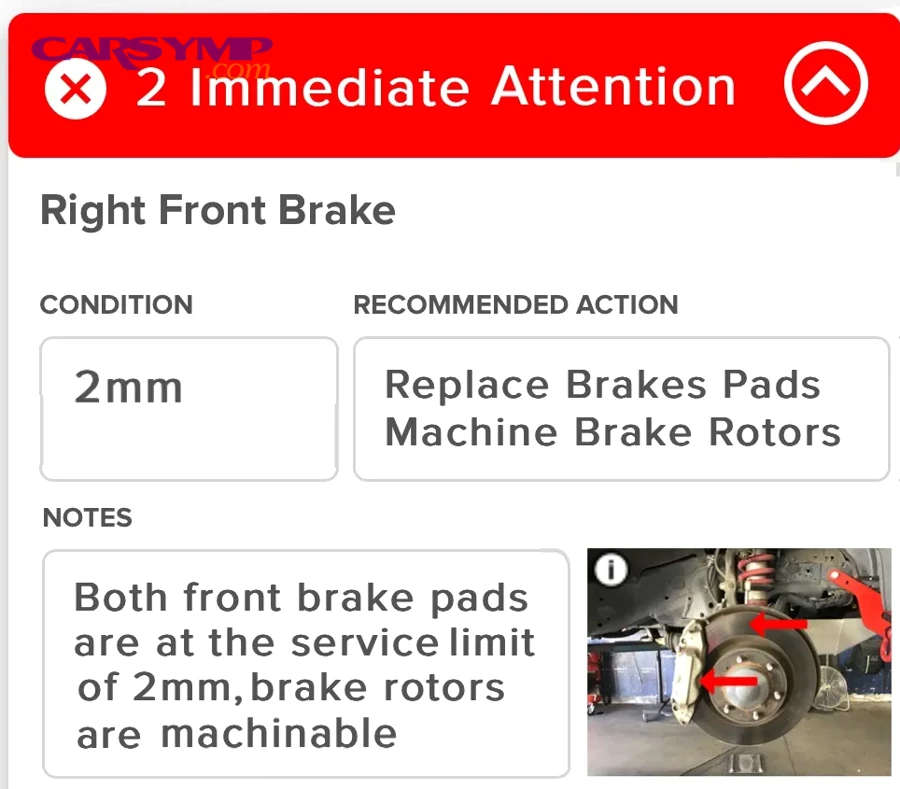
Pad material choice: value is more than the cheapest box
Different friction materials behave differently in noise, dust, rotor wear, and heat management. However, your best choice depends on driving conditions: frequent short trips, steep hills, towing, or performance driving can justify different friction priorities.
When you see the phrase brake pad replacement in catalogs and service menus, treat it as a category label—then dig into friction type, warranty, and the shop’s willingness to include hardware and correct lubrication steps.
Bedding-in and post-service checks influence “total value”
Bedding-in is the controlled process that transfers an even film of friction material to the rotor, helping consistent braking and reduced noise. To understand better, a good shop (or careful DIYer) will verify pedal feel, ensure no dragging, and recommend a safe bedding routine, which can reduce premature noise complaints and uneven wear.
Warranty terms: what a strong estimate should mention
A good estimate clarifies what warranty covers (parts, labor, both) and the conditions that can void coverage (incorrect bedding, contaminated friction surfaces, pre-existing rotor issues). In contrast, vague warranty language often correlates with vague process quality.
Special platforms: hybrids/EVs and advanced driver assistance
Hybrids and EVs can use regenerative braking that changes pad wear patterns—pads may last longer but can develop corrosion-related issues if used lightly for long periods. More importantly, some vehicles require special procedures or electronic modes that affect labor time and estimate accuracy.