


DIY brake pad replacement steps are a practical, how-to process: prepare the right tools, lift the car safely, remove the caliper, install new pads correctly, and verify pedal feel—so you get predictable stopping power without surprises.
To go beyond “just swapping parts,” this guide also covers preparation, inspection points, and hardware care that help prevent noise, uneven wear, and a soft pedal after the job.
You’ll also learn decision moments—when a simple pad job is appropriate and when inspection signs suggest you should pause and address rotors, calipers, or fluid issues first.
To introduce a new idea, the steps below are written as a repeatable workflow you can use on most passenger cars, with safety checks built into every stage.
Can you do this job at home safely and correctly?
Yes—DIY brake pad replacement steps are safe if you follow lifting rules, use proper tools, and verify braking before driving, because most pad swaps are bolt-on service tasks with clear checkpoints. Next, you’ll confirm your car and workspace are truly ready.
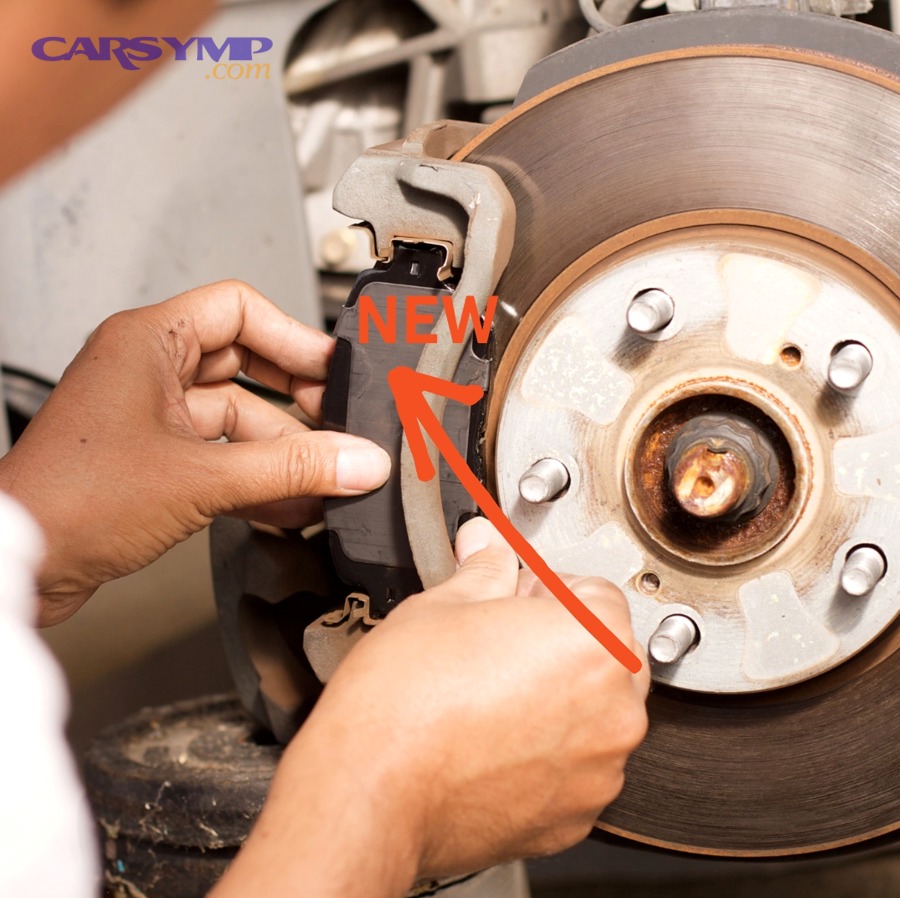
What should be true before you start?
Your driveway or garage floor should be flat and solid, your lighting should be strong, and you should have uninterrupted time. More importantly, the car should already brake normally (no severe pulling, grinding metal-on-metal, or brake warning lights that you’ve been ignoring).
To keep your workflow controlled, plan to work one axle at a time, and one side at a time, so you can compare the “before” side with the “after” side if you get confused about pad orientation or hardware placement.
When is it smarter to stop and get help?
Pause the DIY plan if you see leaking fluid, a torn caliper piston boot with wetness, a seized slide pin you cannot free without excessive force, or a rotor that is deeply scored and blue/purple from heat. In those situations, replacing pads alone may hide a bigger problem.
To introduce a new idea, treat your brakes like a system: pads are one wear item, but the system only works when calipers slide freely, rotors are serviceable, and the pedal hydraulic pressure is stable.
What are the non-negotiable safety habits?
Wear eye protection, chock the wheels that stay on the ground, and never rely on a hydraulic jack alone—use jack stands rated for the vehicle weight. Keep hands clear when lowering the car, and avoid inhaling brake dust; use brake cleaner and a catch rag instead of compressed air.
Next, you’ll move from “can I do it?” to “what do I need?” so you don’t get stuck mid-job.
What tools, supplies, and parts should you gather first?
You need basic hand tools plus a way to retract caliper pistons, because the caliper must open enough to accept thicker new pads. Next, gather everything before lifting the car to prevent rushing while it’s on stands.
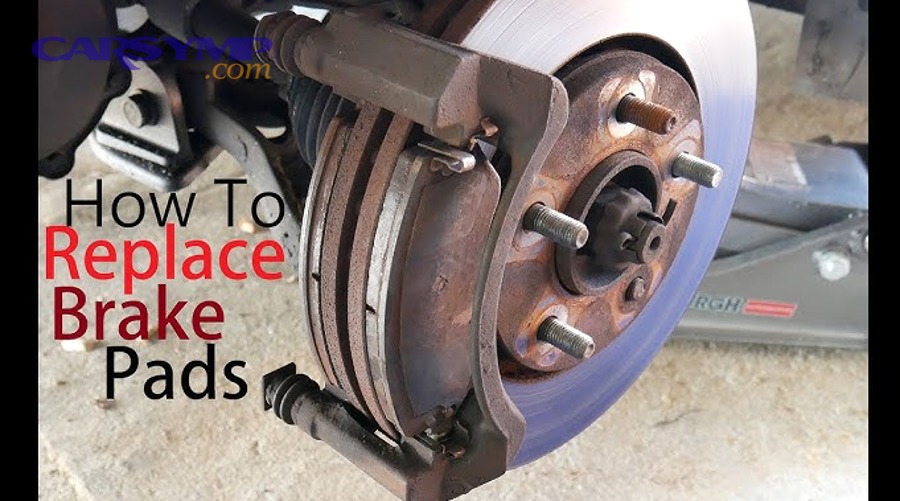
Core tools for most cars
- Jack and jack stands: Properly rated, with a stable base.
- Lug wrench or breaker bar: For wheel nuts/bolts.
- Socket set and wrench set: Commonly 12–19 mm, but varies by car.
- Torque wrench: For wheel fasteners and critical brake hardware.
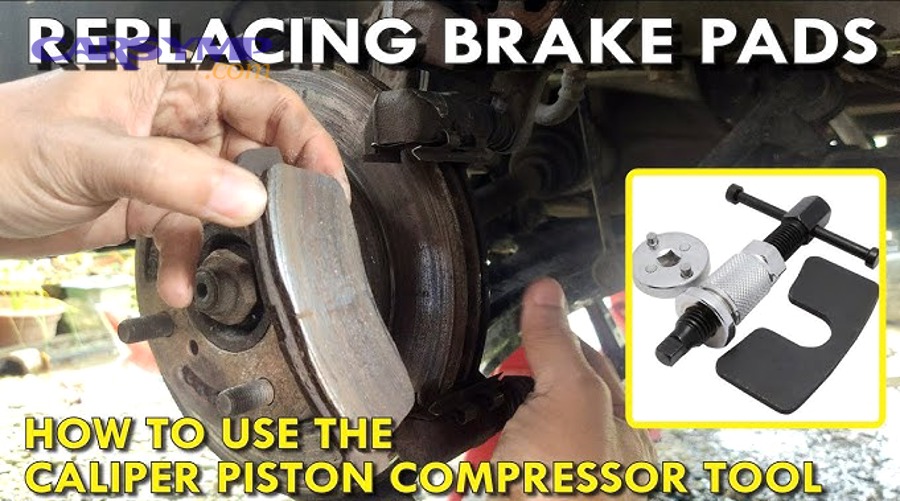
- C-clamp or piston tool: For retracting caliper pistons.
- Flat screwdriver/pick: To remove pad clips and springs carefully.
- Wire brush and brake cleaner: For cleaning contact surfaces.
Next, add the small “consumables” that make a quiet, long-lasting result more likely.
Supplies that prevent squeaks and uneven wear
- High-temp brake grease: For slide pins and pad ears (use sparingly, never on friction faces).
- Disposable gloves and shop towels: Clean handling and less contamination.
- Hanger wire or bungee cord: To support the caliper safely.
- Penetrating oil: Helpful on stubborn bolts (avoid spraying friction surfaces).
Quick pre-check table: what each item does
This table shows the common items you’ll use and what each one helps you accomplish during the job.
| Item | What it helps you do | Common mistake to avoid |
|---|---|---|
| Jack stands | Hold the car securely while wheels are off | Working under a car supported only by a jack |
| Torque wrench | Tighten fasteners to safe spec | Overtightening lug nuts and warping components |
| Piston tool/C-clamp | Retract the caliper piston smoothly | Forcing the piston and tearing the boot |
| Brake cleaner | Remove dust and oils from hardware areas | Soaking rubber parts or spraying carelessly |
| Brake grease | Reduce chatter and help pads slide | Grease on pad friction material or rotor face |
To introduce a new idea, once tools are ready, the safest jobs are the ones you can perform slowly—so your next step is lifting with zero shortcuts.
How do you lift and secure the vehicle the right way?
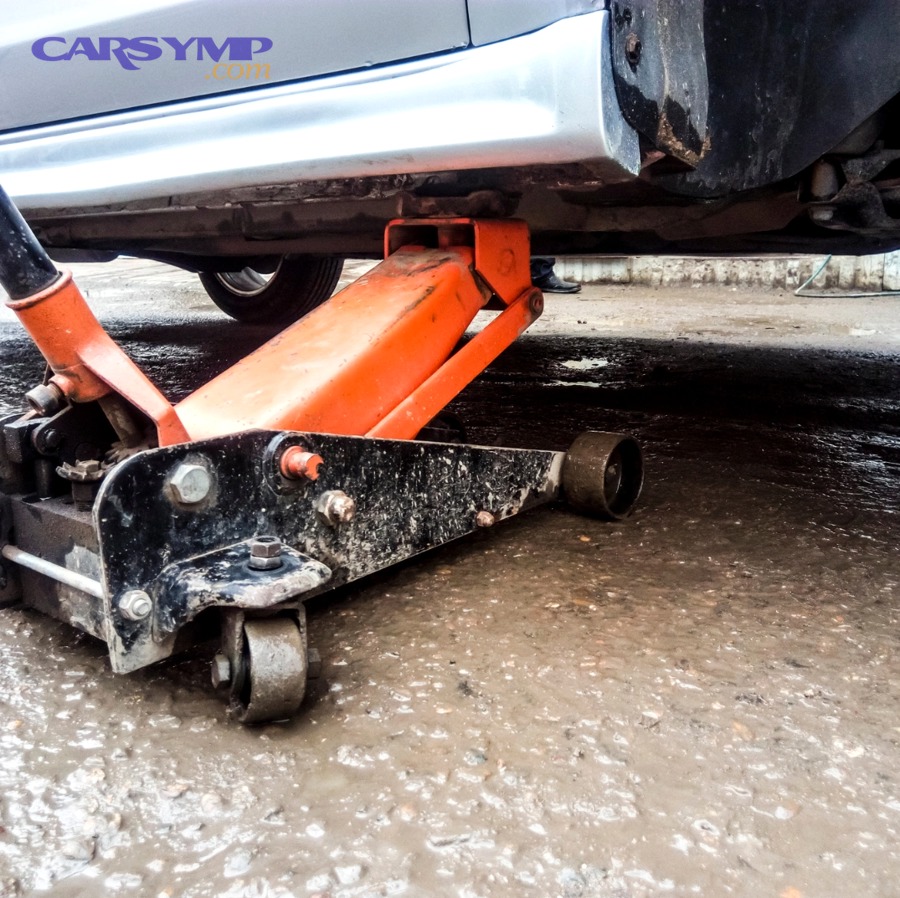
Lift the vehicle by the correct jacking point, place jack stands under solid support points, and confirm stability with a gentle shake, because stability prevents sudden shifts that can cause injury. Next, you’ll loosen wheel fasteners safely before raising the tire fully.
Loosen wheel nuts/bolts before the tire is off the ground
Crack the lug nuts loose while the tire still has contact with the ground. That resistance stops the wheel from spinning, so you don’t fight the suspension. Then raise the car and remove the wheel fasteners completely.
Next, place the removed wheel under the rocker area as a backup safety buffer—this doesn’t replace stands, but it adds an extra layer if something slips.
Where should the stands go?
Use manufacturer-recommended points (often pinch weld locations or frame points). Avoid thin sheet metal and avoid areas that can bend. Once on stands, lower the jack slightly so the car’s weight rests firmly on the stands, then keep the jack nearby as a secondary support (not the primary support).
To introduce a new idea, stability checks are part of the procedure: if the car wiggles more than a tiny amount, reset it now—never “hope it’s fine.”
What about electronic parking brakes and wheel chocks?
If you’re working on the rear and the car has an electronic parking brake, confirm service mode procedures before you start. Always chock the wheels that stay on the ground—front wheels when lifting the rear, rear wheels when lifting the front.
Next, you’re ready to see what you’re working with once the wheel comes off.
What should you inspect after removing the wheel?
After the wheel is off, inspect the rotor, caliper, hose, and pad area for leaks, severe grooves, and uneven wear, because those clues tell you whether pads alone will solve the problem. Next, you’ll document the layout so reassembly is effortless.
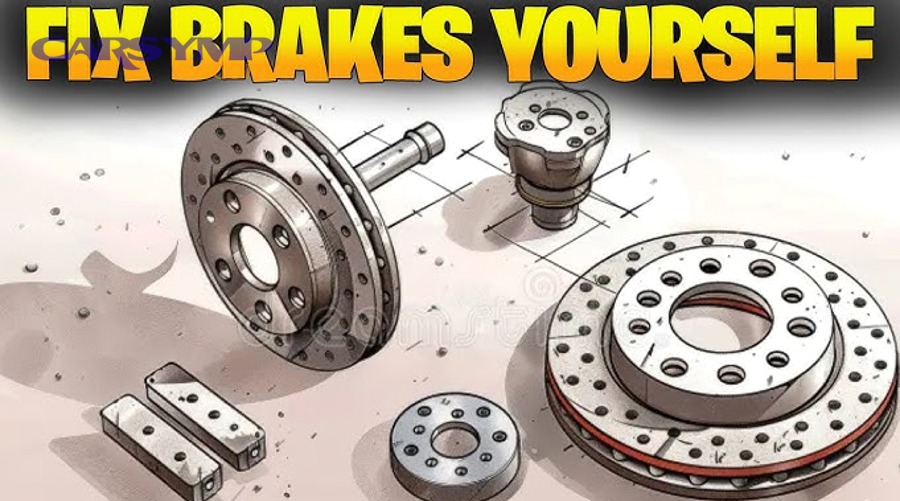
Take a “before” photo and note pad orientation
Many pads have inner/outer differences, wear indicator tabs, or specific shim placement. A quick photo makes reassembly faster, especially if a spring clip pops out unexpectedly.
Next, look for uneven pad wear—this often points to sticky slide pins or a piston that doesn’t retract smoothly.
Check the rotor surface and thickness condition
Light grooves are common, but deep scoring, heavy lip edges, or heat spots suggest rotor service may be needed. Also check for cracks. If you suspect the rotor is below minimum thickness, confirm the spec on the rotor hat or service data before proceeding.
To introduce a new idea, inspection is your quality gate: a fast pad swap on a rotor that’s already compromised often creates noise and vibration right after you “finish.”
Look at the caliper hose and bleeder area
The hose should be dry and intact without bulges or wetness. The bleeder should look serviceable, not rounded off. If you find fluid wetness anywhere, stop and diagnose before continuing—brakes depend on sealed pressure.
Next, you’ll remove the caliper in a way that protects the hose and preserves hardware placement.
How do you remove the caliper without stressing the hose?
Remove the caliper guide/slide bolts, lift the caliper off the bracket, and hang it with wire so the hose never carries the caliper’s weight, because hose stress can cause internal damage and future braking issues. Next, you’ll separate pads and hardware carefully.
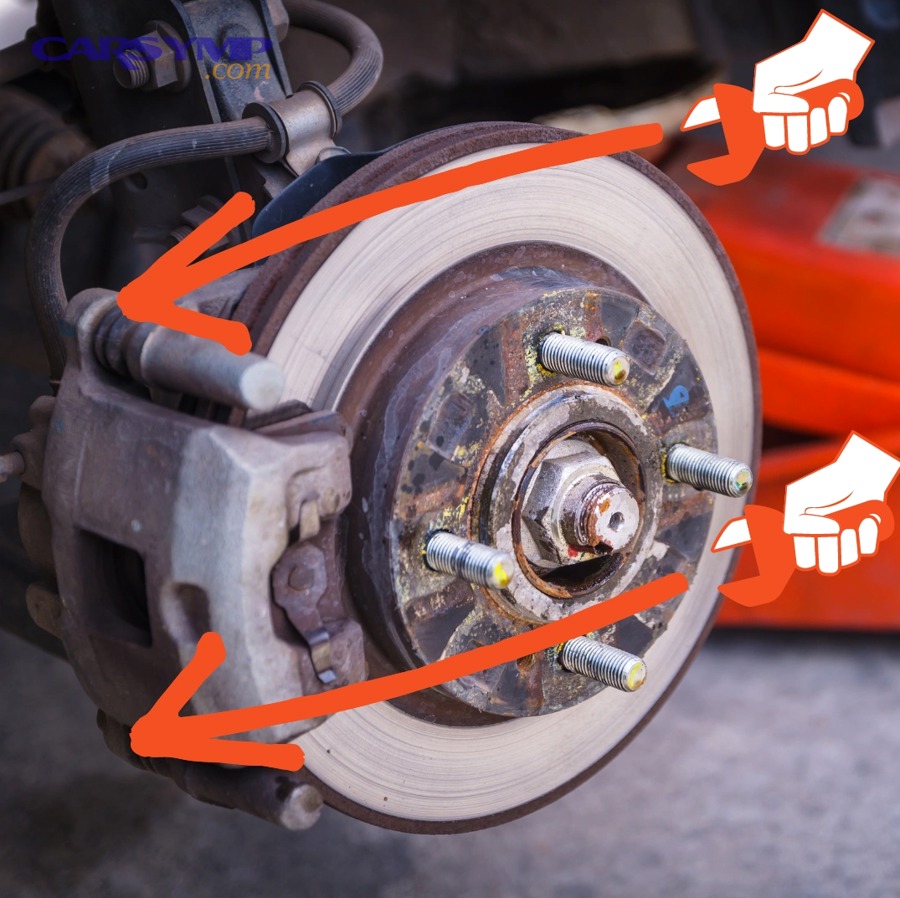
Identify the correct bolts and loosen them in a controlled way
Most floating calipers use two slide bolts on the back side. Hold the slide pin with a wrench if it spins. Use steady force rather than jerky movements to avoid rounding fasteners.
Next, once the caliper is free, hang it from the spring or control arm with a bungee cord—never let it dangle.
Remove pads and note the hardware stack-up
Pads may slide out by hand or need gentle prying. Pay attention to anti-rattle clips and shims. Place hardware on a clean towel in the orientation it came off, so you can compare new pieces or reinstall correctly.
To introduce a new idea, hardware is part of braking quality: many squeaks come from missing or incorrectly seated clips, not from the pad compound itself.
When should you remove the caliper bracket?
If you plan to clean bracket lands thoroughly or if the rotor must come off, you may remove the bracket bolts. These are often tighter than slide bolts, so use the right socket and a breaker bar. Keep bolts organized by location.
Next, you’ll retract the piston—this is the step that most often causes torn boots or a soft pedal when done carelessly.
How do you retract the caliper piston smoothly and safely?
Retract the piston slowly with a proper tool while monitoring brake fluid level, because controlled retraction protects seals and prevents overflow that can damage paint. Next, you’ll confirm the piston moves evenly and the boot remains intact.
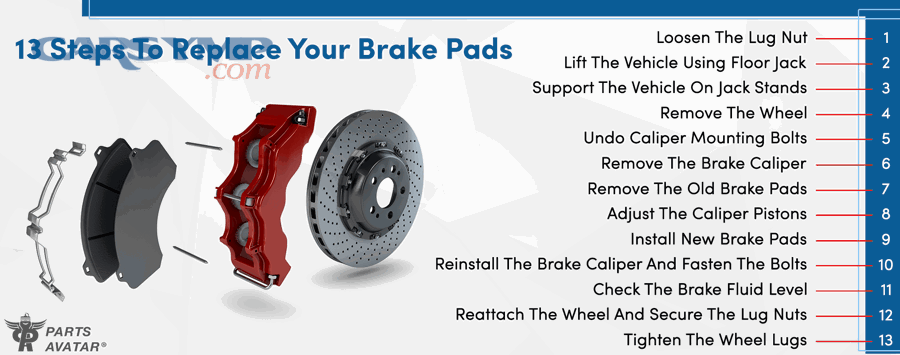
Open the reservoir and watch fluid level
Pop the hood and locate the brake fluid reservoir. Loosen the cap so pressure equalizes, but keep the opening clean. If the reservoir is very full, remove a small amount with a clean syringe or turkey baster to prevent overflow when the piston retracts.
Next, protect the piston face by placing the old pad against it before using a clamp—this distributes force evenly.
Use the correct method for your rear calipers
Some rear calipers require a “twist-in” action (especially on certain parking brake designs). If you force a twist-in piston straight back, you can damage the mechanism. Use the proper rear piston wind-back tool when needed.
To introduce a new idea, a piston that refuses to retract is a diagnostic clue: it may indicate corrosion, a seized slide, or a failing caliper—don’t just apply more force.
Confirm slide pins move freely
Before reassembly, check slide pins for smooth movement. Clean and re-grease with a thin coat of high-temp brake grease if the pin design allows it. If a boot is torn, replace it—water intrusion leads to seized slides and uneven wear.
Next, you’ll install new pads with clean contact surfaces and correct hardware seating, which is where quiet braking begins.
How do you install the new pads for quiet, even braking?
Install pads by cleaning bracket lands, fitting new anti-rattle clips, applying a thin, correct amount of brake grease only on contact points, and ensuring pads slide freely, because sticking pads cause uneven wear and noise. Next, you’ll verify correct orientation before closing the caliper.
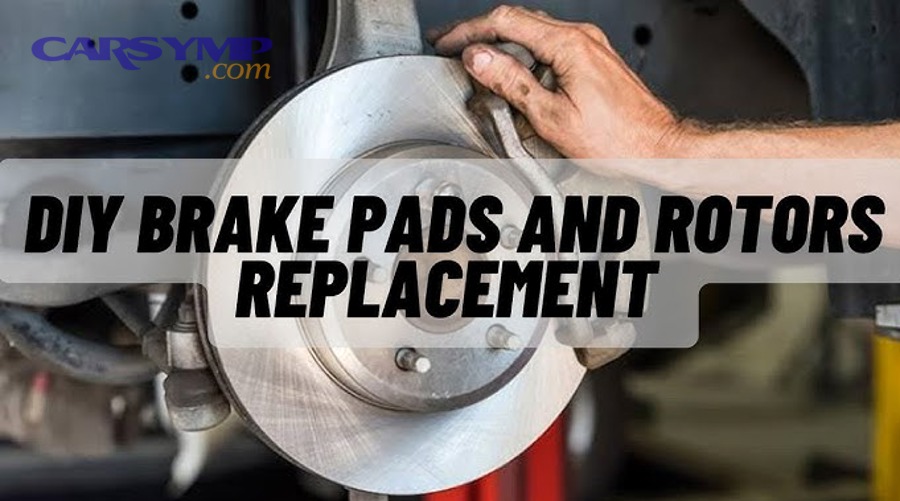
Clean the bracket lands where pad ears rest
Use a wire brush to remove rust from the pad support surfaces (the “lands”). Wipe clean, then install the clips fully seated. If rust buildup is heavy, pads may bind even if everything else is correct.
Next, test-fit the pad: it should move with firm finger pressure, not require hammering and not wobble loosely.
Apply grease only where it belongs
Use a tiny amount of high-temp grease on pad ears where they contact the clips and on slide pins (if applicable). Avoid grease on the pad friction face and rotor. On many setups, shims are designed to reduce vibration; keep them clean and seated.
To introduce a new idea, “more grease” is not better—excess grease can fling onto friction surfaces and cause poor braking until it burns off.
Recheck inner vs outer pad placement
If one pad has a wear indicator tab or a different backing plate shape, it usually belongs on a specific side (often the inner pad). Compare with your “before” photo. Confirm the pads sit flat against the bracket and align with the rotor.
Next, you’ll bring the caliper back over the new pads—this should feel controlled, not forced.
How do you reinstall the caliper and tighten everything correctly?
Reinstall the caliper by aligning it over the new pads, threading slide bolts by hand first, and tightening to specification, because proper torque prevents loose hardware and protects threads from stripping. Next, you’ll confirm the caliper slides smoothly after tightening.
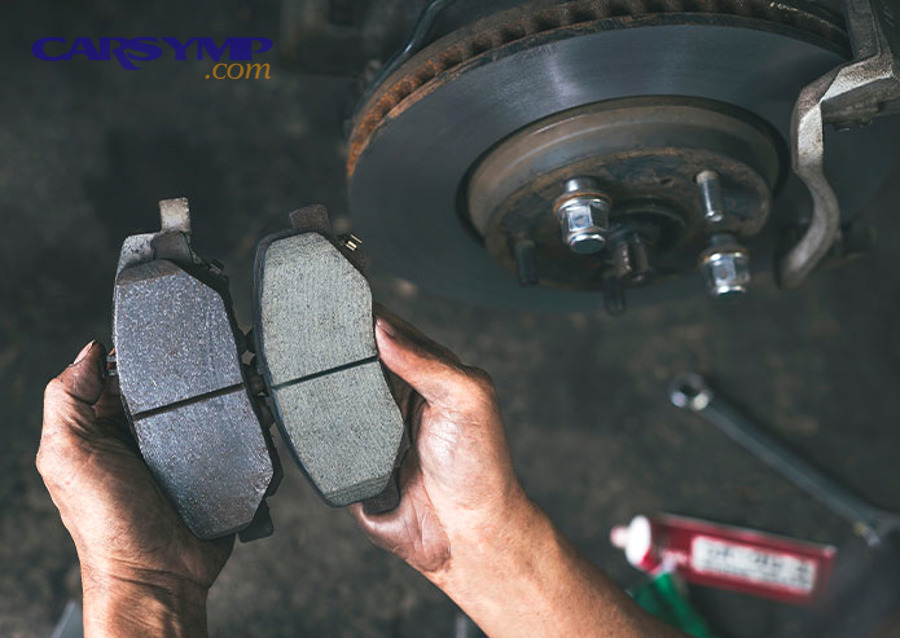
Thread bolts by hand to avoid cross-threading
Start slide bolts by hand for several turns. If they resist early, back out and realign. Once threads are engaged smoothly, tighten with the correct tool. If slide pins spin, hold them with a wrench as required.
Next, verify the rubber boots sit properly around the pin and caliper—mis-seated boots invite water and future corrosion.
Use a torque wrench when possible
Torque matters for safety and repeatability. If you don’t have the spec readily available, consult reliable service data for your exact model. Avoid overtightening, especially on smaller slide bolts, which can strip or snap.
To introduce a new idea, torque is also about consistent clamping: uneven fastener tightness can contribute to vibration complaints later.
Helpful torque reminders table
This table summarizes what you should torque and why, so you don’t forget critical fasteners during reassembly.
| Fastener | Why it matters | Best practice |
|---|---|---|
| Slide/guide bolts | Keep caliper aligned and sliding properly | Hand-start threads; torque to spec |
| Bracket bolts (if removed) | Hold caliper bracket under braking load | Clean threads; torque to spec; use threadlocker if specified |
| Wheel lug nuts/bolts | Secure wheel and prevent warping | Star pattern; torque with wheel on ground |
Next, you’ll reinstall the wheel and lower the car safely—then the job shifts from “assembly” to “functional verification.”
How do you reinstall the wheel and lower the car safely?
Reinstall the wheel by hand-threading lug nuts/bolts, snugging in a star pattern, lowering the car, and torquing to specification, because even clamping prevents vibration and protects wheel studs. Next, you’ll repeat the process on the other side of the axle.
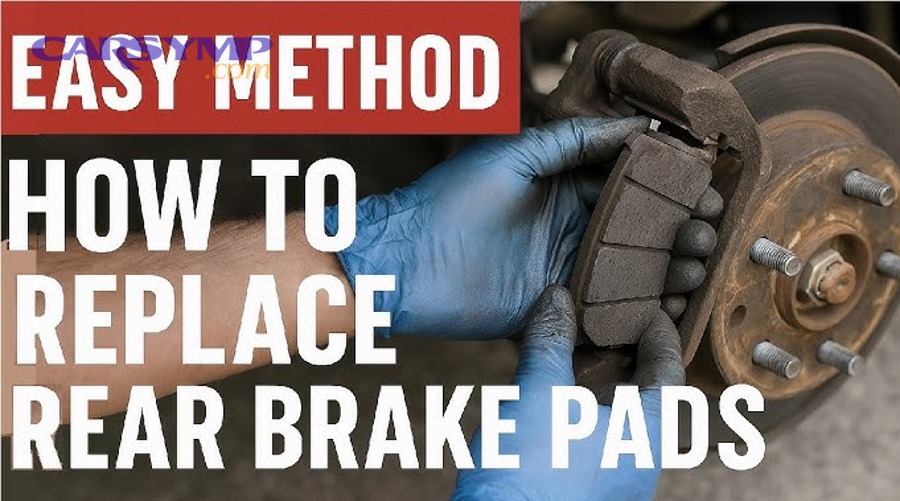
Hand-thread first, then snug in a star pattern
Hand-threading prevents cross-threading and helps ensure the wheel seats correctly. Snug the fasteners in a star pattern so the wheel centers evenly. Then lower the car until the tire touches the ground enough to resist spinning.
Next, torque the fasteners with a torque wrench in the same star pattern for consistent clamping.
Repeat on the other side of the same axle
Do not drive with one side done and the other side old on the same axle. Brake balance and friction characteristics should match side-to-side. Mirror the steps and compare your completed side to confirm clip seating and bolt placement are consistent.
To introduce a new idea, symmetry is your error-check: if the left and right assemblies don’t look the same (within design differences), stop and verify why.
Final under-hood check before you pump the pedal
Ensure the brake fluid reservoir cap is secure and no tools are left in the engine bay. Wipe any spilled fluid immediately. Confirm nothing is touching the rotor, and the hose is routed naturally without twists.
Next, you’ll restore pedal feel—this is the step that prevents the first stop from being a scary surprise.
How do you restore a firm pedal and verify braking before driving?
Restore pedal feel by pumping the brake pedal until it becomes firm, then holding pressure to check for sinking, because piston retraction creates extra clearance that must be taken up before safe braking returns. Next, you’ll do a controlled stationary test before any road test.
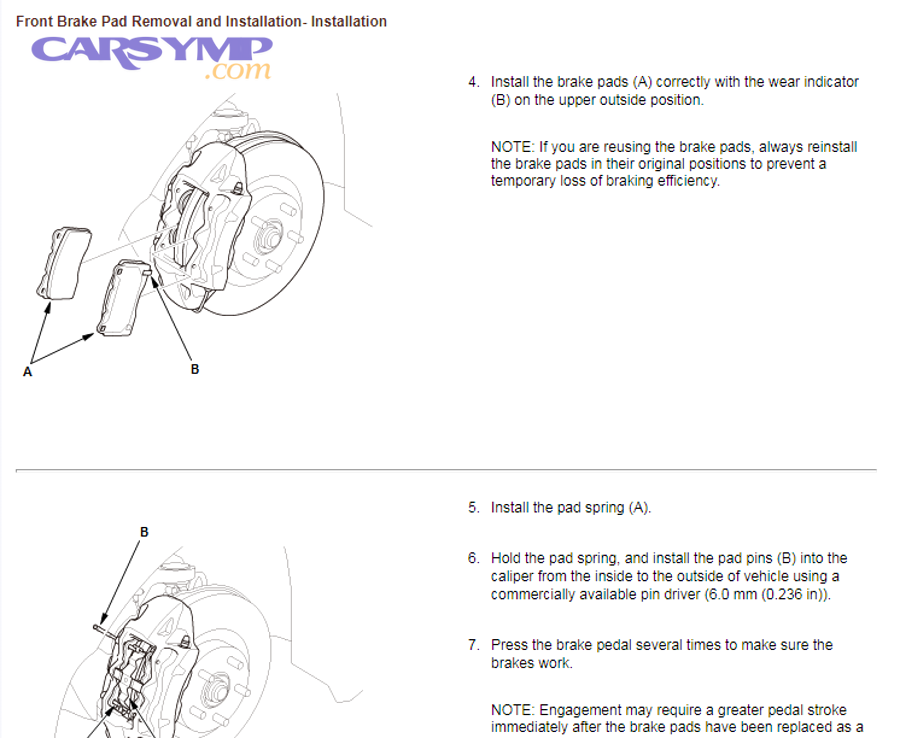
Pump the pedal the correct way
With the engine off, press the brake pedal slowly 10–20 times until it firms up. You’re moving the caliper pistons back out to meet the pads. Do not rush this; a gradual approach helps you notice abnormal sensations.
Next, start the engine and check pedal feel again—power assist will change pedal effort, but it should still feel confident and not spongy.
Stationary test: shift and hold
With the car on level ground, shift into Drive (or first gear) and apply the brakes firmly. The car should not creep significantly. Then reverse and repeat. Listen for clunks that might indicate loose hardware or pads not seated in clips.
To introduce a new idea, a slow sink under steady pressure can indicate hydraulic issues unrelated to pads—if that happens, stop and diagnose before driving.
Quick visual check for rub and leaks
Look behind the wheel spokes if possible: confirm the caliper is centered and not rubbing oddly. After a short idle, look for fresh fluid or wetness around the hose and bleeder. Any leak is a hard stop for driving.
Next, you’ll do the first road test in a controlled environment, then condition the pads for consistent performance.
How should your first road test and early bedding be done?
Do your first road test at low speed, verifying straight stops and normal pedal feel, then perform moderate, repeated stops to bring pads to operating temperature, because controlled heat cycling helps create stable friction and reduces noise. Next, you’ll monitor for abnormal smells, smoke, or pull.
Start slow and listen
Choose a quiet road or parking lot. Begin with gentle stops from 10–15 mph. Confirm the car stops straight without pulling. Expect some mild odor as coatings and oils burn off, but loud grinding, severe vibration, or a warning light requires immediate re-check.
Next, step up to moderate stops once basic function is confirmed.
Do controlled, repeated moderate stops
Perform several moderate decelerations (not panic stops) with brief rolling cool-down between them. Avoid coming to a complete stop and holding the pedal hard immediately after a heavy stop, because that can imprint material on a hot rotor and contribute to vibration later.
To introduce a new idea, “conditioning” is about consistency: you want the pads and rotors to mate evenly, not to shock-heat one spot repeatedly.
Post-drive check
After the test, park and let everything cool. Recheck lug torque once the wheels are cool (if your manufacturer recommends it). Look for fluid leaks and confirm there’s no unusual heat on one wheel compared with the other—excess heat can hint at a sticking caliper.
Next, you’ll cross the contextual border into deeper evaluation topics: thickness measurement, time planning, and symptom-based troubleshooting.
Contextual Border: The main how-to steps above focus on completing the pad job safely. Below are micro-level decisions and troubleshooting checkpoints that improve results and help you diagnose issues if something feels “off.”
Extra checks and decision points that improve results
These extra checks help you confirm the job quality, estimate time realistically, and interpret symptoms, because a correct pad install still depends on rotor condition, hardware health, and post-install verification. Next, use the sections below to refine your decision-making.
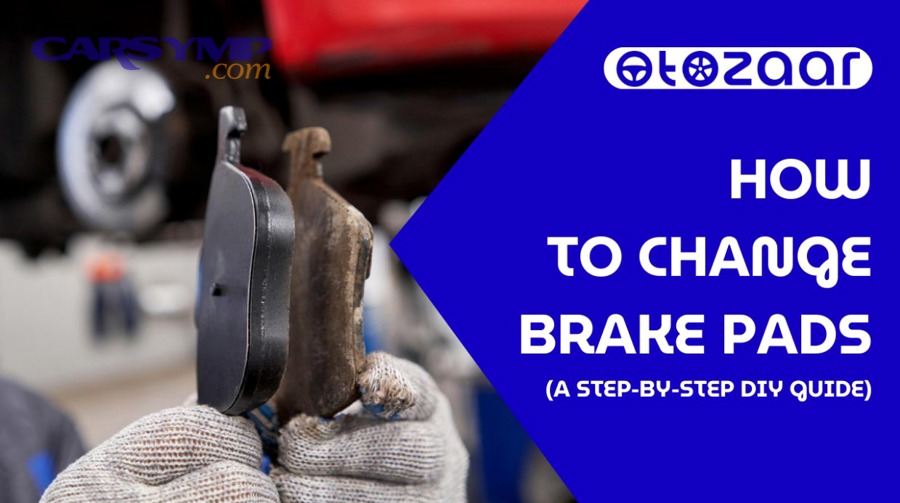
How to measure pad thickness and decide what’s next
Even when you’re doing DIY brake pad replacement steps, measuring thickness is how you turn “guessing” into maintenance planning. To measure, inspect through the caliper window or remove the wheel and look at the thinnest pad. If you can’t see clearly, remove the caliper and pads and measure the friction material with a simple caliper or gauge.
Next, compare what you see to practical thresholds: very thin pads should be replaced soon; uneven wear suggests slide pin issues; and a pad worn down to the backing plate means the rotor may also be damaged. If the rotor has deep grooves or a heavy outer lip, consider resurfacing or replacement based on manufacturer minimum thickness and condition.
To introduce a new idea, the “right” decision isn’t always the cheapest one today—if rotors are near the limit, fresh pads may wear unevenly or become noisy quickly, sending you back to redo labor.
In many guides, you’ll see the phrase How to measure pad thickness used as a planning skill: it helps you schedule maintenance before you hit the unsafe stage.
How long should the job take in real life?
Time depends on rust level, tool readiness, and whether hardware fights you. A straightforward front axle pad swap can be done in an afternoon for a first-timer, while heavy corrosion can stretch the job significantly. If bolts are stubborn, planning extra time reduces mistakes.
Next, treat “time” as part of safety: rushing leads to cross-threaded bolts, missing clips, and forgotten pedal pumping. Many people search for Brake pad replacement labor time to compare DIY effort to professional service; your real advantage with DIY is not speed, but control and learning.
To introduce a new idea, build a time buffer for cleanup and verification. The last 20 minutes—torque checks, pedal checks, and careful first drive—often matter more than the first 20 minutes of disassembly.
What symptoms mean you should re-check your work immediately?
Symptoms are feedback. If you notice severe pulling, grinding, a soft pedal that doesn’t firm up, a burning smell from one corner, or a clunk with each brake application, stop and re-check assembly. Look for pads not seated in clips, loose bolts, seized slides, or a twisted hose.
Next, focus on pattern recognition: noise only on one side often points to a hardware issue; heat concentrated at one wheel suggests a sticking caliper; and a pedal that sinks can point to hydraulic concerns beyond pads. Many people group these warning signs under Car Symptoms because they show up as sensations—sound, vibration, smell, and pedal feel—before you can see the cause.
To introduce a new idea, “symptom-based” thinking is your safety net: you don’t need to be a master mechanic to know something is wrong when the car behaves differently than before.
Frequently asked questions
- Do I need new hardware clips every time? In many cases, yes—new clips often come with quality pad sets and can reduce noise. If your old clips are rusted or bent, replacing them helps pads slide properly.
- Should I replace rotors at the same time? Not always. If rotors are smooth, within spec, and not heavily scored or heat-spotted, pads alone can work well. If rotors are compromised, addressing them now prevents repeat labor later.
- Why does the pedal feel soft right after the install? Usually because the pistons were retracted and the pads aren’t seated yet—pump the pedal until firm before driving. If it stays soft, re-check for leaks or trapped air issues.
- What’s the biggest beginner mistake? Skipping safety stands, contaminating friction surfaces with grease, or forgetting to pump the pedal before the first drive. Any of these can turn a routine job into a dangerous one.
To summarize, DIY brake pad replacement steps work best when you treat them as a system procedure: prepare, lift safely, install with clean contact points, torque correctly, restore pedal feel, and validate performance with a controlled test drive.