


Squeal after pad replacement is sometimes normal for a short break-in window, but it can also be a precise clue that something in the friction system is vibrating, misaligned, or contaminated.
Beyond comfort, the bigger goal is to confirm the noise is harmless and not masking a safety issue like a sticking caliper, rotor runout, or a loose hardware interface.
You can usually narrow the cause quickly by matching when the squeal occurs (first stop of the day, light braking, wet weather, downhill heat) with where it comes from (one corner vs all four).
To introduce a new idea, the fastest path to quiet brakes is to treat squeal as a vibration problem with a checklist—surface, hardware, lubrication, bedding, and rotor geometry—rather than guessing and replacing parts.
Is squeal after pad replacement normal, or does it mean something is wrong?
Yes, it can be normal, but only under specific conditions: brief break-in, light pedal squeak, or cold/wet mornings; it’s usually wrong if it’s constant, gets louder, or comes with vibration, pull, or grinding. Next, use timing and intensity to classify it.
In practical terms, “normal” squeal tends to be light, intermittent, and improves as the pad transfers an even film to the rotor; “abnormal” squeal tends to be repeatable and tied to a mechanical or surface issue.
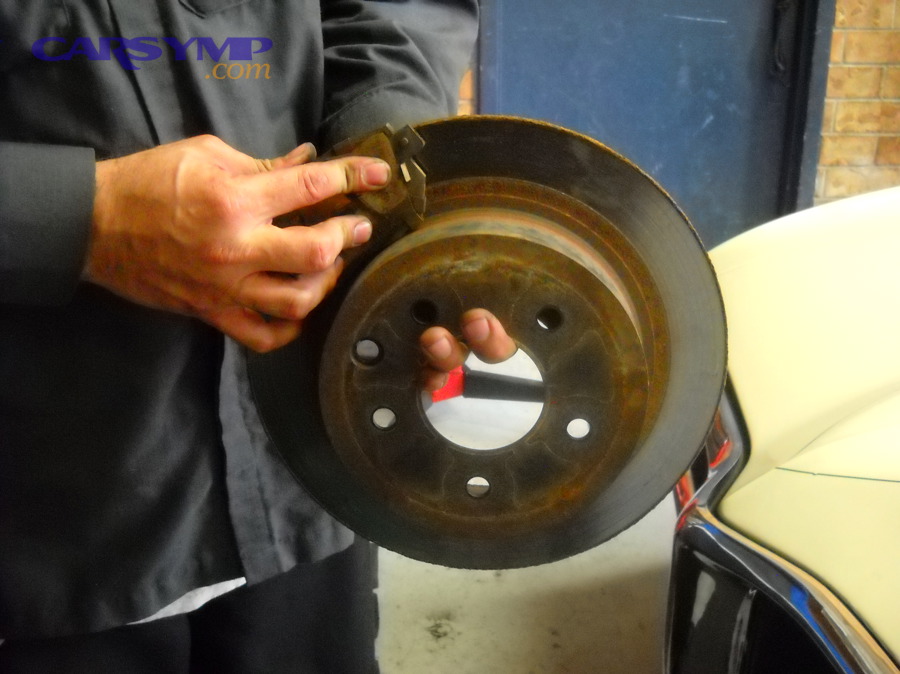
Normal break-in squeal: what it sounds like and why it happens
It’s usually a high, light squeak during gentle stops because fresh friction surfaces have not stabilized their contact film and can excite small vibrations. Next, confirm it fades after a few heat cycles and moderate stops.
Fresh pads and rotors often have manufacturing finishes, protective coatings (on non-friction surfaces), or micro-texture that changes quickly during the first drives. As the rotor face and pad face “mate,” friction becomes more uniform and the squeal risk drops.
Normal break-in squeal is most common when you brake lightly at low speeds, especially when the pads are cool and the coefficient of friction changes quickly with temperature. To clarify, light pedal pressure can keep the pad in a “just-touching” zone where vibration is easiest to sustain.
Abnormal squeal: the red flags that should stop you from “waiting it out”
It’s usually not normal if the squeal is loud, constant, corner-specific, or paired with vibration, steering pull, hot smell, smoke, or a wheel that feels much hotter than the others. Next, treat it as a friction/hardware fault and inspect immediately.
Any noise that escalates with mileage (instead of improving) often indicates a stuck slide pin, pad dragging, rotor runout, missing hardware, or contamination. More importantly, if you also hear grinding, stop driving and inspect—grinding can mean metal-to-metal contact.
Quick classification checklist (30 seconds)
Yes, you can classify squeal quickly by checking three things: timing (cold vs hot), pedal input (light vs firm), and location (one corner vs all). Next, use that classification to choose the most likely cause group.
- Cold-only, first few stops: often normal, surface moisture, or pad compound behavior.
- Light-brake-only at low speed: often glazing, hardware/shim issues, or pad compound resonance.
- Hot or downhill squeal: often overheating, uneven transfer layer, or rotor surface issues.
- One-corner squeal: often installation/hardware/slide pin problems at that wheel.
What are the most common squeal after pad replacement causes?
There are 7 common squeal after pad replacement causes: incomplete bedding, missing/incorrect hardware, dry or seized slide pins, pad edge vibration (no chamfers/shims), rotor surface problems, contamination, and rotor runout or improper torque. Next, match your symptoms to the right bucket.
To make the diagnosis faster, focus on what changed during the job: pads, hardware, caliper movement, rotor face, and wheel fastening. Specifically, squeal is usually a vibration that needs (1) a trigger, (2) a resonant path, and (3) insufficient damping.
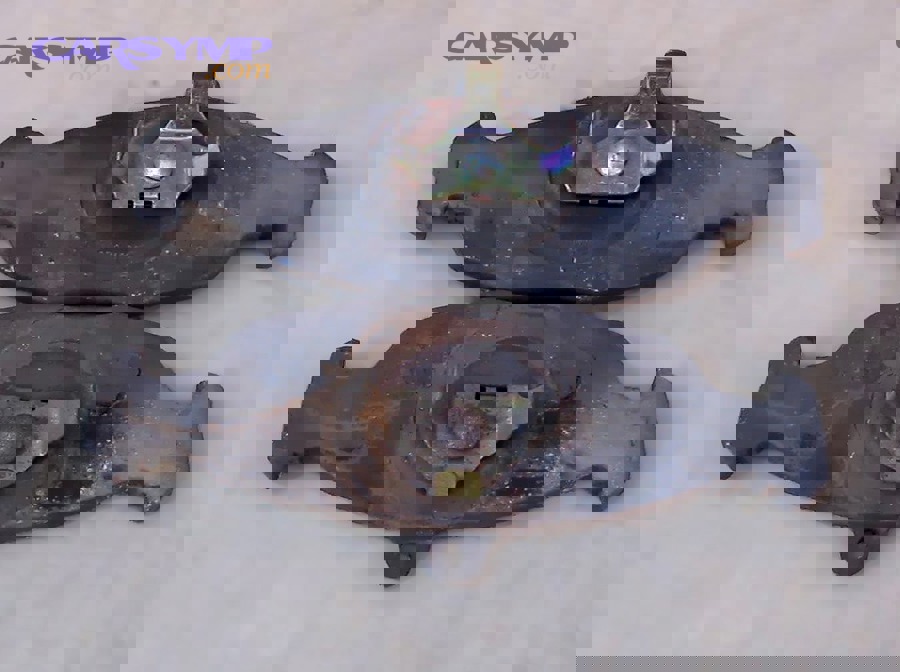
Cause 1: Incomplete bedding and an uneven transfer layer
Yes, an incomplete break-in can cause squeal because the pad deposits friction material unevenly, creating high spots that “sing” under light braking. Next, look for squeal that improves after a few firm stops or returns after overheating.
When the transfer layer is patchy, the pad alternates between higher and lower friction zones, exciting a high-frequency vibration. The fix is often controlled bedding—if the rest of the system is installed correctly.
Theo nghiên cứu của APEC Automotive từ TechMate Guides, vào Sep 2021, quá trình bedding giúp tạo một lớp chuyển giao ma sát (transfer layer) ổn định trên rotor để cải thiện hiệu suất và giảm rung/ồn.
Cause 2: Missing or incorrect anti-rattle hardware, shims, or clips
Yes, missing clips or the wrong hardware can cause squeal because the pad can vibrate or chatter in the bracket instead of being constrained and damped. Next, confirm every clip sits fully, squarely, and matches the pad shape.
Many vehicles rely on stainless abutment clips, spring clips, and pad shims to control micro-movement. If you reused old, corroded clips—or installed new clips without fully cleaning the bracket lands—pads can bind, release, and squeal.
Cause 3: Slide pins not cleaned, not lubricated, or seized
Yes, dry or sticky pins can cause squeal because the caliper cannot apply even pressure, leading to tapered wear, drag, and vibration. Next, check whether one pad is wearing faster or the wheel is hotter after a short drive.
Floating calipers need smooth pin travel so the inner and outer pads share the work. If the caliper can’t center itself, one pad rides the rotor, heats up, and squeals under light contact.
Cause 4: Rotor surface issues (glazing, grooves, rust ridges, coatings)
Yes, rotor texture can cause squeal because pads respond to surface roughness and friction changes by vibrating at audible frequencies. Next, look for mirror-like glazing, deep grooves, or a rust ridge where the pad doesn’t fully sweep.
Rotors with a hard glazed sheen or heavy scoring can “sing” with new pads, especially at low speed. Even if thickness is within spec, surface condition can dominate noise behavior.
Cause 5: Contamination (grease, brake fluid, road oils, anti-seize on the face)
Yes, contamination can cause squeal because it creates localized slip and stick, which is a classic noise generator. Next, inspect for shiny or wet spots on pad faces and clean with proper brake cleaner procedures.
Contamination is often accidental: fingerprints on rotors, grease smeared during handling, or fluid from a leaking caliper piston seal. It may also show up as poor bite, longer stops, or smoke during the first hard brake.
Cause 6: Rotor runout or uneven torque on lug nuts
Yes, runout and uneven torque can cause squeal because they push the pads in and out, creating periodic contact and high-frequency vibration. Next, consider this if you also feel pedal pulsation or the squeal is speed-dependent.
Improper wheel torque patterns, rust between rotor and hub, or a rotor not seated flush can introduce runout. Over time, that can become thickness variation and more persistent noise.
Cause 7: Pad compound resonance (semi-metallic behavior, temperature sensitivity)
Yes, some friction materials squeal more because their friction curve and stiffness make them more likely to resonate under light braking. Next, note if squeal is worst with gentle stops and improves with firmer pedal pressure.
Some performance-oriented compounds trade quietness for bite and heat tolerance. If everything is installed correctly, compound choice can be the remaining variable.
How do installation mistakes create squeal after pad replacement?
Installation mistakes cause squeal by removing damping or creating uneven contact: wrong pad orientation, mis-seated shims, clipped hardware not fully snapped in, caliper bracket lands not cleaned, and incorrect lubrication locations. Next, audit the job step-by-step at the noisy corner.
Think of this as “mechanical audio feedback”: if a pad can move, rock, or bind, it will find a frequency to sing at. To start, re-check the simplest failures that happen even to experienced DIYers.
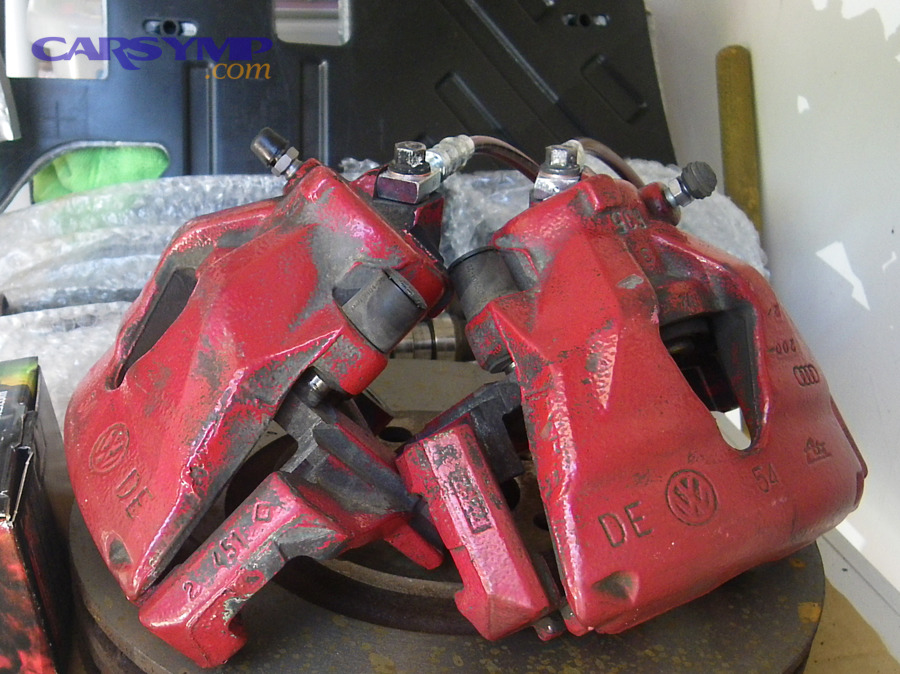
Pad fitment errors: reversed inner/outer pads, wrong pad set, or missing locator features
Yes, mismatched fitment can squeal because the pad doesn’t sit flat or uses the wrong backing plate geometry for the caliper, allowing vibration. Next, verify part numbers, pad shape, and any inner-pad piston clip engagement.
Some inner pads have a spring clip that snaps into the piston; if it’s not engaged, the pad can chatter. Other designs require specific shim stacks or wear sensor positions.
Bracket preparation errors: not cleaning rust “lands” under stainless clips
Yes, uncleaned bracket lands can squeal because the pad binds, then releases, creating stick-slip and high-frequency noise. Next, remove the clips and clean the contact ledges to bare metal, then reinstall clips squarely.
Rust under the clips reduces clearance; pads can’t retract properly, so they drag and squeal. If you live in a salt-belt climate, this is a top cause of “new pads but still noisy.”
Lubrication errors: lubricating the wrong places or skipping the right places
Yes, wrong lubrication can squeal because grease on friction faces causes slip while dry contact points allow metal-to-metal chatter. Next, apply the correct lube only to pad ears/abutment contact points, shim interfaces (if specified), and slide pins.
Never grease the pad face or rotor friction surface. Use high-temperature brake lubricant on metal-to-metal contact points, and use the correct pin grease (often silicone-based) for rubber-booted slide pins.
Hardware reuse errors: reusing bent springs, warped shims, or missing anti-rattle clips
Yes, tired hardware can squeal because it no longer provides preload and damping, letting the pad vibrate. Next, compare old and new hardware for spring tension and shape, and replace if questionable.
Many quiet-brake “miracles” come from replacing a $10–$30 hardware kit rather than swapping pad brands repeatedly.
Can rotor condition or geometry trigger squeal after new pads?
Yes, rotor condition can trigger squeal because pads are sensitive to runout, surface texture, and transfer-layer uniformity; three common rotor triggers are glazing, grooves/corrosion ridges, and runout from poor hub seating. Next, inspect the rotor face and hub interface, not just thickness.
It’s tempting to assume “new pads should fix it,” but rotor problems can overpower pad changes. To understand it better, treat the rotor as the speaker cone: if it’s uneven, it amplifies vibration.
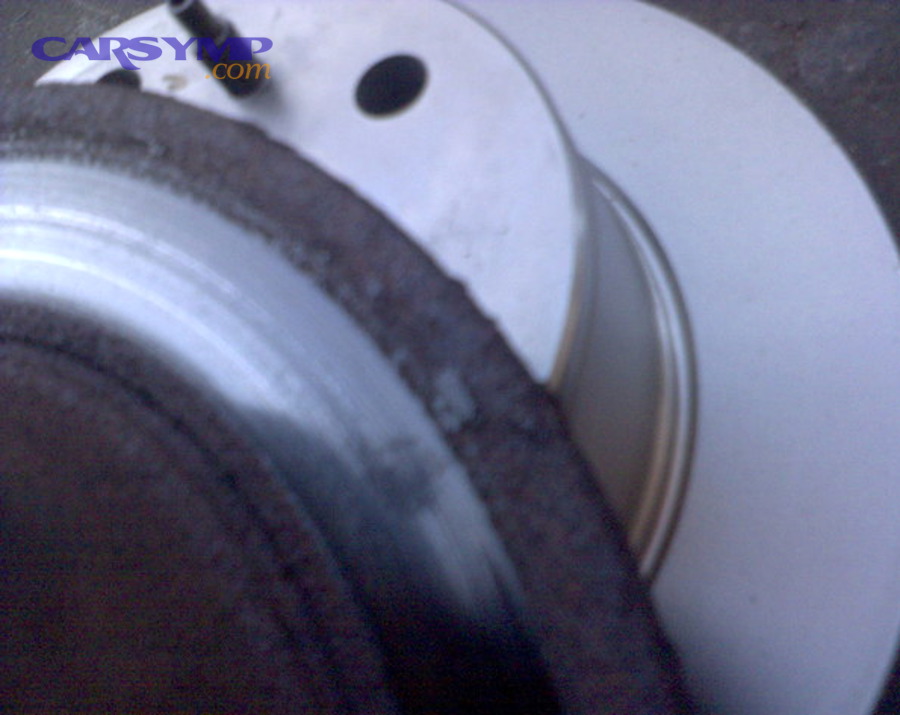
Glazed rotor surface: the mirror finish that loves to squeal
Yes, glazing can cause squeal because the pad rides on a hardened, smooth layer that promotes stick-slip under light braking. Next, look for a shiny, reflective rotor face and a squeal that’s strongest at low speed.
Glazing happens after overheating, long downhill braking, or heavy stops followed by holding the pedal at a stop (hot pad imprint). Light scuffing or resurfacing (when appropriate) and correct bedding can help—if thickness and condition allow.
Grooves, pitting, and rust ridges: uneven contact equals noise
Yes, grooves and ridges can squeal because the pad contact is interrupted, creating vibration and harmonics. Next, feel for a lip at the rotor edge and check for a “rust band” where the pad doesn’t sweep.
If the rotor has deep scoring, the pad’s leading edge can catch and release repeatedly. Sometimes a rotor replacement is the fastest, quietest outcome—especially if the rotor is near minimum thickness.
Rotor runout and hub cleanliness: the hidden cause that returns quickly
Yes, runout can cause squeal because the rotor wobbles microscopically, pushing pads in and out and creating periodic friction pulses. Next, remove the rotor and clean hub rust scale so the rotor seats perfectly flush.
Even a thin layer of rust on the hub face can tilt the rotor. Also ensure wheel torque is even and to spec; uneven lug torque can distort the rotor hat and mimic runout.
Theo nghiên cứu của NHTSA (Office of Defects Investigation) từ tài liệu kỹ thuật cập nhật vào Dec 2022, các hiện tượng NVH như squeal có thể liên quan đến sai lệch lắp ráp/hardware và điều kiện bề mặt (surface condition) làm thay đổi phản ứng rung của hệ phanh.
How do caliper pins, hardware, and shims stop squeal after pad replacement?
The main method is to add damping and control movement in 4 areas: pad-to-bracket contact, pad backing-to-piston contact, caliper sliding motion, and rotor alignment; done right, it removes the vibration path that produces squeal. Next, inspect each interface and restore “tight but free” motion.
Quiet brakes aren’t about making everything sticky; they’re about giving pads the freedom to retract while preventing chatter. Concretely, you want smooth sliding where sliding is intended, and firm constraint where constraint is intended.
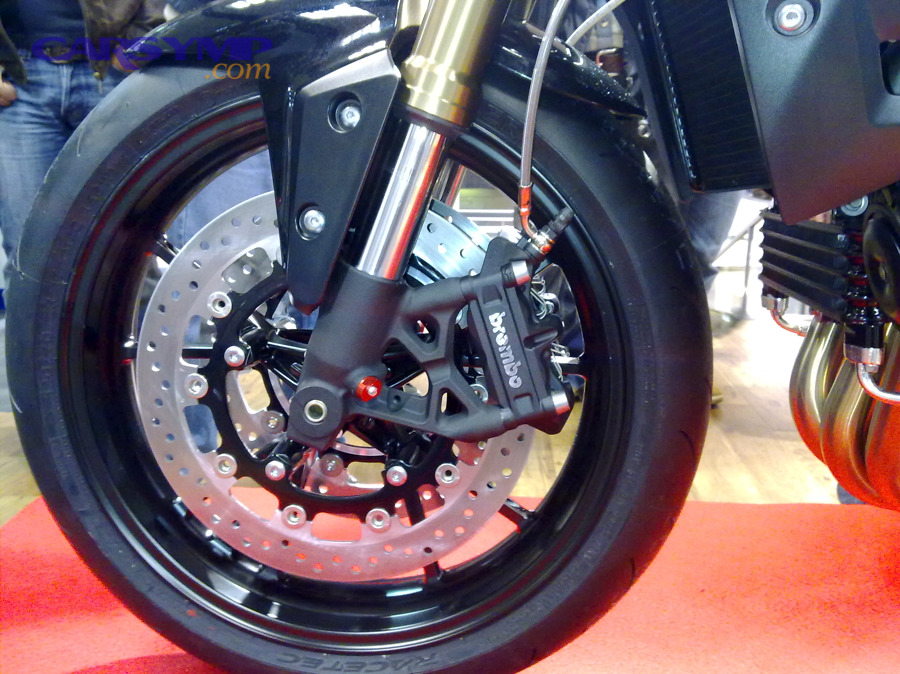
Slide pins: clean, inspect, and lubricate for even clamp force
Yes, properly serviced pins reduce squeal by ensuring even pressure and preventing drag that overheats one pad. Next, remove each pin, clean it, inspect for pitting, and use the correct lubricant with intact boots.
If a pin is corroded or the boot is torn, the caliper will not float correctly. That often creates a squeal that comes and goes with steering angle, temperature, or light pedal input.
- Good sign: pins slide smoothly by hand with gentle resistance from the grease.
- Bad sign: pin sticks, pops, feels gritty, or won’t return freely.
Abutment clips and pad ears: control rattle without creating bind
Yes, new clips can stop squeal by damping pad-ear vibration, but only if the bracket lands are cleaned so the pad doesn’t jam. Next, clean the lands, seat the clip fully, and confirm the pad ears move smoothly in the clip.
If you must force the pad into the bracket, it’s too tight; tight pads don’t retract, they drag, and dragging pads squeal. Conversely, overly loose pads rattle and squeal on light braking.
Shims and insulators: add damping at the backing plate
Yes, shims reduce squeal by acting as a vibration damper between the pad backing plate and piston/caliper, lowering resonance. Next, ensure shims are installed in the correct orientation and not bent or missing.
Some pads include multi-layer shims; others rely on the caliper design plus proper hardware. If your design uses shims, skipping them can bring squeal back immediately—even if everything else is correct.
Pad edge control: chamfers, slots, and correct bedding to reduce “leading-edge” noise
Yes, pad edge features reduce squeal by smoothing engagement and breaking up resonance modes. Next, if your pads lack chamfers/slots and squeal persists, consider a pad design known for better NVH control.
To illustrate, aggressive pad edges can “grab and release” at the leading edge under light braking, which is an excellent recipe for squeal in some caliper geometries.
How does bedding affect squeal after pad replacement, and what is the safest way to do it?
Bedding reduces squeal by creating a stable, even transfer layer and heat-cycling the pad to its normal friction behavior; the safest approach is controlled moderate-to-firm stops with full cool-down, avoiding panic stops or holding the pedal when hot. Next, choose a bedding routine that matches your pad type and street conditions.
Many drivers skip bedding, then chase noise with new parts. However, bedding is not magic—if hardware is wrong or pins are seized, bedding can’t compensate. So, do bedding after verifying correct installation and free caliper motion.
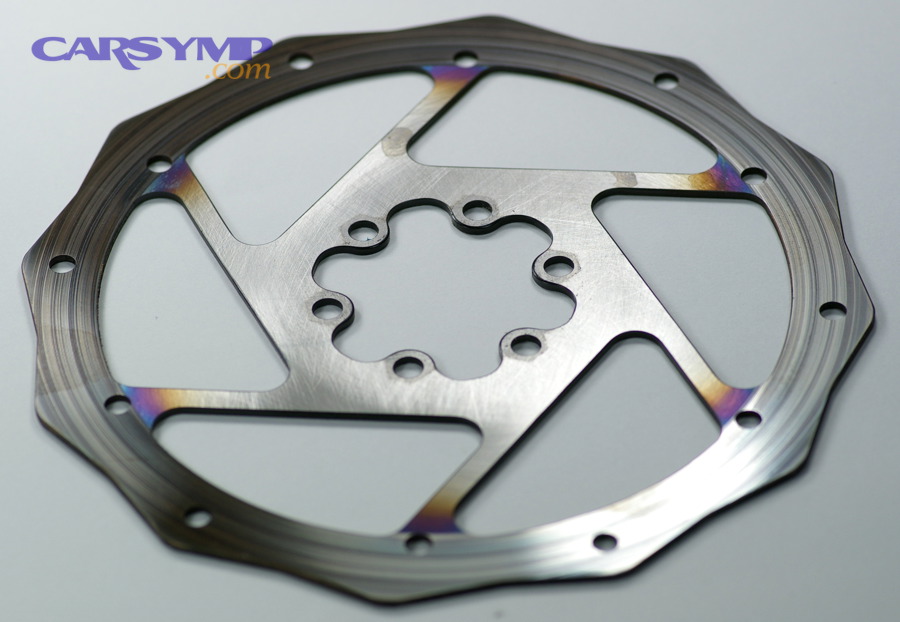
Street-safe bedding template (general guidance)
A common method is 6–10 moderate stops from mid-speed down to near walking pace, followed by 2–3 firmer stops, then a cool-down drive with minimal braking. Next, let the brakes cool fully before parking.
Choose an empty, legal roadway. Avoid coming to a full stop while the brakes are very hot; holding the pad against the rotor can imprint material and restart squeal.
- Do: build heat gradually, keep rolling between stops, and cool down.
- Don’t: do repeated hard stops to zero, then hold the pedal at a stop sign.
When bedding makes squeal worse
Yes, bedding can worsen squeal if the pads are already contaminated, the rotor is glazed, or the caliper is dragging; it adds heat and can bake-in the problem. Next, if squeal spikes after bedding, inspect for drag, hot spots, or uneven deposits.
If a wheel is noticeably hotter after a short drive, treat it as a drag problem first. A dragging corner can create noise, poor fuel economy, and accelerated wear.
How to confirm bedding success without special tools
Yes, you can confirm success when brake feel becomes consistent, noise fades, and the rotor face shows a uniform gray film rather than patchy, dark prints. Next, re-check after a few days of normal driving to ensure the improvement holds.
A uniform film is not a guarantee of silence, but it removes one of the most common triggers of high-frequency squeal.
How can you diagnose squeal after pad replacement by when it happens?
You can diagnose by grouping squeal into 5 timing patterns: cold-first-stops, light-brake low-speed, reverse-only, wet-weather, and hot-after-long-braking; each pattern points to different root causes. Next, use a symptom-to-cause map before disassembling anything.
This approach prevents random part swaps and keeps your troubleshooting focused. Specifically, timing reveals whether the trigger is moisture, surface film, hardware movement, or heat-induced changes.
This table contains a symptom-to-cause map that helps you quickly connect when the squeal happens to the most likely mechanical or surface triggers.
| When it squeals | Most likely cause | Fast check | Common fix direction |
|---|---|---|---|
| First stop of the day (cold) | Light moisture film, pad compound behavior | Does it disappear after 2–3 stops? | Often normal; verify hardware and bedding |
| Light braking at low speed | Glazing, shim/hardware damping missing | Does firm braking reduce it? | Hardware/shims, surface conditioning, bedding |
| Only in reverse | Pad leading-edge interaction, hardware fit, dust shield contact | Listen near one corner; inspect shield clearance | Adjust shield, check pad fit, verify clips |
| Wet weather or after car wash | Surface rust flash, water film | Does it change with temperature? | Normal if brief; verify rotor condition if persistent |
| After long downhill/hard braking | Overheat, uneven deposits, drag | Is one wheel hotter or smelling? | Check for seized pins/caliper, re-bed or resurface |
Cold-only squeal: moisture and surface chemistry
Yes, cold-only squeal is often from moisture and a thin surface film that changes friction until warmed. Next, if it persists beyond a few stops, inspect for glazing or a pad compound that’s noisy when cold.
Light rust on rotors can form overnight; the first brake application scrubs it. If the rotor surface is uneven or pitted, that scrubbing can be noisy longer than normal.
Reverse-only squeal: edge effects and shield interference
Yes, reverse-only squeal can happen because the pad’s leading edge changes direction and interacts differently with grooves, lips, or hardware preload. Next, inspect dust shield clearance and pad clip seating at that corner.
A slightly bent dust shield can contact the rotor in reverse or at certain steering angles. It can sound like pad squeal but is actually metal rubbing.
Hot squeal: overheating, drag, and uneven deposits
Yes, hot squeal often indicates excess heat from drag or repeated braking that changes the friction layer and excites resonance. Next, check for a sticking caliper, seized pin, or uneven pad wear that points to imbalance.
If you smell burning or see smoke, stop and let the brakes cool; then diagnose caliper function before any more bedding attempts.
What should you inspect first if squeal after pad replacement is only on one wheel?
Start with 4 items: hardware presence/fit, pad-to-bracket clearance, slide pin freedom, and rotor-to-hub seating; these account for most one-corner squeal cases. Next, compare the noisy side to the quiet side like a control experiment.
A single noisy corner is a gift: it narrows the search. Concretely, if the other side is quiet with the same pad compound, the cause is likely mechanical, not material.
Compare pad wear pattern: even vs tapered vs one-pad-only
Yes, the wear pattern points to the cause: even wear suggests surface/compound; tapered or one-pad-only wear suggests caliper movement problems. Next, measure and compare inner vs outer pad thickness on that axle.
A much thinner inner pad often indicates a stuck slide pin or caliper that cannot float. A much thinner outer pad can indicate bracket issues or a caliper body not returning smoothly.
Inspect for contact marks: shiny rub points tell the story
Yes, rub marks identify the vibration path: shiny clip edges, polished pad ears, or scuffed caliper bracket lands indicate movement or binding. Next, look for fresh bright metal where something is rubbing repeatedly.
If you find a pad ear polished on one corner only, that corner is binding or rattling differently than the others.
Check the dust shield and nearby components
Yes, a bent shield can mimic pad squeal because it creates a constant high-frequency rub against the rotor. Next, verify clearance all around the rotor and especially near the bottom where road debris can bend the shield.
This is one of the easiest “free fixes” and is often overlooked after a brake service.
When should you stop driving and get professional help for squeal after pad replacement?
You should stop driving if squeal comes with grinding, a soft pedal, pull, severe vibration, burning smell, smoke, fluid leaks, or a wheel that’s dramatically hotter than others; these suggest drag, metal-to-metal contact, or hydraulic issues. Next, prioritize safety signs over noise annoyance.
Some noises are just NVH, but some are early warnings. To be safe, treat braking performance changes as urgent even if the car “still stops.”
Grinding or scraping: likely metal contact
No, grinding is not normal because it often means the pad friction material is gone, a backing plate is contacting the rotor, or debris is trapped. Next, inspect immediately to prevent rotor damage and loss of braking efficiency.
Grinding after recent work can also indicate a pad installed incorrectly or hardware contacting the rotor.
Heat and smell: warning signs of drag
No, a burning smell or excessive heat is not normal because it suggests a dragging pad from a seized pin, stuck piston, or binding hardware. Next, let the brakes cool and check caliper function before driving further.
Theo nghiên cứu của NHTSA (Office of Defects Investigation) từ tài liệu cập nhật vào Aug 2020, các vấn đề liên quan tới drag/overheating có thể dẫn đến thay đổi hiệu năng phanh và tăng nguy cơ hư hại bề mặt ma sát, từ đó phát sinh NVH như squeal.
Brake feel changes: treat as a safety issue first
No, if pedal feel changes (spongy, sinking, longer travel), the priority is hydraulic integrity, not noise. Next, check fluid level, inspect for leaks, and seek professional diagnosis promptly.
Noise troubleshooting should never override brake performance troubleshooting.
In many real-world cases, squeal appears right after a brake pad replacement simply because small setup details—clips, pins, and rotor seating—are now the dominant variable rather than the old worn surfaces.
If you also notice Brake pad wear symptoms returning quickly on the same corner (like dust buildup, hot smell, or rapid thinning), that strongly suggests uneven caliper motion or binding hardware rather than “just noisy pads.”
When you follow a controlled Bedding-in new brake pads procedure after confirming correct hardware and free caliper movement, you usually eliminate the “new pad squeal” category and reveal any remaining mechanical causes clearly.
If you’re weighing whether to redo components, comparing the real cost against a Brake pad replacement cost estimate can help you decide whether to rework hardware/pins now or pay for a full re-service later—especially if you suspect a drag issue that can destroy pads quickly.
Contextual Border: From here, we move beyond immediate mechanical causes into micro-level factors—pad material behavior, environment, and driving patterns—that influence squeal risk even when installation is perfect.
How do pad materials, weather, and driving style influence squeal after pad replacement?
Pad material, climate, and driving style can raise or lower squeal risk by changing friction behavior and vibration damping; the biggest levers are compound type (ceramic vs semi-metallic), moisture/temperature cycles, and how often you brake lightly versus firmly. Next, choose settings and habits that stabilize the friction layer.
Even with flawless hardware, some combinations are naturally noisier. To understand why, remember squeal is friction-induced vibration, and friction is sensitive to temperature, pressure, and surface film.
Compound behavior: ceramic vs semi-metallic vs organic
Comparison-wise, ceramic pads are often quieter at light braking, semi-metallic pads often have stronger cold bite but can be noisier, and organic pads can be smooth but may wear faster under heat. Next, match compound to your priorities: quiet, bite, dust, and heat tolerance.
However, “ceramic = silent” is not guaranteed; caliper design and rotor condition still matter. Conversely, a well-installed semi-metallic setup can be quiet if damping and bedding are correct.
Weather and moisture: why squeal spikes in rain or after washing
Yes, moisture can increase squeal because it changes friction and creates a thin film that promotes stick-slip until it dries. Next, if wet squeal persists, inspect rotor pitting and pad compound suitability for your climate.
Short trips in humid climates can keep the system in a “never fully warmed” state, which can make light-brake squeal more frequent.
Driving style: light braking and long descents vs decisive stops
Yes, constant light braking can increase squeal by preventing stable film formation, while occasional controlled firm stops can stabilize the contact layer and reduce noise. Next, avoid riding the brakes downhill and instead use lower gears when appropriate.
To clarify, this is not about aggressive driving; it’s about avoiding prolonged low-pressure friction that sustains resonance.
Wheel and tire changes: indirect effects on NVH
Yes, changes in wheel mass, tire stiffness, and suspension components can alter resonance and make squeal more audible even if the brakes are unchanged. Next, if squeal started after wheel changes, check torque practices and listen for corner-specific amplification.
Sometimes the brakes were always vibrating, but the new wheel/tire combination makes the sound easier to hear.
FAQ
These are the most common follow-up questions drivers ask when dealing with squeal after pad replacement, along with direct, practical answers.
How long should squeal after pad replacement last if it’s “normal”?
It typically fades after a few heat cycles and the first few days of mixed driving; if it persists beyond a week of normal use or gets louder, treat it as abnormal and inspect hardware, pins, and rotor condition.
Can I just apply anti-squeal compound to stop the noise?
Sometimes it helps by adding damping, but it won’t fix missing hardware, seized pins, contamination, or rotor runout; use it only as part of correct installation and never on friction surfaces.
Why does the squeal happen only with very light braking?
Light braking can keep the pad in a vibration-friendly contact zone where stick-slip is easiest; glazing, weak damping from shims/clips, or compound resonance are common contributors.
Do new rotors always prevent squeal?
No, new rotors can still squeal if the hub face isn’t clean, lug torque is uneven, bedding is skipped, or hardware/pins are wrong; they reduce one variable (surface condition) but don’t fix mechanical damping issues.
Is squeal the same as squeaking or chirping?
They’re often used interchangeably, but a high-pitched continuous tone usually points to resonance, while intermittent chirps can point to light contact, moisture, or minor hardware movement; both still follow the same diagnostic logic.
squeal after pad replacement causes, brake squeal diagnosis, caliper slide pins, abutment clips, anti-rattle hardware, pad shims, rotor runout, transfer layer, glazing, stick-slip vibration