


brake pad replacement labor time is usually short enough for a same-day visit, but the exact minutes depend on your vehicle’s brake design, rust level, and how much inspection or cleanup is needed to restore quiet, even braking.
Most drivers want a realistic window they can plan around—drop-off vs wait, front vs rear, one axle vs all four wheels—so you can schedule work, rides, and deadlines without guessing.
Another common goal is understanding what makes a “simple pad swap” turn into a longer job, especially when sliders bind, hardware is seized, or the pedal feel requires extra checks and a careful test drive.
To get started, here’s a clear breakdown of what shops actually do step-by-step and how each decision affects labor time and your day.
How long does brake pad replacement labor time usually take?
Brake pad replacement labor time is commonly about 30–90 minutes per axle in normal conditions, because the core work is removing the wheel, compressing the piston, swapping pads, and verifying safe, even movement.
To make that estimate useful, the key is matching your situation to a typical scenario rather than assuming every car is identical.
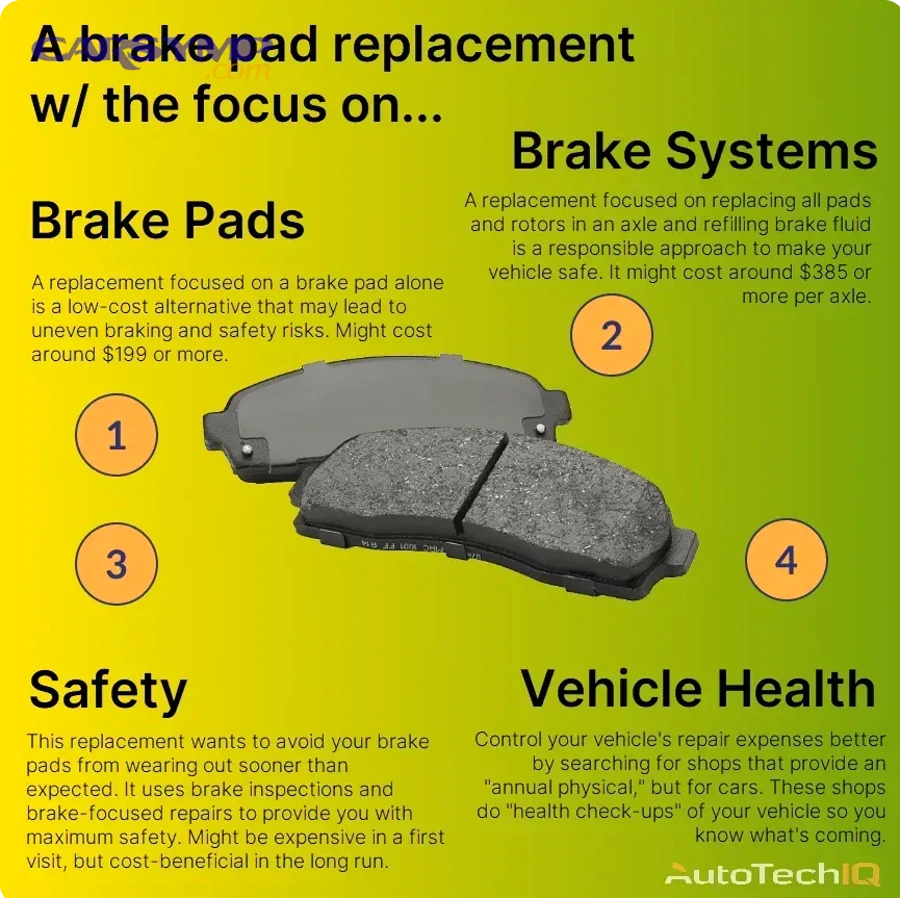
Before looking at ranges, remember that “per axle” means both left and right wheels on the same end of the car. A front axle job might be quick on many vehicles, while rear brakes can take longer when parking-brake mechanisms or integrated calipers add steps.
To clarify what you’re likely to experience, the table below summarizes common real-world time windows for pad work under typical shop conditions.
| Scenario | Typical labor time | Why the time varies |
|---|---|---|
| Front pads only (routine wear, free-moving slides) | 30–60 minutes | Simple access, minimal cleanup, quick verification |
| Rear pads only (routine wear, parking brake not integrated) | 45–90 minutes | Extra steps for rear hardware and caliper retraction method |
| One axle with light rust and basic hardware refresh | 60–120 minutes | Cleaning bracket lands, replacing clips, lubing slides |
| Both axles (pads on all four wheels) | 90–180 minutes | Twice the corners, plus consistent testing and bedding advice |
| One axle with seized slide pins or stuck hardware | 120+ minutes | Diagnosis, freeing parts, possible replacement of pins/brackets |
Those ranges assume the shop already has the correct pads in hand. If parts need to be sourced after inspection, the “hands-on” time may be similar, but your total visit time can extend significantly due to ordering, delivery, or rescheduling.
Next, let’s break down the specific factors that stretch or shrink the labor window—so you can predict your own outcome more accurately.
What changes brake pad replacement labor time on the same vehicle?
Brake pad replacement labor time changes most when access, corrosion, and caliper movement are different from “normal,” because technicians must spend extra minutes restoring smooth sliding and safe clamping force rather than just swapping friction material.
To connect the dots, think of labor time as a checklist of friction points: anything that resists disassembly, alignment, or reassembly adds time.
Is the caliper design quick-release or multi-step?
Yes—caliper design can make the job faster or slower, because some setups use straightforward slider bolts while others require additional bracket removal, special retraction procedures, or careful positioning of anti-rattle hardware.
To illustrate, many floating calipers allow quick pad access once the caliper swings up, while other designs require removing a larger bracket and managing more hardware pieces that must sit perfectly to prevent noise.
Details that commonly add time include: limited bolt access, tight wheel wells, suspension components blocking tool angles, and caliper pistons that must be rotated or indexed to retract correctly.
As a result, two cars with the “same miles” can have very different labor time simply because one is engineered for service access and the other isn’t.
Are slide pins and pad contact points moving smoothly?
No—if slide pins, boots, or pad contact points are dry, corroded, or binding, labor time increases because safe braking requires restoring smooth movement, not just installing new pads.
To keep braking even, technicians often remove pins, clean them, inspect boots for tears, apply the correct lubricant, and confirm the caliper floats freely across its travel.
Similarly, the pad “lands” on the bracket can rust and pinch the pad ears. Cleaning those surfaces and fitting new clips can take longer than the pad swap itself, but it reduces the risk of uneven wear, drag, and overheating.
In practice, this is one of the most common reasons a routine job turns into an extended appointment.
How does corrosion and heat affect removal time?
Corrosion and heat cycling can make bolts, clips, and pads seize, which adds time because parts may need penetrating oil, careful persuasion, and additional inspection to avoid damaging threads or rubber components.
To understand the impact, consider that a bolt that backs out in 10 seconds on a clean car may take several minutes of cautious work on a rust-belt vehicle.
Extra time is also spent confirming the caliper piston retracts smoothly and that the hose and seals are not stressed by heat-related deterioration.
Next, we’ll turn these mechanical realities into a simple prediction method you can use before you even arrive at the shop.
How can you predict labor time from symptoms before you arrive?
You can predict brake pad replacement labor time by checking three signals—noise, drag/heat, and uneven braking—because they hint whether the job is a quick pad swap or a longer service that includes freeing stuck components.
To make this practical, treat it like triage: quick clues first, then deeper checks only if needed.
Does the car roll freely and coast normally?
Yes—if the car rolls freely and coasts normally, the labor time is more likely to stay in the shorter range because severe caliper drag or seized pads are less likely.
To test gently, drive at low speed in a safe area and see whether the car feels “held back,” needs extra throttle to maintain speed, or pulls to one side under light braking.
After a short drive, cautiously check for a hot wheel smell (without touching hot parts). A noticeably hotter wheel can signal drag, which often means extra time to service slides, brackets, or a caliper.
That extra service is not optional—it’s what prevents the new pads from wearing out quickly or overheating again.
Is the noise consistent, intermittent, or only under certain conditions?
It depends—consistent grinding or harsh scraping often implies metal-to-metal contact, which can increase labor time because the technician must inspect related surfaces and confirm safe operation beyond the pads themselves.
To narrow it down, note whether the noise happens only when braking, only at low speeds, only after rain, or only after the brakes warm up.
Intermittent squeal can still be routine pad wear, but persistent noise can point to hardware fitment issues, pad glazing, rotor surface problems, or a dust shield contact—each affecting how long the appointment takes.
Bring that symptom description to the shop; it helps them choose the right inspection path quickly.
Do you feel vibration, pulsation, or steering shake when braking?
No—if you don’t feel vibration or pulsation, labor time is less likely to expand into extended troubleshooting, because the job can focus on pad installation and standard verification.
However, if you do feel pulsation, shops often spend extra minutes measuring runout, checking mounting surfaces, and ensuring the new pads will bed evenly instead of amplifying the shake.
Even when the final repair is straightforward, the measurement and confirmation steps add time because braking safety depends on consistency, not guesswork.
Next, let’s talk about the biggest time multiplier: additional parts and surfaces that must be serviced for the new pads to work properly.
How much extra time is added when more brake parts need service?
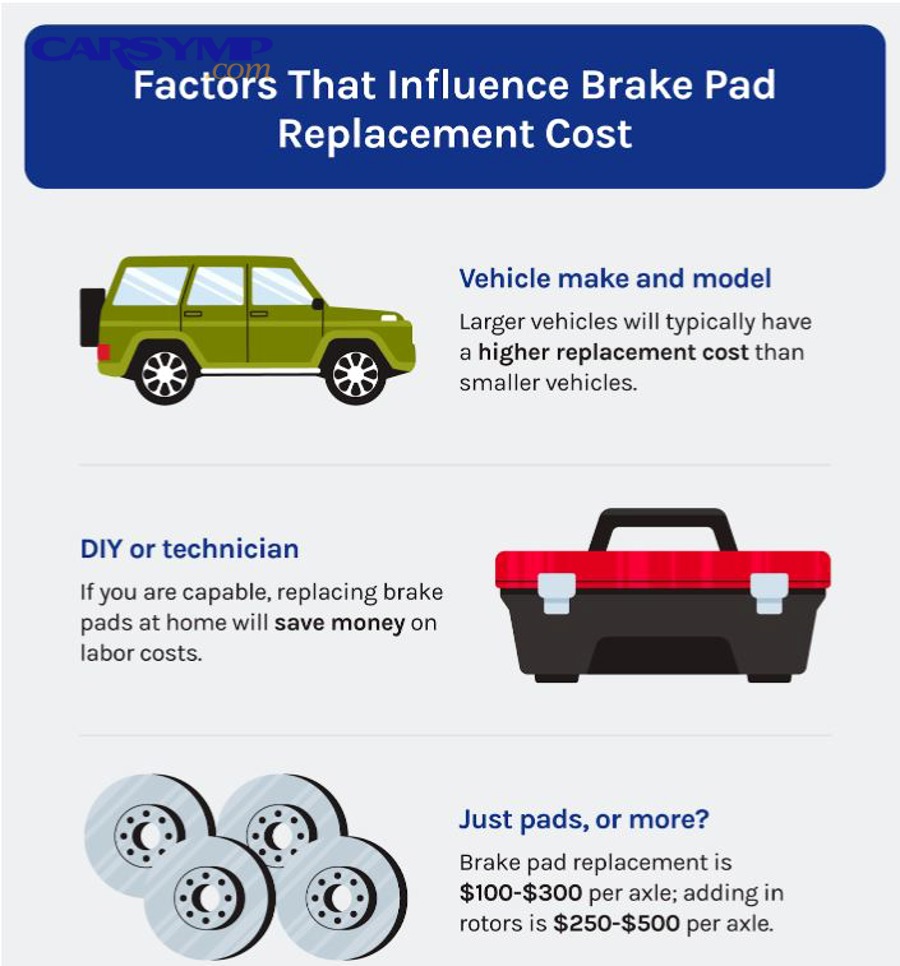
Extra brake parts service can add 30–120+ minutes because the technician must restore correct surface condition and alignment so new pads clamp evenly, release cleanly, and don’t overheat or squeal.
To connect this to labor time, think of pads as only one piece of a friction system—if the mating surfaces or moving supports are compromised, the job expands.
What happens if the rotor surface is damaged or uneven?
If the rotor surface is damaged or uneven, labor time often increases because the technician must correct or replace the surface the pads press against, then confirm the new friction pair will bed in smoothly.
To explain, installing fresh pads on a severely grooved or heat-spotted surface can cause noise, reduced bite, longer stopping distances, and rapid pad wear.
Depending on the vehicle, addressing the rotor surface may require removing additional components, cleaning hub faces, and ensuring even torque to reduce the risk of future vibration.
In many cases, the “extra time” is less about the rotor itself and more about careful preparation and verification.
How do seized bolts, stripped threads, or damaged boots affect time?
They add significant time because the job shifts from routine service to careful repair: extracting hardware, chasing threads, replacing boots or pins, and rechecking caliper movement before reassembly.
To avoid unsafe shortcuts, technicians may pause to source replacement pins, bolts, or boots—especially if the original parts can’t be reused safely.
This is also where labor time can vary widely by shop experience, tool availability, and whether the vehicle has been serviced regularly in the past.
The time spent here is protective: it prevents brake drag, uneven wear, and overheating that can ruin new pads quickly.
Does brake fluid condition change the workflow?
Sometimes—if the piston retracts poorly or contamination is suspected, the shop may spend additional time inspecting fluid condition and confirming the pedal feels firm and predictable after the work.
To be clear, pad replacement doesn’t always require fluid service, but technicians often verify the reservoir level, look for discoloration, and ensure there’s no overflow when pistons are compressed.
If pedal feel is soft or inconsistent afterward, extra bleeding checks may be needed, and that adds minutes because safety testing is mandatory.
Next, we’ll map the entire shop visit into a realistic timeline so you can plan drop-off and pickup confidently.
What does a complete shop appointment timeline look like?
A complete brake pad replacement labor time appointment usually includes inspection, installation, safety verification, and a test drive, so the total visit often exceeds the hands-on minutes even when the repair itself is quick.
To plan reliably, break the visit into phases rather than one single “labor” number.
Check-in and initial inspection
This phase is typically 5–20 minutes because the shop confirms your concerns, checks wheel condition, measures visible wear, and determines whether parts are available before committing to a final schedule.
To speed it up, arrive with your symptoms written down: when the noise happens, whether the car pulls, and whether the brake warning lights are on.
Shops may also check tire condition and lug hardware because safe wheel removal and reinstallation are part of braking safety.
Once inspection confirms the path, the job moves into the hands-on service phase.
Hands-on service: disassembly, cleaning, and installation
This phase is often 30–120 minutes depending on access and corrosion, because it includes removing wheels, servicing sliding points, compressing pistons, installing pads, and ensuring hardware sits correctly.
To keep the flow smooth, technicians typically clean bracket contact areas, fit anti-rattle clips, apply appropriate lubricant in the correct locations, and confirm the caliper moves freely without binding.
They also verify pad orientation, shims, and wear sensors if present, because a small assembly mistake can create noise or uneven wear.
After reassembly, they torque wheels properly and prepare for safety checks.
Verification, bedding guidance, and test drive
This phase is usually 10–30 minutes because the shop confirms pedal feel, checks for leaks or abnormal drag, and performs a controlled test drive to ensure quiet, predictable braking.
To protect the new friction surfaces, they often provide bedding-in guidance—gentle stops at first, avoiding heavy braking immediately, and monitoring for new noises or smells.
Even if the car is on the lift for a short time, this verification is the reason your appointment can run longer than the wrench time.
To see a typical process overview in motion, the video below demonstrates common pad service steps and safety checks.
Next, if you’re considering doing the work yourself, let’s set realistic expectations for time—while keeping safety and correct procedure at the center.
How long does a safe DIY pad job take for a beginner vs experienced?
A safe DIY brake pad replacement labor time is often 1–3 hours per axle for a beginner and 45–90 minutes per axle for an experienced DIYer, because preparation, cleaning, and double-checking consume most of the time.
To keep it safe, the goal isn’t speed—it’s repeatable steps, correct torque, and smooth caliper movement.
What prep work adds the most time at home?
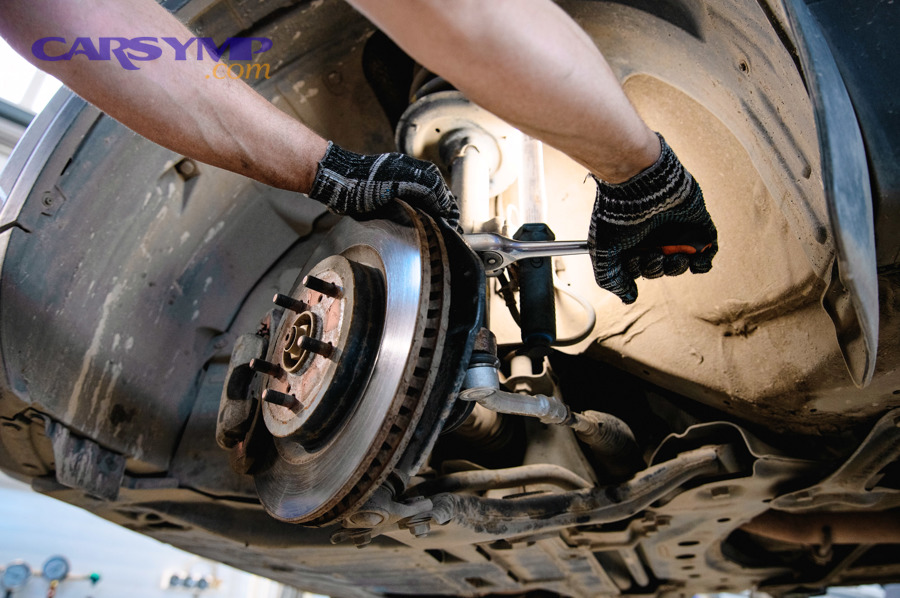
Setup adds the most time because you must safely lift the car, support it with stands, remove wheels, and organize tools and parts to prevent mistakes that can compromise braking.
To illustrate, many DIY delays come from missing tools (a proper torque wrench, suitable piston tool, or correct sockets) or discovering worn hardware after the car is already apart.
Plan time for cleaning and lubrication too, because skipping those steps can cause uneven wear, squeal, or dragging brakes even with brand-new pads.
Once setup is stable, the actual pad swap is usually straightforward.
Where do DIYers lose time during disassembly and reassembly?
DIYers lose time when bolts are tight, slides are sticky, or pad hardware doesn’t seat correctly, because each issue requires careful diagnosis rather than brute force.
To keep the job moving, take pictures before removing clips and shims, and compare the new pads to the old ones for shape, chamfers, and sensor placement.
Also, compress the piston slowly and monitor the brake fluid reservoir, because overflow can damage paint and create a messy cleanup that adds time.
Finally, reassembly should include correct torque and a deliberate pedal pump to seat the pads before moving the car.
How do you know you’re done and it’s safe to drive?
You’re done when the pedal is firm, the wheels spin freely without abnormal drag, and a cautious test drive confirms smooth stops with no pulling, grinding, or severe vibration.
To minimize risk, start with low-speed stops in a safe area and avoid aggressive braking until the pads bed in.
If anything feels wrong—soft pedal, sudden pull, or smoke—stop and recheck your work immediately because braking issues should never be “tested later.”
Now that you understand time drivers for shops and DIY, we’ll move beyond labor minutes into planning details that help you control delays and cost surprises.
Contextual Border: The sections above focused on labor-time mechanics and workflow. Next, we broaden into planning details—budget, scheduling strategy, and inspection habits that influence how smoothly the service fits into your routine.
Planning details that shape your schedule and expectations
Planning details matter because your total time and experience depend on parts availability, inspection choices, and how well you communicate symptoms—often more than the actual wrench time.
To make this actionable, use the following micro-level tactics to reduce uncertainty and prevent avoidable delays.
How can you estimate the full bill while focusing on time?
You can estimate the full bill by separating parts, labor, and “condition-based extras,” because time-related add-ons usually come from cleaning, hardware replacement, and additional surface work rather than the pads alone.
To make it concrete, ask the shop for two numbers: the base labor for pads on your axle, and the additional labor range if rusted hardware or stuck slides are found.
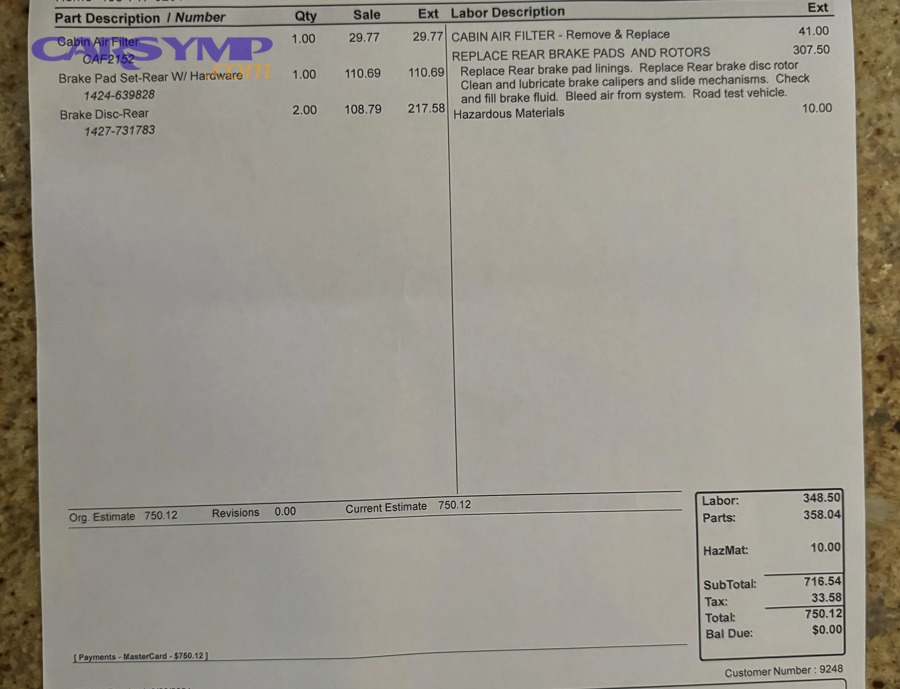
In your notes, include the phrase Brake pad replacement cost estimate and list what you want itemized: pad set, hardware kit (if needed), shop supplies, and any additional surface work.
This approach doesn’t just control money—it also controls time, because itemization forces clarity about which steps are included today and which might require a return visit.
How can you check wear level at home to avoid last-minute surprises?
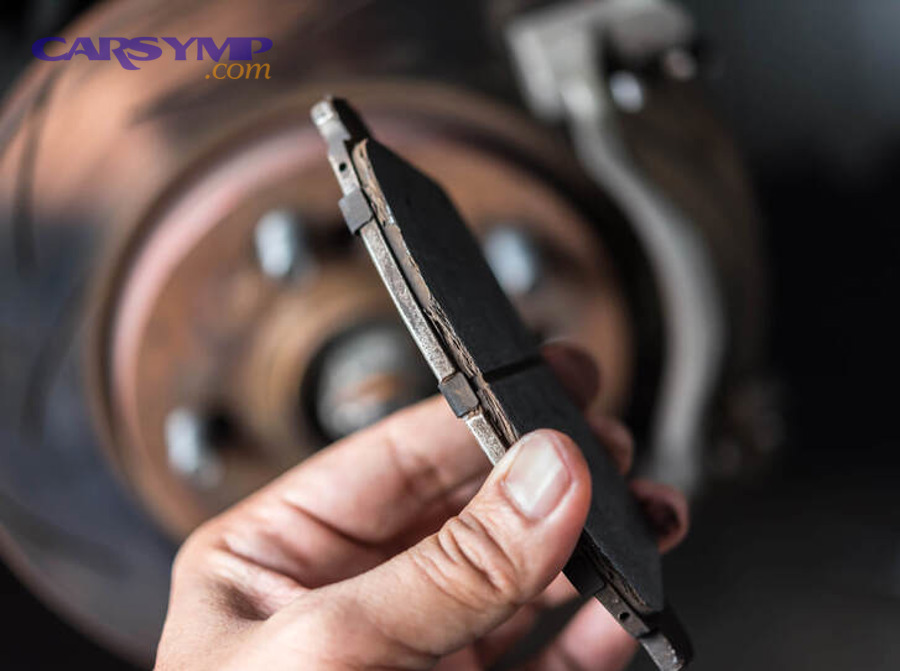
You can reduce surprises by checking wear level early, because knowing whether you’re near the minimum helps you schedule service before metal-to-metal damage creates longer appointments.
To do this carefully, look through the wheel spokes with a flashlight and compare the friction material thickness to the backing plate. If you can’t see it clearly, plan a wheel-off inspection during a tire rotation.
In your DIY notes, include How to measure pad thickness and record what you saw on the inner and outer pad surfaces, since uneven wear can signal a slide-pin issue that increases labor time.
If the inner pad is much thinner than the outer, mention that to the shop; it helps them anticipate extra cleaning and movement checks.
What should you ask the shop to reduce delays on service day?
You should ask about parts availability, estimated bay time, and whether the shop will call you before adding any time-extending work, because clear communication prevents “surprise waits” and scheduling conflicts.
To keep the flow smooth, ask these questions in one message or call: “Do you have pads in stock for my exact trim?” “What’s the estimated time window for one axle?” “Will you replace hardware as standard?” and “Will you confirm any extra labor before proceeding?”
Also mention your constraints: whether you’re waiting on-site or need a pickup time. That prompts the shop to align staffing and bay scheduling with your plan.
Finally, share any symptoms (pulling, heat smell, vibration) so they can allocate inspection time appropriately.
FAQ: common questions about labor time and related choices
Q: Is brake pad replacement labor time billed per wheel or per axle?
A: Most shops quote per axle because pads are usually replaced on both sides for balanced braking; per-wheel billing can happen in special cases, but it’s less common for standard service.
Q: Why does the rear sometimes take longer than the front?
A: Rear brakes may involve parking-brake mechanisms, different caliper retraction methods, and tighter access—each adding steps and verification time.
Q: When should you plan for extra time beyond a pad swap?
A: Plan extra time if you have persistent noise, heat smell, pulling, uneven wear, or heavy rust, because the job may include cleaning, freeing slides, and additional surface checks to restore safe function.
Q: What does “brake pad replacement” include at a quality shop?
A: It should include inspection, pad installation, proper lubrication at the correct contact points, hardware fit verification, wheel torque, pedal seating, and a careful test drive or equivalent safety verification.
Q: How do you know When rotors must be replaced with pads instead of reusing them?
A: Replacement is more likely when rotors are below minimum thickness, deeply grooved, cracked, heavily heat-spotted, or causing persistent vibration; the decision is based on measurement and surface condition, not just mileage.
Q: Can you reduce future labor time at the next brake service?
A: Yes—regular cleaning of slide movement during tire rotations, timely pad replacement before metal contact, and corrosion prevention habits reduce seized hardware and keep future service closer to the shortest time range.
To sum up, the most reliable way to estimate brake pad replacement labor time is to match your vehicle’s design and condition to a realistic scenario, then plan a buffer for inspection and verification so your schedule stays in control.