


The bedding-in new brake pads procedure is a controlled set of stops and cool-downs that mates pad material to the rotor so braking becomes predictable, quiet, and consistent instead of grabby or noisy.
Beyond “making them work,” the goal is to build an even
You’ll also learn how to tailor the process to real-world constraints—traffic, weather, and different compounds—so you avoid the common failure mode: overheating early and creating glazing or uneven deposits.
To start, here’s the key idea: you are conditioning friction and temperature together. After this, we’ll walk through exact steps, warning signs, and the decision points that separate a clean break-in from a frustrating re-do.
What is the bedding-in new brake pads procedure, and why does it matter?
It is a deliberate break-in routine of moderate-to-firm stops followed by cooling that stabilizes friction, seats the pad, and lays down an even film on the rotor. Tiếp theo, you’ll see why this matters more than “just driving normally.”
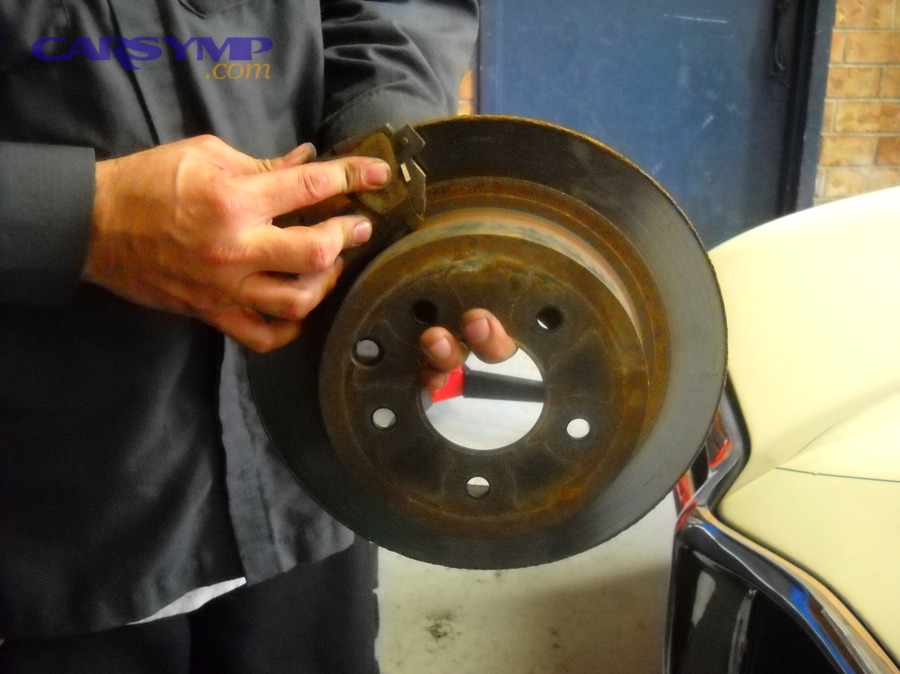
What “bedding” actually changes inside the pad and on the rotor
New pads and rotors (or freshly cleaned rotors) start with surfaces that are not yet “matched.” The pad face can have microscopic high spots, and the rotor face can have machining marks or old residue. During bedding, the pad face conforms slightly, and a thin, uniform layer of friction material transfers to the rotor’s swept area. Cụ thể hơn, this layer makes friction more repeatable because the pad is largely interacting with a stable interface rather than raw metal.
Why skipping bedding often creates noise and uneven bite
When you jump from brand-new parts straight into hard braking, you can spike temperatures before the interface is stable. That rapid heat can create glazing (a hardened, slick surface) or uneven deposits that feel like vibration. However, the same setup can feel perfectly smooth if you build temperature gradually and cool properly, because the interface has time to form evenly.
What bedding is not: myths that lead to mistakes
Bedding is not “burning the pads in,” not “smoking them until they smell,” and not a single panic stop from highway speed. Those approaches can overheat the resin/binder early, leaving a shiny pad surface that squeals and bites inconsistently. Instead, think of bedding as controlled friction conditioning—repeatable stops, repeatable pressure, and deliberate cooling windows.
How does proper bedding create an even transfer layer on the rotor?
Proper bedding creates an even transfer layer by heating the pad/rotor interface into its effective range, then cooling it before hotspots or patchy deposits can form. Dưới đây is how that cause-and-effect works in practice.
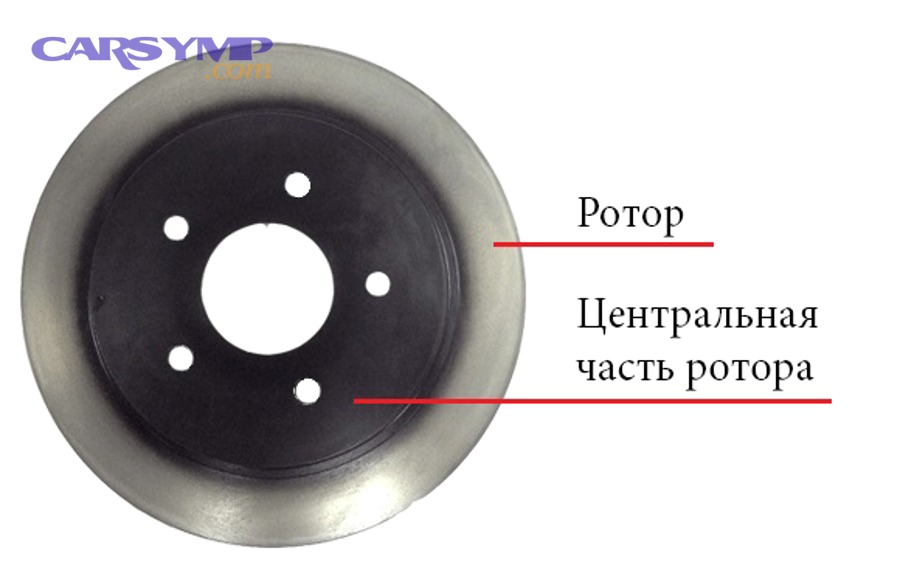
The three variables you are controlling: pressure, temperature, and time
Pressure determines how strongly the pad contacts the rotor; temperature determines how the pad compound behaves (and how readily it transfers material); time determines whether heat spreads evenly or stays concentrated in one spot. To illustrate, a series of medium stops can bring the interface up to a useful range without shocking it, while a long pedal hold at a stop can “print” a hot spot onto the rotor.
Why “cooling while rolling” matters more than most drivers think
Cooling is not just waiting for parts to get cold; it’s about preventing localized hot patches. When you keep the car moving during cool-down, airflow and rotation help the rotor shed heat more uniformly. In contrast, if you stop and hold the pedal firmly right after a hot stop, the pad clamps a hot rotor section and can encourage uneven deposits in that exact footprint.
How bedding reduces the chance of judder that feels like warped rotors
Many drivers describe brake vibration as “warped rotors,” but a common contributor is uneven friction material on the rotor face. Bedding helps you avoid that by building a uniform film early—before aggressive braking creates random islands of deposit. As a result, the brake torque becomes smoother because friction is more even across the swept area.
What should you inspect and clean before you start the first bedding drive?
Before bedding, confirm the brakes move freely, the rotor faces are clean, and the pedal is firm—because a mechanical drag or contamination will sabotage the process. Để bắt đầu, use this checklist to eliminate preventable problems.
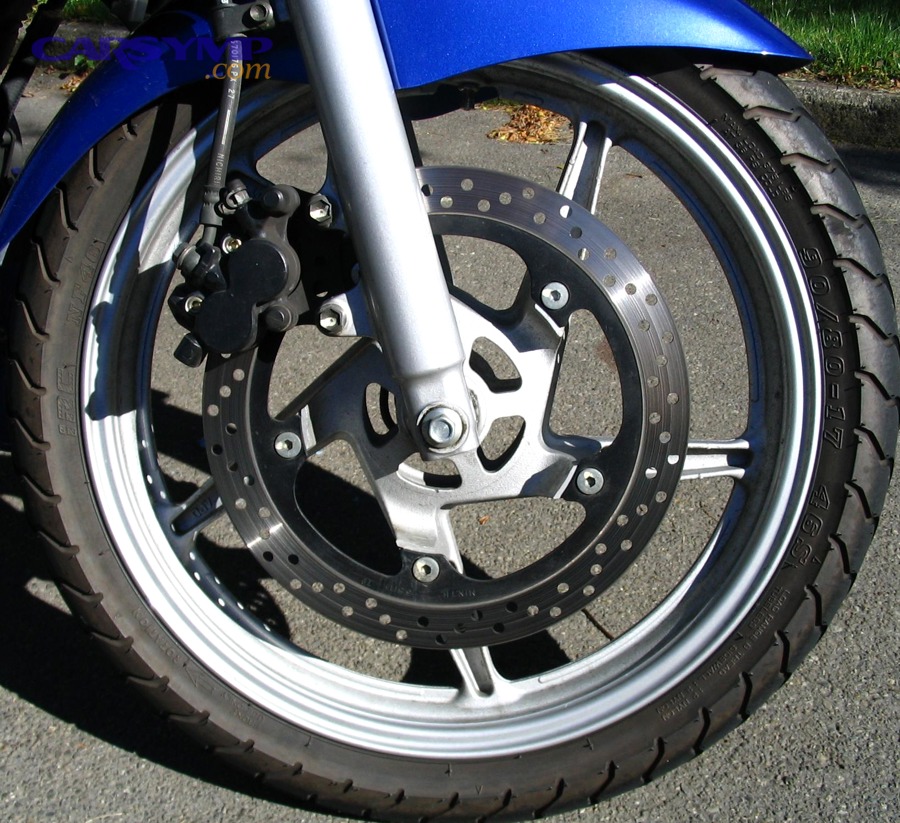
Confirm the foundation: torque, hardware, and free movement
Check lug torque, caliper bolts, and that the caliper slides move smoothly. If slides are sticky, the pad can ride the rotor and overheat during bedding, which forces you to “chase” results with more stops. Next, verify the pads sit squarely in the bracket and that anti-rattle clips (if used) are correctly seated so the pad can retract slightly after braking.
Clean the rotor face and remove contamination sources
New rotors often arrive with protective oil; used rotors may carry old pad residue. Clean the swept area with an appropriate brake cleaner and a lint-free towel, and avoid touching the rotor face afterward. Also look for grease or fluid leaks (from axle boots, hub seals, or caliper pistons). Even a small smear can create a low-friction patch that causes vibration and inconsistent transfer.
Do a low-speed function check before committing to the full cycle
On a quiet road, perform a few gentle stops from low speed to confirm the car tracks straight, the pedal feels normal, and there’s no grinding. This step isn’t “bedding” yet—it’s risk control. After that, you’ll enter the real bedding sequence with consistent, repeatable decelerations.
How do you run a standard street bedding cycle without overheating?
Use a series of medium-to-firm decelerations with short pauses between them, then do a longer rolling cool-down—so you build heat gradually and avoid hot spotting. Tiếp theo, follow this step-by-step routine you can execute safely on public roads.
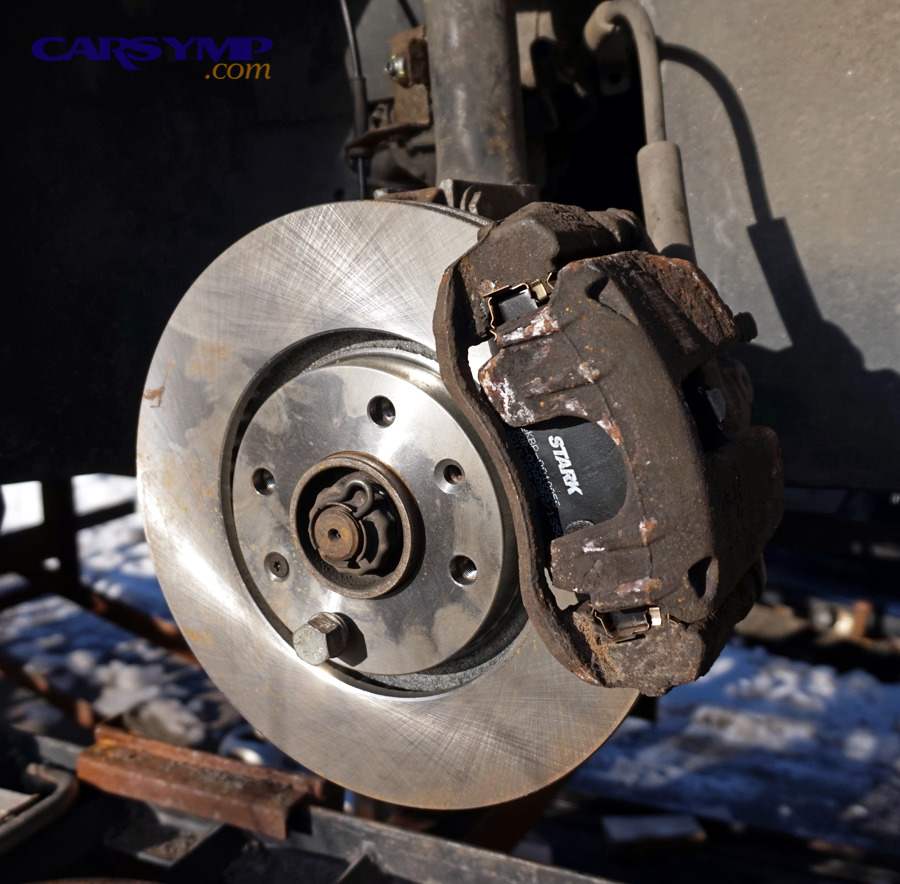
Step-by-step street routine that fits real traffic
Step 1: Warm the system. Do 3–5 gentle stops from neighborhood speeds with light pressure to confirm everything feels normal and to bring the rotors up from ambient temperature. Sau đây, move to a road where you can repeat a consistent speed change without becoming a hazard.
Step 2: Build the transfer layer with repeatable stops. Do 6–10 medium stops from moderate speed down to a low rolling speed (do not come to a complete stop if you can avoid it). Use firm, steady pedal pressure rather than stabbing the pedal. Cụ thể, aim for a smooth, progressive deceleration that is strong enough to heat the interface, but not so strong that you trigger ABS repeatedly.
Step 3: Add a short set of firmer stops (optional). If the pads are a more aggressive street compound, do 2–4 firmer stops—still controlled—then immediately transition into cooling. Ngược lại, if you smell strong resin odor early or feel the pedal get long, skip the firmer set and cool down sooner.
Step 4: Cool down while rolling. Drive 5–10 minutes with minimal braking. The goal is airflow and uniform cooling. Do not park immediately and clamp the brakes hard; instead, plan a route that lets you coast to a gentle stop at the end.
A practical table of bedding patterns and what each one is for
This table contains three common bedding patterns and shows what each pattern helps you achieve (street comfort, spirited driving consistency, or high-heat preparation).
Use it to choose a routine that matches your driving and your pad type, then stick to the cooling rules so you don’t undo the work with one hot pedal hold.
| Use Case | Typical Stop Intensity | Repetitions | Target Behavior | Cooling Guidance |
|---|---|---|---|---|
| Daily street | Medium decel to low rolling speed | 6–10 stops + 5–10 min roll | Quiet, smooth bite, minimal dust spikes | Keep rolling; avoid full stop with hard pedal |
| Spirited street | Medium-to-firm controlled decel | 8–12 stops + extended roll | More stable friction under repeated use | Longer cool-down; no back-to-back panic stops |
| High-heat prep (track-style) | Firm decel near the pad’s effective range | Multiple sets + very long roll | Heat tolerance and repeatability at higher temps | Plan a safe route; stop only after significant cooling |
Where most drivers accidentally overheat the brakes
The most common overheating pattern is doing too many stops too quickly, then ending with a complete stop at a traffic light and holding the pedal hard. That sequence creates a hot pad footprint on the rotor. Instead, insert short rolling gaps between stops, and plan a cool-down stretch at the end. Tổng kết lại: consistent stops + deliberate rolling cool-down is the safest street formula.
How do you modify the process for ceramic, semi-metallic, and performance compounds?
You modify bedding by matching the stop intensity and cooling time to the compound’s preferred temperature range and transfer behavior. Bên cạnh đó, you can use compound-specific cues to avoid glazing or weak initial bite.
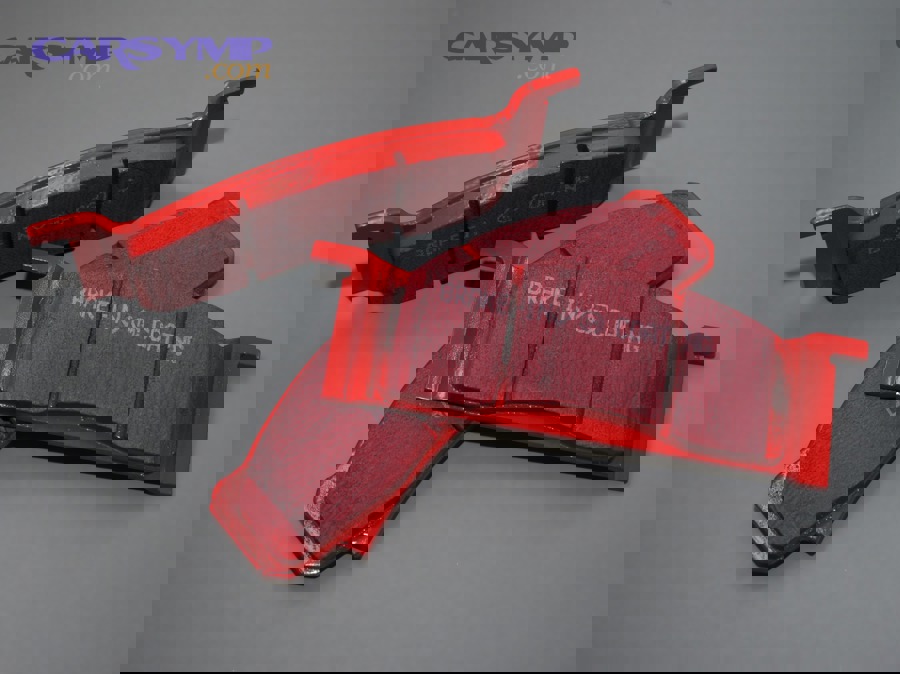
Ceramic-focused street pads: smoother, quieter, but still need a film
Ceramic-oriented pads often prioritize low noise and stable everyday friction. They typically respond well to a conservative bedding routine: medium stops, no heroic braking, and longer cooling. For these pads, the biggest risk is impatience—doing aggressive stops to “wake them up,” then glazing them before the interface is stable. Next, prioritize uniformity: repeat the same deceleration pattern and avoid sitting still with hot brakes.
Semi-metallic pads: strong bite, can tolerate heat, but can print deposits
Semi-metallic pads can build heat quickly and often have strong initial bite. That can be helpful, but it also means you can create uneven deposits faster if you jump straight to hard stops. A smart approach is to do a slightly longer warm-up phase, then medium-to-firm stops with brief rolling gaps. In other words, let the compound come into its range without spiking one rotor section to extremes.
Performance street/track hybrids: follow the manufacturer’s intent, not your habit
Performance pads may need a higher interface temperature to form a stable layer and feel consistent. That doesn’t mean “panic stops until smoke,” but it does mean you may need firmer decelerations and a longer cool-down drive. Tuy nhiên, if you cannot do that safely on public roads, you’re better off doing a conservative street bedding and then allowing performance bedding to occur gradually during controlled use (or at a track day where conditions are appropriate).
Used rotors vs fresh rotors: how much cleaning changes the plan
If you are bedding pads on used rotors, the previous pad’s film may be incompatible and can cause noise or uneven bite. More thorough rotor cleaning or resurfacing reduces this risk because it resets the surface. After that, your bedding results become more predictable because you’re building one coherent film instead of stacking competing layers.
Which mistakes cause squeal, vibration, glazing, or uneven deposits?
Most bedding failures come from overheating too early, holding the brakes at a hot stop, or bedding on contaminated/uneven rotors. Để hiểu rõ hơn, use these failure patterns to diagnose what went wrong and how to correct it.
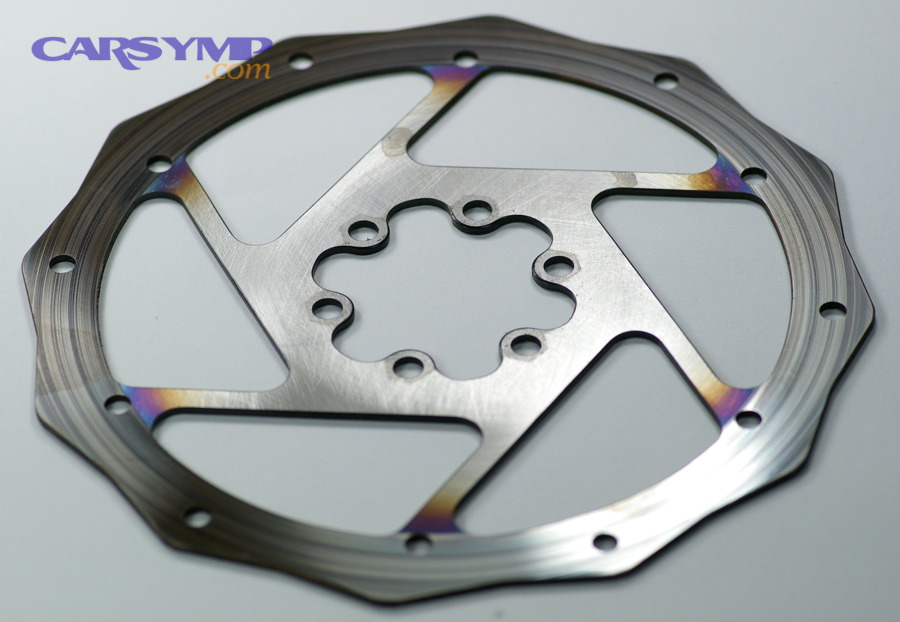
Mistake 1: one or two extreme stops instead of a controlled series
Extreme early stops can create hot spots before a uniform film exists. The result can be a patchy transfer layer that feels like pulsation. If you already did this, you may notice a “grab-release” sensation or steering wheel shake under braking. Tiếp theo, the fix is usually to re-bedding with controlled stops and longer rolling cooling—unless the rotor is severely marked or the pad is glazed hard.
Mistake 2: coming to a full stop and holding the pedal firmly while hot
This is the classic deposit-printing moment. The pad clamps one rotor section, heat soaks into that zone, and the interface can deposit more material there. Over time, that area produces a repeating torque variation that you feel as vibration. Instead, if you must stop, use minimal pedal pressure and consider shifting to neutral with the parking brake only when safe and appropriate—after the system has cooled significantly.
Mistake 3: bedding with sticky slides, dragging calipers, or uneven hardware
A dragging brake keeps temperature elevated even between your controlled stops, which breaks the “heat up / cool down” rhythm. It also biases one pad to do more work, producing uneven transfer. If you smell heat during normal cruising right after installation, that’s a clue you have mechanical drag that must be corrected before any bedding attempt will hold.
Mistake 4: bedding on rotors with contamination, rust ridges, or mismatched old film
Contamination creates friction “holes” that interrupt film formation; rust ridges create pad edge loading; mismatched old film can cause squeal and inconsistent bite. More importantly, these issues can make you chase symptoms—doing more stops—when the surface itself is the problem. Tổng kết lại: if the surface is wrong, the procedure can’t save it.
How can you tell bedding is finished, and what should the pedal feel like?
Bedding is “finished” when braking becomes smooth and repeatable, the bite feels consistent from stop to stop, and there are no signs of overheating like smoke or a sharp, persistent burning smell. Sau đây are the concrete signs to look for.
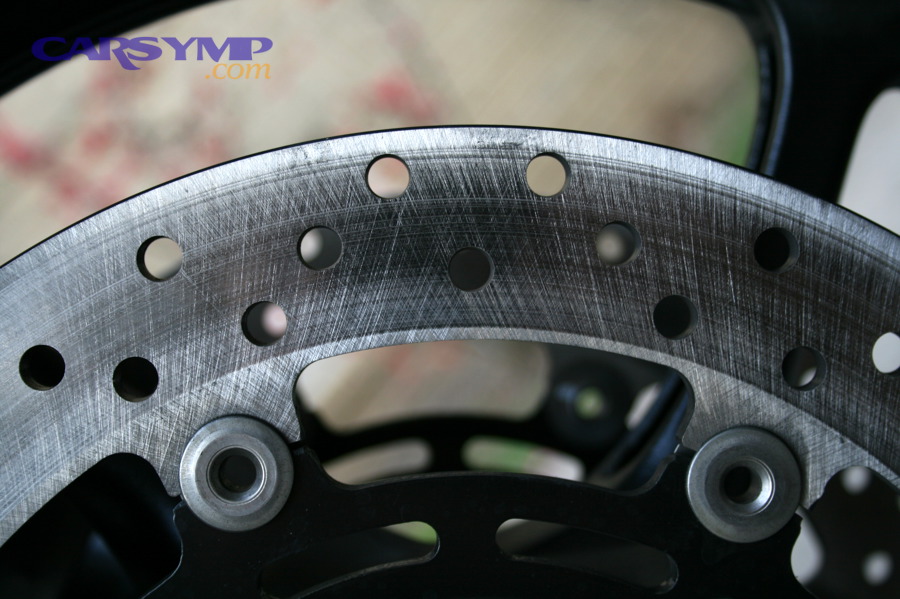
Positive signs: consistent bite, stable pedal, and calm behavior at low speed
After a proper bedding sequence and cool-down, most drivers notice that the brakes feel less “on/off” and more linear. The pedal effort required for the same deceleration becomes more predictable, and light stops become quieter. To illustrate, creeping-stop squeaks often fade because the pad is now contacting a stable film rather than raw, uneven surface texture.
Surface clues you can see without special tools
If you can safely inspect the rotor face, you may see a more uniform swept area rather than a patchy, spotty appearance. A mild, even gray tint in the swept zone can be normal; streaks, blotches, or obvious “shadow” spots can indicate uneven deposits. However, do not obsess over cosmetic perfection—what matters most is consistent braking behavior.
Warning signs that you should stop and let everything cool
If you smell strong resin odor that doesn’t fade during cool-down, feel the pedal get long/soft, or notice fade (needing more pedal for the same stopping), end the sequence and cool down longer. More importantly, if you see smoke, you’ve exceeded a safe interface condition for street bedding. In that case, let the brakes cool completely and reassess—continuing will often glaze the pads and lock in uneven deposits.
FAQ: common bedding questions drivers ask
These quick answers cover the most common “what if” scenarios so you can adapt the routine safely. Hơn nữa, each answer points back to the same principle: build heat gradually, then cool while rolling.
Can I bed new pads in city traffic?
Yes, but you must prioritize safety and consistency. Choose a low-traffic route where you can repeat similar speed changes and then drive several minutes with minimal braking. If you cannot get a clean cool-down stretch, do a lighter routine and allow the interface to mature over several normal drives rather than forcing high heat in stop-and-go congestion.
Do I need to bed pads if I only changed pads and not rotors?
Usually yes, because the pad-to-rotor interface still needs to stabilize. If the rotor carries an old film from a different compound, you may need extra cleaning or resurfacing for best results. Ngược lại, if you kept the same compound family and the rotor surface is clean and uniform, bedding may be quicker—but you should still do a controlled heat-and-cool sequence.
Why do my brakes squeal right after bedding?
Short-term noise can happen while the film is stabilizing, especially if the pads are performance-oriented or if humidity is high. However, persistent squeal often points to contamination, incorrect hardware, glazing, or uneven deposits from overheating. If the noise worsens with heat and doesn’t improve after a few days of normal driving, revisit the mechanical checks and surface condition.
What if I accidentally came to a full stop during the hot phase?
One brief stop isn’t always fatal, but avoid holding firm pedal pressure. If it happened, extend the rolling cool-down and pay attention to any new vibration afterward. If vibration appears, you may need a gentle re-bedding cycle and a stricter cool-down plan to even out the interface before it becomes a long-term deposit pattern.
Contextual Border: Up to this point, you’ve covered the core macro routine—how bedding works, how to do it, and how to avoid failure. Next, we’ll expand into real-life nuances that affect outcomes after installation, planning, and axle-specific behavior.
Extra details that change results in real life
These nuances don’t replace the main procedure—they refine it when your parts, axle behavior, or schedule adds constraints. Đặc biệt, they help you prevent “it felt good yesterday, but noisy today” outcomes.
How axle behavior changes what you notice during break-in
Drivers often ask about Front vs rear brake pad differences because the sensation can feel uneven: front brakes usually do more work, heat faster, and reveal bedding problems sooner. In practice, this means you may feel bite stabilize in the front first, while the rear may stay subtle until repeated moderate stops. Bên cạnh đó, parking brake usage and rear caliper design can influence how quickly the rear pads retract, which can change noise after bedding if hardware is marginal.
How to plan your time around installation and first drive
If you’re scheduling work, remember that Brake pad replacement labor time isn’t the whole story—the first safe drive and cool-down are part of doing the job correctly. A smart plan is to finish installation with enough daylight and road options to complete a controlled bedding run, then park only after a long cool-down. Tiếp theo, avoid washing wheels or spraying water on hot rotors right after bedding; rapid thermal shock can stress the surface and disturb the film you just built.
What to do when pads are installed but rotors are reused
After brake pad replacement, reused rotors can work very well, but the interface is less forgiving if the old surface is uneven or carries incompatible residue. If you notice vibration immediately after bedding, don’t automatically assume the rotor is “bad”—it may be uneven deposits that can sometimes be corrected with a careful, moderate re-bedding cycle and disciplined cool-down. Tuy nhiên, if the rotor is deeply grooved, heavily rust-lipped, or shows persistent patchiness that doesn’t improve, resurfacing or replacement becomes the more reliable fix.
How to document results and build a repeatable process
Keeping a simple note of pad type, bedding pattern, and outcomes helps you avoid repeating mistakes and makes future installs faster. For example, you might record how many medium stops you used, whether you smelled resin, and how long the cool-down lasted. If you manage content or maintenance logs, you can also cross-reference these notes with your own knowledge base—some readers track this under Car Symp style symptom logging to connect “noise after install” with the exact bedding conditions that caused it. Tóm lại, repeatability is the hidden advantage: when you can repeat the process, you can trust the results.