


Labor cost drivers and flat-rate time explain why two “same-sounding” repairs can land on very different invoices. In most shops, your bill is shaped by a mix of standardized labor times, the shop’s posted rate, and real-world variables that create extra steps beyond the baseline.
Beyond definitions, the practical question is how to predict what will change your final number—vehicle design, diagnostic complexity, rust, and shop category all matter because they change either the billed hours, the hourly rate, or both.
Many drivers also want a quick way to verify whether a quote is fair without learning the entire trade. That’s where reading the line items, spotting common add-ons, and sanity-checking hours × rate can prevent surprises.
To begin, here’s the key idea: “flat-rate time” is a measuring system, not a promise—and after that, we’ll follow the cost drivers step-by-step into a transparent way to compare estimates.
What does “flat-rate time” mean on an estimate?
Flat-rate time is a standardized number of labor hours assigned to a job, used to calculate charges even if the real clock time is shorter or longer. Next, you’ll see how this standard interacts with the shop’s posted hourly rate and real-world conditions.

In a flat-rate system, the estimate often starts with a “book time” for a specific operation (for example, replace a component, perform a service, or complete a procedure). That time is then multiplied by the shop’s labor rate to produce the labor line on your invoice. The important detail is that flat-rate time is designed to be repeatable and comparable across shops, but it can’t fully capture every variable that happens in the bay.
According to Universal Technical Institute’s explainer on flat-rate pay, the system pays (and bills) based on predetermined hours for a job rather than the exact time spent, which is why efficiency and complexity can create a gap between clock time and billed time.
Is flat-rate time the same as “clock time”?
No—flat-rate time is a standardized labor allowance, while clock time is the actual minutes a vehicle occupies a technician’s day. To connect this to your invoice, look for whether the labor line shows “hours” tied to an operation code or description.
A technician might complete a book-time task faster due to experience, better tools, or a clean, rust-free vehicle. Conversely, unexpected corrosion, broken fasteners, or extra diagnostic steps can push clock time up even when book time stays the same—unless the shop separately authorizes additional labor for exceptions.
Why do shops rely on labor time standards at all?
Because standardized times help shops price work consistently across thousands of vehicles and procedures. Next, we’ll map the real drivers that push the billed total up or down even when the “same job” is quoted.
Standard times reduce guesswork for common operations and make it easier to compare one estimate to another. However, they are still a model of reality, not reality itself—so the next section focuses on the variables that bend the model.
Table: how labor totals are usually constructed
This table shows the basic building blocks that turn a repair description into an invoice total, so you can spot where numbers come from and where variability hides.
| Invoice element | What it represents | Where variability enters | What to ask |
|---|---|---|---|
| Flat-rate hours | Standard labor allowance for the operation | Procedure differences, options, trims, exceptions | “What labor guide/time standard are you using for this job?” |
| Posted labor rate | $ per hour billed by the shop category/location | Region, specialization, overhead, staffing | “What is your posted hourly rate for this type of work?” |
| Diagnostic/inspection fees | Time/tools to identify the fault | Complexity, electronics, intermittent symptoms | “Is diagnosis included, capped, or credited toward repair?” |
| Supplies/shop fees | Consumables and environmental handling | Policy differences by shop | “What does the shop fee cover, and is it capped?” |
Which labor cost drivers most strongly change the final labor charge?
The biggest labor cost drivers are the shop’s hourly rate, the flat-rate hours assigned, and any approved “exception time” for complications like corrosion, access issues, or extra diagnostics. Next, we’ll break these drivers into a practical checklist you can apply to any quote.

Think of labor cost as a simple equation with hidden multipliers: (billed hours) × (hourly rate) + fees. The billed hours may be anchored by a labor guide time, while the hourly rate reflects the shop’s costs and market position. Then fees fill in the gaps—diagnostics, inspections, shop supplies, disposal, and specialized calibrations.
As of a AAA explainer on labor rates, shops in the AAA Approved Auto Repair network charged between $47 and $215 per hour (as of the article’s referenced date), illustrating how the same hours can produce drastically different totals.
What changes billed hours even when the “job” sounds identical?
Vehicle-specific procedure differences change billed hours because trims, engine options, drivetrains, and packaging can alter access and steps. Next, you’ll learn how to ask for the procedure description that matches your exact vehicle configuration.
A “replace part X” description can hide whether shielding, undertrays, seized bolts, or additional disassembly is expected. A precise estimate names the operation (and sometimes sub-operations) so the time standard is applied correctly.
What changes the hourly rate from shop to shop?
Hourly rate changes with overhead, technician training, specialization, and local market costs. Next, we’ll connect rate differences to shop categories—dealer, independent general repair, and specialty shops—so you know what you’re paying for.
Higher posted rates often correlate with higher facility costs, diagnostic tooling, training, warranty terms, and the ability to handle complex systems. Lower rates can still be excellent value if the shop is efficient, transparent, and experienced with your vehicle type.
What “fees” matter most for drivers?
Diagnostic, inspection, and shop fees matter most because they can appear even before any repair starts. Next, we’ll explain when those fees are normal, when they should be capped, and how they interact with repair authorization.
Fees are not automatically “bad”; they often reflect real time and consumables. The key is whether the shop explains what the fee covers and how it is applied if you proceed with the repair.
How do labor guides set flat-rate times, and why can results still vary?
Labor guides set flat-rate times by standardizing steps for common operations, but results still vary because real cars have rust, prior repairs, trim differences, and diagnostic uncertainty that aren’t fully captured by a baseline procedure. Next, we’ll show how to confirm you’re being quoted the right operation for your exact vehicle.
Most pricing workflows begin with a time guide entry. Some shops use integrated data systems that include labor times and procedures, while others rely on shop management platforms paired with separate time sources. The guide gives consistency for common jobs, but the shop still must choose the correct line item, confirm options, and add legitimate additional operations when needed (like calibration steps or required resets).
According to ALLDATA’s description of its labor time information, the platform provides labor times and procedures intended to standardize repair planning—yet actual jobs can still require additional steps based on vehicle condition and configuration.
How can you confirm the “right” time line was selected?
Ask the service advisor to read back the operation description and verify it matches your engine, drivetrain, and trim. Next, you’ll learn a simple method to catch mismatches before you authorize work.
For example, the time for a procedure may differ between AWD vs FWD, turbo vs non-turbo, or models with extra bracing or shielding. A correct estimate ties time to a clearly identified operation, not a vague “labor” lump sum.
Why can two shops quote different hours for the same repair?
Two shops can quote different hours because they may include different sub-operations, different diagnostic scopes, or different policy choices about bundled steps. Next, we’ll clarify what should be itemized versus what can reasonably be included.
One shop may include a road test and scan in a diagnostic package; another may list them separately. One shop may include a “clean and lube” step as part of a service; another may not. Comparing estimates requires aligning scope, not just comparing totals.
When is “exception time” legitimate?
Exception time is legitimate when the shop documents a condition that materially changes the procedure, such as corrosion, seized hardware, broken fasteners, or prior non-OEM modifications. Next, we’ll cover how to ask for evidence in a professional, non-confrontational way.
Clear documentation can be photos, technician notes, and a revised estimate before proceeding. The best shops ask for authorization before adding time, unless it’s a safety issue that stops work.
When is diagnostic time billed separately, and what should you expect?
Diagnostic time is commonly billed separately when the problem isn’t already confirmed and the technician must test, scan, or measure to identify the root cause. Next, you’ll learn how to tell whether diagnosis is included, capped, or credited toward the final repair.
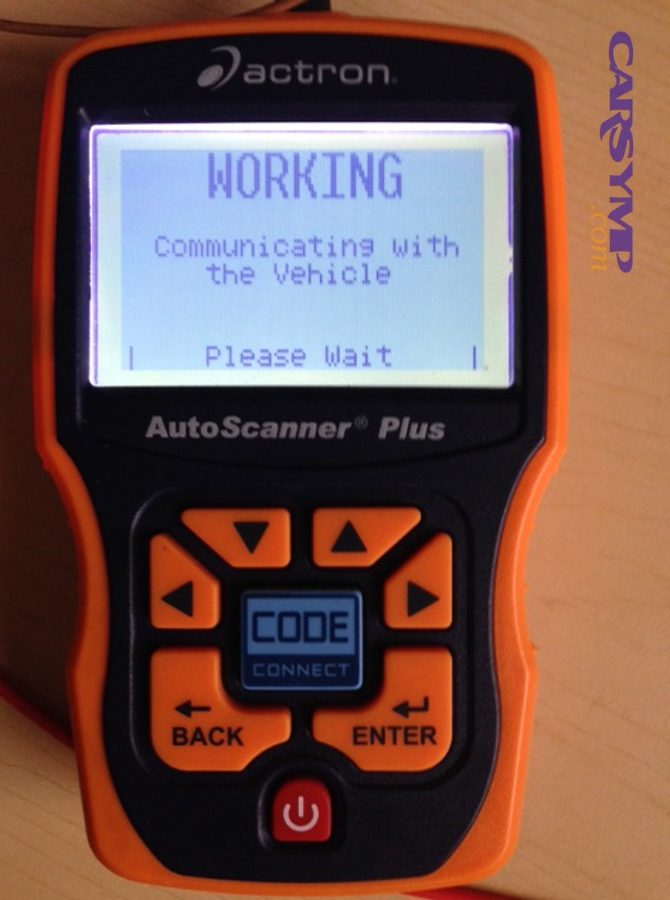
Modern vehicles often require structured testing, not guesswork—especially for intermittent issues, network faults, or symptoms that could have multiple causes. A fair diagnostic approach should define the initial scope (what tests are included), the time limit for that scope, and the next step if the issue isn’t found within the initial window.
AAA’s “Understanding Your Auto Repair Bill” explains that diagnostic fees appear when a technician uses the shop’s mechanical or computer equipment to identify the source of a malfunction, which is why you may see diagnosis listed before any repair begins.
Is paying for diagnosis normal?
Yes, paying for diagnosis is normal because it covers skilled time and specialized equipment used to find the fault accurately. Next, we’ll connect diagnostic billing to a consumer-friendly strategy: confirm the cap and ask whether it’s credited if you approve repairs.
Diagnosis prevents “parts cannon” repairs where components are replaced by hunch. That is usually more expensive over time than paying for targeted testing once.
How can you keep diagnostic charges controlled?
Start by requesting a written diagnostic scope with a maximum time limit and a call-before-proceeding policy. Next, you’ll see how to phrase that request so it sounds collaborative rather than adversarial.
Useful wording is: “Please do the initial diagnostic up to X hours; if you need more time, call me with findings and next steps before continuing.” This keeps you in control of cost while still supporting thorough troubleshooting.
What’s the difference between “inspection” and “diagnosis” on a bill?
Inspection is a basic check, while diagnosis is targeted testing designed to confirm a fault path. Next, we’ll show how both can be reasonable—if the shop explains what each includes.
Inspection might include fluid checks, tire/battery checks, and quick visual verification. Diagnosis often includes scan tool data, pinpoint tests, measurements, and sometimes road tests under specific conditions.
How do vehicle design and access time influence flat-rate outcomes?
Vehicle design influences flat-rate outcomes because access—what must be removed or moved to reach a component—changes the number of steps and the probability of complications. Next, we’ll translate “packaging” into concrete things you can ask about on a quote.

Engine bays are denser than ever, and underbody panels, heat shields, and bracing can turn “simple” jobs into multi-step procedures. For drivers, this means the same repair category may have different labor times depending on platform design, safety systems, and even regional wear (salt exposure).
According to AAA’s state-by-state labor rate guidance page (2026), shops often quote a basic diagnostic charge with included procedures and a maximum time limit, reflecting how complexity and access can change the time required to identify and complete work.
Which design factors most often add steps?
Undertrays, shielding, tight clearances, and integrated components add steps because they require additional removal and reinstallation. Next, we’ll connect these add-steps to the estimate language you’ll typically see.
Look for phrases like “remove and reinstall,” “access,” “disassemble,” or “includes subframe/brace removal.” These phrases signal that the procedure isn’t just the final part swap; it includes enabling work.
How do safety systems and electronics change labor time?
Electronics change labor time when a repair requires scanning, resetting, calibrating, or following manufacturer procedures to restore system integrity. Next, we’ll explain how to confirm whether post-repair steps are included in the quote.
Even if a component is physically installed, some vehicles require relearns, module initialization, or verification tests. Those steps can be essential for safety and drivability, so asking “Does this quote include the required post-repair verification?” is a smart habit.
Why do “simple” jobs sometimes balloon in rusty climates?
Rusty climates increase labor because seized bolts, swollen hardware, and weakened fasteners raise the probability of breakage and rework. Next, we’ll cover how shops typically handle this: pre-authorization for exception time with photo documentation.
When the shop warns about rust-related risk in advance, that’s often a sign of honesty. The key is to convert the warning into a plan: a cap, a call-before-proceeding rule, and a description of what triggers added time.
How do location, shop type, and technician level shape the hourly rate?
Hourly rate is shaped by local cost of living, facility overhead, specialization, and technician staffing levels, so the same hours can cost more in one city or shop category than another. Next, we’ll map rate differences to what you actually receive—tools, warranty, and expertise.
Drivers often assume labor rate is arbitrary, but it’s typically a market outcome: rent, utilities, equipment, insurance, training, and staffing all have to be covered. Dealers may have higher overhead and brand-specific tooling; independents may have lower overhead but can still charge premium rates if they specialize (European, hybrid/EV, performance, diesel, etc.).
AAA’s labor-rate-by-state resource (2026) highlights that labor rates vary by location, reinforcing the idea that region and market costs are core drivers of the posted hourly rate.
Does a higher rate always mean better quality?
No—higher rate can reflect overhead and specialization, but quality depends on process, training, and transparency. Next, we’ll give you a set of questions that correlate more strongly with quality than price alone.
Ask about written estimates, warranties, parts sourcing, and whether the shop documents findings with photos. Those behaviors often predict a good experience more reliably than the dollar rate alone.
How does technician level affect pricing and outcomes?
Technician level affects outcomes because experience reduces rework and improves diagnostic accuracy, which can lower total cost even at a higher hourly rate. Next, we’ll connect this to a simple cost concept: paying for certainty often costs less than paying for trial-and-error.
Complex issues—intermittent faults, electronics, network communication—benefit from advanced diagnostic skill. In those cases, the cheapest hourly rate can become the most expensive total invoice if diagnosis is wrong.
What should be posted or disclosed up front?
Shops should be able to disclose their labor rate, fee structure, and estimate policy in writing. Next, we’ll move from “rate” to “line items” so you can read the bill like a checklist.
It’s reasonable to ask for: posted labor rate, diagnostic policy (cap/credit), shop supplies policy (percentage/cap), and how much the final bill can differ from the estimate without approval.
What add-ons commonly appear on a brake service invoice?
Brake service invoices often include add-ons for inspections, hardware kits, sensor-related items, machining or replacement decisions, and shop supply fees that aren’t obvious from the headline quote. Next, we’ll show how to spot these add-ons early so the final number doesn’t surprise you.
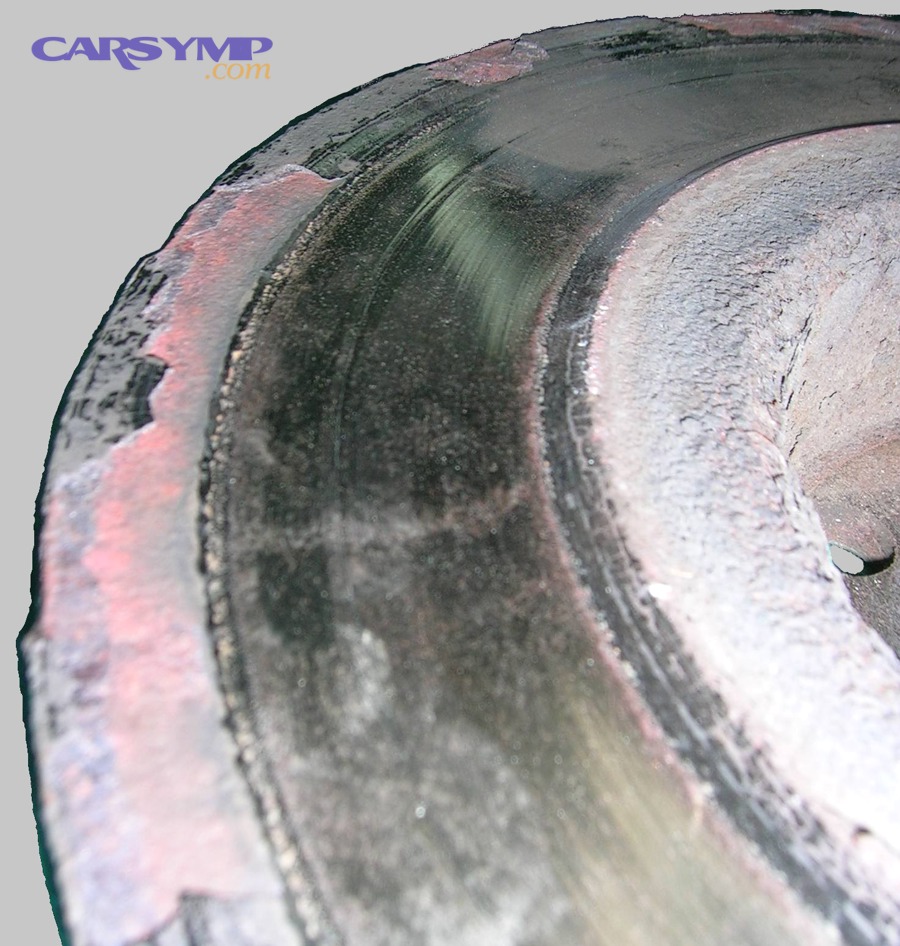
Brake work is a great example because the customer often asks, “How much to replace the pads?” but the shop must ensure the entire friction system is safe: rotor condition, caliper function, sliding pins, hardware, and sensor wear indicators (where applicable). That’s where scope and add-ons appear—some justified, some optional, and some dependent on measured condition.
Jiffy Lube’s consumer guidance on brake replacement notes that repair cost depends on parts, labor, vehicle type, and location, and it separately discusses rotor resurfacing and replacement as cost factors—supporting the idea that brake service totals commonly change due to rotor decisions and related procedures.
How do you read brake line items without being a mechanic?
Start by identifying the operation and the measured condition that triggered it (pad thickness, rotor thickness/runout, noise, vibration). Next, match each add-on to a specific safety or procedure requirement.
For example, if rotors are below spec, resurfacing might not be possible, and replacement becomes the correct choice. If hardware is corroded or missing, a hardware kit can prevent noise and uneven wear. The key is that each line should have a “because” behind it.
Where do surprise costs tend to hide?
Surprises tend to hide in condition-dependent items and policy fees that weren’t discussed at the headline-quote stage. Next, we’ll list the most common surprise categories and how to pre-approve or cap them.
Common examples include the phrase brake pad replacement cost being discussed as if it’s the whole job, while the invoice later grows due to Hidden costs like sensors and hardware that are needed for proper fitment or wear indication. Another frequent expansion is Rotor resurfacing vs replacement cost add-ons, where the initial quote assumes one path but the measured rotor condition forces the other.
How do you ask for proof without creating conflict?
Ask for measurements and photos: “Can you show me the rotor/pad measurements and the reason the add-on is required?” Next, you’ll learn a professional script that keeps the conversation cooperative.
Try: “I’m not questioning your work—I just want to understand the decision. If you can show the measurements or photos, I can approve confidently.” Good shops welcome this because it reduces misunderstandings and chargebacks.
How can you validate a quote using a simple hours × rate check?
You can validate a quote by separating labor hours, labor rate, parts, and fees, then confirming the math and the scope match the written description. Next, we’ll apply a three-number check that catches most estimate problems quickly.
The three-number check is: (1) billed labor hours, (2) posted labor rate, (3) parts total. Multiply (1) × (2) to see if the labor total matches, then add parts and fees. If the shop only gives a lump sum, ask for the breakdown—because without it, you can’t compare scope or confirm correctness.
AAA’s guidance on understanding repair bills emphasizes that invoices may include diagnostic and inspection fees and other line items beyond parts and labor, reinforcing why a validation step must include both the time/rate math and the “extras.”
What does a transparent estimate look like?
A transparent estimate lists operations, labor hours per operation (or total labor hours), the labor rate, parts with quantities, and clearly labeled fees. Next, we’ll show you the exact questions that turn a vague quote into a comparable, reviewable estimate.
Ask: “How many labor hours are you billing?”, “What is your hourly rate for this job?”, “What diagnostic/inspection fees apply?”, and “What’s included versus optional?” The goal is not to haggle; it’s to align scope with price.
How do you compare two quotes that use different formats?
Normalize them by building your own mini-breakdown: hours, rate, parts, fees, and warranty. Next, we’ll give you a comparison framework that prevents apples-to-oranges mistakes.
Quote A might bundle diagnosis; Quote B might list it separately. One shop might include shop supplies inside labor; another might add a percentage fee. Your job is to align these categories, then compare the final totals and the warranties.
When should you stop and ask for a revised estimate?
Stop and ask for a revised estimate when scope changes, new findings appear, or exception conditions are discovered. Next, you’ll learn how to set “decision checkpoints” so the shop calls you before cost expands.
Decision checkpoints are simple: “Call me before adding time or parts beyond the estimate.” This protects both sides—the shop avoids disputes, and you avoid surprise charges.
How should you compare estimates fairly across shops?
Compare estimates fairly by matching scope, procedure steps, parts quality, and warranty terms—not just the bottom-line number. Next, we’ll build a checklist that forces two quotes to describe the same job before you judge price.
Fair comparison begins with the problem statement and ends with the delivered outcome. Two shops may solve the “same symptom” differently: one replaces a component, another repairs wiring, another updates software, another performs a calibration. The cheapest path is not always the best path if it increases comeback risk or doesn’t truly fix the root cause.
AAA’s repair-bill guidance notes that invoices can include flat fees, inspection fees, and diagnostic fees, showing why comparing “total” without aligning fee categories can mislead you.
What scope questions should you ask every time?
Ask what’s included, what’s excluded, and what is condition-dependent. Next, you’ll see how these three questions reveal whether a quote is complete or just a starting point.
Examples: “Does this include diagnosis and verification?”, “Does this include required calibrations or resets?”, “What could change the price and how will you contact me if it does?” These questions reduce surprise and improve repair success.
How do parts quality and warranty change total value?
Parts quality and warranty change total value because a cheaper part with a weak warranty can become more expensive after labor is paid again for a redo. Next, we’ll connect warranty length to practical risk management.
If a shop offers strong warranty terms and documents work clearly, that can justify a higher upfront cost. The driver’s goal is not simply “lower bill,” but “lower probability of paying twice.”
How should you handle “package deals” and coupons?
Package deals can be good value if they truly include the needed steps and don’t exclude critical condition-dependent items. Next, we’ll show how to read the fine print without getting overwhelmed.
Ask: “What is excluded that a safe repair might require?” If the answer includes core steps (verification, calibration, hardware), treat the package as a baseline, not a final price.
What can you do to keep labor time from ballooning?
You can keep labor time controlled by providing clear symptoms, authorizing diagnosis with a cap, requesting photos/measurements for condition-based add-ons, and setting call-before-proceeding checkpoints. Next, we’ll turn that into a step-by-step script you can use on the phone or at the counter.
Most labor surprises are communication failures: vague symptoms lead to wide diagnostic scope, condition-dependent findings appear without pre-discussion, and the customer approves a headline quote without understanding what is included. The solution is not technical expertise; it’s structured authorization.
AAA’s repair-bill explanation highlights diagnostic and inspection fees as distinct line items, supporting the strategy of setting scope and caps before testing begins to keep costs predictable.
How-to: a five-step “predictable cost” conversation
Use a five-step script—symptoms, goal, diagnostic cap, proof for add-ons, and checkpoints—to keep costs predictable. Next, we’ll expand the most important step: setting a diagnostic cap with a decision point.
- Describe symptoms precisely: when it happens, how often, and what changed recently.
- State the goal: “Confirm the root cause and provide options with totals.”
- Set a diagnostic cap: authorize up to a defined time, with a call for more.
- Request evidence for condition-based items: photos, measurements, or notes.
- Set checkpoints: “Call me before adding labor/parts beyond the estimate.”
What information should you bring to speed up diagnosis?
Bring vehicle details, recent work history, and symptom patterns because they reduce test time and prevent duplicated steps. Next, we’ll connect this to real savings: better information narrows diagnostic branching.
Helpful details include: prior repairs, warning lights, recent battery work, recent brake service, fluid leaks, and whether the issue is temperature-related or occurs after rain. Clear details reduce the number of “maybe” paths a technician must test.
When is it smarter to accept higher labor up front?
It’s smarter to accept higher labor up front when the job requires verified diagnosis, calibration, or high comeback risk if done cheaply. Next, we’ll show how to distinguish “expensive but correct” from “expensive and vague.”
If the shop can explain the test plan, provide evidence, and describe the outcome verification, higher labor often buys certainty. If the shop cannot describe scope or refuses to document, higher price may not equal higher value.
Contextual Border
Below is an expanded micro-context for edge cases and pitfalls that can distort labor billing—use it when your situation doesn’t fit the “normal” estimate pattern.
Advanced pitfalls and edge cases that distort labor billing
Edge cases distort labor billing when the procedure includes hidden prerequisites, non-obvious electronics steps, or condition-related complications that force rework. Next, we’ll cover four high-impact scenarios that frequently create surprise costs and how to manage each.
These scenarios are where misunderstandings are most common, because the customer expects a single “job,” while the shop sees a chain of dependencies. Your goal is to make the chain visible before you authorize work.
AAA’s repair-bill guidance distinguishes between diagnostic fees, inspection fees, and flat fees, reinforcing that edge cases often show up as additional categories rather than a single “labor” number.
Warranty-time vs customer-pay time: why “not the same” matters
Warranty-time and customer-pay time are not the same because warranty allowances can be set differently than retail pricing standards and may include policy constraints. Next, you’ll learn how to keep comparisons fair by asking which standard is being referenced.
Sometimes a driver hears a warranty-related time or a forum-reported time and assumes it should match their bill. A fair comparison requires identifying the billing context: customer-pay estimate, warranty claim, or internal shop policy. Ask: “Is this quote customer-pay flat-rate time, and what is included?”
Rust, seized hardware, and broken fasteners: how to pre-authorize the risk
Rust and seized hardware increase labor because removal can break fasteners and require extraction, cleanup, or replacement steps. Next, you’ll see a low-friction way to authorize work: conditional approval with documentation.
Use conditional approval: “Proceed with the standard labor; if rust causes breakage or extraction, call me with photos and a revised estimate before continuing.” This approach respects the shop’s reality while protecting your budget.
Electronics procedures: resets, scans, and verification after “physical” work
Electronics procedures add labor when repairs require scanning, initialization, or verification tests to ensure systems operate correctly. Next, you’ll learn what to ask so these steps are either included up front or clearly listed as optional.
Even if a repair looks mechanical, modern vehicles may require post-repair checks. Ask: “Does the quote include the required scan/reset/verification steps?” This prevents a “done physically” repair that still triggers warning lights or incomplete system operation.
FAQ: quick answers drivers use when reviewing labor billing
These FAQs summarize the most common driver questions about labor cost drivers and flat-rate time. Next, use them as a checklist when you’re reading a written estimate or final invoice.
- Q: Can a shop bill flat-rate hours even if the job took less time?
A: Yes—flat-rate hours are a pricing standard; what matters is that the correct operation was selected and scope was disclosed in writing.
- Q: Should diagnosis be free if I approve the repair?
A: Sometimes it is credited, sometimes not; ask up front whether diagnostic fees are credited and whether there is a cap. AAA notes diagnostic fees appear when equipment and testing are used to find the malfunction.
- Q: Why did the bill include fees beyond parts and labor?
A: Many invoices include inspection, diagnostic, flat fees, and shop supply policies; this is why comparing totals without aligning categories can mislead.
- Q: What’s the fastest way to compare two estimates?
A: Normalize scope, then compare hours, rate, parts quality, and warranty—only after categories match should you compare the final total.