


Cost per axle is usually cheaper today, while doing all four wheels often delivers better total value when wear is even, labor overlaps, and you want a single “reset” of braking feel and maintenance timing.
Besides the headline price, the best choice depends on what’s actually worn (front vs rear), how soon the other axle will need service, and whether your shop bundles parts, labor, and resurfacing fees into one coherent estimate.
Another deciding factor is risk management: replacing only one axle can be perfectly safe when the other axle is healthy, but it can also create “staggered maintenance” that leads to extra visits, extra inspection fees, and inconsistent pedal feel if the remaining axle is near the end of its life.
To begin, this guide breaks down what “per axle” and “all four wheels” really include, how shops price them, and how to compare estimates like a careful shopper—Giới thiệu ý mới: we’ll move from definitions to a decision framework you can apply to your own car.
What does “cost per axle” mean for a brake job, exactly?
“Cost per axle” means you’re paying to service both wheels on the same axle (front pair or rear pair), typically including pads and labor for those two calipers, with optional rotor service depending on condition and the estimate you approve.
To start, that definition sounds simple, but real-world invoices vary because “brake job” can include multiple line items beyond pads.

Which parts and labor are usually included in a per-axle price?
A typical per-axle price covers pad set for two wheels, caliper bracket removal and reinstallation, cleaning and lubrication of hardware contact points, and a road test; rotor resurfacing or rotor replacement may be extra or bundled depending on the shop.
Next, you should read the estimate as a “package” rather than a single number.
- Parts: pads (one axle set), sometimes new hardware clips/shims, sometimes sensors (vehicle-specific).
- Labor: removal/installation, caliper slide service, brake cleaner and lubricant application, torque checks.
- Optional/conditional: rotor machining (resurfacing), rotor replacement, caliper replacement, brake fluid service.
- Fees: shop supplies, disposal fees, and taxes.
Why rotor work changes the “per axle” number so much
Rotor machining or replacement can swing the per-axle total because rotors are a major part of the bill and are often priced per rotor; if the rotors are below spec, heavily scored, or heat-damaged, pads-only pricing becomes unrealistic.
However, if rotors are healthy and within thickness/runout specs, a pads-and-service approach can be cost-effective.
When per-axle service is the most rational option
Per-axle service is most rational when only one axle shows significant wear, the other axle has plenty of pad life left, and your braking performance is stable with no vibration, pulling, or abnormal noise.
In particular, many vehicles wear the front pads faster than the rear, so a front-axle job first is common and appropriate.
What does “all four wheels” pricing include, and what changes?
“All four wheels” pricing usually means both axles are serviced in one visit—front and rear pads, labor across all four corners, and rotor service as needed—often with bundled labor efficiencies and a single warranty start date for parts and labor.
Next, the key difference is not just doubling the pads; it’s how labor overlap, inspection time, and warranty coverage play out when everything is done together.

Why “all four” can reduce total cost per wheel in practice
All-four service can reduce total cost per wheel because the car is already on the lift, wheels are already being removed, and the technician’s workflow is continuous—so some shops discount labor, waive certain inspection fees, or bundle supplies more favorably.
However, this benefit depends on the shop’s pricing model: flat-rate packages tend to bundle more than strictly itemized invoices.
How all-four service affects pedal feel and maintenance timing
All-four service often delivers more consistent pedal feel because friction materials and braking response are refreshed across the vehicle; it also “resets” your maintenance timeline so you’re less likely to return soon for the other axle.
In other words, you may pay more today but reduce the chances of staggered repairs.

Where all-four service can be wasteful
All-four service can be wasteful if one axle still has substantial pad thickness, rotors are in excellent condition, and your driving conditions (mostly highway, light braking) point to long remaining life on the other axle.
So the best “value” is not automatic; it’s conditional on actual wear data.

Cost per axle vs all four wheels: which choice is better for value?
Cost per axle is usually best for short-term savings, all four wheels is often best for long-term value when wear is even and labor/fees overlap—so the better choice depends on your wear pattern, rotor condition, and how soon you’d otherwise return for the second axle.
To make this concrete, compare value across three criteria: total visits, total bundled fees, and how much “remaining life” you’d be discarding if you replace a still-healthy axle.

Comparison framework: short-term cash vs long-term total spend
Per-axle wins on immediate affordability, while all-four wins when it prevents a second appointment with duplicate fees and time costs, especially if the second axle would be due within the next maintenance cycle.
However, if your rear pads are barely worn and you don’t anticipate heavy braking, you may be “buying time you don’t need” by doing all four.
Wear pattern matters more than the package label
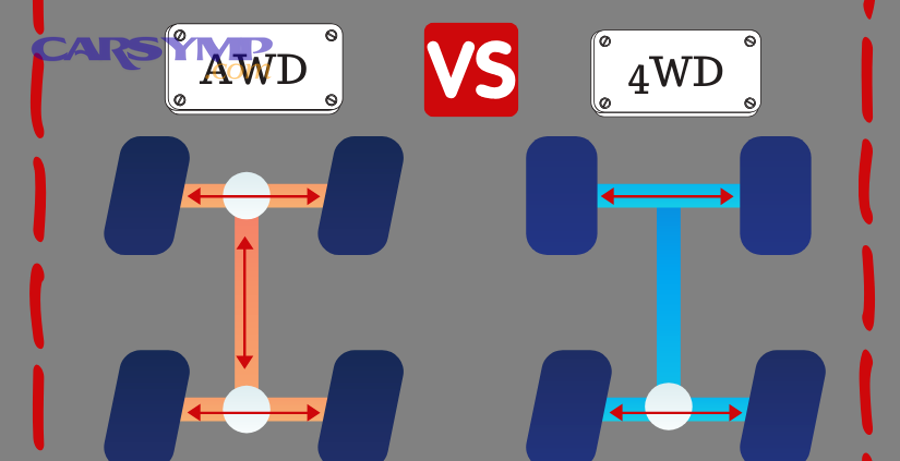
Front-biased wear (common in many cars) often makes per-axle front service the logical first step; more balanced wear (common in some AWD vehicles, towing use, or aggressive urban braking) makes all-four more compelling.
Next, verify wear objectively rather than guessing.
Time cost and convenience: the hidden value line item
All-four service can outperform per-axle on value if it reduces future downtime, prevents a second set of “shop supply” fees, and avoids repeated inspection charges; per-axle remains superior if you’re optimizing cash flow and the second axle genuinely has long life left.
Tóm lại, value is the combination of money, time, and consistency—not the sticker price alone.
How shops build brake pricing: the line items that change per-axle vs all-four totals
Brake pricing is built from parts selection, labor time, rotor decisions, and shop-specific fees; per-axle vs all-four totals shift because labor overlap and parts quantity scale differently, while certain fees repeat per visit.
To understand the estimate, you need to separate “quantity-driven” costs (pads, rotors) from “visit-driven” costs (inspection, supplies, disposal).

Parts tiering and why the same brake job can vary widely
The same axle can be priced very differently depending on friction material tier, included hardware, sensor requirements, and whether rotors are reused, resurfaced, or replaced.
For clarity, premium pads may reduce dust and noise, but they can raise the quote significantly—especially if the shop bundles a “quiet brake package.”
Labor structure: flat rate vs itemized time
Some shops quote flat-rate packages (pads + basic rotor service) while others itemize each step; all-four quotes may look more “discounted” under a flat-rate model because the package assumes efficiencies.
However, itemized invoices can be more transparent, especially if only one axle truly needs service.
Fees that repeat when you split the job into two visits
When you do one axle now and one later, you may pay repeated shop supply fees, disposal fees, and potentially new inspection charges; those repeated visit-driven costs are a major reason all-four can be better value when the other axle is close to due.
Next, ask whether the shop credits or waives certain fees if you return soon.
Decision rule: when should you pay per axle, and when should you do all four?
Choose per axle when the other axle has substantial life left and your symptoms are localized; choose all four when both axles are near service limits, rotor condition is similar, and you want to minimize repeat visits and align warranty timing.
Dưới đây is a practical rule set you can apply in minutes.

Choose per axle if these are true
Per axle is the better choice when the non-serviced axle is clearly healthy and unlikely to need service soon.
In particular, use per axle if you have:
- Clear wear difference: one axle’s pads are low while the other axle is comfortably above your replace threshold.
- No vibration/pulsation: suggesting rotors are not a system-wide issue.
- Symptoms localized: noise or wear indicator is clearly from one axle.
- Budget priority: you need safe braking now without replacing usable material.

Choose all four if these are true
All four is the better choice when both axles are near the end of pad life, or when splitting the job will cause duplicated costs and inconsistent results.
In particular, consider all four if you have:
- Similar wear front/rear: both axles are within the same “service window.”
- Uniform rotor needs: both axles need resurfacing or replacement for best results.
- Single-visit preference: you want one appointment, one warranty start date, and one bedding-in cycle.
- Driving demands: towing, mountainous routes, heavy city driving, or frequent passengers/load.

Edge case: mixing pad age across axles—safe, but sometimes annoying
Mixing new pads on one axle with older pads on the other can be safe when the older axle is healthy, but it can be annoying if it leads to different bite feel, uneven dust, or a second visit soon after—so the edge case is about convenience and consistency, not automatic danger.
Next, if you hate “two-stage maintenance,” all-four often matches your preference better.

How to compare estimates fairly: normalize per-axle quotes vs all-four quotes
To compare estimates fairly, normalize what each quote includes (pads, hardware, rotor work, fees, warranty, and any add-ons), then compute a “true total cost” across the next 12–24 months based on when the other axle will likely be due.
Để minh họa, you should translate every estimate into the same checklist of inclusions.

This table helps you compare a per-axle quote and an all-four quote by forcing the same line-item questions, so you can spot missing rotor work, hardware, or duplicated fees.
| Estimate Item | Per Axle Quote: What to Confirm | All Four Quote: What to Confirm | Why It Matters |
|---|---|---|---|
| Pads included | Which pad tier for that axle? | Same tier front and rear? | Pad quality and noise/dust vary by tier. |
| Hardware kit | New clips/shims included? | Included for both axles? | Old hardware can cause noise and uneven wear. |
| Rotor resurfacing | Included, optional, or excluded? | Included for both axles? | Rotors control vibration and pad bedding surface. |
| Rotor replacement | What triggers replacement? | Same triggers across axles? | Thickness/runout limits change the final bill. |
| Labor time and rate | Flat rate or itemized hours? | Any bundle discount? | Explains why totals differ beyond parts. |
| Shop supplies/disposal | Charged per visit or per axle? | Charged once or multiple times? | Splitting visits can duplicate these fees. |
| Warranty terms | Parts and labor coverage details? | Single start date for all? | Warranty can be a hidden value driver. |
| Test drive and post-check | Included? | Included? | Quality control reduces comebacks. |
Ask for the “wear evidence” that justifies the scope
To compare honestly, ask the shop to show pad thickness or wear indicator status on both axles, and if rotors are recommended, ask what measurement failed (thickness, runout, heat spots, scoring).
Next, the evidence makes “per axle vs all four” a data decision rather than a sales decision.
Convert the quote into a 12–24 month scenario
If the other axle will likely need service within the next year, add the expected second-visit fees and time cost; if it likely has two years of life, per-axle becomes more financially rational.
In other words, “total cost of ownership” is the fairest lens for comparison.

Check whether the shop aligns pad type across axles
If you do all four, confirm whether the shop uses the same friction material family front and rear, because mixing pad types can change bite balance and noise characteristics.
However, per-axle service commonly keeps the existing rear pad type until it’s due, which is normal.

How to avoid paying twice: pitfalls when choosing per-axle service
The biggest pitfall with per-axle service is paying twice for “visit-driven” costs—fees, inspections, and your time—especially when the other axle is already near replacement and will trigger a second appointment soon.
To begin, the cure is simple: verify remaining life and forecast the next service window.

Pitfall 1: underestimating how soon the other axle will be due
If your non-serviced axle is already approaching the replace threshold, per-axle becomes a short delay rather than a savings—so you end up paying a second labor and fee stack soon after.
Next, ask for a conservative “months remaining” estimate based on your driving style.
Pitfall 2: ignoring rotor condition until after new pads are installed
Installing new pads on marginal rotors can create noise, vibration, and rapid pad wear—leading to a redo that feels like you “paid twice,” even though the real issue was rotor condition.
In particular, if the shop flags rotor thickness or severe scoring, take that seriously.

Pitfall 3: skipping hardware service that prevents noise and sticking
Old, corroded hardware and dry slider pins can cause uneven pad wear and squeal, which can make a per-axle job feel “cheap but disappointing,” so confirm the estimate includes cleaning and lubrication.
Next, this is a low-cost step that protects the larger investment in pads and rotors.

How to make the “all four wheels” decision without overspending
You can choose all four without overspending by confirming both axles are within the same service window, selecting pad and rotor options that match your driving needs, and ensuring the shop’s bundle includes quality-critical steps rather than cosmetic add-ons.
To start, focus on performance and longevity, then trim unnecessary extras.

Prioritize the essentials: friction match, rotor condition, and proper installation
All-four value comes from consistent friction response and proper mating surfaces; if rotors are reused, they must be in good condition, and if they’re resurfaced, the finish and thickness must remain within spec.
Next, ask for a clear “pass/fail” explanation for rotor replacement recommendations.
Choose pad tier based on your real pain points
If your priority is quiet braking and low dust, higher-tier pads can be worth it; if your priority is basic safe stopping on a commuter car, a mid-tier pad may be the best value.
However, don’t pay premium prices for benefits you won’t notice in your driving pattern.

Confirm the shop does a proper bedding-in recommendation
After an all-four job, bedding-in guidance matters because you’re establishing new transfer layers on multiple corners; a shop that explains it clearly is often signaling better workmanship.
To illustrate, here is a helpful overview video explaining brake pad bedding-in concepts.
Contextual Border
Supplementary: how warranty, pad tier, and shopper checklists change the “true” cost
Beyond the base quote, warranty scope, pad tier selection, and how carefully you compare estimates can change the true cost difference between per axle and all four, especially if you value noise control, dust reduction, or long-term coverage.
Hãy cùng khám phá three micro-factors that often decide satisfaction after the money is spent.
Warranty coverage: what “parts and labor” really protects
Warranty value depends on what’s covered (pads only vs pads + labor), how long it lasts, and what conditions void it (improper bedding-in, misuse, hardware not replaced, rotor condition disputes); a strong warranty can make an all-four job more attractive because it reduces downside risk across the whole system.
Next, always ask whether the warranty resets per axle or starts once for the whole job.
Pad tier pricing: when premium pads pay back and when they don’t
Premium pads can pay back if you’re sensitive to squeal and dust, drive in stop-and-go traffic, or want smoother feel; they don’t pay back if your driving is light-braking highway and you’re unlikely to notice the difference.
However, choose premium for a reason you can explain, not because it’s labeled “best.”

Shopper checklist: how to spot a “cheap” quote that becomes expensive
A cheap quote becomes expensive when it excludes rotor work you’ll need, skips hardware service that prevents noise, or hides fees that reappear on the next visit; a checklist approach protects you whether you buy per axle or all four.
Next, treat every estimate as a bundle of promises, not a single number.
- Ask what is excluded (rotors, hardware, sensors, shop supplies).
- Ask what triggers add-ons (minimum rotor thickness, seized sliders, caliper issues).
- Ask for measured evidence (pad thickness, rotor condition notes).
- Ask about warranty scope (parts-only vs parts + labor) and conditions.
How to decide in 60 seconds at the counter
If the other axle is likely due soon and the shop’s all-four quote includes solid rotor and hardware work with clear warranty terms, all-four is often the smarter “one-and-done” choice; if the other axle has long life left and the quote is transparent, per axle is the smarter money-saving choice.
Tổng kết lại, your best decision is the one that matches real wear data and minimizes repeat costs.
FAQ
Is it safe to replace brakes on only one axle?
Yes, replacing brakes on only one axle can be safe if the other axle is in good condition, braking is stable, and the shop confirms pad thickness and rotor health; however, it can be inconvenient if the other axle is near the end of life and triggers a second repair soon.
Why do some shops insist on doing both axles?
Some shops prefer both axles to align performance and reduce comebacks, while others recommend it because both axles are near service limits; the best approach is to ask for wear measurements and rotor condition evidence that justifies the scope.
How do I know if my rotors need replacement or just pads?
Rotors typically need replacement when they are below minimum thickness, have severe scoring, heat damage, or runout that causes pulsation; ask the shop what measurement or condition failed, not just a general recommendation.
Will doing all four wheels at once make the brakes feel better?
Often yes, because friction response and pedal feel become more consistent across the vehicle; however, the biggest improvement still comes from correct installation, healthy rotors, and proper bedding-in rather than simply replacing more parts.
What should I bring or ask for when getting brake estimates?
Bring your vehicle details and ask for a line-item estimate that states pad tier, rotor plan, hardware service, fees, and warranty scope; then compare quotes using the same checklist so you can evaluate true value rather than just the headline price.
Note: brake pad replacement cost, Warranty on brake pads and labor, Ceramic vs premium pad price comparison, Brake job estimate checklist for shoppers.