


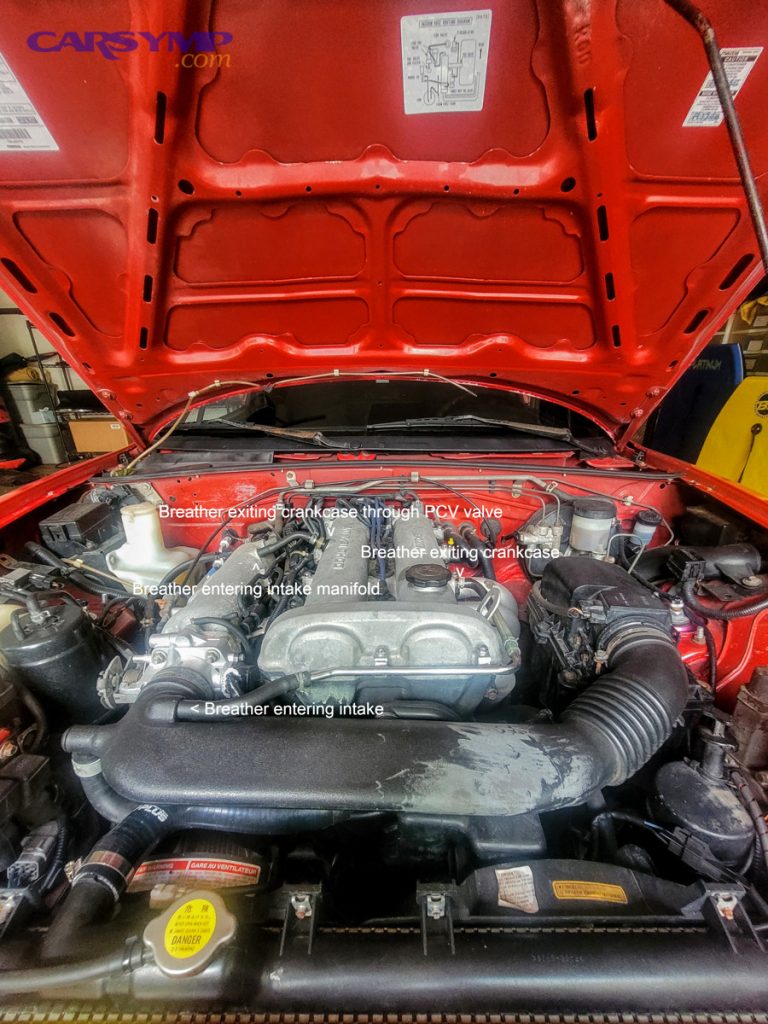
PCV system problems that cause oil odor usually come down to one thing: crankcase vapors stop flowing the way the engine was designed to handle them, so oil mist and vapor escape into places you can smell—often the intake, valve cover area, or the engine bay.
To narrow it down fast, you need to understand how the PCV circuit manages pressure and oil aerosol, then match what you smell (and when you smell it) to the specific component that’s failing: the valve, the hoses, the separator/baffle, or the vacuum source.
Beyond the odor, PCV faults can drive oil leaks, oil consumption, idle issues, and deposit build-up because crankcase pressure and oily aerosol migrate into seals, gaskets, and the intake tract where they don’t belong.
Giới thiệu ý mới: To make this practical, the guide below uses a question-based flow—what the PCV system does, which failures create smell patterns, how to test it safely, and how to fix and prevent the odor from returning.
What is the PCV system, and how can it create an oil odor?
The PCV system is the engine’s controlled crankcase ventilation pathway, and it can create an oil odor when oily vapor or mist is pulled or pushed into areas where it can escape to the cabin air intake or hot engine surfaces.
To begin, think of the crankcase as a pressure-and-vapor generator, and the PCV circuit as the “routing” that decides where those vapors go.
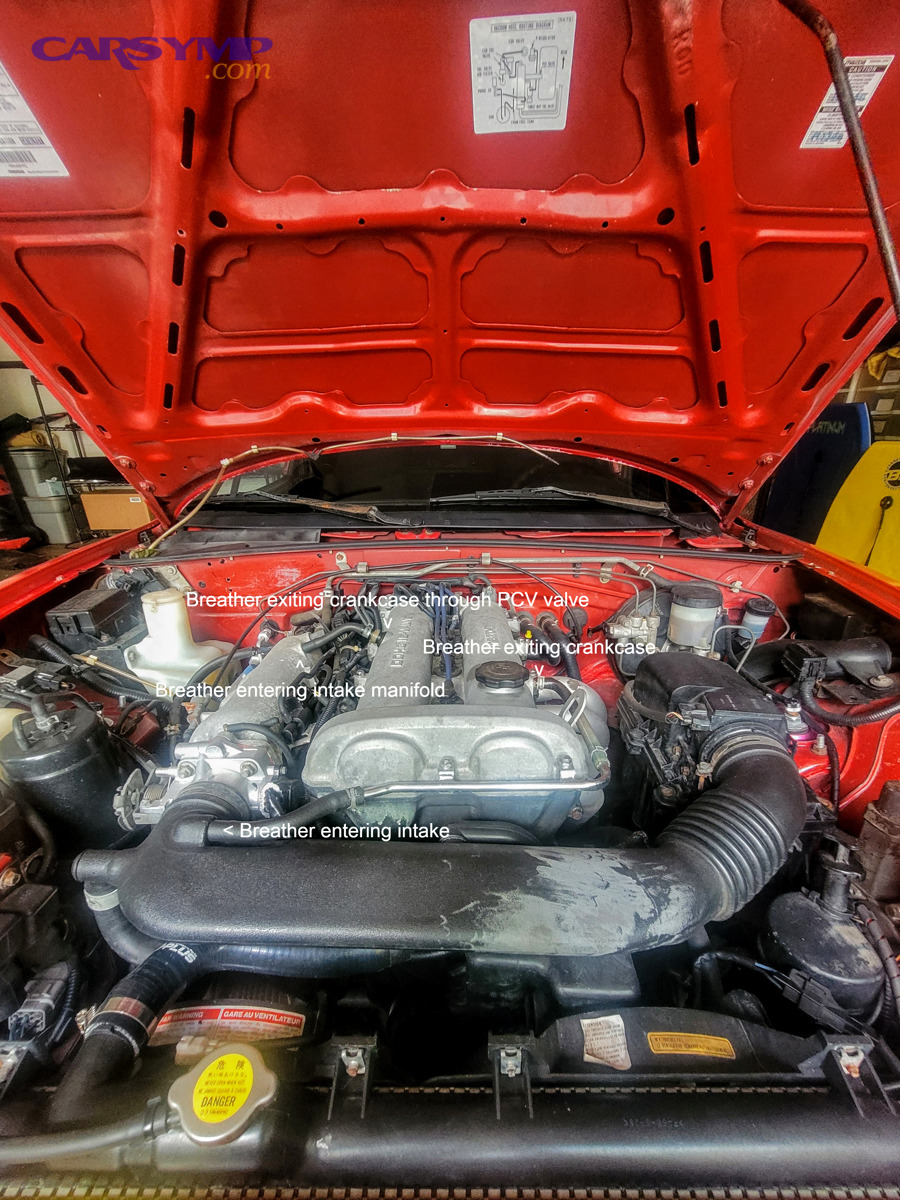
Oil odor happens when this circuit is no longer sealed, balanced, or correctly metered. If the PCV valve sticks open, you can get excessive vacuum and oil aerosol pulled into the intake. If it sticks closed or a hose collapses, crankcase pressure rises and pushes oily vapor outward through seals or weak connections. If a separator/baffle is clogged or damaged, oil mist increases and spreads through the breather lines. If a hose cracks, vapors can vent directly into the engine bay—especially noticeable at idle, after a hot soak, or when you stop at a light.
According to research by Springer Nature’s Automotive and Engine Technology authors from KIT and Daimler, published in March 2022, crankcase aerosol mass concentration increased by up to a factor of 5 as oil volatility rose, showing how strongly crankcase aerosol can change with conditions and oil properties.
Which PCV system problems most commonly cause oil odor?
There are five common PCV system problems that cause oil odor: a stuck PCV valve/orifice, cracked or disconnected hoses, clogged separators/baffles, wrong vacuum routing, and excessive blow-by overwhelming the system.
Next, we’ll group these faults by what they do to flow and pressure—because the smell is usually a flow problem before it’s a “mystery odor.”
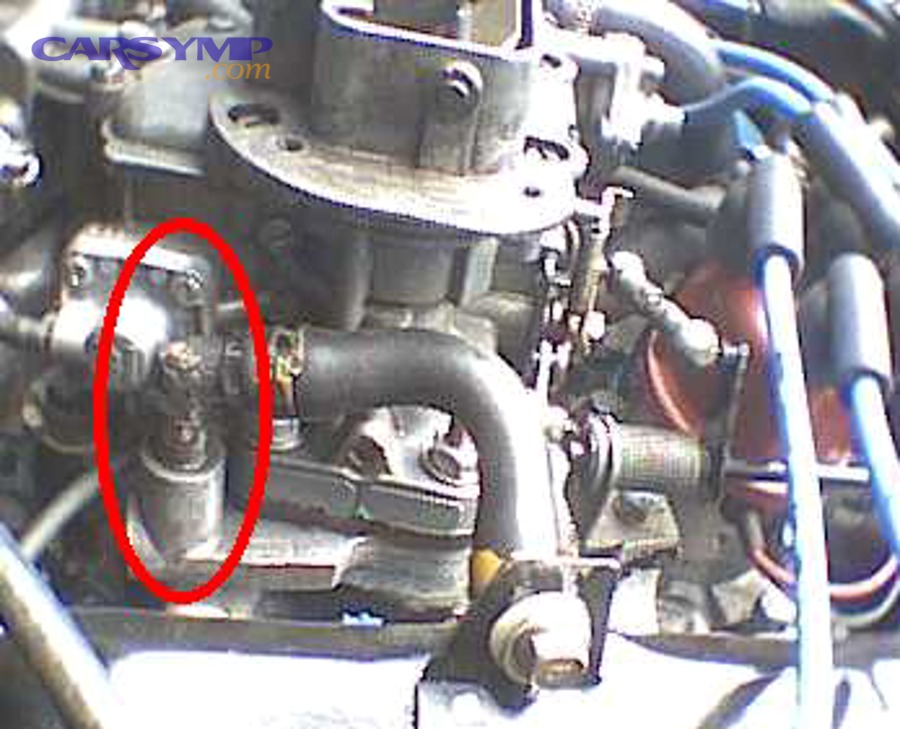
1) PCV valve stuck open or metering orifice enlarged
A stuck-open valve or worn orifice increases vapor flow and can pull more oil aerosol into the intake, creating a persistent oily smell near the throttle body area, intake snorkel, or turbo inlet.
Specifically, high vacuum can strip oil mist from baffles, draw oil from the valve cover region, and transport it downstream where it coats ducts and can “weep” odor when warm. You might also notice oil residue in the intake tube, a whistling noise, lean codes, or idle changes depending on how the engine meters air.
2) PCV valve stuck closed or restricted passage
A stuck-closed valve or restricted passage traps vapors, increasing crankcase pressure and pushing oily vapor outward through seals, gaskets, dipstick tube seals, or the oil fill cap area.
Cụ thể hơn, this often produces odor after highway driving (higher blow-by volume), during extended idling (heat soak), or right after shutdown when under-hood temperatures rise and vapors expand.
3) Cracked, collapsed, or oil-softened PCV hoses
Hoses can crack at elbows, collapse under vacuum, or soften from oil exposure. Any of these can vent crankcase vapor into the engine bay or disrupt metered flow, producing smell and sometimes a hiss.
Look closely at bends near the valve cover, intake manifold ports, and turbo inlet fittings—these are high-stress, high-heat zones.
4) Clogged baffles or oil separators
Sludge, varnish, or carbon can block the internal baffle path, increasing oil carryover and odor. Many modern engines integrate the separator into the valve cover, so “PCV failure” can really be “valve cover separator failure.”
When separation efficiency drops, more oil droplets travel with vapor and deposit across the intake tract and charge pipes (on turbo engines), which can smell strongly when hot.
5) Excessive blow-by from worn rings or high load use
Even a working PCV circuit can be overwhelmed by high blow-by volume, forcing vapors out of any weak point and amplifying oil odor. In that case, the PCV system is the messenger, not the root cause.
According to research by authors in the Journal of Aerosol Science volume dated October 2020, crankcase blow-by aerosols are largely oil droplets and sampling conditions show how oil vapor condensation becomes relevant above 100°C—highlighting how heat and vapor behavior can quickly intensify oil aerosol presence.
How do you distinguish PCV oil odor from external leaks and other smells?
Yes—you can usually distinguish PCV-related oil odor from external leaks by when it appears, where residue forms, and whether the odor is strongest at the intake path versus the exhaust-side of the engine.
However, the fastest way is to combine a smell pattern with two visual checkpoints: intake tract oil film and engine-bay vapor sources.

Pattern A: Odor near intake tubing or throttle body area. If you smell oil most strongly near the intake snorkel, around the PCV hose connection, or near the turbo inlet, suspect a PCV valve/orifice issue, separator carryover, or a split hose venting vapor.
Pattern B: Odor after shutdown (hot soak) with little visible dripping. PCV vapor leaks often intensify after you park because under-hood temperatures rise and vapors expand. A cracked hose can vent a concentrated puff that you notice walking around the car.
Pattern C: Odor strongest on exhaust-side of engine with smoke wisps. This pattern more often points to an external leak onto hot metal. If you also see oil wetness near the rear of the valve cover or near exhaust shielding, investigate gaskets and external seepage.
Pattern D: Odor plus oily film inside intake tube. Oil film is a hallmark of carryover. Some oil mist is normal in many engines, but heavy pooling, dripping, or thick wet coating suggests a separation or metering problem.
To avoid guessing, treat the PCV system as a flow map: vapor should travel through defined hoses and fittings, not appear randomly in the engine bay. According to the October 2020 Journal of Aerosol Science article, closed crankcase ventilation setups can suffer deposits on components such as turbochargers, valves, or sensors when oil aerosols are returned to intake air—so intake-side residue is a meaningful clue.
Later in this guide, we’ll connect this differentiation to related diagnosis topics like burning oil smell and more specific engine-bay event patterns, without confusing them with PCV-only faults.
How do you inspect and test a PCV system step-by-step at home?
The best home test is a 5-step check: verify hose integrity, confirm airflow direction, measure crankcase pressure behavior, inspect for oil carryover, and validate vacuum source stability.
After that, you can decide whether cleaning, replacing a valve/orifice, or repairing a separator/cover is the correct fix.
Step 1: Visual inspection of the entire PCV circuit
Look for cracked elbows, oily wetness at hose joints, missing clamps, collapsed soft hoses, and brittle plastic tees. Check both the “PCV” line and any “fresh air” breather line.
Transition: Once you see the physical condition, confirm that the flow direction makes sense.
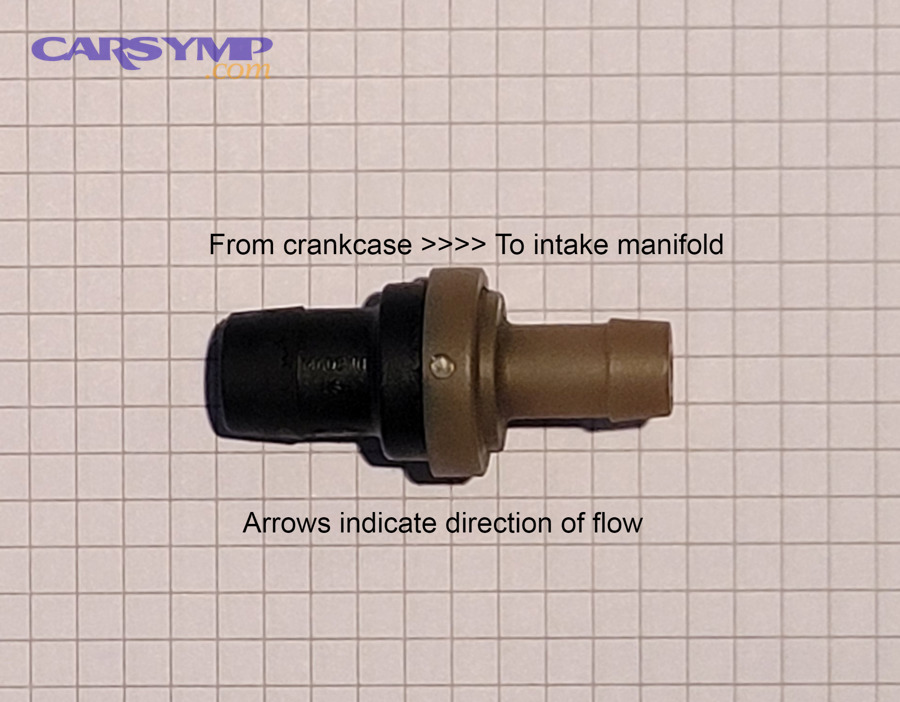
Step 2: Confirm flow direction and valve orientation
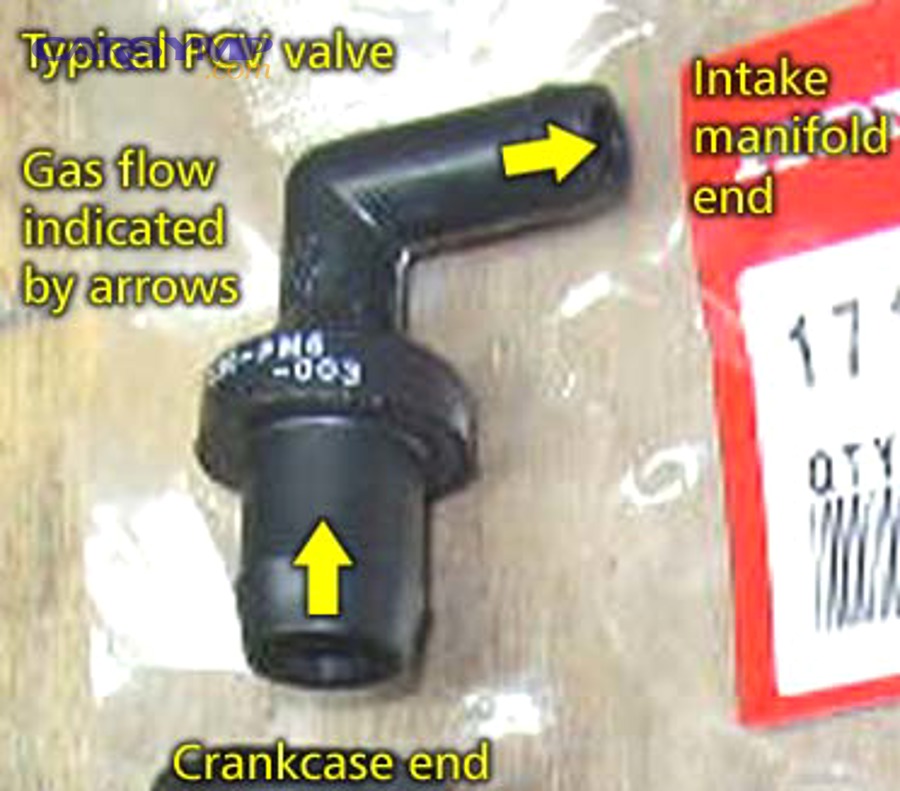
Many PCV valves are directional. If installed backward, it can behave like a restriction or a leak. If your engine uses an orifice instead of a valve, confirm it’s not enlarged, missing, or clogged.
To illustrate: on some engines, the PCV side connects to manifold vacuum (high vacuum at idle), while the breather side connects to the intake snorkel (low vacuum). Mix them up and you get strange odors and drivability symptoms.
Step 3: Quick crankcase pressure check (safe method)
At warm idle, remove the oil cap carefully and feel for slight vacuum or gentle pulsing. Strong suction, loud whistling, or the cap “sticking hard” can suggest an over-venting PCV path. Strong pressure puffing outward suggests restriction or high blow-by.
Safety note: Keep hair, clothing, and tools away from belts and fans; don’t lean over the engine if you’re unfamiliar with moving components.
Step 4: Inspect intake tract for oil carryover
Check inside the intake tube, throttle body area, or turbo inlet duct for wet oil. A light haze can be normal; heavy wetness and dripping points to separation or metering issues.
This is a key “móc xích” step because oil carryover links PCV airflow problems directly to odor sources.
Step 5: Validate vacuum source and idle stability
PCV behavior depends on vacuum. If the vacuum source is unstable (intake leak, boost leak, clogged port), PCV flow can surge and vent vapors in pulses that smell worse than steady flow.
According to the March 2022 Springer Nature study, crankcase aerosol output varies strongly with oil volatility and conditions, reinforcing why testing at operating temperature—and not just cold idle—changes what you observe.
Why does crankcase pressure buildup push oil odor into the engine bay?
Crankcase pressure buildup pushes oil odor into the engine bay because vapor follows the path of least resistance, and higher pressure forces oily gases through seals, grommets, and weak hose connections.
In other words, when ventilation is restricted, the engine starts “leaking vapor” even before it leaks liquid.
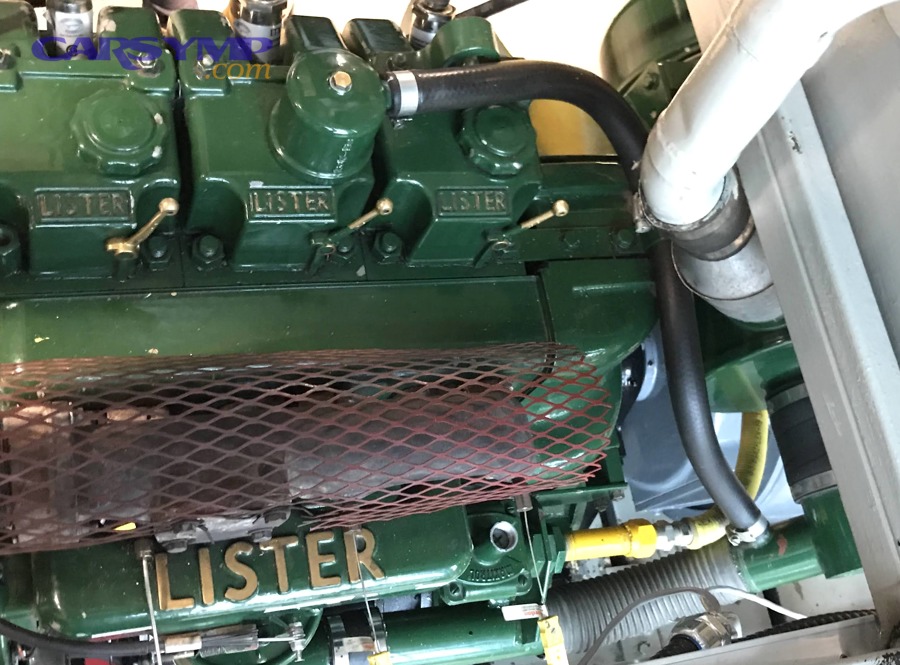
Root cause mechanics are straightforward: blow-by adds gas volume into the crankcase. The PCV circuit is supposed to evacuate that volume under controlled vacuum. When the evacuation pathway is blocked (stuck-closed valve, clogged baffle, restricted hose, iced condensation), pressure rises. The weakest points become your odor vents:
- Oil fill cap seal (odor near the top of engine)
- Dipstick tube seal (odor near front of engine, sometimes oil mist residue)
- Valve cover perimeter (odor near hot engine surfaces)
- Front/rear crank seals (odor plus possible belt contamination)
- PCV hose grommets (odor localized to a connector)
When the engine is hot, vapor pressure and oil vaporization increase, making the smell stronger. Heat soak after shutdown is often the “amplifier” because the crankcase is still full of vapor, but airflow around the engine stops, so odor concentrates.
According to the October 2020 Journal of Aerosol Science paper, oil vapor condensation effects become important above 100°C in blow-by sampling/conditioning, which helps explain why hot engines can suddenly produce stronger, thicker vapor behavior than cold engines.
What roles do PCV hoses, check valves, and separators play in oil odor control?
Hoses route vapor, check valves control direction and prevent backflow, and separators/baffles reduce oil mist—so any failure in these “meronymy” parts can turn a normal PCV circuit into an odor source.
Next, we’ll map each component to the exact smell mechanism it prevents.
Hoses: sealing and temperature survival
Hoses must stay sealed while exposed to oil vapor, fuel vapor traces, and heat. When a hose splits, it becomes a direct vent to the engine bay. When it collapses, it creates restriction and pressure buildup. When it swells, it can slip off fittings and leak intermittently—often only when hot.
Check valves / PCV valve: flow control across operating modes
Engines experience different pressure zones: high vacuum at idle, low vacuum at cruise, positive boost on turbo engines. A PCV valve or check valve prevents boost from pressurizing the crankcase and maintains proper flow direction. If it leaks under boost, you may get odor after acceleration runs as vapors are forced into areas not designed for them.
Separators and baffles: oil mist reduction
Separators and baffles slow the vapor stream, force direction changes, and let droplets fall back into the engine. If they clog, crankcase pressure rises. If they crack or lose internal structure, oil carryover increases and coats the intake tract—creating a persistent oily smell.
According to the March 2022 Springer Nature article, crankcase aerosol mass concentration can increase dramatically with oil volatility changes, emphasizing why effective separation and stable routing are critical when conditions increase aerosol production.
How do PCV issues show up differently in turbocharged and direct-injection engines?
PCV issues show up differently in turbocharged and direct-injection engines because intake pressure conditions change across boost, and oily vapor can deposit on charge pipes, intercoolers, and sensors where heat cycles “release” odor.
However, the diagnostic principle stays the same: follow the vapor path and find where oil mist becomes uncontrolled.
Turbo engines: Many have two PCV flow paths: one for vacuum (idle/cruise) and one for boost conditions. If a one-way valve fails, boost can pressurize the crankcase, increasing odor and sometimes pushing oil past seals. Odor may be strongest after a spirited drive, then sitting at a stoplight.
Direct-injection engines: They often have higher deposit sensitivity because fuel doesn’t wash intake valves. If PCV carryover is high, oil vapor can contribute to intake deposits, and those deposits can trap odors that become noticeable during hot soak. You may also smell oil around the intake manifold area due to oily film on external surfaces from small seepage points.
According to the October 2020 aerosol study, returning crankcase aerosols to the intake in closed systems can lead to deposits on critical components (e.g., turbocharger, valves, sensors), which aligns with why turbo/DI layouts can “store” oil residue and release odor over time.
Which symptoms and evidence best confirm PCV system problems that cause oil odor?
The strongest confirming evidence is a combination of odor timing, localized vapor leaks, intake oil film, and abnormal crankcase pressure behavior—because those four points tie the smell to PCV airflow, not random external seepage.
Below is a practical checklist matrix to connect what you notice to likely PCV faults.
This table contains a symptom-to-cause map, helping you link odor patterns and simple observations to the most likely PCV component failure.
| What you notice | Most likely PCV-related cause | Why it creates odor | Quick check |
|---|---|---|---|
| Oil odor near intake tube/throttle body | Stuck-open PCV valve or separator failure | Oil aerosol carried into intake and vents/seeps | Inspect intake tube for wet oil film |
| Oil odor after shutdown (hot soak) | Cracked hose or grommet leak | Vapor expands and vents into engine bay | Look for oily wetness at hose joints |
| Oil cap puffs outward at idle | Restricted PCV path or stuck-closed valve | Pressure forces vapor out of weak points | Check for collapsed/clogged hose/orifice |
| Whistling + strong suction at oil cap | Over-venting PCV valve / vacuum leak behavior | High vacuum pulls oil mist and creates intake odor | Inspect PCV valve function and hoses |
| Odor worsens after hard acceleration (turbo) | Leaking check valve under boost | Boost pressure pushes vapors and oil mist incorrectly | Test one-way valves and routing |
According to the March 2022 Springer Nature study, crankcase aerosol concentrations can shift substantially with oil property changes, helping explain why odor intensity can swing with oil type, temperature, and operating load instead of remaining constant.
As you apply this table, remember: PCV odor can coexist with external leaks. Your goal is to decide which is primary, then fix the airflow issue first so you don’t “chase smells” after repairs.
When is it unsafe to keep driving with PCV-related oil odor?
Yes, it can be unsafe to keep driving if the odor is paired with smoke, misfires, oil loss, or signs of crankcase overpressure—because those conditions raise the risk of fire, seal failure, and engine damage.
To be safe, use a simple risk filter: odor alone is a warning, but odor plus heat or oil loss is a stop signal.
- Stop driving immediately if you see smoke from the engine bay, smell burning intensely at idle, or see oil dripping onto hot components.
- Drive only to a safe place if the odor is strong after every stop, the oil level is dropping, or you feel rough idle/misfires.
- Schedule service soon if odor is mild but persistent and you see oil film in intake plumbing.
Even if the problem began as a “small PCV smell,” crankcase overpressure can push oil past seals and create real leaks. On turbo engines, oil aerosol and deposits can foul sensors and valves over time, which the October 2020 aerosol research highlights as a known risk when oily aerosols re-enter the intake path.
For readers comparing this to other odor scenarios, topics like Smoke from engine bay diagnosis and Valve cover gasket leak onto exhaust symptoms can overlap in the real world—but the PCV-specific trigger is abnormal vapor routing and pressure behavior, not just a wet gasket edge.
How do you fix PCV system problems that cause oil odor and prevent recurrence?
The most reliable fix is to restore correct ventilation flow by replacing failed valves/hoses, cleaning or replacing clogged separators, and correcting vacuum routing—then verify crankcase pressure behavior and intake oil carryover after the repair.
After that, prevention is about keeping separation and flow stable across heat, load, and oil service intervals.
Fix 1: Replace the PCV valve or service the metering orifice
If your engine uses a serviceable PCV valve, replacement is often inexpensive and high impact. If it uses an orifice, clean or replace it per manufacturer design. Avoid oversized drill-bit “cleaning” that changes flow calibration.
Transition: Once the valve/orifice is right, seal the circuit so vapors can’t escape into the bay.
Fix 2: Replace brittle hoses, elbows, and grommets as a set
Oil vapor hardens rubber and plastic over time. If one elbow cracked, others are likely close behind. Replacing them together reduces repeat odor issues and prevents intermittent leaks that are hard to catch.
Fix 3: Address separator/baffle failure (often valve cover related)
If the oil separator is integrated into the valve cover and is clogged or broken, cleaning may not restore function. A replacement cover (or separator service kit if available) is often the correct repair, especially when intake oil carryover is heavy.
Fix 4: Confirm the root cause if blow-by is excessive
If crankcase pressure remains high after PCV repairs, consider engine condition: compression/leak-down testing can reveal worn rings or cylinder issues. In that scenario, PCV parts can reduce odor but won’t eliminate the underlying vapor volume.
Fix 5: Prevention habits that actually work
- Use the correct oil specification to reduce volatility-driven aerosol formation and maintain separator effectiveness.
- Short-trip mitigation: periodic longer drives help evaporate moisture and reduce sludge that can clog PCV passages.
- Inspect at oil changes: squeeze hoses, check clamps, and look for fresh oil wetness at PCV joints.
According to the March 2022 Springer Nature research, volatility changes can dramatically shift crankcase aerosol mass concentration, supporting why oil choice and temperature behavior matter in preventing recurring odor and oil mist carryover.
If you’re also dealing with a lingering burning oil smell, treat it as a separate confirmation step: once PCV flow is corrected, any remaining burning odor is more likely from external seepage onto hot surfaces rather than vapor routing alone.
Contextual Border: The main section above solves the core “PCV system problems that cause oil odor” intent—what it is, what fails, how to test, and how to fix. Below are rarer scenarios and edge patterns that can mislead diagnosis unless you know the lexical opposites, component interactions, and unusual operating conditions.
Advanced PCV Odor Scenarios: Rare Patterns, Opposites, and Hidden Links
These less-common PCV odor cases usually happen when operating conditions (boost, cold weather, recent service) change the pressure balance or oil aerosol behavior, making a normal-looking system smell “wrong.”
To understand them, we’ll use lexical opposites (open vs closed), and component-level links (valve–hose–separator) to keep the diagnosis precise.
Stuck-open vs stuck-closed PCV behavior: opposite pressure signatures
A stuck-open PCV tends to create too much vacuum in the crankcase (cap suction, whistling, intake oil film), while a stuck-closed PCV tends to create too much pressure (cap puffing, seal seepage, vapor escaping from grommets). This antonym pair matters because both can smell like “oil,” but the fix is opposite: reduce uncontrolled vacuum draw vs restore evacuation capacity.
According to the October 2020 aerosol research, oil droplets and vapor behavior become challenging at elevated temperatures, which helps explain why both failure modes can smell worse once the engine is hot—even though their pressure signatures differ.
Oil catch cans: helpful filter or new leak point?
A catch can can reduce oil carryover in some setups, but it can also become a restriction, freeze with condensation, or leak at fittings—turning into a new odor source. If you add one, treat it as a new “meronymy” part of the PCV circuit that must stay sealed and drainable.
Signs it’s harming: new odor after installation, cap puffing (restriction), or oil wetness at fittings. Signs it’s helping: reduced intake oil film and less odor after hot soak.
Cold-weather condensation and sludge: the hidden restriction that comes and goes
In cold climates or heavy short-trip use, water vapor can condense in PCV hoses and separators, thickening sludge and temporarily restricting flow. The odor may appear “random”: some days fine, other days strong—especially after a long idle warm-up or a short drive followed by parking.
To manage it, focus on hose routing (avoid sags), ensure the separator can drain, and consider more frequent inspections during winter conditions.
Odor after service: why it can happen even with a healthy PCV circuit
Sometimes the smell appears after maintenance because oil residue was spilled or a hose was slightly disturbed, creating a small vapor leak. In other cases, a new oil with different volatility can change how much aerosol the separator must handle, which can make odors more noticeable for a few heat cycles. This is where the topic of Burning smell after oil change diagnosis overlaps: not all post-service odor is a new failure, but persistent odor still demands a sealed PCV circuit check.
According to the March 2022 Springer Nature study, crankcase aerosol output can change significantly with oil volatility, supporting why a service-related oil change can shift odor behavior even if no parts “broke.”
FAQ
These quick answers address common follow-ups that appear once you’ve identified PCV system problems that cause oil odor.
Can a bad PCV valve cause an oil smell inside the cabin?
Yes, if vapors vent into the engine bay near the HVAC fresh air intake or cowl area, the smell can be pulled into the cabin—especially at idle or after you stop and heat soak begins.
Will cleaning a PCV valve fix oil odor permanently?
Sometimes, but not always. Cleaning may restore movement temporarily, yet brittle hoses, clogged separators, or a worn metering orifice can keep the odor returning until the full circuit is restored and sealed.
Why do I smell oil mostly at stoplights, not on the highway?
At stoplights, airflow across the engine bay is low, vapors concentrate, and manifold vacuum can be high—amplifying vapor leaks and PCV flow. On the highway, airflow disperses odor even if the source remains.
Does oil odor always mean an external leak?
No. PCV vapor leaks can smell like oil without visible dripping, and intake-side oil carryover can create odor even when the engine exterior looks dry. Use pressure behavior and intake film checks to confirm.