


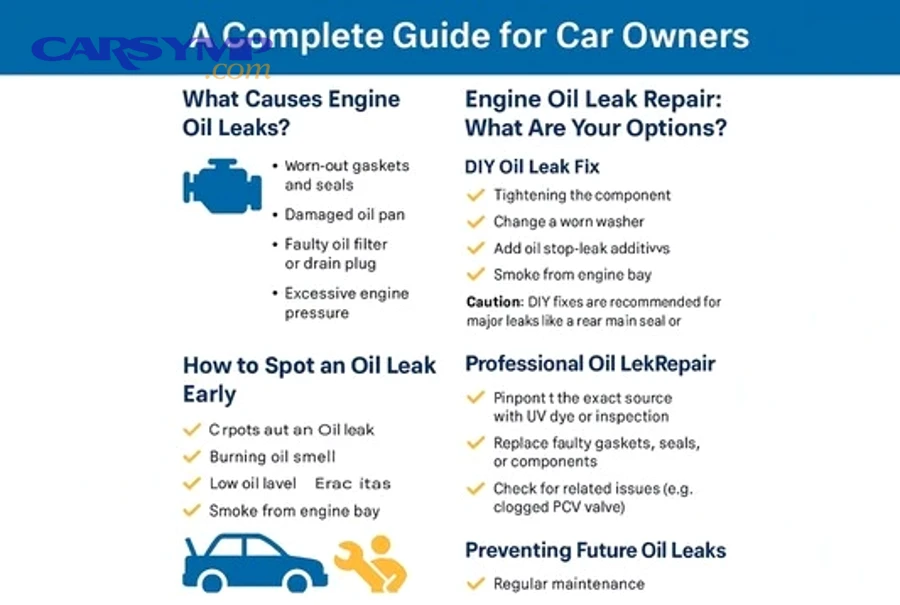
To prevent future oil smell issues, use a simple system: fix the root leak/odor source, remove leftover oil residue, and change the conditions that make oil burn or vaporize in the first place.
Beyond immediate repairs, prevention means tightening your inspection rhythm—catching seepage early, keeping crankcase pressure stable, and avoiding “small drips” that eventually hit hot exhaust surfaces.
It also helps to control the oil you use and how you service the engine, because wrong viscosity, overfilling, or sloppy filter changes often trigger repeat odors even after a repair.
After that, “Giới thiệu ý mới” becomes building a maintenance routine that reduces heat-soak odors, protects seals, and keeps the ventilation system working so smells don’t keep coming back.
How do you prevent oil smell from returning after a repair?
You prevent oil odor recurrence by following 6 steps—verify the leak is truly stopped, degrease and rinse residue, confirm crankcase ventilation, protect hot zones, correct oil level/grade, and retest under heat—because most repeat smells come from leftover oil and pressure-related seepage. To connect the dots, the next checks focus on what “restarts” the odor once the engine gets hot.
Step 1: Confirm the odor source is gone, not just “less noticeable”
Start with a yes/no test: Is the same smell coming back after a full warm-up? If yes, it often means (1) seepage still exists, (2) oil is still burning on a hot surface, or (3) vapors are venting into the cabin. After that, you can pinpoint whether it’s external (leak onto exhaust) or internal (oil consumption or ventilation).
To make it practical, run the engine to full operating temperature, then let it heat-soak for 10–15 minutes and sniff near the hood gap and wheel wells. Specifically, repeat odor after heat-soak is a strong clue that oil is contacting a hot manifold, turbo, or downpipe rather than dripping on the ground.
Step 2: Remove residue that keeps “cooking” for days
Yes, you can still get a burning oil smell even when the leak is fixed, because oil soaked into heat shields, subframes, and undertrays can vaporize repeatedly. Next, cleaning turns a “mystery smell” into a clear re-test.
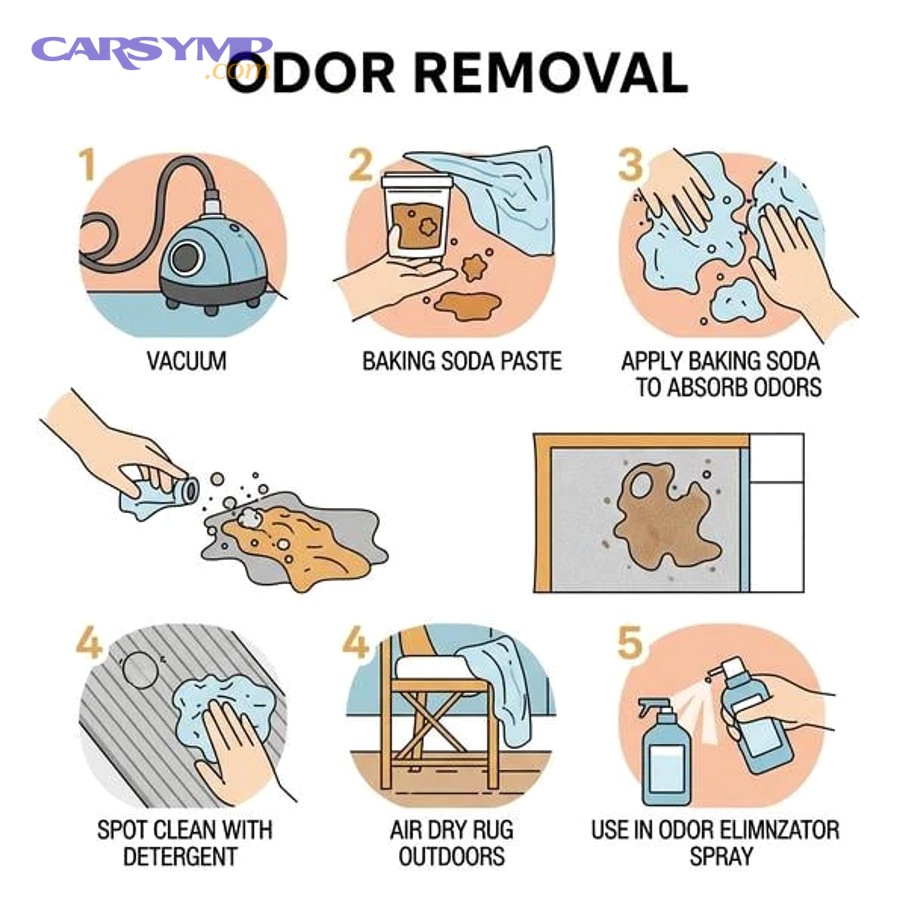
Use an engine-safe degreaser on cold parts, agitate with a soft brush, then rinse gently and avoid forcing water into connectors. Specifically, target the back of the engine, the exhaust flange area, and any heat shielding where oil can wick and spread. After cleaning, drive 10–20 miles and re-check; the smell should steadily fade instead of resetting each trip.
Step 3: Protect the hot zones where oil turns into smoke
You prevent repeat odors by keeping oil away from the hottest meronymy parts—exhaust manifold, catalytic converter, turbo hot side, and downpipe—because even a tiny mist can smoke. To move forward, the next section explains how leaks reach those hot zones.
Check for missing heat shields, torn splash shields, and routing that lets oil run along brackets. Specifically, a leak above an exhaust can “travel” along casting seams and drip far from its origin. If shields are bent, oil can pool on them and burn longer than a drip would.

Step 4: Keep crankcase pressure stable to stop fresh seepage
Crankcase pressure is the hidden driver: if pressure builds, oil is pushed past seals and gaskets, recreating the smell. After that, verifying ventilation prevents a “new leak” that’s really pressure forcing oil out again.
At idle, remove the oil filler cap briefly—there should be mild vacuum or gentle pulsing, not strong blow-by pushing air out. Specifically, if you notice whistling, heavy vacuum, or pressure, suspect ventilation faults. This ties directly into the topic PCV system problems that cause oil odor because PCV flow errors can pull oil mist into intake paths or push oil out of weak seals.

Step 5: Correct oil level, viscosity, and fill technique
Oil smell can return if oil is overfilled, too thin for the engine, or spilled during service, because misting and seepage increase when the crank whips oil or pressure rises. Next, the checklist below reduces repeat mistakes that feel like “a new problem.”
Check level on flat ground after the engine rests a few minutes. Specifically, if oil is above the max mark, aeration and vapor can worsen; if oil is too thin for your climate and engine wear, seepage may increase. Always wipe the filter housing and drain area after changes so you can tell new seepage from old residue.
Step 6: Retest under the same conditions that triggered the smell
Retesting is essential because some odors only show up after highway load, stop-and-go heat soak, or long idling. To conclude this prevention loop, repeat the original scenario and then inspect with a bright light for fresh wetness or smoke trails.
Specifically, do a 15–30 minute drive with a mix of speeds, then park and inspect while hot (without touching hot parts). A clean, dry engine bay after that test is the most reliable indicator that the smell won’t return.

What maintenance routine prevents recurring burning oil odors?
A prevention routine uses 5 habits—weekly quick checks, monthly under-hood inspection, oil-change spill control, seasonal seal conditioning awareness, and ventilation monitoring—because recurring odors are usually small leaks plus heat. To keep the flow, the next items translate habits into a repeatable checklist.
Weekly: Quick smell + level scan (2 minutes)
Yes, this matters: if you catch a smell early, you often stop a leak before it reaches the exhaust. Next, you’ll connect smell patterns to likely locations without guessing.
Specifically, after parking, sniff near the front wheel wells and hood seam. If the odor appears right after shutdown, suspect heat-soak burn on external surfaces. If it appears while driving with HVAC on, suspect vapors entering cabin air intake or leaks near the firewall.

Monthly: “Top-down” inspection for seepage trails
Do a top-down check because gravity creates trails that reveal the true source. After that, you can prevent the common misdiagnosis of replacing the wrong gasket.
Use a flashlight and look for wet shine at gasket edges, then follow downward to see where it lands. Specifically, check around the valve cover perimeter, timing cover seams, oil filter housing area, and turbo oil feed/return lines if equipped. This naturally aligns with Valve cover gasket leak onto exhaust symptoms, where oil can run onto a manifold and smoke dramatically even with a small leak.

At every oil change: “No-spill, no-residue” method
Use a controlled method to prevent smells caused by spilled oil, which is one of the most common repeat-odor triggers. Next, you’ll create a baseline that makes new leaks obvious.
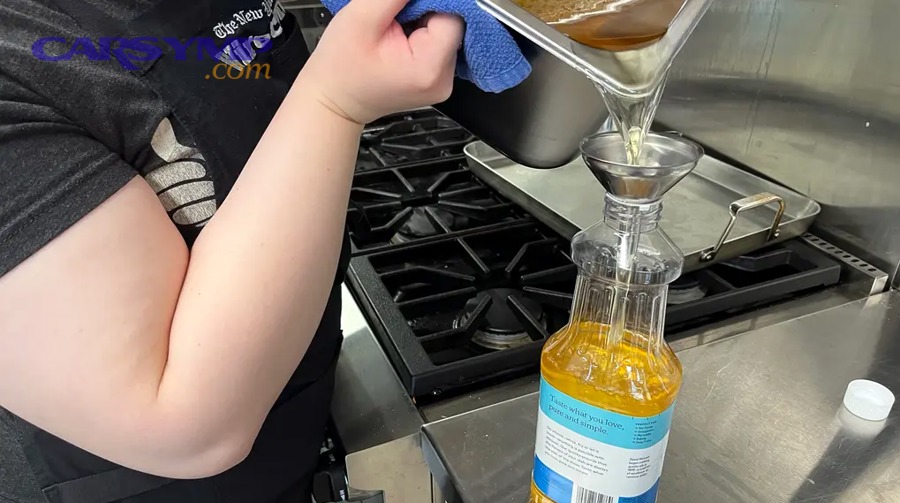
Specifically, use a funnel, pre-position rags under the filter area, and clean the underside of the filter housing before reinstalling. After service, wipe any drips from heat shields and crossmembers. Then, take a short drive and re-check with a dry white towel around suspected areas.

Seasonally: Watch seal behavior in cold starts and hot weather
Seals can shrink in cold and soften in heat, changing how seepage appears. To transition, the next paragraph ties climate patterns to what you should adjust.
Specifically, in winter, brief seepage may appear at startup then stop; in summer, heat can thin oil and worsen weeping at old gaskets. Consider verifying the correct viscosity range for your engine and climate, and avoid extended idling during heat waves if you’re already seeing minor seepage.
Ongoing: Keep ventilation healthy to prevent pressure-driven leaks
Ventilation issues can make new odors appear even after you replaced gaskets, because pressure turns weak points into leak points. Next, you’ll learn how to spot ventilation-related patterns quickly.
Specifically, recurring oil film in the intake tube, oil mist near the throttle body, or frequent gasket sweating can point to ventilation imbalance. This is where PCV system problems that cause oil odor becomes a prevention topic, not just a repair topic.

Which common oil leak points should you “future-proof” first?
There are 6 high-impact oil odor sources to future-proof first: valve cover area, oil filter housing/cooler seals, front timing cover, rear main area, turbo oil lines, and oil pan perimeter, because these are frequent seep locations and often sit above hot exhaust routes. To connect this, the next sub-sections explain what to look for and how to prevent relapse.
Valve cover perimeter and plug tube seals
Yes, this is a top culprit: oil from the top of the engine can drip onto exhaust and create strong odor fast. Next, you’ll prevent repeat leaks by focusing on installation quality and surface prep.
Specifically, prevent recurrence by using correct torque sequence, avoiding overtightening (which warps covers), and cleaning mating surfaces. If the cover is plastic and warped, a new gasket alone may not last. This aligns naturally with Valve cover gasket leak onto exhaust symptoms, where the smell often peaks after stopping because oil cooks on hot metal.
Oil filter housing and cooler gaskets
This area often causes hidden smells because leaks can run down the block and reach the exhaust without leaving a big puddle. After that, you can prevent misreads by checking for fresh wetness after wiping clean.
Specifically, future-proof by replacing flattened O-rings during service, verifying correct filter cap torque, and ensuring no old gasket is stuck to the housing. If you see oil collecting in a valley, clean thoroughly so you can confirm the true source on the next drive.

Timing cover and front crank seal area
These leaks can be slow but persistent, and they often spread oil across belts and pulleys, creating odor and secondary issues. Next, you’ll prevent “repeat repairs” by addressing root causes like crankcase pressure and worn surfaces.
Specifically, ensure the crank seal surface isn’t grooved, and confirm ventilation is correct before sealing everything up again. If oil sprays onto hot components indirectly, smells can be strong even when the leak seems minor.

Turbo oil feed/return lines and sealing washers (if equipped)
Turbo oil leaks can produce intense odor because the turbo hot side runs extremely hot, so even a small seep smokes quickly. To transition, the next guidance focuses on line routing and heat shielding.
Specifically, replace sealing washers when disturbed, inspect for coked oil around fittings, and verify line clamps keep hoses away from hot housings. If your undertray traps oil mist, clean it or it will keep cooking and smelling.

Oil pan gasket and drain plug sealing surfaces
These are common after DIY service: small seepage can drip onto exhaust sections farther back and smell during stops. Next, you’ll prevent recurrence by protecting threads and sealing surfaces.
Specifically, use the correct crush washer, avoid over-tightening the plug, and check for flange distortion. If the pan is thin stamped metal, overtightening can create waves that never seal properly without correction.

Rear main area and bellhousing weep paths
Rear leaks can smell because oil can land on exhaust components downstream or soak the underbody insulation. After that, you can decide whether to monitor or repair based on rate and safety.
Specifically, check the inspection cover area for fresh oil. If it’s slow seepage, frequent cleaning plus ventilation checks can delay recurrence, but heavy leakage needs repair due to clutch contamination risks (manual) or ongoing loss.

Can driving habits reduce the chance of oil smell coming back?
Yes—driving habits can reduce oil odor recurrence because (1) extreme heat soak cooks residue, (2) repeated short trips increase condensation and sludge that stresses ventilation, and (3) aggressive driving with existing seepage can atomize oil onto hot parts; the biggest impact comes from managing heat cycles and warm-up behavior. Next, the habits below turn that logic into action.
Reduce harsh heat-soak cycles when a seep is suspected
Heat soak is when smell spikes because under-hood temperatures climb after shutdown. Next, you can soften this effect without changing your commute.
Specifically, after a highway run, take the last 2–3 minutes gently to reduce peak temps, then park with the hood unlatched (not open) if safe and allowed. This can reduce how fast residue cooks, while you track whether the leak is truly fixed.

Avoid chronic short trips that stress ventilation and oil quality
Short trips can leave moisture and fuel dilution in oil, increasing vapors and deposits that worsen odors. After that, your goal is stable operating temperature often enough to keep systems clean.
Specifically, combine errands into one longer drive weekly, and follow the correct service interval for your usage. This supports crankcase ventilation stability and reduces the chance of burning oil smell from vapor accumulation and residue on hot surfaces.

Watch for early signs under load and during HVAC use
Smell patterns can be diagnostic: if odor appears only with HVAC, vapors may be entering the cabin intake; if it appears under load, oil may be reaching hotter surfaces. Next, you can use these patterns to guide inspections efficiently.
Specifically, note whether the odor is strongest at idle, acceleration, or after shutdown, and whether it’s inside the cabin or only outside. This patterning helps you link prevention steps to the most likely route of oil vapor travel.
What should you do to prevent oil smells after an oil change?
To prevent post-service oil odor, follow 7 practices—verify oil level, clean spills, check filter seal seating, confirm drain plug sealing, inspect for splash on exhaust, reset undertray clips, and recheck after the first heat cycle—because most post-change smells come from residue or a double-gasket mistake. Next, the steps below highlight the most common failure points.
Prevent the “double gasket” and loose filter cap problem
This is a high-risk mistake because it can leak quickly and spray oil, creating strong odors. After that, you can make the leak obvious with a simple wipe-and-watch method.
Specifically, ensure the old filter gasket came off, lubricate the new gasket lightly, and torque correctly. With cartridge housings, replace the O-ring and confirm it sits in the correct groove. Then wipe clean and check after a short drive.

Clean the exhaust-side splash paths immediately
Oil can drip onto exhaust without being visible from above, which is why smells surprise people after a clean oil change. Next, you’ll prevent that by checking the underside deliberately.
Specifically, inspect the area around the filter and drain plug with a light. If oil touched a shield or pipe, wipe and degrease. A single missed drip can smoke for several trips, mimicking a new leak.

Re-check after the first full heat cycle
Heat cycles reveal slow seepage and cap seating problems. After that, you can lock in prevention by confirming everything stays dry.
Specifically, after one normal drive and cooldown, look for fresh oil sheen around the filter area, drain plug, and any undertray edges. If you see a trace, fix it immediately before it reaches hot components again.
How can you tell whether a recurring smell is oil or something else?
You can distinguish oil odor from other smells by checking 4 cues—smell character, where it’s strongest, visible residue, and when it appears—because coolant, electrical, and exhaust smells have different signatures; oil is usually acrid, smoky, and leaves an oily film, especially after heat soak. To keep the flow, the next comparisons help avoid chasing the wrong fix.
Oil smell vs coolant smell: quick separation rules
Oil typically smells sharp and smoky, while coolant often smells sweet and may leave a crusty residue; both can appear after shutdown, but coolant loss and steam clues are more common with coolant issues. Next, you’ll apply the same logic to “where the residue is.”
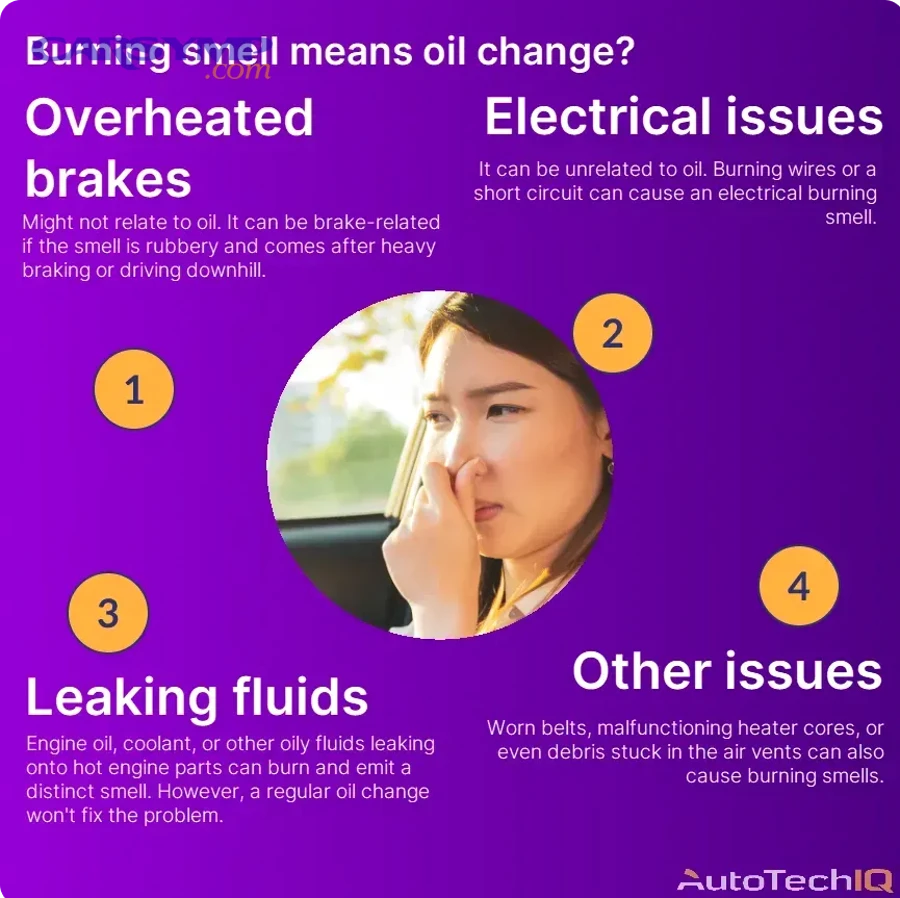
Specifically, look for oily wetness near gaskets and shields for oil; look for colored staining, dried crystals, and wet hoses for coolant. This aligns naturally with Burning oil smell causes and locations because odor location patterns often map to the underlying source route.

External oil burn vs internal oil consumption clues
External oil burn often produces smoke from the engine bay and strong smells at stops, while internal oil burning more often shows tailpipe smoke and oil level drop without bay residue. After that, you can prevent recurrence by targeting the correct system.
Specifically, if you see smoke wafting from the engine area near the firewall after a stop, suspect external leaks onto exhaust. If the bay is clean but oil level drops steadily, suspect internal consumption or ventilation ingestion, which again ties into PCV system problems that cause oil odor.
Cabin-only odor vs outside-only odor
Cabin-only odor suggests vapors entering through the HVAC intake or firewall gaps, while outside-only odor suggests under-hood residue or underbody burning. Next, you’ll prevent recurrence by sealing the pathway, not just fixing the leak.
Specifically, check the cabin air filter area for oil vapor contamination, verify the cowl drain paths are clear, and inspect grommets and weatherstrips near the firewall. If oil is leaking near the rear of the engine, it can send odor straight into the fresh-air intake zone.

Contextual Border
Beyond core prevention, the next section expands into unique and rare attributes—product choices, sealing philosophy, and long-term monitoring—so you can reduce odor recurrence across seasons and driving styles.
Supplementary: Advanced strategies to keep oil odor from returning
Should you use UV dye or powder to detect tiny future leaks?
Yes—UV dye or leak-detection powder helps catch micro seepage because (1) it reveals the true origin path, (2) it reduces “parts swapping,” and (3) it confirms whether cleaning solved the issue; the most important benefit is that you can detect a leak before it reaches hot exhaust. Next, use it to validate repairs after a few heat cycles.
Specifically, add the correct dye for engine oil, drive for 30–100 miles, then inspect with a UV light. Powder works well on dry surfaces where fresh oil will leave a clear track. This approach supports long-term prevention, not just one-time diagnosis.

Is “seal conditioner” oil a good idea or a risky shortcut?
Seal conditioners can help mild seepage but are not a cure because (1) they may temporarily swell aged seals, (2) they can mask a leak that needs mechanical repair, and (3) results vary by material and engine design; the safest use is short-term monitoring while you plan a proper fix. Next, match expectations to the type of leak you have.
Specifically, conditioners may reduce sweating at older seals, but they won’t fix warped covers, cracked housings, or torn gaskets. If odor comes from oil contacting exhaust, prioritize physical sealing and cleaning first, then consider oil formulation choices only as a secondary support.

How do you “future-proof” gasket jobs so they don’t seep again?
Future-proofing uses 4 principles—surface prep, correct torque pattern, parts quality, and pressure control—because most repeat seepage is installation-related or pressure-driven. Next, apply these principles especially to top-of-engine leaks that can reach exhaust quickly.
Specifically, clean mating surfaces without gouging, avoid over-RTV use that can squeeze out and create gaps, and follow torque specs in sequence. Replace brittle grommets and washers. If pressure is suspected, verify ventilation before redoing gaskets or you may repeat the same failure.

What long-term monitoring stops “oil smell surprises”?
Long-term control relies on 3 tools—baseline photos, a simple log, and periodic underbody checks—because odor surprises happen when small seepage slowly grows and residue accumulates unseen. Next, the table below turns monitoring into a quick schedule.
Before you follow the schedule, remember that prevention is easier when you track changes: a single new wet spot or a small oil level trend often appears weeks before smells become obvious.
This table contains a simple monitoring schedule that helps you catch tiny leaks and residue buildup before they reach hot exhaust parts and create odors.
| Frequency | What to check | What “good” looks like | What to do if you find an issue |
|---|---|---|---|
| Weekly | Odor after shutdown + oil level | No new smell; stable level | Inspect top-down; wipe and recheck next drive |
| Monthly | Valve cover area, filter housing, timing cover seams | Dry seams; no fresh sheen | Clean area; use UV dye if recurrence is unclear |
| Every oil change | Filter seal seating, drain plug washer, undertray residue | Dry after first heat cycle | Re-torque/replace washer; degrease splash paths |
| Seasonally | Ventilation behavior and hose condition | No pressure puffing; hoses intact | Test/replace PCV components; inspect for misting |
FAQ
Why does the smell come back even after I replaced a gasket?
It usually returns because (1) oil residue remained on shields and subframes, (2) crankcase pressure is still pushing oil out, or (3) the true source was misidentified; the most important step is cleaning plus retesting under heat so you can confirm whether seepage is fresh. Next, if it persists, use UV dye to locate the exact origin.
How long can leftover oil residue smell after a repair?
It can last from one drive to several days because oil trapped on heat shields and undertrays keeps vaporizing; duration depends on how much residue remains and how hot the surfaces get. After that, a thorough degrease and rinse typically shortens the fade-out dramatically.
Is a burning odor always dangerous?
No, but it can be, because (1) oil on exhaust can smoke heavily, (2) leaks can worsen quickly, and (3) oil near hot components raises fire risk in severe cases; the most critical point is visible smoke from the engine bay or oil dripping onto exhaust—those require immediate inspection. Next, if you see smoke, stop driving and check for active leaking safely.
What is the fastest way to stop the smell today?
The fastest path is: confirm no active leak, degrease the contaminated area, wipe hot-zone shields carefully when cool, and then retest after one heat cycle, because most “today smells” are residue-driven. After that, if odor returns, focus on ventilation and the top-of-engine leak points that can reach exhaust.
How should I mention this topic on Car Symp without overcomplicating it?
Keep it action-first: explain that preventing repeat odors is about stopping the source, cleaning residue, and controlling pressure and heat exposure. Next, link readers to deeper diagnosis pieces when symptoms persist—especially Burning oil smell causes and locations and Valve cover gasket leak onto exhaust symptoms—so they can move from prevention to pinpointing the root cause.