


Smoke from the engine bay usually comes from one of three root causes: overheated coolant turning into steam, oil or other fluid hitting a hot surface, or an electrical component overheating. The fastest way to stay safe is to treat it as a heat-and-fire risk until you prove it is harmless steam.
You also want a reliable method to narrow the source without guessing—using visible cues (color, thickness, location), smell, and simple checks you can do without tools. That approach prevents costly misdiagnoses like replacing a radiator cap when the real issue is an oil leak onto the exhaust.
Finally, good diagnosis is not only about “what is it,” but “how urgent is it.” Some smoke events are recoverable with a quick stop and cooling-down routine; others require shutting the engine off immediately and towing to avoid a fire or engine damage.
Giới thiệu ý mới: the sections below walk you from urgent safety decisions to step-by-step tracing, then finish with rare but critical causes that mimic normal steam.
Is engine-bay smoke an emergency right now?
Yes—treat it as urgent until proven otherwise because smoke can signal (1) active fluid ignition risk, (2) runaway overheating, or (3) melting electrical insulation. Tiếp theo, use a quick “STOP–LOOK–SMELL” routine before you keep driving.
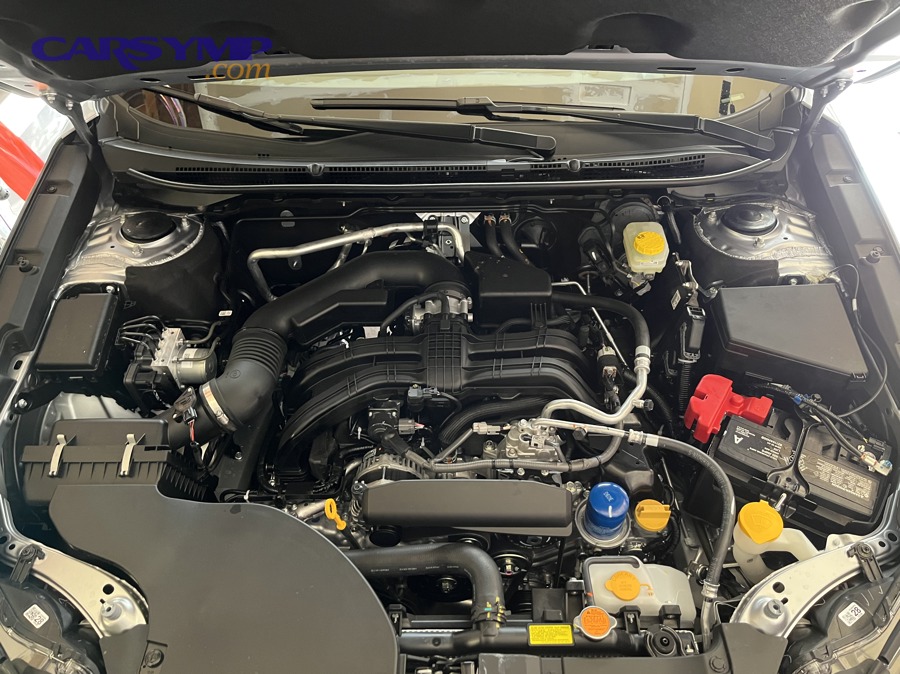
What to do in the first 30 seconds
Pull over safely, turn hazards on, and reduce heat by turning off A/C and turning cabin heat to max only if the engine temperature is climbing. Cụ thể, if the smoke thickens fast or you see flames, shut off the engine immediately and exit the vehicle.
- Stop airflow feeding a fire: park away from dry grass, keep people upwind.
- Protect the engine: do not keep revving “to clear it out.”
- Protect yourself: do not open the hood fully if smoke is heavy; crack it slightly only after a few minutes if needed.
When opening the hood is dangerous
If smoke is dense or you smell fuel, opening the hood can add oxygen and worsen a fire. Quan trọng hơn, if you see flickering light or hear popping, step back and call emergency services.
The reason for this cautious mindset is simple: engine-bay smoke is not a “symptom to observe” first—it is a risk to control first. Even if it ends up being harmless steam, you lose little by stopping early, but you can lose a lot by continuing until the heat escalates.
Theo nghiên cứu của National Fire Protection Association (NFPA) từ NFPA Research, vào 11/2024, các sở cứu hỏa Mỹ ước tính xử lý trung bình 215,096 vụ cháy xe mỗi năm (2018–2022), gây khoảng 643 ca tử vong dân sự/năm và thiệt hại trực tiếp khoảng 2.8 tỷ USD/năm.
What kind of smoke is it: steam, oil haze, or electrical smoke?
There are three main types—white steam, bluish oil haze, and sharp, acrid electrical smoke—classified by how they look, how they linger, and what they smell like. Để bắt đầu, match the type before you chase parts.
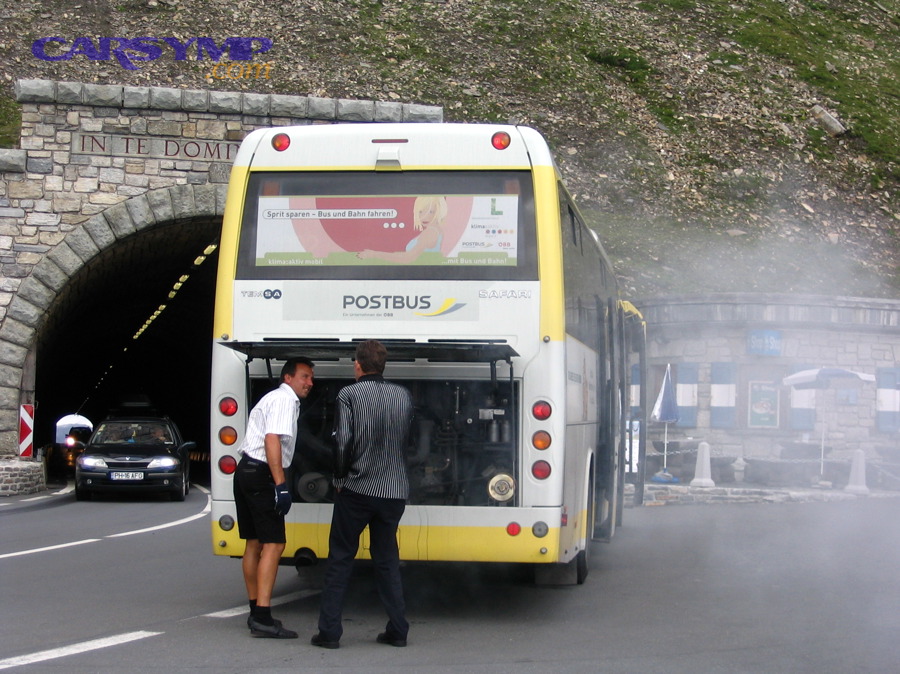
This table helps you quickly map appearance + smell + behavior to the most likely source and urgency level. It is designed to reduce guesswork when you only have a minute on the roadside.
| What you see | What it tends to smell like | How it behaves | Most likely source zone | Urgency |
|---|---|---|---|---|
| Thin white vapor | Slightly sweet or “hot water” | Dissipates quickly in air | Radiator/coolant reservoir/hoses | Medium to high (overheat risk) |
| Thicker white smoke | Sweet, coolant-like; may sting | Lingers; may leave damp residue | Coolant leak onto hot parts | High (rapid overheating possible) |
| Bluish-gray haze | Oily, hot, smoky | Hangs low; may leave oily film | Oil leak onto exhaust/turbo | High (fire risk + oil loss) |
| Gray/black smoke | Burnt plastic, acrid, sharp | Often pulses with load | Wiring, connectors, belt friction | High (electrical/fire risk) |
White steam that disappears fast
This is often coolant boiling or evaporating after a leak lands on hot metal. Ví dụ, a small hose seep can drip onto the exhaust shield and “flash” into steam without leaving puddles—until it gets worse under pressure.
Bluish or oily haze that lingers
This usually points to oil contacting high heat such as an exhaust manifold, turbo housing, or catalytic converter. Trong khi đó, it may start only after a drive because oil needs time to spread and the metal needs time to reach temperature.
In many cases the clue is the odor: the phrase burning oil smell describes a hot, oily smoke that clings to clothes and can seep into the cabin through the HVAC intake at the base of the windshield.
Acrid electrical smoke
This often indicates overheating insulation or a short rather than a fluid leak. Đặc biệt, electrical smoke can happen even with a normal temperature gauge, so do not assume “no overheat” means “safe.”
Theo nghiên cứu của National Highway Traffic Safety Administration (NHTSA) từ U.S. Department of Transportation, vào 09/2023, NHTSA cảnh báo cháy khoang động cơ có thể xảy ra khi xe đang đỗ hoặc đang chạy, và một lỗi chập điện có thể làm tăng nguy cơ cháy khoang động cơ.
Where is the smoke starting: front, center, rear, or under-car?
Use location as your first filter: front suggests radiator/serpentine area, center suggests valve cover or intake-side leaks, rear suggests exhaust/turbo or firewall-side drips, and under-car suggests fluid dripping onto exhaust. Sau đây, confirm with a safe visual scan.

Front of engine bay: cooling and belt zone
Smoke at the front often ties to coolant or belt friction. Cụ thể hơn, look for wetness around the radiator end tanks, upper hose connection, and the plastic coolant reservoir seam; then look for belt dust or rubber smell near pulleys.
Rear/firewall side: hot exhaust and hidden leaks
Rear-side smoke commonly involves hidden drips onto hot exhaust parts. Tiếp theo, check for shiny, wet streaks on heat shields and the back of the engine—this is where many drivers miss slow leaks that only smoke when hot.
Under the vehicle: drip-to-exhaust pattern
If smoke rises from below, suspect fluid hitting the exhaust. Ngược lại, if you only see vapor after stopping, heat soak can “cook off” leaks that were silent while moving.
To keep the diagnosis grounded, think in “heat maps”: the hottest areas (exhaust manifold, turbo, catalytic converter) create smoke from tiny leaks; the highest-pressure areas (cooling system under load) create steam bursts; the highest-current areas (starter/alternator cables) create acrid electrical smoke when loose or corroded.
Theo nghiên cứu của Bureau of Safety and Environmental Enforcement (BSEE) từ Safety Alert No. 386, vào 05/2020, nhiều sự cố cháy liên quan turbo và hệ thống xả có yếu tố chung là dầu động cơ, dầu thủy lực hoặc nước làm mát bốc cháy khi chạm bề mặt nóng như ống góp xả hoặc vỏ turbo.
Which components most often cause engine-bay smoke?
There are four common groups: (1) oil leaks onto hot exhaust, (2) coolant leaks/boiling, (3) power-steering/ATF/brake fluid contacting heat, and (4) electrical overheating at cables or connectors. Hãy cùng khám phá each group by its signature clues.

Oil leaks onto exhaust: small leak, big smoke
Oil on exhaust creates smoke quickly because the surface is extremely hot. Cụ thể, valve cover gaskets, cam seals, and oil filter housings can seep and drip onto heat shields; the smoke often appears after a stoplight or right after parking.
- Clue 1: oily residue on shields, not just wet plastic.
- Clue 2: smoke increases after highway driving (more heat).
- Clue 3: oil level may drop over days if the leak is active.
If you need a structured method, use the phrase How to inspect for oil dripping on exhaust as your checklist anchor: start at the highest wet point (often near the valve cover), then trace downward to the first hot surface that could “cook” the oil into smoke.
Coolant leaks and boiling: steam with urgency
Coolant-related smoke is usually steam from overheating or a pressurized leak. Ví dụ, a small hose split can spray coolant onto the exhaust manifold, creating a dramatic steam cloud even before the temperature gauge fully climbs.
- Clue 1: sweet smell and damp residue.
- Clue 2: bubbling or low coolant reservoir level after cooling down.
- Clue 3: heater output may turn cold if coolant is low.
Other fluids: power steering, ATF, brake fluid
Non-oil fluids can smoke too when they hit hot metal, but each has a different “feel.” Trong khi đó, brake fluid is very slippery and can damage paint; ATF often looks reddish-brown; power steering fluid can smell sharp when overheated.
Electrical overheating: insulation and connector failure
Electrical smoke points to heat at resistance points such as loose terminals, corroded grounds, or failing components drawing too much current. Đặc biệt, this can happen suddenly after rain, battery work, or aftermarket wiring changes.
When drivers confuse sources, the most common mistake is treating all smells the same. A careful Oil leak vs coolant leak smell comparison is practical: coolant tends to smell sweet and “wet,” while oil smoke tends to smell greasy and charred, often clinging longer to fabrics.
Theo nghiên cứu của Bureau of Safety and Environmental Enforcement (BSEE) từ Safety Alert No. 386, vào 05/2020, BSEE mô tả hiện tượng “oil feeds directly into the exhaust system and ignites” khi phớt dầu turbo hỏng, làm tăng nhiệt độ và nguy cơ cháy các bộ phận lân cận.
How can you trace the source safely without tools?
Use a 5-step method—cool down, observe, sniff, spot wetness, then confirm the highest wet point—to identify the source without touching hot parts. Tiếp theo, keep your hands and face out of the “steam line” as you inspect.
Step 1: Cool down and control pressure
Wait 10–20 minutes if you suspect coolant; pressure and heat can cause scalding. Cụ thể, never remove a radiator cap on a hot system; check the reservoir level only after cooling.
Step 2: Find the “smoke origin,” not the smoke cloud
Smoke drifts, so focus on the first visible wisp point near the engine. Để minh họa, oil smoke may appear at the hood seam but originate lower, where oil hits the exhaust shield.
Step 3: Look for fresh wetness and track upward
Gravity makes leaks travel down, so the key is the highest fresh wet spot. Hơn nữa, a bright flashlight angle often reveals glossy streaks you can’t see in flat light.
Step 4: Use the paper-towel “dab test” on cool surfaces only
Dabbing differentiates fluids—oil feels slick and stains; coolant feels watery; ATF may tint red/brown. Quan trọng hơn, do not dab belts, fans, or hot metal.
Step 5: Recreate conditions briefly (only if safe)
A short idle test can confirm whether smoke returns under light heat. Tuy nhiên, if smoke worsens quickly, shut down and stop testing—your goal is confirmation, not endurance.
If the smoke started right after an oil change, consider the common scenario where oil spills onto the exhaust or heat shield and burns off over the next few drives. That pattern often fits the phrase Burning smell after oil change diagnosis: it can be temporary, but only if you confirm oil is not actively leaking and the level is correct.
Theo nghiên cứu của National Fire Protection Association (NFPA) từ NFPA Research, vào 11/2024, báo cáo ghi nhận các vụ cháy xe có yếu tố “mechanical or electrical failure” thường tăng trong giờ đi làm và đạt đỉnh khoảng 2–6 p.m., nên việc kiểm tra sớm khi có dấu hiệu bất thường giúp giảm rủi ro leo thang.
What quick checks tell you “stop driving” vs “drive gently to a shop”?
Stop driving if you have rapid smoke increase, visible flame, fuel smell, or rising temperature; drive gently only if smoke is thin, fading, temperature stable, and you’ve identified a low-risk cause. Sau đây, use objective triggers—not hope.
Red flags that require immediate shutdown
Immediate shutdown is warranted when symptoms indicate fire or engine damage risk. Quan trọng hơn, these are the cases where “just a mile more” can convert a small leak into a total loss.
- Temperature rising fast or warning lights for overheating.
- Fuel odor or fuel wetness in the bay.
- Electrical burning smell with smoke near battery/alternator wiring.
- Smoke continues after shutdown (possible active ignition).
Yellow flags where cautious driving may be acceptable
Cautious driving may be acceptable only when the condition is stable and you can monitor it. Ví dụ, a small spill from recent service that steadily decreases each trip can be manageable if fluids are full and there is no new wetness.
- Thin steam that stops after a cool-down and no coolant loss is observed.
- Light oil haze that appears only after parking and fades quickly, with no fresh dripping.
- No warning lights, stable gauge, and no misfire or power loss.
Even then, treat the next 10–15 minutes as a controlled test: keep speed modest, avoid long idles, and be ready to pull over if smoke returns. If you carry a small ABC extinguisher, keep it accessible—but remember it is a last resort, not a license to continue.
Theo nghiên cứu của National Highway Traffic Safety Administration (NHTSA) từ U.S. Department of Transportation, vào 09/2023, NHTSA nêu rõ cháy có thể xảy ra khi xe đang đỗ hoặc đang chạy, nên nếu dấu hiệu cho thấy nguy cơ chập điện hoặc quá nhiệt, việc dừng và xử lý sớm an toàn hơn tiếp tục di chuyển.
How do overheating and coolant loss create smoke-like symptoms?
Overheating creates steam when coolant boils or leaks onto hot metal, and it can look like “smoke” even though it is mostly water vapor. Tiếp theo, you must decide whether it’s a one-time boil-off or an ongoing pressure leak.
Pressure leaks: why smoke can appear suddenly
Cooling systems run under pressure, so a weak hose or seam can hold until it fails under load. Cụ thể, climbing hills, towing, or hot weather can spike temperature and pressure, turning a small seep into a visible steam plume.
Boil-over and heat soak: why it happens after you stop
Heat soak increases temperatures after shutdown because coolant flow slows while metal stays hot. Trong khi đó, that’s why some drivers see steam only after parking—especially if the radiator fan or thermostat is not controlling heat properly.
Simple confirmation checks after cooling
Look for evidence of coolant loss rather than relying on the gauge alone. Ngoài ra, check the reservoir level when cool, look for crusty dried coolant trails, and note whether the heater performance changes.
Don’t confuse “steam that looks scary” with “no big deal.” Steam often means the cooling system is already losing its safety margin. Catching it early can prevent warped heads, head gasket damage, and secondary failures triggered by excessive heat.
Theo nghiên cứu của National Fire Protection Association (NFPA) từ NFPA Research, vào 11/2024, báo cáo cho biết cháy xe gây thiệt hại lớn và có xu hướng tăng tử vong dân sự theo năm gần đây, vì vậy các dấu hiệu nhiệt bất thường (kể cả hơi nước) nên được xử lý như cảnh báo nghiêm túc.
What should you do if smoke enters the cabin or appears at idle?
Cabin smoke often means the HVAC is pulling fumes from the engine bay, and idle smoke often means heat soak or a leak that worsens when airflow is low. Tiếp theo, switch HVAC to recirculate and prioritize finding the source zone.
Smoke in cabin: why it happens and what to change immediately
Outside-air HVAC intake can draw engine-bay fumes into the cabin at stoplights. Cụ thể, set HVAC to recirculate, close windows, and avoid idling—then pull over and inspect once safe.
Smoke at idle but not while moving
Airflow masks smoke while driving, then heat accumulates at idle and reveals the leak. Ngược lại, if smoke is worse while moving, suspect spray leaks (coolant or fuel) that intensify with vibration or load.
Why “burn-off” can be normal—but only sometimes
Service spills can burn off after maintenance, creating temporary haze. Tuy nhiên, the difference between “burn-off” and “active leak” is whether fresh wetness reappears after you wipe and recheck.
When the odor is oily and persistent, remember that small leaks can become larger as seals heat-cycle. The safer plan is to identify the highest wet point and fix it, instead of hoping it will “seal itself.”
Theo nghiên cứu của Bureau of Safety and Environmental Enforcement (BSEE) từ Safety Alert No. 386, vào 05/2020, một yếu tố phổ biến là “loose electrical connections” tạo nhiệt dư làm chảy và cháy lớp cách điện cáp, vì vậy khói có mùi nhựa cháy cần được coi là rủi ro cao.
FAQ: Quick answers drivers ask when engine-bay smoke appears
Most “quick questions” reduce to safety and certainty: what to do now, what not to touch, and how to avoid turning a minor leak into a fire. Sau đây, use these concise answers as a decision guide.

Can you drive if the smoke stops after a minute?
Sometimes, yes—but only if temperature is stable, smoke does not return, and you confirm it was a one-time burn-off or brief steam release. Quan trọng hơn, if you cannot explain it, assume it can recur and plan for a shop inspection.
Should you pour water on the engine to stop smoke?
No—cooling hot components suddenly can crack parts, and water can spread burning fluids or create steam blasts. Thay vào đó, shut down, allow cooling, and address the source leak.
Is it safe to open the coolant cap if I see steam?
No—pressurized coolant can erupt and cause severe burns. Tiếp theo, wait until fully cool, then check the reservoir level and visible leaks instead.
What if smoke started after rain or a car wash?
It can be harmless if it is light steam evaporating from hot surfaces, but rain can also trigger electrical shorts or belt slip. Đặc biệt, if you smell burnt rubber or plastic, inspect belts and wiring rather than assuming it’s “just water.”
Theo nghiên cứu của National Fire Protection Association (NFPA) từ NFPA Research, vào 11/2024, cháy xe chiếm khoảng 16% tổng số vụ cháy được báo cáo (2018–2022), nên các câu hỏi “có thể chạy tiếp không” nên được trả lời dựa trên dấu hiệu khách quan và mức rủi ro, không dựa trên cảm giác.
Contextual Border: Up to this point, the focus was mainstream causes (oil/coolant/electrical) and practical tracing. Beyond this border are less common but high-impact scenarios that can mimic normal steam or “burn-off.”
Less common but critical causes that mimic engine-bay smoke
There are four rarer categories that can look like normal steam or mild haze but carry higher risk: wiring harness overheating, turbo seal failure feeding oil into exhaust, accessory friction heating plastics, and recall-related electrical modules. Tiếp theo, use these patterns to avoid blind spots.
Wiring harness hot spots and melted insulation
Harness smoke often starts small—a faint acrid whiff at first, then visible wisps near a connector or battery cable. Cụ thể, look for discoloration, brittle insulation, or a connector that feels unusually warm (only if safe and not near moving parts).
- Common triggers: loose grounds, aftermarket splices, moisture intrusion, failing alternator diodes, or corroded relays.
- Why it mimics steam: thin smoke can appear “white” in bright light.
- What to do: shut down and tow if you suspect active electrical overheating.
Turbocharger oil-seal failure feeding oil into exhaust
A turbo oil-seal failure can create heavy smoke that seems to come from “everywhere” because the exhaust system distributes heat and vapor. Hơn nữa, smoke may worsen under boost or after long highway driving, then linger after stopping.
- Clue: smoke intensifies with acceleration, then continues at idle.
- Clue: oil consumption increases noticeably.
- Risk: oil on hot turbine/exhaust can ignite; do not keep driving if severe.
Accessory friction: belt slip, seized pulley, or debris on hot parts
Friction smoke is often rubbery or plasticky, not sweet like coolant or greasy like oil. Ví dụ, a failing idler bearing can overheat a belt, creating smoke that looks like steam in cold air but smells like burnt rubber.
Recall-related electrical modules and “park outside” warnings
Some smoke events are tied to known defects such as modules that can short internally and overheat. Quan trọng hơn, if your vehicle is under a fire-risk recall, follow the official “park outside” guidance and schedule the remedy immediately.
Theo nghiên cứu của Bureau of Safety and Environmental Enforcement (BSEE) từ Safety Alert No. 386, vào 05/2020, BSEE ghi nhận hơn 20 sự cố cháy liên quan turbo/hệ thống xả và khuyến nghị kiểm soát “hot spots,” duy trì lớp cách nhiệt ống xả, và giảm dùng ống mềm phi kim mang chất lỏng dễ cháy trong vùng động cơ.
Theo nghiên cứu của National Highway Traffic Safety Administration (NHTSA) từ U.S. Department of Transportation, vào 09/2023, NHTSA nêu một số xe có rủi ro cháy khoang động cơ do chập điện liên quan mô-đun ABS, và nhà sản xuất khuyến cáo đỗ xe ngoài trời xa nhà cho đến khi sửa chữa hoàn tất.
Smoke from engine bay diagnosis; engine bay steam vs smoke; oil leak onto exhaust symptoms; coolant leak steam under hood; electrical burning smell under hood; turbo oil seal smoke; belt slipping smoke; underhood fire warning signs