


If you’re doing a HEPA vs charcoal cabin filter comparison, the core tradeoff is simple: HEPA-style media is built to capture fine particles, while activated charcoal is built to adsorb odors and certain gases. The “best” choice depends on what you want to remove most—and what your vehicle’s HVAC can comfortably push air through.
Beyond that main decision, many drivers also want to know how each option affects airflow, fan noise, and long-term comfort on commutes in traffic, tunnels, wildfire haze, or dusty rural roads. Those scenarios can flip the “right” answer even if two filters look similar in a product photo.
To help you pick with confidence, we’ll compare performance by pollutant type, real-world driving conditions, and the hidden variables that make one filter feel amazing in one car but disappointing in another. We’ll also cover common selection pitfalls so you don’t pay extra for a feature your HVAC can’t fully use.
Giới thiệu ý mới: below is a practical breakdown you can use to match the filter type to your air-quality problem, your car’s airflow tolerance, and your driving pattern.
What does a HEPA vs charcoal cabin filter comparison reveal about particles vs odors?
HEPA-style cabin media is strongest for particle capture, charcoal is strongest for odor/gas adsorption, and combo designs try to balance both—usually with some compromise on airflow or service life. However, the real-world winner depends on the pollutant mix and your HVAC airflow reserve.
To begin, it helps to visualize the three “jobs” a cabin filter might be asked to do: stop dust/soot, reduce irritant fumes, and keep airflow comfortable at normal fan speeds.
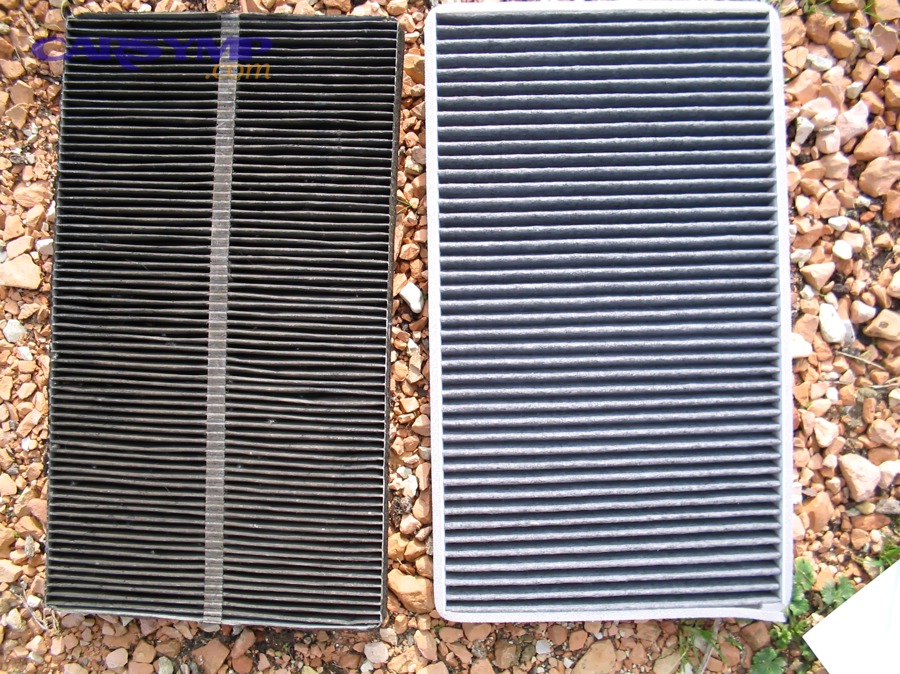
In broad terms, HEPA-style (or high-efficiency, fine-fiber) media targets small particulates such as road dust, pollen fragments, brake/tire wear particles, soot/black carbon, and some of the particle fraction associated with vehicle exhaust. Charcoal (activated carbon) targets smelly and reactive gases—think fuel-like odors, some solvent-like smells, and certain traffic-related gases—by adsorption rather than “sieving.”
Concretely, you can treat the choice like this: if your main complaint is sneezing, itchy eyes, and visible haze, prioritize the particulate side; if your main complaint is strong odors, exhaust smell, or chemical fumes, prioritize carbon. In many cities, commuters face both, which is why “combo” filters exist.
According to research by the U.S. Environmental Protection Agency (EPA) from its Indoor Air Quality resources, in Apr 2019, HEPA is defined as a pleated mechanical filter that can theoretically remove at least 99.97% of particles at 0.3 µm (the most penetrating particle size).
That definition is not automatically a guarantee for every product labeled “HEPA cabin filter” in automotive retail—because cabin filters often lack standardized consumer-facing ratings—so the rest of this guide focuses on how to interpret claims and choose based on constraints you can observe.
Is a HEPA-style cabin filter always better for allergies and PM2.5?
No—HEPA-style media is usually better for allergy-trigger particles and fine particulate exposure, but it is not always “better overall” because higher efficiency can increase pressure drop, and some cars can’t maintain comfortable airflow without higher fan speeds. In contrast, a good carbon filter may feel better if odors are your main trigger.
However, if the problem you’re solving is fine particle exposure (including PM2.5), higher-efficiency media is typically the more direct tool.
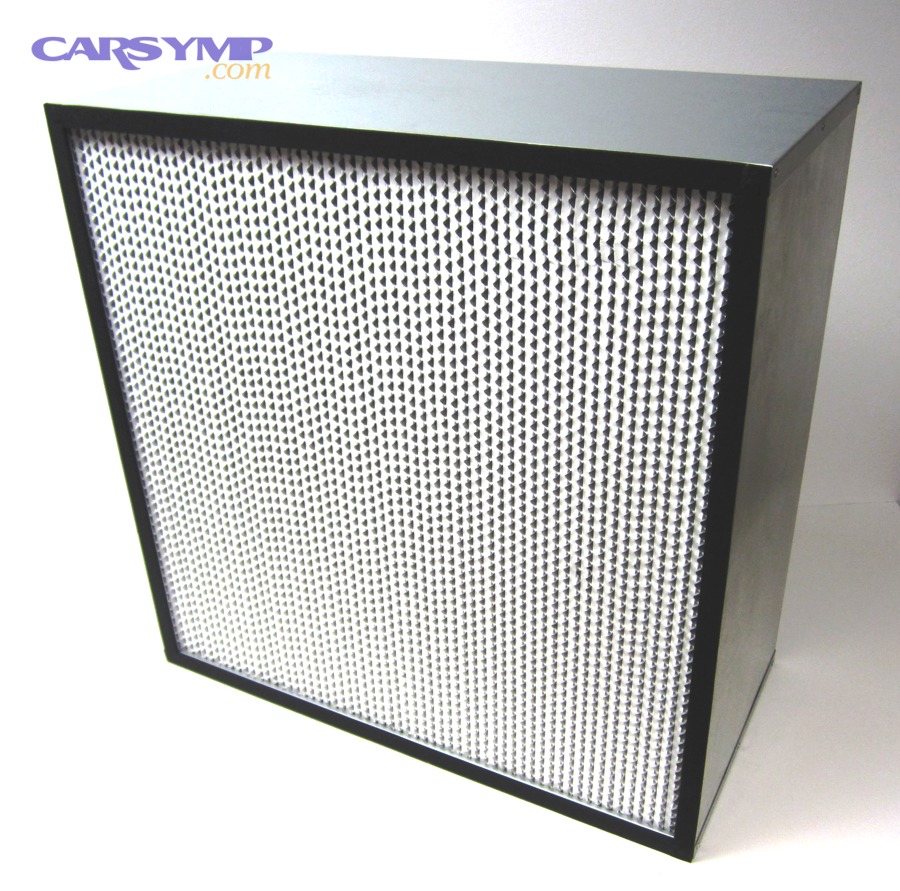
For allergies, the “felt benefit” often comes from reducing pollen, dust, and soot that make it through the intake. HEPA-style fibers increase capture through multiple mechanisms (interception, impaction, diffusion) rather than acting like a simple mesh, which is why they can be effective even for very small particles.
But there are two important caveats:
- Airflow reserve matters: if your HVAC is already marginal, a higher-resistance filter can make the cabin feel stuffy at the same fan setting.
- Recirculation behavior matters: if you frequently use recirculation in heavy traffic, the cabin’s particle levels may drop significantly even with a standard filter—yet CO2 can rise if you never refresh outside air.
According to research by University of California Riverside researchers working on vehicle cabin air quality, in Aug 2017, tests of fractional recirculation showed that recirculation can reduce particle concentrations while highlighting a trade-off with CO2 accumulation under 100% recirculation.
So, the “always better” answer is false. A HEPA-style cabin filter is usually the best move when particles are the dominant issue, but the best user experience comes from pairing the filter choice with sensible ventilation habits.
How does activated charcoal reduce smells and traffic gases inside the cabin?
Activated charcoal reduces odors and some traffic gases by adsorbing molecules onto a high-surface-area carbon structure, which is fundamentally different from particle filtration. However, adsorption capacity is finite, so performance can drop noticeably once the carbon sites fill—especially in polluted corridors.
To understand why charcoal feels “magical” for smells, you only need one mental model: gases stick to carbon surfaces until the material approaches saturation, and then “breakthrough” happens.
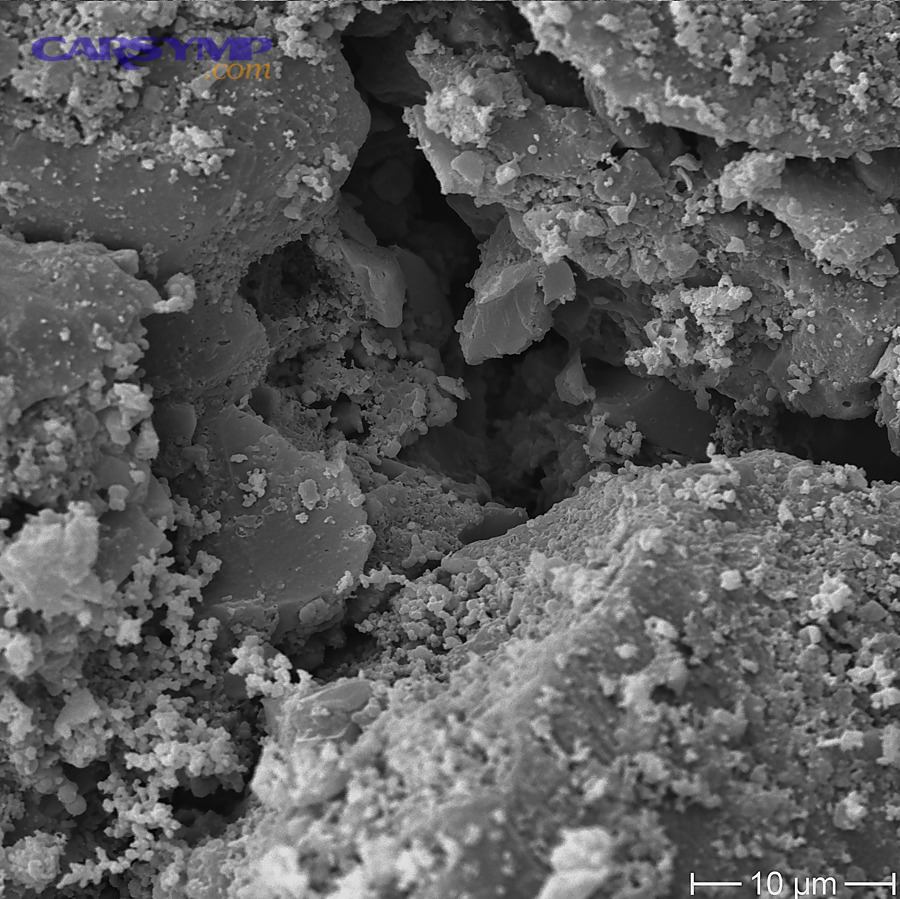
Charcoal layers are most helpful for the things a plain particulate filter struggles with: exhaust odors, fuel/solvent-like smells, and certain reactive gases. The catch is that not all charcoal filters are equal: carbon amount, contact time, airflow speed, humidity, and the specific pollutant species all affect results.
Here’s what charcoal can do well in many real-world situations:
- Odor suppression when behind smoky or poorly maintained vehicles
- Targeted reduction of some traffic-related gases (not all gases are equally adsorbed)
- Improved comfort in tunnels or stop-and-go corridors where smells concentrate
According to research by Matthaios and colleagues published in Nov 2022 (real-world intervention across multiple vehicles), replacing used filters with new activated carbon cabin filters was associated with an 87% average reduction in in-vehicle NO2 levels (range 80–94.2%) compared to on-road concentrations.
That kind of result is why charcoal is often the right answer for “my car smells like exhaust in traffic,” even if the pollen/dust story points you toward high-efficiency particulate media.
Do combo filters deliver both benefits, or do they compromise too much?
Combo filters can deliver meaningful benefits for both particles and odors, but they often compromise by adding resistance, reducing carbon contact time, or using thinner carbon layers. However, a well-designed combo can be the best “one-filter” solution when you face both soot and fumes on the same commute.
Next, it helps to see what combo designs physically look like: typically a pleated media layer paired with a carbon layer, impregnated carbon, or a separate carbon stage.
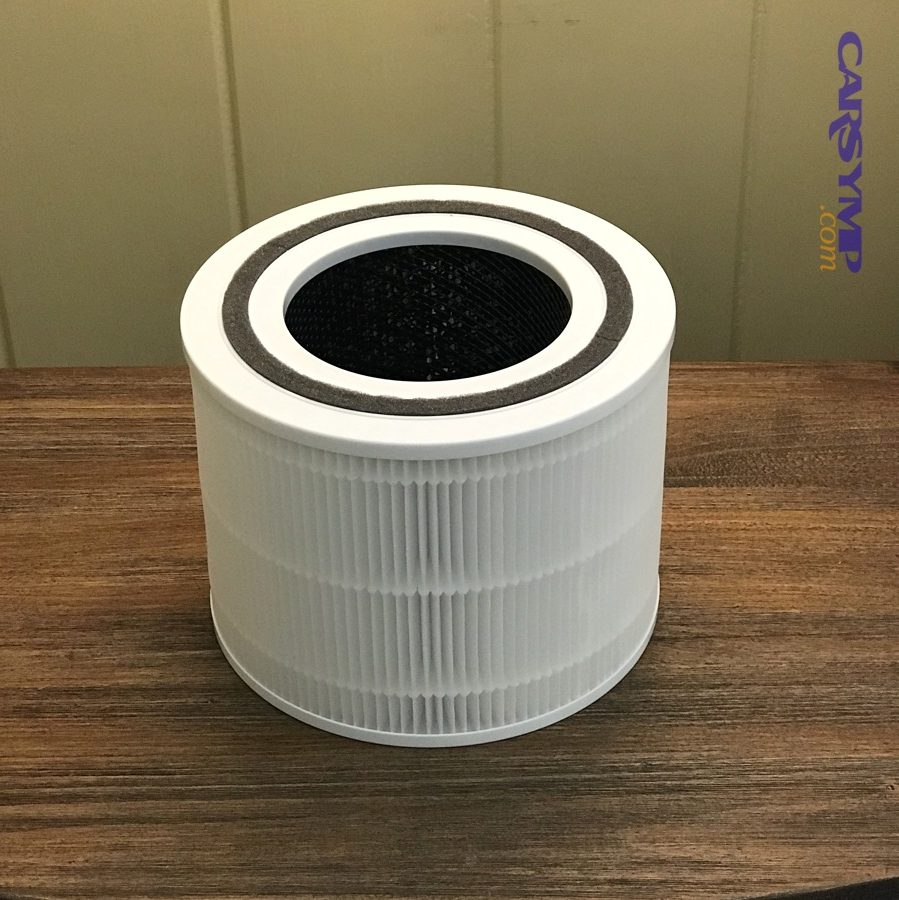
In practice, combo performance hinges on three variables:
- Media efficiency (fiber density, electrostatic charge, pleat design)
- Carbon mass and structure (how much adsorption capacity exists before saturation)
- Airflow and contact time (how long the air interacts with carbon)
According to research by Chan et al. in Applied Sciences (published in Sep 2021), charcoal cabin filters showed variability for VOC removal, with reported BTEX removal efficiencies from 11% to 41%, highlighting that carbon performance can vary significantly by filter design.
So, combo filters are not automatically “the best of both worlds.” They’re best viewed as a balanced strategy for mixed exposures, especially when you want noticeable odor improvement without giving up too much particulate protection.
Which type restricts airflow more, and why does that matter for comfort?
HEPA-style media usually restricts airflow more than standard particulate media, and adding carbon can further increase restriction; that matters because higher resistance can force higher fan speeds, raising noise and sometimes reducing the perceived “freshness” of airflow. However, some high-efficiency designs use fine fibers and smart pleat geometry to limit the penalty.
In other words, filtration isn’t free: the HVAC must push air through the filter, and resistance shows up as weaker vents at the same fan setting.
Airflow restriction becomes a practical issue when you notice one or more of these:
- You must run the fan one or two steps higher than before to get the same airflow
- Defrost performance feels slower in humid weather
- Cabin airflow feels uneven across vents
According to research by CDC/NIOSH authors reporting on a high efficiency cabin air (HECA) filtration system, in Mar 2015, the same HECA filter discussed achieved about 99% average filtration efficiency in a standardized test and was associated with around 20% reduction in ventilation airflow rates when used in passenger vehicles—illustrating the real-world pressure-drop tradeoff.
This doesn’t mean “avoid efficiency.” It means you should match efficiency to your vehicle’s airflow reserve and your climate needs (hot weather A/C volume, winter defrost). If your car already has weak blower output, a very restrictive filter may create a worse daily experience than a slightly lower-efficiency option.
How should you choose for your driving environment: traffic, wildfire smoke, tunnels, or dusty roads?
There are three main scenario-based choices: pick HEPA-style media for particle-dominant environments (wildfire smoke, dust, soot), pick charcoal for odor/gas-dominant environments (traffic fumes, tunnels), and pick a combo when your commute regularly includes both. However, you should also account for whether you drive with windows closed and how often you use recirculation.
Below is a practical grouping you can apply immediately, then refine based on comfort and maintenance frequency.
- Wildfire haze / heavy PM2.5 days: prioritize high-efficiency particulate media; consider combo if odors are also strong.
- Stop-and-go traffic corridors: activated carbon often provides the most noticeable day-to-day improvement in comfort; combo if you also see soot/dust buildup quickly.
- Tunnels and enclosed routes: carbon is often the “felt improvement” choice because smells and gases accumulate; still, particles remain, so combo can be compelling.
- Rural dust / construction zones: high-efficiency particulate media is typically the most rational choice; carbon is optional unless odors are frequent.
According to reporting that references air-quality researchers (including UCLA), in Aug 2019, using vehicle recirculation and keeping windows up was described as a way to substantially reduce particulate infiltration in heavy traffic—while also warning that prolonged recirculation can increase CO2 and cause drowsiness or headaches without periodic fresh-air exchange.
So the best choice is not only a filter—it’s a filter plus a ventilation habit suited to your environment.
What does the data say about real-world particle and VOC reductions in vehicles?
Real-world studies suggest cabin filtration and ventilation settings can meaningfully reduce in-cabin particles, while carbon layers can reduce certain gases, but results vary by vehicle, filter design, and use patterns. However, the consistent theme is that “better-than-stock” filtration can materially lower exposure when windows are closed and systems are used correctly.
Next, let’s anchor expectations with published findings rather than marketing claims.
On the particulate side, high-efficiency cabin filtration concepts (including HECA systems) have shown large reductions in ultrafine particles under realistic conditions. On the gas side, activated carbon has demonstrated strong reductions for NO2 in targeted interventions, and moderate/variable reductions for certain VOC groups like BTEX depending on design and saturation.
According to research shared via CDC/NIOSH resources, in Mar 2015, HECA filters applied in passenger vehicles were reported to reduce ultrafine particle concentrations by 93% under realistic driving conditions (referenced as prior work within the school bus filtration study).
According to research by Matthaios et al. (real-world driving across ten vehicles), in Nov 2022, new activated carbon cabin filters were associated with an 87% average reduction in in-vehicle NO2 exposure compared to on-road concentrations.
These two points help you set a realistic expectation: high-efficiency media can be extremely effective for particle reduction when the system is well matched, and activated carbon can be extremely effective for certain traffic gases—yet product-to-product variability remains a major factor.
How can you compare options quickly with a decision table?
You can compare filters by six decision criteria: particulate performance, odor/gas performance, airflow restriction, replacement pace, climate/defrost needs, and value. However, the “best score” depends on your priority order, not a universal ranking.
This table contains a quick, criteria-based guide to help you match filter type to your most important outcome.
Below is a summary table that helps you decide in under two minutes.
| Criterion | HEPA-style (particle-focused) | Activated charcoal (odor/gas-focused) | Combo (particle + carbon) |
|---|---|---|---|
| Fine particles (soot, dust, pollen fragments) | Best when truly high-efficiency | Good if paired with a decent media layer | Very good if media is strong |
| Odors and some traffic gases | Limited | Best when carbon mass is sufficient | Good, depends on carbon thickness |
| Airflow restriction risk | Medium to high | Low to medium | Medium to high |
| Best for wildfire haze / dust | Yes | Sometimes (mainly for smell) | Yes if airflow is acceptable |
| Best for tunnels / exhaust smell | Sometimes | Yes | Yes |
| Replacement sensitivity | Particles load media; replace when airflow drops | Carbon saturates; replace when odors return | Replace when either symptom appears |
According to research by Chan et al. in Sep 2021, charcoal VOC performance (BTEX removal) varied widely across filters (11–41%), which is why “carbon present” is not the same as “carbon effective.”
Use this table as a starting point, then confirm your choice with the next sections on airflow, service life, and installation quality.
How long do HEPA-style and charcoal filters last in real driving?
HEPA-style media typically lasts until it becomes particle-loaded and airflow drops, while charcoal layers often feel “used up” when odors and fumes start returning even if the filter still looks clean. However, real service life depends heavily on pollution intensity, humidity, fan use, and whether you run recirculation often.
Next, you’ll want to match replacement timing to the symptom that signals performance decline, rather than relying only on mileage.
Typical “life-ending” patterns look like this:
- Particle-loaded media: airflow weakens, fan sounds strained, defrost feels slower, dust accumulation seems faster.
- Carbon saturation: traffic smells return quickly, tunnel odor lingers, “chemical” smells are less muted than before.
Concretely, if your goal is odor reduction, replace earlier than you would for dust—because adsorption capacity can decline before a visible dirt layer forms. In contrast, if your goal is particle reduction, airflow and visible loading may be the more reliable signal.
According to reporting that cites air-quality experts, in Aug 2019, filter replacement every 6–12 months was suggested as a practical interval for many drivers, with adjustments based on how much and where you drive.
In the body of your maintenance plan, you can include cabin air filter replacement as a seasonal habit: once before peak summer A/C demand or before winter defrost season, and again mid-year if you drive in heavy pollution corridors.
What installation details make the same filter perform differently?
Installation quality can make or break performance because bypass leaks and incorrect orientation can let dirty air slip around the media, reducing both particle capture and carbon contact time. However, the fix is usually simple: correct seating, correct direction, and correct cover fit.
To begin, remember that a cabin filter is only effective if air is forced through it rather than around it.
Three high-impact details:
- Seal and seating: the filter frame should sit flush so air can’t bypass the edges.
- Orientation: follow airflow arrows or the service manual guidance for direction.
- Housing closure: a slightly mislatched cover can create a permanent bypass gap.
Below is a short video overview that demonstrates typical cabin filter access and replacement steps; adapt the steps to your specific vehicle layout.
In practical troubleshooting, Signs of incorrect filter installation often show up as: airflow suddenly worse than expected, persistent odors despite a new carbon filter, dust on vents shortly after replacement, or whistling noises from the filter door area when the fan is high.
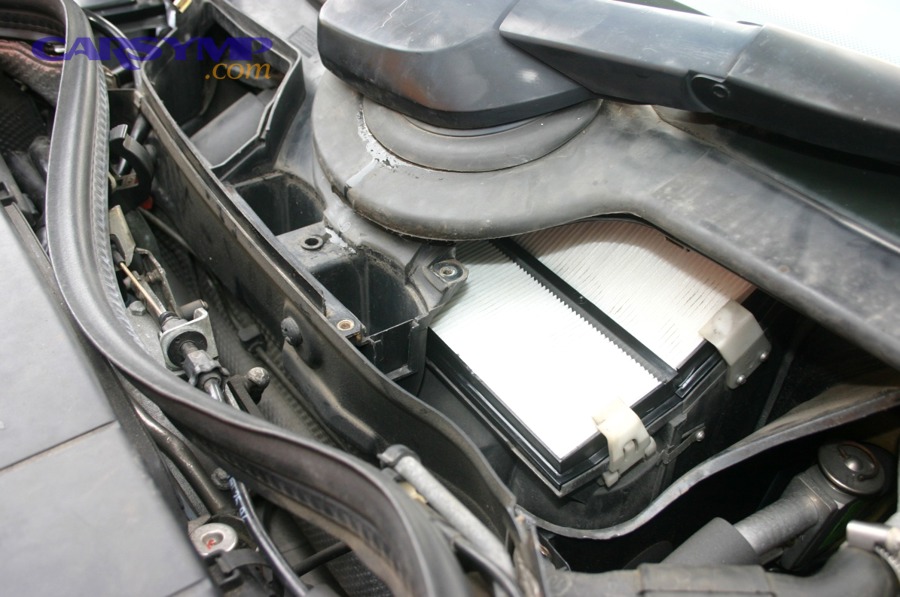
Also note that Cabin air filter location by car type varies—common spots include behind the glove box, at the base of the windshield under a cowl panel, or in a footwell side panel—so the easiest correct-install strategy is to follow the OEM service steps for your layout.
Can a “too-restrictive” filter cause blower strain or HVAC issues?
Yes—a very restrictive filter can increase the load on the blower system by forcing higher fan settings for the same airflow, which can increase noise and perceived strain, but it usually does not “damage” a healthy blower on its own. However, if your blower is already weak or debris-prone, high restriction can amplify existing problems.
Next, focus on the practical symptom chain rather than assuming the filter is “bad” by default.
Think of it as a balance: higher filtration can improve air quality, but it can also make the blower work harder to move air. If the fan must run higher more often, you’ll notice more noise and potentially faster accumulation of debris on the upstream side of the filter door area.
To prevent discomfort and reduce system stress, a smart approach is:
- Choose the highest efficiency your vehicle can tolerate while keeping normal airflow at your typical fan setting.
- Replace earlier if you drive in heavy dust/soot so the filter doesn’t become a “plug.”
- Keep intake areas clear of leaves and debris so the blower isn’t fighting upstream blockages.
According to research described in a CDC/NIOSH shared paper (published Mar 2015), a high-efficiency cabin filter concept was associated with about a 20% reduction in ventilation airflow in passenger vehicle use, illustrating how efficiency upgrades can create measurable airflow penalties.
In your maintenance notes, you can frame this as Preventing blower motor strain with clean filters: if airflow drops, don’t just raise fan speed forever—restore airflow by replacing the filter and clearing intake debris.
How do you avoid marketing traps when cabin filters lack consistent ratings?
You avoid marketing traps by validating three things: whether the filter specifies what it targets (particles vs gases), whether it fits your vehicle without bypass gaps, and whether your HVAC can maintain airflow with it. However, because cabin filters often lack standardized consumer ratings, you may need to rely on reputable test references and conservative expectations.
To begin, treat vague labels like “high efficiency” as incomplete information unless the brand provides test context.
Here’s a practical checklist that works even without a formal rating label:
- Be explicit about your pollutant: particles (dust/soot) → high-efficiency media; odors/gases → activated carbon; both → combo.
- Confirm fit and sealing: correct part number and a rigid frame that seats well.
- Watch for airflow warnings: if users report weak vents on the same vehicle model, consider a less restrictive option.
- Plan a reality test: evaluate odor reduction in traffic and airflow at your normal fan setting in the first week.
You can also store your decision logic as a small semantic index for quick future reference:
Entity: cabin filter
Root attributes: particle capture, odor/gas adsorption, airflow resistance, sealing/bypass
Unique attributes: carbon saturation behavior, combo-layer design, recirculation tradeoffs
Rare attributes: NO2 intervention results, BTEX variability range, CO2 buildup dynamics
Finally, document your observations like you would for Car Symptoms: if the cabin smells return quickly, suspect carbon saturation; if airflow is weak, suspect loading or excessive restriction; if dust appears rapidly, suspect bypass or a housing seal issue.
Contextual Border: The main comparison above answers the core intent. Below are nuanced, often-overlooked questions that change outcomes in real life—especially when your commute or HVAC behavior is atypical.
FAQ: Nuanced factors that change HEPA vs charcoal results
Does recirculation make a bigger difference than the filter itself?
Often yes—recirculation can dramatically reduce outside pollutant inflow, but it can also raise cabin CO2 if used continuously. However, the best approach is balanced: use recirculation in high pollution bursts, then refresh with outside air periodically to manage CO2 and comfort.
For example, a study on fractional recirculation showed particle concentrations could be reduced while CO2 could rise to around 3000 ppm under 100% recirculation, and introducing as little as 25% fresh air helped drop CO2 while keeping particles lower.
Why do some carbon filters stop working “suddenly”?
Carbon adsorption can feel sudden because once the carbon approaches saturation, breakthrough increases rapidly and odors return quickly. However, humidity and pollutant load can accelerate saturation, so the same filter may last months for one driver and weeks for another.
In real-world NO2 intervention testing, new activated carbon filters were associated with large reductions compared to on-road levels, which implies that “freshness” of carbon capacity is a key variable.
Is “HEPA” in automotive listings always true HEPA?
Not always—some products use “HEPA-like” language without clear standardized verification, while true HEPA is formally defined and commonly discussed in regulated contexts. However, you can still benefit from high-efficiency cabin media even if it is not certified as “true HEPA,” as long as it is well-designed and fits correctly.
The EPA explains HEPA as a pleated mechanical filter that can theoretically remove at least 99.97% of particles at 0.3 µm, which is a useful benchmark for understanding what “HEPA” means in principle.
What’s the simplest “best for most drivers” recommendation?
A combo filter is often the best single purchase for mixed city commuting because it improves particle comfort and reduces many odors, but you should switch to particle-focused high-efficiency media during severe smoke/dust periods and to heavier carbon options if fumes are your dominant complaint. However, always confirm airflow comfort in your specific vehicle.
Also, if you notice airflow drop or odors returning, adjust your replacement timing instead of assuming the filter “never worked.”