


A heater core leak usually announces itself with a tight cluster of cabin-only clues—coolant odor, interior moisture, and film on glass—because the leak happens inside the HVAC box under the dashboard, not out in the engine bay where drips are easy to spot. This guide helps you identify heater core leak symptoms quickly so you can protect visibility, prevent coolant loss, and avoid overheating.
Next, you’ll learn how those symptoms form and why they feel “inside the car” instead of “under the hood,” which is the fastest way to separate heater core issues from ordinary condensation or a wet carpet problem.
Then, we’ll compare heater core leak signs with other common culprits—like an A/C drain issue or an external coolant leak—so you can narrow the diagnosis before you spend money on unnecessary parts.
Introduce a new idea: once you know what to look for, you can perform a few safe checks at home and decide whether you need immediate coolant leak repair, a shop pressure test, or a scheduled heater core replacement.
What is a heater core leak, and why does it create “cabin” symptoms?
A heater core leak is a coolant leak from the small radiator-like heat exchanger inside your dashboard, and it stands out because the coolant can enter the HVAC housing and airflow, creating odor, moisture, and windshield film inside the cabin rather than obvious puddles under the engine.
To better understand why this matters, you need a clear mental picture of where the heater core sits and how the HVAC system moves air across it—because that airflow turns a tiny seep into big, obvious symptoms.

In most vehicles, engine coolant circulates through the heater core whenever the engine is warm (exact flow depends on the vehicle design and valve setup). When you request heat, the blower motor pushes cabin air across the heater core’s fins, warming the air before it exits the vents. If the heater core develops corrosion pinholes, cracked end tanks, or a failing seal, coolant can seep into the HVAC case.
That single “inside the HVAC box” detail explains why heater core leaks behave differently from most cooling system leaks:
- Airflow amplifies the clue. A seep that might look minor on the driveway becomes a noticeable smell or mist when the blower moves air across the damp surface.
- The cabin becomes the “leak pan.” Coolant can soak insulation, drip down behind the center console, or pool on the passenger side floor area.
- Visibility becomes part of the problem. Warm, moist air with trace glycol can fog glass and leave residue on the inside of the windshield.
What does “heater core leak symptoms” mean in practical terms for drivers?
“Heater core leak symptoms” means a specific mix of sensory and performance clues that show up where you sit: a sweet smell near the vents, foggy windows that return quickly, damp carpet under the dash, and coolant level dropping even when you don’t see an external leak.
Specifically, drivers notice symptoms in four categories:
- Smell clues: odor strongest after warm-up or when heat is turned on.
- Glass clues: fogging and/or a slightly greasy haze on the inside of the windshield.
- Floor clues: dampness, sticky residue, or colored staining on passenger carpet or insulation.
- Cooling-system clues: coolant loss and sometimes rising engine temperature.
Those categories form a reliable “pattern.” One symptom alone can be misleading, but two or more together often points directly at the heater core.
Why can a small leak cause big visibility and comfort problems?
A small heater core leak can create big problems because the HVAC blower spreads moisture and trace coolant into the cabin air, which then condenses on cooler glass surfaces and can leave film that’s harder to clear than normal humidity fog.
More specifically, warm air holds more moisture. When that warm, damp air hits a cool windshield, it condenses quickly—especially on cold mornings or during rain. If the leak includes tiny droplets or vapor, the condensation can carry residue that creates a persistent haze.
This is why the heater core symptom cluster often includes:
- fogging that “comes back” shortly after defrost clears it,
- an odor that spikes when you change fan speed,
- and a windshield that feels like it needs repeated wiping.
Evidence: According to a study by University of Fribourg from the Department of Medicine, in 2012, reduced visibility conditions measurably altered driving behavior in simulation (including large changes in speed under fog-like visibility), showing why visibility loss is a safety-critical symptom, not just an annoyance. According to the source at pmc.ncbi.nlm.nih.gov, this research is discussed in their article archive.
What are the most common warning signs of a heater core leak?
There are five main warning signs of a heater core leak—cabin coolant odor, fog/film on glass, wet passenger carpeting, weak or inconsistent heat, and coolant loss/overheating risk—based on where the heater core sits (inside the HVAC housing) and how airflow spreads leak evidence.
Next, treat these as a ranked checklist: the more of them you have at the same time, the higher the confidence that the heater core is the leak source.
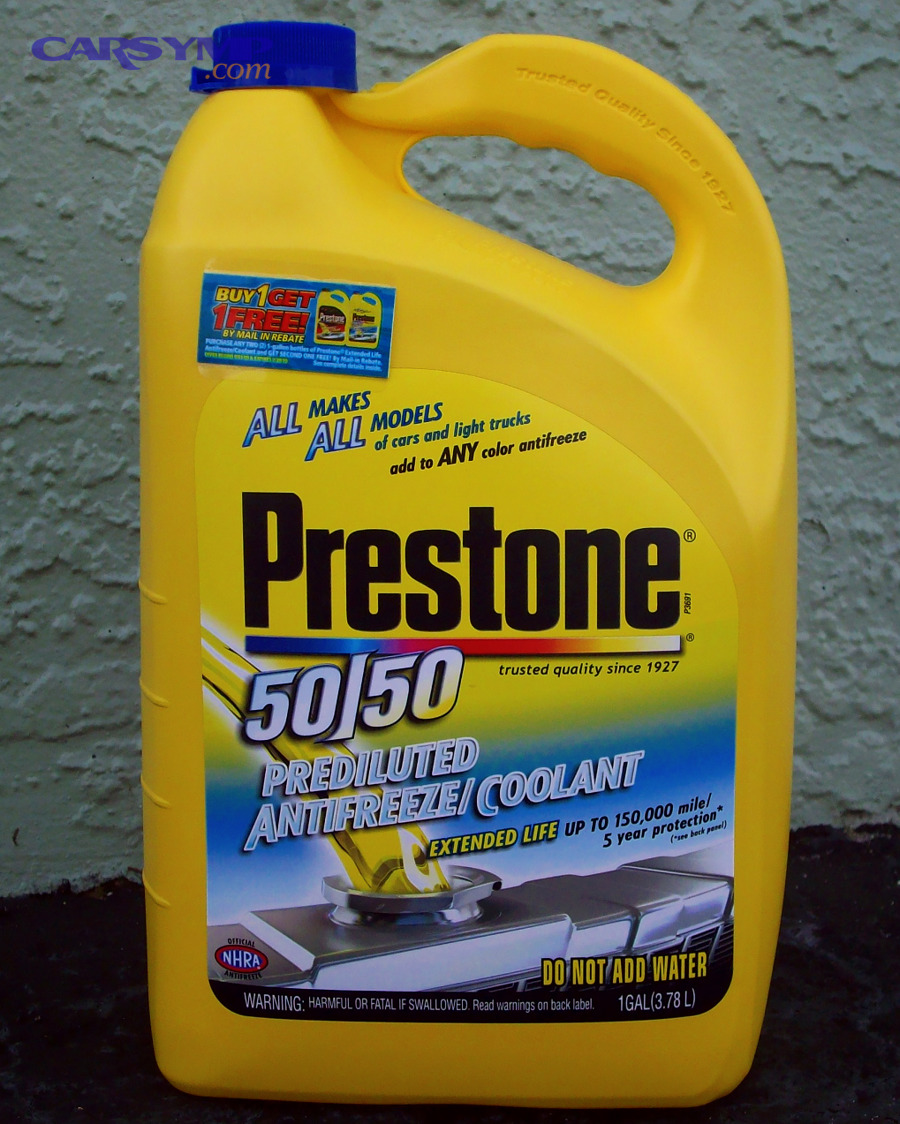
Does a sweet coolant smell inside the car mean the heater core is leaking?
Yes—a sweet smell inside the cabin often points to heater core leak symptoms because (1) coolant odor gets pulled directly into the vent airflow, (2) the smell spikes when you turn the heat on or raise fan speed, and (3) it commonly appears alongside fogging or damp carpet rather than an engine-bay drip.
However, you still need pattern confirmation. Use these “odor rules”:
- Stronger at the vents than under the hood → favors heater core.
- Stronger with heat ON → favors heater core.
- Smell appears with no visible external leak → favors heater core (not guaranteed, but meaningful).
If the odor is only present outside the car near the front, you may be dealing with an external coolant leak that gets pulled into the fresh-air intake—still urgent, but a different leak location.
Is fogging or a greasy film on the windshield a strong heater core leak symptom?
Yes—foggy windows and a persistent inner haze are strong heater core leak symptoms because (1) the leak adds moisture to HVAC airflow, (2) glycol residue can leave a film that reappears after wiping, and (3) the issue often worsens when you use defrost or heat.
Meanwhile, you can do a quick “wipe test” safely:
- Wipe the inside windshield with a clean microfiber.
- If it feels slightly oily or smears easily and returns quickly, treat that as a high-suspicion clue—especially if paired with odor and coolant loss.
This matters because visibility problems are not optional; if defrost can’t keep glass clear, driving becomes unsafe.
Why is the passenger-side floor wet when the heater core leaks?
The passenger-side floor gets wet because a heater core leak happens behind the dash, and gravity plus HVAC housing design often routes coolant toward the passenger footwell insulation and carpet before it ever reaches the ground outside.
In addition, coolant doesn’t behave like clean water:
- It can feel slippery or slightly sticky when rubbed between fingers (avoid skin contact when possible; wash after).
- It often leaves colored staining (green, orange, pink, etc., depending on coolant type).
- It can soak the thick foam under carpet, so the surface may feel “almost dry” while the underlayer is saturated.
A wet passenger floor can also come from rainwater intrusion or an A/C evaporator drain problem, which is why comparison is essential (we’ll do that in the next section).
Can low coolant or overheating be caused by a heater core leak?
Yes—a heater core leak can cause low coolant or overheating because (1) any coolant loss reduces system volume, (2) air can enter the cooling system and reduce circulation efficiency, and (3) once coolant drops far enough, the engine can overheat and suffer major damage.
More importantly, coolant loss that keeps returning after you top off is not a “monitor it” situation. It’s a diagnosis situation. If you keep refilling coolant without finding the leak, you raise the chance of overheating at the worst time—like traffic or a long hill.
Evidence: According to AutoZone, common heater core leak symptoms include a sweet coolant smell in the cabin, foggy windshield, damp floor mats, poor heating performance, and low coolant levels—matching the primary warning-sign cluster used by technicians. According to the source at autozone.com, these are listed as key signs of a leaking heater core.
How can you tell a heater core leak vs other problems with similar symptoms?
A heater core leak wins in cabin-only evidence (odor + fog/film + under-dash wetness), an A/C drain issue is best explained by clear water wetness after A/C use, and an engine-bay coolant leak is optimal for external drips/white residue and a smell strongest under the hood.
To better understand the difference, use “location logic”: the symptom should match where the fluid originates and when the HVAC system is active.
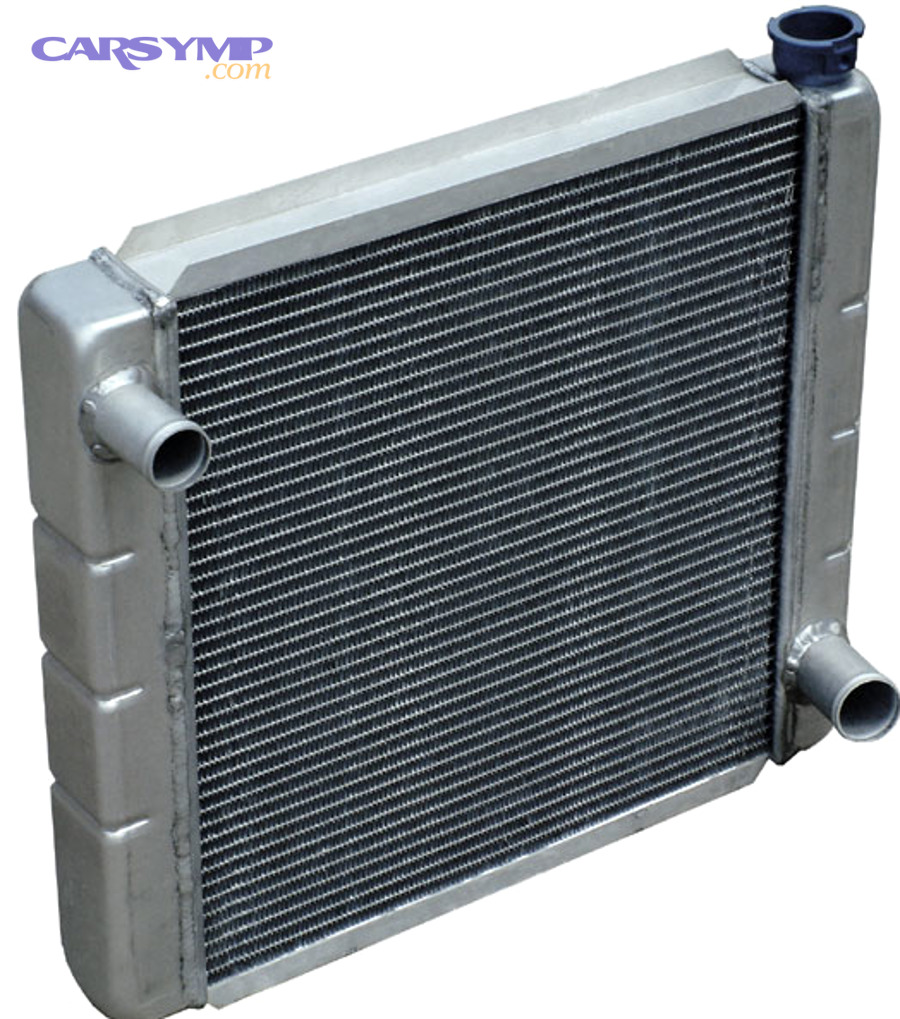
Before the deep comparison, here’s a quick decision table. It’s designed to support Coolant leak locations and quick identification without special tools.
The table below compares the most common symptom patterns across three scenarios: a heater core leak, an A/C evaporator drain issue, and an external cooling-system leak such as a radiator, hose, or water pump.
| Symptom clue | Heater core leak | A/C drain issue | External coolant leak (radiator/hose/water pump) |
|---|---|---|---|
| Fluid on passenger carpet | Often yes; may feel sticky/colored | Yes; usually clear water | Usually no (unless it drips through firewall area) |
| Odor in cabin | Often yes; coolant-like | No | Sometimes (if fumes enter intake), but stronger under hood |
| Foggy windows / film | Common | Possible humidity only (no film) | Not typical |
| Coolant level dropping | Common | No | Common |
| Visible drip under engine | Not always | Sometimes water drip from drain | Common |
This table also sets you up for Radiator vs hose vs water pump leak diagnosis: those external leaks often leave visible evidence in the engine bay, while heater core leaks hide inside the dash.
Heater core leak vs A/C evaporator drain clog: which one makes the carpet wet?
Heater core leak wins when the wetness is coolant-like, while an A/C drain clog wins when the wetness is clear water after air conditioning use.
However, the confusion is common because both problems show up in the passenger footwell. Use these rules:
- When does it happen?
- Wet after running A/C on humid days → favors A/C drain clog.
- Wet after using heat/defrost → favors heater core leak.
- What does it look/smell like?
- Clear, odorless water → favors A/C drain.
- Colored fluid + coolant odor → favors heater core.
- What happens to the coolant level?
- No coolant loss → favors A/C drain.
- Coolant reservoir drops over days → favors heater core.
Heater core leak vs engine-bay coolant leak: why does the smell appear inside?
Heater core leak wins when the smell originates from the vents, while engine-bay leaks win when the smell is strongest near the engine and only faintly enters the cabin through the fresh-air intake.
More specifically, engine-bay leaks often show:
- crusty residue around hose joints,
- dampness near the radiator end tanks,
- drips near the water pump area,
- and odor that is most obvious right after you park.
If the smell is strongest inside and increases with fan speed, you’re back to a heater-core-style airflow pattern.
Heater core leak vs “normal” winter fogging: how do you know it’s not just humidity?
Heater core leak wins when the fogging is paired with coolant loss and residue, while normal winter humidity wins when fog clears normally with A/C/defrost and leaves no film or odor.
In addition, normal fogging has predictable behavior:
- It improves quickly when you run defrost with A/C (drying effect).
- It doesn’t usually create a greasy smear.
- It does not correlate with a falling coolant level.
If you get recurring foggy windows that defrost can’t keep up with, treat it as a diagnostic symptom—not just weather.
Evidence: According to the U.S. National Highway Traffic Safety Administration (NHTSA), vehicles are required to have windshield defrosting/defogging systems (FMVSS No. 103), underscoring that maintaining a clear windshield is a core safety requirement, not a convenience. According to the source at nhtsa.gov, FMVSS 103 covers defrosting and defogging system test procedures.
What quick checks can confirm a heater core leak before you pay for diagnostics?
You can confirm heater core leak symptoms with four quick checks—heat/fan pattern test, under-dash inspection, coolant level trend check, and a controlled pressure test outcome—so you can narrow the leak source and choose the next step confidently.
Below, keep safety first: never open a hot cooling system, and avoid direct skin contact with coolant. The goal is confirmation, not full disassembly.

Can you confirm symptoms by turning the heater on and changing fan speed?
Yes—you can often confirm heater core leak symptoms by using the heater and fan speed because (1) the blower increases airflow over the leak area, (2) odor and fogging intensify in a repeatable pattern, and (3) the symptoms can appear quickly after warm-up.
Use a safe “pattern test”:
- Start the car cold and let it warm up normally.
- With windows closed, set heat to warm/hot and fan on low for 30–60 seconds.
- Increase fan speed in steps.
- Notice whether smell and glass haze intensify with airflow.
A heater core leak tends to respond like a dimmer switch: more fan = more clue. Normal humidity does not behave as consistently, and an external leak often doesn’t synchronize with fan speed changes.
What should you look for under the dash or at the passenger footwell?
You should look for wet insulation, sticky residue, colored stains, or dripping near the HVAC case seam under the passenger side dash because heater core leaks often run down inside the housing and escape onto carpet rather than the ground.
A practical inspection routine:
- Use a flashlight and look up under the glovebox area (varies by car).
- Check the carpet edge nearest the center console.
- Press a paper towel into the carpet/insulation:
- colored stain or sweet odor → higher suspicion
- clear water and no odor → lower suspicion (consider A/C drain)
If you see dampness high up near the HVAC housing, that’s more meaningful than a random puddle on the carpet surface.
Does a cooling-system pressure test definitively diagnose a heater core leak?
Yes—a cooling-system pressure test can definitively diagnose a heater core leak because (1) it pressurizes the system without driving, (2) pressure loss exposes leaks that don’t drip at idle, and (3) it helps separate internal cabin leaks from external coolant leak locations.
If you’re researching How to pressure test the cooling system, focus on the concept: a hand pump attaches where the radiator cap or reservoir cap goes, then the system is pumped to the cap’s rated pressure and monitored for pressure drop while you inspect for leaks.
At a shop, this test is often paired with inspection inside the cabin:
- pressure drops,
- cabin odor/fogging appears,
- moisture is found in the HVAC area,
- → strong confirmation.
Evidence: According to the Agency for Toxic Substances and Disease Registry (ATSDR), controlled exposure information notes irritation complaints at measured concentrations for ethylene glycol aerosols, reinforcing that you should treat any in-cabin coolant exposure as a real indoor-air issue rather than “just a smell.” According to the source at ncbi.nlm.nih.gov, ethylene glycol toxicological profiles and exposure discussions are compiled in their public health resource.
Is it safe to drive with heater core leak symptoms?
No—it’s generally not safe to drive with heater core leak symptoms because (1) coolant loss can trigger overheating and engine damage, (2) fogging and windshield film can destroy visibility, and (3) coolant vapor/residue inside the cabin creates health and comfort risks.
More importantly, safety isn’t only about engine temperature. A car that can’t keep the windshield clear is not safe in traffic, at night, or in rain—so you need clear stop/go rules.
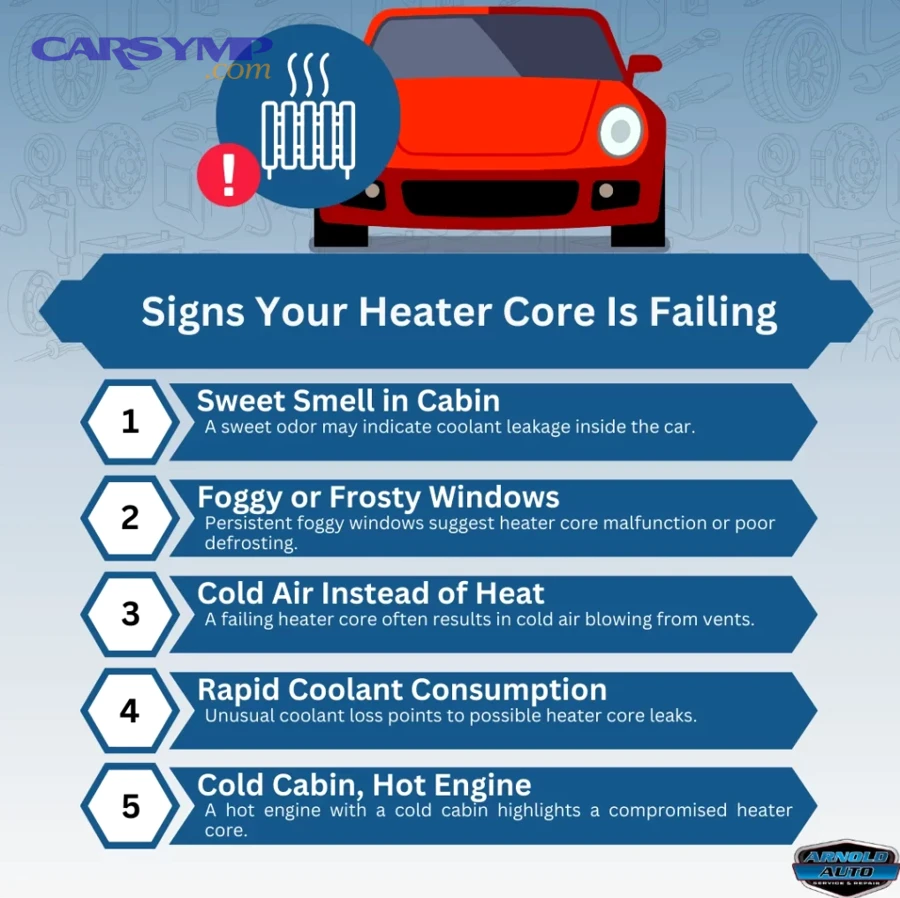
Should you stop driving immediately if the windshield keeps fogging or the engine temperature rises?
Yes—you should stop driving immediately if fogging won’t clear or if the temperature gauge rises because (1) visibility loss can cause a crash quickly, (2) overheating can escalate from “slightly hot” to severe damage fast, and (3) continued driving can dump more coolant into the cabin and HVAC system.
Use a simple red-flag list:
- Temperature needle climbs above normal or warning light appears → stop.
- Defrost can’t keep the windshield clear → stop.
- You smell coolant strongly with heat on and the coolant level is low → limit driving and diagnose now.
If you must move the car a very short distance for safety, keep the trip minimal and monitor temperature continuously. But don’t normalize “just topping off coolant” as a plan.
Can you temporarily bypass the heater core, and what does that change?
A temporary heater core bypass is a workaround where coolant flow is routed around the heater core, and it stands out because it can reduce cabin symptoms (odor/fogging) but does not fix the underlying cooling system problem or guarantee safe operation.
In addition, bypassing typically means:
- you lose cabin heat (and sometimes defrost performance),
- the leak source is effectively isolated,
- but you still must address the original failure and coolant condition.
This is a decision best handled with a mechanic because the correct hose routing and leak verification depend on vehicle design. Treat it as a temporary containment step—not a substitute for repair.
What repairs and edge cases affect heater core leak symptoms?
There are four common repair/edge-case buckets that affect heater core leak symptoms—replacement labor realities, unusual corrosion causes, coolant chemistry differences, and “antonym clues” that point away from the heater core—based on how the HVAC box is built and how coolant behaves inside the cabin.
Next, use this section to plan what happens after you confirm the diagnosis, including when heater core replacement is the most rational fix versus chasing partial symptoms.
How much does heater core repair cost, and why is labor often higher than parts?
Heater core repair cost is often dominated by labor because the heater core sits inside the HVAC housing behind the dashboard, so access can require significant interior disassembly even though the heater core itself may not be an expensive part.
More specifically, labor cost rises with:
- dashboard removal complexity,
- airbag and trim removal time,
- refrigerant recovery (on some designs),
- and HVAC box access steps.
That’s why many shops recommend heater core replacement rather than “trying to seal it,” especially when the leak creates foggy windows or saturates insulation. Once coolant contaminates carpet foam, cleaning time and odor removal can also become part of the total job cost.
What unusual causes make heater cores fail (pinhole corrosion, electrolysis, neglected coolant)?
Unusual heater core failure causes include pinhole corrosion, electrolysis-related corrosion, and neglected coolant chemistry, and they matter because they can make leaks recur or spread if you replace the core but ignore the system condition.
Key mechanisms to understand:
- Pinhole corrosion: thin tubes corrode from the inside, then seep under pressure.
- Electrolysis/stray current: poor grounds or electrical issues accelerate metal loss in cooling components.
- Old coolant: depleted inhibitors stop protecting aluminum and solder joints.
If you’re planning coolant leak repair, ask the shop about coolant condition and whether the system should be flushed or tested for contamination—because preventing a repeat leak is part of doing the job once.
Can coolant type or UV dye change how the symptoms look or smell?
Yes—coolant type or UV dye can change symptom appearance because (1) different coolant chemistries use different dye colors, (2) some formulas have stronger odor notes than others, and (3) UV dye can highlight leak traces in areas that are otherwise hard to see.
However, dye is a diagnostic aid—not a cure. It helps confirm leak paths, especially inside the HVAC case or at the condensate drain area on some vehicles. If you’re already seeing classic heater core leak symptoms, dye usually just increases confidence in what your senses are already telling you.
What “opposite” signs suggest it’s NOT a heater core leak ?
Opposite signs suggest it’s not a heater core leak when the symptom pattern breaks, such as (1) the carpet is wet but the fluid is clear and odorless, (2) the coolant level stays stable for weeks, and (3) fogging clears normally with A/C/defrost and doesn’t leave film.
Use these antonym cues as “de-biasing” checks:
- Wet carpet + no coolant loss → suspect A/C drain or water intrusion first.
- Coolant loss + clear cabin air + no interior wetness → suspect external leaks (radiator, hose, water pump).
- Smell only under hood → suspect engine-bay leak path more than heater core.
When those opposite signs appear, shift your diagnosis toward external leak inspection and location-based checks—because the correct fix depends on the correct leak origin.
Evidence: According to a study by University of Fribourg from the Department of Medicine, in 2012, changes in visibility conditions significantly changed driving speeds in simulation, supporting the idea that persistent windshield fogging is a safety-critical symptom that should drive immediate action rather than delayed repair. According to the source at pmc.ncbi.nlm.nih.gov, this research is discussed in their article archive.