


A sweet, syrupy smell in or around your car usually points to coolant (antifreeze), and the fastest way to diagnose it is to follow the smell’s location—cabin vs engine bay—because that single clue narrows the likely leak source more than any guesswork.
Next, if the odor is strongest inside the cabin, you can confirm (or rule out) a heater core or heater-hose leak by checking for the classic trio: smell from vents, glass film/fogging, and damp carpet—plus coolant level changes.
Then, if the odor is strongest in the engine bay, you can confirm an external coolant leak by looking for wet spots and dried residue near hoses, radiator seams, and the water pump area—especially after a warm-up or a hot soak when coolant evaporates and carries that sweet smell.
Introduce a new idea: once you’ve narrowed the source, you still need to decide how urgent it is and which test will prove the leak—so the rest of this guide walks you from quick checks to confirmation tests in a clean, location-first flow.
What does a “sweet smell” in a car usually mean (and is it always coolant)?
A “sweet smell” in a car is most often the odor of ethylene-glycol-based coolant moving through the cooling system, because many coolants have a distinct sweet note—though a few non-coolant lookalikes can mimic it.
Specifically, the key to getting this right is to treat the smell as a symptom, not a diagnosis: your job is to connect it to where it appears, when it appears, and what else changes (coolant level, fogging, drips, overheating). That’s how you turn “sweet smell” into actionable coolant leak symptoms instead of a vague hunch.

Is a sweet smell a reliable sign of a coolant leak?
Yes—most of the time a sweet smell is a reliable coolant-leak clue because (1) coolant’s sweet odor is distinctive, (2) leaks often vaporize on hot surfaces or circulate through vents, and (3) even small leaks can create odor before puddles appear.
More specifically, the reliability increases when the smell matches at least one “supporting signal”:
- Coolant level drops over days or weeks (even slightly).
- The smell is stronger after warm-up or after parking (hot soak).
- You notice windshield fogging/film when heat/defrost runs.
If none of those support the smell, treat it as “suspected coolant” and move to the location-based checks in the next section.
What other fluids can smell sweet and confuse the diagnosis?
There are 4 common sweet-smelling lookalikes—washer fluid, fuel-related odors, interior spills, and fragrances—based on where the smell shows up and how long it lasts.
To better understand the difference, use this quick grouping logic:
- Windshield washer fluid (often alcohol-like + sweet)
- Smell appears after using washers, strongest near vents/intake, may fade quickly.
- Fuel-related smells (some additives read “sweet” to people)
- Usually paired with sharp solvent notes, strongest near engine bay or tailpipe.
- Cabin spills (soda/coffee/energy drinks)
- Localized to carpet/seat area; strongest when cabin warms in sun.
- Air fresheners/detailing chemicals
- Strongest at vents; intensity changes when fan speed changes, but coolant level stays stable.
If the sweet smell is paired with coolant loss, or the odor is syrupy and persistent, coolant moves back to the top of the suspect list.
Where do you smell it most—cabin or engine bay—and why does location matter?
Smell location matters because cabin odor usually implicates the heater core/HVAC path, while engine-bay odor usually implicates external leaks like hoses or radiator seams—so “cabin vs engine bay” is the highest-leverage diagnostic fork.
Next, think of odor like smoke: it follows airflow and heat. Cabin smells ride the blower and ducting; engine-bay smells ride heat plumes and evaporating droplets.
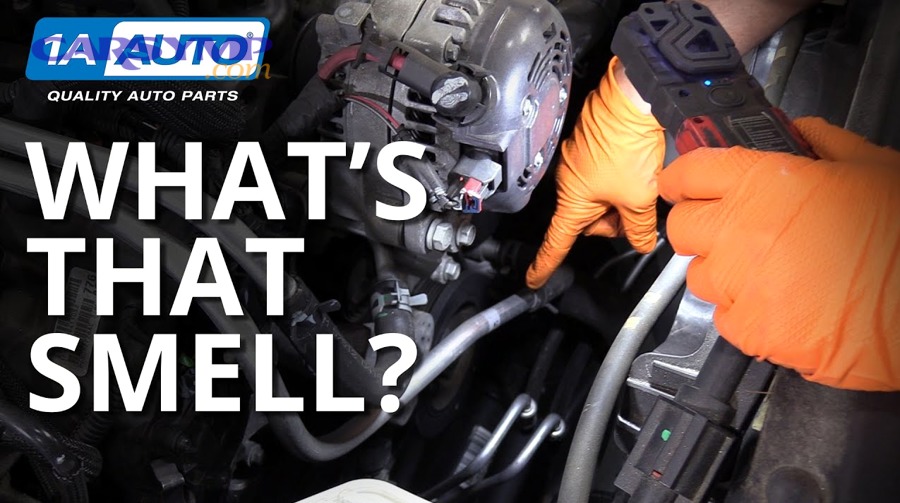
If the sweet smell is inside the cabin, what are the most likely causes?
There are 3 main cabin-side causes of a sweet coolant smell—heater core leak, heater-hose leak at the firewall, or coolant intrusion into the HVAC case—based on whether coolant is entering the passenger compartment or the ducting.
1) Heater core leak (most common “true cabin” cause)
The heater core is a small radiator inside the dash; coolant flowing through it can leak and perfume the cabin air.
2) Heater hoses / quick-connect fittings near the firewall
A small seep outside can still be drawn into the fresh-air intake, making it smell “inside.”
3) HVAC case contamination from prior leakage or spill
Even after repair, residue can keep releasing odor (we’ll cover this in Supplementary Content).
If the sweet smell is in the engine bay, what are the most likely causes?
There are 5 common engine-bay leak sources—radiator, hoses/clamps, thermostat housing, water pump area, and reservoir/overflow plumbing—based on where coolant runs and where it can drip onto hot parts.
- Radiator seams/end tanks: residue near the front; smell after warm-up.
- Upper/lower radiator hoses: wet hose ends; spray pattern or crust near clamps.
- Thermostat housing: seep around the housing; odor near engine top.
- Water pump area: wetness near pump body; sometimes drip line down the front.
- Reservoir/overflow: wet cap area; smell strongest near reservoir.
This is also where Coolant loss with no visible leak causes becomes relevant: a leak can be tiny, only present when hot/pressurized, and then evaporate without leaving a puddle.
Does the smell get stronger with the heater or defrost on?
Yes—if the smell gets stronger with heater/defrost, it strongly suggests a cabin-side coolant pathway because (1) the blower pushes air across the heater core, (2) defrost aims that air at the windshield where film/fogging becomes obvious, and (3) fan speed amplifies odor delivery.
However, if the smell does not change with HVAC settings and is strongest outside with the hood open, treat the engine bay as the primary suspect.
How can you confirm a heater core leak from inside the cabin?
You can confirm a heater core leak by checking three cabin telltales—vent odor, windshield film/fogging, and damp passenger carpet—plus coolant level movement, because those signs connect the sweet smell to coolant physically entering the cabin area.
Then, use a “prove it” mindset: don’t stop at one symptom; look for at least two, because heater cores can leak intermittently and carpets can also get wet from rainwater leaks.
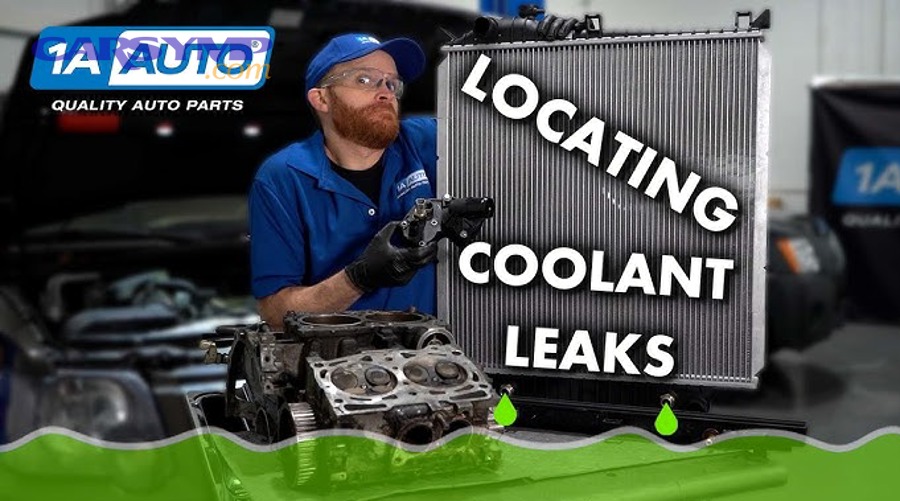
Do you have fogging windows or an oily film on the windshield?
Yes—fogging or a greasy film is a strong heater-core clue because (1) warm coolant can add moisture to cabin air, (2) glycol residue can leave a slightly oily haze on glass, and (3) defrost often fails to clear it completely when coolant vapor is present.
More specifically, check it like this:
- Run defrost for 2–3 minutes.
- If the windshield fog reappears quickly or smears when wiped, suspect coolant film.
- Clean the inside of the glass; if the film returns with heater use, you’re seeing a repeating source—not just dirty glass.
Is the passenger-side carpet damp or does it smell sweet near the floor?
Yes—damp passenger carpet with a sweet smell often indicates coolant entering the cabin because (1) the heater core sits inside the HVAC box behind the dash, (2) leaks can drip down the case to the passenger footwell, and (3) carpets absorb coolant and keep releasing odor.
To confirm without tearing anything apart:
- Pull back the floor mat and press a dry paper towel into the carpet.
- Check the lowest point near the center tunnel and firewall side.
- Note the texture: coolant often feels slightly slick compared to plain water.
Important caution: water from a clogged A/C drain or a door seal leak can also soak the carpet—so pair this test with vent odor or coolant level movement.
What does it mean if the smell comes primarily from the vents?
If the smell comes primarily from the vents, it means the odor source is interacting with HVAC airflow—most commonly a heater core seep, but sometimes an engine-bay leak being pulled into the fresh-air intake at the base of the windshield.
A practical way to separate the two:
- Switch between fresh air and recirculation.
- If recirc reduces the smell, the odor may be entering from outside.
- If recirc doesn’t help and heat makes it worse, the heater core moves higher on the list.
How can you confirm an engine-bay coolant leak when the odor is outside?
You can confirm an engine-bay coolant leak by finding wet spots, dried crusty residue, or steam near cooling components, especially after warm-up, because external coolant tends to evaporate on hot surfaces and leave trace marks where it escapes.
Next, approach it safely: never open a hot cooling system, and do inspections with the engine off unless you’re trained and cautious.
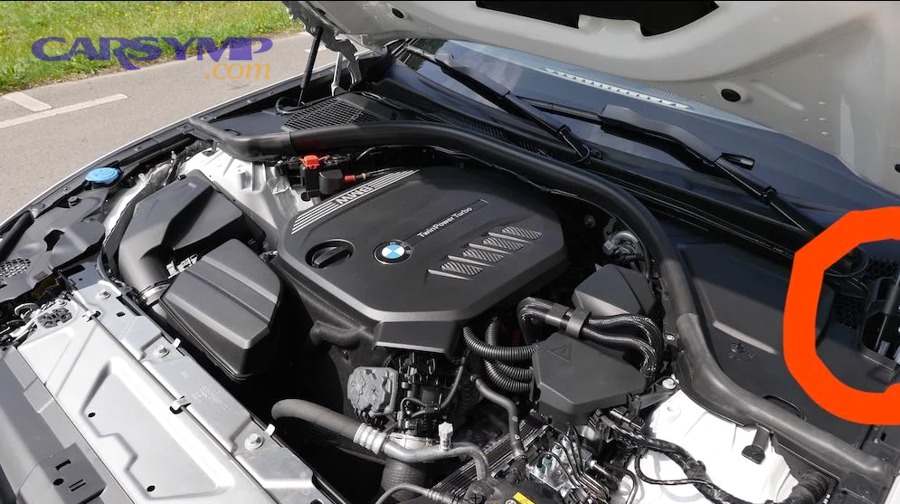
Do you see white residue, wet spots, or dried crust near hoses/radiator seams?
Yes—visible residue or wetness is one of the most direct external leak confirmations because (1) coolant dries into chalky or colored deposits, (2) leaks often start at hose ends and radiator seams, and (3) residue persists even after evaporation removes the puddle.
Focus your flashlight search on:
- Radiator end tanks and seams (front corners).
- Upper/lower hose connections (clamp area).
- Thermostat housing mating surface.
- Reservoir cap/neck and overflow hose routing.
If you find residue, wipe it clean and re-check after a short drive—fresh seepage will reappear.
Does the smell appear mainly after the engine warms up or after parking?
Yes—smell after warm-up or after parking often indicates coolant evaporating on hot parts because (1) cooling systems build pressure as temperature rises, (2) hot surfaces vaporize tiny leaks into odor, and (3) “hot soak” after shutdown releases heat and makes smells bloom.
Use timing to narrow the leak:
- Smell only while driving: may be airflow carrying vapor rearward.
- Smell strongest after parking: hot-soak evaporation or drip onto exhaust shields.
- Smell only at idle: leak may be near the fan wash path or belt-driven spray.
Can you safely check coolant level trends to support the diagnosis?
Yes, you can safely check coolant level trends by inspecting the reservoir only when the engine is cold, because (1) level changes confirm real coolant loss, (2) repeated top-offs signal a continuing leak, and (3) the reservoir markings provide a consistent baseline.
Here’s the safe routine:
- Check in the morning before starting the engine.
- Note the reservoir level relative to MIN/MAX.
- Re-check after 2–3 days of normal driving.
If your dashboard shows a warning, treat Low coolant warning light and what it means as simple: it’s an early alert that coolant dropped below a safe threshold and you should investigate immediately, not just keep topping off.
Heater core vs radiator: how do symptoms differ side-by-side?
Heater core vs radiator diagnosis becomes clear when you compare air-path clues (vents, fogging, cabin dampness) against external leak clues (residue, drips, under-hood odor), because each component fails in a different location and leaves different evidence.
More specifically, the table below summarizes the most reliable “tell” patterns so you can stop guessing and start confirming.
Quick comparison context: this table shows common symptom patterns and what they usually point to—heater core (inside HVAC/cabin) vs radiator/hoses (engine bay/front of car).
| Symptom pattern | More likely Heater Core | More likely Radiator/Hoses |
|---|---|---|
| Sweet smell strongest inside cabin | ✅ | ❌ |
| Smell increases with heat/defrost | ✅ | Sometimes (if intake draws odor) |
| Windshield film/fogging persists | ✅ | ❌ |
| Passenger carpet damp/sweet | ✅ | ❌ |
| Sweet smell strongest under hood | ❌ | ✅ |
| Visible residue/wetness in engine bay | ❌ | ✅ |
| Drips/puddles near front of car | Rare | ✅ |
| Coolant loss but no puddle | Possible | Common (evaporation) |

Which symptoms point more strongly to heater core than radiator?
There are 4 heater-core-weighted symptoms—vent-focused sweet odor, windshield film/fogging, damp passenger footwell, and poor heat/defrost performance—based on coolant interacting with the HVAC box and cabin air.
A strong heater-core pattern looks like this:
- You smell coolant mostly inside.
- The smell gets worse when you run heat/defrost.
- The windshield gets a greasy haze that’s hard to clear.
- The passenger carpet is damp or sticky.
Which symptoms point more strongly to radiator/hoses than heater core?
There are 4 radiator/hoses-weighted symptoms—under-hood sweet odor, visible residue near seams or hose ends, steam after warm-up, and front-of-car drips—based on coolant escaping externally and evaporating or dripping.
A strong engine-bay pattern looks like this:
- The smell hits you when you pop the hood.
- You see crusty residue at clamps or radiator seams.
- The smell intensifies after a warm-up or when parked.
- There’s a drip line or splash pattern near the radiator area.
Does overheating happen more with one than the other?
Heater core and radiator leaks can both cause overheating, but radiator/major hose failures tend to overheat faster, while heater core leaks often start slowly—until coolant loss crosses a threshold where temperature climbs rapidly.
In practical terms:
- A small heater core seep can be a “slow bleed” that you notice as odor first.
- A split radiator hose can dump coolant quickly and spike temps within minutes.
That’s why a sweet smell is never “just a smell”—it’s a potential overheating precursor.
Is it safe to keep driving with a sweet coolant smell?
No, it’s not safe to keep driving with a sweet coolant smell because (1) coolant loss can trigger overheating and engine damage, (2) cabin leaks can reduce visibility through fogging/film, and (3) the leak can worsen suddenly, turning a minor issue into a breakdown.
More importantly, “safe” depends on symptoms right now—so use the following yes/no triage questions to decide whether to stop immediately.

Should you stop driving if the temperature gauge rises or you see steam?
Yes—stop driving if the temperature rises or you see steam because (1) overheating can escalate quickly, (2) continued driving can warp components, and (3) coolant loss often means the system can’t regulate temperature anymore.
Do this instead:
- Turn off A/C, turn heat to max (if it doesn’t worsen cabin fogging), and pull over safely.
- Shut the engine down and let it cool.
- Do not open a hot radiator cap.
Should you stop driving if windows fog up and visibility is reduced?
Yes—stop driving if visibility is reduced by fogging or film because (1) you can’t safely control the car, (2) defrost may fail to clear coolant haze, and (3) coolant vapor/film can keep returning while the heater runs.
If you must move the car a very short distance for safety, turn the HVAC off, crack windows, and prioritize visibility over comfort.
When is it “okay” to drive a short distance to a shop?
Yes, it can be okay to drive a short distance only if three conditions are true: (1) temperature stays normal, (2) coolant level is at/near the safe range (checked cold), and (3) you have no active fogging/visibility issues.
Even then, treat it like a controlled test drive:
- Keep trips short.
- Avoid heavy traffic or long idles.
- Monitor the gauge continuously.
What tests will confirm the leak source (DIY-friendly vs shop-level)?
There are 4 practical ways to confirm a coolant leak source—visual tracing, pressure testing, UV dye, and (when warranted) internal leak checks—based on how definitive you need the proof to be before parts replacement.
Next, the smartest sequence is “cheap to definitive”: inspect first, then pressure test, then dye, and only then consider deeper internal checks.

Will a cooling-system pressure test find most leaks?
Yes—a cooling-system pressure test finds most leaks because (1) it reproduces operating pressure without heat risk, (2) it forces seep points to reveal themselves, and (3) pressure drop patterns help separate external leaks from “no visible leak” cases.
Here’s the practical advantage: you can often see slow leaks (a bead forming) that would otherwise evaporate while driving.
Evidence: According to a study by Aalto University from the School of Engineering (Mechanical Engineering), in 2025, initial pressure testing showed a system’s inability to reach the desired pressure threshold—highlighting that failing to achieve/hold target pressure is a meaningful indicator of leaks or control issues in pressure-test setups.
When does UV dye help more than visual inspection?
Pressure testing wins for speed, UV dye is best for tiny or intermittent leaks, and visual inspection is optimal for obvious wet/residue leaks, because each method shines under different leak behaviors.
Use UV dye when:
- You have coolant loss but no puddle and no obvious residue.
- The smell appears only sometimes (hot days, long drives).
- You suspect a slow seep behind covers or along hoses.
Could it be a head gasket if you smell sweet coolant?
Yes, it could be a head-gasket or internal leak, but it’s less common than external or heater-core leaks because (1) most sweet smells come from vaporized coolant outside the cylinders, (2) internal leaks often show other symptoms first, and (3) cabin odor patterns usually implicate HVAC components.
Escalate internal-leak suspicion if you also see:
- Persistent Coolant loss with no visible leak causes after pressure testing.
- Exhaust that looks abnormally white and sweet-smelling after warm-up.
- Oil/coolant contamination signs (milky sludge) or repeated overheating events.
How should you read pressure test results without overreacting?
Pressure test results interpretation should focus on three variables—how fast pressure drops, whether you can find a wet point, and whether the system ever reaches target pressure, because those three facts determine whether you’re chasing a real leak, a cap issue, or a testing setup problem.
A grounded way to interpret what you see:
- Rapid pressure drop + visible drip = external leak (good: you can fix what you can see).
- Slow drop + no visible leak = tiny seep, internal path, or evaporation area; use UV dye next.
- Can’t reach target pressure = large leak, wrong adapter/cap seal, or tool/setup issue.
If you want a second opinion on symptom patterns before you buy parts, you can cross-check your observations against diagnostic summaries like carsymp.com—just keep your decision anchored to physical evidence (wetness, residue, pressure behavior), not generic lists.
Contextual Border: At this point, you’ve used smell location plus confirmation checks and tests to identify whether the odor is coming from the heater core/HVAC path or from an external engine-bay leak. The final step is dealing with what happens after repairs—because odor can linger even when the leak is gone.
Why can a sweet coolant smell linger even after repairs ?
A sweet coolant smell can linger after repairs because coolant residue absorbs into carpet, padding, and HVAC surfaces, then re-releases odor when the cabin warms up—so odor removal requires cleaning the residue, not just fixing the leak.
Next, treat lingering odor as a two-part job: remove residue from the cabin, and verify you don’t still have active coolant leak symptoms like level loss or recurring film.

Can spilled coolant in the HVAC box or carpet keep smelling sweet for weeks?
Yes—coolant can keep smelling sweet for weeks because (1) carpets and foam padding absorb it deeply, (2) warm cabins volatilize the residue repeatedly, and (3) the HVAC box can trap a thin film that re-scent air whenever the blower runs.
If the smell is stronger on hot days or right after turning on the fan, lingering residue becomes very likely.
Should you replace the cabin air filter after a coolant leak smell?
Yes—replacing the cabin air filter often helps because (1) filters trap odor-carrying particles and films, (2) a contaminated filter can keep reintroducing smell, and (3) it’s a low-cost step that reduces confusion while you confirm the leak is truly gone.
A good rule: if the smell is clearly vent-related and persists after repair, a filter swap is a sensible reset.
What cleaning steps reduce lingering odor safely?
There are 5 practical cleanup steps—glass degreasing, carpet extraction, HVAC wipe-down (accessible areas), ventilation bake-out, and re-checking for leaks—based on where residue hides.
To illustrate a safe, effective sequence:
- Clean the inside glass (film removal) so you’re not mistaking old haze for a new problem.
- Blot and extract damp carpet/padding (wet-dry vacuum helps).
- Use a mild interior cleaner on hard surfaces; avoid soaking electronics under the dash.
- Ventilate: windows cracked + fan on fresh air (not recirc) to purge odor.
- Re-check coolant level cold over several days to ensure the smell isn’t returning because the leak is still active.
How do you tell “residual smell” from an active leak coming back?
Residual smell fades over time, while an active leak repeats in a pattern tied to heat/pressure and usually pairs with coolant level changes, because only an active leak continues adding new coolant to surfaces and airflow.
Use this simple comparison:
- Residual odor: gradually weaker; no new film; coolant level stable.
- Active leak: smell spikes after warm-up; film returns; coolant level trends downward; pressure testing shows a drop.
If you’re still unsure after cleanup, go back to the confirmation ladder: inspect → pressure test → dye. That’s how you stop the sweet smell from becoming an ongoing mystery.