


When your car’s Check Engine Light (CEL) comes on, it often signals a deeper issue that needs immediate attention. Fortunately, OBD2 codes provide a detailed insight into what’s wrong. Learning how to read and interpret these codes can help you avoid unnecessary repairs and save on diagnostic fees. In this guide, we’ll break down the essential steps to reading OBD2 codes, discuss the most common pitfalls, and provide a checklist for accurate diagnosis.
Next, let’s explore how to use an OBD2 scanner, and how understanding the codes can lead you to the right repairs. By following this guide, you’ll be able to confidently interpret diagnostic trouble codes (DTCs) and determine whether it’s time to visit a mechanic.
Additionally, this article will delve into the complexities of O2 sensor codes, catalytic converter codes, and misfire diagnostics, making sure you understand the deeper causes behind these common issues. Let’s start by learning the basics of OBD2 codes.
What Are OBD2 Codes and Why Are They Important?
OBD2 codes are diagnostic trouble codes (DTCs) that vehicles use to communicate faults with the engine, transmission, and other systems to the vehicle’s computer. These codes help technicians identify where the problem lies in the car’s systems. When the engine control module (ECM) detects an issue, it stores a code in the car’s computer system, which can then be retrieved using an OBD2 scanner.
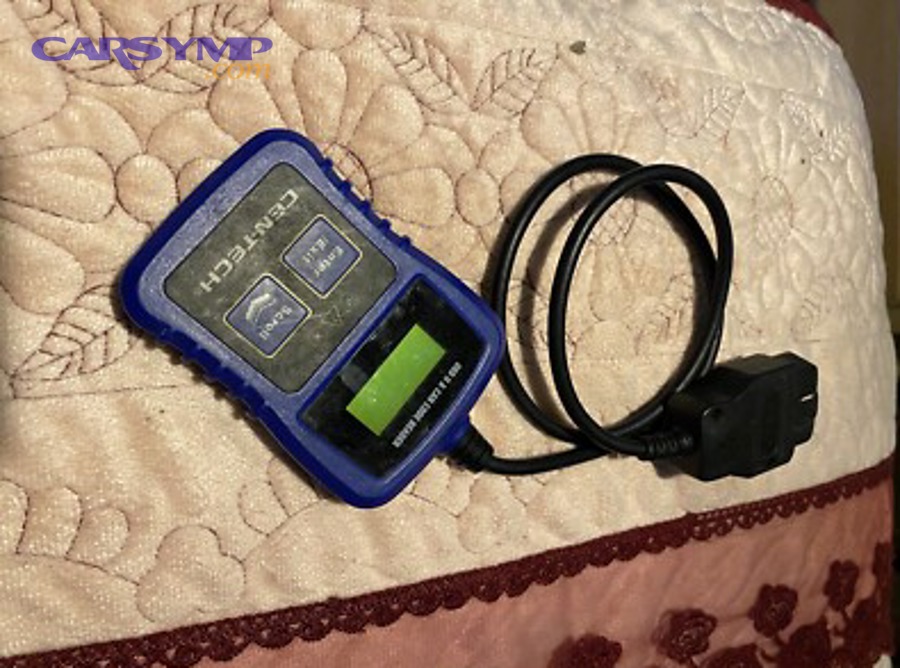
OBD2 codes are essential because they provide a clear indication of potential problems in your vehicle, allowing for targeted repairs rather than guesswork. Without these codes, diagnosing issues could be time-consuming and expensive.
What Are the Common Types of OBD2 Codes?
There are several types of OBD2 codes, which are classified based on the system or component that’s malfunctioning. These include:
- Powertrain Codes: These pertain to the engine and transmission system, such as P0300, which refers to random misfires.
- Body Codes: These cover issues related to the car’s body and accessories.
- Chassis Codes: These deal with brake and suspension problems.
- Network Codes: These indicate issues with the car’s communication system.
Understanding which category your code falls into can help you prioritize repairs.
How Do OBD2 Codes Help Diagnose Car Issues?
Once retrieved, OBD2 codes point to a specific system, sensor, or component. For example, a code like P0171 indicates a lean fuel mixture, meaning the engine is receiving too much air or not enough fuel. By interpreting these codes accurately, you can either fix the issue yourself or know exactly which part of your car needs professional attention.
How to Use an OBD2 Scanner to Read Codes
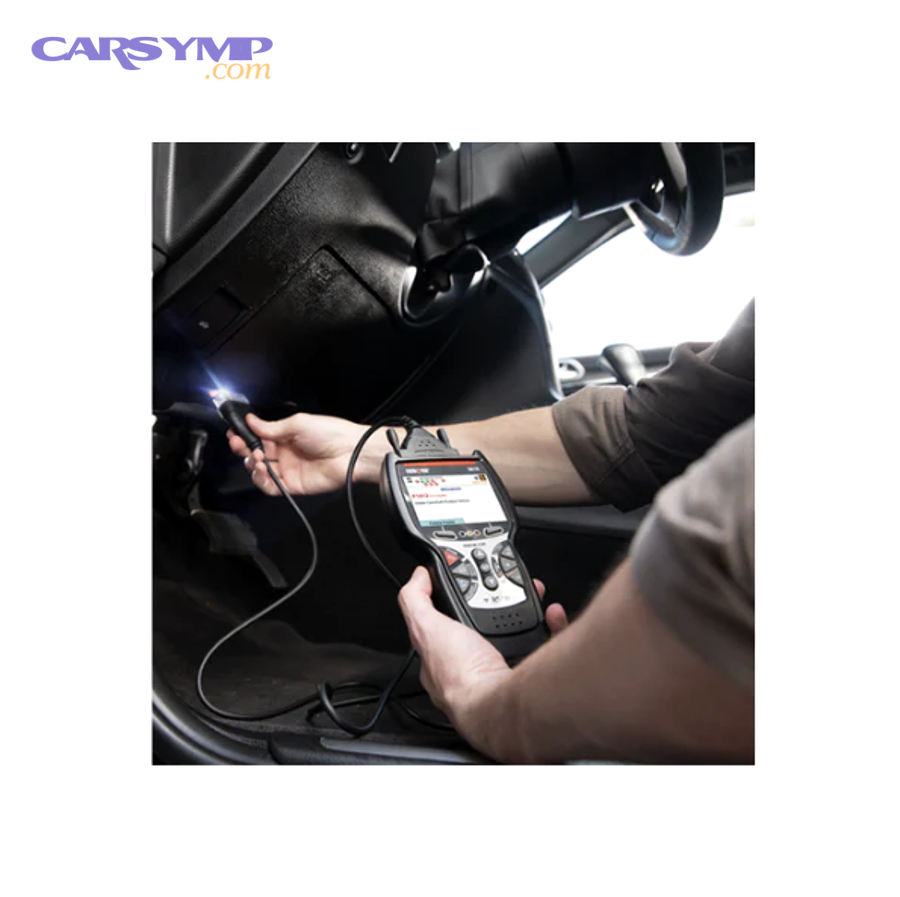
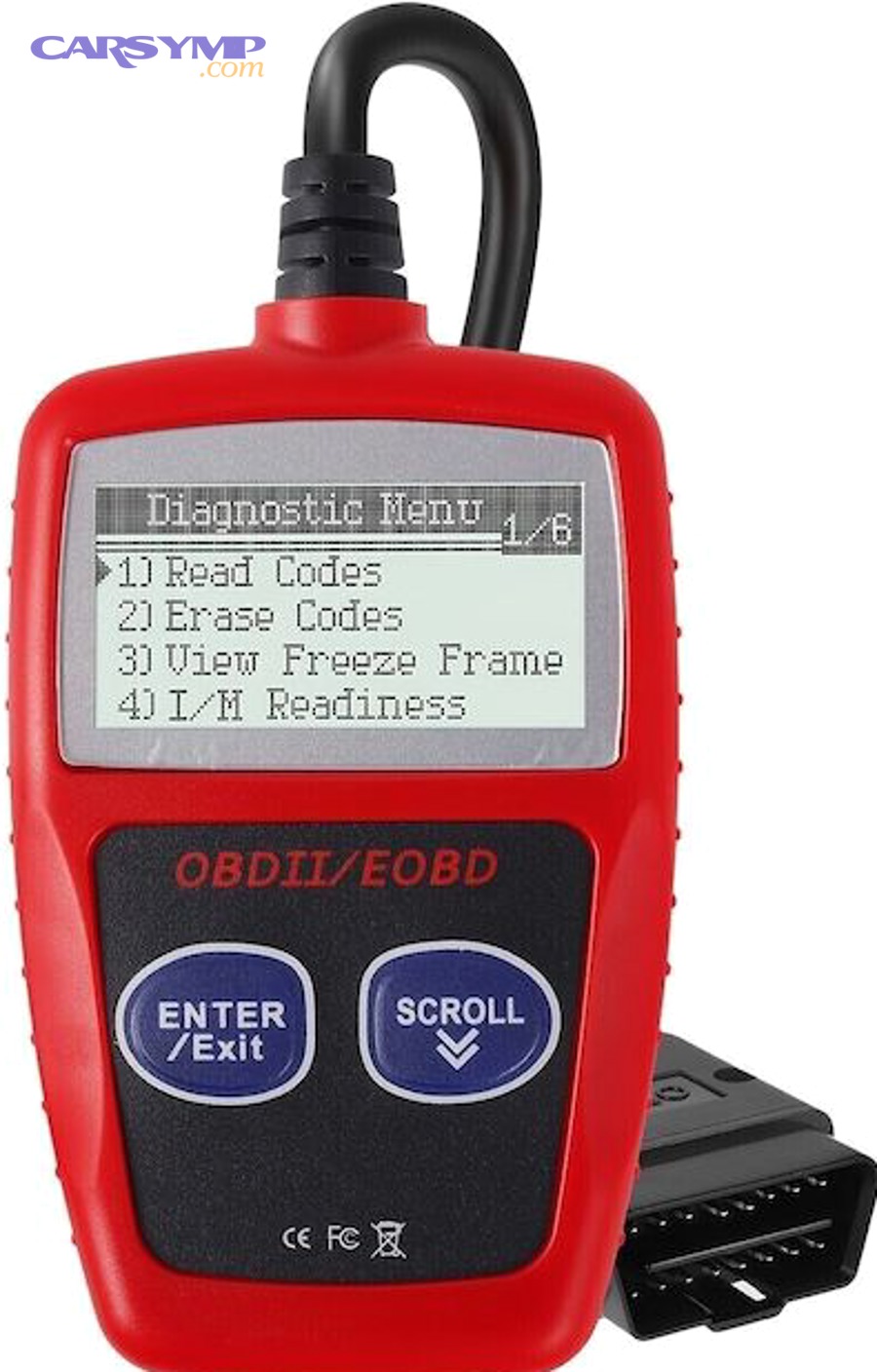
To get started with OBD2 diagnostics, you’ll need an OBD2 scanner. These devices connect to your vehicle’s OBD2 port and provide real-time data, including any stored trouble codes. The OBD2 scanner acts as the bridge between your car’s computer and the mechanic or DIY mechanic.
How Do You Connect an OBD2 Scanner to Your Vehicle?
The first step in using an OBD2 scanner is to locate the OBD2 port, usually found beneath the dashboard near the driver’s seat. Once the scanner is plugged in, it will communicate with the vehicle’s computer to retrieve any stored codes.
What Are the Different Types of OBD2 Scanners?
OBD2 scanners come in different types:
- Basic Code Readers: These devices simply read and display the codes.
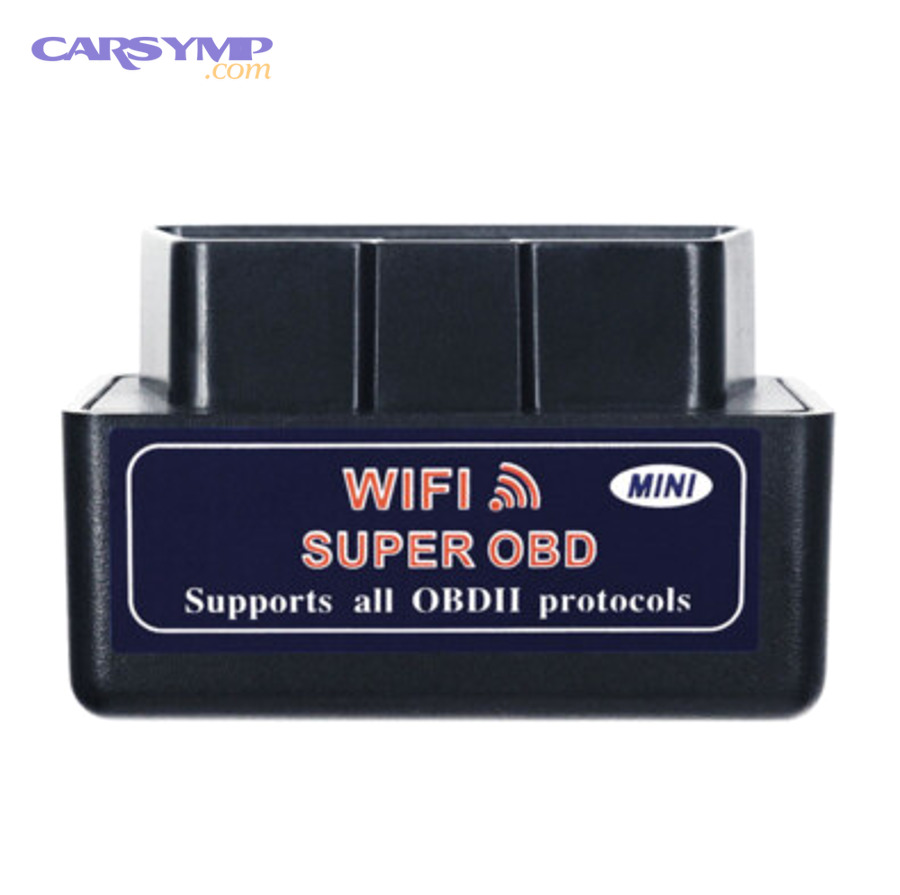
- Advanced Scanners: These offer detailed diagnostic information, including freeze-frame data, live data streams, and the ability to clear codes.
Some scanners also come with smartphone apps, making it easier to read and interpret codes on the go.
How to Interpret OBD2 Codes for Accurate Troubleshooting
Reading the codes is just the first step. Interpreting them correctly is key to pinpointing the right issue in your vehicle. OBD2 codes follow a standardized structure, with each section indicating a specific type of fault.
How Do You Identify the Severity of OBD2 Codes?
Some OBD2 codes indicate critical issues, while others signal minor problems. For example, a P0420 code, which points to a catalytic converter efficiency problem, is typically not urgent but still requires attention. On the other hand, a P0300 (misfire) code might indicate a serious engine problem that could lead to further damage if ignored.
What Should You Do After Interpreting the Codes?
After interpreting the code, you have several options:
- Clear the Code: In some cases, clearing the code may turn off the Check Engine Light temporarily, especially if it was triggered by a minor issue.
- Research the Code: Look up the code online or in your vehicle’s manual to determine the best course of action.
- Consult a Mechanic: If the code points to a significant issue, it’s best to consult a professional to avoid further damage.
O2 Sensor and Catalytic Converter Code Pitfalls
When diagnosing engine issues, O2 sensor and catalytic converter codes are common but can sometimes be misleading. For instance, a faulty O2 sensor can trigger a code that may seem to indicate a problem with the catalytic converter. This can lead to unnecessary replacement costs if the real issue is simply the O2 sensor.
How to Avoid Misdiagnosing O2 Sensor and Catalytic Converter Issues?
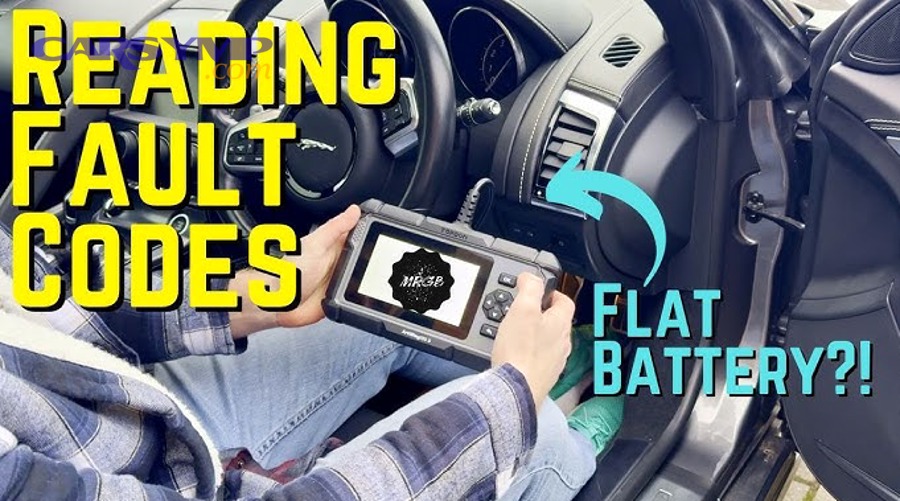
Before replacing expensive parts like the catalytic converter, it’s essential to rule out other issues, such as a faulty O2 sensor or a vacuum leak. Using a diagnostic scanner that can test real-time sensor performance can help you determine if the O2 sensor is indeed faulty.
Misfire Attach: Coils/Plugs/Injectors Checklist
A common cause of engine misfires is issues with the ignition system, including spark plugs, coils, and injectors. Misfires can trigger codes like P0300 and can be caused by various factors.
What Is the Correct Method for Diagnosing Misfires?
When diagnosing a misfire, start with these components:
- Spark Plugs: Check for wear or fouling.
- Ignition Coils: Test the coil’s resistance to ensure it’s working properly.
- Fuel Injectors: Verify that the injectors are delivering the correct amount of fuel.
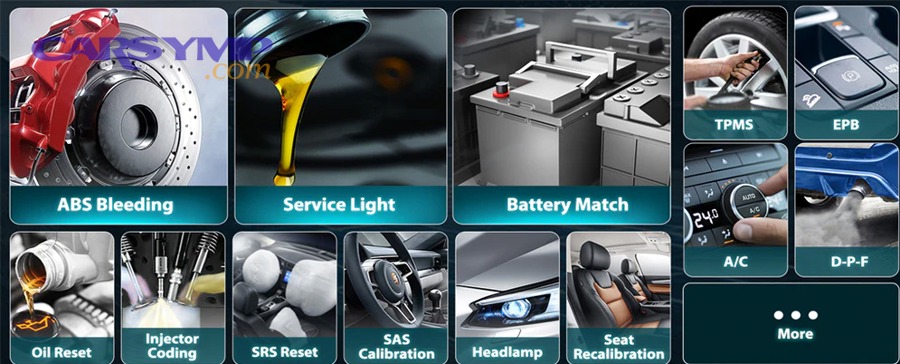
Using an OBD2 scanner with live data can help identify which cylinder is misfiring and why.
Car Symptoms to Watch Out For
While OBD2 codes are helpful, they might not capture every issue in the car. Therefore, it’s important to monitor Car Symptoms alongside the codes.
What Are Some Common Car Symptoms That Indicate a Problem?
Symptoms like rough idling, loss of power, or strange noises may not always trigger a specific OBD2 code but should still be addressed. Pay attention to your car’s behavior, and don’t hesitate to use an OBD2 scanner for deeper diagnostics.
By following this comprehensive guide to OBD2 codes, you will be better equipped to diagnose common car issues yourself and avoid costly repairs. Whether you’re troubleshooting a simple issue or dealing with a more complex malfunction, understanding OBD2 codes will save you time and money.