


The check engine light (CEL) is one of the most common warning indicators on modern vehicles. For DIY car owners, understanding the causes and diagnostic steps of this critical alert can save both time and money. This guide provides step-by-step instructions on diagnosing and interpreting the CEL, enabling owners to make informed decisions on whether they should handle the issue themselves or seek professional help.
As soon as the check engine light illuminates, many car owners may feel uncertain about what steps to take next. Whether it’s a simple fix or a sign of a deeper problem, understanding the meaning behind the warning light is the first step toward resolving the issue. We’ll explore how to approach the diagnostic process, from using an OBD-II scanner to interpreting trouble codes.
Next, understanding the tools and methods available to diagnose the CEL can help clarify whether a DIY approach is feasible. We will also cover simple pre-diagnosis tests to perform at home, offering car owners a way to troubleshoot before visiting a repair shop. This section will also highlight When to clear codes and retest.
Finally, we will discuss how to interpret and troubleshoot common trouble codes, particularly those related to misfires. By following a systematic approach, car owners can avoid unnecessary repairs and ensure their vehicle continues running smoothly.
What is the Check Engine Light and What Does It Mean?
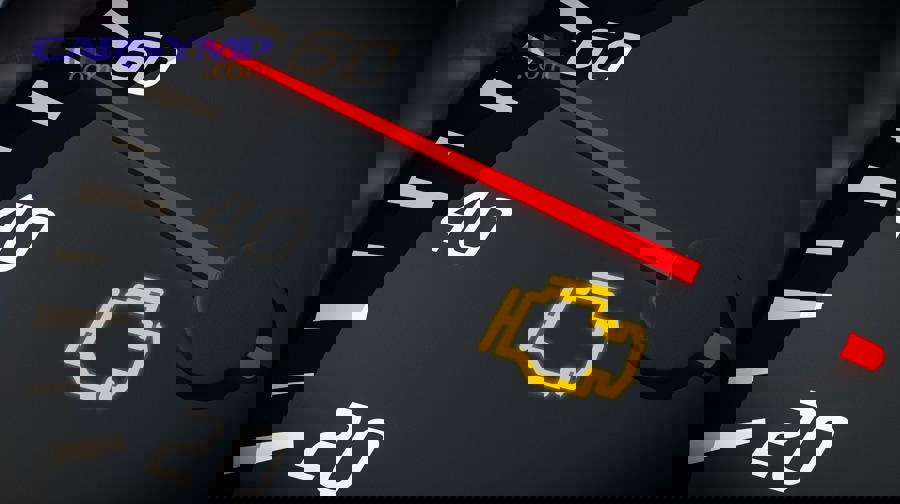
The check engine light (CEL) is a crucial component of your vehicle’s onboard diagnostics (OBD) system. It is an alert that indicates your car’s engine control module (ECM) has detected an issue that could affect the vehicle’s performance or emissions system. Ignoring the CEL can lead to more severe mechanical problems or increased emissions.
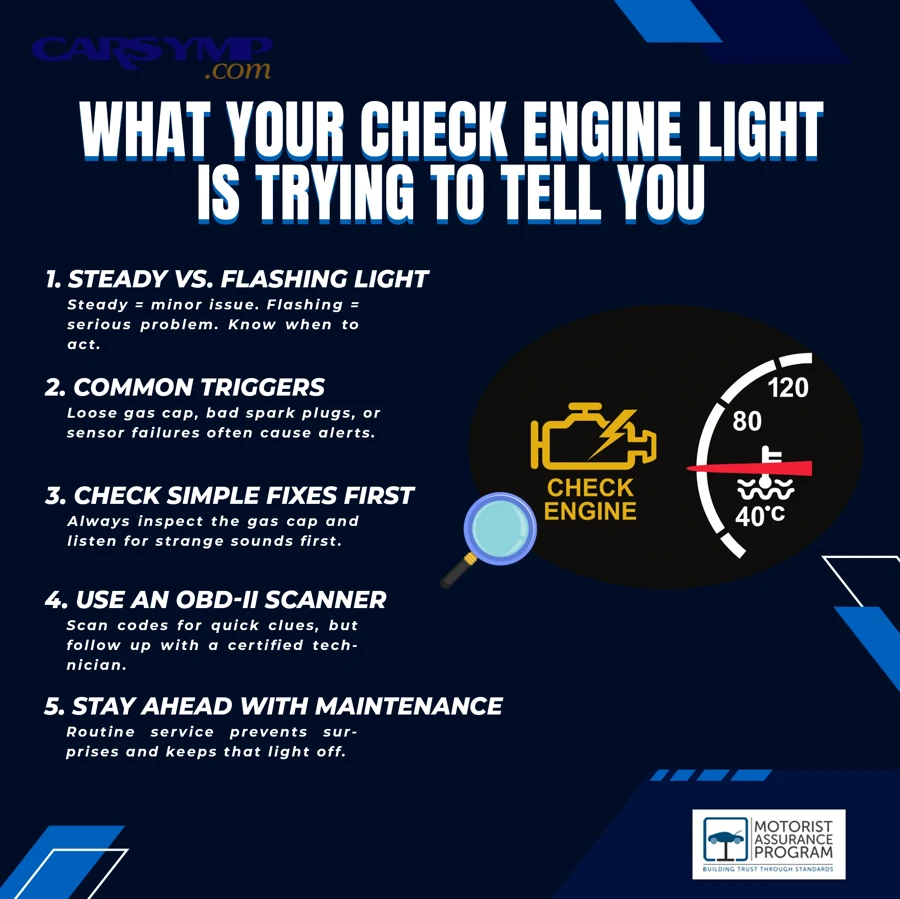
The light can signify a wide range of issues, from minor problems like a loose gas cap to more severe concerns like a malfunctioning catalytic converter. When illuminated, the CEL typically triggers a corresponding trouble code, which provides more specific information about the nature of the problem.
While the check engine light doesn’t necessarily mean your car is unsafe to drive, it’s essential to diagnose the issue promptly. Ignoring it could result in costly repairs down the road, and in some cases, you might be harming the environment by emitting excessive pollutants.
Why Is the Check Engine Light Important for Car Maintenance?
The check engine light serves as an early warning system that allows car owners to identify potential problems before they escalate. For example, a failing oxygen sensor can lower fuel efficiency, while an issue with the spark plugs or ignition coils could cause a misfire. Timely intervention helps prevent engine damage and reduce overall repair costs.
What Are the Most Common Causes of the Check Engine Light?
Several issues can trigger the check engine light, but the most common causes include:
- Loose or damaged gas cap: This is the most common issue and is often easily fixed by tightening or replacing the gas cap.
- Faulty oxygen sensor: The oxygen sensor measures the amount of oxygen in the exhaust and helps manage fuel efficiency.
- Malfunctioning catalytic converter: A damaged catalytic converter may lead to decreased fuel efficiency and increased emissions.
- Ignition system issues: Problems with spark plugs, ignition coils, or wires can result in engine misfires, which trigger the CEL.
How Do You Diagnose the Check Engine Light Step-by-Step?
Diagnosing the check engine light involves retrieving diagnostic trouble codes (DTCs) from your vehicle’s OBD-II system. With the help of an OBD-II scanner, you can identify the specific code that corresponds to the issue. Below are the general steps to diagnose the CEL:
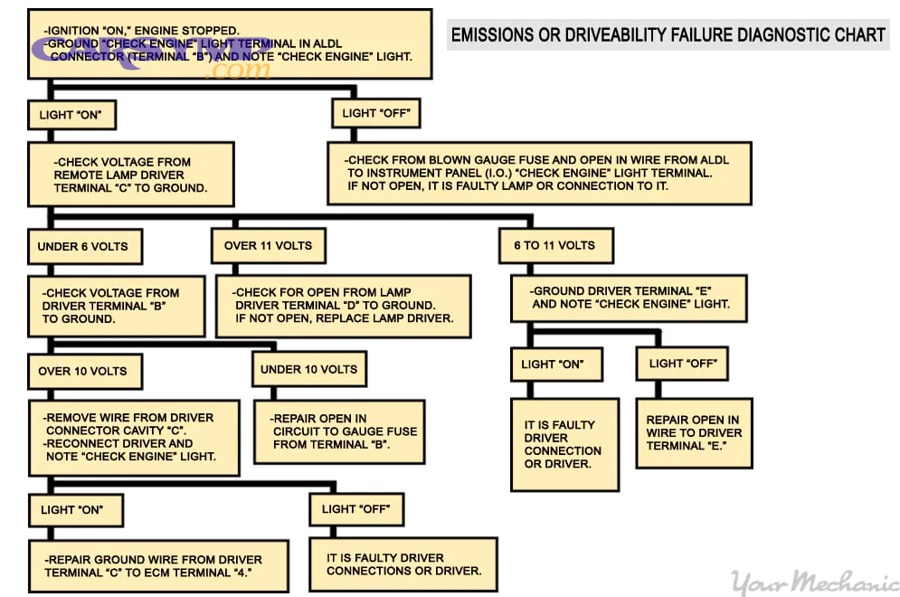
Step 1: Plug in an OBD-II Scanner
To begin diagnosing the issue, you’ll need an OBD-II scanner, a tool designed to read codes from your vehicle’s diagnostic system. These scanners can be purchased online or at an auto parts store. Plug the scanner into the vehicle’s OBD-II port, usually located beneath the dashboard near the steering wheel.
Step 2: Retrieve the Trouble Codes
Once the scanner is plugged in, turn on the car and follow the scanner’s instructions to retrieve the trouble codes. Each code represents a specific issue with your vehicle. Common codes include P0420 (catalytic converter inefficiency) or P0300 (random misfire). Write down the codes displayed on the scanner for further research.
Step 3: Research the Codes
You can use online resources, such as carsymp.com or your vehicle’s repair manual, to interpret the codes. The manufacturer’s website often provides explanations for the error codes specific to your vehicle model. Understanding the codes will guide you in identifying whether the issue can be fixed at home or if professional help is required.
Can You Fix the Issue Yourself or Should You Seek Professional Help?
The decision to fix the problem yourself depends on the severity of the issue and your ability to perform repairs. While some issues are easy to fix, others may require advanced tools or technical knowledge. Understanding when to tackle a problem and when to visit a mechanic is vital for successful repairs.
What Are Some Simple DIY Tests to Perform Before Visiting a Shop?
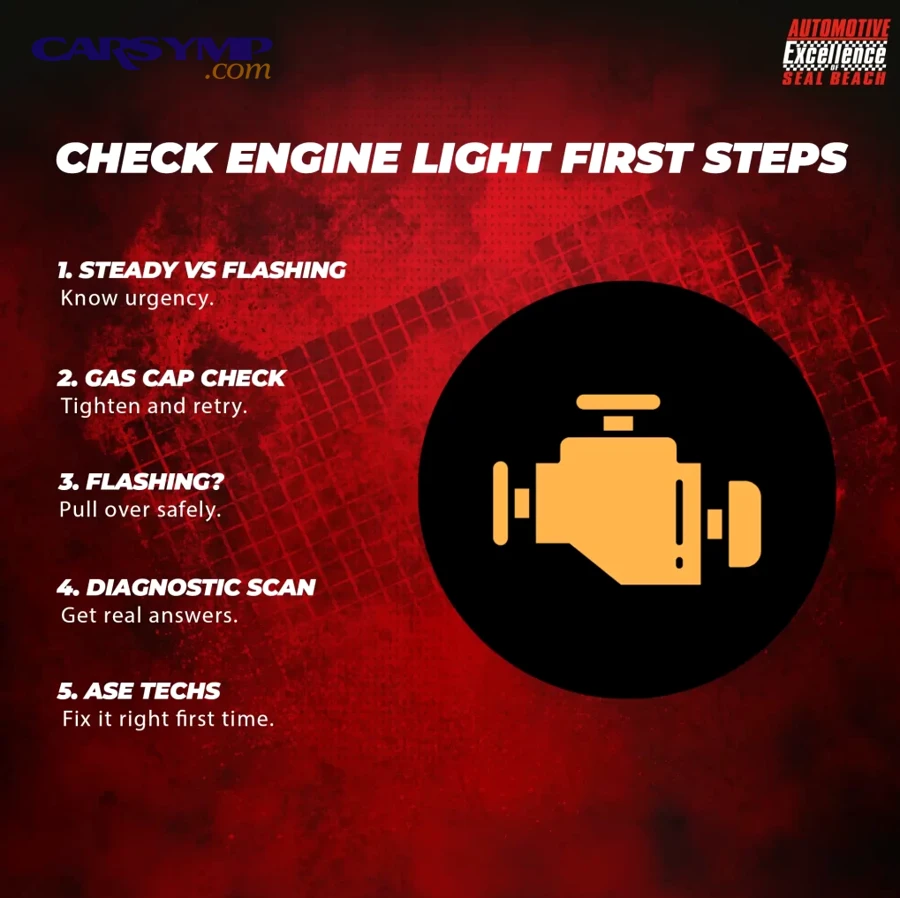
Before heading to the repair shop, perform basic tests to determine whether the problem is something you can fix. Start by checking if the gas cap is properly tightened. If the cap is loose, the CEL may turn off after driving for a while. For other issues, such as ignition problems, you can inspect the spark plugs and ignition coils to ensure they are in good condition.
When Should You Seek Professional Help for Check Engine Light Issues?
If the CEL is accompanied by additional symptoms, such as poor performance, rough idling, or unusual sounds, it’s best to consult a professional mechanic. Additionally, if the error codes point to a problem with the transmission or catalytic converter, these are generally not DIY repairs and should be handled by a qualified technician.
Misfire Diagnosis: Coils, Plugs, Injectors Checklist
A common cause for a check engine light is a misfire, which can occur due to issues with the ignition system or fuel delivery. Misfires can lead to engine hesitation, poor fuel economy, and even engine damage. Here’s a quick checklist to diagnose the misfire:
- Check the ignition coils: These coils are responsible for igniting the fuel in the engine cylinders. A faulty coil can cause a misfire.
- Inspect the spark plugs: Worn or damaged spark plugs are a common culprit of misfires.
- Examine the fuel injectors: Dirty or malfunctioning injectors can lead to uneven fuel delivery and misfires.
Performing these simple tests at home can help you identify the root cause of the misfire before deciding on further steps.
When to Clear Codes and Retest
Once you’ve repaired the problem, you may want to clear the error codes and retest the vehicle to ensure the issue is resolved. Many OBD-II scanners have a function that allows you to erase the codes from the vehicle’s system. After clearing the codes, drive the car for a short period to check if the CEL comes back on. If the light reappears, you may need to seek professional assistance.
In conclusion, diagnosing and fixing a check engine light issue doesn’t have to be a daunting task. By following the steps outlined in this guide, DIY car owners can troubleshoot and repair common issues on their own. If in doubt, always consult a professional to avoid more significant problems down the road.