Many drivers run into a frustrating moment at the shop: the technician says they can’t confirm the root cause without taking parts off first. In most cases, diagnostics require teardown costs when the failure is internal, hidden, or cannot be verified with external tests—so the shop needs disassembly time to prove what’s broken before quoting a correct repair.
Next, it helps to understand what a teardown charge actually is, what labor it covers, and what it does not include—because teardown is often confused with estimates, inspections, or a quick scan that only reads codes.
Then, you’ll want to know which symptoms commonly lead to disassembly and which do not, so you can tell the difference between “reasonable next step” and “premature teardown” that skips basic testing.
Introduce a new idea: once you know the logic behind teardown, you can protect yourself by asking for scope limits, documentation, and reassembly terms before authorizing anything—so the diagnostic path stays fair, traceable, and aligned with your budget.
What are diagnostic teardown (disassembly) fees?
Diagnostic teardown fees are a type of labor charge for partially disassembling a vehicle to access hidden components and confirm the cause of a problem when external testing can’t provide proof.
To better understand why this fee exists, it helps to separate “access labor” from “repair labor” and clarify what you’re paying for at each stage.
What does the fee include—and what does it not include?
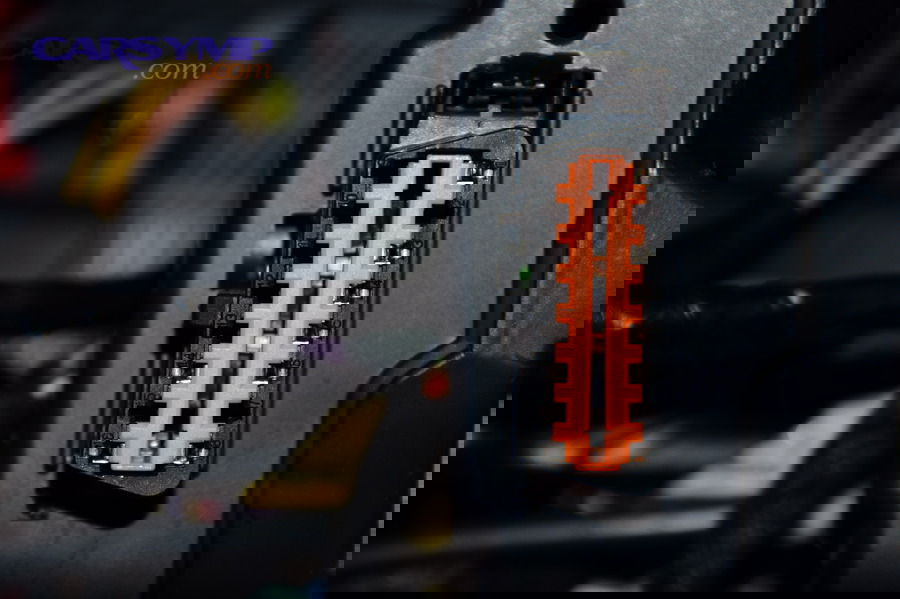
A teardown diagnostic charge usually includes time and skill spent creating access so a technician can verify a failure. In plain terms, you’re paying for disassembly effort that enables diagnosis, not for the final repair.
Commonly included
- Removing covers, shields, or accessories to reach a suspect area
- Removing a component far enough to inspect it (partial disassembly)
- Cleaning critical surfaces to confirm a leak source
- Measuring wear, play, or damage once the area is exposed
- Documenting findings for an estimate or warranty authorization
Commonly not included
- Replacing parts (that’s repair labor and parts cost)
- Full reassembly to “as-found” condition unless stated (some shops include it; many bill separately)
- Fluids, gaskets, seals, or one-time-use hardware (often required after opening systems)
- Additional testing steps beyond the agreed teardown scope
- Any guarantee that the final fix will be cheap—teardown often reveals the true size of the problem
A key point is that teardown is often a “proof step.” Some failures can’t be confirmed honestly from outside the assembly, and a shop that skips proof risks misdiagnosis, repeat repairs, or warranty denial.
To keep the process transparent, treat teardown like a mini-project with a defined start and stop: “Remove X to inspect Y, then report results before proceeding.”
Is teardown the same as an inspection or estimate?
No—teardown is not the same as an inspection or an estimate, because teardown involves disassembly labor while an inspection/estimate is usually visual and non-invasive.
However, teardown can feed an estimate by producing evidence, so people often blend the terms even though the work is different.
Here’s a practical way to compare them so you can spot scope creep early:
Before the table below, note that shops may use different names—“tear down,” “disassembly for diagnosis,” “exploratory labor,” or “access labor”—but the key difference is whether parts come off.
| Service type | What it’s meant to do | Typical output you can request |
|---|---|---|
| Quick inspection | Identify obvious issues without removing major parts | Visual notes, basic recommendations |
| Basic scan | Pull codes and limited data | Code list, freeze-frame snapshots (if available) |
| Full diagnostics | Test systems to isolate the cause | Test results, reasoning, next-step plan |
| Teardown diagnostics | Create access to confirm hidden/internal failure | Photos, measurements, parts condition proof |
This is where Scan fee vs full diagnostic work comparison matters most: a scan may point to a system, but full diagnostics (and sometimes teardown) is what proves the cause and prevents paying for the wrong part twice.
If you’re paying for teardown, you should be able to ask, “What does this teardown prove that testing from the outside cannot?”
When do diagnostics require teardown costs?
There are 6 main situations when diagnostics require teardown costs: internal mechanical failure, hidden leaks, inaccessible components, intermittent faults needing physical inspection, warranty proof requirements, and collision/corrosion damage that can’t be verified externally.
Next, let’s break down the most common problem categories so you can predict when teardown is normal—and when it’s likely avoidable.
Which problems most commonly require disassembly to diagnose?
Teardown tends to be reasonable when the suspected failure is physically inside a sealed area or behind stacked components, and external tests only deliver probabilities.
1) Internal engine issues (proof requires access)
- Suspected timing chain/belt problems
- Internal coolant/oil mixing
- Low compression requiring confirmation of valve, ring, or head gasket damage
- Metal debris suspicion (oil pan removal can confirm)
2) Transmission / drivetrain issues
- Internal clutch pack damage
- Metal in fluid that suggests internal wear
- Some differential/transfer case noise sources
3) Cooling system and leak-source confirmation
- Leaks that only show after removing covers or undertrays
- Coolant leaks that originate behind timing covers or intake components
4) HVAC and dash-area failures
- Blend-door actuator access
- Heater core leakage confirmation (sometimes requires partial dash disassembly)
5) Electrical faults where the connector/pin condition matters
- Corrosion inside connectors
- Harness chafing hidden behind panels
- Water intrusion paths that require trim removal
6) Safety and structural concerns
- Subframe or mount damage that requires components moved for confirmation
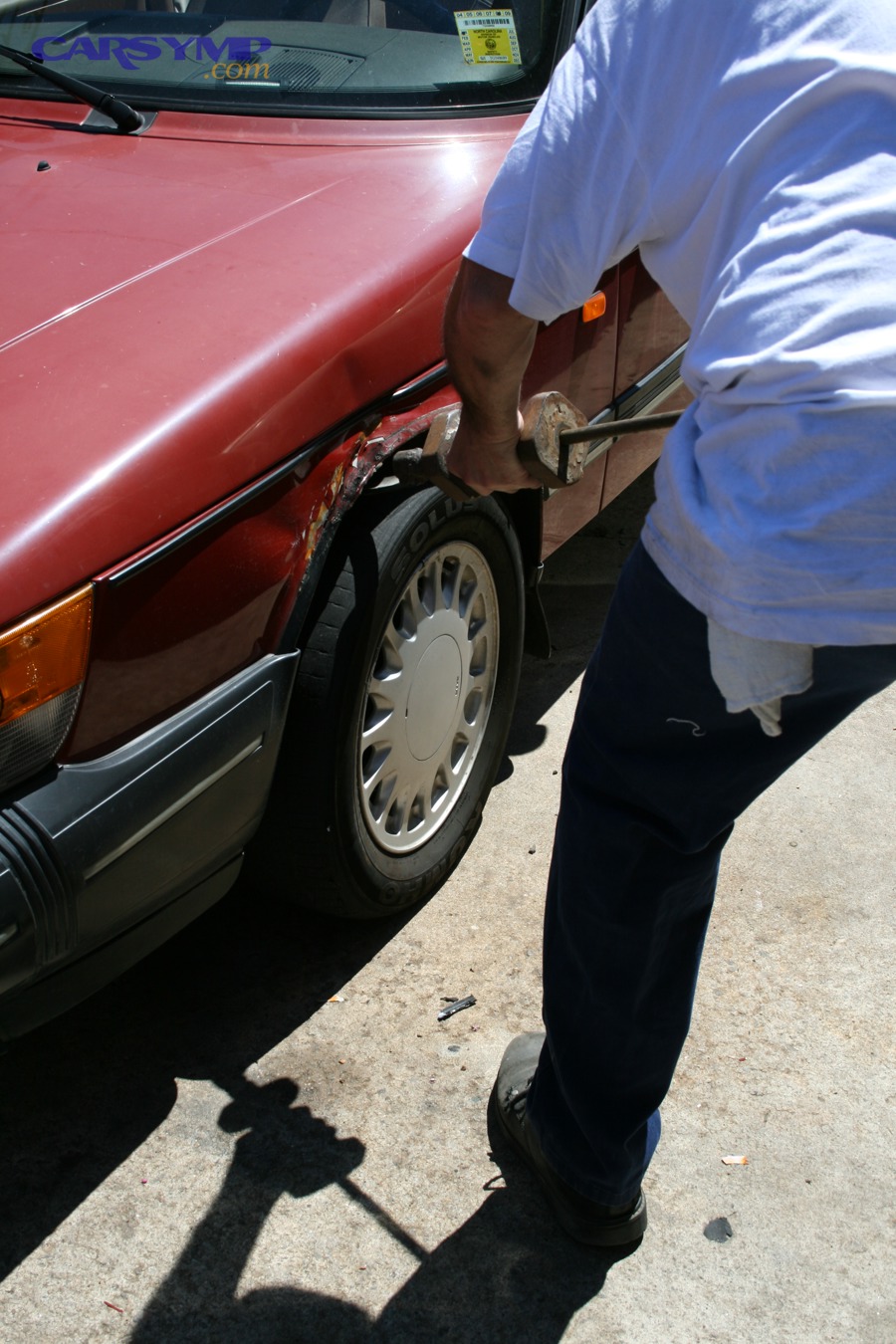
- Collision or rust damage hidden behind liners
If the “failure point” is inside the assembly, a shop can’t ethically promise the right repair without proof. In those cases, teardown is not a trick—it’s the step that turns suspicion into certainty.
Does a trouble code mean teardown is required?
No—a trouble code does not automatically mean teardown is required, because a code is a symptom signal, not a confirmed failed part.
However, some codes can lead to teardown after testing shows the suspected component can’t be verified externally.
A healthy diagnostic sequence looks like this:
- Confirm the complaint (what the driver experiences)
- Pull codes and freeze-frame data
- Validate with live data and targeted tests
- Only then decide whether access/disassembly is necessary to prove the failure
If a shop jumps from “code found” → “engine must be torn down,” you can reasonably ask what tests were performed to rule out simpler causes first.
This is one reason diagnostic procedures are treated seriously in engineering and research: fault signals can be ambiguous, and the path from symptom to root cause requires structured validation. According to a study by Clemson University from the Department of Mechanical Engineering, in 2011, researchers highlighted how robust diagnostic methods must handle complex fault signatures rather than assuming a single cause from a signal alone. (open.clemson.edu)
How do shops decide teardown is necessary instead of more testing?
Shops decide teardown is necessary by following a step-by-step diagnostic path—confirming symptoms, narrowing causes with non-invasive tests, identifying an access barrier, and then proposing limited disassembly to obtain proof and prevent misdiagnosis.
More specifically, the best shops treat teardown as the last justified step after documenting why external testing cannot confirm the failure.
What evidence should exist before teardown is authorized?
Before teardown, you should expect a stated reason that connects three things:
- Symptom (what’s wrong)
- Test results so far (what has been measured/observed)
- Why access is required (what cannot be confirmed without disassembly)
Good “pre-teardown evidence” often includes:
- A short written diagnostic summary (“what we know, what we ruled out, what we suspect”)
- Specific observations (fluid type, location, smell, metal flakes, abnormal noise)
- Recorded data (freeze-frame, live readings, pressure test results)
- A “decision point” statement: “To confirm X, we must remove Y.”
If you can’t get that logic, teardown becomes hard to audit—meaning you can’t tell whether you’re buying certainty or simply buying time.
A practical consumer standard is: you should be able to repeat the shop’s teardown justification back to them in one sentence—and it still makes sense.
What non-teardown tests should be attempted first?
The right tests depend on the symptom, but most vehicles allow a lot of narrowing before disassembly.
Common non-teardown tests include:
- Scan + data review: codes, freeze-frame, readiness monitors, live data
- Visual inspection: leaks, loose connections, cracked hoses, obvious damage
- Pressure tests: cooling system pressure, smoke test for intake/EVAP, fuel pressure
- Electrical checks: voltage drop, continuity, load testing, connector wiggle test
- Mechanical checks: compression test, leak-down test, vacuum test, NVH checks
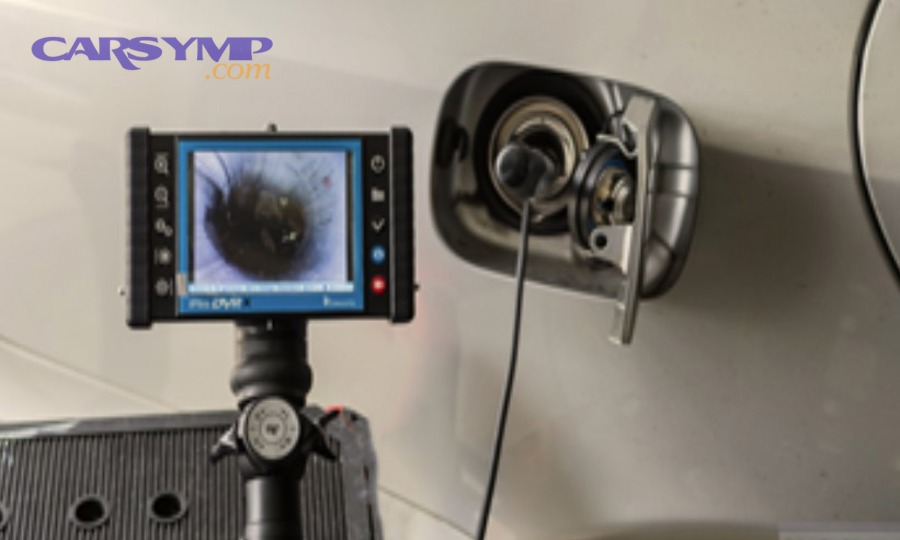
- Borescope inspection: sometimes avoids teardown by looking inside cylinders/ports
If the shop can’t name at least a few “before teardown” checks, or refuses to explain, the diagnostic process may be skipping steps.
That said, sometimes teardown is chosen because it’s actually faster and cheaper than stacking hours of uncertain testing—but only if the scope is limited and the findings will directly change the estimate.
How much do teardown diagnostic fees cost, and how are they priced?
There are 2 main ways teardown diagnostic fees are priced—flat-rate packages and hourly labor—based on how predictable the disassembly is and how tightly the shop can define the stopping point.
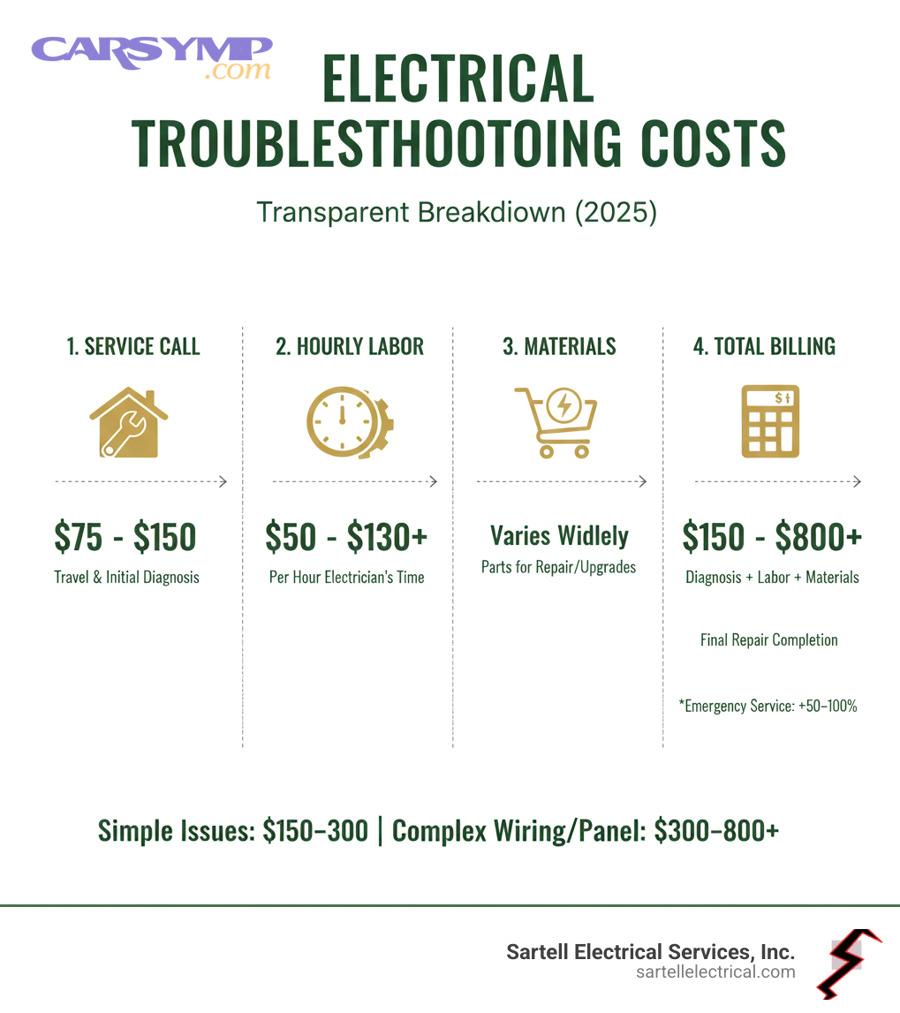
Next, let’s compare these models so you can predict the final bill and avoid “open-ended teardown” that expands without your approval.
Flat-rate teardown vs hourly teardown: which is more common?
Flat-rate teardown is common when the job is predictable, like removing a specific cover to inspect a known area. The shop can say, “This access takes 1.5 hours, plus parts if we proceed.”
Hourly teardown is common when:
- Fasteners are corroded or access is uncertain
- Multiple stacked components may block the inspection
- The symptom is intermittent and requires time to reproduce
- The vehicle’s design makes labor time vary significantly
If you’re quoted hourly teardown, the single most important protection is a cap:
- “Authorize up to X hours. Stop and call me with findings and next steps.”
This is where the phrase diagnostic fee matters in a practical way: teardown is often billed as diagnostic labor, but it’s diagnostic labor that includes physical access work—so the price can rise quickly if the scope isn’t controlled.
Are teardown fees applied to the final repair bill?
Sometimes—teardown fees are applied to the repair bill when you approve the repair at the same shop, but policies vary and must be confirmed before you authorize the work.
In addition, some shops apply a portion (or all) of the teardown charge as a “credit,” while others keep it separate because teardown is billable work regardless of the repair decision.
Before authorizing, ask for one of these clear statements in writing:
- “Teardown labor will be credited toward the repair if approved.”
- “Teardown labor is separate and not credited.”
- “Teardown labor is credited up to X hours.”
Why this matters: teardown often produces the evidence that makes the repair estimate accurate. If you leave after teardown, the shop still did real labor—and you may be paying for knowledge you’ll take elsewhere.
A good way to keep it fair is to align the financial structure with the shop’s incentives:
- If they credit teardown toward repair, you’re less exposed to “pay twice” diagnostics.
- If they do not credit it, you’ll want tighter scope and stronger documentation.
What should car owners ask before authorizing teardown diagnostics?
You should ask 8 specific questions before authorizing teardown diagnostics to lock down scope, cost limits, documentation, and reassembly responsibility—so you don’t accidentally approve open-ended labor without a clear stopping point.

Then, once those questions are answered, you can authorize teardown confidently because you know what you’re buying and what decisions come next.
What questions confirm scope, cost cap, and documentation?
Use these questions as a checklist (and ask for written answers where possible):
- What exactly will you remove to inspect the suspected failure?
- What are you trying to prove or rule out with this teardown?
- What tests have already been completed without teardown?
- What is the labor estimate for teardown, and is it flat or hourly?
- What is the maximum authorized time (cap) before you must call me?
- What parts/fluids might be required just because you opened the system?
- Will teardown be credited toward the repair if I approve it here?
- What documentation will I receive (photos, measurements, codes, notes)?
This is also where Getting diagnostics in writing and printouts protects you. When you request a printed or emailed diagnostic summary—codes, test results, photos of the failed area—you convert “trust me” into “show me,” which helps with second opinions, warranty claims, and preventing repeated diagnostic charges.
Research on consumer information in repair markets supports this general principle: informed customers tend to receive fairer outcomes. According to a study by Northwestern University from the Kellogg School of Management, in 2013, researchers found repair shops adjusted price quotes based on how informed customers appeared, showing why documentation and clear expectations can influence fairness. (nber.org)
If I decline the repair, will the vehicle be reassembled—and who pays?
You should assume reassembly is not automatic unless it’s stated, because teardown can leave the vehicle partially disassembled and sometimes not safely drivable.
More importantly, reassembly policy determines whether you face an extra bill if you choose not to proceed.
Ask these two direct questions:
- “If I decline the repair, will you reassemble the vehicle to a safe condition?”
- “Is reassembly included in the teardown charge or billed separately?”
In some regions, repair documentation rules explicitly emphasize customer authorization and documentation around teardown and declination scenarios. For example, California Bureau of Automotive Repair highlights documentation and authorization concepts, including situations where a customer declines repair or reassembly after teardown. (bar.ca.gov)
Even if you’re not in that jurisdiction, the best practice is universal: get reassembly terms in writing so the teardown doesn’t turn into a surprise second invoice.
Who pays teardown diagnostic costs if warranty coverage is denied?
There are 3 common payers for teardown diagnostic costs—warranty/contract administrator (if approved), the shop (rare, typically promotional), or the vehicle owner (most common if denied or excluded)—depending on coverage terms and claim authorization.
Next, let’s map the real-world scenarios so you know what you’re responsible for before the shop opens anything up.
If I have an extended warranty, can teardown still be “on me”?
Yes—teardown can still be your responsibility under many service contracts, especially when the teardown is needed to determine whether the failure is covered or excluded.
In other words, the contract often covers repairs for covered breakdowns, but the process of proving coverage can require labor that you initially pay.
Some contract providers state this explicitly in consumer-facing FAQs. For example, CNA National Warranty Corp notes that customers may be responsible for tear-down charges required to diagnose the cause of a breakdown, with reimbursement depending on whether the failed component is covered. (cnanational.com)
Also, keep the difference between warranties and service contracts straight: Federal Trade Commission explains that manufacturer warranties and auto service contracts (“extended warranties”) are not the same product, and they can have very different claim and payment rules. (consumer.ftc.gov)
Practical takeaway: do not authorize teardown on a “they’ll probably cover it” assumption—treat it like a conditional claim step that needs pre-approval terms.
What documentation helps if I need reimbursement or a second opinion?
To improve approval odds and make reimbursement disputes easier, request documentation that proves both the process and the outcome.
Ask the shop for:
- Photos of the failed part/area after access is created
- Written diagnostic notes that state what was tested and why teardown was needed
- Part numbers and component identification (for covered-item matching)
- Codes + freeze-frame + live data snapshots (when relevant)
- Measurements (clearances, wear, compression/leak-down numbers)
- A clear statement: “Failure confirmed as X; cause appears to be Y.”
This is also where your earlier request for Getting diagnostics in writing and printouts becomes the most valuable. If you switch shops, negotiate with a warranty administrator, or request a second opinion, your documentation reduces the chance you pay multiple times for the same diagnostic journey.
Finally, if a shop requires your authorization before teardown, that’s normal—and it’s also your moment to set boundaries. Many authorization forms used by repair facilities state that disassembly and reassembly charges may apply if you choose not to proceed, reinforcing why scope, cap, and documentation should be agreed upfront. (classiccollision.com)
Evidence (if any)
According to a study by Northwestern University from the Kellogg School of Management, in 2013, researchers found that auto repair price quotes changed based on how informed customers appeared, underscoring why clear documentation and defined diagnostic scope can protect consumers during teardown decisions. (nber.org)