Understand the Diagnostic Fee (Diagnostic Charge) at a Repair Shop: What It Covers, Typical Costs & How to Keep It Fair for Drivers
A diagnostic fee is the amount a repair shop charges to identify the cause of a symptom—not to replace parts yet. You’re paying for the technician’s time, testing process, and know-how so you can stop guessing and make a repair decision with evidence.
Many drivers feel surprised by a fee “just to look,” but the reality is that modern vehicles require structured troubleshooting: scanning modules, verifying data, testing circuits, and confirming a root cause so the repair is accurate the first time.
You can also reduce surprises by asking what the shop will do during diagnostics, how the fee is billed (flat or hourly), and whether it’s credited toward repair if you proceed—because not all “diagnostics” are priced or performed the same way.
Introduce a new idea: once you understand what the diagnostic fee is (and what it isn’t), you can judge quotes confidently, avoid paying twice for the same work, and recognize when the charge is fair.
What is a diagnostic fee at an auto repair shop?
A diagnostic fee is a labor charge for systematic troubleshooting that finds why a problem is happening (root cause), not just what code is stored or what part might be involved.
Next, it helps to separate the word “diagnostic” from other shop terms, because different words often hide very different scopes—and very different bills.
Is a diagnostic fee the same as a scan fee?
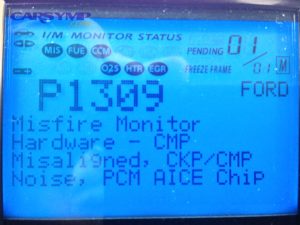
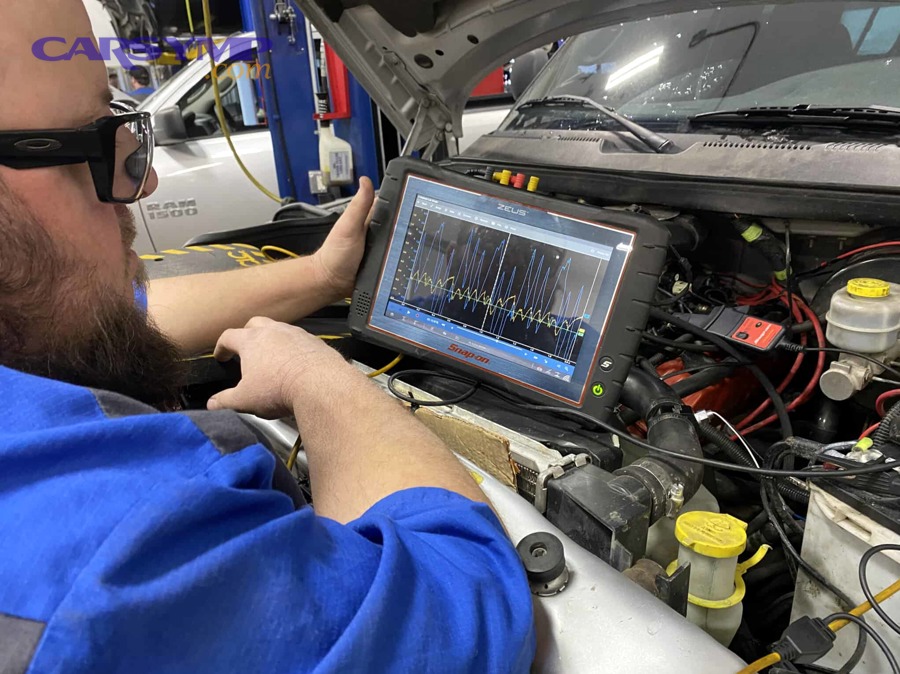
No—“scan fee” and “diagnostic fee” are not the same, because a scan is usually data retrieval, while diagnostics are problem-solving with tests and verification. A scan fee often covers connecting a tool and pulling trouble codes; a diagnostic fee typically includes follow-up checks to confirm the fault.
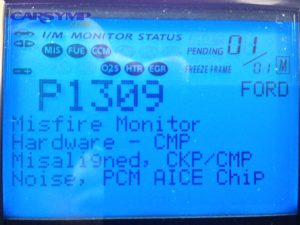
To illustrate, a scan might show a misfire code on cylinder 2, but that does not automatically mean “replace coil #2.” A professional diagnostic process often includes verifying misfire counts live, swapping components to see if the misfire follows, checking fuel trim, inspecting plugs, and testing injector balance—because codes point to systems, not guaranteed parts.
So when you see “Scan fee vs full diagnostic work comparison”, think of it like this:
- Scan fee = “What did the car’s computers report?”
- Full diagnostic work = “What caused the issue, and what proof supports the repair plan?”
More importantly, paying for real diagnostics can save money when it prevents “parts darts”—replacing components on suspicion until the symptom disappears.
Diagnosis vs estimate vs inspection differences
Diagnosis vs estimate vs inspection differences come down to the question each one answers:
- Inspection asks: Is anything visibly wrong, worn, or leaking?
- Estimate asks: How much would it cost to do a specific job?
- Diagnosis asks: What is the true cause of the customer’s complaint?
For example, a brake inspection might find thin pads (visible condition), an estimate might price pads/rotors (cost of a known job), but diagnosis might be required if the issue is “brake pedal pulsation only at highway speeds” (root-cause question that could involve rotors, wheel bearings, tire issues, or suspension).
In addition, many shops will provide a basic visual inspection as part of a service visit, but they reserve diagnostic time for problems that require testing, measurements, or deeper access.
What does a diagnostic fee typically include?
A diagnostic fee typically includes time and procedures to isolate the fault, such as scanning modules, reviewing live data, performing targeted tests, and documenting findings so the shop can recommend a repair with confidence.
Then, to judge whether a quote is reasonable, you need a clear picture of what you’re actually buying—because “diagnostics” should produce deliverables, not just vague conclusions.
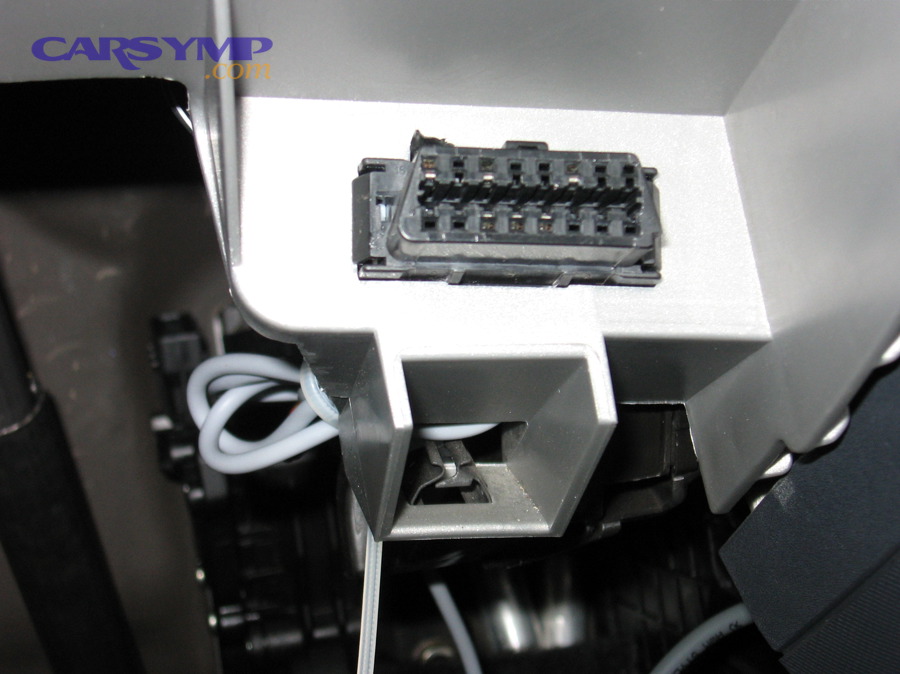
What a diagnostic fee covers at a repair shop
What a diagnostic fee covers at a repair shop often includes a combination of:
- Interview + symptom confirmation: verifying the complaint (noise, vibration, warning lights, intermittent stalling).
- Initial scan + data review: retrieving codes from multiple modules (engine, transmission, ABS, body, HVAC), reviewing freeze-frame snapshots, checking readiness monitors.
- Test plan execution: electrical checks (voltage drop, continuity), mechanical checks (compression, vacuum), smoke testing for leaks, pressure testing, road testing with data logging.
- Service info lookups: wiring diagrams, technical service bulletins (TSBs), known-failure patterns, and test specs.
- Root-cause statement + repair direction: what failed, why it failed (when possible), and what repair will correct it.
Specifically, a real diagnostic workflow is often a decision tree: each test narrows the possibilities, and each result determines the next step. That’s why many shops charge a minimum diagnostic time (for example, half-hour or one hour)—because even “simple” problems can take structured time to prove.
Getting diagnostics in writing and printouts
Getting diagnostics in writing and printouts is one of the simplest ways to protect yourself and improve transparency.
Ask for at least one of the following:
- A written description of the confirmed fault and the evidence (e.g., “Fuel pump pressure drops below spec under load; verified with gauge during road test”).
- Code printouts (current/pending/history) plus freeze-frame data when relevant.
- A test result summary (smoke test found leak at EVAP purge line; voltage drop measured X volts; misfire counter confirms cylinder-specific event).
- Any photos or short videos if the shop uses digital inspections.
Besides helping you understand the problem, documentation makes it easier to compare quotes, authorize the right repair, and decide When a second opinion makes sense later—without paying a second shop to repeat identical steps.
How much is a diagnostic fee, and why does it vary so much?
Diagnostic fees vary because shops price them based on labor rates, technician skill, tooling costs, and the complexity/time-to-isolate of the symptom; many align diagnostics to an hourly rate or a flat minimum time. (aaa.com)
To better understand your car service cost, break diagnostic pricing into two parts: (1) typical ranges and (2) what pushes a case toward the high end.
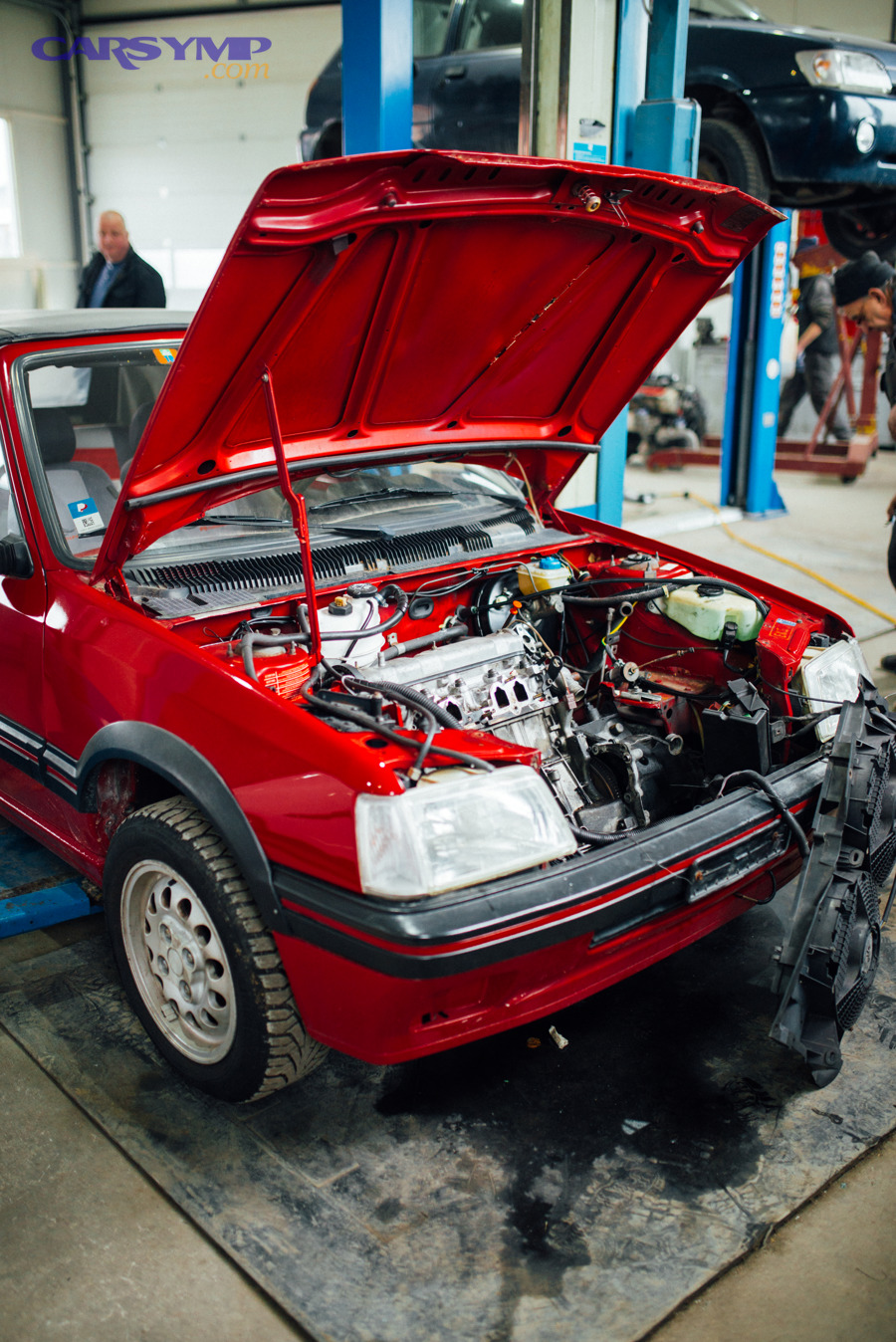
Typical diagnostic fee ranges by service type
There are 4 common pricing patterns for Typical diagnostic fee ranges by service type: quick scan, standard drivability/electrical, specialty system diagnostics, and teardown-required diagnostics.
Below is a practical mapping of what many drivers experience (ranges depend heavily on region and shop type). AAA has reported wide variation in shop labor rates, which helps explain why diagnostic pricing spreads so much. (aaa.com)
Here’s a quick table showing what the ranges usually mean in scope:
| Service type (what you’re asking the shop to solve) | Common diagnostic pricing style | What you typically get |
|---|---|---|
| “Check engine light—what code is it?” | Scan fee / minimum charge | Code read + basic interpretation |
| Drivability (misfire, stalling, rough idle) | 0.5–1.0 hr diagnostic time | Scan + live data + targeted tests |
| Electrical (battery drain, intermittent no-start) | 1.0+ hr diagnostic time | Circuit testing + isolation steps |
| HVAC/AC performance | Flat + possible add-ons | Pressure tests + leak detection |
| Noise/vibration/handling | Road test + inspection time | Verification + mechanical checks |
| Engine internal / transmission internal | Diagnostic time + teardown approval | Deeper access + measurement-based confirmation |
A key takeaway: if a shop quotes a low fee but can’t explain their process, you might not be buying real diagnostics—you might be buying a guess.
What factors raise or lower the price?
Pricing moves up or down based on these factors:
- Symptom complexity: intermittent problems take longer than consistent ones.
- Vehicle technology: more modules, networks, and calibration steps increase diagnostic time.
- Access difficulty: if testing requires disassembly, time rises quickly.
- Tooling + subscriptions: factory-level scan tools, oscilloscope work, smoke machines, and information systems add overhead.
- Shop specialization: specialists may charge more per hour but solve faster (lower total cost).
Meanwhile, shops that do diagnostics well often build a “test budget” into their quote—meaning they’ll tell you what the minimum covers and what triggers additional authorized time.
When is a diagnostic fee waived or credited toward repairs?
A diagnostic fee is often waived or credited when you approve the repair at the same shop, because the diagnostic labor becomes part of the total job value; however, policies vary by shop and by warranty coverage.
Next, the smart move is to ask how the shop handles the fee before the vehicle goes in—so you don’t learn the rules at the cashier.
How shops apply diagnostic fees to repairs
How shops apply diagnostic fees to repairs usually falls into one of these models:
- Credit model: “If you do the repair here, we apply the diagnostic fee to labor.”
- Bundle model: “Diagnostics are included in the repair price for common problems.”
- Separate line-item model: “Diagnostics are always charged because they’re a distinct service.”
- Cap model: “We include X minutes; beyond that requires authorization.”
If you want the cleanest math, ask for the credit model in writing. It doesn’t just reduce cost—it reduces the chance you pay two shops to do overlapping work.
Also note the practical nuance: some shops will credit part of the fee if the repair is simple, but not if the diagnostic work was extensive and the repair is small. That’s not automatically unfair—just make sure the policy is clear.
Questions to ask before authorizing diagnostics
Questions to ask before authorizing diagnostics (use these verbatim if you want):
- “Is this a scan fee or full diagnostic time—and what tests are included?”
- “Is the diagnostic fee flat-rate or billed by the hour?”
- “What is the maximum diagnostic time you’ll spend before calling me?”
- “Will you credit the diagnostic fee toward the repair if I proceed?”
- “Will I get documentation—notes, code printouts, or test results?”
- “If you don’t find the issue on the first visit, how do follow-up charges work?”
These questions directly reduce the risk of Avoiding unnecessary diagnostic charges, because they force scope clarity. In other words: you’re not negotiating price first—you’re negotiating definition first.
Is paying a diagnostic fee normal, and how do you tell it’s fair?
Yes, paying a diagnostic fee is normal, because diagnosis is skilled labor that prevents guesswork; it’s fair when you receive a defined scope, measurable outputs, and a clear repair recommendation backed by evidence.
In addition, fairness is easiest to judge when you look at outcomes: did the fee buy clarity, or did it buy confusion?
Avoiding unnecessary diagnostic charges
To improve your odds of Avoiding unnecessary diagnostic charges, focus on three practical strategies:
- Bring better inputs
- Provide a clear symptom description: when it happens, how often, what changed recently.
- Share prior repairs and warning lights.
- If the issue is intermittent, try to capture a short video of the symptom (noise, dash behavior).
- Ask for a diagnostic “deliverable”
- A simple line like: “We will provide a written finding and the next-step recommendation.”
- This reinforces that you’re paying for a result, not an experiment.
- Avoid paying twice for the same step
- If you already paid for diagnostics elsewhere, bring the paperwork.
- Ask whether the new shop can build from existing findings rather than restarting from zero.
A high-quality shop will still verify critical facts—but good documentation reduces repeated labor.
If you want a quick reference checklist for organizing symptoms and documents before your appointment, you can also use carsymp.com as a starting point for symptom notes and what to bring.
When a second opinion makes sense
When a second opinion makes sense is usually when any of these are true:
- The shop can’t explain the test results—only a parts list.
- The diagnosis changes repeatedly without new evidence.
- The fix is expensive and the failure mode is uncertain (e.g., “might be wiring, might be module”).
- The recommendation involves major replacement without confirmatory testing.
- The symptom persists after a paid diagnosis and a paid repair.
Now, a second opinion does not always mean “another diagnostic fee for the same steps.” A better approach is to ask the first shop for documentation and then choose a second shop that specializes in the system involved (electrical, drivability, European diagnostics, hybrids).
What special situations can change diagnostic fees and outcomes?
Special situations can increase diagnostic time (and cost) when a problem requires disassembly, intermittent reproduction, warranty authorization rules, or specialized tooling, so the right approach is to define scope, approvals, and stop-points before work begins. (lombardfordprotect.com)
Next, let’s explore the scenarios where diagnostic charges feel the most controversial—because the process is legitimately harder.
When diagnostics require teardown costs
When diagnostics require teardown costs, the diagnostic fee may no longer be just “an hour of labor.” It can include additional labor to access hidden components.
Common examples:
- Internal engine issues that require valve cover removal, leak-down testing, or borescope access
- Transmission internal concerns requiring pan removal (and fluid replacement)
- Cooling system failures where access requires removing covers, shields, or intake components
- EVAP leaks that require smoke testing plus component access in wheel wells or under shields
In these cases, the best protection is pre-approval structure:
- “Approve up to X hours; call me before teardown.”
- “If teardown is needed, quote the teardown step separately first.”
- “Clarify whether reassembly is included if you decline the repair.”
That turns a scary open-ended charge into a staged process you control.
Intermittent problems and “no fault found” results
Intermittent issues are the hardest category because the symptom may not appear during the visit. That’s where you sometimes see “No Fault Found” (NFF) outcomes—even when the problem is real.
A widely cited SAE paper notes that research at Colorado State University’s OBDII Research Center found that in more than 20% of Malfunction Indicator Light (MIL) events, OBD data did not provide enough information to identify a root cause, and 15% of repairs initiated from OBD information were incomplete for emissions compliance. (cs.odu.edu)
According to a study by Colorado State University from the OBDII Research Center, in 1998, more than 20% of MIL illuminations lacked sufficient OBD information to identify a root cause, and 15% of OBD-driven repairs were incomplete for emissions compliance. (cs.odu.edu)
What this means for your diagnostic fee:
- You may be paying for time spent attempting to reproduce, log data, and isolate an intermittent failure.
- A fair shop will propose next steps (longer road test, keep vehicle overnight, install a recorder, check known failure points).
- Documentation becomes even more important, because intermittent cases often require staged diagnostics.
Warranty coverage and who pays
Warranty adds a billing complication: a shop may ask you to authorize diagnostics because someone has to pay if the issue isn’t covered.
For example, Ford explains that a dealership may charge a diagnostic fee to cover the labor required to determine the cause of a concern, and warranty coverage may change who ultimately pays.
In practice:
- If the failure is warranty-covered, the diagnostic labor is often covered/absorbed according to the warranty claim rules.
- If the failure is not covered (wear, damage, outside coverage), you may owe the diagnostic fee.
So your best move is to ask: “If this ends up not being covered, what diagnostic amount am I responsible for?”
DIY checks that reduce paid diagnostic time
DIY checks can’t replace professional testing, but they can reduce diagnostic time by giving the shop stronger starting evidence.
Useful examples:
- Note whether the symptom happens hot vs cold, under load, at idle, after refueling, in rain, etc.
- Check basics: battery terminals tight/clean, oil level, coolant level, obvious broken hoses or disconnected connectors.
- If a check engine light is on, write down whether it’s steady or flashing (flashing usually indicates a severe misfire risk).
Then bring that information to the shop so the technician can start closer to the truth. This doesn’t eliminate the diagnostic fee—but it can reduce how much paid time is needed to isolate the problem.
Evidence (if any):
• AAA reports wide variation in shop labor rates, which helps explain why diagnostic charges and minimum diagnostic times vary across regions and shop types. (aaa.com)
• Ford explains the diagnostic fee concept at dealerships as labor to determine the cause of a concern, and warranty coverage can affect who pays.
• An SAE paper citing research from Colorado State University’s OBDII Research Center reports >20% “No Fault Found” outcomes for MIL events and 15% incomplete OBD-initiated repairs (emissions compliance context), illustrating why diagnosis can require more than code reading. (cs.odu.edu)