


Most people seek a medical second opinion when the stakes feel high—and that instinct is usually right: a second, independent expert view can confirm the diagnosis, refine it, or surface safer options before you commit to a life-changing decision.
Next, this guide walks you through what a “second opinion” actually includes (and what it doesn’t), so you can use the process for clarity—not confusion—especially when you’re facing a major procedure, a serious new diagnosis, or a treatment plan with real tradeoffs.
Then, you’ll learn how to time a second opinion—whether to act now or wait for additional testing—so you don’t lose momentum when care is urgent, but also don’t rush into irreversible steps when the facts are still incomplete.
Introduce a new idea: the best second opinions are not just “another appointment”—they’re a structured, cost-aware way to reduce uncertainty, compare recommendations fairly, and decide confidently as a patient or caregiver.
What is a medical second opinion?
A medical second opinion is an independent clinical evaluation by another qualified clinician who reviews your diagnosis and/or treatment plan, checks the evidence behind it, and offers a confirmation or alternative approach based on your records, tests, and symptoms.
To better understand why this matters, it helps to separate “what a second opinion is” from other common healthcare interactions that can look similar on the surface.

What does a second opinion typically include—diagnosis review, treatment options, or both?
A second opinion typically includes both a diagnosis review and treatment options, because the two are inseparable: the “right” treatment depends on the confidence and precision of the diagnosis.
A second-opinion clinician usually does four things in a structured sequence:
- Rebuild the case from primary inputs
They review your symptom timeline, exam findings, past diagnoses, medications, allergies, and what has or hasn’t improved. This step often reveals gaps, assumptions, or missing context. - Audit the evidence behind the diagnosis
They review lab results, imaging reports, pathology reports, and procedure notes. In some situations, they also request a second read of imaging or pathology (meaning a specialist reinterprets the original material). - Map realistic options (including “watchful waiting”)
A good second opinion presents multiple pathways: confirm-and-proceed, adjust the plan, try a less invasive option, repeat or add tests, or monitor carefully with clear stop rules. - Explain tradeoffs in plain language
You should leave understanding the “why,” not just the “what.” That includes risks, expected benefits, what outcomes are most likely, and what would prompt escalation.
This is where patients get tripped up by something that feels like semantics but has real consequences: Diagnosis vs estimate vs inspection differences. A diagnosis is a reasoned clinical conclusion; an “estimate” is closer to a forecast (what happens if we choose option A vs B); and an “inspection” is a limited screening look that may not answer the core question. If you treat an inspection like a diagnosis, you may make a big decision based on partial information.
According to a study by Mayo Clinic from the Department of Internal Medicine, in 2017, only 12% of patients seeking a second opinion had their original diagnosis fully confirmed, while many received a changed or refined diagnosis.
Is a second opinion the same as switching doctors?
No, a second opinion is not the same as switching doctors, because a second opinion is about validation and clarity, while switching doctors is about continuity of care with a new team.
A second opinion can be:
- One-time decision support (you return to your original clinician with better clarity)
- A temporary checkpoint (you compare plans and choose one)
- A pathway to transfer care (if you decide the new team is the better fit)
This distinction matters because it shapes tone, logistics, and expectations. If you approach a second opinion like a breakup, you may avoid sharing full records or may frame the first clinician as “wrong,” which reduces collaboration. If you approach it as decision support, you can preserve relationships and still advocate strongly for yourself.
When does a second opinion make sense?
There are 10 main signs a medical second opinion makes sense: a serious new diagnosis, high-risk treatment, major procedure recommendations, unclear or conflicting test results, treatment that isn’t working, rare/complex conditions, multiple valid options with tradeoffs, persistent or worsening symptoms, poor communication/low trust, and a need for confirmation before irreversible decisions.
More importantly, each sign points to the same underlying issue: uncertainty is high while consequences are big, so another expert view can reduce avoidable risk.

What are the 10 signs you should seek a second opinion?
There are 10 main signs you should seek a medical second opinion, based on the criterion of decision impact and uncertainty .
- You received a serious new diagnosis
Cancer, autoimmune disease, neurologic diagnoses, organ failure, or chronic progressive conditions often have subtypes that change treatment dramatically. - You were told you need major surgery or a procedure
When a procedure is irreversible—or changes your body permanently—confirming the “must do” recommendation is rational. - The treatment is high-risk or high side-effect
Chemotherapy, immunosuppressants, long-term steroids, major psychiatric medication changes, or complex cardiac therapies deserve careful option mapping. - Your results and symptoms don’t match
You feel worse while tests look “fine,” or you feel fine while a report sounds alarming. Mismatch often signals interpretation issues or missing context. - Your diagnosis feels vague (“it could be many things”)
Uncertainty is expected in medicine, but if the plan is aggressive while the diagnosis is fuzzy, it’s time to slow down and verify. - The first treatment didn’t work as expected
A failed trial isn’t always wrong—it may be a clue the underlying diagnosis needs refinement. - You have a rare or complex condition
Rare diseases are rare for a reason: many clinicians may never see them frequently enough to recognize patterns. - You were given multiple options but no clear decision framework
If you hear “it’s up to you” without concrete tradeoffs, probabilities, and patient-goal alignment, another clinician may explain the decision better. - You don’t feel heard or you don’t understand the plan
Communication failures increase risk because you can’t follow a plan you don’t understand. - You need peace of mind before committing
Anxiety alone isn’t a reason to dismiss your concerns; it can be a signal your brain is noticing incomplete information.
A useful way to act on this list is to ask one grounding question: “If we’re wrong, what’s the cost?” If the cost is high, the second opinion is not “extra”—it is risk management.
According to a study by the University of Michigan from the Department of Surgery, in 2006, 52% of patients evaluated for breast-cancer-related surgical recommendations had one or more changes suggested after a second review of their case.
Should you get a second opinion before major surgery or long-term treatment?
Yes, you should often get a second opinion before major surgery or long-term treatment because (1) irreversible decisions deserve confirmation, (2) different specialists may offer less invasive alternatives, and (3) the second opinion can clarify benefits, risks, and timing so you choose a plan you can commit to.
However, the key is not “always delay”—the key is sequence. You can schedule the second opinion while continuing necessary stabilization care.
Specifically, a smart workflow looks like this:
- If care is elective or semi-urgent: pause long enough to get records reviewed and options compared.
- If care is urgent: proceed with stabilizing steps (pain control, infection treatment, preventing deterioration) while arranging a rapid review.
A second opinion is strongest here when it changes one of these levers: whether surgery is needed, when it should happen, or what kind of surgery is most appropriate.
Do persistent symptoms after treatment mean you need another expert view?
Yes, persistent symptoms after treatment often justify another expert view because (1) persistent symptoms may signal an incomplete diagnosis, (2) they can indicate complications or side effects that need a different plan, and (3) they can reveal that the current approach is treating the wrong target.
Meanwhile, persistence alone isn’t enough—you also need to look at trajectory: are symptoms stable, slowly improving, fluctuating, or worsening?
A second opinion makes sense sooner when:
- Your symptoms are worsening week over week
- New symptoms appear that weren’t part of the original condition
- You’re experiencing unexplained weight loss, fevers, neurologic changes, severe fatigue, chest pain, or fainting
- The care plan lacks “if-then” triggers (what should happen if you don’t improve by a certain time)
If you’re a caregiver, your role is often to track reality more consistently than a stressed patient can. A simple symptom log—date, severity, triggers, and what helped—can make the second opinion dramatically more accurate.
How soon should you get a second opinion—now or after more tests?
A second opinion is best sought now when a decision is imminent and irreversible, while waiting for more tests is best when additional information will meaningfully reduce uncertainty and the delay is safe; a hybrid approach is optimal when you can stabilize symptoms while records are reviewed in parallel.
Next, you can use a timing rule that prevents two common failures: delaying urgent care for “one more appointment,” or rushing into irreversible treatment without verifying the foundation.
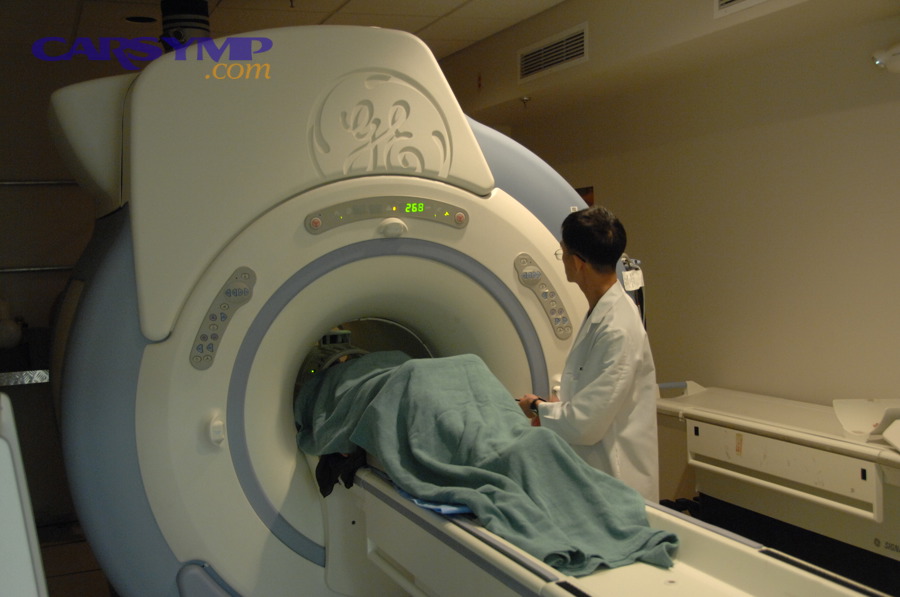
Here’s a quick decision table to make timing practical. This table compares when to seek a second opinion immediately versus after additional testing, based on urgency and decision reversibility.
| Situation | Seek second opinion now | Seek second opinion after more tests |
|---|---|---|
| Major surgery proposed, not emergent | ✅ Yes | Only if tests are pending and will change the plan |
| New diagnosis with unclear subtype | ✅ Yes | Sometimes, if key confirmatory tests are scheduled soon |
| Symptoms rapidly worsening | ✅ Yes, but do not delay urgent evaluation | ❌ No, prioritize urgent care first |
| Chronic symptoms with no clear diagnosis | ✅ Yes | ✅ Also yes, if targeted tests are part of a structured plan |
| Treatment failure after weeks/months | ✅ Yes | Possibly, if the second opinion requests specific tests |
This table matters because timing errors can be expensive in two ways: delayed treatment when time-sensitive, or unnecessary aggressive care when the diagnosis is still too broad.
Now, a reality many people don’t expect is that sometimes more certainty requires more invasive diagnostics—this is the healthcare version of When diagnostics require teardown costs. In auto repair, teardown means disassembly to find the real failure. In medicine, the “teardown” equivalent might be a biopsy, an endoscopy, a surgical exploration, or a specialized imaging protocol. The goal is not more tests for their own sake; the goal is the right test at the right time.
Is it better to get a second opinion before starting treatment?
Yes, it is often better to get a second opinion before starting treatment because (1) it protects you from locking into an irreversible path, (2) it can reveal less invasive options, and (3) it helps you align treatment with your goals and risk tolerance while you still have choices.
However, “before starting treatment” should never mean “ignore urgent care.” If you have an infection, uncontrolled bleeding, severe pain, or neurologic red flags, stabilization comes first.
A practical middle path is to start supportive or stabilizing care while seeking review:
- Start symptom control (pain, nausea, sleep support)
- Begin time-sensitive safety measures (blood pressure control, glucose management)
- Continue non-controversial steps (physical therapy for function, hydration, nutrition support)
- Hold off on irreversible steps (major surgery, permanent device placement) until reviewed—when safe
When is waiting for a second opinion risky because it delays care?
There are 5 main situations where waiting for a second opinion is risky because it delays time-sensitive care: suspected stroke, severe infection/sepsis, heart attack symptoms, rapidly worsening neurologic deficits, and respiratory distress.
More specifically, these are not “wait and see” scenarios; they are act now scenarios, and a second opinion—if needed—should happen inside urgent care settings, not instead of them.
Red flags that justify urgent evaluation first include:
- Sudden weakness, facial droop, speech changes, or confusion
- High fever with low blood pressure, severe weakness, or new disorientation
- Chest pain with shortness of breath, sweating, or nausea
- Severe shortness of breath at rest, bluish lips, or inability to speak full sentences
- New loss of vision, severe headache “worst ever,” or inability to walk normally
If you’re unsure, prioritize safety. You can still pursue a second opinion after stabilization, and the second opinion can help review what happened and refine the next steps.
How do you get a second opinion without wasting time or money?
Getting a second opinion efficiently takes 6 steps—define your decision, gather the right records, choose the right specialist, prepare targeted questions, compare recommendations with consistent criteria, and clarify next steps—so you reduce uncertainty without repeating unnecessary testing or appointments.
Besides improving clarity, this is the section that protects you from the two most common frustrations: “I paid and learned nothing,” or “I had to start from scratch.”

Step 1: Define the decision you’re trying to make
Write one sentence: “I need to decide whether to do X, and I’m unsure because Y.” This prevents the visit from becoming a general discussion with no actionable output.
Step 2: Collect the minimum viable record set
Get the records that allow the new clinician to evaluate without guessing. If you bring nothing, the second opinion becomes an “inspection,” not a true review.
Step 3: Pick the right kind of clinician
A generalist can be great for holistic review, but complex decisions often need subspecialists who see your condition frequently.
Step 4: Ask questions that force comparability
Use the same questions for both opinions so you can compare logic, not personality.
Step 5: Compare using decision criteria, not confidence
Confidence can be a communication style. Criteria are measurable: risk, benefit, urgency, evidence strength, and alignment with your goals.
Step 6: Turn the output into a next-step plan
The second opinion should end with either a clear plan or clear questions that further testing will answer.
Now, the cost part: many patients are surprised by a diagnostic fee for specialist consultation or record review, especially when a clinician must do extensive pre-visit analysis. A fee is not automatically a scam; it is often payment for time, expertise, and structured interpretation. The best way to protect yourself is to ask what the fee covers and what deliverable you receive (a written summary, a care plan, or a verbal review only).
What records and test results should you bring to a second opinion appointment?
There are 8 main types of records you should bring to a second opinion appointment, based on the criterion of decision relevance (what directly affects diagnosis and treatment choices).
- A one-page timeline of symptoms, treatments tried, and outcomes
- Medication list (including supplements) and allergies
- Clinic notes from key visits (primary care and specialists)
- Lab results (with reference ranges if possible)
- Imaging reports and the actual images (often via patient portal download or imaging CD)
- Pathology reports (biopsy, surgical pathology, cytology)
- Procedure notes (endoscopy reports, operative reports, cardiology procedures)
- Hospital discharge summaries (if you were admitted)
If you can only gather a few things quickly, prioritize: the newest imaging, the pathology report (if any), and the summary note that contains the current plan.
A common money-saving step is to prevent duplicate testing. When your imaging is available to the second clinician, they can often interpret what already exists instead of ordering new scans. That’s also why the “teardown” metaphor matters: sometimes a clinician orders a new test because they can’t access the prior one, not because it’s medically necessary.
What questions should patients and caregivers ask to compare recommendations?
There are 10 core questions patients and caregivers should ask to compare recommendations, based on the criterion of decision clarity (what reveals the logic behind the plan).
- What is the most likely diagnosis, and what else could it be?
- How confident are you, and what would increase confidence?
- What are the treatment options—including doing nothing for now?
- What are the benefits we should expect, and how soon?
- What are the most significant risks and side effects?
- What happens if we delay treatment by two weeks? By two months?
- Which outcomes matter most for someone like me (age, comorbidities, goals)?
- What would you recommend if this were your family member—and why?
- What are the next steps if this plan doesn’t work?
- What would make you change your mind?
These questions work because they force each clinician to show their reasoning. They also reduce the chance you’ll confuse confidence with correctness.
How do you choose the right specialist for a second opinion?
Choosing the right specialist for a second opinion means matching the clinician to your condition’s complexity, because the best second opinion comes from someone who frequently treats your specific problem and can compare your case to hundreds of similar ones.
Moreover, specialist fit is not only about credentials; it is about case volume and clinical focus.
Use a simple matching approach:
- For a general “what’s going on?” review: start with a strong general internist or a diagnostic medicine clinic if available.
- For a condition with subtypes (cancer, autoimmune, neurologic): choose a subspecialist (e.g., a breast oncologist rather than a general oncologist, when appropriate).
- For surgery decisions: consider a surgeon who specializes in that procedure type and can explain alternatives.
- For imaging-heavy decisions: request radiology overread when interpretation drives treatment.
- For pathology-driven diagnoses: ask about pathology review if biopsy results determine staging or therapy.
Telehealth can be an excellent option when the primary need is record review and decision framing—especially if travel is difficult or time is limited.
What if the second opinion disagrees with the first?
Yes, a second opinion that disagrees can still be extremely useful because (1) disagreement exposes hidden assumptions, (2) it clarifies where evidence is strong versus uncertain, and (3) it creates a decision framework that helps you choose the safest next step rather than guessing.

However, disagreement can feel emotionally destabilizing—especially when you expected a simple confirmation—so you need a method to translate conflict into clarity.
A practical 3-part method is:
- Define the conflict precisely
Is the disagreement about the diagnosis, severity/stage, urgency, or treatment choice? - Identify the evidence gap
What piece of information would resolve the disagreement: a specific lab, repeat imaging with a different protocol, pathology review, or time-based observation? - Choose the lowest-risk next step
If one plan is aggressive and the other is conservative, you often choose the step that preserves options while gathering decisive evidence—unless urgent care is required.
Does disagreement automatically mean the first doctor was wrong?
No, disagreement does not automatically mean the first doctor was wrong, because medicine often involves uncertainty, clinicians may prioritize different risks, and new information or a different interpretation can legitimately lead to different recommendations.
For example, two clinicians might agree on the diagnosis but differ on treatment intensity:
- Clinician A prioritizes preventing recurrence and accepts higher side effects.
- Clinician B prioritizes quality of life and starts with a less aggressive path.
Both can be reasonable if they match your goals and if risk tradeoffs are explained clearly.
What you should watch for is not disagreement itself, but unexplained disagreement—a recommendation that changes without a clear reason, evidence, or patient-specific rationale.
When should you get a third opinion or ask for more testing?
There are 4 main situations when you should get a third opinion or ask for more testing, based on the criterion of decision irreversibility and persistent uncertainty.
- The two opinions disagree on diagnosis or stage
If the foundational label is different, treatment will differ. A third review—especially at a specialty center—can be decisive. - The recommended treatments are dramatically different
For example, surgery vs no surgery, chemotherapy vs no chemotherapy, device placement vs medication. - The evidence is incomplete or low quality
Missing images, unclear pathology, or tests performed with suboptimal protocols justify repetition or specialist reinterpretation. - Your condition is rare or unusually complex
A multidisciplinary team review can integrate perspectives more effectively than sequential individual visits.
In some fields, the “third opinion” isn’t a third separate appointment—it’s a team review (tumor board, specialty case conference) that synthesizes imaging, pathology, and clinical history into one coherent plan.
According to a study by the University of Michigan from the Department of Surgery, in 2006, second reviews changed surgical recommendations for a substantial portion of patients, showing that additional expert review can alter management when the decision is high-impact.
Introduce a new idea: by now you know what a second opinion is, when it makes sense, how to time it, and how to compare recommendations; next, you’ll learn when seeking another opinion is not the best move—and what to do instead—so you protect both your health and your momentum.
When does a second opinion not make sense—and what are the alternatives?
There are 4 main situations when a second opinion may not make sense: when the condition is straightforward with clear standard-of-care, when the second opinion would delay urgent treatment, when you lack enough records to make the visit meaningful, or when you’re repeatedly seeking confirmation without a clear decision point; in those cases, targeted alternatives can deliver clarity faster.
More importantly, “not making sense” doesn’t mean “don’t advocate”—it means choose the right tool for the problem.
When is a second opinion unnecessary because the situation is straightforward?
A second opinion is often unnecessary when the situation is straightforward because the diagnosis is clear, the treatment is standard, and the decision does not involve irreversible tradeoffs.
Common examples include:
- Mild, well-defined conditions with well-established first-line treatment
- Routine follow-ups where the plan is working as expected
- Low-risk issues where conservative management is already the standard
Even here, you still deserve understanding. If the plan is correct but poorly explained, the right solution may be improved communication, not a new clinician.
How can you get more clarity without a formal second opinion?
There are 4 main alternatives to get more clarity without a formal second opinion: a structured follow-up visit, a written care plan request, a targeted diagnostic review, or a patient advocate/care manager approach.
- Ask for a structured follow-up appointment
Request a visit specifically for explanation and decision-making, not just updates. - Request a written plan
A written summary forces clarity: diagnosis, reasoning, options, and next steps. - Request a targeted review
If the confusion is imaging or pathology-driven, a formal second-read may be more valuable than a whole new clinic visit. - Use advocacy support
Some systems offer nurse navigators, care managers, or patient advocates who can help you gather records and prepare questions.
This is also where cost-awareness matters. A second opinion is not “free clarity,” and it may include a consultation charge or diagnostic fee—especially if extensive record review is involved. If your primary need is explanation, you may get the same outcome with a structured follow-up at lower cost.
What’s the difference between a second opinion and “doctor shopping”?
A second opinion differs from “doctor shopping” because a second opinion seeks independent verification and clearer reasoning, while doctor shopping seeks a preferred answer regardless of evidence.
You can keep your process evidence-based by:
- Defining the decision you’re making before you book the visit
- Sharing full records (not selective highlights)
- Asking consistent comparison questions
- Accepting that the second opinion might confirm the original plan
If you notice you’re booking multiple visits because you can’t tolerate uncertainty, that’s not a moral failure—it’s a signal you need more explanation, reassurance, or decision support, not infinite opinions.
How do you request a second opinion without damaging the doctor-patient relationship?
Requesting a second opinion without harming the relationship is straightforward when you frame it as decision support, because most clinicians understand that high-stakes choices benefit from confirmation and clarity.
Use a calm, collaborative script:
- “This is a big decision for me. I’d like a second opinion to feel confident about the plan.”
- “Can you recommend someone who sees a lot of cases like mine?”
- “Could you help me get copies of my imaging and notes so the review is accurate?”
If the clinician reacts defensively, stay anchored to your goal: better decisions. A professional relationship should tolerate a reasonable request for an independent review—especially when the decision carries risk.
Finally, remember the “teardown” principle: sometimes reaching certainty requires invasive tests or procedures, and that can feel like the medical version of tearing something apart to find the true issue. The right second opinion helps you decide whether that level of diagnostic depth is justified now—or whether safer steps can come first.
Evidence (selected)
According to a study by Mayo Clinic from the Department of Internal Medicine, in 2017, only 12% of second-opinion cases were fully confirmed while many were changed or refined, highlighting how frequently expert reassessment can alter diagnostic understanding.

According to a study by the University of Michigan from the Department of Surgery, in 2006, 52% of patients evaluated for breast-cancer-related surgical recommendations had one or more changes suggested after second review, showing the practical impact of additional expert input on major decisions.