


A DPF warning light plus limp-home mode usually means the engine computer is limiting power because exhaust backpressure is rising (often from soot load), so the fastest “fix” is to confirm severity, protect the turbo, and either complete a safe regeneration drive or stop and diagnose before damage escalates.
Next, drivers typically want to know whether they can keep driving at all—and the answer depends on warning color/messages, how severe the power loss is, and whether the engine is overheating, smoking heavily, or showing a flashing check-engine light.
Then, the practical “what do I do right now?” guidance is: do a few quick checks, avoid short trips, aim for a controlled regeneration drive if your vehicle allows it, and recognize the red-flag symptoms that mean you should not attempt a regen.
Introduce a new idea: once you’ve handled the immediate limp-mode situation, you can prevent repeats by understanding root causes (driving pattern, sensors, EGR/turbo issues) and knowing when DPF cleaning—or shop-level forced regeneration—makes more sense than “just drive it.”
What does the DPF warning light mean, and how is it connected to limp-home mode?
A DPF warning light is an engine-management alert that soot/ash loading or a DPF-related fault is restricting exhaust flow, and limp-home mode is the ECU’s protective strategy to cut torque when backpressure or emissions faults could harm the engine and turbo.
To better understand why power drops, picture the exhaust as a “breathing” system: when the DPF can’t flow, the engine can’t exhale efficiently, so the ECU reduces fueling and boost to prevent overheating and turbo overspeed.
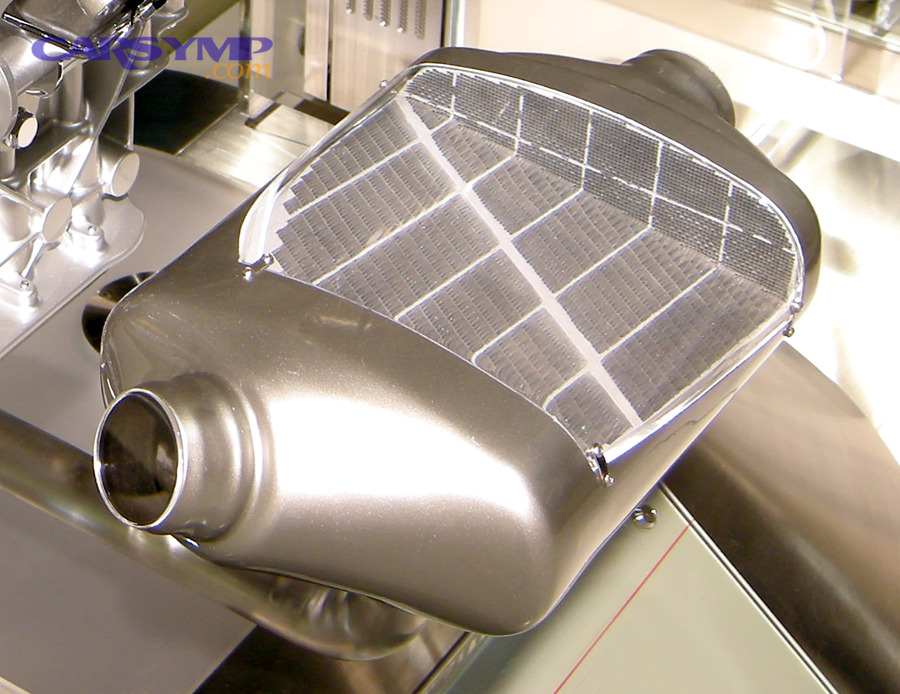
What’s the difference between a DPF light on vs a DPF light + check engine light?
A DPF light alone usually signals “soot load is high—regeneration needed,” while a DPF light plus a check engine light often signals “regeneration may not be possible because a fault (sensor, EGR, turbo, temperature) is blocking it.”
More importantly, the combination tells you how to prioritize your next step:
- DPF light only (no drivability issues): the ECU likely believes a regen can succeed if you change driving conditions (steady speed, higher exhaust temps).
- DPF light + mild power reduction: backpressure may be climbing; you may still be able to regen, but you should act quickly and avoid stop-start driving.
- DPF light + check engine light + limp mode: the ECU may be protecting the engine because it sees a failure condition (e.g., implausible sensor readings, overboost/underboost, EGR flow faults), so a regen attempt may fail or worsen heat stress.
A practical rule: one warning = try to complete the manufacturer-style regen drive; two warnings = diagnose first (scan codes, confirm sensor plausibility) before you keep “pushing it.”
What is limp-home mode, and what does it limit (RPM, boost, speed)?
Limp-home mode is a software-limited operating state that reduces engine output by restricting boost, fuel, and sometimes RPM to keep temperatures, turbo speed, and emissions within a safer range.
For example, limp mode commonly does these things:
- Limits turbo boost (or shuts down variable vane control), which feels like the car “won’t pull.”
- Limits fueling and torque, which reduces exhaust heat and cylinder pressure.
- May cap RPM or vehicle speed, especially under load, to prevent overheating and excessive backpressure.
- May disable active regeneration, because a regen requires high exhaust temperatures and stable control that faults can disrupt.
That’s why limp mode is tightly linked to DPF problems: if the ECU believes the aftertreatment system can’t safely manage heat or flow, it reduces power first—and asks questions later.
Is it safe to keep driving when the DPF warning light triggers limp mode?
Yes—driving with a DPF warning light and limp mode can be safe only for a short, gentle trip if (1) temperatures are normal, (2) the power loss is mild/stable, and (3) there are no red warnings or heavy smoke; otherwise it risks turbo damage, overheating, or a complete no-start.
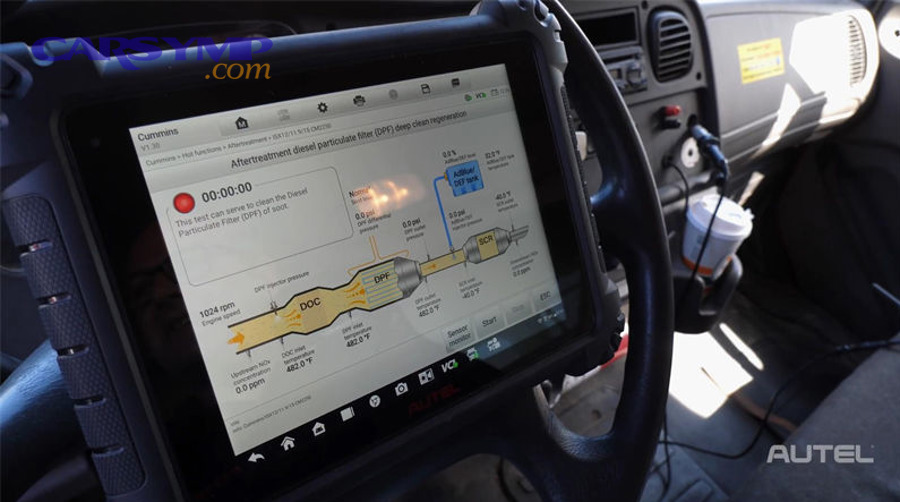
However, “safe” here means damage-limiting, not “problem-solving.” Limp mode is the vehicle telling you it’s already in protection, so you should drive as if the engine is fragile: light throttle, avoid hills, avoid towing, and head somewhere you can diagnose or regenerate properly.
Can you drive short distances to “get home,” or will it worsen the clog?
You can drive short distances to get home if you keep load low and avoid stop-start, but repeated short trips usually worsen the clog because they don’t sustain the exhaust temperature needed for passive or active regeneration.
Specifically, short driving often creates a bad loop:
- Low exhaust heat → soot accumulates faster than it burns off.
- Rising soot load → higher backpressure → ECU reduces fueling/boost.
- Reduced fueling/boost → even less exhaust heat → regen becomes harder.
So if you must “limp it home,” make it a single gentle trip—then fix the underlying issue before you resume normal commuting.
When is driving with a DPF light a bad idea (red flags)?
Driving is a bad idea when you have red-flag symptoms that suggest uncontrolled heat, a mechanical failure, or a condition that makes regeneration unsafe.
Watch for these “stop and diagnose” signs:
- Flashing check engine light (often indicates misfire risk to the catalyst/DPF).
- Coolant temperature rising, boiling smell, or “engine overheat” warnings.
- Heavy white/blue smoke, or strong raw-fuel smell (can indicate fueling/turbo problems).
- Loud turbo whine, loss of oil pressure, or oil consumption spikes (turbo failure risk).
- DPF/soot load warnings escalating quickly or “DPF full—service required” style messages.
If any of these are present, a forced “drive it hard” approach can turn a soot issue into a turbo, catalyst, or engine repair.
What should you do immediately when the DPF light comes on and the car goes into limp mode?
Do three things immediately: reduce load, confirm basic safety conditions, and decide whether you’re in a “regen-capable” state or a “diagnose-first” state—because the wrong next step can overheat the system or waste time.
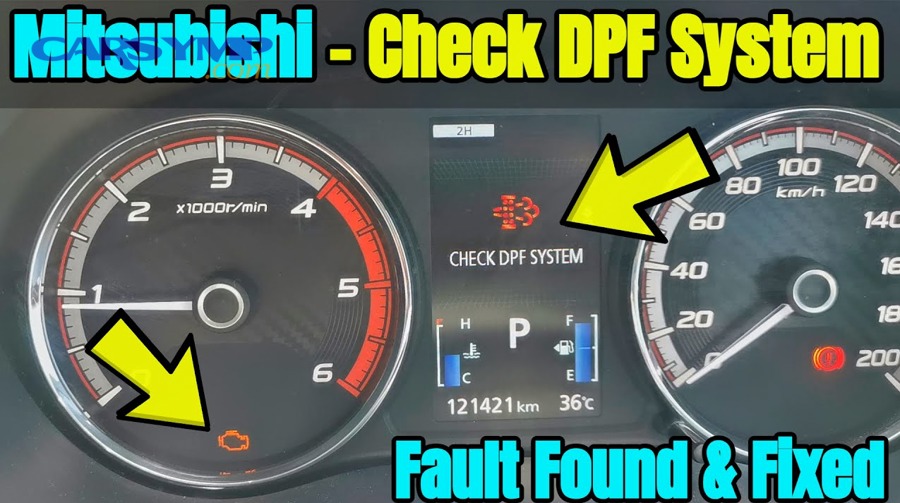
Next, treat this as an exhaust-flow management problem: your goal is to stabilize temperatures and prevent backpressure from climbing further while you gather the minimum info needed to choose the right path.
Quick checks you can do in 5 minutes (before you try a regen)
You can do a fast triage without tools, and a more confident triage with a basic scanner:
- Check the dashboard message severity: “DPF full / service required” is more urgent than “DPF needs regeneration.”
- Confirm coolant temperature is normal and the radiator fan behavior isn’t extreme.
- Listen for abnormal turbo sounds and note whether power loss is steady or worsening.
- If you have a scanner: read codes and freeze-frame data (especially DPF differential pressure, EGT sensors, EGR-related codes).
- Check fuel level: some vehicles refuse active regen when fuel is too low.
If codes indicate sensor plausibility problems, misfires, or turbo control faults, go “diagnose-first” rather than attempting regeneration.
Should you turn the engine off, or keep it running?
No—you should not automatically turn it off; keep the engine running if temperatures are normal and you’re in a safe place, because some vehicles manage cooldown routines and shutting off hot aftertreatment can trap heat.
Then, turn it off when safety or symptoms demand it:
- Turn off immediately if overheating, oil-pressure warnings, severe smoke, or abnormal noises appear.
- Keep idling briefly (30–120 seconds) after a limp-mode drive if you suspect the turbo is hot, especially after highway speeds.
A useful mindset: you’re managing heat and lubrication—turning off is safer for overheating, but a brief idle can be safer for turbo cooldown when temps are stable.
How do you perform a regeneration drive to clear the DPF warning and exit limp mode?
A regeneration drive is a controlled, steady-load drive—typically 15–30 minutes at consistent speed and moderate RPM—designed to raise exhaust temperature enough to burn soot and reduce DPF backpressure so limp mode can clear.
To better understand why steadiness matters, active regeneration relies on predictable exhaust heat; stop-start traffic breaks the heat profile and can interrupt the regen cycle.
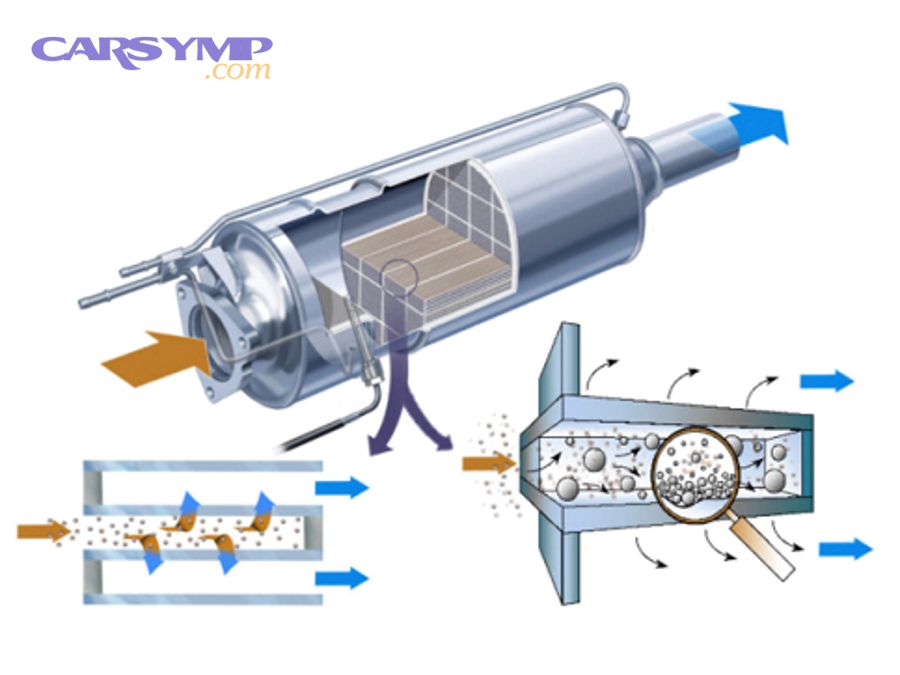
DPF cleaning methods compared: highway regen vs parked regen vs shop forced regen
Different regeneration/cleaning approaches fit different severities. The table below compares the most common options so you can match your symptom severity to the safest method.
| Method | What it is | Best for | Main risk | What “success” looks like |
|---|---|---|---|---|
| Highway regen drive | Steady driving to enable passive/active regen | Early warnings, mild limp mode | Interrupted regen, heat stress if pushed | DPF light clears; power returns gradually |
| Parked/commanded regen (driver menu) | Vehicle performs a stationary regen routine | Vehicles that support it; moderate soot load | High exhaust temps; fire hazard near dry grass | RPM changes, fans run, then warning clears |
| Shop forced regen | Technician commands regen with scan tool | Higher soot load, repeated failed regens | Very high heat; can fail if root faults exist | Backpressure drops; codes cleared after verification |
| DPF cleaning (off-car service) | Physical cleaning (air/thermal/aqueous) to remove soot/ash | Chronic clogging, high ash load | Improper cleaning can damage substrate | Restored flow; ash reduced; long-term fix |
| DPF replacement | New filter assembly | Cracked/melted substrate, extreme ash, repeated failures | Costly; doesn’t fix root cause | Stable backpressure + no repeat warnings |
This is where “DPF cleaning” becomes a different decision than “regen”: regen burns soot; cleaning removes soot and ash, and ash is what accumulates over the life of the filter and can’t be burned away.
How long should a regen drive last, and what signs show it’s working?
A typical regen drive lasts 15–30 minutes, but the real indicator is stabilizing power and clearing warnings, not a stopwatch.
More specifically, signs a regen is working include:
- Idle speed or fan activity changes (some vehicles raise idle or run fans aggressively).
- Instant fuel economy drops (extra fueling is used to heat the exhaust).
- A hotter exhaust smell (not burning-plastic smell—just hot metal/exhaust).
- The DPF warning clears and throttle response improves gradually.
Evidence matters here because regeneration isn’t “free.” According to a study by University of Technology Sydney from the School of Civil and Environmental Engineering, in 2022, real-world active DPF regenerations increased trip-averaged fuel consumption by ~13% and increased PM emission factors by ~27× compared with a trip without regeneration.
Which symptoms mean your DPF issue is beyond a simple regen (and needs diagnosis or cleaning)?
There are two main categories of “beyond-regen” symptoms—hard faults that block regeneration (sensor/control issues) and physical loading/damage that regeneration cannot reverse (excess ash, melted/cracked substrate).
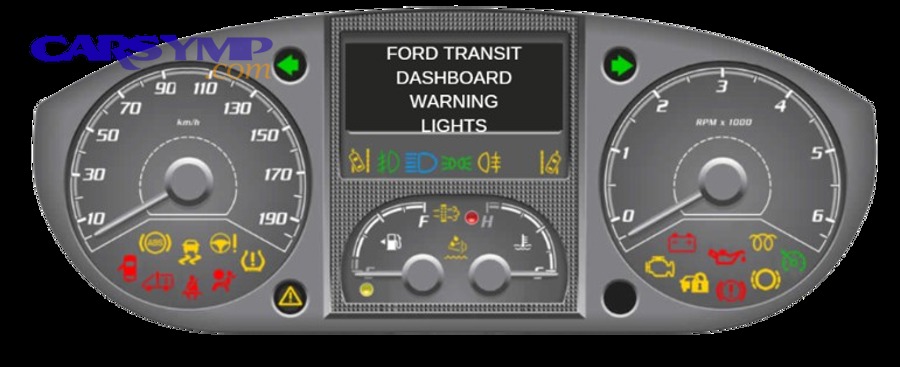
In addition, you should treat repeated limp mode returns as a sign the ECU is protecting against a repeating cause, not a one-time soot buildup.
Is heavy smoke, strong fuel smell, or overheating a DPF problem—or something else?
Heavy smoke, strong fuel smell, or overheating can be linked to the DPF, but they often point to upstream combustion or turbo problems that create soot overload or make regen unsafe.
For example:
- Strong fuel smell can mean post-injection is occurring (regen attempt), but it can also indicate incomplete combustion, injector issues, or a leak.
- Blue smoke can indicate oil burning—often turbo seal issues—which can rapidly contaminate the DPF.
- White smoke can indicate coolant ingestion or unburned fuel—both dangerous for catalysts and the DPF.
- Overheating can be unrelated (cooling system), but it makes any regen attempt risky because regen raises exhaust heat by design.
So yes, these can appear during DPF events, but they’re also reasons to diagnose first, not “drive harder.”
What dashboard messages usually mean “stop now” vs “service soon”?
Messages vary by brand, but the logic is consistent:
- Stop now / urgent: “Engine overheat,” “Oil pressure low,” flashing check engine, “DPF overloaded—service required,” “Exhaust temperature too high,” or “Reduced power—stop safely.”
- Service soon / take action: “DPF needs regeneration,” “Soot filter full—drive to clean,” “Check emissions system,” or a steady check engine light with normal temperatures.
If the vehicle warns about exhaust temperature or escalates to “service required,” the system is telling you the soot load is too high, a regen has failed, or the control system can’t safely manage a regen.
What are the most common reasons a DPF warning light leads to limp mode?
The most common reasons are soot accumulation from short-trip driving, failed regeneration events, and measurement/control faults—and limp mode happens when the ECU detects backpressure or aftertreatment control outside safe limits.
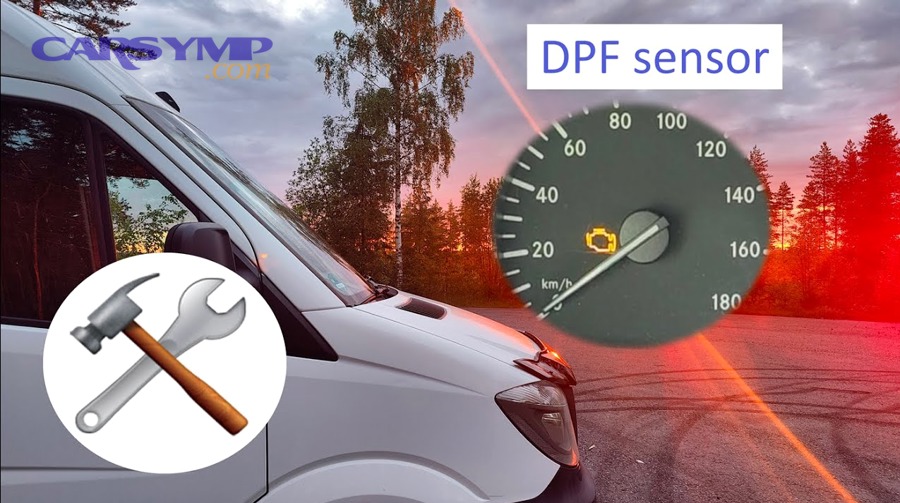
Moreover, you should think beyond the DPF itself: EGR and turbo issues linked to DPF problems are extremely common, because EGR affects soot production and turbo behavior affects exhaust temperature and airflow.
Which root causes are most likely: driving pattern, sensors, EGR, turbo, or injectors?
Here’s how to prioritize root causes by probability and impact:
- Driving pattern (short trips, low load): the #1 cause of soot load buildup because exhaust temps stay too low for passive regen.
- Failed/Interrupted regeneration: frequent stop-start driving or shutting the car off mid-regen can leave soot partially oxidized and harder to clear next time.
- Sensors and plausibility faults: especially DPF differential pressure sensor issues (implausible readings), and exhaust gas temperature sensor faults that prevent regen logic from running.
- EGR problems: stuck EGR valves can increase soot or disrupt combustion; EGR flow faults often come with emissions-related limp mode.
- Turbo issues: underboost/overboost faults change airflow and temperature, which can prevent regen and increase soot.
- Injector/combustion issues: poor atomization or leaking injectors raise soot output and can overwhelm the DPF quickly.
A key concept: limp mode often triggers not because “the DPF is dirty,” but because the ECU no longer trusts the data or can’t control heat safely.
What’s the difference between soot overload vs a fault code that prevents regeneration?
Soot overload is a load problem (the filter is full of combustible soot), while a fault code that prevents regen is a control problem (the system refuses to run regen because a prerequisite is missing).
Practically:
- Soot overload clues: the vehicle requests regeneration, behavior is consistent, differential pressure rises with load, and a proper regen can restore flow.
- Control-blocking fault clues: temperature sensors read implausibly, differential pressure is erratic/unreasonable, EGR/turbo faults are present, or regen attempts repeatedly fail at the same stage.
Evidence helps frame why control matters. According to a study by University of Technology Sydney from the School of Civil and Environmental Engineering, in 2022, DPF systems can achieve >99% filtration efficiency, while passive regeneration commonly occurs at roughly 260–300°C (NO₂-based) and active regeneration can require roughly ~600°C (O₂-based).
What will a shop do to diagnose and fix a DPF warning light and limp mode?
A shop will confirm soot/ash loading and backpressure, verify sensor data, identify any regen-blocking faults, and then choose the least-risk fix—typically a forced regen, targeted repair (sensor/EGR/turbo), or DPF cleaning/replacement depending on measured restriction.
Next, you can use the shop process to protect yourself from unnecessary parts replacement: ask what data they used to conclude “clean vs replace.”
What’s the difference between forced regen, DPF cleaning, and DPF replacement?
Forced regen, DPF cleaning, and DPF replacement are three different interventions, and each targets a different “failure mode”:
- Forced regen (scan tool): burns soot in-car; best when soot load is high but the substrate is healthy and sensors are trustworthy.
- DPF cleaning (off-car service): removes soot and ash physically; best when the filter is chronically restricted or ash-loaded and regen no longer restores flow.
- DPF replacement: required when the substrate is cracked, melted, contaminated by oil/coolant, or when ash load is beyond serviceable limits.
This is where “DPF cleaning methods compared” becomes a money-saving lens: if the shop can show normal substrate integrity and a restriction driven by ash, cleaning can be smarter than replacement; if the core is damaged, cleaning just delays the inevitable.
When should you ask for a second opinion (or request data printouts)?
You should ask for a second opinion when:
- The shop recommends replacement without showing before/after backpressure or soot/ash metrics.
- Multiple regen attempts “failed” but you never saw which fault prevented regen.
- The quote bundles unrelated parts (EGR, turbo, DPF) without a clear causal chain.
Ask for:
- Diagnostic trouble codes and freeze-frame data
- DPF differential pressure readings at idle and under load
- EGT sensor readings and plausibility checks
- A clear explanation of whether the issue is soot overload, ash load, or a control fault
Evidence can clarify what “good regen conditions” look like. According to a study by Michigan Technological University from the Department of Chemical Engineering, in 2011, a modeled real-world regeneration strategy favored high vehicle speed with no stops, with a regeneration duration of about 120 seconds and an inlet temperature around 710K.
At this point, you’ve covered the core “what to do now” path. Next, we’ll expand into commonly confused faults and micro-niche issues that can mimic DPF problems—even when the filter isn’t the real culprit.
What uncommon or easily confused issues can mimic a DPF clog ?
There are 4 common “DPF look-alikes”—SCR/DEF faults, differential pressure sensor errors, ash-end-of-life restriction, and maintenance/oil mistakes—and you rule them out by comparing symptoms, codes, and whether backpressure readings are plausible.
Then, use a simple principle: if the data is inconsistent, suspect sensors; if the restriction is consistent and irreversible, suspect ash; if the warnings mention NOx/DEF, suspect SCR—not DPF.
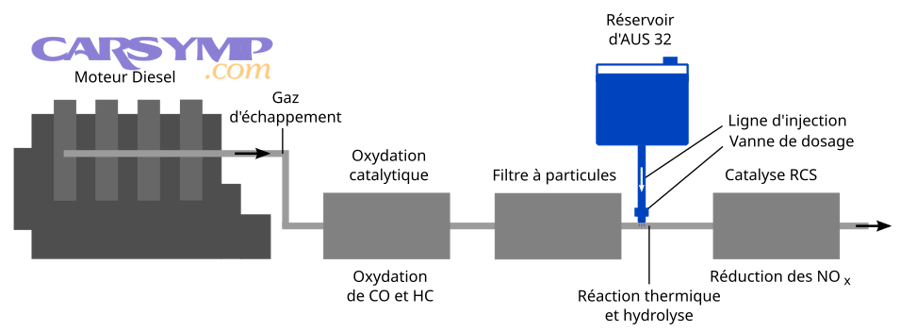
What’s the difference between DPF problems and SCR/DEF faults?
DPF problems are mostly about soot/backpressure and regeneration, while SCR/DEF faults are about NOx reduction and urea dosing.
More specifically:
- DPF-focused messages: “DPF full,” “soot filter,” “regeneration needed,” “exhaust filter.”
- SCR/DEF-focused messages: “DEF level,” “AdBlue,” “NOx system,” “SCR efficiency,” “urea dosing,” and often a countdown to limited starts or speed limits.
They can appear together because aftertreatment systems interact, but the fix paths differ: DPF issues often respond to regen/cleaning and upstream soot control; SCR issues respond to DEF quality/level, dosing hardware, NOx sensors, and catalyst health.
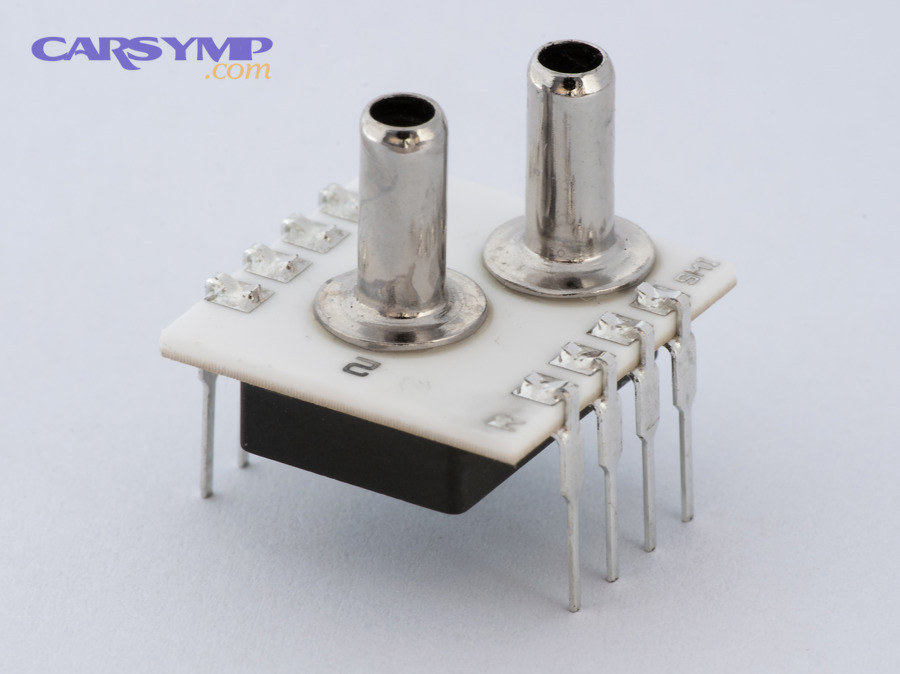
Can a bad differential pressure sensor trigger a false limp mode?
Yes—a bad differential pressure sensor can falsely indicate high backpressure, trigger a DPF warning light, and push the ECU into limp-home mode because the control system believes exhaust restriction is unsafe.
However, sensor failure has a “signature” you can look for:
- Pressure readings that are implausible at idle (too high or negative)
- Readings that don’t change smoothly with RPM/load
- Codes for sensor circuit, rationality, or correlation failures
- A mismatch between strong limp-mode behavior and relatively normal exhaust/turbo sounds
What is “ash load,” and why can’t regeneration remove it?
Ash load is the non-combustible residue left behind from engine oil additives, fuel impurities, and wear metals, and regeneration can’t remove it because regen only oxidizes combustible soot, not mineral ash.
To illustrate the consequence, ash gradually:
- Reduces DPF soot storage capacity
- Increases baseline restriction even right after a successful regen
- Makes limp-mode recurrences more frequent because the DPF reaches “high backpressure” sooner
This is the strongest case for professional DPF cleaning: if the DPF keeps coming back shortly after “successful” regens, ash restriction is often the reason.
Which oil and maintenance mistakes accelerate DPF clogging?
The biggest maintenance accelerators are wrong oil, neglected air/fuel systems, and ignoring early warning cycles.
Focus on these mistakes:
- Using non-low-SAPS oil (higher ash-forming additives) can increase ash accumulation and shorten DPF life.
- Ignoring boost leaks or intake restrictions can raise soot output by harming combustion air control.
- Delaying injector maintenance (leakage/poor spray pattern) increases soot production dramatically.
- Repeatedly interrupting regens by shutting off mid-cycle can leave soot harder to clear next time.
- Deleting symptoms instead of causes (clearing codes without fixing the reason) often guarantees the return of limp mode.
Finally, treat DPF problems as a system issue: when you reduce soot production and ensure sensors can manage regeneration, you reduce both the frequency of warnings and the odds of expensive DPF cleaning or replacement.