


Preventing EGR clogging with maintenance is achievable when you treat the EGR system as a flow path that needs clean passages, stable temperatures, and periodic verification—so the valve, cooler, and ports keep moving and breathing the way the engine computer expects.
Next, you’ll learn what “EGR clogging” actually means (restriction vs. failure), which parts clog most often, and why carbon and soot deposits form—so you can stop guessing and start maintaining the right components for the right reason.
Then, you’ll get a practical checklist you can follow at normal service intervals, including what to scan first, what to inspect visually, and when cleaning is reasonable versus when replacement is smarter, cheaper, and more reliable.
Introduce a new idea: after the checklist, you’ll also learn how to confirm the fix and avoid quick re-clogging, plus how to spot “not-EGR” problems that mimic clogging—including the legal and mechanical risks of removing emissions equipment.
What does “EGR clogging” mean, and why does carbon build up in the first place?
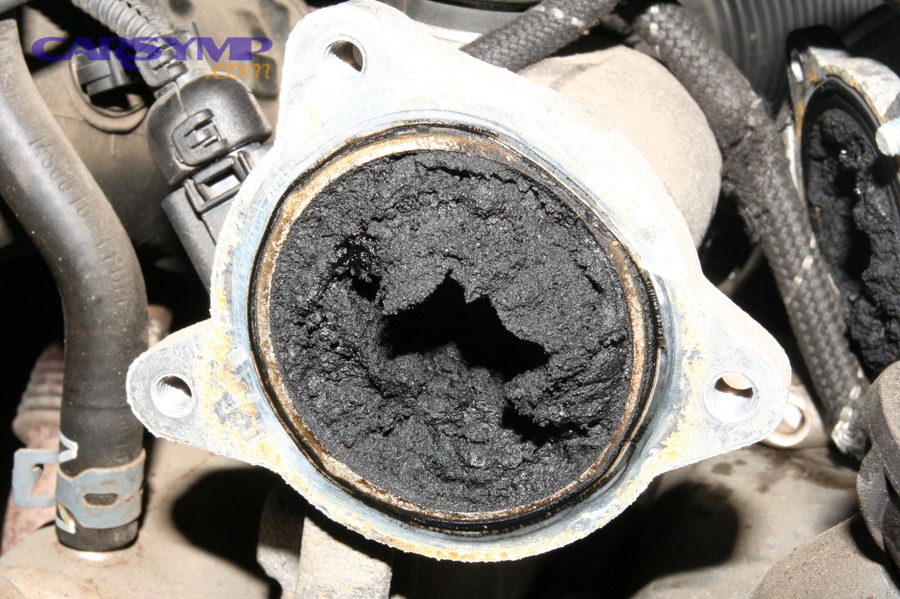
EGR clogging is a restriction of exhaust-gas recirculation flow caused by soot-and-oil deposits accumulating in the EGR valve, EGR cooler, or EGR passages, which reduces commanded EGR and can raise combustion temperature, drivability issues, and emissions.
To better understand why this matters, start with what the EGR system is trying to do: it routes a controlled amount of exhaust back into the intake stream to lower peak combustion temperatures and reduce NOx formation.
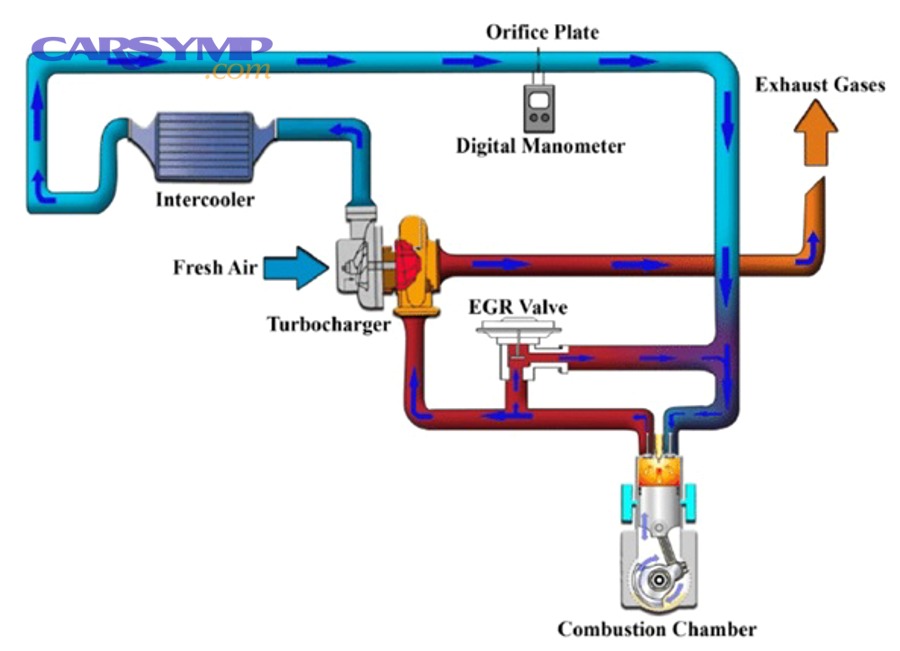
Carbon buildup happens because the EGR path carries what your engine is trying to manage—exhaust byproducts. On gasoline engines, deposits often form when soot meets oil vapor and moisture; on diesels, soot loading is higher and the cooler is a common fouling point. Deposits typically start as a soft layer and then harden with heat cycles, becoming a real airflow restriction rather than just “dirty metal.”
Here’s the core mental model that keeps terminology consistent: the EGR system is a metered “loop” (commanded by the engine computer), and clogging is when the loop cannot pass the expected amount of gas. The computer may respond by altering fuel, spark, boost, or throttle behavior to protect the engine and emissions targets, and that’s why clogging can feel like a broader performance problem rather than a single dirty part.
Is EGR clogging the same as a “bad EGR valve”?
No—EGR clogging is a flow restriction in the EGR path, while a “bad EGR valve” is a component failure (sticking pintle, failed actuator, or sensor issue) that may happen with or without clogged passages.
However, the symptoms overlap, which is why owners often replace a valve and still have the same problem. A valve can be perfectly functional but feeding into a passage that is almost blocked. In that case, the ECU commands EGR, the valve opens, but the flow doesn’t happen—so the system still flags insufficient EGR flow or behaves poorly under light load.
On the other hand, a valve can be “bad” even if the passages are clean. Electronic valves can fail electrically (position sensor mismatch, motor failure) or mechanically (carbon prevents full travel). Vacuum-operated valves can be fine, but the vacuum supply can leak, the solenoid can fail, or hoses can crack.
From a practical standpoint, treat “EGR clogging” as a system-level issue (flow), and treat “bad EGR valve” as a part-level issue (actuation). That distinction prevents expensive, unnecessary EGR repair decisions.
Which parts of the EGR system clog most often: valve, cooler, or passages?
There are three main clog-prone areas in the EGR system—EGR valve, EGR cooler, and EGR passages—based on where hot exhaust meets cooler surfaces and where flow speed changes create deposit zones.
Specifically, each area clogs for a slightly different reason:
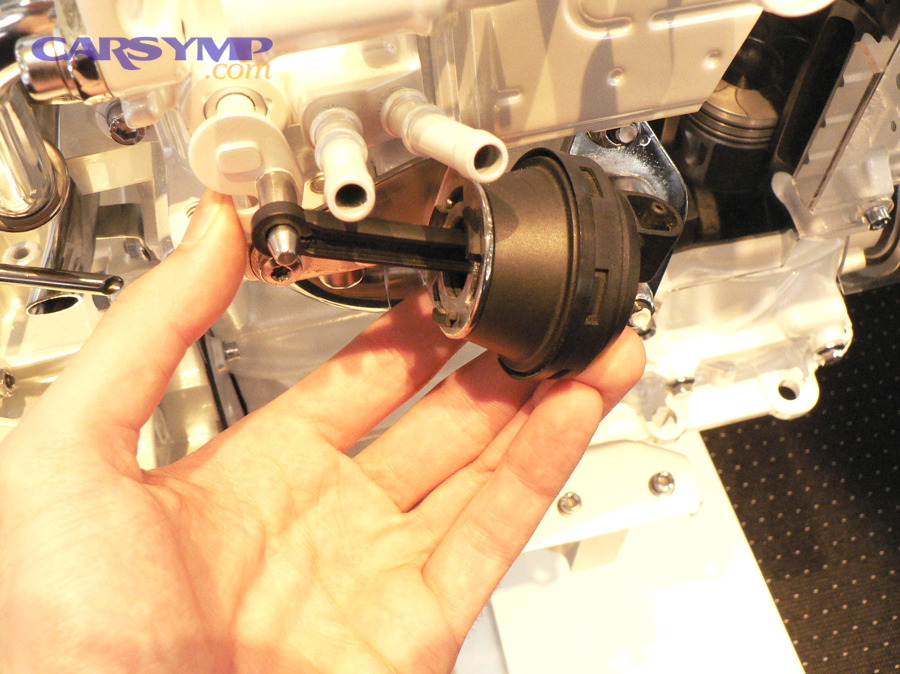
- EGR valve: Deposits form around the pintle/seat where heat cycles bake soot and oil vapor. This can cause sticking (slow response) or incomplete closing (rough idle).
- EGR cooler: Soot and condensates can deposit on heat-exchanger walls, reducing cooler effectiveness and increasing pressure drop. In diesel applications, cooler fouling is a major real-world maintenance driver.
- EGR passages/ports: The small cross-sections in intake manifolds or cylinder head ports can narrow over time, especially where the flow turns sharply or splits into multiple runners.
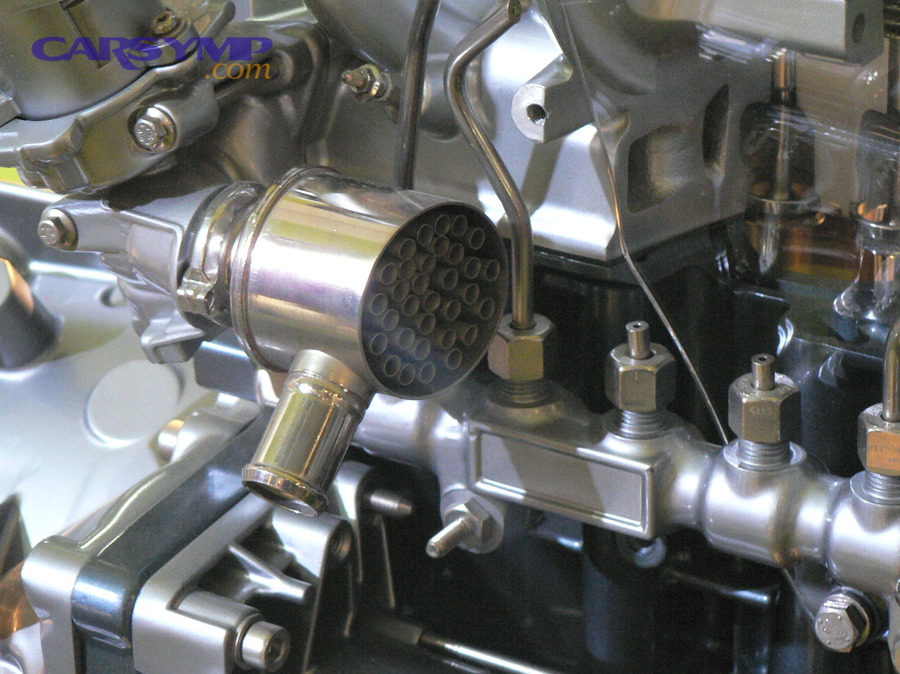
According to a study by Stony Brook University from the Department of Mechanical Engineering, in 2012, exhaust flow passing through EGR coolers was described as carrying submicron soot particles averaging about 57 nanometers, and cooler effectiveness was shown to significantly degrade with particle deposition.
That evidence matters for maintenance because it explains why “light cleaning” sometimes fails: when deposits form inside narrow passages or inside cooler channels, you may not be able to restore flow reliably without deeper disassembly or replacement.
Can you prevent EGR clogging with maintenance, or is it inevitable?
Yes—preventing EGR clogging with maintenance is realistic because consistent full-temperature drive cycles reduce condensation and soft deposits, correct oil/fuel choices reduce deposit precursors, and periodic inspection catches early restrictions before they harden into blockages.
More importantly, “prevent” in this context means you reduce frequency and severity, not that you eliminate deposits forever. The EGR path lives in a harsh chemical and thermal environment, so maintenance is about controlling the rate of deposit growth and avoiding the “tipping point” where flow drops off quickly and drivability deteriorates.
Think of the EGR system like a controlled leak—by design. When the leak path gets narrow, the computer compensates, and that compensation often shows up as hesitation, rough idle, knock/ping, reduced fuel economy, or an illuminated MIL. A well-maintained EGR path keeps the engine operating closer to its intended calibration, which is the real benefit for most owners.
What daily driving habits reduce soot buildup in the EGR system?
There are five main habit groups that reduce EGR soot buildup—warm-up completion, load variation, idle reduction, trip planning, and timely symptom response—based on how they influence exhaust temperature and moisture.
Then, apply them as realistic habits rather than “perfect driving” rules:
- Finish warm-up cycles: Regularly allow the engine to reach full operating temperature, because short runs encourage moisture and sticky deposits in the EGR path.
- Include steady-load driving: Periodic highway cruising stabilizes temperatures and can reduce the “soot + condensation” cocktail that accelerates buildup.
- Reduce long idling: Idling produces relatively cool exhaust with incomplete burn byproducts, which can increase deposit formation in EGR passages.
- Avoid constant ultra-light throttle: Gentle-only driving can keep the EGR active frequently while exhaust temps stay low, a combination that can promote buildup.
- Respond early to changes: If you feel new hesitation or roughness at light throttle, diagnose early; waiting often turns a cleanable restriction into a harder repair.
For many owners, the most practical habit is the simplest: don’t let every drive be a two-mile cold start. If that’s unavoidable, you compensate by tightening your inspection and cleaning cadence rather than hoping the system stays clean indefinitely.
Do fuel quality, additives, or oil choice meaningfully reduce EGR deposits?
Yes—fuel quality, carefully chosen additives, and correct oil specifications can reduce EGR deposits because cleaner combustion lowers soot output, stable detergency helps keep intake-side residues from sticking, and lower-volatility oils reduce the oil-vapor component that bonds deposits together.
However, you should apply this with constraints:
- Follow OEM oil specs first: The wrong oil can increase volatility or ash-related residues that worsen deposits over time.
- Use reputable fuel sources: Consistent fuel quality helps combustion stability, which can reduce soot formation that feeds the EGR path.
- Be skeptical of “miracle cleaners”: Some products can harm sensors or aftertreatment systems, and many cannot physically remove hard deposits in an EGR cooler or ports without disassembly.
If you want a simple decision rule: choose the maintenance steps that physically restore airflow (inspection, cleaning, leak repair) and treat chemical aids as secondary support, not as a replacement for actual EGR maintenance.
What is the best preventive EGR maintenance checklist for car owners?
There are three layers of a preventive EGR maintenance checklist—daily/weekly habits, routine service checks, and periodic deep inspection/cleaning—based on how often you can realistically intervene without turning maintenance into a full-time job.
Below, the checklist is structured to match how problems actually appear: first as drivability changes, then as scan data or codes, and finally as physical restriction. This order protects you from unnecessary EGR repair costs and prevents you from cleaning the wrong part.
The table below summarizes what to do, how often to do it, and what outcome you should expect—so you can apply the checklist without overthinking intervals.
| Checklist Layer | When | What You Do | What Success Looks Like |
|---|---|---|---|
| Routine verification | Every oil change | Scan for pending codes, check connectors/hoses, verify no vacuum leaks | No recurring EGR flow faults; stable idle |
| Targeted inspection | When symptoms appear | Check live data (commanded vs actual), inspect valve movement, inspect intake/EGR ports where accessible | Clear root cause found before parts replacement |
| Preventive cleaning | By duty cycle risk | Remove/clean valve and accessible passages; assess cooler restriction where applicable | Restored airflow; smoother throttle response |
What should you inspect and scan first before touching parts?
There are four first-pass checks—codes/freeze-frame, live data sanity, vacuum/connector inspection, and intake leak checks—based on the goal of confirming an EGR flow problem before you remove hardware.
To begin, scan intelligently rather than just “read and clear”:
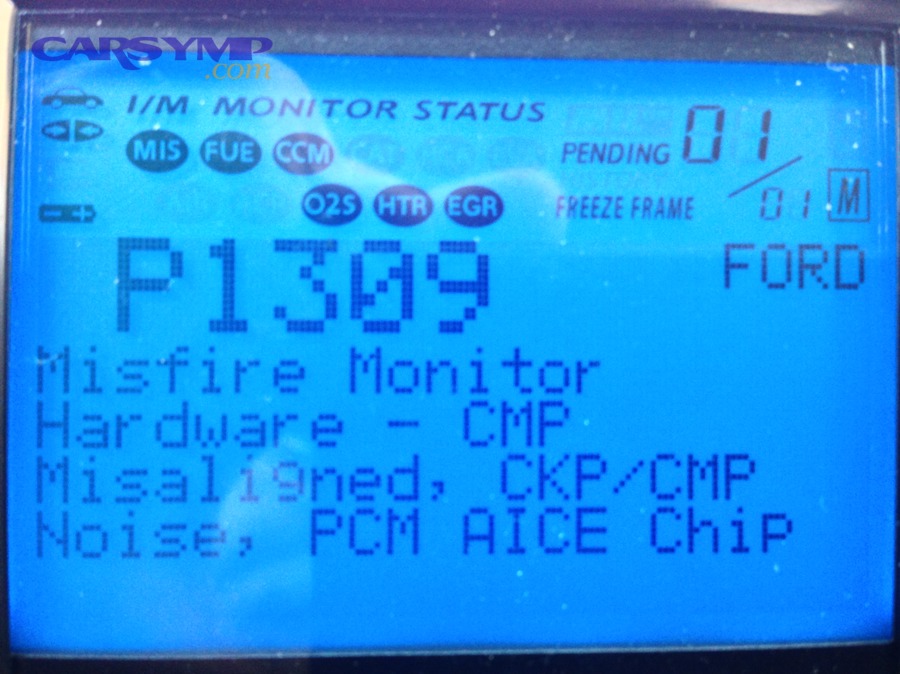
- Read stored and pending codes: Pending codes can reveal an early EGR flow issue before the MIL stays on.
- Capture freeze-frame data: Note RPM, load, coolant temp, and vehicle speed when the fault was detected; EGR issues often trigger at light load and cruise.
- Check EGR command vs feedback (if supported): Many vehicles report commanded EGR position and actual position; a mismatch points to sticking or actuation trouble.
- Inspect hoses and connectors: Cracked vacuum hoses, loose connectors, or corroded pins can mimic clogging by preventing proper actuation.
Next, do a quick “airflow reality check.” If you suspect EGR clogging but you also have obvious intake leaks, misfires, or fuel trim extremes, solve those first. The EGR system depends on predictable airflow; a major leak can create false symptoms that look like EGR trouble.
How do you clean EGR passages and components safely (high-level procedure)?
EGR clogged passages cleaning procedure works best when you follow five steps—confirm restriction, remove safely, clean mechanically and chemically, prevent debris ingestion, and reassemble with new seals—so you restore flow without damaging sensors or contaminating the intake.
Then, keep the process “high-level but correct,” because the exact disassembly differs by engine:
- Step 1: Confirm it’s an EGR flow problem: Use scan data, symptoms, and accessible inspection points to avoid cleaning the wrong system.
- Step 2: Remove components on a cool engine: Let the engine cool fully; hot EGR components can cause burns and can warp if handled aggressively.
- Step 3: Clean deposits deliberately: Use appropriate cleaners and brushes on metal surfaces; avoid soaking electronic housings or position sensors.
- Step 4: Protect the intake from debris: Block openings as needed and remove loosened carbon physically so it does not enter cylinders.
- Step 5: Replace gaskets and re-check for leaks: Old gaskets often don’t reseal after removal; vacuum leaks after cleaning can create new drivability issues.
Most importantly, a “successful clean” restores a smooth movement of the valve (if applicable) and visibly opens the cross-section of passages. If you cannot access the restriction or if the cooler is internally fouled, cleaning may not deliver lasting results—at that point, professional EGR repair or part replacement becomes the more reliable choice.
When should you replace the EGR valve or cooler instead of cleaning?
Yes—replacement is the better choice when cleaning cannot reliably restore function, when the actuator/sensor is failing, and when repeated restrictions return quickly, because these three conditions predict poor long-term outcomes even after thorough cleaning.
Moreover, replacement tends to be smarter under these common scenarios:
- Electronic failure: A confirmed position sensor error, motor fault, or repeated feedback mismatch indicates a component problem, not just dirt.
- Mechanical damage: A valve that is scored, seized, or warped may move briefly after cleaning but stick again under heat.
- Cooler restriction you can’t access: Many coolers foul internally; if pressure drop is high or flow is restricted in the core, cleaning may not penetrate the channels.
- Cooler integrity concerns: Any sign of coolant entering the exhaust path is a “stop” condition; prioritize diagnosis and replacement.
In short, cleaning is a maintenance tool, but replacement is a reliability tool. If you are repeatedly revisiting the same EGR issue, a strategic EGR repair plan usually saves time and reduces the chance of collateral problems like repeated drivability complaints or aftertreatment stress.
How often should you service the EGR valve, cooler, and passages?
EGR service frequency is a risk-based schedule that combines time/mileage, duty cycle (short trips vs highway), and symptom triggers, so the EGR valve, cooler, and passages stay within a “clean enough” airflow range before restrictions cause faults.
Especially for drivers who do frequent short trips or extended idling, the right schedule is not a single mileage number—it is a tiered approach. The more your real-world driving produces low exhaust temperature and moisture, the more you tighten the “verify and inspect” interval.
Use this simple starting point, then adjust based on symptoms and scan history:
- Low-risk use (mostly highway, full warm-ups): Verify at each oil change; inspect deeper if scan data trends appear.
- Medium-risk use (mixed driving, some short trips): Verify at each oil change; plan periodic inspection of valve and accessible passages.
- High-risk use (short trips, idling, towing/stop-and-go): Verify frequently; consider preventive inspection/cleaning earlier, especially if your platform is known for EGR buildup.
Which conditions require shorter intervals (short trips, towing, city driving)?
There are four conditions that justify shorter EGR service intervals—short-trip driving, heavy towing/load, extended idling, and frequent low-speed stop-and-go—based on how they lower average exhaust temperature and increase soot/condensation exposure in the EGR path.
More specifically, here’s how each condition accelerates buildup:
- Short trips: Frequent cold starts create more moisture and incomplete combustion byproducts, which can form sticky early layers in EGR passages.
- Towing or heavy load (especially diesels): Higher soot production under certain conditions can increase deposit loading; maintenance focuses on verifying cooler flow and overall system health.
- City driving: Constant transitions between idle and light load can keep EGR active while temperatures remain inconsistent.
- Long idling: Cool exhaust and lower airflow can encourage deposits to settle and adhere.
If your driving matches two or more of these, your schedule should emphasize frequent verification (scan + visual checks) and earlier intervention when early EGR failure symptoms appear.
What warning signs mean you should check the EGR system now?
There are six common EGR failure symptoms—rough idle, stalling, hesitation at light throttle, pinging/knock, reduced fuel economy, and a check-engine light—based on how reduced EGR flow changes combustion temperature and part-throttle behavior.
However, the timing of symptoms is just as important as the symptom itself. EGR issues often show up:
- At light load or steady cruise: When EGR is typically commanded, a restriction becomes obvious.
- During warm operation: Some sticking behavior appears only after heat soak.
- As intermittent hesitation: Early restrictions can cause uneven EGR flow across cylinders, creating “off and on” roughness.
Besides drivability, watch scan-tool clues such as repeated “insufficient EGR flow” style faults, repeated “position not as expected” faults, or recurring pending codes that return after clearing. Those patterns tell you it’s time to stop postponing maintenance and move to inspection.
How do you confirm the fix and prevent re-clogging after maintenance?
You confirm an EGR fix and prevent re-clogging by validating airflow and control in three ways—stable drivability, scan-data consistency, and leak-free reassembly—because each one catches a different failure mode that cleaning or replacement can accidentally introduce.
Then, treat verification as part of the job rather than an optional step. Many “failed repairs” are actually incomplete verification: a cleaned valve is installed with a vacuum leak, a connector is not seated, or debris remains in a port and restricts flow again.
Use this practical confirmation sequence:
- Idle quality check: Confirm idle stability (in gear and out of gear) once the engine is fully warm.
- Part-throttle road test: Confirm smooth, consistent response at steady cruise where EGR is typically active.
- Scan re-check: Confirm no pending codes return and that commanded vs actual EGR behavior is reasonable (when available).
- Post-service inspection: Look for exhaust leaks, intake leaks, coolant loss (where applicable), and loose fasteners.
Should you clear codes and perform a relearn/drive cycle after EGR service?
Yes—clearing codes and completing an appropriate drive cycle can be necessary after EGR service because it resets adaptive strategies, allows readiness monitors to re-run, and confirms that the ECU can command and verify EGR flow under real operating conditions.
However, clear codes only after you’ve captured freeze-frame data and verified the repair work. Clearing too early can erase the evidence you need if a problem returns.
More importantly, understand the goal: you want the ECU to re-test the system under the conditions where EGR operates (often warm engine, light load, steady cruise). If monitors won’t set or codes return quickly, that feedback is useful—it tells you something is still wrong, even if the engine “feels better.”
What mistakes cause quick re-clogging right after an EGR cleaning?
There are five common mistakes that cause fast re-clogging—leaving debris in ports, reusing damaged gaskets, ignoring PCV/oil vapor contribution, missing vacuum/boost leaks, and skipping verification—because each one either reintroduces restriction or creates conditions that accelerate deposits.
Then, correct them with deliberate habits:
- Remove loosened carbon fully: Deposits you loosen but don’t remove can move downstream and re-block a smaller port.
- Replace seals and gaskets: Small leaks change airflow, making the ECU command EGR differently and potentially increasing soot formation in the loop.
- Address oil vapor sources: Excess blow-by or a failing PCV system can feed oil mist into intake paths, helping soot stick and harden.
- Fix the “supporting” problems: Misfires, injector issues, boost leaks, or cooling issues can increase soot production and accelerate buildup.
- Verify like a professional: A road test plus scan re-check prevents you from mistaking a temporary improvement for a real fix.
In short, maintenance works when it is a system reset, not a single scrub of one part. That’s how you keep preventing EGR clogging with maintenance instead of repeating the same cleaning every few months.
What problems mimic EGR clogging, and what’s the opposite scenario where EGR isn’t the issue?
EGR clogging is most likely when flow-related EGR faults and light-load drivability issues align, intake carbon buildup fits better when airflow restriction persists across conditions, and non-EGR faults dominate when boost, fueling, ignition, or aftertreatment evidence points elsewhere.
However, this “mimic” section matters because owners often chase EGR repairs when the real problem is different—especially on modern engines where intake carbon, turbo control, DPF restrictions (diesel), and sensor faults can create similar symptoms.
As a bridge from maintenance to diagnosis, use one rule: if you cannot explain the symptom timing (when it happens) and the scan story (what the ECU measured), you are not ready to declare it “EGR clogging.”
Is it EGR clogging or intake carbon buildup—and how can you tell quickly?
EGR clogging wins in “EGR-command moments” (light-load cruise and warm operation), intake carbon buildup is best for persistent airflow restriction and off-idle sluggishness, and a shared-problem scenario is common when oil vapor and soot combine to foul both paths.
Then, use quick differentiators:
- When the symptom appears: EGR issues often show during steady cruise; intake carbon can show under many loads.
- How the engine idles: Stuck-open EGR can create immediate rough idle; intake carbon typically causes more gradual power loss.
- What codes suggest: EGR flow/position codes support EGR investigation; lean/rich and airflow correlation issues may push you toward intake leaks or intake restriction.
If you suspect both, prioritize the airflow path you can validate fastest with scan data and accessible inspection points. This protects you from unnecessary disassembly and helps you allocate your maintenance effort to the real bottleneck.
Can DPF or turbo issues cause symptoms that look like EGR clogging (diesel)?
Yes—DPF restrictions and turbo control problems can mimic EGR clogging because they alter backpressure, airflow, and combustion conditions, and those changes can trigger similar hesitation, smoke behavior, and fault codes under load and during regeneration events.
Meanwhile, the diagnostic “tell” is usually in the data: abnormal backpressure readings, regen frequency changes, boost deviations, or temperature patterns that don’t match a simple EGR flow restriction. If your vehicle is diesel-equipped, treat the EGR loop as part of a larger emissions system rather than a standalone part.
For fleet and heavy-duty contexts, maintenance guidance often emphasizes the EGR system as one contributor to overall emissions reliability rather than the only culprit.
Do catch cans or PCV fixes help prevent deposits—or can they create new problems?
Catch cans and PCV fixes can help reduce intake-side oil vapor that binds soot into hard deposits, but they can also create new problems if installed incorrectly, if they freeze/overfill, or if they introduce leaks that disrupt measured airflow.
In addition, you should keep emissions compliance in mind: modifications that alter certified emissions designs can carry legal and inspection consequences depending on your location and vehicle class. The safest “PCV fix” is ensuring the factory PCV system is functioning correctly (no stuck valves, no collapsed hoses, no excessive crankcase pressure) and then maintaining the EGR system so it does not become a deposit trap.
What rare “stop driving” signs suggest EGR cooler failure instead of clogging?
There are four rare “stop driving” signs—unexplained coolant loss, overheating, white steam-like exhaust, and sweet odor in the exhaust—based on the possibility of an EGR cooler internal leak that can rapidly escalate from a drivability issue to engine damage.
Especially if you see these signs after recent EGR work, do not assume it is “just dirty again.” A leaking cooler can introduce coolant into the intake stream and combustion process. At that point, you need prompt diagnosis because continued operation can damage the engine or aftertreatment components.
Finally, address the question many owners consider when EGR problems repeat: EGR delete legality and risks. In the U.S., removing or rendering inoperative emissions control devices is considered tampering under federal law, and enforcement resources explicitly describe defeat devices and tampering as prohibited.
Beyond legality, the practical risks include failed inspections, voided warranties, increased emissions, possible drivability side effects, and calibration issues that can create new faults. If you’re frustrated with recurring EGR trouble, the sustainable path is targeted EGR repair (fix the underlying deposit drivers, restore airflow, verify control) rather than removing the system entirely.