


Financing and insurance considerations are easiest to evaluate when you treat them as one decision: the loan terms determine what you’ll owe, and the insurance requirements determine what you must protect while you owe it—together they shape your true cost and risk. (consumerfinance.gov)
The most practical way to get this right is to verify the borrowing terms first (APR, term length, fees), then map them to the ownership math (total cost over time), and finally confirm the coverage requirements that a lender or lessor may require. (consumerfinance.gov)
Because many buyers get trapped by “monthly payment thinking,” this guide is built as a checklist: you’ll learn what to check, what each item changes, and how to spot costs that get quietly added into the financing package. (consumer.ftc.gov)
Introduce a new idea: once you understand the checklist, you can use it for any financed purchase (vehicles, equipment, or premium-funded insurance) without missing the details that inflate cost or create coverage gaps. (ia.org.hk)
What are “financing and insurance considerations” for buyers?
Financing and insurance considerations are the combined set of borrowing terms, ownership costs, and coverage requirements you must evaluate before signing—so you know what you will pay, what you must insure, and what risks you still carry after insurance pays.
More importantly, this definition matters because it prevents the most common mistake: treating financing as “just a payment” and insurance as “just a premium.” In reality, financing sets your obligation and timeline, while insurance sets your protection and compliance rules during that timeline. When you connect them, you make better decisions about affordability, coverage limits, and whether you’re exposed to a gap between what you owe and what an insurer might pay.
What does “total cost” include beyond the monthly payment?
Total cost includes everything you pay to acquire, finance, own, and protect the item—not just the installment amount. Specifically, it typically includes:
- Borrowing cost: interest and loan fees (often best captured by APR) (consumerfinance.gov)
- Upfront transaction costs: down payment, taxes, registration/title fees (where applicable), documentation fees
- Insurance costs: required coverages, deductibles, and premium changes over time (renewals)
- Operating/ownership costs: maintenance, repairs, fuel/energy (for vehicles), and depreciation/resale value
- Add-ons rolled into financing: warranties, service contracts, credit insurance, and other extras that increase the amount financed (consumer.ftc.gov)
If you only compare monthly payments, you can accidentally accept a longer term, extra fees, or add-ons that look “small per month” but raise what you pay overall.
Why do lenders care about insurance, and what do they typically require?
Lenders care about insurance because the financed item often serves as collateral: if it’s damaged, stolen, or totaled, the lender still expects the loan to be repaid. That’s why many lenders or lessors may require coverage beyond what the law requires—especially coverage that protects the physical asset.
For example, in auto lending and leasing, liability coverage is often legally required, but collision and comprehensive (sometimes called “physical damage coverage”) may be required by the lending institution or lessor. (content.naic.org)
Practically, this typically means:
- You must carry specified coverages (and sometimes maximum deductibles)
- You must list the lender as lienholder/loss payee where appropriate
- You must provide proof of insurance before funding or delivery
Do financing and insurance decisions affect each other?
Yes—financing and insurance considerations affect each other for at least three reasons: lender coverage requirements, cash-flow affordability, and balance-versus-value risk (the “gap” problem).
Next, to better understand how this connection changes your real costs, start with the financing side—because the loan structure determines the obligation you’re trying to protect.
- Lender coverage requirements: Financing can require coverages you might not otherwise buy (for example, physical damage coverage on a financed vehicle). (content.naic.org)
- Cash-flow affordability: Insurance premiums can rise over time, so a “barely affordable” payment today can become unaffordable at renewal. (reuters.com)
- Balance-versus-value risk: Longer terms and small down payments can increase the chance you owe more than the asset’s value—creating exposure if the asset is totaled.
How can you evaluate loan terms and borrowing costs before you sign?
There are 6 main checkpoints to evaluate loan terms and borrowing costs: APR vs interest rate, term length, total amount financed, fees, payment rules, and penalty/escape clauses—because each one changes what you pay and how hard it is to exit.
Then, once you know what to look for, you can compare offers in a way that prevents “payment packing” (hiding cost inside longer terms or add-ons).

Which loan-term elements should you verify first—APR, term length, or fees?
APR wins for comparing price, term length is best for forecasting risk, and fees are optimal for catching hidden cost—so you should verify all three, but in that order.
However, the sequence matters because APR is designed to reflect the cost of borrowing including certain fees, which makes it a strong “first filter” across lenders. (consumerfinance.gov)
Use this quick workflow:
- Start with APR : APR helps you compare borrowing cost on a consistent basis. (consumerfinance.gov)
- Check term length (risk + total interest): longer terms often reduce monthly payments but can raise total interest and negative equity risk.
- Audit fees (surprises + add-on signals): document fees, origination fees, and financed add-ons can inflate the “amount financed” even if the payment looks acceptable.
Is a longer term always cheaper because the payment is lower?
No—a longer term is not always cheaper, because it can increase total interest, extend the time you must maintain required coverage, and raise the chance you’ll be upside down on the loan.
Then, to illustrate the real-world impact, think in totals rather than payments:
- Total interest often rises with longer duration (even if the rate is the same) because interest accrues over more periods.
- Insurance premiums persist over the loan timeline—if you must carry certain coverages while financed, a longer loan can keep you paying for them longer.
- Depreciation doesn’t wait—many assets lose value early, which can increase “owe > worth” risk in the first years.
What fees and clauses commonly inflate the true borrowing cost?
There are 7 common fee/contract items that inflate true borrowing cost: origination/document fees, add-ons rolled into financing, rate markups, prepayment penalties, required insurance add-ons, payment timing rules, and early termination conditions.
In addition, these are the items most likely to be overlooked because they’re scattered across disclosures and the sales conversation:
- Origination/document fees: upfront costs that raise APR or cash needed at signing
- Add-ons rolled into the loan: extended warranties, service plans, or other products that increase the amount financed (consumer.ftc.gov)
- Rate markups (dealer reserve): in some indirect lending setups, the rate you pay can be higher than the lender’s “buy rate,” creating extra interest cost. (files.consumerfinance.gov)
- Prepayment penalties: costs for paying off early (reduces your flexibility)
- Payment rules: late fee schedule, grace period, and how partial payments are applied
- Early termination / return conditions (leases): fees and end-of-term obligations
Evidence: According to guidance from the Consumer Financial Protection Bureau, lenders and dealers must provide Truth-in-Lending disclosures before you sign, and APR is a key disclosure for comparing loan costs across offers. (consumerfinance.gov)
How do you calculate the true total cost of ownership for a financed purchase?
True total cost of ownership (TCO) is the full lifecycle cost—purchase, financing, insurance, operation, and exit value—so you can decide with totals instead of being misled by a single monthly number.
Next, we’ll turn that definition into a practical checklist you can run in minutes, then refine with better numbers when you have quotes.
What is a simple checklist formula for estimating TCO?
A simple TCO checklist formula is: Upfront costs + (monthly finance payment × months) + (insurance premium × years) + operating/repair budget − resale value—with ranges for uncertainty.
To make it usable, break it into buckets:
- Upfront costs (today): down payment, taxes/fees, initial insurance deposit
- Financing costs (over time): total of payments and interest (APR helps summarize) (consumerfinance.gov)
- Insurance costs (over time): premium estimate + expected variability at renewal
- Operating + repair costs: maintenance, wear items, and “surprise repairs”
- Exit value: expected resale/trade-in value or remaining value at end of use
This is where many buyers benefit from using a “range” approach:
- Use low/expected/high estimates for insurance premiums
- Use low/expected/high estimates for repairs (especially on older assets)
This is also a natural place to account for engine repair cost if your financed purchase is a vehicle. A buyer who budgets only for payments and fuel often gets shocked by repair bills, so include a realistic repair reserve even for “reliable” models.
Which costs change when you finance vs pay cash?
Financing wins for preserving cash, cash is best for minimizing borrowing cost, and leasing can be optimal for predictable short-term usage—but financing most directly changes insurance and risk exposure.
However, here’s the cost-level view:
- Interest and financing fees: appear with financing, disappear with cash. (consumerfinance.gov)
- Insurance requirements: financing or leasing may require additional coverage, while cash ownership may allow you to choose less coverage (depending on your risk tolerance). (content.naic.org)
- Negative equity exposure: financing increases exposure when the balance exceeds value; cash reduces that risk.
- Opportunity cost of cash: paying cash may reduce liquidity you need for emergencies or repairs.
When you compare options, try to compare TCO over the same time horizon (for example, 36 months or 60 months) instead of comparing a 60-month loan to a 36-month lease without adjusting.
How should you stress-test affordability if insurance premiums rise?
There are 4 stress tests you should run: premium jump test, deductible test, income shock test, and repair shock test—because any one can break affordability even if the payment looks fine today. (reuters.com)
Specifically:
- Premium jump test: assume insurance rises by a meaningful amount at renewal (use a conservative buffer).
- Deductible test: ensure you can pay the deductible immediately if a claim happens.
- Income shock test: confirm the payment + insurance stays affordable if income drops temporarily.
- Repair shock test: set aside a reserve for repairs (vehicles: tires, brakes, batteries, and yes—engine repair cost).
If you want a structured way to estimate Engine repair cost by problem type, group repairs into categories (cooling system, oil leaks, ignition/fuel, sensors/electrical, internal engine). Even without perfect numbers, this grouping forces you to budget for the expensive category (internal engine) separately from small fixes.
Evidence: According to a study by the University of Michigan (Transportation Research Institute reporting), total cost of ownership calculations combine purchase/depreciation with recurring costs such as insurance, maintenance, and repair—reinforcing that TCO is not a single-number payment calculation. (news.umich.edu)
What insurance coverage requirements should buyers check before finalizing financing?
There are 5 key insurance checkpoints buyers should confirm before finalizing financing: required coverages, required limits, deductibles, lienholder/loss payee listing, and proof-of-insurance timing.
Next, we’ll translate these checkpoints into a practical coverage checklist you can use with your insurer or agent—so you don’t discover a requirement after you’ve already signed.
Which coverages are typically required for financed assets (and which are optional)?
There are two main groups of coverage: legally required coverages and lender-required coverages—based on whether the requirement comes from law or from the financing agreement.
For vehicles (a common financed asset example):
- Often legally required: liability (varies by jurisdiction)
- Often lender/lessor required: collision and comprehensive (physical damage) (content.naic.org)
For other financed assets (equipment, property), the pattern is similar:
- The lender wants coverage that protects the collateral against common loss events
- The buyer wants coverage that protects cash flow and liability exposure
If you’re unsure what applies, ask for the lender’s insurance requirements page or clause and compare it line-by-line to your declarations page.
Should you choose a higher deductible to lower premiums when you’re financing?
A higher deductible wins for lowering premiums, a lower deductible is best for minimizing out-of-pocket shock, and a “middle deductible with a dedicated reserve” can be optimal for balanced affordability.
However, the correct choice is the one you can actually pay on short notice. If you raise a deductible to cut premiums but don’t have the deductible in cash, you’re trading a predictable monthly cost for a potentially unpayable sudden cost.
Use a simple rule:
- If you can’t cover the deductible from savings today, don’t raise it “for the premium savings.”
- If you can cover it easily, compare annual premium savings to your expected claim frequency.
Is proof of insurance and listing the lienholder mandatory?
Yes—proof of insurance and listing the lienholder is typically mandatory when you finance, for at least three reasons: contract compliance, collateral protection, and claims payment routing. (content.naic.org)
Then, to avoid closing delays or funding holds, treat this as a process step:
- Ask the lender exactly how the lienholder name must appear
- Confirm your insurer can issue proof quickly
- Keep a copy of the declarations page and proof-of-insurance card accessible
Evidence: According to the National Association of Insurance Commissioners, collision coverage is optional by law but may be required by a lending institution or lessor—highlighting why financed purchases often come with stricter insurance requirements. (content.naic.org)
How do different purchase and financing options compare for cost and insurance impact?
A loan wins in ownership flexibility, a lease is best for short-horizon predictability, and cash can be optimal for minimizing borrowing cost—but each option changes insurance obligations and your exposure to value loss.

Next, we’ll compare them using the same criteria: required coverage, cash flow stability, exit flexibility, and total cost over the time you expect to keep the item.
Loan vs lease: which usually has stricter insurance requirements?
A lease often wins for stricter requirements, a loan is best for moderate requirements, and cash is optimal for maximum choice—because lessors are protecting a company-owned asset while you use it.
However, the practical difference is usually:
- Leases may specify tighter deductible caps, coverages, and claims procedures
- Loans typically require physical damage coverage but can be less rigid than leases
- Cash ownership often gives you the most freedom—though it also puts more risk on you if you reduce coverage
The takeaway: don’t assume “I’m insured” is sufficient—confirm the exact policy settings the contract requires.
Secured vs unsecured financing: what changes in rates and insurance expectations?
Secured financing wins in lower rates, unsecured financing is best for speed and fewer collateral rules, and cash is optimal for no lender restrictions—because collateral lowers lender risk but increases documentation requirements.
However:
- Secured financing may require proof of coverage on the collateral and may restrict what you can do with the asset
- Unsecured financing may not require collateral coverage clauses, but rates can be higher because the lender has less security
Should you buy now or wait to improve credit/quotes first?
Buying now can win in immediacy, waiting is best for lower APR and better premiums, and a “pre-approval + insurance quote first” approach is optimal for decision confidence.
However, a simple decision rule helps:
- If you don’t yet know your approximate APR and insurance premium, pause and quote first—because those two numbers determine affordability more than the sticker price. (consumerfinance.gov)
- If you already have strong offers and the purchase is time-sensitive, buying now may be reasonable.
- If your credit profile is improving and you can wait, better terms can reduce your total cost materially.
What red flags should buyers watch for in financing + insurance paperwork?
There are 8 red flags to watch for: payment packing, undisclosed add-ons, mismatched numbers, rate markups, unclear insurance requirements, cancellation traps, forced-coverage clauses, and missing copies—because these are the patterns that inflate cost after you think you’ve agreed.
Next, we’ll turn those red flags into practical “what to do” steps at the point of signing—so you can remove unwanted items before they become your problem.
Are add-on products bundled into the loan always worth it?
No—add-on products bundled into the loan are not always worth it, because they often raise the amount financed, can overlap with existing coverage, and may have refund/cancellation friction.
Then, when evaluating Common add-ons that increase cost, use a tight checklist:
- Does it duplicate insurance coverage you already have?
- Can you buy it separately for less?
- Is it refundable, and how is the refund calculated if you cancel early?
- Does it increase APR or extend the term?
The Federal Trade Commission warns consumers to review sales and financing agreements carefully, verify the total cost (not just the monthly payment), and remove add-ons you don’t want. (consumer.ftc.gov)
Which terms in contracts and policies deserve a “double-check”?
There are 10 terms that deserve a double-check because they often hide cost or risk:
- APR vs interest rate (ensure you understand both) (consumerfinance.gov)
- Amount financed (confirm add-ons aren’t quietly included)
- Term length and total of payments
- Prepayment penalty
- Late fee policy and grace period
- Insurance clause (what’s required, deductible limits, who must be listed) (content.naic.org)
- Force-placed/ lender-placed coverage clause
- Lease early termination terms (if leasing)
- Arbitration and dispute terms
- Cancellation/refund terms for add-ons
A fast technique: read the payment section, then read every line item that changes the amount financed, then read the insurance clause.
Can missing a coverage requirement increase your cost later?
Yes—missing a coverage requirement can increase your cost later because it can trigger lender action, create coverage gaps, and cause reinstatement/administrative fees.
In addition:
- If a lender applies force-placed coverage, it can be more expensive and less tailored than the policy you would have chosen.
- A lapse can also complicate future underwriting and increase premiums.
So, the cheapest path is usually the most boring path: meet the requirement exactly, keep proof, and set reminders for renewals so the policy never lapses while the loan is active.
At this point, you have the core checklist to evaluate loan terms, true total cost, and coverage requirements. The next section expands into specialized situations and less-common considerations that can still materially change outcomes for some buyers.
What special situations can change financing-and-insurance decisions for buyers?
There are 4 special situations that can change financing and insurance considerations: force-placed coverage risk, GAP/negative equity exposure, premium financing structures, and lender endorsement wording—because each one adds rules or leverage that can magnify outcomes.
Next, we’ll define each situation clearly and explain when it matters, so you can recognize it fast and ask the right questions before you commit.
What is force-placed (lender-placed) insurance, and how can you avoid it?
Force-placed insurance is lender-purchased coverage applied when you fail to maintain required insurance, designed to protect the lender’s interest rather than to optimize your protection or price.
Then, to avoid it, treat insurance compliance as part of your payment routine:
- Keep your policy active through renewals
- Confirm the lienholder is listed correctly
- Save proof of insurance and send it promptly if requested
The key risk is cost: force-placed policies can be expensive relative to comparable buyer-chosen coverage, and they may not protect you in the way you expect—because their primary goal is protecting the lender’s collateral.
What is GAP coverage and when is it most relevant (high LTV, long terms)?
GAP coverage is insurance that helps cover the difference between an insurer’s payout (often market value) and what you still owe on financing, and it’s most relevant when depreciation and loan balance are likely to diverge.
Then, the strongest “GAP relevance” signals include:
- Small down payment / high LTV
- Long loan terms
- Rapid depreciation risk in early years
- Rolling prior balance into a new loan
If you’re in any of these, GAP can be a targeted way to reduce the “owe more than it’s worth” shock after a total loss—especially for vehicles, where depreciation can be steep.
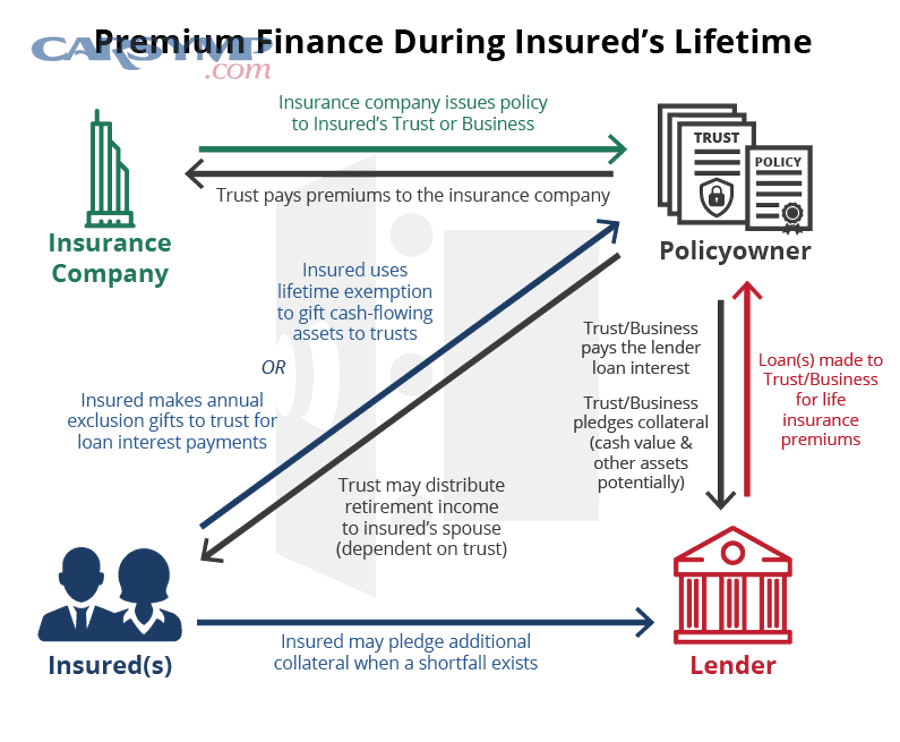
What is premium financing for insurance premiums, and who is it for?
Premium financing is an arrangement where a policyholder borrows from a financial institution to pay an insurance premium and often pledges policy rights as collateral, usually used for large premiums where liquidity management is a priority. (ia.org.hk)
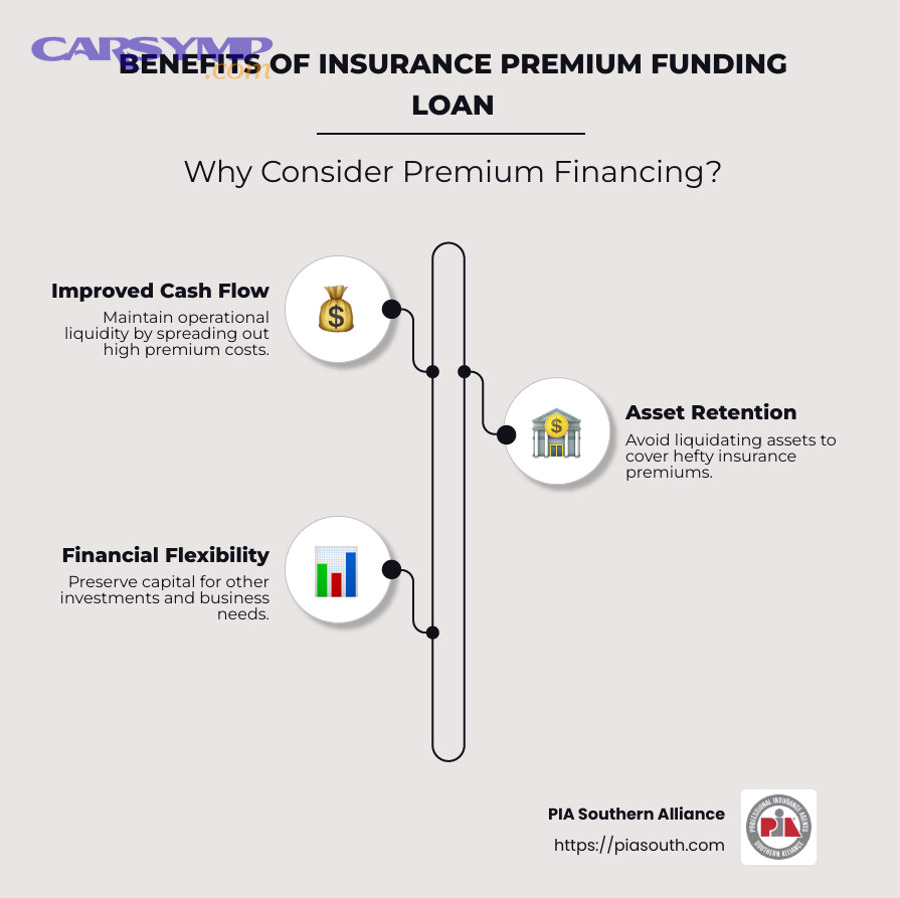
Then, the key point is leverage: premium financing can improve short-term cash flow, but it can also increase the chance of loss if the plan unwinds early or if the collateral value underperforms expectations.
Evidence: According to guidance from the Insurance Authority (Hong Kong), premium financing involves leveraged borrowing and can expose policyholders to significant financial loss and loss of coverage in adverse scenarios. (ia.org.hk)
Which lender wording (loss payee, additional insured, endorsements) matters in business or specialty financing?
There are 3 wording areas that matter most: who gets paid (loss payee/lienholder), who is covered (additional insured), and what proof/endorsements are required—because mismatched wording can delay funding or create claim disputes.
Then, to handle this cleanly:
- Ask the lender for the exact language they require
- Provide it to your broker/agent and request the endorsement in writing
- Confirm the declarations page reflects the correct names and addresses
For business equipment and specialty finance, this step is especially important because endorsement requirements can be more specific than consumer auto lending.
Evidence (if any)
- Federal Trade Commission highlights that buyers should focus on total cost (not just monthly payment) and remove unwanted add-ons from the contract. (consumer.ftc.gov)
- Consumer Financial Protection Bureau explains that Truth-in-Lending disclosures (including APR) must be provided before you sign, supporting APR-based comparisons. (consumerfinance.gov)
- National Association of Insurance Commissioners notes collision coverage is optional by law but may be required by a lender/lessor, supporting the “financing changes insurance requirements” principle. (content.naic.org)
- AAA reports an average annual cost to own and operate a new vehicle of $11,577 in its 2025 analysis, illustrating why TCO should be evaluated beyond payments. (newsroom.aaa.com)