


Getting an accurate engine repair estimate means turning a vague “it depends” into a written, itemized quote that matches your exact vehicle, your confirmed diagnosis, and the real scope of work—so the final bill is far less likely to surprise you.
Next, you’ll learn what “accurate” actually looks like on paper (line items, assumptions, and exclusions) and which details you must provide—like VIN, engine type, symptoms, and scan data—to prevent misquoting and upsells.
Then, you’ll follow a step-by-step method to request comparable quotes from multiple shops, verify fairness, and understand why the same job can price differently based on labor rate, labor time, and parts grade.
Introduce a new idea: even a good estimate can shift when hidden costs appear (programming, core charges, “while-you’re-in-there” parts), so you’ll also learn how to lock down inclusions and ask the right questions before you authorize major work.
What does an “accurate engine repair estimate (quote)” mean?
An accurate engine repair estimate is a written, itemized pricing document that reflects a confirmed diagnosis, clearly defined scope, parts quality, labor hours, and fees—so you can predict the final total within an agreed approval process.
To begin, this matters because “accurate” is not about a single low number—it’s about clarity, completeness, and conditions that prevent price drift.
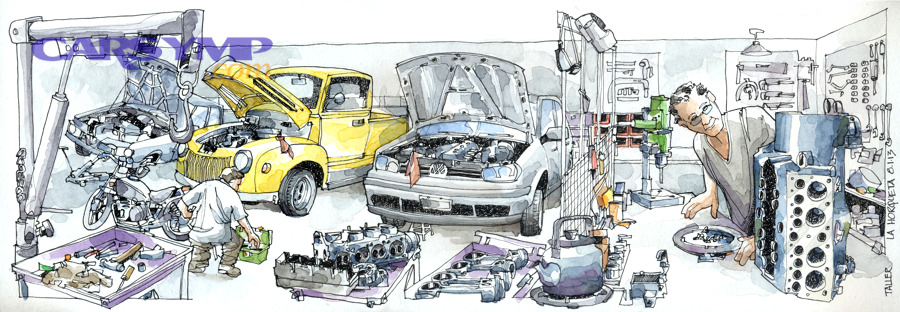
What must be included in a proper written engine estimate to be considered accurate?
A proper written engine estimate should include labor, parts, fees, timeline, and warranty terms in a way that lets you see exactly what you’re paying for and why.
Next, the fastest way to spot accuracy is to check whether the estimate is itemized and conditional (what changes the price).
Minimum line items that signal an “accurate” estimate:
- Vehicle identifiers: year/make/model/trim, engine size, VIN (or at least engine code)
- Concern + findings: your complaint, technician findings, test results, and/or DTCs
- Scope of work: what is being repaired/replaced and what is not
- Parts list: part names, quantities, and quality tier (OEM/aftermarket/used/reman/rebuilt)
- Labor: labor hours, labor rate, and whether time is flat-rate or actual
- Fluids + consumables: oil, coolant, sealants, filters, shop supplies
- Taxes + fees: disposal, environmental, shop fees, sublet charges
- Approvals: “will not exceed X without authorization” language
- Warranty: parts warranty, labor warranty, and what voids it (overheating, contamination, etc.)
- Estimate validity: date issued, expiration, and parts availability assumptions
Why this structure improves accuracy: it forces the shop to commit to specifics (scope + parts + time), which reduces the “mystery gap” that later becomes surprise charges.
Does a “free estimate” for engine work usually include diagnostics—yes or no?
No—free estimates for engine work usually do not include full diagnostics, because accurate diagnosis requires time, tools, and sometimes teardown, which most shops can’t give away consistently.
Then, this distinction matters because a “free estimate” often equals a ballpark, while a paid diagnostic produces the evidence that makes pricing stable.
Three reasons free estimates are commonly limited:
- Diagnosis is labor: scan time, road testing, compression/leak-down testing, and inspection take billable hours.
- Engine problems can overlap: misfires, oil consumption, overheating, and low compression can share symptoms but require different repairs.
- Risk management: shops avoid underquoting without confirmation (and they avoid overquoting and losing the job).
If a shop offers a free estimate, treat it as a preliminary range unless it includes written findings and a defined scope.
What’s the difference between an estimate, a quote, and an invoice for engine repairs?
An estimate predicts cost based on known information, a quote commits to a price under stated conditions, and an invoice is the final bill after work is completed.
More specifically, understanding the difference helps you ask for the right document at the right time.
Quick comparison (so you know what you’re holding):
- Estimate: “Based on current findings, expected total is $X–$Y.” (may change if scope changes)
- Quote: “We will do this exact scope for $X.” (changes only with approved scope changes)
- Invoice: “Here is the final total and what was done.”
A good engine estimate behaves like a conditional quote: it tells you the price and the specific triggers that change it.
What information do you need to get an accurate engine quote?
You need vehicle identity, verified symptoms, and diagnostic evidence—especially engine type and the failure mode—because engine pricing changes dramatically with compatibility, labor access, and what must be replaced along the way.
Next, the goal is to remove ambiguity so the shop prices the same job you think you’re buying.
Which vehicle details improve quote accuracy the most (VIN vs year/make/model/trim)?
VIN improves quote accuracy the most because it maps to the exact engine, emissions configuration, and build options that can change parts and labor time.
Then, using VIN prevents “near-match” mistakes—like quoting a different engine variant or emissions package.
Why VIN-based quoting is more accurate:
- It reduces engine/trim confusion (especially with turbo vs non-turbo variants).
- It helps parts sourcing match sensors, gaskets, and modules precisely.
- It reduces labor surprises from packaging differences (AWD layouts, accessory placement).
If you don’t have VIN handy, provide year/make/model/trim plus engine size (e.g., 2.0T vs 2.5 NA) and drivetrain (FWD/AWD).
What symptoms and evidence should you provide to prevent misquoting?
You should provide symptoms that describe when the problem happens and evidence that supports a likely failure category, because symptom timing and severity drive the diagnostic plan and the parts list.
Next, use your symptom story to anchor the scope so the estimate targets the real fault.
High-value details to share (because they change pricing):
- Noise: knock/tick/rattle, when it appears (cold start, idle, acceleration)
- Smoke: blue (oil), white (coolant/steam), black (fuel-rich)
- Overheating history: how hot, how long, and how often (warped heads change scope)
- Fluids: oil loss rate, coolant loss rate, mixing (“milkshake”), burnt smell
- Driveability: misfire under load, limp mode, stalling, rough idle
- Leaks: where you see spots (front, center, rear), and whether oil hits exhaust
Helpful evidence you can supply:
- Photos of leaks and wet areas
- A short video of noises at idle and during a light rev
- Receipts for recent work (timing, head gasket, cooling system)
This reduces guesswork and helps the shop quote the correct repair path rather than a generic package.
Should you share OBD-II codes and freeze-frame data with the shop—yes or no?
Yes—share OBD-II codes and freeze-frame data, because they capture the engine conditions when the fault was recorded and can speed up accurate diagnosis, especially for intermittent issues.
However, codes are clues, not verdicts, so the shop should still confirm the root cause.
Freeze-frame data is designed as a snapshot around emissions-related DTC events and is part of standard diagnostic practice. (ww2.arb.ca.gov)
What to share :
- The code (example: P0302)
- The freeze-frame snapshot (RPM, load, coolant temp, fuel trims)
- The conditions when it happened (highway merge, cold start, uphill)
If you can’t export freeze-frame, even a photo of the scan tool screen helps.
How do you get an accurate engine repair estimate step by step?
The best method is to request a diagnostic-backed, itemized estimate using a consistent checklist across 2–3 reputable shops, which produces comparable quotes and reduces surprise add-ons.
Below, you’ll follow a repeatable workflow that turns “engine repair cost” from a rumor into a documented plan.
What is the best step-by-step process to get a reliable engine estimate from a shop?
A reliable engine estimate comes from 7 steps: define symptoms, provide vehicle identity, request a diagnostic plan, confirm scope, demand itemization, confirm warranty/approval rules, and compare apples-to-apples before authorizing.
Then, each step reduces a specific pricing risk—misdiagnosis, scope creep, or mismatched parts quality.
Step 1: Document your concern clearly (one paragraph).
Write what happens, when it happens, and what changed recently (overheat, oil loss, noise). Include mileage.
Step 2: Identify the vehicle precisely.
Provide VIN + engine type + drivetrain. This prevents wrong-part quoting.
Step 3: Ask for the diagnostic path first, not the price.
Request what tests they’ll run (scan + inspection + compression/leak-down if needed). This changes a guess into a justified estimate.
Step 4: Request an itemized written estimate after diagnosis.
Insist on labor hours, labor rate, part grades, and fluids/fees.
Step 5: Clarify scope boundaries (what’s included/excluded).
Ask: “Does this include gaskets, seals, fluids, and programming?” and “What would make the estimate change?”
Step 6: Confirm warranty and documentation requirements.
Ask for warranty duration, what’s covered (parts vs labor), and required maintenance proof.
Step 7: Compare 2–3 estimates with the same scope and parts tier.
Normalize differences so you compare value, not just price.
This process protects you from the two biggest estimate killers: unclear scope and unknown diagnosis.
When should you pay for diagnosis before accepting any engine quote?
Yes—you should pay for diagnosis before accepting any major engine quote when the failure mode is not confirmed, because accurate pricing depends on whether the engine needs repair, rebuild, replacement, or supporting-system fixes.
Moreover, paying for diagnosis often saves money by avoiding unnecessary parts and repeated labor.
Pay for diagnosis when:
- Misfire/rough running could be ignition, fuel, compression, or timing-related
- Overheating could be thermostat, radiator, head gasket, or cracked head/block
- Oil loss could be external leak, PCV, turbo seal, rings, or valve seals
- Noises could be accessory drive, valvetrain, rod knock, or flexplate-related
You may skip paid diagnosis when:
- The shop already has documented teardown findings
- A known catastrophic failure is confirmed (windowed block, seized engine)
- Warranty/insurance requires a specific pathway and evidence is already complete
A diagnosis fee becomes a “stability fee”—it stabilizes the scope that stabilizes the estimate.
What questions should you ask to lock down scope and avoid surprise charges?
You should ask scope-lock questions that force the shop to define inclusions, exclusions, and price-change triggers, because that’s what prevents the estimate from drifting during teardown and reassembly.
Next, use the questions below as a script to keep every shop’s quote comparable.
Scope-lock questions (copy/paste these):
- “What exactly is included in this estimate—parts, labor, fluids, taxes, shop supplies?”
- “What is excluded that I should expect later (hoses, mounts, sensors, programming)?”
- “What parts grade are you quoting (OEM, aftermarket, used, remanufactured, rebuilt)?”
- “How many labor hours and what labor rate are you using?”
- “If you find more damage, what is the approval process and the maximum increase without consent?”
- “What warranty do you provide—parts, labor, and duration—and what voids it?”
- “Will I get photos or measurements (compression/leak-down, scoring, metal in oil)?”
If a shop can’t answer these clearly, the estimate is not yet “accurate”—it’s just optimistic.
What factors make engine estimates vary so much?
Engine estimates vary because labor time, labor rate, diagnostic depth, parts grade, and machine shop needs differ by vehicle and failure mode, and each variable can swing totals by hundreds or thousands.
In addition, you’ll often see the biggest jumps when internal engine work demands machining—so Labor hours and machine shop costs explained becomes the missing key to understanding “why so expensive.”
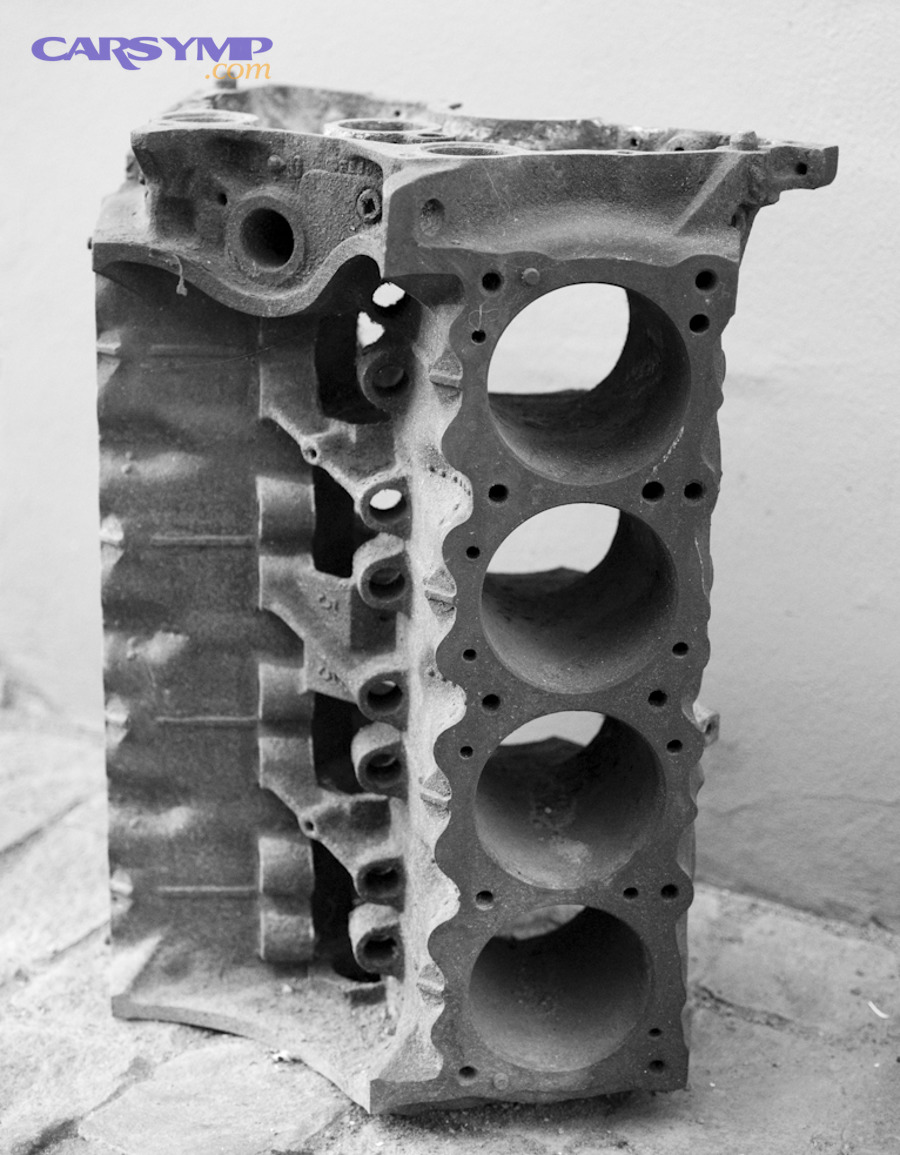
Which cost drivers affect engine repair estimates the most?
There are 6 main cost drivers of engine estimates: failure severity, labor hours, labor rate, parts tier, machine shop work, and supporting-system add-ons—based on how much disassembly and precision work the job requires.
Then, once you know the drivers, you can challenge a quote logically instead of emotionally.
1) Failure severity (external vs internal):
External issues (leaks, sensors) often require less teardown, while internal failures (bearings, rings, timing damage) multiply labor and parts.
2) Labor hours (time to access + time to rebuild):
A transverse V6 in a tight bay can cost more than an inline-4 simply because access time is higher.
3) Labor rate (regional + shop type):
Dealer rates and metro areas often price higher than independents in lower-cost regions.
4) Parts tier (OEM vs aftermarket vs used vs reman vs rebuilt):
Cheaper parts reduce upfront cost but can increase risk of comebacks or shortened warranty.
5) Machine shop services (if rebuilding):
Rebuild estimates can include head resurfacing, valve work, block honing/boring, crank polishing, cleaning, and inspection.
6) Add-ons driven by “while you’re in there” logic:
Belts, hoses, water pump, thermostat, motor mounts, and seals may be cost-effective add-ons because labor overlap is high.
A simple rule: the more the estimate depends on internal condition, the wider the accurate price range must be until inspection is complete.
How do parts choices change your estimate (OEM vs aftermarket vs used vs reman vs rebuilt)?
OEM wins in fit consistency, aftermarket is best for budget, used is optimal for lowest upfront cost, and remanufactured/rebuilt can balance price and warranty depending on supplier quality and installation standards.
However, parts choices only make sense when the warranty and scope match the risk you’re willing to accept.
To illustrate, this table shows what you’re really buying when you choose a parts tier:
| Parts option | Typical appeal | Typical risk | Best use case |
|---|---|---|---|
| OEM | Predictable fit and performance | Higher price | Long-term ownership, complex engines |
| Aftermarket | Lower price | Variable quality by brand | Simple components, reputable brands |
| Used | Cheapest upfront | Unknown history, limited warranty | Older car, short-term plans |
| Remanufactured | Like-new process (varies) | Supplier variability, core rules | Replacement with warranty focus |
| Rebuilt (local) | Custom rebuild to your engine | Quality depends on machinist | When you trust the builder and want transparency |
Now connect this to accuracy: two quotes can look “far apart” simply because one is quoting OEM and the other is quoting used.
Does location change engine labor rates enough to impact accuracy—yes or no?
Yes—location changes engine labor rates enough to impact accuracy because labor rate is multiplied by labor hours, and major engine jobs often involve dozens of hours.
Meanwhile, regional labor markets, shop overhead, and local demand push the hourly rate up or down.
Why this affects your estimate immediately:
- An engine job with high labor hours magnifies rate differences.
- Some regions also have higher shop fees and disposal charges.
- Parts availability can vary by region, influencing shipping and downtime.
So, if you compare quotes from different cities, normalize by focusing on hours, rate, and scope rather than total alone.
How can you tell if an engine estimate is fair and trustworthy?
A fair and trustworthy engine estimate is itemized, evidence-based, and approval-controlled, with clear warranty terms and documented assumptions—so you can verify value, not just price.
More importantly, trust comes from transparency: a shop that shows you why the estimate is what it is is usually safer than a shop that only shows you the total.

What are the biggest red flags in an engine repair quote?
There are 7 major red flags in an engine repair quote: no itemization, vague scope, missing labor hours, unclear parts grade, no warranty terms, pressure tactics, and “misc fees” without definition—based on how often these hide cost creep.
Then, use these red flags to filter out estimates that look cheap only because they’re incomplete.
Red flag checklist:
- One-number quote with no parts/labor breakdown
- No diagnosis explanation (“needs engine” without test results)
- No labor hours or refusal to share labor basis
- Parts grade not stated (OEM vs aftermarket vs used unknown)
- Warranty not written or only verbally promised
- No authorization rules (estimate can “change as we go”)
- Bundled fees (“shop supplies” or “misc” with no cap or detail)
When you see multiple red flags, the estimate isn’t accurate—it’s incomplete.
How do you compare multiple engine quotes “apples to apples”?
You compare engine quotes apples to apples by standardizing scope, parts tier, labor hours, labor rate, and warranty terms—so you evaluate the same job across shops.
Next, the goal is to convert three different documents into one comparable picture.
Build a comparison sheet using these exact fields:
- Confirmed diagnosis and test results included (yes/no)
- Repair path: repair vs rebuild vs replacement
- Parts tier: OEM/aftermarket/used/reman/rebuilt
- Included add-ons: mounts, hoses, water pump, seals, fluids
- Labor hours and labor rate
- Machine shop line items (if rebuilding)
- Programming/relearn included (yes/no)
- Warranty duration and coverage (parts vs labor)
- Approval rules for overruns
If one shop won’t provide these details, it’s not truly comparable—and that alone is a quality signal.
Should you always get 2–3 engine estimates before deciding—yes or no?
Yes—you should get 2–3 engine estimates before deciding because engine work is high-cost, diagnosis quality varies, and comparing itemized scopes helps you catch missing line items and unrealistic labor assumptions.
Besides, multiple estimates give you leverage to ask better questions without accusing anyone of dishonesty.
Three reasons this improves outcomes:
- You validate diagnosis (two shops agreeing on failure mode is powerful).
- You expose scope gaps (one quote includes machining, another “forgets” it).
- You benchmark labor assumptions (hours and rates become visible).
For consumer trust context, surveys have repeatedly shown many drivers feel uneasy about repair transparency, which makes comparison shopping a practical protection strategy. (newsroom.aaa.com)
Repair vs replace: which estimate should you request for your situation?
Repair wins when damage is localized, replacement is best when internal damage is widespread, and rebuilding/remanufacturing is optimal when you want a fresh engine state with warranty and controlled quality—depending on budget, timeline, and vehicle value.
To better understand the right estimate request, you need to match your failure mode to the correct pricing path, because each path has different line items and risks.
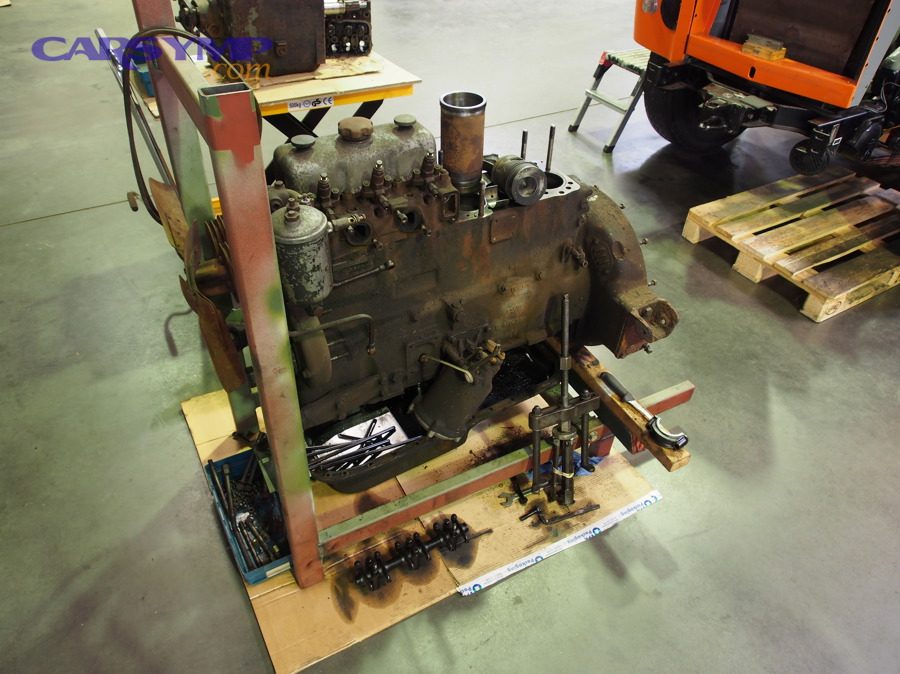
When is repairing the engine more cost-effective than replacing it?
Repairing is more cost-effective when the root cause is external or modular, because you pay for targeted labor and parts instead of full removal, replacement, and reinstallation complexity.
However, the repair must solve the root cause—not just the symptom—otherwise you’ll pay twice.
Repair is often the better estimate when you have:
- External oil leaks with clear source (gasket/seal) and no internal damage
- Sensor or ignition issues supported by scan data and testing
- Cooling system faults caught early (before repeated overheating)
- Timing component service where compression is still healthy (case-dependent)
Replacement/rebuild becomes more cost-effective when:
- Compression is low across multiple cylinders
- Coolant contamination has damaged bearings
- The engine has severe knock, seizure, or major scoring
- Repeated overheating likely warped heads or cracked castings
So, ask the shop for the estimate type that matches the failure category: “repair estimate” vs “replacement estimate” vs “rebuild estimate.”
What’s the difference in quoting a rebuilt vs remanufactured vs used engine?
Remanufactured wins in standardized process, rebuilt is best for customization and transparency, and used is optimal for lowest upfront price—while each option changes the estimate through core charges, machine work, and warranty coverage.
Meanwhile, the words can be used loosely in the market, so the estimate must define what “reman” or “rebuilt” includes.
How the estimate should differ by option:
- Used engine estimate should show:
- Engine source and mileage (if known)
- Warranty length (often limited)
- Labor for installation + required maintenance items
- Rebuilt engine estimate should show:
- Machine shop line items
- New internal parts list (bearings, rings, gaskets, timing set)
- Measurements/testing plan (clearances, pressure tests)
- Remanufactured engine estimate should show:
- Core charge and return rules
- Shipping/freight
- Warranty terms and documentation requirements
- Any supplier-required add-ons (oil cooler flush, radiator replacement, etc.)
Here’s a key sustainability and manufacturing insight that also hints at why reman quotes often include structured processes: remanufacturing studies evaluate standardized disassembly, inspection, and replacement steps to restore “like-new” condition. (web.mit.edu)
Is it reasonable to request a “best / better / good” tiered estimate—yes or no?
Yes—it’s reasonable to request a best/better/good tiered estimate because it forces the shop to present multiple valid scopes and parts grades, letting you choose the right risk–budget balance without hidden downgrades.
Especially, tiering makes the tradeoffs visible instead of accidental.
A practical tiering example (what each tier might mean):
- Good: reputable aftermarket parts, minimal add-ons, essential fixes only
- Better: OEM-mix or premium aftermarket, proactive “while you’re in there” items, stronger warranty
- Best: OEM where critical, reman/rebuild with documented testing, full supporting-system refresh
Tiering also protects you from the silent downgrade problem—where a low quote uses lower-grade parts without telling you.
What rarely-mentioned costs can change an engine estimate at the last minute?
Rarely-mentioned costs include programming, core charges, shipping, consumables, sublet machine work, and “while-you’re-in-there” parts, and they change estimates because they appear after deeper inspection or supplier requirements become clear.
In short, hidden costs aren’t always scams—they’re often the price of missing assumptions, which is why you should lock them down early.

Which “included vs excluded” line items should you confirm before authorizing engine work?
You should confirm included vs excluded line items for fluids, shop supplies, sublet work, calibration, mounts, hoses, and disposal fees because these are the most common categories that quietly inflate the final bill.
Next, treat this as a scope audit: if it’s not stated, it’s not safely assumed.
Ask the shop to explicitly label these as INCLUDED or EXCLUDED:
- Engine oil + filter, coolant, power steering fluid (if disturbed)
- Gaskets/seals beyond the main repair (valve cover, intake, rear main, etc.)
- Motor mounts and accessory belts (if engine removal is involved)
- Cooling system parts (thermostat, hoses, radiator cap, water pump)
- Shop supplies/environmental/disposal fees (and whether there’s a cap)
- Sublet machine shop work (heads, block, crank)
- Towing/storage (if your vehicle is stuck)
- Post-repair road test and re-check
If the shop says “we’ll see later,” ask for a contingency range and an approval rule.
Can programming, relearns, and calibrations be required after engine replacement—yes or no?
Yes—programming, relearns, and calibrations can be required after engine replacement because modern vehicles may need module synchronization, throttle/idle relearns, or emissions readiness procedures after major mechanical work.
However, not every vehicle needs it, which is why the estimate should specify conditions.
OBD frameworks and emissions-related diagnostic systems rely on standardized data and fault storage behaviors, and some regulations specify how diagnostic snapshots are stored and erased—showing how integral ECU behavior is to diagnostics and readiness. (ww2.arb.ca.gov)
Examples that can affect the estimate:
- Immobilizer/key relearn after module changes (vehicle-dependent)
- Throttle body adaptation or idle relearn after battery disconnect and airflow changes
- Readiness monitor drive cycle time (especially if emissions testing is due)
If programming is possible, ask whether the shop has in-house capability or sublets it—because sublet pricing can differ.
How do core charges, shipping, and warranty terms affect reman engine quotes?
Core charges, shipping, and warranty terms affect reman engine quotes by adding refundable deposits, freight costs, and compliance steps that you must follow to keep warranty coverage valid.
Then, these items matter because they can shift your “out-the-door” number even when the base engine price looks competitive.
Core charges (the refundable deposit):
- You pay an extra amount up front.
- You get it back when the old engine is returned in acceptable condition.
- Damaged or incomplete cores may reduce or void the refund.
Shipping/freight:
- Crated engines often ship via freight, not standard parcel.
- Delivery method (commercial dock vs residential liftgate) can change cost.
Warranty options for major engine work (what to clarify):
- Duration (months/years/miles)
- Coverage split (parts-only vs parts + labor)
- Required supporting repairs (oil cooler flush, radiator replacement, documented oil changes)
- Claim documentation (receipts, photos, diagnosis logs)
A reman quote that includes clear warranty terms is often more “accurate” than a cheaper quote that hides warranty restrictions.
What “while-you’re-in-there” add-ons are commonly recommended, and when are they worth it?
There are 4 common “while-you’re-in-there” add-ons—cooling refresh, seals/gaskets, wearable drive components, and mounts—based on labor overlap, and they’re worth it when they prevent repeat labor or protect the new/renewed engine.
More specifically, the question isn’t “is it extra?”—it’s “does it prevent paying the same labor twice?”
Common add-ons (and when they make sense):
- Cooling system refresh (thermostat, hoses, sometimes water pump): worth it if overheating contributed to failure or parts are aged.
- Major seals/gaskets (rear main, oil pan, valve cover): worth it if the engine is out and access is normally expensive.
- Belts, tensioners, idlers: worth it if worn and already accessible.
- Motor mounts: worth it if mounts are cracked and engine removal already exposes them.
When add-ons are not worth it:
When the part is unrelated, not worn, and replacement doesn’t reduce meaningful future labor.
Evidence (selected)
According to a study by the Massachusetts Institute of Technology from the Environmentally Benign Manufacturing Laboratory and the Laboratory for Manufacturing and Productivity (with the Sloan School of Management), in 2010, purchasing a remanufactured gasoline engine instead of a new engine led to approximately 16% cost savings (in 2000 dollars). (web.mit.edu)
According to a study by the University of Michigan (authored in collaboration through Gregory A. Keoleian’s life-cycle research work), in 2004, a life-cycle model reported that a remanufactured automotive engine could be produced with 68%–83% less energy and 73%–87% fewer carbon dioxide emissions compared with a new engine. (seas.umich.edu)