


STEP 1: ANALYZE THE TITLE AND OUTLINE
1.1. Title analysis
- Main keyword (keyword focus): costly dealer add-ons (extras) that increase your price (out-the-door price)
- Predicate (main verb/action): Identify
- Relations Lexical used:
- Synonym: “add-ons” = “extras”
- Hyponym: examples listed (VIN etching, paint protection, nitrogen tires)
1.2. Search intent type signals in the outline
- Boolean (Yes/No): “Is a dealer add-on mandatory…?”, “Should you demand an OTD breakdown…?”, “Can you replace…?”
- Definition (What is X): “What counts as…?”, “What line items…?”, “What is the simplest script…?”
- Grouping (Types of X): “Which dealer add-ons…?”, “What are the most common…?”
- Comparison (X vs Y): “What is the difference between…?”, “Is it better to negotiate down or remove…?”, “Are these add-ons ever worth it…?”
- How-to: “How can you spot…?”, “How do you negotiate or remove…?”, “What should you do if…?”
1.3. Breakdown into specific intents
- Primary intent (from the Title): Identify common dealer add-ons that increase the out-the-door price and understand what they are so buyers can accept/decline confidently.
- Secondary intent 1 (from Heading 1): Understand what qualifies as a dealer add-on vs factory options/fees and whether “mandatory” claims hold up.
- Secondary intent 2 (from Heading 2): See the most common/high-cost add-ons and how to evaluate them quickly.
- Secondary intent 3 (from Heading 3): Learn how to spot add-ons in paperwork before signing.
1.4. Map the outline to answering formulas
- H2 #1 : Use Definition formula (X is…) + clarify differences.
- H2 #2 : Use Grouping formula (There are X main types… based on…).
- H2 #3 : Definition to explain where to look + Grouping for labels.
- H2 #4 : How-to formula (Method + steps + outcome).
- H2 #5 : Comparison formula (X wins in…, Y best for…, Z optimal for…).
- H2 #6 : Comparison formula (new vs used; driver scenarios).
- H2 #7 : How-to + cancellation/dispute actions.
Most costly dealer add-ons increase your out-the-door price because they bundle high-margin products into paperwork that feels “standard,” so the fastest way to protect your budget is to identify the add-on, confirm it’s optional, and remove it before you sign.
Next, you’ll see what actually counts as a dealer add-on (versus a factory option or a legitimate fee), because buyers who can name the category can negotiate it cleanly without confusion or conflict.
Then, you’ll get the most common add-ons that spike price—especially protection packages, theft/ID products, tire-and-wheel plans, and “convenience” extras—so you can decide in minutes whether each one is worth keeping.
Introduce a new idea: once you understand the add-on types, you’ll learn how to spot them in quotes and finance documents, and what to do if an unwanted add-on shows up after signing.
What counts as a “dealer add-on,” and how is it different from factory options?
A dealer add-on is a dealer-sold product or service (often installed or contracted after the vehicle is built) that increases the out-the-door price, while factory options are built into the car’s MSRP and are typically standardized for that trim or build.
To better understand why this difference matters, focus on where the cost appears: factory options usually show up in the vehicle’s configuration and MSRP, while dealer add-ons appear as separate line items on a worksheet, buyer’s order, or finance (F&I) menu—sometimes after you’ve already agreed on a “car price.”

A practical way to classify what you’re seeing is to ask, “Did this come from the manufacturer build sheet, or did the dealership add it after the car arrived?” If it’s dealer-added, it’s usually negotiable—and often removable—because the dealer is choosing to sell it to you as an extra product.
Dealers commonly group add-ons into:
- Physical accessories (tint, wheel locks, pinstripes, door edge guards)
- Appearance/protection products (paint/fabric protection, ceramic coating packages, undercoating)
- Theft/ID products (VIN etching, tracking subscriptions)
- Contracts (service contracts/extended warranties, maintenance plans, tire-and-wheel coverage, GAP in some cases)
The reason “dealer add-on” is such an important label is that it signals pricing flexibility. Add-ons tend to be priced with wide markups because the buyer can’t easily compare like-for-like in the moment, especially if the product name is vague or bundled.
Is a dealer add-on mandatory if the dealership says it is?
No—dealer add-ons are not inherently mandatory, because (1) you can usually decline optional products, (2) “required” packages are often a policy choice rather than a legal requirement, and (3) dealers can rewrite the deal structure to sell the same car without the add-on line item.
More specifically, “mandatory” claims often fall into three buckets:
- Truly required charges (tax, title, registration) that are not add-ons
- Dealer policy add-ons (pre-installed tint, nitrogen tires, coatings) the dealer prefers to sell
- Financing-related claims (“the lender requires it”) that need verification in writing
When a salesperson says an add-on is mandatory, the most productive response is calm and specific:
- “Please show me where this is required in the contract or lender conditions.”
- “If it’s optional, remove it and reprint the out-the-door breakdown.”
- “If it’s already installed, price the car accordingly or I’ll buy a similar vehicle elsewhere.”
The Federal Trade Commission warns consumers to check contracts carefully and to ask the dealer to remove add-ons you don’t want, emphasizing total cost—not just monthly payment—so you can catch extra charges. (consumer.ftc.gov)
What is the difference between an add-on, an accessory, and a dealer fee?
An add-on is a product/service you’re sold in addition to the vehicle, an accessory is a tangible item installed on the car, and a dealer fee is an administrative charge that may be regulated or customary but is not a product you “receive.”
However, the labels get blurred on purpose, so use functional definitions:
- Accessory: You can point to it (tint film, wheel locks, step bars). It has parts and labor.
- Add-on product/service: You receive a contract, certificate, or coverage promise (protection package, theft program, service contract).
- Fee: You’re paying the dealer for processing (documentation/processing fee) or state-required items (title/registration).
This distinction helps you negotiate in the right direction:
- If it’s an accessory, you negotiate install cost and compare with local shops.
- If it’s a coverage product, you negotiate terms, exclusions, and price—or decline it.
- If it’s a fee, you ask if it’s capped by the state or dealer policy, and you compare dealers.
Which dealer add-ons most commonly increase the price the most?
There are 4 main types of dealer add-ons that most commonly increase your price—protection packages, theft/ID products, coverage contracts, and convenience accessories—based on the criterion of high markup + low comparability at the signing table.
To better understand why these four categories matter, remember that the biggest price jumps usually come from “bundled” items sold in the finance office, where you see monthly payment impacts instead of clean line-item costs.

Below is a quick, buyer-friendly overview table showing what these categories include and the fastest “keep or cut” test.
| Add-on category | Examples | Why it raises cost | Fast decision test |
|---|---|---|---|
| Protection packages | paint/fabric, ceramic “package,” undercoating | vague coverage, bundled pricing | “What’s excluded? What’s the claim process? Can I buy the same service locally?” |
| Theft/ID | VIN etching, tracking subscription | high markup, unclear benefit | “Do I get an insurance discount or recovery benefit in writing?” |
| Coverage contracts | service contract, maintenance, tire/wheel | long terms, many exclusions | “What’s deductible/limit? Does it overlap with warranty/insurance?” |
| Convenience accessories | tint, nitrogen tires, wheel locks | easy to source cheaper | “Can a local shop do this for less with equal quality?” |
What are the most common “protection” add-ons (paint, fabric, ceramic, undercoating), and what do they actually cover?
There are 4 common protection add-ons—paint protection, fabric/leather protection, ceramic coating packages, and undercoating/rustproofing—based on the criterion of surface type and claimed durability.
Specifically, dealerships often describe these as “long-term protection,” but the coverage usually includes strict conditions:
- Paint protection / sealant packages: May promise gloss and stain resistance, but claims often require approved maintenance and documented care.
- Fabric/leather protection: Focuses on stain resistance; it may exclude pre-existing wear and requires immediate reporting.
- Ceramic coating packages: Often sold as a premium upgrade; the real value depends on prep quality and thickness, not the label.
- Undercoating/rustproofing: Can be useful in harsh climates, but many modern vehicles already have corrosion protection; coverage terms matter.
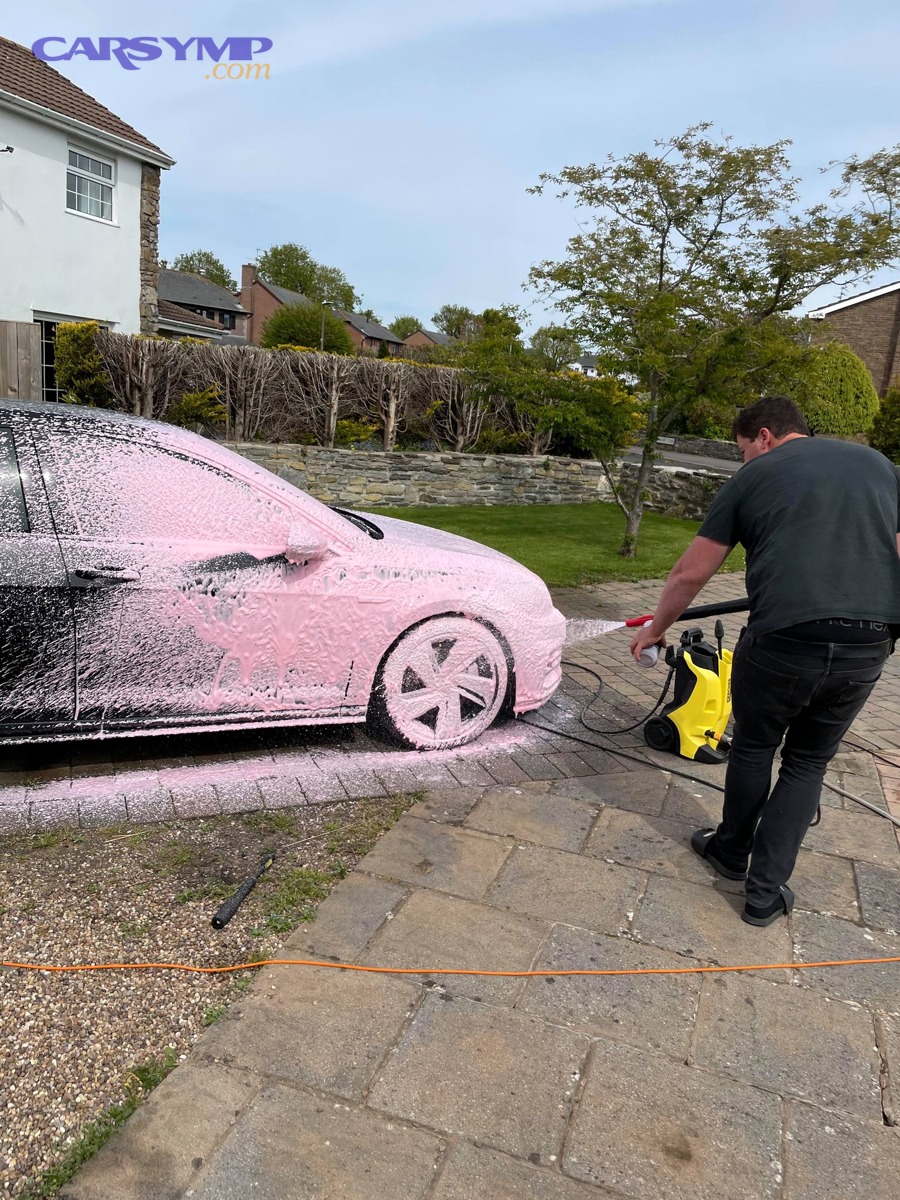
A simple way to judge these is to separate product from process. The coating may be fine, but rushed prep can erase the benefit. If the dealer cannot specify the brand, steps, warranty, and claim process, you are likely paying for a vague promise.
What are the most common “theft/ID” add-ons (VIN etching, tracking, alarms), and when are they worth it?
There are 3 main theft/ID add-ons—VIN etching, tracking subscriptions, and alarm/security packages—based on the criterion of deterrence vs recovery vs notification.
More importantly, “worth it” depends on measurable outcomes:
- VIN etching: Deterrence signal; value is strongest when it comes with a credible theft replacement benefit and the price is reasonable.
- Tracking: Recovery tool; value depends on whether it’s a real GPS device, whether there’s a subscription, and whether law enforcement actually uses the system.
- Alarm/security: Deterrence/notification; value depends on installation quality and integration, not a generic “security package” label.
In the National Consumer Law Center’s analysis of dealer add-on pricing, the average dealer markup for etch products was 325% in 2012 (about $189 markup over a $58 dealer cost), illustrating how theft/ID add-ons can be priced far above cost. (filearchive.nclc.org)
What are the most common “tire/wheel” and “wear-and-tear” add-ons, and what is the real break-even point?
There are 3 common coverage add-ons in this bucket—tire-and-wheel plans, dent/paintless repair coverage, and “wear-and-tear” packages—based on the criterion of what damage triggers a claim.
However, break-even isn’t emotional; it’s math plus contract terms:
- Check deductible: A $200 deductible on a $450 tire changes break-even immediately.
- Check claim limits: “One claim per year” or “max payout per incident” can quietly cap value.
- Check exclusions: Curb rash, cosmetic damage, or pre-existing wear can exclude common issues.
- Check wheel coverage: Some plans cover tires but not wheels, or limit wheel repair vs replacement.
The break-even method:
- Estimate likelihood of a claim during your ownership (roads, commuting, parking).
- Estimate average claim value after deductible.
- Compare expected value to price.
For a city driver who replaces 1–2 tires in two years due to potholes, a fairly priced plan can make sense. For a suburban driver with mild roads, it often doesn’t.
What are common “convenience” add-ons (nitrogen tires, tint, wheel locks), and are cheaper equivalents available?
There are 3 common convenience add-ons—nitrogen-filled tires, window tint, and wheel locks—based on the criterion of easy availability outside the dealership.
Next, treat these as “shop around” items:
- Nitrogen tires: Most buyers can inflate with normal air and maintain proper pressure; the main value comes from regular checks, not the gas label.
- Window tint: Quality varies by film brand and installer skill; local specialty shops often outperform.
- Wheel locks: Useful in theft-prone areas, but the value depends on wheel type and local risk.
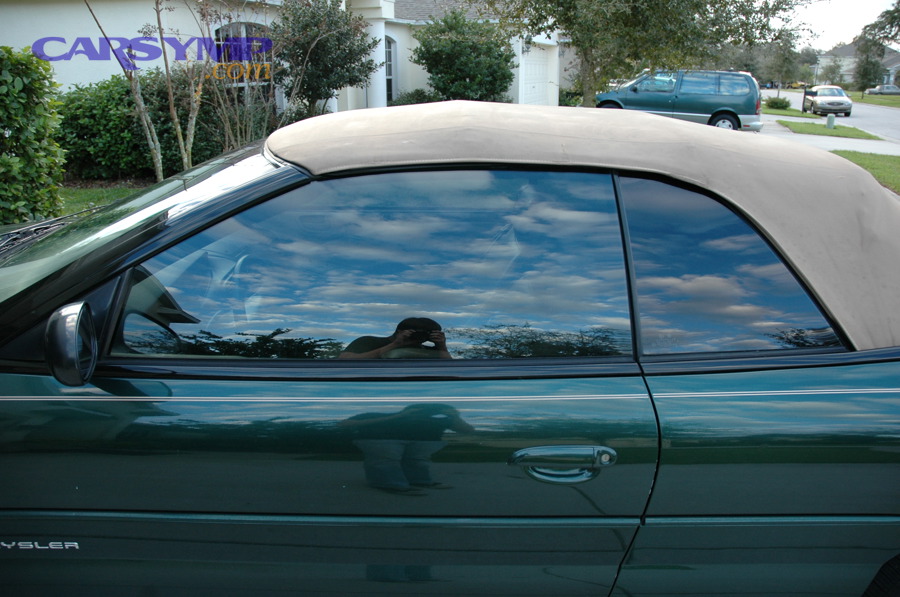
If you want tint, buy tint—but avoid paying a premium just because it’s bundled with other vague “protection” products. A local quote comparison often reveals the markup immediately.
How can you spot add-ons in the quote and finance paperwork before you sign?
You can spot add-ons by checking three documents—the worksheet, the buyer’s order, and the F&I product menu—and matching every line item to something you explicitly requested, because add-ons often hide under package names rather than clear product labels.
To begin, anchor the process on the out-the-door number: when you control the total cost, you expose add-ons that are designed to disappear inside monthly payment talk.

Here’s the fastest “spot-the-add-on” checklist:
- Does the line item describe a product you asked for?
- Does it have a separate price beyond the vehicle price?
- Is it bundled under a package name with no breakdown?
- Does it appear only after the payment discussion starts?
What line items and labels usually indicate an add-on bundle?
Add-on bundles usually show up under vague labels like “appearance package,” “protection package,” “theft deterrent,” “security system,” “nitrogen,” “tint,” “etch,” “maintenance plan,” or “service contract” because those labels reduce comparison shopping.
More specifically, watch for:
- Package names without itemization (“Preferred Protection Plan”)
- Duplicated terms (a protection package plus a separate “paint coating” line)
- Codes or abbreviations (ask what each code means and for a brochure)
- “Dealer installed” language without proof of installation timing
If the dealer can’t explain the product in one sentence and show the terms in writing, it’s a signal you’re being asked to buy something you can’t evaluate on the spot.
Should you demand an out-the-door (OTD) price breakdown before discussing monthly payments?
Yes—you should demand an OTD breakdown first, because (1) it prevents payment packing, (2) it forces line-item transparency for add-ons, and (3) it makes dealer quotes comparable across different stores.
More importantly, monthly payments are adjustable by term length, down payment, and interest rate, so they can hide add-ons without changing the “feel” of the deal. When you insist on OTD, you’re controlling the frame.
The FTC advises consumers to know the total cost in writing and ensure it includes all charges, including fees or add-ons, precisely to help catch extra charges dealers may try to tack on. (consumer.ftc.gov)
How do you negotiate or remove add-ons without losing the deal?
You negotiate or remove add-ons with a 3-step method—separate the car price from products, request a revised buyer’s order, and replace wanted items with better-value alternatives—so you keep the vehicle while cutting the extras.
Next, treat negotiation as process, not conflict: your goal is a clean contract, not an argument, and clear steps keep emotions out of it.
Step 1: Separate the deal.
Say: “I’m buying the car at this price. I’m not buying additional products today.”
Step 2: Force the paper trail.
Say: “Please remove these items and print the updated out-the-door breakdown.”
Step 3: Replace only what you truly want.
If you want tint or paint protection, ask for a reduced price or plan to do it after purchase with a specialist.
What is the simplest script to decline add-ons (and keep it calm)?
The simplest script is: “No thank you—please remove it and reprint the out-the-door price,” because it (1) states a clear decision, (2) requests the action you need, and (3) keeps the conversation focused on documents instead of debate.
Specifically, use short variations:
- “I’m not purchasing add-ons today.”
- “Please itemize everything; I’ll decide line by line.”
- “If this can’t be removed, I’ll buy a similar vehicle elsewhere.”
Then stop talking and let the paperwork do the work. Silence is powerful because it forces the next step: a revised document or an honest explanation.
Is it better to negotiate add-ons down or remove them entirely?
Removing add-ons is best for budget control, negotiating down is best when you genuinely want the product, and replacing externally is optimal when you want the result but not the dealer’s price.
More specifically:
- Remove entirely if the add-on is vague, redundant, or bundled.
- Negotiate down if you understand the product and want it (and the dealer can document terms).
- Replace externally if quality depends on specialist skill (tint, ceramic coating, detailing).
A useful rule: if you can’t explain what you’re buying in one sentence and cite the exclusions, remove it—because you’re paying for uncertainty.
Can you replace dealer add-ons with third-party options after purchase?
Yes—many dealer add-ons can be replaced after purchase, because (1) services like tint and detailing are widely available, (2) coverage products can sometimes be bought from third parties, and (3) you can compare price and terms with less pressure.
However, timing and overlap matter:
- Tint/coatings/accessories: Usually easy to do later, often better quality at specialty shops.
- Service contracts: Sometimes available after purchase, but pricing may change with mileage/age.
- Maintenance plans: Compare with the manufacturer’s plan or independent shop rates.
When the add-on is essentially a contract, read whether it’s cancelable and whether cancellation requires a written request—because that’s where buyers lose leverage.
Are these add-ons ever worth it for new vs used car buyers?
New-car buyers benefit most from add-ons that complement factory coverage, used-car buyers benefit most from add-ons that reduce high, uncertain repair risk, and both groups do best when the add-on price matches realistic claim probability.
Next, make the decision with a simple lens: risk exposure plus coverage integrity .
If you’re buying used, the conversation often shifts toward service contracts because uncertainty rises. That’s where buyers start thinking about engine repair cost in the real world—because a single major repair can dwarf small monthly savings.
Which add-ons are more defensible for high-mileage or city-parking drivers?
There are 3 add-ons that are more defensible for high-mileage or city-parking drivers—tire-and-wheel coverage, dent/paint repair coverage, and certain service contracts—based on the criterion of high incident frequency.
More specifically:
- Tire-and-wheel: City potholes and curb impacts increase claim likelihood.
- Dent/paintless repair: Street parking increases door dings and minor impacts.
- Service contract (select cases): High-mileage driving raises wear risk, but only if exclusions are reasonable.
If you keep cars long term, prioritize coverage that matches your daily environment, not coverage that sounds comprehensive.
Which add-ons are most often redundant with existing coverage (insurance, manufacturer warranty, credit card benefits)?
There are 4 common redundancies—factory warranty overlap, insurance overlap, roadside assistance overlap, and benefit overlap—based on the criterion of “you already pay for a similar promise.”
Specifically:
- Factory warranty overlap (new cars): Many repairs are already covered for years; duplicating coverage wastes money.
- Insurance overlap: Comprehensive coverage may already address theft or certain damages.
- Roadside overlap: Many insurers, automakers, and credit cards include roadside services.
- Maintenance overlap: Prepaid maintenance may not beat disciplined saving + routine service shopping.
This is where wording matters: some dealerships pitch extended warranties as the only path to peace of mind, but you should compare them to Warranty options for major engine work you might consider later—because the real value is how the contract handles high-ticket failures, not how nicely it’s presented.
And if your decision is “I’d rather self-insure,” you can budget the would-be add-on payment into a repair fund. That approach becomes even more rational when you understand big-ticket alternatives like Used engine vs reman engine pros/cons, because “coverage” and “replacement strategy” are two sides of the same risk-management coin.
What should you do if an unwanted add-on was included—or you want to cancel after signing?
You should act immediately by documenting the discrepancy, requesting cancellation in writing, and confirming how refunds apply to your loan, because unwanted add-ons can be harder to unwind once funded, but many products are still cancelable with the right paper trail.
Next, treat this as a sequence of actions with receipts, not a phone call with vague promises.
How do financed add-ons change your total cost (interest paid), not just the sticker price?
Financed add-ons increase your total cost because you pay interest on the add-on price over the loan term, so a “small” monthly increase can become hundreds or thousands of dollars in total payments.
More specifically, financed add-ons matter in two ways:
- Principal inflation: You borrow more than the vehicle’s value supports.
- Interest multiplication: The loan term spreads the add-on cost and adds interest on top.
This effect becomes larger when dealers also add discretionary loan markups. According to a study by MIT from the Department of Economics, in 2023, researchers found 78.5% of auto loans in their data were marked up, with an average markup of 113 basis points, and for borrowers who paid as scheduled, markups cost $647 at the median and $1,655 at the 90th percentile. (economics.mit.edu)
Can you cancel a warranty/protection plan, and how does a pro-rated refund work?
Yes—many warranty/protection plans can be canceled, because (1) contracts often include cancellation terms, (2) refunds may be pro-rated based on time or mileage, and (3) lenders commonly apply refunds to the loan balance when the add-on was financed.
More specifically, pro-rated refunds usually follow a pattern:
- Full refund window: A short period after signing (varies by contract).
- Pro-rated period: Refund decreases based on time/mileage used.
- Fee or admin costs: Some plans deduct processing fees.
- Loan application: If financed, the refund may go to the lender, reducing principal rather than generating a check.
Your cancellation checklist:
- Find the cancellation clause in the contract.
- Submit a written request (email + certified mail if needed).
- Request written confirmation of cancellation date and refund amount.
- Confirm how the refund is applied (loan principal vs check).
What are the warning signs of deceptive add-on practices, and where can you report them?
There are 4 warning signs—missing consent, mismatched totals, last-minute additions, and “mandatory” misrepresentation—based on the criterion of the add-on appears without a clear, voluntary yes.
More specifically, red flags include:
- The add-on is listed but you never selected it.
- The online advertised price differs from paperwork without clear explanation.
- The dealer rushes signing or discourages taking documents home.
- The dealer refuses to print an itemized OTD breakdown.
If you suspect unwanted add-ons, the FTC emphasizes careful contract review and removing add-ons you didn’t agree to; you can also use consumer protection channels to report deceptive practices. (consumer.ftc.gov)
What is the opposite of a dealer add-on: which items are actually “must-have” essentials you should budget for?
The opposite of a dealer add-on is a non-optional essential cost, and the must-haves are tax/title/registration, required insurance, and baseline maintenance, because these items are either legally required or predictably necessary for owning the vehicle.
More importantly, essentials are the costs that still exist even if you decline every extra:
- Government costs: tax, title, registration
- Insurance: liability (required), plus optional comp/collision based on risk
- Immediate needs: new tires if worn, brakes if due, fluids, safety items
- Maintenance planning: an ownership budget is more powerful than a bundle of vague add-ons
If you want one embedded explainer video on avoiding dealership add-ons, here’s a practical walkthrough:
Evidence (if any)
- The FTC advises consumers to review contracts carefully, know the total cost in writing, and remove add-ons they don’t want—guidance aimed at preventing surprise charges. (consumer.ftc.gov)
- The National Consumer Law Center’s report found etch products carried an average 325% dealer markup in 2012 (based on the dataset they analyzed), illustrating why some add-ons can be priced far above cost. (filearchive.nclc.org)
- According to a study by MIT from the Department of Economics, in 2023, researchers reported widespread loan markups in their dataset and quantified typical consumer costs, showing how financing dynamics can amplify the price impact of add-ons. (economics.mit.edu)