


Major engine work is expensive, and the right warranty option can be the difference between a protected repair and paying twice. In practice, the “best” option depends on what work you’re approving (rebuild vs replacement), who is backing it (shop vs third-party service contract), and how the fine print handles common failure causes like overheating or oil sludge.
Next, you’ll need to understand the language sellers use—especially “warranty” vs “guarantee”—because those terms often sound different while functioning as near-synonyms in repair paperwork. Once you know how coverage and exclusions actually work, it becomes much easier to match protection to your risk level.
Then, you’ll want to compare warranty structures across major engine jobs: an overhaul can be “repairable” but sensitive to break-in and maintenance proof, while a replacement can reduce repeat-failure risk but introduce its own coverage gaps (ancillaries, labor caps, and sourcing rules).
Introduce a new idea: the fastest way to avoid claim denial is to treat your warranty like a process, not a promise—document the condition before work starts, confirm authorization steps, and keep every maintenance record from day one.
What are “warranty” and “guarantee” options for major engine work, and do they mean the same thing?
A warranty/guarantee for major engine work is a written promise that sets time/mileage limits, covered components, and claim conditions—and yes, in engine repair paperwork “guarantee” often acts as a synonym for “warranty,” even if it sounds stronger.
Next, because wording alone doesn’t protect you, you should focus on who backs the promise (manufacturer, shop, or service-contract provider) and what proof they require.
What is a repair warranty, and how is it different from a manufacturer powertrain warranty?
A repair warranty covers the specific labor and parts installed during the job (and sometimes related failures caused by that job), while a manufacturer powertrain warranty typically covers defects in the original vehicle components under factory terms.
More specifically, repair warranties are job-scoped (what the shop touched), whereas powertrain warranties are vehicle-scoped (what the automaker defined) and can require dealership procedures, OEM parts, and specific maintenance schedules.
Key differences to verify before approving work:
- Coverage trigger: repair warranty = post-repair defect/failure; manufacturer powertrain = defect in covered original part under factory terms
- Decision-maker: repair warranty = shop/warranty administrator; manufacturer = dealer network and manufacturer policies
- Proof burden: repair warranty often relies on invoices and inspection notes; manufacturer warranty often relies on service history and eligibility rules
- Best use case: repair warranty protects workmanship risk; manufacturer warranty protects original-component defect risk
Is an extended warranty/service contract the same as a repair shop warranty?
No—an extended warranty or service contract is usually a separate product with its own administrator, claim process, deductibles, and exclusions, while a repair shop warranty is tied directly to the work performed.
However, because both promise “coverage,” they can overlap in confusing ways: the service contract might require pre-authorization, while the shop warranty might require returning to the same facility.
Practical rule:
- If the failure is clearly tied to recent workmanship or newly installed parts, the shop warranty is usually your first stop.
- If the failure is a covered breakdown unrelated to workmanship, the service contract is often the correct channel.
When does “guarantee” function as a synonym for “warranty” in engine work?
“Guarantee” functions as a synonym for “warranty” when it’s written into the invoice/estimate with the same elements: duration, covered items, exclusions, and claims steps.
In addition, when a shop uses “guarantee” as a marketing term but provides no written scope, it often has less enforcement power than a clearly written warranty statement.
According to a study by University of Pennsylvania from the Wharton School’s Business Economics and Public Policy group, in 2018, providing consumers clear reliability information significantly reduced willingness to pay for add-on warranty products—showing why written details matter more than confident wording.
What does a “parts-and-labor” engine warranty usually cover—and what is commonly excluded?
A parts-and-labor engine warranty usually covers defects in the supplied parts and workmanship time to replace/repair those parts, but it commonly excludes overheating events, oil sludge, pre-existing damage, maintenance neglect, and non-covered ancillaries.
Then, because exclusions are where claims die, you should read them like a checklist of “failure causes,” not like legal filler.
Which parts count as “covered components” in engine work?
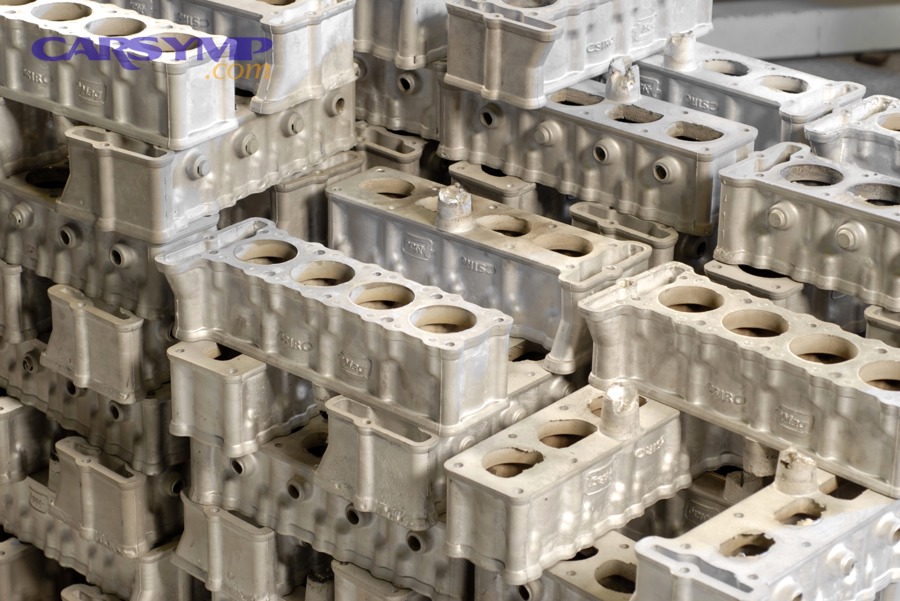
Covered components typically include the core internal engine assembly—block, crankshaft, rods, pistons, cam(s), valvetrain parts—if they were replaced, machined, or supplied as part of the job.
Specifically, coverage depends on whether the warranty is written as:
- Component list coverage (only named parts are covered)
- Assembly coverage (e.g., “long block” coverage)
- Job-scope coverage (“parts installed and labor performed”)
Ask for the coverage to be stated in one of these precise frames:
- “Covers all internal lubricated parts of the engine long block supplied/installed under invoice #___”
- “Covers only listed components (attached) with labor for R&R per labor guide rate”
What labor is covered (and what “diagnostic time” rules are common)?
Covered labor usually includes the labor to remove and replace the warranted part(s), plus limited diagnostic time—but diagnostic time often becomes a dispute point.
For example, many warranties pay diagnostic time only if a covered failure is confirmed, and they may cap hours or require pre-approval before teardown.
Common labor rules to look for:
- Pre-authorization required before teardown or major disassembly
- Labor hour caps (flat-rate maximums regardless of actual difficulty)
- Shop rate limits (they reimburse up to a set hourly rate)
- Return/inspection requirements for failed parts (hold parts until approved)
What exclusions cause the most surprise (pre-existing conditions, overheating, sludge, modifications)?
The most surprising exclusions are the ones that describe how engines fail in real life:
- Overheating (even one event) can void coverage if it’s labeled “abuse” or “external cause.”
- Oil sludge is often treated as “maintenance neglect,” even if you believe oil changes were adequate.
- Pre-existing conditions can include wear patterns or prior damage discovered during teardown.
- Modifications (tunes, non-stock boost, aftermarket oiling components) can trigger broad denial clauses.
To better predict your “engine repair cost” risk, treat exclusions like a risk map: if you’ve ever had coolant loss, oil consumption, or intermittent overheating, prioritize a warranty that clearly states how those situations are handled.
According to a 1968 study by University of Wisconsin from its Survey Research Laboratory, in 1968, consumer warranty disputes frequently hinged on maintenance proof and ambiguity around “normal deterioration” versus warrantable defect—patterns that still resemble modern claim arguments.
How do warranty options compare for an engine rebuild/overhaul vs an engine replacement?
An engine rebuild/overhaul often wins on cost control and keeping the original engine, while an engine replacement often wins on repeat-failure risk reduction and standardized assembly coverage, depending on the warranty’s time/mileage term and exclusions.
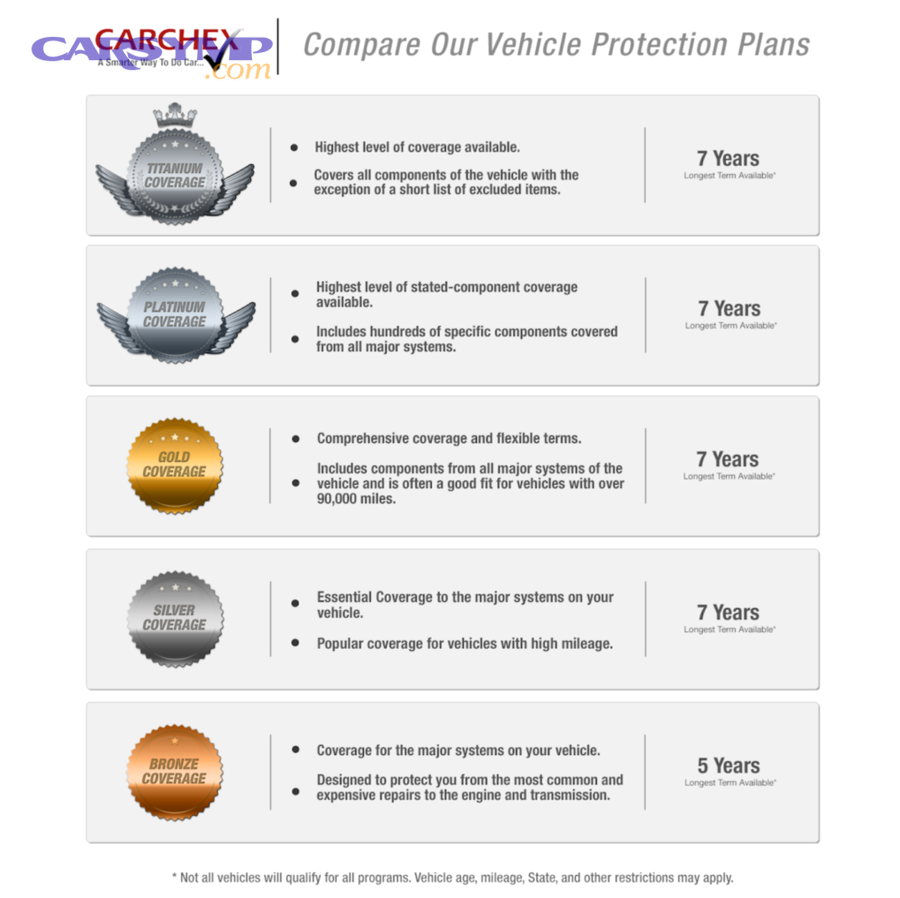
However, because the warranty structure changes with the job type, you should compare terms using the same scoring criteria: duration, scope, labor rules, and failure-cause exclusions.
Before the comparison table below, remember what you’re really comparing: a rebuild warranty typically protects workmanship + machined/internal parts, while a replacement warranty often protects an assembly (short block/long block/reman) plus defined labor.
The table below compares rebuild/overhaul warranties and replacement warranties using practical factors that often decide real-world outcomes.
| Factor | Rebuild/Overhaul (Machining + Reassembly) | Replacement (Used/Reman/New Assembly) |
|---|---|---|
| Typical coverage shape | Job-scoped (parts installed + labor performed) | Assembly-scoped (short/long block + defined labor) |
| Main risk | Break-in sensitivity, contamination, cooling/oiling root cause not fixed | Unknown history (used), installation completeness, ancillary mismatch |
| Common denial triggers | Overheat history, oil contamination, missing maintenance proof | Overheat after install, improper installation, missing ancillaries coverage |
| Best for | Known engine + trusted machine shop | Fast return to service + standardized unit |
Which option has the longer warranty term (time vs mileage)?
Engine replacements (especially remanufactured assemblies) often have clearer time/mileage terms than custom rebuilds, but the “longer” term only matters if exclusions don’t swallow it.
More specifically, a rebuild warranty might be shorter but more realistic if the shop controls the whole process and verifies supporting systems (cooling, oiling, fuel).
Use a simple decision filter:
- If you drive high annual mileage, prioritize mileage-based coverage that matches your usage.
- If you drive low mileage, prioritize longer time coverage with clear maintenance requirements.
How do coverage scopes differ (long block/short block, ancillaries, gaskets)?
Coverage scope differs because rebuild warranties may focus on internal workmanship, while replacement warranties often define coverage by assembly level:
- Short block: block + rotating assembly; usually excludes heads and valvetrain unless stated.
- Long block: short block + heads/valvetrain; may still exclude bolt-ons (alternator, turbo, pumps).
- Complete engine: may include more ancillaries, but read the list carefully.
Gaskets and seals are a common gray area:
- A rebuild might cover gaskets as part of workmanship.
- A replacement might treat gaskets as “installation supplies” with limited coverage.
Which option has lower risk of repeat failure—and why?
Replacement can reduce repeat failure risk if the original engine had systemic wear, cracking, or severe contamination, while a rebuild can reduce repeat failure risk if the shop corrects the root cause (cooling/oiling/air-fuel problems) and performs proper machining.
In addition, repeat failures often come from unfixed supporting systems—radiator restrictions, failing oil cooler, injector issues, PCV problems—not from the core engine alone.
According to a 2018 study by Northwestern University from the Department of Managerial Economics and Decision Sciences, in 2018, consumer overestimation of failure probabilities strongly influenced warranty purchasing behavior—highlighting why a realistic repeat-failure assessment should guide your choice, not fear.
What warranty terms should car owners check before approving major engine work?
You should check warranty terms by verifying duration, coverage scope, maintenance proof requirements, and claim-control clauses (teardown approval, caps, and “wear and tear”) before you sign anything.
Next, because warranty language can be broad, you should translate terms into yes/no questions you can confirm in writing.
What is the ideal warranty duration for major engine repairs?
The ideal duration is the one that matches your real risk window: the highest risk of workmanship or assembly issues is typically in the early period after installation/break-in, but some failures emerge only after repeated heat cycles.
Specifically, aim for coverage that meaningfully spans:
- Early risk window: first weeks to months (leaks, assembly errors, initial bearing/valvetrain issues)
- Stabilization window: several months of normal use (cooling/oiling interactions, sensor-driven fueling issues)
- Practical ownership window: how long you plan to keep the car
What documentation and maintenance proof should you keep?
You should keep every invoice, parts list, labor description, photos, and maintenance receipts because claim disputes often turn into “prove you did X on time.”
More importantly, build a simple documentation pack:
- The signed estimate and final invoice (with VIN, mileage, date)
- Parts list with brands and part numbers (especially for assemblies)
- Photos of the engine bay before and after
- Cooling system service proof (coolant type, flush, pressure test results if available)
- Oil and filter receipts + mileage log for the first several services
This is also where “Engine repair cost by problem type” becomes useful: if you document the original failure mode (overheat vs oil starvation vs timing event), you can show the new failure is different—or show the root cause was addressed.
What are the red-flag clauses (tear-down authorization, caps, “wear and tear”)?
Red flags are clauses that shift cost and control away from you:
- Tear-down authorization: you may pay teardown upfront; reimbursement may depend on approval.
- Labor caps: flat limits that ignore real-world complexity.
- “Wear and tear” exclusions: so broad they can be used to deny many engine failures.
- “External cause” exclusions: can include overheating, contamination, or prior damage.
If you see these, ask for clarifying language in writing—especially who pays teardown if the failure is covered.
How do deductible, labor rate limits, and approved shop networks affect you?
Deductibles and network rules affect your out-of-pocket total more than most people expect:
- A deductible applies per visit or per claim—confirm which.
- A labor rate limit can create a gap you pay if your area has higher shop rates.
- An approved network can force you into a shop you didn’t choose, or require pre-authorization steps that slow repairs.
This is where “Financing and insurance considerations” start early: if a warranty forces you to front teardown or pay rate gaps, you may need short-term financing even for a “covered” event.
How do you file a claim for major engine work, and what steps reduce the chance of denial?
You file a claim by following the warranty’s required sequence—stop driving, document symptoms, get diagnosis, obtain pre-authorization, and submit proof—and you reduce denial risk by preventing overheating/contamination after install and keeping clean records.
Then, because most denials are procedural, you should treat the claim as a controlled workflow rather than a negotiation.
What should you do before the repair to protect the warranty?
Before repair, you should set up “claim-proof” conditions:
- Confirm the warranty is in writing and attached to the invoice.
- Confirm where you must return for warranty work (same shop vs any licensed shop).
- Confirm whether towing is required if a failure occurs (some warranties deny if you continue driving).
- Confirm whether supporting systems must be replaced (oil cooler, thermostat, water pump, hoses) to keep coverage valid.
A simple but powerful step is to request a written note that the shop verified the cooling and oiling systems meet spec after repair.
What documents and photos help support a claim?
The strongest claim packages show (1) the covered work, (2) the failure symptoms, and (3) that you followed required maintenance:
- Photos/video of warning lights, temp gauge behavior, leaks, noises
- Scan tool codes and freeze-frame data (if available)
- Oil/coolant condition photos (especially if contamination is alleged)
- Maintenance receipts with dates and mileage
- Written diagnostic notes from the servicing shop
Embed the claim timeline in writing (email or service ticket) so you can prove when you notified them.
What is the typical claim timeline from diagnosis to approval?
A typical timeline follows this path:
- Symptom report and towing/arrival
- Initial diagnosis and estimate
- Pre-authorization request (especially before teardown)
- Adjuster review (if applicable)
- Approval/denial with scope and labor limits
- Repair completion and parts retention/return
If the warranty administrator is separate from the shop, expect more back-and-forth. The key is to avoid paying for teardown without a written statement of when it will be reimbursed if covered.
How do you escalate if a claim is denied?
Escalation works best when you move from emotion to documentation:
- Ask for the denial reason in writing with the exact clause cited.
- Provide your documentation pack and request a second review.
- Request the adjuster’s inspection notes and photos (if any).
- If the denial is based on “maintenance neglect,” present receipts and mileage logs.
- If needed, file a complaint with your state consumer protection channel and consult Federal Trade Commission guidance on service contracts and warranty marketing.
If you want a neutral, symptom-focused explanation to support your documentation, you can also reference educational resources like carsymp.com—but keep your formal dispute anchored to the warranty’s written terms and your records.
Which warranty option should you choose for major engine work based on your situation?
You should choose the warranty option that best matches your risk profile: high-mileage drivers need clear mileage terms, short-term owners need transferability, and budget-sensitive owners need predictable engine repair cost controls.
Next, because no single option is “best” for everyone, use situation-based rules instead of generic advice.
Which warranty option is best for high-mileage vehicles?
For high-mileage vehicles, the best option is usually the one with:
- Clear mileage-based coverage aligned with your driving rate
- Explicit exclusions that don’t automatically punish older vehicles
- A realistic labor reimbursement structure in your region
If you’re rebuilding, prioritize a warranty that covers workmanship and clearly defines what “wear and tear” means—because vague clauses tend to hit older vehicles hardest.
Which warranty option makes sense if you plan to sell the car soon?
If you plan to sell soon, prioritize:
- Transferable coverage (in writing)
- A clean documentation pack that proves professional work and maintenance
- Coverage that reassures buyers (clear component list and duration)
A shorter but clearer warranty can be more valuable than a longer but confusing one because it reduces buyer doubt.
Which warranty option is best if you want predictable engine repair cost?
If your goal is predictable engine repair cost, look for:
- Fixed deductible terms
- Clear labor rate coverage (or a network that matches your area)
- Transparent caps (if any) and a written process for approval
This is also where “Financing and insurance considerations” matter: some people prefer predictable monthly costs via a service contract, while others prefer paying a bit more upfront for a stronger shop-backed warranty that reduces administrative friction.
When should you skip buying extra coverage and self-insure?
You should consider skipping extra coverage when:
- The warranty exclusions mirror your biggest risks (overheating history, oil consumption, modifications)
- Your driving pattern is low and you can build a repair reserve fund
- The contract has high deductibles, strict networks, or low labor rate limits that make “coverage” feel partial
A practical self-insure approach is to price worst-case scenarios, compare them against the warranty premium + deductibles + uncovered gaps, and choose the option with the most realistic net benefit.
Contextual border: At this point, you can choose and manage warranty options with confidence. Next, the focus shifts from “what to buy” to “how to reduce the chance you ever need to use it,” expanding into non-warranty strategies that lower repeat-failure risk.
What non-warranty strategies reduce the risk of a second engine failure?
Non-warranty strategies reduce the risk of a second engine failure by controlling the three repeat-failure drivers: break-in mistakes, unresolved root causes (cooling/oiling/fueling), and cost-driven shortcuts on supporting components.
Then, because warranties often exclude “external causes,” reducing those causes is the most reliable protection you can buy.
How does break-in and early oil change protocol protect a rebuilt engine?
Break-in protects a rebuilt engine by stabilizing wear surfaces, preventing heat spikes, and removing early debris through timely oil changes.
Specifically, you reduce risk when you:
- Follow the builder’s RPM/load guidance
- Avoid prolonged idling and high-load pulls early on
- Change oil and filter early (per builder guidance) and keep receipts
Treat break-in proof like warranty proof: write down mileage and dates so you can show you followed the protocol.
How can you compare engine repair cost by problem type before committing?
You can compare engine repair cost by problem type by grouping failure modes into categories and mapping them to typical repair paths (cooling failure → head gasket risk; lubrication failure → bearing damage risk; timing failure → valve/piston contact risk).
More importantly, this comparison helps you decide whether you should pay for diagnostics first, approve a staged repair plan, or jump directly to replacement.
What financing and insurance considerations matter for major engine work?
Financing and insurance considerations matter because major engine jobs often require paying for teardown, towing, diagnostics, and “while-you’re-in-there” parts that warranties may not cover.
Specifically, you should confirm:
- Whether you’ll need to front teardown costs before approval
- Whether rental or trip interruption coverage exists (some service contracts include it)
- Whether your budget can handle a partial denial scenario
Where can you find neutral guidance and complaint resources?
Neutral guidance is most helpful when it explains process and rights rather than selling a product.
In addition to reading your warranty terms carefully, look for consumer protection guidance (such as from the Federal Trade Commission) and keep a timeline file of every interaction, because documentation often determines outcomes more than arguments do.