Estimate Engine Repair Cost for Car Owners: Parts vs Labor Breakdown (Rebuild vs Replace)
Engine repair cost is usually predictable once you separate the estimate into three buckets—diagnosis, parts, and labor—then match those buckets to the real problem your engine has. In practice, that means you can get a usable price range before you approve any work, as long as you know what’s included and what’s not.
Next, many drivers face the bigger decision: should you pay for a targeted repair, rebuild the engine, or replace it entirely? Each option “wins” under different conditions, and the cheapest quote is not always the lowest total cost after downtime, repeat failures, and warranty gaps.
Then, the most important variables are not mysterious—they’re measurable: labor rate, labor hours, parts choice (OEM vs aftermarket vs used), engine layout complexity, and whether the job needs a machine shop. Once you understand those drivers, you can forecast your car service cost more accurately and compare quotes apples-to-apples.
Introduce a new idea: the fastest way to save money is not to “shop harder,” but to structure your estimate so the shop must prove the root cause, list labor hours clearly, disclose add-ons, and define warranty terms before you authorize anything.
What does “engine repair cost” include in a real estimate?
Engine repair cost is the total price of diagnosing and fixing an engine-related fault—made up of diagnostic work, parts, and labor—plus common shop fees, and it varies mainly by repair scope, engine access, and whether internal engine work is required.
To better understand why two quotes can look wildly different, it helps to break the estimate into the exact line items you’re paying for.
What is the difference between diagnosis cost and repair cost?
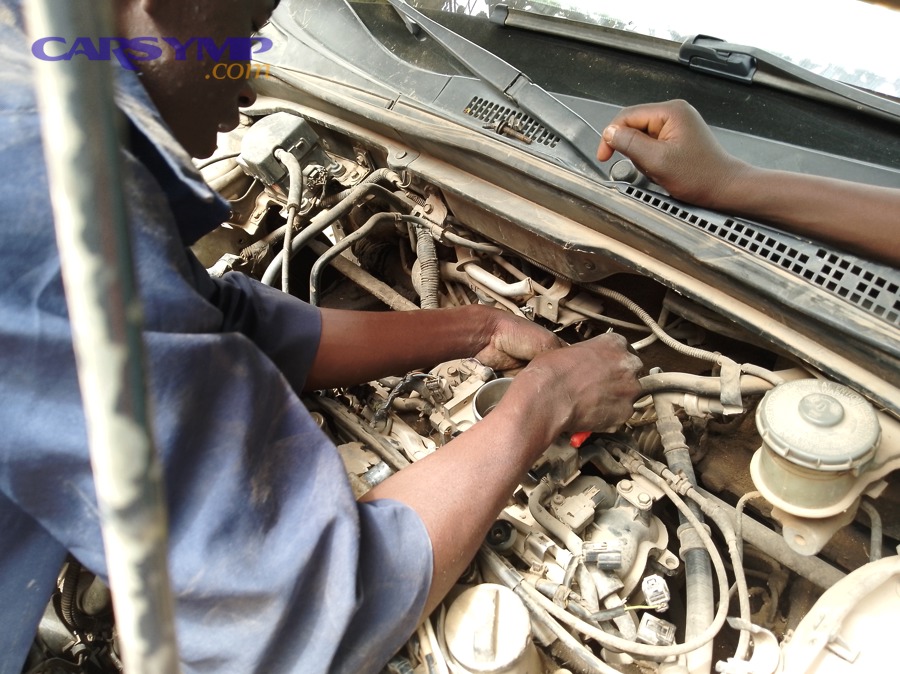
Diagnosis cost is what you pay to find the root cause, while repair cost is what you pay to fix the confirmed cause. That distinction matters because engines produce symptoms that overlap—misfires, rough idle, smoke, overheating, oil loss—yet the true failure could be ignition, fueling, air, cooling, electronics, or mechanical wear.
A clean diagnosis typically includes:
- Symptom verification: technician reproduces the issue, notes when it happens (cold start, load, idle).
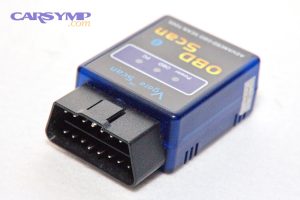
- Scan + data review: codes are clues, not conclusions; live data shows patterns.
- Targeted tests: compression/leak-down (mechanical health), fuel pressure, smoke test (vacuum leaks), cooling system pressure test, etc.
- Evidence capture: printouts, photos, measurements, or a test plan.
Why this saves money: an engine job can get expensive fast if the shop “throws parts” at a code. This is the backbone of Avoiding misdiagnosis on big engine quotes—you want proof (measurements and tests), not guesses.
If you’re researching symptoms first, a site like carsymp.com can help you translate what you notice (smell, smoke color, noise timing) into better questions for the shop—without replacing a professional diagnosis.
Which line items should you expect on an engine repair invoice?
You should expect an invoice to list labor hours, labor rate, parts, and required consumables, plus small but real extras that change totals. Here are the most common line items:
- Diagnostic fee (sometimes waived if you approve the repair)
- Labor hours (flat-rate time or billed time, depending on the shop)
- Labor rate (per hour)
- Parts (OEM, aftermarket, rebuilt, used—should be specified)
- Consumables: oil, coolant, sealants, cleaners, rags
- Seals/gaskets (especially on anything opened)
- Shop supplies / environmental fees
- Taxes (varies by location and parts tax rules)
- Sublet work (machine shop services, specialty programming, towing)
This is where “cheap” quotes hide risk: if one estimate excludes fluids, seals, or programming, it will look lower—until it isn’t. Keep this phrase in mind as you compare: Common add-ons that increase cost.
Is engine labor usually more expensive than parts?
Yes—engine labor is often the largest portion of engine repair cost, and it happens for at least three reasons: access complexity, tear-down time, and skill/tooling requirements.
- Access complexity: modern engine bays are tightly packaged (turbo plumbing, sensors, heat shields). Reaching one gasket can require removing multiple assemblies.
- Tear-down time: labor hours multiply when the job needs draining fluids, removing covers, cleaning surfaces, and reassembling to spec.
- Skill/tooling: correct diagnosis and correct torque/sequence work (timing components, sealing surfaces) demands training and special tools.
That’s why the same part can create different totals: a $40 gasket can lead to a $900 job if it takes hours to reach, clean, reseal, and verify.
What is the typical price range for engine repairs—from minor fixes to major work?
There are three main tiers of engine repair cost—minor, mid-level, and major—based on repair scope and whether the work reaches internal engine components, and each tier has predictable parts-to-labor patterns.
Next, you’ll get the most accurate expectations by mapping your problem to a tier and then checking the labor intensity behind it.
What do common minor engine repairs usually cost?
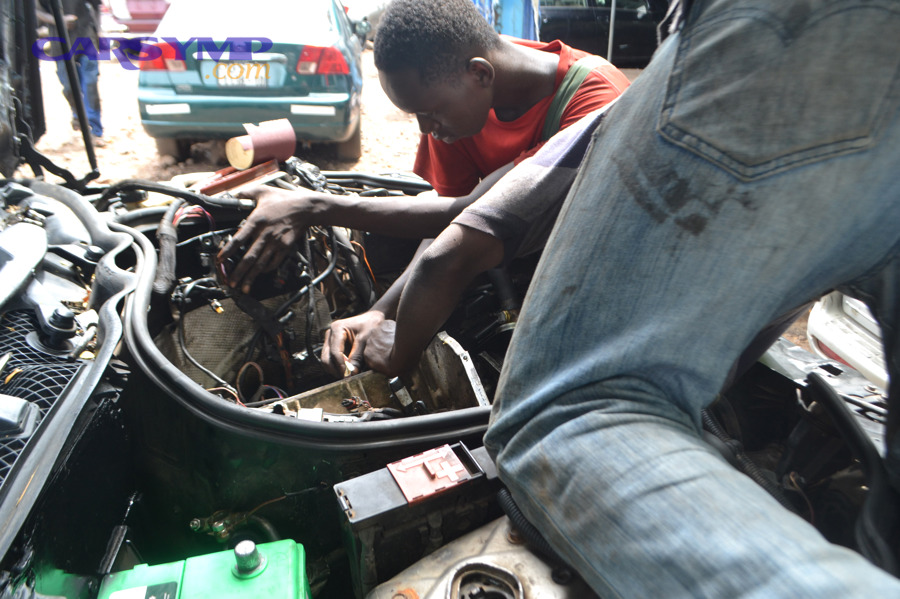
Minor engine repairs usually cost the least because they’re often external, bolt-on, and testable without teardown. These are common “fix the symptom, verify, and return the car” jobs.
Typical minor categories include:
- Ignition service (spark plugs, coils, wiring repairs)
- Air/fuel metering fixes (MAF/MAP sensor issues, vacuum leaks, intake boots)
- PCV system service (oil consumption and idle issues in some engines)
- Small oil leak repairs (simple seals, sensors, accessible gaskets)
- Cooling system bolt-ons (thermostat on accessible layouts, hoses)
What to watch: minor jobs still vary if bolts are seized, parts are buried, or the shop must chase intermittent faults.
What do mid-level engine repairs usually cost?
Mid-level engine repairs usually sit in the “more time than parts” zone: the job is still not a full engine-out event, but it demands deeper disassembly, cleaning, and careful reassembly.
Common mid-level examples:
- Timing component service (chains/belts/tensioners where accessible)
- Oil leak reseals that require removing multiple covers or accessories
- Cooling system repairs that require significant disassembly (water pump on some layouts)
- Fuel system work (injector replacement on direct-injection designs)
- Intake manifold removal for gasket work or carbon-related service
This is where Labor hours and machine shop costs explained starts to matter. Many mid-level jobs do not require a machine shop, but they do require extended labor and careful surface prep.
What do major engine repairs or internal damage fixes usually cost?
Major engine repairs are expensive because they involve internal engine health—compression, sealing, bearings, valvetrain condition—or they require engine removal and/or machine work.
Major categories often include:
- Head gasket and cylinder head work
- Low compression repairs (valve issues, ring wear)
- Rod knock/bearing failures
- Severe overheating damage
- Engine replacement (used/rebuilt/reman/new)
To make these ranges actionable, the table below groups Engine repair cost by problem type so you can match your symptom to a likely scope. Use it as a starting point for discussion—not a guaranteed quote—because your labor rate and engine design will still move the total.
| Problem type (scope) | What usually drives cost | Why it gets expensive |
|---|---|---|
| Misfire / rough idle (minor → mid) | Diagnosis time + ignition/fuel parts | Symptoms overlap; bad diagnosis wastes money |
| Oil leaks (minor → mid → major) | Access labor + seals/gaskets | “Small leak” can be buried behind major components |
| Overheating (mid → major) | Cooling parts + verification + potential internal damage | One event can warp components and multiply scope |
| Timing issues (mid → major) | Labor hours + precision assembly | Interference engines raise risk if timing is off |
| Low compression / internal wear (major) | Teardown + machine work or replacement | Internal repairs add uncertainty and downtime |
If you’re budgeting, treat this as a tiering tool: once you know the tier, you can set expectations before the shop begins.
Which factors change engine repair cost the most?
The biggest factors that change engine repair cost are labor rate, labor hours, parts choice, engine layout complexity, and damage severity, and these drivers determine whether your estimate stays a repair—or escalates into rebuild or replacement territory.
More importantly, each driver is something you can ask about directly, which makes quote comparison far easier.
Does your car’s make/model and engine layout change labor time?
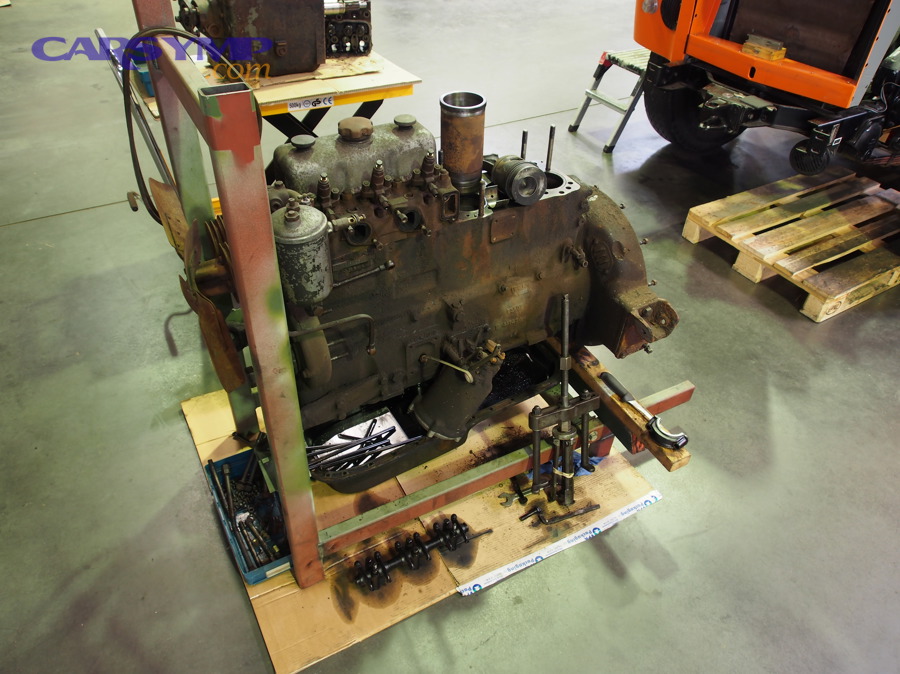
Yes—make/model and layout can drastically change labor time for at least three reasons: packaging density, access path, and design-specific procedures.
- Packaging density: turbochargers, high-pressure fuel systems, and emissions plumbing add removal steps.
- Access path: transverse engines (common in FWD) can reduce access to rear components.
- Procedures: some engines require special timing tools, one-time-use bolts, or calibration steps.
That’s why two “same-sounding” repairs (like a valve cover reseal) can have very different labor hours.
How do location and shop labor rates affect the final bill?
Location and shop type affect the final bill because labor rate is tied to regional overhead, technician supply, and market pricing, and labor is often the largest slice of the total estimate.
Even outside engine repair, researchers see cost components swing by location. According to a study by University of Michigan from the School for Environment and Sustainability’s Center for Sustainable Systems, in 2024, researchers found total cost of ownership for vehicles varied by about $52,000 across 14 U.S. cities, reflecting how location can shift recurring costs such as maintenance and repairs. (detroit.umich.edu)
Practical takeaway for car owners: if you move cities—or even cross a metro boundary—your “normal” labor rate can change, and so can your baseline engine repair cost.
Do OEM parts cost more than aftermarket or used parts—and when is each worth it?
OEM parts often cost more than aftermarket, and used parts can be cheapest, but “worth it” depends on risk, warranty coverage, and the role of the part in engine reliability.
Use this decision logic:
- OEM is often worth it when the part is critical, failure is costly, or fitment must be exact (timing components, certain sensors, sealing surfaces).
- Aftermarket can be worth it when quality brands are available and the part is not highly calibration-sensitive.
- Used can be worth it when you need a budget solution and the risk is acceptable (but it’s rarely the best choice for unknown internal components).
This is also where you should ask for warranty clarity up front, because the same repair can be “cheap today” and expensive later if the part fails early.
Should you repair, rebuild, or replace the engine to save the most money?
Repair wins for isolated external faults, rebuild is best when the engine block is sound but internal wear is significant, and replacement is optimal when damage is catastrophic or rebuilding would be slow and uncertain.
Then, once you compare total installed cost, downtime, and warranty coverage, the right choice becomes much clearer than “lowest quote wins.”
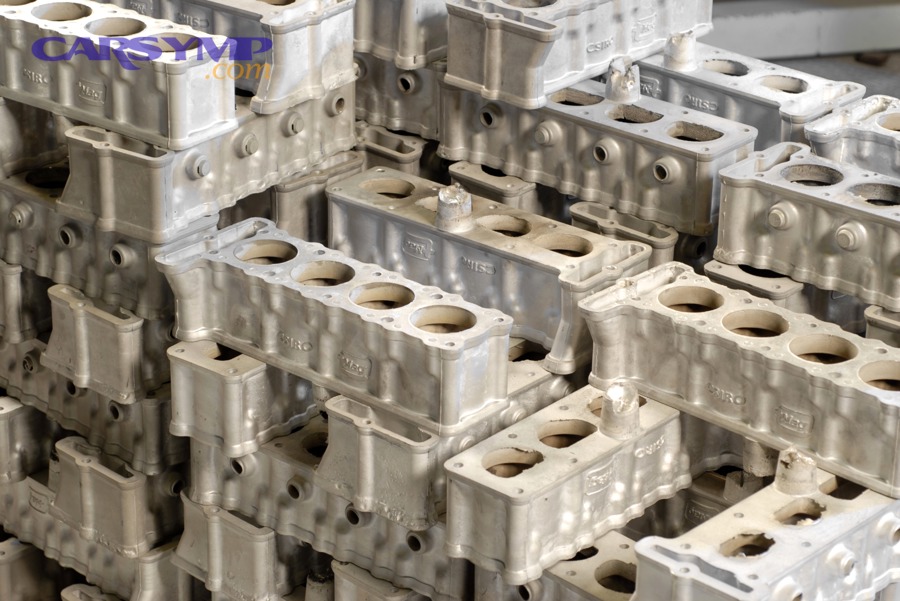
Here’s a practical framework for a Rebuild vs replace engine cost comparison that focuses on total outcomes, not just the invoice line:
| Option | Best for | Cost pattern | Risk pattern | Typical warranty situation |
|---|---|---|---|---|
| Targeted repair | Confirmed, isolated failures | Lower parts, moderate labor | Low if diagnosis is strong | Often shop/parts warranty |
| Rebuild | Worn internals but rebuildable core | Higher labor + possible machine shop | Medium (depends on machine quality) | Depends on builder and documentation |
| Replace (used/rebuilt/reman/new) | Catastrophic damage or time constraints | High parts + substantial labor | Varies by engine type and source | Varies widely; needs verification |
This is where you should explicitly discuss Warranty options for major engine work before authorizing anything—because warranty quality often predicts how confidently the shop stands behind the plan.
When is a targeted repair the smartest choice?
Yes—a targeted repair is usually the smartest choice when (1) the root cause is confirmed, (2) the engine’s mechanical health is good, and (3) the repair does not require deep teardown that risks cascading add-ons.
Look for these “green flags”:
- Compression/leak-down indicates solid mechanical condition (when appropriate).
- No metal in oil or severe knock indicators.
- Problem is isolated: a specific leak, a sensor failure confirmed by testing, an ignition/fuel component verified as faulty.
- The shop can explain what will change after repair and how they will verify it.
These conditions are also Signs engine repair is worth it: you’re paying for a fix that restores reliable function, not postponing a bigger failure.
What is the cost difference between rebuilding an engine and replacing it?
Rebuilding usually shifts cost into labor and machine work, while replacement shifts cost into the engine unit itself (used/rebuilt/reman/new), and the “cheaper” path depends on core condition, parts availability, and downtime tolerance.
A rebuild often includes:
- Full teardown and inspection
- Machining (as needed): head work, honing, resurfacing
- New wear items: bearings, rings, gaskets, timing components (varies)
- Assembly labor and verification
Replacement often includes:
- Sourcing engine (used/rebuilt/reman/new)
- Removal/installation labor
- New seals/fluids and “while you’re in there” items
- Potential programming or calibration steps
This is exactly where you should demand Labor hours and machine shop costs explained in writing. If a quote is vague here, it’s not comparable.
Is a rebuilt engine cheaper than a remanufactured engine?
A rebuilt engine is often cheaper than a reman engine, but a reman engine is often more consistent in spec and warranty—so the best value depends on how you weigh price versus predictability.
To keep your decision crisp, use this short Used engine vs reman engine pros/cons breakdown:
- Used engine (salvage): lowest upfront cost, highest uncertainty; history is often unknown.
- Rebuilt engine: mid-range cost; quality depends heavily on who rebuilt it and what they replaced.
- Reman engine: typically higher upfront cost; often more standardized processes and clearer warranty.
Your best question to ask is not “Which is cheaper?” but “Which option reduces the chance I pay twice?”
At what point does replacing the car make more sense than fixing the engine?
Replacing the car often makes more sense when the total engine job approaches the vehicle’s value, when the vehicle also needs multiple other major repairs soon, or when downtime costs (rental, missed work) outweigh the savings.
Use a simple decision test:
- Total repair (engine work + known upcoming repairs in 12 months) vs vehicle value and your confidence the vehicle will be reliable after.
- Add “soft costs”: rental car, missed work, towing, repeat diagnosis time.
- Consider financing differences: a “cheaper” repair can still be hard to absorb if you need a large lump sum, which makes Financing and insurance considerations part of the real decision—not an afterthought.
How can you get an accurate engine repair estimate and avoid surprise charges?
You can get an accurate engine repair estimate in five steps—confirm symptoms, require test-backed diagnosis, compare labor hours, itemize parts and add-ons, and lock approval rules—so your final engine repair cost matches the quote instead of drifting upward mid-job.
Below is How to get an accurate engine estimate in a way that protects you without turning the relationship with the shop into a fight.
What questions should you ask a mechanic before approving engine work?
You should ask questions that force clarity on scope, proof, and risk—because clarity is the cheapest protection you can buy.
Ask these before you say yes:
- What test proves this is the root cause? (compression, leak-down, pressure test, data logs, photos)
- What are the labor hours and labor rate? (not just “it’s a big job”)
- What parts are you using—OEM, aftermarket, or used—and why?
- What’s included and excluded? (fluids, seals, programming, broken bolts, cleanup)
- What happens if you find additional damage? (authorization rules, cost cap, call-before-proceed)
- What warranty applies to parts and labor? (duration, mileage, exclusions)
When you ask these, you naturally surface the most expensive traps—especially Common add-ons that increase cost—before they hit your invoice.
Should you get multiple quotes for engine repair?
Yes—you should get multiple quotes because it reduces pricing risk, exposes scope differences, and helps you spot weak diagnosis, and it works best when you compare at least three things: the root-cause proof, labor hours, and included add-ons.
Use a simple “quote hygiene” method:
- Ask each shop to list the same repair outcome .
- Compare labor hours, not just total dollars.
- Compare parts category (OEM vs aftermarket vs used).
- Require written notes for exclusions and add-ons.
This aligns with what research suggests about price knowledge: According to a study by Northwestern University from the Kellogg School of Management, in 2013, women who signaled they were uninformed were quoted prices about 6% higher than men on average, but asking for a discount succeeded about 35% of the time versus 25% for men, implying that preparation and price discussion can change outcomes. (hbr.org)
What are the most common hidden costs in engine repair quotes?
The most common hidden costs are consumables, seals/gaskets, sublet machine work, broken hardware, programming, and “while-you’re-in-there” replacements—and you can neutralize them by demanding itemization and approval rules.
Here are the big ones to watch:
- Fluids: oil, coolant, transmission fluid (if disturbed), power steering fluid
- Seals and gaskets: required anytime parts are separated
- Hardware: one-time-use bolts, broken studs, rusted fasteners
- Machine shop services: resurfacing, valve work, honing (if rebuilding)
- Calibration/programming: some modern systems need relearn procedures
- Preventive add-ons: belts, hoses, mounts, thermostats during major access jobs
If you want a quick mental model, remember: engine estimates expand when the shop must “open the engine” or “remove major assemblies.” That’s when you need the written boundary.
How can you reduce engine repair cost without increasing your risk?
You can reduce engine repair cost without increasing risk by controlling scope, timing, and part selection—while protecting diagnosis quality—so you avoid paying twice and keep reliability high after the repair.
In addition, the safest savings come from preventing escalation (turning a small fault into major damage) rather than simply choosing the cheapest parts.
Which repairs are safe to delay, and which will quickly turn into major engine damage?
Some repairs are relatively safe to delay for a short time, but others can snowball into catastrophic damage, and the difference is usually whether the issue threatens lubrication, cooling, or timing.
Generally safer (short-term, with monitoring):
- Minor seepage without dropping oil level quickly
- Non-critical sensor issues that don’t cause overheating or severe misfire
- Cosmetic oil residue without active dripping
Not safe to delay:
- Overheating episodes (risk of head gasket/warping)
- Severe misfire under load (risk of catalytic damage and further issues)
- Low oil pressure or rapid oil loss (risk of bearing damage)
- Timing-related symptoms (rattle, correlation codes, poor running)
This is the “false economy” trap: delaying the wrong repair is the fastest path from a manageable bill to an engine replacement discussion.
Does an extended warranty or service contract actually lower engine repair cost?
Yes—an extended warranty can lower engine repair cost if the contract covers your failure mode, the deductible is reasonable, and exclusions don’t block claims; however, it can also fail to help if the issue is classified as wear, neglect, or pre-existing.
Use a quick check:
- Confirm powertrain coverage (engine internals, turbo if equipped, electronics if relevant)
- Check maintenance requirements (oil change proof, service intervals)
- Understand deductible and labor rate limits
- Ask how they handle used/rebuilt/reman replacements
This is a key part of Financing and insurance considerations too, because coverage can turn a large one-time expense into a manageable claim—or into nothing, if exclusions apply.
Can “goodwill” assistance from a manufacturer reduce engine repair cost?
Yes—goodwill assistance can reduce engine repair cost in specific cases, especially when the vehicle has a documented service history, the failure is unusual for its age/mileage, and you have a consistent relationship with a dealer network, but it is never guaranteed.
What helps your odds:
- Complete maintenance records
- Clear documentation of the failure
- Polite escalation through service management
- Evidence the issue is not neglect-related
Treat goodwill as a bonus strategy—not a plan.
What maintenance habits help prevent future engine repairs and protect your budget?
Good maintenance habits reduce engine repair cost over time because they prevent the failures that turn into major labor and machine-shop bills.
Focus on habits that protect the engine’s “survival systems”:
- Oil discipline: correct oil spec, correct interval, correct level
- Cooling system health: proper coolant, leak checks, avoid overheating
- Fix small leaks early: seals and gaskets are cheaper before they contaminate other components
- Respond quickly to misfires: avoid prolonged driving with active misfire
- Use diagnosis before parts: avoid the costly cycle of wrong fixes
If you treat maintenance as risk control instead of “extra spending,” you’ll lower your long-term car service cost—and you’ll be far less likely to face the biggest bills.
Evidence (if any)
According to a study by University of Michigan from the School for Environment and Sustainability’s Center for Sustainable Systems, in 2024, researchers found total cost of ownership varied by about $52,000 across 14 U.S. cities, showing how location can significantly change recurring costs that include maintenance and repairs. (detroit.umich.edu)
According to a study by Northwestern University from the Kellogg School of Management, in 2013, callers who appeared uninformed influenced quotes, and women were quoted about 6% higher on average than men in one scenario, while discount requests succeeded about 35% for women versus 25% for men—supporting the value of preparation and structured quote comparisons. (hbr.org)