


Most homeowners need one clear rule: a temporary fix is for stabilizing damage fast, while a permanent repair is for removing the root cause so the problem doesn’t return. This guide helps you compare both options and choose the right move without wasting money on repeat failures.
You’ll learn what “quick patch” and “proper fix” actually mean in real life, so you can judge lifespan, risk, and cost with confidence rather than guessing. That way, you won’t confuse “it stopped for now” with “it’s solved.”
You’ll also get a practical decision framework: when to patch, when to stop and call a pro, and how to confirm the repair actually worked. This is especially useful when the damage is hidden—like moisture behind drywall or a small leak that keeps reappearing.
Introduce a new idea: the same temporary-vs-permanent logic applies across repairs—from a roof drip to an HVAC leak to even a vehicle issue—because the real difference is symptom control vs cause correction.
Title & outline analysis (editor notes): Keyword focus: temporary fixes vs permanent repairs. Predicate: Compare. Relations lexical used: Antonym (temporary vs permanent), Hyponym (quick patch as a type of temporary fix), Synonym (proper fix ≈ permanent repair). Outline intent mix: Definition, Comparison, Boolean, Grouping, Comparison, Grouping, and a decision How-to framework.
What is a “temporary fix,” and what counts as a “permanent repair” in home maintenance?
A temporary fix is a short-term stabilization method meant to reduce immediate harm, while a permanent repair is a root-cause solution that restores the system’s function and durability so the problem doesn’t return. Next, that difference becomes obvious when you separate what you see (symptoms) from why it happened (cause).
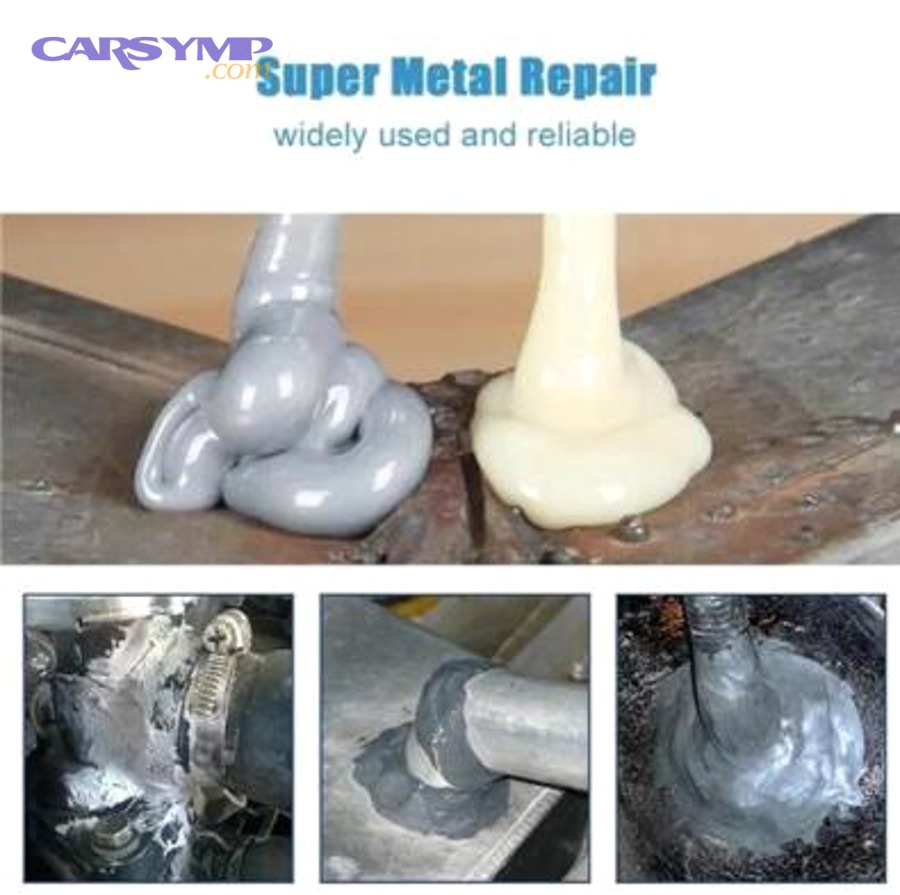
A homeowner usually reaches for a temporary fix when time, weather, or access is limited: you’re trying to stop active damage now (water, drafts, heat loss, electrical risk) and create a safe window to plan a proper repair. A permanent repair, by contrast, is what you do when you can address the underlying failure—failed flashing, broken gasket, cracked pipe joint, deteriorated seal, loose connection, or damaged material.
Here’s the simplest way to keep terminology consistent:
- Temporary fix / quick patch / stopgap / mitigation: “Stop it from getting worse today.”
- Permanent repair / proper fix / long-term solution: “Fix why it happened so it stays fixed.”
What problems does a temporary fix solve—and what does it not solve?
A temporary fix does reduce immediate harm, but it does not eliminate the underlying cause in most cases. Specifically, a quick patch is great at buying time and terrible at changing reality.
A temporary fix typically solves three immediate problems:
- Containment: It stops spread (water into ceilings, air leaks into ducts, pests through gaps).
- Stabilization: It reduces movement or stress (bracing a loose railing, securing a flapping shingle).
- Safety: It reduces urgent hazards (shutting off water, isolating power, venting fumes).
But it usually does not solve:
- Material failure: Rotten wood, corrosion, cracked flashing, degraded sealant below the surface
- Design flaws: Poor drainage slope, missing expansion gaps, incorrect venting
- Hidden damage: Moisture behind walls, mold risk, structural weakening
- Recurrence drivers: Pressure, vibration, heat cycles, freeze-thaw, shifting foundations
A good temporary fix has a clear “expiration mindset”: you plan what comes next and you track whether the symptom tries to return.
What makes a repair “proper” or “permanent” (materials, method, verification)?
A proper repair is “permanent” because it restores the system and verifies the cause is corrected, not because it uses stronger glue. More specifically, permanence comes from scope + method + proof.
A permanent repair usually includes:
- Root-cause identification: Why it failed (age, water path, pressure, movement, poor installation)
- Correct scope: Replace or rebuild the failing component—not just cover it
- Compatible materials: Materials that match the environment (UV, heat, moisture, movement)
- Proper prep: Cleaning, drying, removing failed material, fixing substrate
- Verification: Testing and follow-up checks (water test, pressure test, moisture reading)
As an example, sealing a visible crack with caulk can be temporary if the crack is moving and widening. But repairing the underlying movement (fasteners, flashing, substrate replacement) and then sealing with the right joint design becomes a proper repair.
Evidence (if any): According to a study by Purdue University from Extension/Health and Human Sciences, in 2013, mold can begin growing 24–48 hours after water damage under favorable conditions.
How do temporary fixes and permanent repairs compare on cost, risk, and lifespan?
Temporary fixes win in speed and short-term cost, permanent repairs win in total cost, risk reduction, and durability. However, you only see that advantage clearly when you compare upfront price against repeat failures + hidden damage.
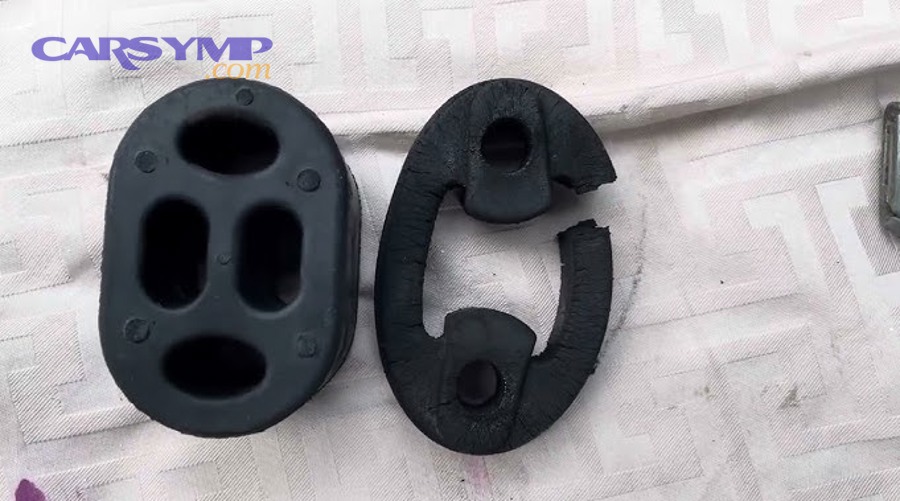
A temporary fix often costs less today because it reduces scope: you’re not replacing materials, you’re not opening walls, and you’re not correcting the cause. But repeat patching can create a “subscription fee” you didn’t intend to pay—especially when water or air leakage keeps attacking the structure.
Permanent repairs often feel expensive because they include diagnosis, access, removal, replacement, and verification. Yet they typically lower your total spend because they end the cycle.
Which option is cheaper over time (upfront cost vs total cost of ownership)?
Permanent repairs are usually cheaper over time because they reduce repeat labor, secondary damage, and emergency premiums. To illustrate, think in two budgets: today’s budget and the next 24 months.
Temporary fixes can be financially smart when:
- The fix truly is short-lived by nature (e.g., weather window)
- The system is otherwise sound
- You have a scheduled repair date
- You’re preventing larger damage in the meantime
Temporary fixes become expensive when:
- You pay repeatedly for the same symptom
- The “patch” hides the problem until it’s bigger
- You create new damage (trapped moisture, corrosion, rot)
- Emergency callouts become the norm
A simple homeowner cost model:
- One-time permanent repair = diagnosis + correct replacement + verification
- Patch cycle = patch cost × (number of repeats) + damage escalation + potential emergency pricing
If you’ve patched the same issue twice, you’re often already approaching the cost of doing it properly—without the benefit of a resolved root cause.
Which option reduces risk faster (safety, water, electrical, structural)?
Permanent repairs reduce risk more reliably because they remove the hazard source, while temporary fixes reduce risk conditionally and temporarily. Meanwhile, risk reduction should follow a strict priority: people → structure → systems → comfort.
Use this risk lens:
- Immediate safety hazards (gas smell, sparks, active flooding, collapsing materials): temporary stabilization may be necessary for minutes, but the correct move is rapid professional intervention.
- Water intrusion (roof, plumbing, foundation seepage): temporary containment helps, but delaying a proper repair increases risk of mold and structural degradation.
- Electrical involvement: any water near wiring escalates risk dramatically—patching without assessing is dangerous.
- Structural movement: cracks that grow, doors that stick suddenly, sagging—these require diagnosis, not cosmetics.
Evidence (if any): According to a study by the University of Florida from IFAS Extension, in 2025, typical air-duct systems can lose about 25% to 40% of heating or cooling energy, and duct leakage can reduce comfort and raise safety concerns.
Is a quick patch ever the right choice for homeowners?
Yes—a quick patch can be the right choice when it prevents immediate damage, buys safe time, and leads directly to a scheduled permanent repair, because it (1) stabilizes risk, (2) prevents escalation, and (3) preserves options for a proper fix. Besides, the key is treating the patch as a bridge, not a destination.
A quick patch is appropriate when the situation meets all three conditions:
- The hazard is controlled (you can make it safe right now).
- The failure is understood enough to avoid making it worse.
- The next step is scheduled (inspection, materials, contractor, parts).
The patch is not “wrong.” The mistake is letting it become permanent by default.
Can a temporary fix be “good enough” if the problem isn’t getting worse?
No—“good enough” is rarely safe as a long-term plan, because many failures worsen invisibly and the cost curve often rises after the damage spreads, even if the surface looks stable. More importantly, a stable symptom can still hide a growing cause.
If a problem “seems fine” after a patch, use a monitoring rule:
- Set a time limit (e.g., 7–30 days depending on risk).
- Define what you’ll check (moisture, staining, odor, softness, movement).
- Track triggers that force a permanent repair (any recurrence, expansion, or new symptoms).
Common examples of “looks fine but isn’t”:
- Moisture trapped behind sealant
- Slow leaks that only show after rain or temperature swings
- Rot that continues because drying was incomplete
- Cracks that reopen with seasonal movement
Should you patch it yourself or call a professional immediately?
Yes—you can patch it yourself only if the hazard is low and you can avoid causing hidden damage; otherwise, call a professional immediately because (1) safety may be uncertain, (2) misdiagnosis is common, and (3) improper patching can increase repair scope. Then, make the call based on risk, not confidence.
DIY is reasonable when:
- You can shut off the system safely (water, power)
- The patch is non-structural and non-hazardous
- You can access the area without risk
- You understand the material compatibility (e.g., correct tape/sealant type)
Call a pro immediately when:
- There’s gas, carbon monoxide risk, electrical involvement, or structural movement
- Water is entering ceilings/walls near wiring
- You can’t see the source clearly
- The system is specialized (HVAC refrigerant, major plumbing, roofing structure)
This is also where the “repairs logic” crosses into vehicle maintenance. A homeowner might try an exhaust leak repair with a temporary wrap—yet Exhaust leak symptoms can include fumes, noise, and potentially dangerous cabin exposure. If you suspect a leak, especially near the engine, you need Manifold leak vs pipe leak diagnosis so you don’t patch the wrong section and keep driving with risk. Some drivers use resources like Car Symp to understand symptom patterns before deciding whether a temporary fix is safe.
Evidence (if any): According to a study by Purdue University from Disaster Restoration and Mitigation research (water-damaged structures), in 2014, incomplete drying and improper mitigation can contribute to mold problems and costly restoration complications.
What are the most common “quick patch” scenarios—and what is the correct next step for each?
There are two main types of quick patch scenarios: containment patches (stop spread) and stabilization patches (reduce movement), based on whether the immediate threat is damage expansion or system failure. To better understand, group scenarios by what must be controlled first: water, air, movement, or access.
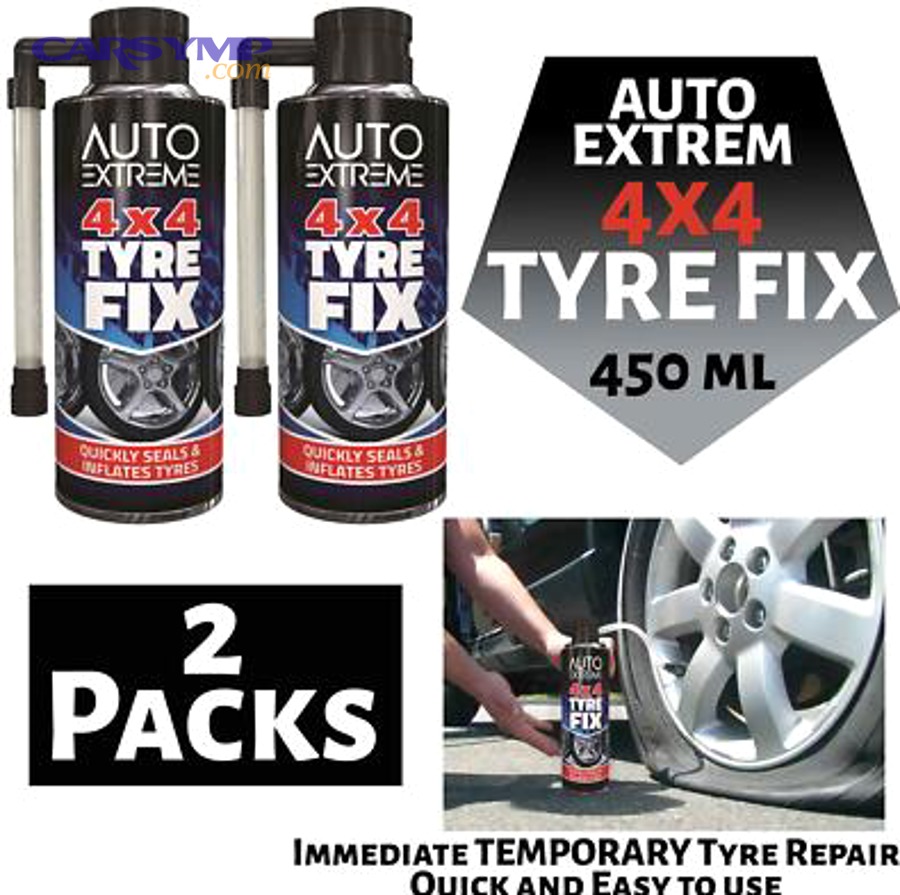
Homeowners often patch “what they can see.” The better approach is patching “what causes compounding harm,” while planning the proper repair that removes the cause.
What temporary fixes buy you time safely (containment, shutoff, bracing, sealing)?
Safe temporary fixes generally share one feature: they don’t trap damage—they slow it down and make inspection easier. For example, think of them as “stabilize and expose,” not “cover and forget.”
Common safe temporary fixes:
- Shutoff first: turn off water supply, isolate circuits, shut off gas if needed
- Contain water: buckets + plastic sheeting; tarps over active roof leaks; divert water away
- Drying and ventilation: fans/dehumidifier to reduce moisture load
- Bracing: temporarily stabilize a loose railing or wobbly step until proper fastening
- Temporary sealing (carefully): draft sealing around windows/doors with removable materials
- Documenting: photos and notes before and after containment (helps diagnosis and claims)
Quick “next step” guidance by scenario:
- Roof drip: tarp/contain → identify entry path → schedule flashing/shingle repair + water test
- Plumbing leak: shut off → temporary clamp/contain → replace fitting/pipe section + pressure test
- Drafty room: temporary weatherstrip → inspect insulation/air barrier → permanent sealing and insulation
- Loose fixture/handrail: temporary bracing → locate framing/anchors → reattach with correct hardware
What “temporary fixes” usually backfire (masking, trapping moisture, over-sealing)?
Backfiring fixes are the ones that hide the symptom while feeding the cause. Especially, anything that traps moisture or blocks inspection can turn a small issue into a major one.
Examples that often backfire:
- Sealing wet materials: caulking over active moisture paths
- Painting over stains: hiding water evidence without fixing the leak
- Over-foaming gaps: spray foam where movement/moisture requires a designed joint
- Covering moldy areas: trapping spores and moisture behind panels
- Using the wrong tape/adhesive: adhesives failing under heat/UV, leaving residue that complicates repair
Vehicle crossover example (same logic): A driver might attempt an exhaust wrap as exhaust leak repair, but if the leak is at the manifold flange, a wrap won’t solve it. That’s why Manifold leak vs pipe leak diagnosis matters—patching the wrong area can mask sound while fumes persist. Again, the concept is identical: don’t confuse “quieter” with “fixed.”
Evidence (if any): According to a study by Lund University from its building and sustainability research community, in 2022, water damage in homes and buildings is associated with moisture problems like mold and can drive broader societal and insurance-related costs—supporting the idea that “small leaks” can have large downstream impacts.
When does a “temporary fix” become a costly mistake (the red-flag thresholds)?
A temporary fix becomes a costly mistake when the symptom is recurring, spreading, or tied to safety/structure—because that pattern signals an unresolved root cause that continues damaging materials while you “feel safe.” More importantly, red flags aren’t about fear—they’re about probability.
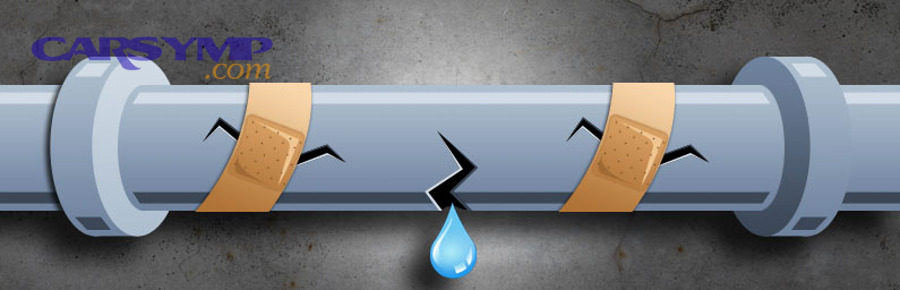
Homeowners often wait because the patch “held.” Red flags are the way you decide objectively rather than emotionally.
What signs indicate a root-cause failure rather than a one-off issue?
Root-cause failure is likely when you see repeatability, progression, or multi-symptom clustering. Specifically, watch for patterns that persist across weather, time, or system use.
Common root-cause indicators:
- Recurrence: problem returns after similar triggers (rain, heat, appliance use)
- Expansion: stain grows, crack lengthens, odor intensifies
- Spread: new areas show symptoms (stains moving, dampness migrating)
- Material change: softness, swelling, warping, rust, crumbling
- System symptoms: pressure drops, HVAC imbalance, recurring clogs
- Time lag: symptoms appear later (hidden moisture) rather than instantly
For cars, the parallel is clear: recurring ticking near the engine, soot near joints, or fumes can be Exhaust leak symptoms that persist even after a “patch,” indicating the cause remains.
How do you prioritize permanent repairs by urgency (safety → structure → water → comfort)?
Permanent repairs should be prioritized by hazard and compounding damage, not by annoyance. Then, use this hierarchy so you don’t overspend on comfort while ignoring risk.
Priority 1: Safety (immediate action)
- Gas smell, sparks, electrical arcing, suspected carbon monoxide, unstable structures
Priority 2: Structural integrity (urgent diagnosis)
- Sagging, shifting, fast-growing cracks, loose load-bearing elements
Priority 3: Water intrusion and moisture management (urgent repair window)
- Roof leaks, plumbing leaks, foundation seepage; moisture behind walls
Priority 4: Mechanical reliability (planned urgent)
- HVAC failures, repeated breaker trips, failing water heaters
Priority 5: Comfort and efficiency (schedule)
- Drafts, minor cosmetic cracks, non-urgent squeaks
Evidence (if any): According to a study by Purdue University from Extension disaster recovery guidance, in 2016, delayed or improperly timed repairs after flooding can allow mold-related issues to appear weeks or months later, reinforcing why moisture-related problems deserve high urgency.
What is the step-by-step decision framework to move from patch → proper repair?
The best method is a 6-step patch-to-repair framework—stabilize, document, diagnose, choose scope, schedule, verify—because it reduces risk immediately and prevents the temporary fix from turning into permanent procrastination. Let’s explore each step so you always know what to do next.
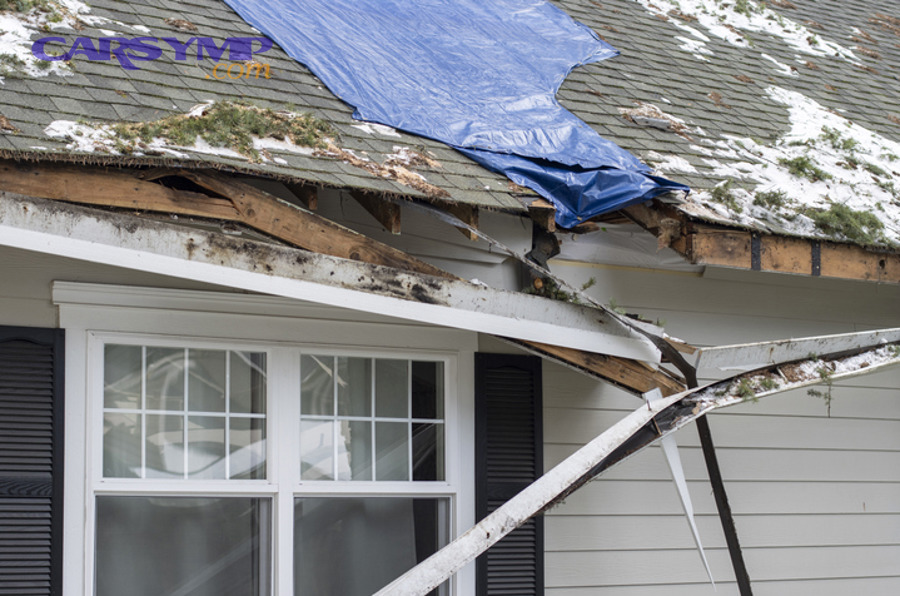
This section is the heart of the guide: it turns “temporary vs permanent” into a repeatable process you can use for almost any household issue.
What should you do in the first 30 minutes after noticing the problem?
In the first 30 minutes, you should control hazards, stop the spread, and create visibility, because quick, correct actions reduce damage exponentially compared to delayed or messy patching. Next, treat the first half-hour like an emergency checklist—not a repair project.
Minute 0–5: Safety and shutoffs
- Turn off water at the nearest valve if there’s active leaking
- Shut off power to affected circuits if water is near outlets or panels
- Ventilate if there’s a gas smell or fumes (and evacuate if needed)
- Keep children/pets away from unstable areas
Minute 5–15: Containment
- Catch water with buckets/towels
- Use plastic sheeting to protect floors or furniture
- Place temporary barriers to prevent slips and falls
- If roof-related, contain inside first; exterior tarp only if safe access
Minute 15–30: Stabilize and document
- Take photos/video (wide + close)
- Note time, conditions (rain, appliance running), and what changed
- Make the minimal temporary fix that prevents escalation (not a “full fix”)
This is also where you avoid cross-category mistakes. For example, if you suspect an exhaust issue in a garage or near the home, treat potential fumes seriously—don’t idle vehicles in enclosed spaces while “checking symptoms.”
What information should you gather before hiring a contractor (photos, timeline, measurements)?
Before hiring, gather evidence of symptoms + context of triggers + access details, because clear information improves diagnosis, prevents mis-scoping, and helps you compare quotes fairly. Besides, the more precise you are, the less likely you’ll pay for the wrong repair.
Collect:
- Photos/videos over time (before patch, after patch, recurrence)
- Timeline: when it started, what changed, what triggers it
- Basic measurements: crack length, stain diameter, distance from fixtures
- Location context: what’s above/below/behind (bathroom above ceiling stain?)
- Materials and history: age of roof, prior repairs, remodel work
- Access notes: attic entry, crawl space conditions, exterior height
If the issue relates to a vehicle you maintain at home, the same principle applies. For an exhaust problem, note when symptoms appear (cold start vs warm), where noise is loudest, and whether you smell fumes—those details support Manifold leak vs pipe leak diagnosis and prevent paying for the wrong section to be replaced.
How do you confirm the repair actually solved the root cause (tests and follow-up checks)?
You confirm a repair by testing under realistic conditions and monitoring for recurrence, because a repair that “looks good” can still fail when pressure, weather, or vibration returns. More specifically, verification is what turns a repair into a permanent repair.
Verification checklist:
- Recreate the trigger: water test after roof/flashing repair; run fixtures after plumbing repair
- Check adjacent areas: look for migration (new damp spots, new stains)
- Measure moisture where relevant: moisture meter readings can confirm drying progress
- Follow-up window: recheck at 24 hours, 1 week, and after the next major trigger (storm/use cycle)
- Workmanship confirmation: proper fasteners, clean seams, correct sealant bead, replaced damaged substrate
- Paperwork: scope, warranty terms, and any inspection notes
For HVAC air leaks, verification might include airflow balance or pressure testing. And if you’re dealing with fumes or an exhaust issue, verification can mean ensuring no cabin smell persists and that joints are properly sealed—not merely quieter sound.
Evidence (if any): According to a study by the University of Florida from IFAS Extension, in 2025, duct leakage can waste a substantial share of heating/cooling output, implying that verification (testing and follow-up) matters because “looks sealed” isn’t always “sealed and performing.”
How do insurance, warranties, and building codes affect the choice between a temporary fix and a permanent repair?
Insurance, warranties, and codes affect your choice because they can determine what counts as acceptable mitigation, how repairs must be documented, and whether certain work requires qualified labor or permits, with temporary fixes often allowed only as short-term loss prevention. In addition, these rules shape timing: when you must act now, and what proof you’ll need later.

This is the supplementary layer: it doesn’t change the core logic (patch vs repair), but it changes how you execute it.
What should you document for an insurance claim when you do emergency mitigation first?
Document everything that proves you reduced loss responsibly while preserving evidence of the cause. Specifically, insurance-friendly documentation helps show that your temporary fix was mitigation, not concealment.
Capture:
- Photos/video before mitigation (wide + close)
- Photos/video during mitigation (shutoffs, tarp, containment)
- Photos/video after mitigation (final stabilized state)
- Receipts for materials and emergency services
- Timeline notes: when discovered, actions taken, weather/system status
- Keep damaged components if safe (or photograph thoroughly before disposal)
A good rule: your documentation should let a third party understand what happened without guessing.
Can a temporary fix void a warranty or reduce coverage?
Yes—it can, because unauthorized repairs, improper materials, or delayed reporting may conflict with warranty terms, and insurers may dispute losses if the fix appears to have worsened damage or hidden the cause. More importantly, “temporary” is usually acceptable only if it’s clearly mitigation and you follow through.
Best practices:
- Read warranty language (workmanship vs manufacturer)
- Use temporary fixes that are reversible and non-destructive when possible
- Avoid sealing over evidence before documentation
- Notify the relevant party when required (roofing warranty, HOA rules, insurer)
If you’re thinking in the vehicle category: some DIY exhaust leak repair approaches might be fine as emergency mitigation, but permanent correction often requires proper parts, clamps, gaskets, or welding—especially if the issue is at the manifold or catalytic connections.
When do permits or building codes apply to “repairs” (and why it matters)?
Permits and code considerations often apply when a repair changes structural elements, major systems, or safety-related components, because those areas are regulated to reduce risk and standardize minimum performance. Then, temporary fixes typically sit outside permitting only because they are not meant to be permanent work.
Common triggers for permit/code attention:
- Structural framing changes
- Major electrical modifications
- Significant plumbing replacements beyond minor fixtures
- HVAC system replacements or venting changes
- Roofing work beyond small repairs (varies by jurisdiction)
Even when permits aren’t required, code logic still matters: a “proper fix” uses correct venting, correct materials, correct clearances, and safe installation.
When should you consider moisture mapping or thermal imaging to find hidden damage?
You should consider moisture mapping or thermal imaging when symptoms recur without a visible source, when water intrusion could be spreading behind surfaces, or when you need to confirm drying completeness after a leak. Especially, these tools help when the risk is high but the evidence is subtle.
Good use-cases:
- Repeated ceiling staining without obvious roof entry point
- Musty odor but no visible mold
- After a plumbing leak inside a wall cavity
- Basement seepage where the path is unclear
- Post-mitigation confirmation (did it actually dry?)
Evidence (if any): According to a study by Purdue University from research on water-damaged structures and mitigation practices, in 2014, incomplete or improper drying can contribute to mold-related complications—supporting the need for tools and verification when damage may be hidden.