


Exhaust corrosion and leaks are preventable if you treat the exhaust system like a “wet, salty environment” problem: reduce salt contact, reduce trapped moisture, and protect the metal before it thins out. The most effective strategy is a simple loop—clean, inspect, protect—done on a schedule that matches your climate and driving habits.
Corrosion doesn’t only happen from the outside. Many mufflers and rear pipes rust from the inside out when short trips don’t fully heat-soak the system, so condensation and acidic byproducts stick around. That’s why prevention is not just “spray undercoating and forget it,” but also includes driving patterns, heat cycles, and early leak control. (eprints.bournemouth.ac.uk)
You’ll also prevent leaks by understanding where they start: flanges, welds, gaskets, flex sections, and hangers. A small crack or loose gasket becomes a “blowtorch” that accelerates local oxidation and eventually turns into a full exhaust leak repair job.
Introduce a new idea: once you know why exhaust systems rust and which parts fail first, you can apply targeted prevention methods that cost less than replacing pipes, flex joints, and mufflers later.
What causes exhaust corrosion and exhaust leaks in the first place?
Yes—exhaust corrosion and leaks are caused mainly by salt exposure, trapped moisture/condensation, and vibration-driven joint fatigue, and these three factors reinforce each other until metal thins and seams open.
Next, to connect the cause to prevention, it helps to picture your exhaust as two corrosion zones: outside-in (road spray + salt + grime) and inside-out (condensation + acidic moisture that never fully evaporates).
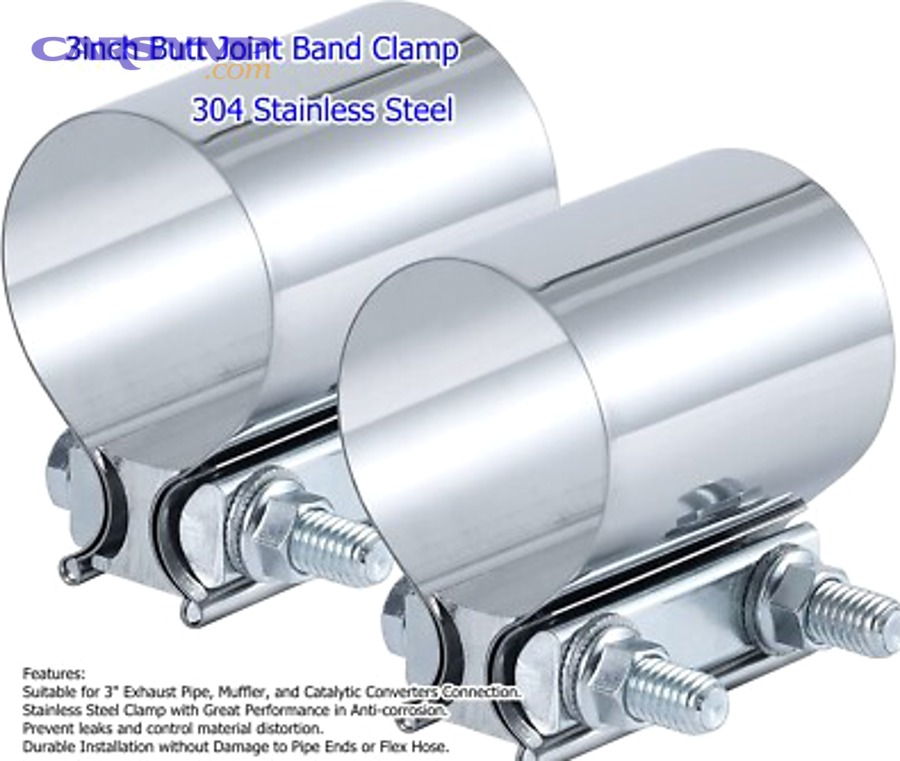
1) Road salt and wet electrolytes (outside-in corrosion)
In salty climates, the exhaust gets sprayed with brine that clings to bends, seams, and brackets. Chloride salts speed corrosion because they increase electrolyte conductivity, keep metal wet longer at lower temperatures, and penetrate protective oxide films. (lakegeorgeassociation.org)
What that means in real life
- The exhaust doesn’t rust evenly; it rusts fastest where brine stays wet (low points, overlaps, hangers, clamps).
- If you park after a salty drive, the exhaust sits while the salt solution keeps working.
2) Condensation and acidic moisture (inside-out corrosion)
Even a healthy engine produces water vapor. When the exhaust is cold—especially on short trips—water condenses inside the muffler and rear piping. That condensed water can dissolve corrosive gases and create low-pH droplets that pit steel, which explains why mufflers can perforate even when the outside looks “only lightly rusty.” (eprints.bournemouth.ac.uk)
Typical signs you’re in the high-risk pattern
- Frequent trips under ~15 minutes
- Lots of idling in winter
- You rarely do sustained highway speeds long enough to dry out the system
3) Vibration, heat cycles, and joint fatigue (leaks that become corrosion accelerators)
Thermal expansion and vibration stress flanges, welds, and flex sections. Once a pinhole leak starts, hot gas jets can erode surrounding metal and burn out gaskets faster—turning prevention into exhaust leak repair sooner than expected.
Which exhaust parts rust first and where do leaks usually start?
Exhaust systems fail in predictable places: rear sections (muffler/tailpipe), flanges and gaskets, flex pipes, and weld seams, based on where moisture and movement concentrate.
Then, since “where it fails” tells you “where to inspect,” use this quick map as your mental model.
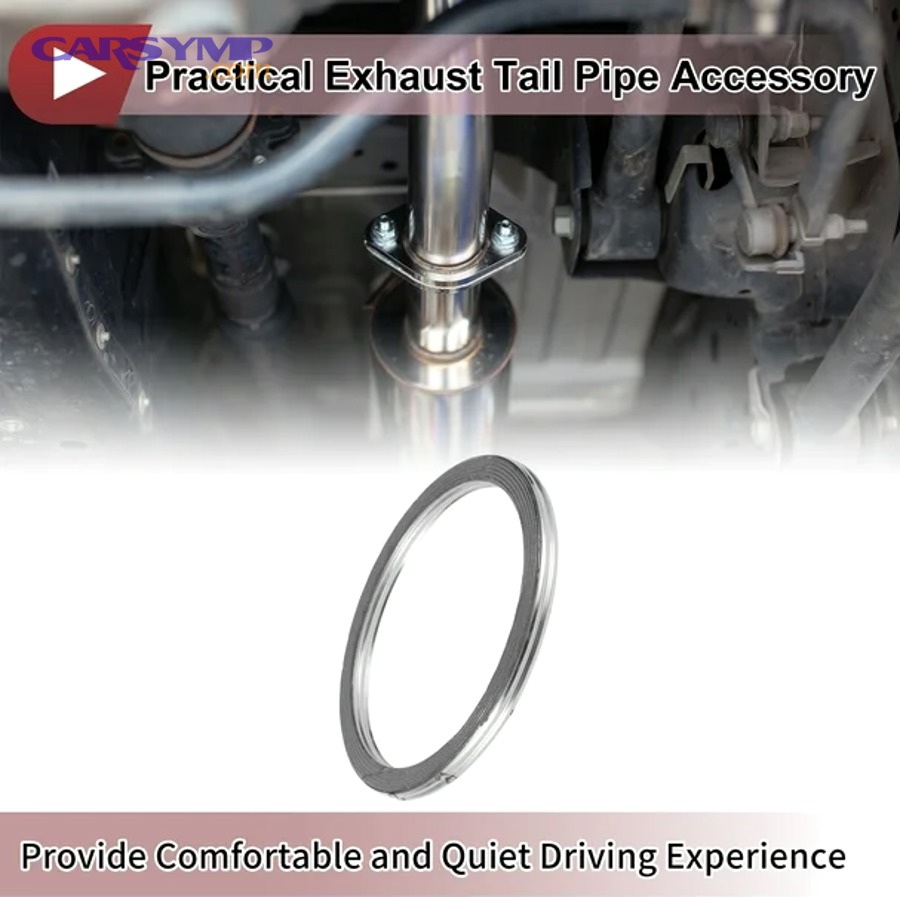
Rear section: muffler and tailpipe (inside-out + outside-in)
- Why it rusts first: coolest part of the system, most condensation, and often the most road spray.
- Leak pattern: pinholes or seam rot on muffler body, then tailpipe thinning.
Flanges, gaskets, and manifold connections (leak-prone joints)
- Why leaks start here: gasket compression changes over heat cycles; bolts seize; mating surfaces warp; vibration loosens hardware.
- What you’ll notice: ticking on cold start (often manifold area), soot marks around a flange, or a sharp exhaust smell near the engine bay.
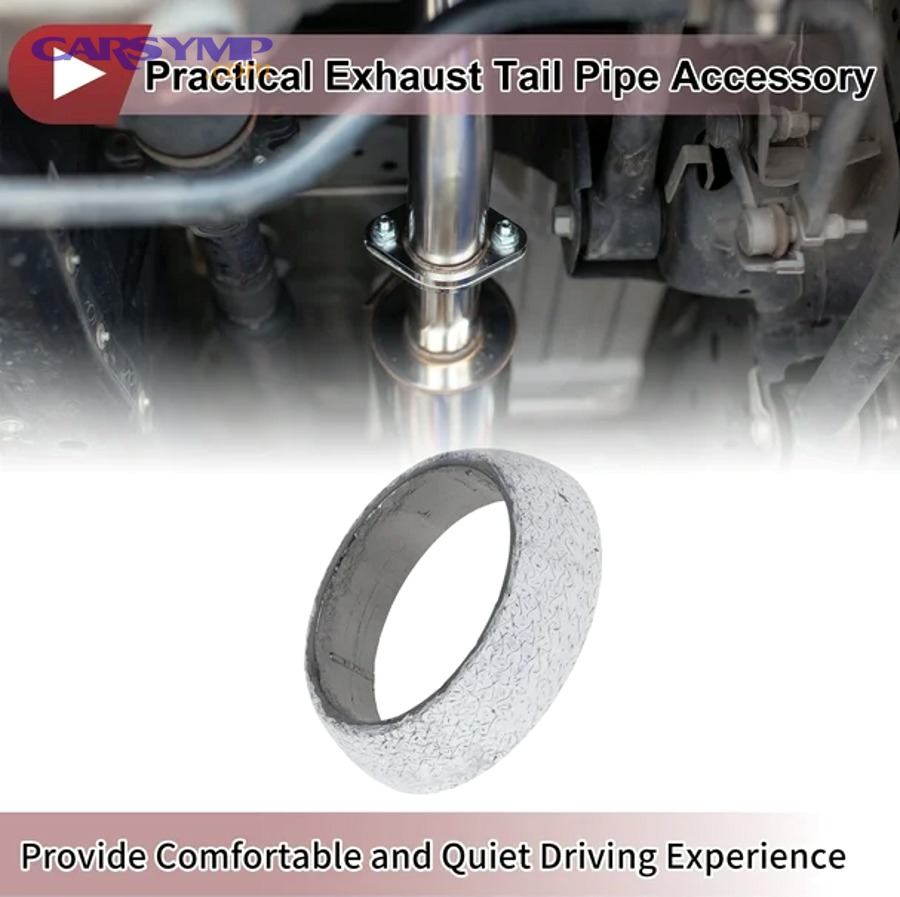
This is where Exhaust gasket replacement basics matter: correct gasket type, clean mating surfaces, proper torque sequence, and replacing damaged studs/nuts instead of reusing crusty hardware.
Flex section (braided flex pipe)
Flex joints exist to absorb engine movement. They also trap grime and flex constantly, which makes them a top failure point.
This is where you’ll want to understand Flex pipe leak and replacement options early, because a failing flex joint can sound like a big leak and can quickly worsen under load.
Welds, clamps, hangers, and brackets (stress concentrators)
- Why rust concentrates: brackets create crevices that hold salty mud; weld heat-affected zones can corrode faster; hangers fatigue and let pipes sag.
- Leak pattern: cracks at a weld near a hanger or clamp line, especially after pothole hits.
How do you inspect your exhaust system to catch corrosion early?
You inspect exhaust corrosion early by using a clean-then-check routine, focusing on high-retention zones (salt traps), and confirming suspected leaks with simple pressure and bubble tests.
To better understand what “early” looks like, use a two-pass inspection: first for corrosion risk, second for leak confirmation.
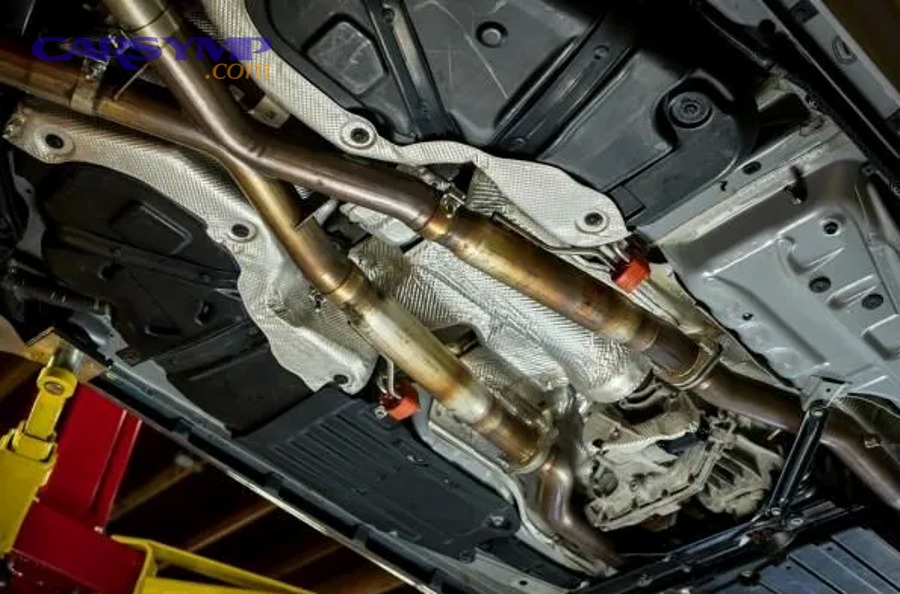
Pass 1: Visual and tactile checks (10 minutes)
Safety first: only inspect under a properly supported vehicle (ramps/jack stands), and only touch the exhaust when it’s cool.
Look for:
- Flaking scale (metal is thinning, not just surface rust)
- Wet soot marks near joints (often indicates a leak)
- Bulges or delamination on muffler seams
- Green/white crust near clamps (road salt residue)
- Sagging pipe (hanger failure increases stress and accelerates cracks)
A quick “tap test” helps:
- Lightly tap suspect areas with a rubber mallet—thin steel sounds sharper and may deform.
Pass 2: Leak confirmation (simple DIY)
Here are reliable Exhaust leak location detection methods that don’t require expensive tools:
- Soapy water + gentle pressurization
- With the engine off and cool, use a shop vac (blow mode) or low-pressure air into the tailpipe.
- Spray soapy water on joints and suspect sections.
- Bubbles reveal leaks.
- Smoke test
- Best method if available; it finds tiny leaks around flanges and pinholes.
You can use this video as a visual reference for smoke-based detection:
- Cold-start sound localization
- Start cold and listen for ticking near the manifold (often a gasket leak) versus a deeper chuffing under the car (mid-pipe or muffler area).
When inspection becomes action
If you confirm a leak, don’t “wait for later.” Even small leaks can accelerate corrosion at the leak edge and turn prevention into full exhaust leak repair sooner.
What are the best prevention methods for exhaust corrosion and leaks?
The best prevention method is a 3-part system: remove salt, reduce moisture dwell time, and protect/maintain joints—because corrosion needs an electrolyte + oxygen + time, and leaks often begin at joints under heat cycling.
Next, to make this practical, here’s a prevention stack you can apply from cheapest to most durable.
1) Salt control: rinse the underside the right way
Goal: remove brine before it dries into deposits.
- In winter or coastal areas, rinse the undercarriage after salty drives, focusing on the rear section and low points.
- Use a gentle fan spray rather than a high-pressure lance directly at joints (high pressure can drive salt into crevices).
Why this works: chloride salts accelerate corrosion by increasing electrolyte conductivity and maintaining wet contact longer. (lakegeorgeassociation.org)
2) Moisture control: change the heat cycle, not just the coating
If your driving pattern is mostly short trips, a “perfect coating” still won’t stop inside-out rust.
Do this:
- Add one longer drive weekly (20–30 minutes at operating temp) to drive off moisture.
- Avoid prolonged idling as a “warm-up” substitute; it often doesn’t heat the rear exhaust enough to dry it.
Research-backed rationale: studies on muffler corrosion highlight condensation and acidic droplets as a key driver of internal pitting, especially when the system doesn’t heat up during short runs. (eprints.bournemouth.ac.uk)
3) Joint protection: stop tiny leaks before they become rot
Leaks are not just noise—they are a corrosion multiplier at the failure edge.
- Replace failing gaskets early (use Exhaust gasket replacement basics: correct gasket material, clean flanges, proper torque).
- Replace rusty hardware with stainless or coated hardware where appropriate (and use anti-seize on non-O2-sensor fasteners if recommended).
- Fix loose hangers to reduce flex stress on joints.
4) Protective barriers: coatings, wraps, and material choices
Coatings
- High-temp exhaust paint can slow external oxidation on clean, prepped steel.
- Ceramic coatings (usually applied professionally) can reduce surface temperature cycling and add a durable barrier.
Wraps (use carefully)
- Wrap can trap moisture and salt if installed over already-corroded pipe, sometimes making corrosion worse.
- Wrap works best on clean, solid tubing and in dry climates or controlled setups.
Material upgrades
- Replacing a rotted section with better stainless (where budget allows) often outlasts repeated mild-steel patching.
- For flex sections, choose a quality braided flex with proper length and reinforcement to reduce early cracking—this ties directly into Flex pipe leak and replacement options.
5) A simple prevention schedule (table)
Below is a quick schedule that pairs climate risk with the minimum actions that prevent corrosion and leaks.
| Driving/Climate Profile | Weekly | Monthly | Seasonal (2–4x/year) |
|---|---|---|---|
| Snow/salt belt | Undercarriage rinse | Visual check for salt traps + hanger sag | Thorough inspection + leak test |
| Coastal/salty air | Rinse after beach/coastal exposure | Check flanges + clamps for white crust | Coat touch-up + hardware check |
| Mostly short trips | One long heat-soak drive | Check muffler seams + rear pipe | Smoke/soapy test for small leaks |
| Dry climate | — | Quick look for cracks/hangers | Full inspection before long trips |
When is it smarter to prevent vs repair or replace the exhaust?
Yes—it’s smarter to prioritize prevention when corrosion is surface-level and joints are still structurally sound, but it’s smarter to repair/replace when metal has thinned, seams are perforating, or leaks are multiplying across the system.
Then, to avoid wasting money, use these decision rules.
Choose prevention when:
- Rust is mostly surface discoloration without flaking scale
- No pinholes, no exhaust smell in cabin, no soot trails at joints
- Hangers are intact and the system isn’t sagging
- You can remove salt and apply protective measures reliably
Choose repair when:
- A single joint/gasket is leaking (common flange or manifold gasket issue)
- A flex section is cracked but the rest of the system is solid
(This is where targeted exhaust leak repair is cost-effective.)
Choose replacement when:
- Multiple pinholes appear (especially muffler + tailpipe together)
- Seams are delaminating or the muffler body is rotting out
- Flanges are too thin to seal, bolts are fused, or the pipe collapses when touched
- Repeated patches keep failing—meaning the base metal is gone
A useful mindset: patching thin steel is like patching wet cardboard—each repair creates new stress and new leak edges, so replacement becomes the safer long-term move.
Evidence (cost context): corrosion is a major economic burden across industries, with a U.S. FHWA-linked study estimating total direct corrosion costs at hundreds of billions annually—underscoring why early prevention beats repeated failure cycles. (rosap.ntl.bts.gov)
Contextual border: Up to this point, you have the complete prevention-and-decision framework that matches the core search intent. Next, we expand into advanced materials and niche corrosion drivers that matter for long-term durability in specific micro-cases.
How do advanced materials and niche corrosion factors affect long-term exhaust durability?
Advanced materials and niche corrosion factors matter because they change the corrosion mechanism (passive layer stability, galvanic pairing risk, and time-of-wetness behavior), which can determine whether an exhaust lasts “a few winters” or “many years.”
Next, if you’re optimizing for maximum longevity, focus on these less-discussed durability levers.
1) Galvanic pairing and mixed-metal systems
If you mix stainless sections with mild steel and create a wet electrolyte environment (salt water), galvanic effects can accelerate loss on the less noble metal—especially around clamps, flanges, and weld transitions.
Practical takeaway:
- Use compatible materials where possible.
- Use proper isolation methods (quality gaskets, correct clamps) to reduce galvanic contact in wet zones.
2) Salt chemistry differences and “time of wetness”
Not all salts behave the same. Hygroscopic salts can keep surfaces wetter for longer, extending the corrosion window even when temperatures drop. That extended wet time is part of why chloride-based deicers are so corrosive in real conditions. (lakegeorgeassociation.org)
3) Micro-climates under the car: heat shields, undertrays, and trapped debris
Exhaust durability isn’t only about the pipe—it’s also about airflow and debris retention.
- Heat shields and undertrays can trap wet debris against pipes.
- Packed mud around a resonator or muffler becomes a “wet sponge” that accelerates outside-in corrosion.
4) When “better material” isn’t enough without inspection
Even premium stainless can crack at a stressed weld or leak at a warped flange. That’s why durability always loops back to inspection and leak detection—especially using Exhaust leak location detection methods after any change (new clamps, new sections, or post-winter service).
According to a study by University of Bouremouth from Department of Design, Engineering & Computing, in 2014, internal muffler corrosion was strongly associated with short-trip operating cycles that increased condensation persistence. (eprints.bournemouth.ac.uk)
Evidence (materials + environment interaction): According to a study by University of Technology Sydney from School of Civil and Environmental Engineering, in 2024, salinity-related water chemistry parameters measurably changed corrosion rates in controlled testing, reinforcing why salt exposure management remains foundational even when materials improve. (nature.com)