


Replacing exhaust gaskets is the fastest way for a beginner DIY car owner to stop a small exhaust leak from turning into louder noise, fumes, and broken hardware—because you’re restoring the seal at the exact joint that’s failing. This guide focuses on exhaust gasket replacement basics (main keyword), with the main action to replace (predicate) and a meronymy relationship (“manifold & flange” are parts of the exhaust sealing system) so the title matches what you’re here to do.
Next, you’ll learn how to spot a leaking gasket early, including the telltale differences between a manifold leak near the engine and a leak farther down the pipe. Then, you’ll build a beginner-friendly parts-and-tools checklist so you don’t get stuck mid-job with seized bolts, missing hardware, or the wrong gasket shape.
Then, you’ll follow two step-by-step procedures: one for an exhaust manifold gasket (hot, tight, and bolt-sensitive) and one for a flange/donut gasket (alignment-sensitive and often corrosion-heavy). You’ll also get the torque, cleaning, and recheck habits that separate a “quiet fix” from a repeat leak.
Introduce a new idea: even when you replace the gasket correctly, leaks can come back if the real cause is warpage, misalignment, corrosion, or broken studs—so the last section shows how to prevent repeat failures and protect the exhaust system long-term.
What is an exhaust gasket and what does it seal in the exhaust system?
An exhaust gasket is a high-heat sealing layer that sits between two exhaust components to keep hot gases (and noise) inside the exhaust path, created to survive heat cycling, vibration, and pressure without blowing out.
To better understand why it fails (and why replacing it works), start by visualizing where each gasket “lives” and what it’s responsible for sealing.
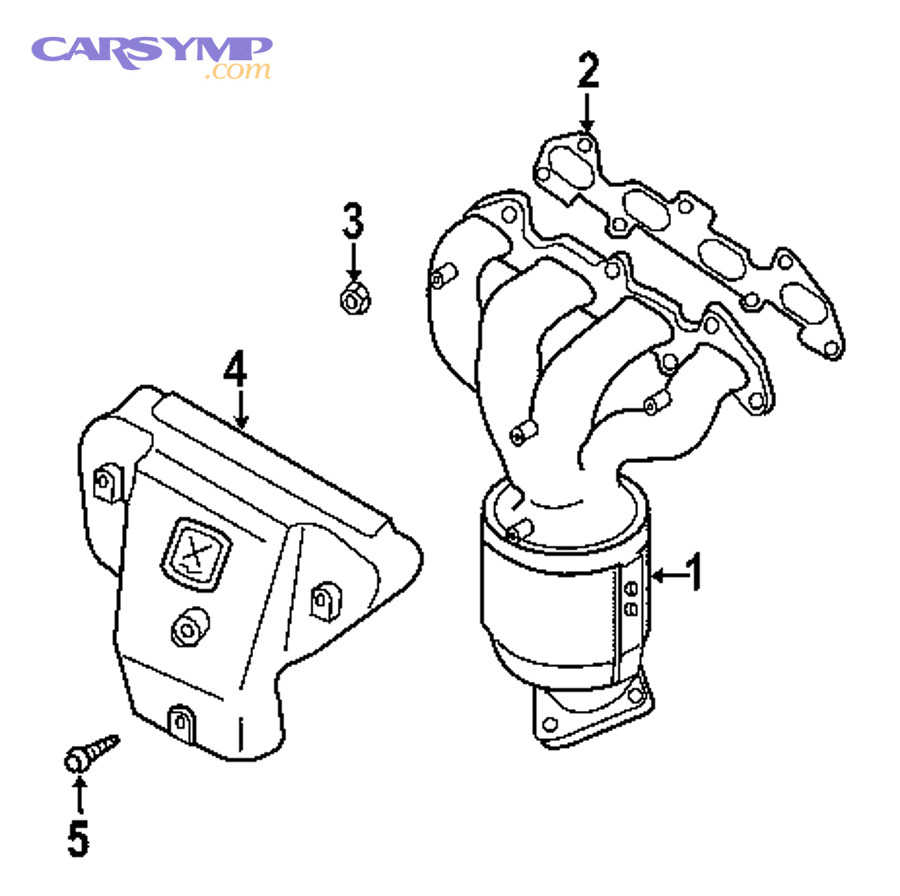
What are the main types of exhaust gaskets (manifold, flange, donut, collector)?
There are 4 main types of exhaust gaskets most DIYers deal with—manifold, flat flange, donut (ball/socket), and collector—based on the joint design and how the exhaust pieces clamp together.
More specifically, each type seals differently, so choosing the right one is about matching the joint geometry, not just the vehicle make/model.
- Exhaust manifold gasket: Seals the cylinder head ports to the exhaust manifold.
- Flat flange gasket: Seals two flat mating surfaces (often pipe-to-pipe or pipe-to-catalyst connections).
- Donut gasket (ball/socket): Seals a rounded “ball” outlet into a socket-style inlet; common at spring-bolt joints.
- Collector gasket: Seals where multiple pipes merge (more common on headers and performance exhausts).
If the gasket shape doesn’t match the joint type, you can tighten bolts until they snap—and still have a leak.
Where is each gasket located in the exhaust path?
Most passenger vehicles place exhaust gaskets at predictable “break points” where parts need to separate for assembly and service.
For example, the sealing points usually include:
- Cylinder head ↔ manifold/header (manifold gasket)
- Manifold/header ↔ downpipe (often donut or flange, depending on design)
- Downpipe ↔ catalytic converter (flange gasket on many vehicles)
- Mid-pipe ↔ muffler/resonator sections (flange gaskets, sleeves, or clamps depending on system)
The closer the gasket is to the engine, the more it faces extreme temperature swings—so those joints typically demand cleaner surfaces, correct torque, and better hardware condition.
What materials are exhaust gaskets made from and why does it matter?
Exhaust gaskets are commonly made from multi-layer steel (MLS), graphite/composite, or metal-reinforced fiber, and the best choice depends on heat, flange condition, and movement at the joint.
However, material isn’t “better” in isolation—what matters is whether the joint is rigid, flat, and properly clamped.
- MLS (multi-layer steel): Great for hot, rigid joints (like many modern manifolds). Resists blowout but hates warped surfaces.
- Graphite/composite: Seals small imperfections better, but can erode if the joint leaks or the clamp load is uneven.
- Donut-style graphite/metal ring: Designed to compress and flex at ball/socket joints where the exhaust moves.
If your flanges are pitted or slightly uneven, a gasket that can conform (within reason) often seals better than a “hard” gasket that demands perfect flatness.
How do you know an exhaust gasket is leaking and where the leak is coming from?
Yes—you can usually tell an exhaust gasket is leaking by combining sound, smell, and soot patterns, and you can pinpoint the location with a safe inspection routine plus one confirmation test.
Next, focus on where the symptoms show up, because the fix changes depending on whether you’re dealing with a manifold joint or a pipe/flange joint.
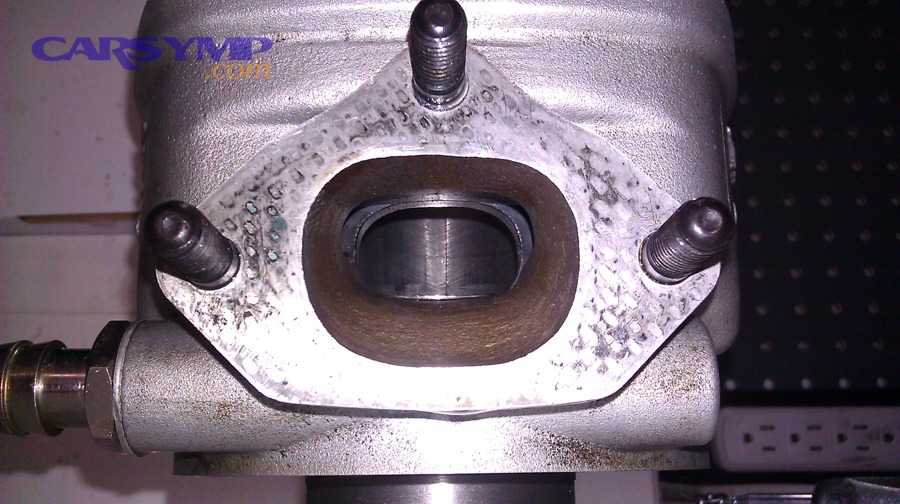
What symptoms point to an exhaust manifold gasket leak?
A manifold gasket leak usually sounds like a ticking or tapping that’s loudest on cold start and often quiets as metal expands.
Specifically, look for these clues near the engine:
- Ticking near the cylinder head/manifold area, especially when cold
- Sooty streaks around manifold-to-head seams or heat shields
- Burning smell in the engine bay (sometimes mistaken for oil smell)
- Possible oxygen sensor/fuel trim issues if the leak is upstream of an O2 sensor
Because the manifold area runs extremely hot, tiny leaks can “burn tracks” quickly—so the soot trail is often your best visual clue.
What symptoms point to a flange/donut gasket leak?
A flange or donut gasket leak usually produces a puffing sound that changes with throttle and may sound louder under the car than under the hood.
More specifically, you may notice:
- Puff-puff at idle near the joint (sometimes felt as a pulse of air)
- Rattle or vibration if springs/bolts are loose or broken
- Soot around the flange edges or on nearby underbody surfaces
- Exhaust smell under the cabin more than in the engine bay, depending on airflow
If the leak is at a joint with springs, it’s often an alignment or clamp-load issue—not just “a bad gasket.”
How can you do a safe leak test at home?
You can do a safe at-home leak test by using cold-start listening, visual soot inspection, and a controlled blocking test (without putting your hands near hot parts).
Then, confirm the suspect joint with one of these safer options:
- Cold-start listen + flashlight: Start the engine cold, listen for tick/puff, look for soot trails.
- Soapy water on a cold system: Light mist on suspected seams, then start the engine and watch for bubbles (avoid electrical connectors).
- Smoke test (best accuracy): Introduce smoke into the exhaust with the engine off and watch where it escapes (often a shop tool).
Avoid the classic “hand near the leak” move—hot gas burns skin fast, and rotating belts/fans add risk.
How do you do Manifold leak vs pipe leak diagnosis without guessing?
You can do Manifold leak vs pipe leak diagnosis by anchoring on location, sound character, and cold-start behavior, then verifying with soot patterns and one confirmation test.
More importantly, this prevents wasted parts and wrong repairs—because an “exhaust leak” near the front can come from multiple joints.
- Ticking at the engine, loud cold, quieter warm → often manifold gasket or cracked manifold
- Puffing under the car, consistent warm/cold → often flange/donut gasket or pipe joint
- Soot at the seam → leak is at that seam (not “somewhere else”)
- Leak upstream of O2 sensor → more likely to trigger drivability codes/trim issues
If you’re unsure, treat it like a decision tree: verify the highest leak first (closest to engine), because upstream leaks can echo and confuse your ears.
What tools, parts, and supplies do you need for exhaust gasket replacement basics?
You need a basic exhaust gasket replacement kit that covers access, fastener control, surface prep, and correct torque, and you’ll avoid most beginner failures by planning for stuck hardware.
Next, build your checklist around the joint type (manifold vs flange), because the “must-have” tools differ.
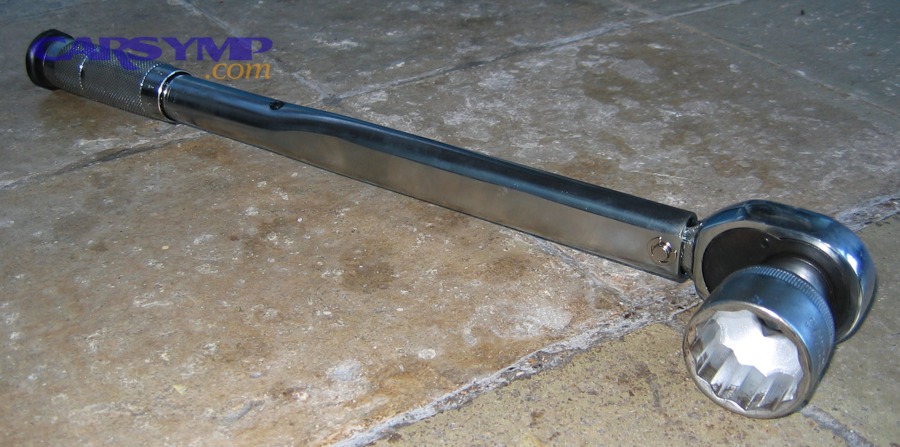
Which hand tools are must-haves for beginners?
A beginner can complete most exhaust gasket jobs with common hand tools plus a few exhaust-specific helpers.
For example, aim to have:
- Ratchet(s) + extensions (short and long)
- Metric or SAE socket set (deep sockets help on studs)
- Wrenches (including offset/box-end if space is tight)
- Breaker bar (controlled leverage beats brute force)
- Screwdrivers/trim tools (for shields, clips, intake ducts if needed)
If you’re working on a manifold, extensions and wobble joints are often the difference between a doable job and a nightmare.
Which measuring and safety tools prevent broken studs and injuries?
You prevent snapped studs and unsafe work by using penetrant + heat strategy, torque control, and stable vehicle support—not by “sending it” with maximum force.
Besides, exhaust work is full of pinch points, hot metal, and rust flakes.
- Torque wrench (critical for sealing and bolt survival)
- Penetrating oil (start soaking hardware in advance)
- Wire brush (clean threads and exposed stud ends)
- Jack + jack stands or ramps (never rely on a jack alone)
- Eye protection + gloves + hearing protection
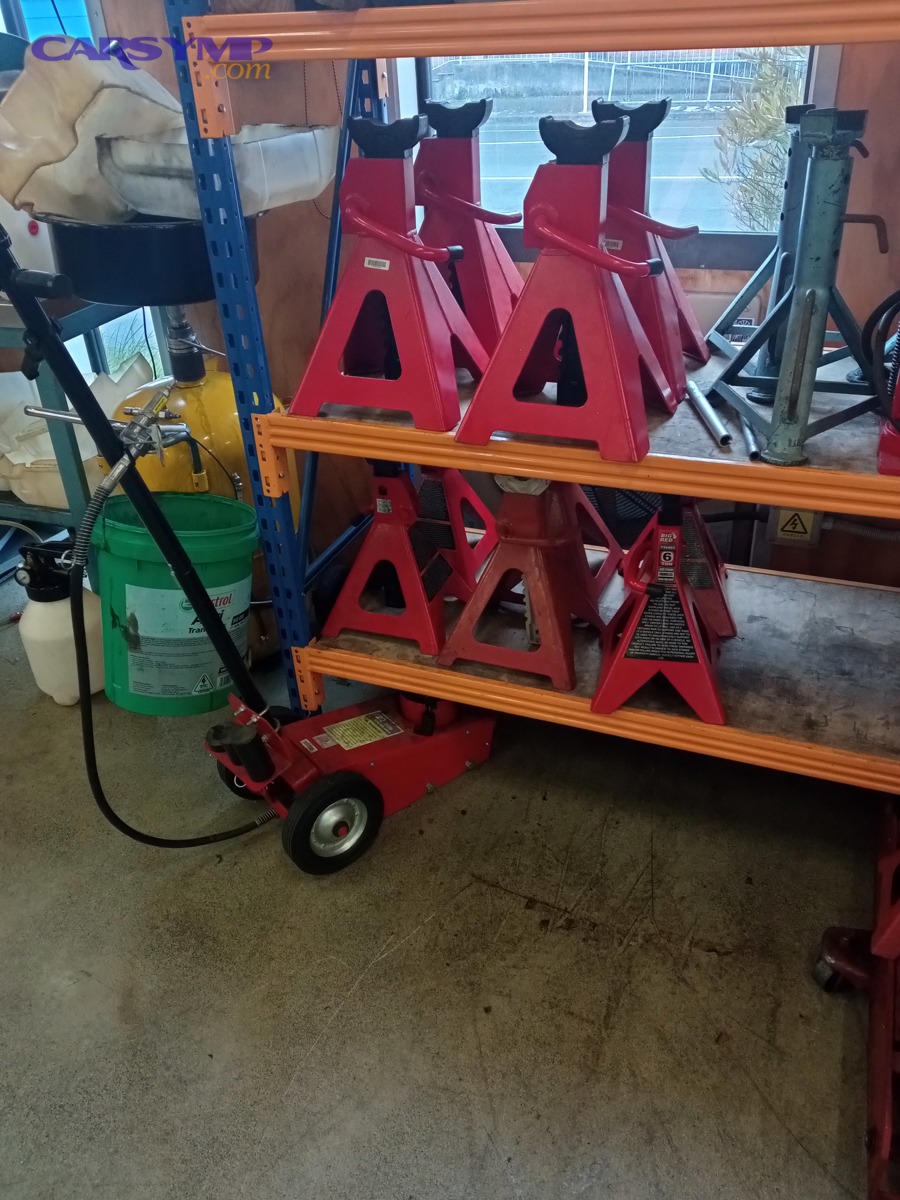
A stable, well-supported car makes every step easier—and reduces the “panic wrenching” that breaks bolts.
Which replacement parts and consumables should you buy together?
You should usually buy the gasket plus “support parts” that determine whether the new gasket actually seals.
More specifically, consider bundling:
- Correct gasket (matched to VIN/engine + joint type)
- New nuts/bolts/springs (especially on flange/donut joints)
- New studs (if old studs are stretched, rusted, or damaged)
- Anti-seize (for threads where manufacturer allows it, especially where heat cycles)
- High-temp thread locker (only where specified; not universal)
Before you order, confirm whether your joint is flat flange or ball/socket donut—they use different gaskets and clamp behavior.
Should you use RTV or sealant on exhaust gaskets?
No—you generally should not use RTV on exhaust gaskets, because (1) most RTV can’t survive sustained exhaust temperatures, (2) it can prevent proper clamp load by “squirming,” and (3) it can break off and contaminate sensors or joints.
However, there are rare cases where manufacturers specify a tiny dab at a corner seam (usually not on the exhaust itself), so always check the service info for your engine.
If you need “help sealing,” the right move is usually:
- Fix flange flatness/alignment
- Replace hardware that can’t clamp evenly
- Choose a gasket material appropriate to the joint condition
That approach produces a durable seal instead of a temporary patch.
How do you replace an exhaust manifold gasket step-by-step for beginners?
You replace an exhaust manifold gasket by following 4 core phases—prep, removal, surface restoration, and correct reinstallation/torque—so the manifold clamps evenly and seals each port without leaks.
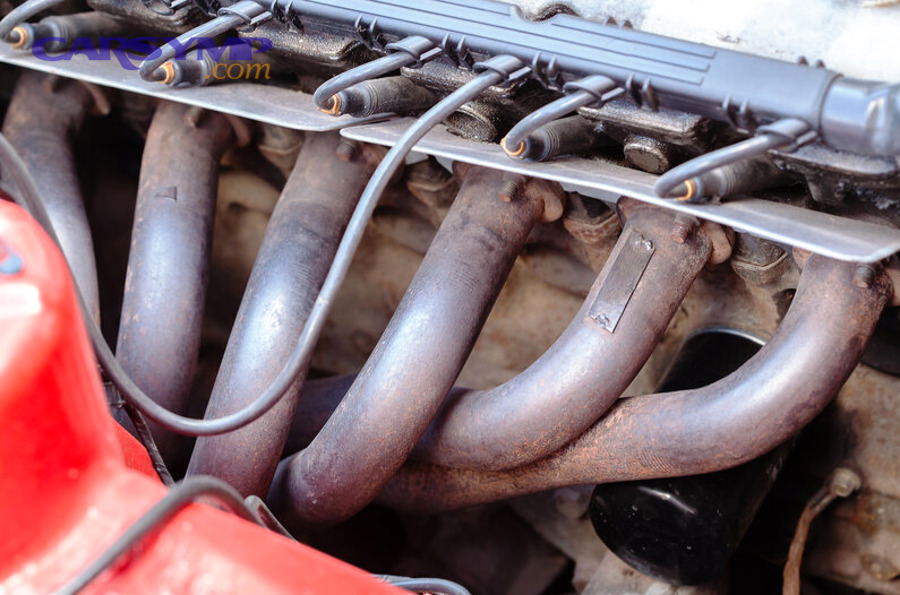
Then, take your time: manifold jobs reward patience more than speed, especially when rust and tight access are involved.
How do you prepare the car and work area safely?
Preparation is about preventing burns, broken bolts, and misrouting parts during reassembly.
To begin, use this beginner-safe setup routine:
- Work on a cold engine (manifolds stay hot for a long time).
- Disconnect the negative battery terminal if you’ll remove sensors/connectors.
- Raise and support the car on stands/ramps if you need underside access.
- Spray penetrating oil on manifold fasteners and let it soak (hours or overnight helps).
- Remove blocking components (intake tube, heat shield, splash shield) as needed—take photos as you go.
Labeling small bolts and taking phone photos saves you from guessing later.
How do you remove the exhaust manifold without snapping studs?
You remove the manifold safely by reducing fastener stress, controlling torque, and backing hardware off gradually—because snapped studs turn a gasket job into a drilling job.
Specifically, try this removal strategy:
- Clean exposed threads with a wire brush first (rust on threads is what binds).
- Use 6-point sockets to avoid rounding.
- Crack fasteners loose in small movements—tighten a hair, then loosen (this breaks rust bonds).
- If a nut fights you, apply more penetrant and consider controlled heat (if you have experience and safe access).
- Support connected exhaust sections so the manifold isn’t hanging on one fastener.
If a stud starts to come out with the nut, that’s often okay—just keep it controlled and replace the stud if it’s damaged.
How do you clean the mating surfaces and check for warping/cracks?
You restore sealing by cleaning both mating surfaces to bare, smooth metal and verifying the manifold isn’t warped or cracked—because a new gasket can’t compensate for bad geometry.
More specifically:
- Scrape old gasket material carefully (plastic scraper is safer for aluminum head surfaces).
- Use a razor scraper cautiously on iron/steel surfaces (keep it flat).
- Finish with a non-woven abrasive pad where appropriate (avoid gouging).
- Inspect for:
- Cracks (common around runners or collector areas)
- Erosion/pitting near ports
- Warp (use a straightedge if possible)
If the manifold flange is visibly warped, you may need machining or replacement—otherwise the gasket may fail again quickly.
How do you install and torque the new manifold gasket correctly?
You install the new manifold gasket by aligning it properly, starting all fasteners by hand, and tightening in a staged pattern to the correct spec so clamp load stays even across all ports.
Then, follow these habits that prevent leaks:
- Dry-fit the gasket to confirm orientation (some gaskets are directional).
- Hang the gasket (if it has tabs) or hold it in place with a couple of fasteners started by hand.
- Install the manifold and start every nut/bolt by hand (no cross-threading).
- Tighten in a center-out pattern in 2–3 stages (snug → mid-torque → final torque).
- Reinstall heat shields and reconnect any sensors/wiring—keep wiring away from hot surfaces.
If you don’t have the factory torque spec, don’t guess “as tight as possible.” Over-torque is one of the fastest ways to warp flanges or break studs.
How do you replace an exhaust flange gasket (or donut gasket) step-by-step?
You replace a flange or donut gasket by supporting the exhaust, separating the joint cleanly, installing the correct gasket for the joint style, and tightening hardware evenly so the pipes align and seal without binding.
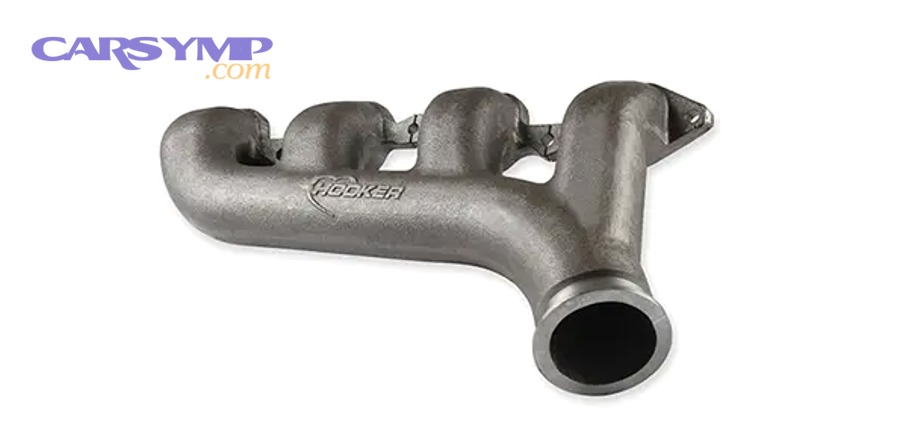
Next, treat alignment as the main job—because even a perfect gasket will leak if the pipes sit crooked.
What is a donut gasket and how does a flange gasket differ?
A donut gasket is a compressible ring designed for ball/socket joints that move with the exhaust, while a flange gasket is typically flat (or shaped) to seal between two flat flanges.
However, they fail in different ways:
- Donut gasket leaks often come from misalignment, worn springs, or a damaged ball/socket surface.
- Flange gasket leaks often come from uneven flange faces, corrosion pitting, or uneven bolt torque.
Matching gasket type to joint design is the “no leaks” foundation.
How do you separate the joint and support the exhaust safely?
You separate the joint safely by supporting the exhaust weight before loosening the hardware—because exhaust sections can drop, bind, or stress other joints when the connection opens.
To begin:
- Place a support under the exhaust section (jack stand, block, or strap).
- Soak hardware with penetrant, then clean threads you can reach.
- Loosen nuts gradually and evenly (alternate sides).
- If the joint is stuck, use gentle prying and tapping—avoid bending flanges.
If bolts are badly corroded, it’s often smarter to replace them than to “reuse the crust.”
How do you install the new gasket and align the flanges?
You install the gasket correctly by centering it on the sealing surfaces and aligning the exhaust components so the joint closes naturally—without forcing the pipes into place.
More specifically:
- Clean both flange faces (or ball/socket surfaces) of soot and rust scale.
- Position the new gasket:
- Flat gasket: align holes and sealing ring.
- Donut gasket: seat the ring evenly in the socket.
- Bring the joint together and hand-start nuts/bolts.
- Wiggle the exhaust sections to confirm they’re not in a bind.
- Tighten in small increments, alternating sides to keep pressure even.
If you have to “pull” the pipes together with bolts, the leak may return because the gasket gets distorted under uneven load.
How tight should you torque flange bolts and how do you recheck?
Flange fasteners should be tightened to spec (or evenly snugged if spec isn’t available), because proper torque creates consistent clamp load without bending the flange or crushing the gasket unevenly.
In addition, recheck is essential because gaskets compress after the first heat cycle:
- Start the car, let it reach operating temperature, then cool completely.
- Recheck fasteners for snugness/torque (only on a cold system).
- Listen for the original puffing sound and inspect for soot.
This simple recheck prevents the common “it was quiet yesterday, loud today” problem.
What are the most common mistakes beginners make during exhaust gasket replacement?
There are 4 common beginner mistakes that cause immediate or repeat exhaust gasket leaks: wrong gasket type, poor surface prep, uneven torque, and ignoring damaged hardware—each one prevents the new gasket from receiving stable clamp load.
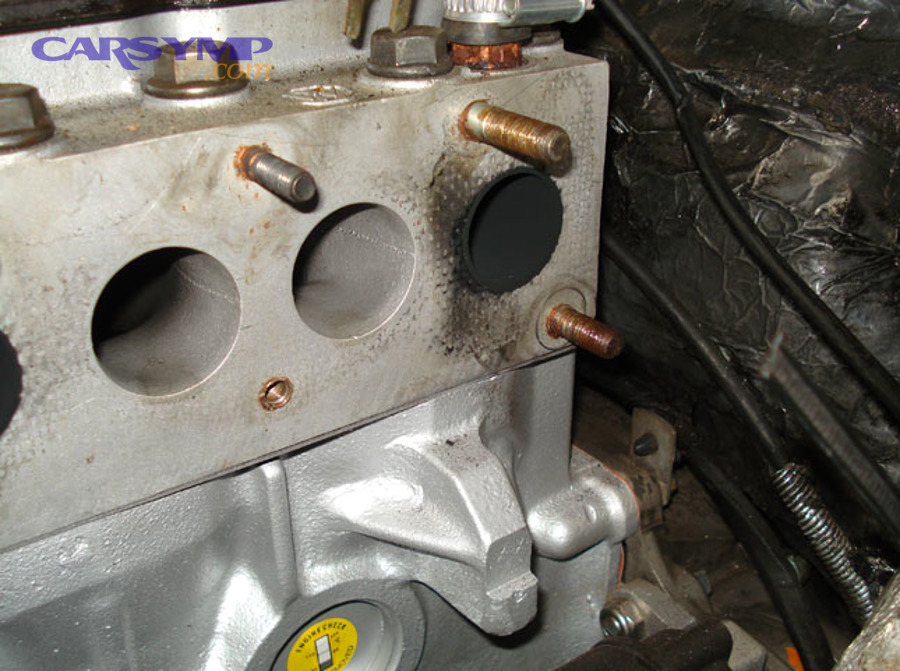
Next, use these mistakes as a checklist before you declare the job “done.”
Which mistakes cause a leak right away after replacement?
Immediate leaks usually happen because the gasket never had a chance to seal properly.
Specifically, watch out for:
- Installing the wrong gasket (flat vs donut, wrong port shape)
- Leaving old gasket material or heavy soot on the sealing face
- Tightening one side fully before the other (creates a tilted joint)
- Forgetting a missing bracket or support (misalignment under load)
If you hear the leak instantly on startup, think “alignment and clamp load” before you assume the gasket is defective.
Which mistakes shorten gasket life over time?
Long-term failures typically come from movement, heat cycling, and corrosion that the joint can’t accommodate.
More importantly, these habits accelerate failure:
- Reusing rust-weakened springs/bolts on donut joints
- Under-torquing so the joint “breathes” (erosion starts)
- Over-torquing and warping flanges or stretching studs
- Not fixing a cracked manifold or warped flange (gasket becomes the scapegoat)
A gasket is a seal, not a structural repair—so joint condition matters.
When should you replace studs, nuts, springs, or flanges instead of “just the gasket”?
You should replace hardware when it can’t maintain consistent clamp load, because even the best gasket can’t compensate for fasteners that loosen, stretch, or bind.
For example, replace parts when you see:
- Studs with damaged threads, heavy necking, or severe rust
- Nuts that seize or feel gritty (thread damage)
- Springs that are collapsed or uneven (on spring-bolt joints)
- Flanges that are visibly bent or deeply pitted
This is where many exhaust leak repair attempts fail: the gasket gets replaced, but the joint can’t clamp correctly, so the leak returns.
How do you avoid cross-threading and uneven torque?
You avoid cross-threading by starting everything by hand, and you avoid uneven torque by tightening in stages and alternating sides (or center-out on manifolds).
Besides, small technique changes prevent expensive problems:
- Hand-start all fasteners at least 3–4 turns
- Use the correct socket angle (wobble extensions help)
- Snug in steps, then torque to final spec
- Stop if the fastener feels wrong—back off, clean threads, retry
If a bolt feels like it’s “cutting” into the threads, don’t power through it.
How do you check your work after replacement and confirm the leak is gone?
You confirm the leak is gone by doing 4 checks—cold-start listen, visual inspection for soot, a controlled bubble/smoke confirmation, and a short road test—so you verify both sealing and real-world movement.
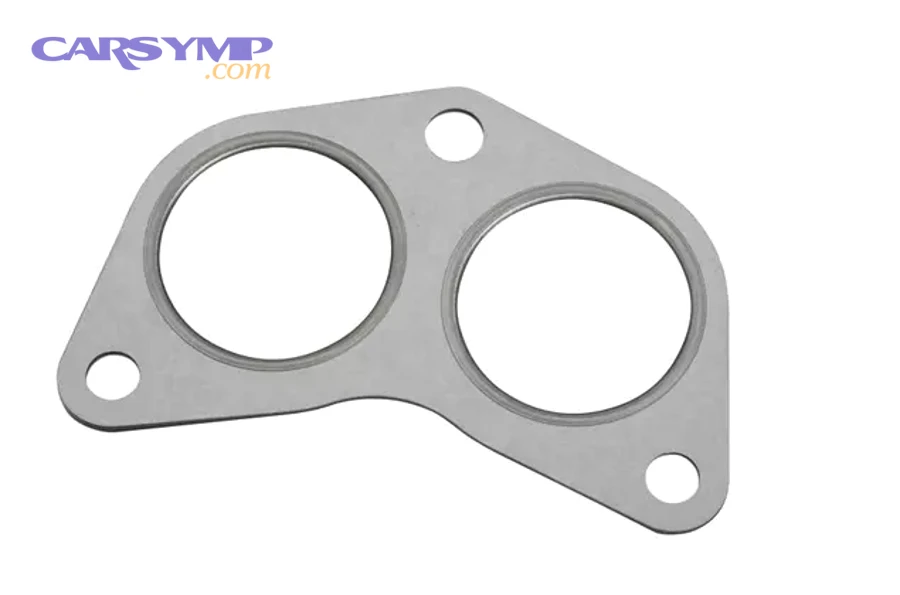
Then, recheck after one heat cycle to catch settling and gasket compression early.
How do you do a cold-start inspection for leaks and rattles?
Cold-start is the best moment to catch manifold and flange leaks because metal contraction exaggerates gaps.
To begin:
- Start the engine cold and listen:
- Tick near engine = suspect manifold area
- Puff under car = suspect flange/donut
- Check for new rattles (loose heat shield, bracket, or spring bolts)
- Use a flashlight to look for movement at joints
If it’s quiet cold, it’s usually quieter warm—so cold-start is your “truth test.”
How do you do a smoke/soapy-water check safely?
Soapy water can confirm small leaks at accessible joints, and smoke testing can confirm hard-to-see leaks with high accuracy—without touching hot components.
Specifically:
- Soapy water: Lightly spray on a cold seam, start engine, watch for bubbles.
- Smoke test: With engine off, introduce smoke into exhaust and look for escapes.
Avoid spraying near hot oxygen sensors and wiring connectors, and never spray flammables near exhaust heat.
What scan-tool or sensor clues can confirm a fix?
A scan tool can’t “see” every exhaust leak, but it can reveal when a leak upstream of sensors was causing trim or sensor anomalies.
More specifically, after your repair:
- Clear codes (if present) and monitor fuel trims for normalization
- Watch upstream O2 sensor switching behavior (if previously erratic)
- Listen for reduction in exhaust noise without new vibrations
If drivability issues improve along with noise reduction, that’s a strong confirmation the sealing problem was real and is now resolved.
When should you retorque and what should you listen for over the next week?
You should recheck fasteners after the first full heat cycle (hot run → full cool) because gaskets compress and hardware settles.
In addition, listen for:
- A returning tick/puff that wasn’t there at first startup
- New exhaust vibration at certain RPM (alignment shift)
- Fresh soot streaks at the joint
If the leak returns quickly, suspect flange flatness, misalignment, weak hardware, or a crack—not “bad luck.”
What causes exhaust gasket leaks to come back, and how can you prevent repeat failures?
Exhaust gasket leaks come back when the joint still has a root problem—warped surfaces, cracked parts, poor alignment, weak hardware, or corrosion—so prevention means restoring the joint’s geometry and protecting it from heat-cycle loosening and rust.
Next, use prevention as a maintenance strategy, not just a one-time repair.
What causes repeat exhaust gasket failures (heat cycling, misalignment, corrosion)?
Repeat failures usually follow one of these patterns:
- Heat cycling + loose clamp load: hardware relaxes, the joint starts “breathing,” and the gasket erodes.
- Misalignment: the exhaust hangs in a bind, distorting the gasket every time the engine moves.
- Corrosion: rust pitting creates leak channels, and fasteners lose strength.
- Cracks/warpage: the sealing faces are no longer flat enough to clamp evenly.
If you fix only the gasket but ignore the pattern, the leak often returns.
How can you prevent exhaust corrosion and leaks in salty climates?
You can reduce salt-driven rust by preventing moisture trapping, restoring protective coatings where appropriate, and keeping drain/heat shields/brackets in place so the exhaust isn’t forced into stress positions.
More specifically, Preventing exhaust corrosion and leaks often comes down to:
- Replace missing rubber hangers so the system isn’t pulling on joints
- Avoid stacking “temporary clamps” that trap moisture and accelerate rust
- Wash underbody in winter when practical, especially after heavy salting
- Replace heavily pitted flanges instead of hoping a gasket will fill craters
Corrosion prevention is not glamorous—but it’s one of the biggest factors in whether your gasket lasts.
Should you upgrade gasket materials or use locking hardware?
Sometimes yes: upgraded gasket materials and locking/prevailing-torque hardware can stabilize clamp load in high-heat or high-vibration setups—especially on older vehicles where hardware fatigue is common.
However, upgrades only help if:
- Surfaces are properly prepared and reasonably flat
- The exhaust is aligned and supported correctly
- You’re tightening to correct specs and patterns
Think of upgrades as “insurance,” not a substitute for correct mechanical fit.
When is professional exhaust leak repair the safer option?
Professional help is the safer option when the job requires drilling broken studs, welding cracked components, resurfacing warped flanges, or working near tight clearances where mistakes can create bigger failures.
More importantly, the Safety risks of exhaust leaks include cabin fumes (especially carbon monoxide exposure) and under-hood heat damage—so if you can’t confidently verify sealing and routing, a shop is a smart call.
According to a study by Virginia Tech from the Virginia Tech Transportation Institute, in 2025, researchers monitoring two work-zone trucks recorded average in-cabin carbon monoxide levels of 1.22 ppm and 1.61 ppm, with occasional spikes up to 10.05 ppm and 8.59 ppm under certain operating scenarios—reinforcing why exhaust integrity and ventilation practices matter. (vtechworks.lib.vt.edu)