


Oil burning smoke diagnosis is most accurate when you connect smoke color, when it happens, and a few quick inspections that reveal where oil is getting into the combustion stream. If the smoke is truly blue smoke (or blue-gray) and it lingers, it usually means engine oil is being burned—often from valve seals, piston rings, the PCV system, or a turbocharger (if equipped).
Many drivers first notice smoke during startup, downhill deceleration, or hard acceleration, and each timing pattern points to a different leak path. That’s why “it smokes sometimes” isn’t enough—the pattern is the clue.
You can also avoid costly guesswork by doing a handful of DIY checks before major repairs: check oil use rate and leaks, inspect PCV plumbing and the intake tract, read spark plugs, and compare compression vs leak-down results (or at least compression consistency).
Introduce a new idea: once you understand what blue smoke is and when it appears, you can narrow the cause quickly and choose the safest, lowest-cost repair path.
Step 1: Title & Outline Analysis
1.1 Title analysis
- Main keyword (focus): Oil burning smoke diagnosis
- Predicate (main action): Diagnose
- Relations lexical used: Meronymy (diagnosis via parts of the system: valve seals, piston rings, PCV, turbo seals)
1.2 Search intent type from the outline
- Primary type: How-to
- Supporting types inside headings: Boolean, Definition, Comparison, Grouping
1.3 Specific intents (mapped to the outline)
- Primary intent: Diagnose oil-burning blue exhaust smoke accurately at home
- Secondary intent 1: Confirm whether blue/gray smoke truly indicates oil burning
- Secondary intent 2: Interpret smoke timing (startup/decel/boost) to identify likely causes
- Secondary intent 3: Decide what to fix first and whether it’s safe to keep driving
1.4 Answering formulas (per heading)
- H2 #1: Boolean
- H2 #2: Definition
- H2 #3: Comparison
- H2 #4: Grouping
- H2 #5: Grouping + safety decision
- H2 #6: Grouping (edge cases that mimic oil burning)
Is blue or gray exhaust smoke always a sign of oil burning?
No—oil burning smoke diagnosis based on blue/gray exhaust smoke is often correct, but not always, because water vapor on cold starts, fuel-rich conditions, and certain additives can also create haze that looks “blue-ish” under some lighting.
Next, the key is to separate true oil smoke from look-alikes using smell, persistence, and when it appears.
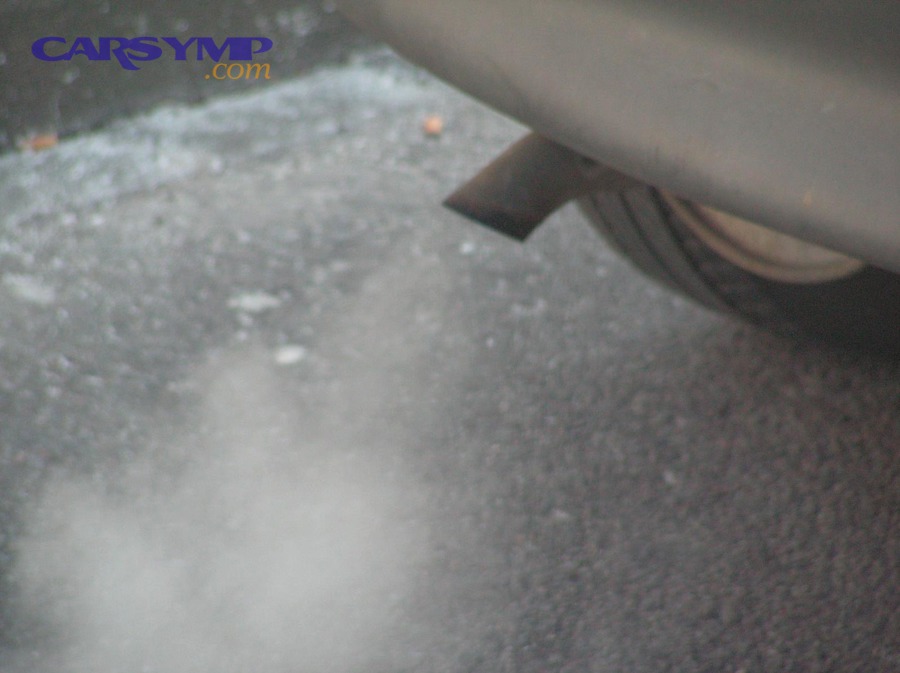
What blue/gray smoke typically indicates
True blue or blue-gray smoke usually means engine oil is entering the combustion process (or hot exhaust stream) and vaporizing into a bluish haze.
- Why it looks blue: Oil droplets and aerosols scatter light differently than pure water vapor; in daylight, it can appear blue-gray and linger rather than disappear quickly.
- Why it lingers: Oil smoke tends to hang in the air and drift; steam often dissipates fast once the exhaust is warm.
- Common oil-entry routes (the “parts list” clue):
- PCV system pulling oil mist into intake
- Valve stem seals/guides letting oil drip into cylinders
- Piston rings/cylinder wear letting oil pass upward (blow-by)
- Turbo seals/bearings leaking oil into intake/exhaust (turbo engines)
When it’s not oil: common look-alikes
A “smoke” report can be misleading because several normal or non-oil issues create visible exhaust:
- Cold start steam (water vapor): Often thick and white, especially in cold/humid weather, but it should fade as the engine warms.
- Condensation in exhaust: Short trips can keep the exhaust wet, creating repeated white vapor puffs that mimic a problem.
- Fuel-rich black smoke: Usually darker, sooty, and tied to fueling issues (injectors, sensors, air restriction).
- Additives or spilled fluids: Some fuel/oil additives and accidental spills on the exhaust can create temporary smoke that doesn’t match oil-consumption patterns.
Quick color comparison: blue vs white vs black
Use color plus behavior—because lighting can trick your eyes.
- Blue / blue-gray: tends to linger, often has an oily smell, may leave residue near tailpipe
- White (steam): often dissipates quickly, especially once warm-up (unless it’s heavy/constant with coolant loss)
- Black: usually sooty and tied to rich fueling or incomplete combustion
What does oil-burning smoke look and smell like?
Oil-burning smoke is a blue-gray haze that lingers, often smells like hot, acrid “burnt oil,” and may leave an oily film or dark moisture at the tailpipe—especially after a high-vacuum event or hard acceleration.
Then, once you confirm it’s oil, you can interpret the timing pattern to isolate the most likely entry path.
Blue smoke visual cues (what to look for in real life)
Because “blue” can be subtle, look for these practical cues:
- It hangs in the air longer than steam
- It’s more noticeable in sunlight behind the car at an angle
- It often shows as a haze, not a thick white cloud (until oil burning is severe)
- It may be intermittent, appearing only under certain conditions (startup, decel, boost)
A simple test: ask a friend to follow you while you do three scenarios safely—cold start, a steady cruise, and a brief acceleration pull. Patterns matter more than a single observation.
Oily smell and residue
Oil smoke usually has a sharper, heavier odor than raw fuel:
- Burnt-oil smell: acrid, “hot metal + oil”
- Residue check: a dark, oily moisture around the tailpipe (not always present if the exhaust is hot and dry)
- Cabin odor caution: if you smell fumes in the cabin, treat it seriously—leaks near the engine bay can route fumes into HVAC.
How it differs from fuel-rich black smoke
Fuel-rich smoke is typically darker and leaves soot:
- Black smoke: often pairs with poor fuel economy, rough running, fuel smell, and sometimes soot on bumper/tailpipe
- Oil smoke: often pairs with oil loss, oily plug deposits, catalytic converter stress, and sometimes a brief puff after idling or decel
When the smoke happens, what does it tell you about the cause?
Valve seals usually “win” as the cause when smoke appears after sitting or during deceleration, piston rings are best matched to smoke under steady load with measurable blow-by, and PCV/turbo issues are optimal suspects when smoke increases with boost or intake oil contamination.
However, the fastest diagnosis comes from matching the timing pattern to what the engine is doing—vacuum, pressure, and oil flow.
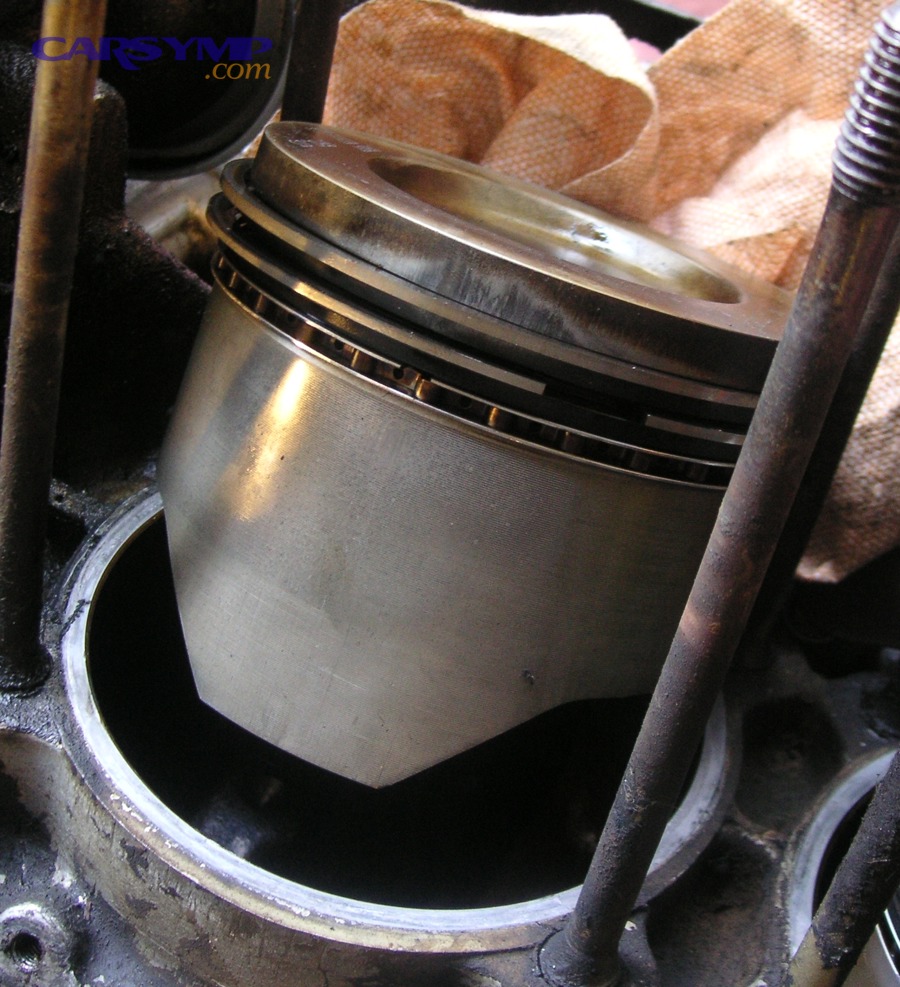
Smoke on startup (cold start or after sitting)
A puff of blue smoke on startup—especially after the vehicle sits overnight—often points to oil seeping into the cylinders while the engine is off.
Most common explanations:
- Worn valve stem seals/guides: oil drips down the valve stems into the combustion chamber while parked
- Oil pooling in intake (PCV-related): oil mist collects in the intake tract and gets burned at startup
- Turbo oil seep (turbo engines): oil can seep past seals and burn on startup
What strengthens the valve-seal hypothesis:
- Smoke is worse after longer parking
- Smoke is brief (a puff), then clears
- Oil consumption is moderate but persistent
Smoke on deceleration (lifting off the throttle)
Blue smoke after you lift off the throttle—like coming down a hill—often means high intake vacuum is pulling oil into the combustion process.
Common culprits:
- Valve stem seals/guides: vacuum draws oil past worn seals
- PCV system issues: incorrect PCV valve flow or restricted breather can pull excess oil mist
- Engine braking effect: long decel periods amplify the vacuum condition
Practical driveway clue: Do a safe test: warm engine, then coast in gear from a moderate speed (where legal/safe). If a smoke puff appears when you tip back into throttle, it may be oil collected during decel burning off.
Smoke under boost/load (hard acceleration, turbo engines)
Smoke under load is often the most expensive scenario if you guess wrong—so treat it like a “check the intake plumbing” problem first.
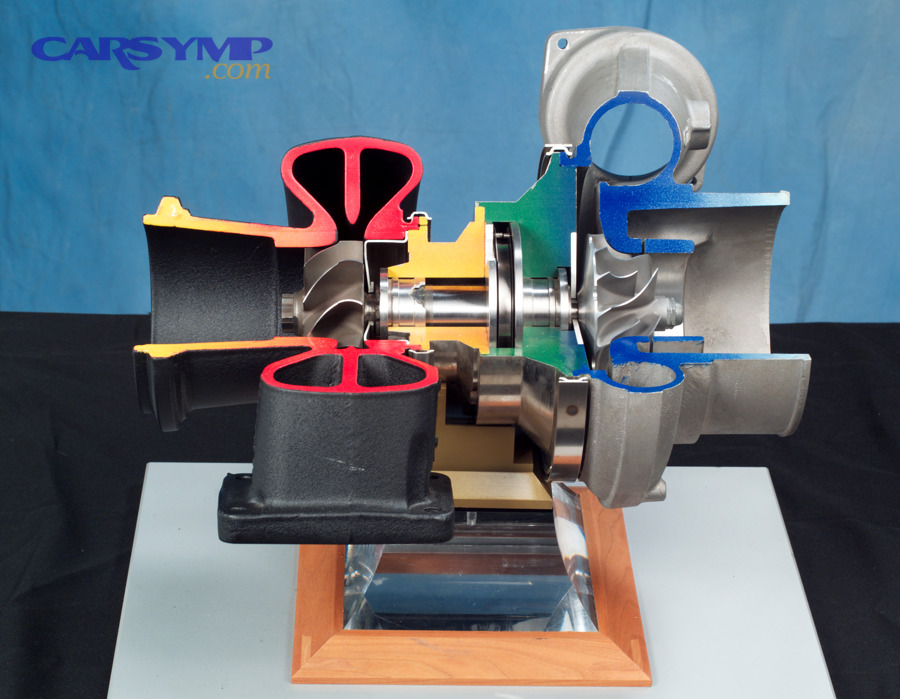
If turbocharged, consider Turbocharger smoke symptoms like:
- blue smoke mainly during boost
- oil in charge pipes/intercooler
- oily compressor outlet or turbo inlet
- worsening smoke with higher boost demand
But don’t skip non-turbo causes:
- Rings/cylinder wear: load increases blow-by and oil pull-through
- Overfilled oil: crank whipping/aeration can increase oil carryover
- PCV routing problems: boost leaks or incorrect check valves can force oil mist where it shouldn’t go
What DIY checks can confirm the diagnosis before you pay for major repairs?
There are 5 main DIY checks that confirm oil burning smoke diagnosis—oil tracking, PCV/intake inspection, spark plug reading, compression/leak-down comparison, and turbo inspection—based on how directly each test reveals oil’s route into combustion or exhaust.
More specifically, start with the cheapest checks that can rule out “easy wins” before you assume internal engine wear.
Check oil level and consumption pattern (the baseline proof)
Before any wrenching, establish whether you truly have abnormal consumption.
Do this for at least a week (or a few hundred miles):
- Set oil to the correct mark (not overfilled)
- Record mileage and oil level consistently (same parking slope, same dipstick method)
- Look for external leaks (valve cover, oil pan, rear main, turbo oil lines)
Helpful interpretation:
- If consumption is high with no obvious leaks, internal burning becomes much more likely.
- If smoke appears but oil level barely drops, you may be seeing a look-alike (condensation) or intermittent oil entry.
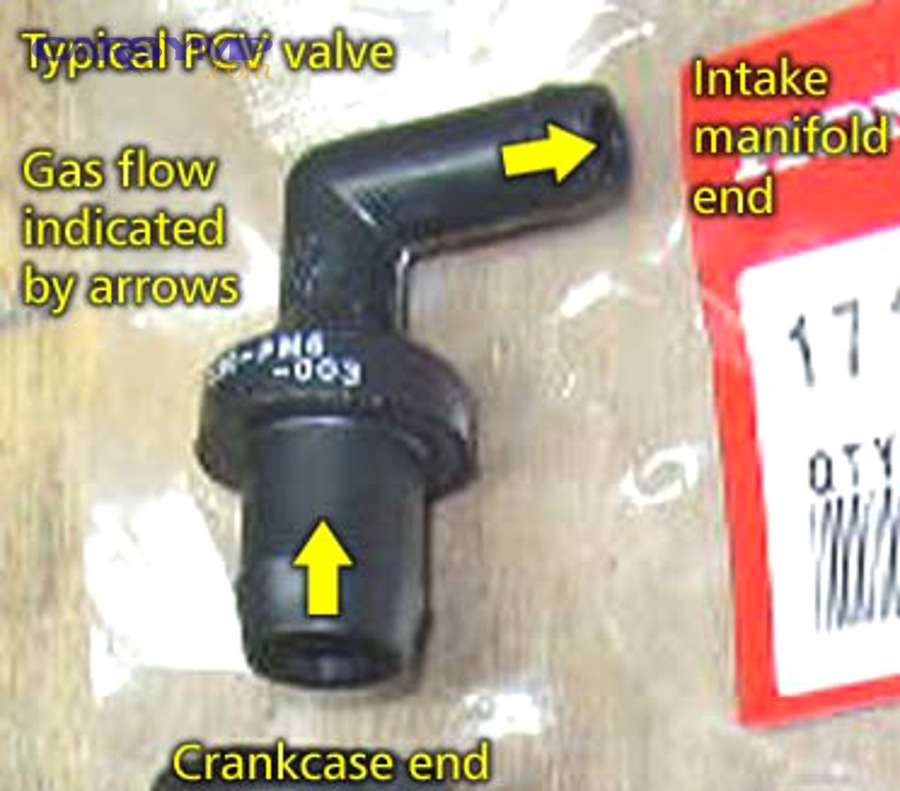
Inspect PCV system and intake for oil (the “free diagnosis”)
PCV problems can create oil smoke and mimic ring wear by increasing crankcase pressure.
Quick checks:
- Locate PCV valve and hoses; verify nothing is collapsed, cracked, or incorrectly routed
- Check for excessive oil film inside the intake tube/throttle body
- Inspect the air filter housing for oil contamination (a sign of blow-by/venting issues)
- Confirm correct PCV part (wrong valve can change flow rates dramatically)
If you find heavy oil in the intake: that doesn’t automatically mean “bad rings,” but it strongly suggests PCV or crankcase ventilation needs attention first.
Pull spark plugs and “read” deposits (targeted cylinder clues)
Spark plugs can act like tiny evidence boards for what each cylinder is burning.
What to look for:
- Oily wet deposits: strong sign of oil entry on that cylinder
- Ashy/light deposits: can suggest long-term oil additives burning
- One cylinder worse than others: points toward a localized issue (valve seal/guide, ring issue, or injector/PCV distribution)
Tip: Label plug positions so you don’t lose the cylinder mapping.
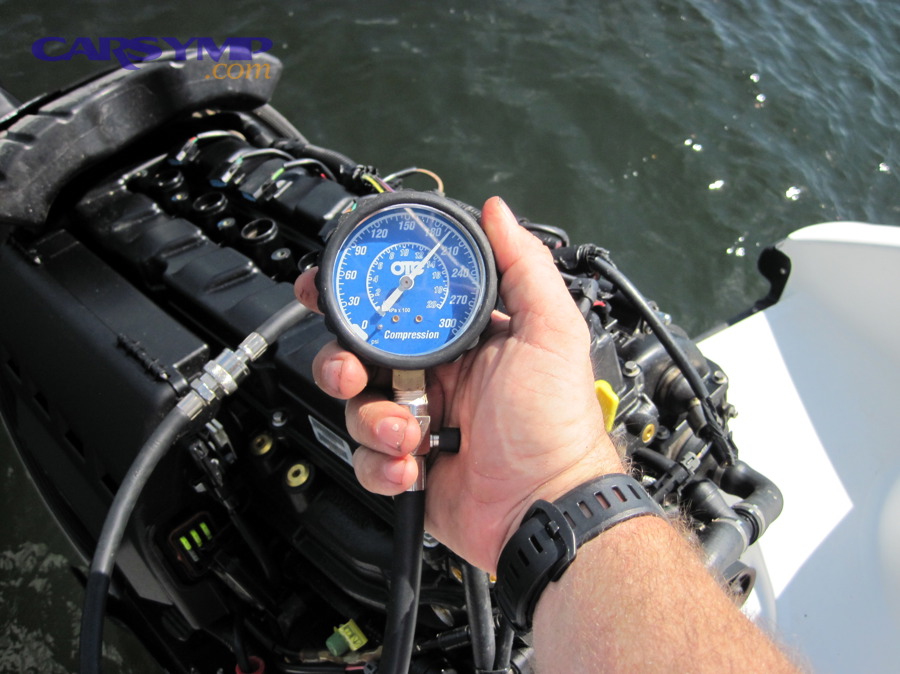
Compression vs leak-down overview (what each test proves)
Compression and leak-down tests answer different questions:
- Compression test: “Can the cylinder build pressure while cranking?” Low compression across multiple cylinders suggests generalized wear or timing issues.
- Leak-down test: “Where is the cylinder leaking pressure at rest?” Air at oil fill/dipstick tube suggests rings; air at intake/exhaust suggests valves.
If you can only do one at home: a compression test is cheaper and still useful—especially comparing cylinders for consistency.
Check turbo for shaft play and oil (if turbocharged)
If the vehicle is turbocharged, don’t skip this—turbo oil leaks can look exactly like “worn engine” smoke.
Basic checks (engine off, cool, and safely accessed):
- Inspect turbo inlet/outlet for pooled oil (light film is sometimes normal; pooling is not)
- Check charge pipes/intercooler for oil accumulation
- Assess shaft play (tiny radial play can be normal; scraping contact is not)
- Look for oil in the downpipe/exhaust side if accessible
If you confirm oil pooling in boost plumbing: your best next step is often a targeted repair path rather than a rebuild guess—because a turbo seal issue is a discrete failure with a clear exhaust smoke fix.
What should you fix first—and is it safe to keep driving?
There are 3 priority steps to fix oil burning smoke diagnosis issues—address PCV/external causes first, confirm whether turbo or top-end leakage is present, then commit to internal repairs (valve seals or rings)—based on lowest cost, highest diagnostic value, and safety risk.
Besides, whether it’s safe to keep driving depends on how fast oil is dropping and whether smoke signals a condition that can damage the engine or emissions system.
Triage: cheap fixes and confirmations first (PCV and obvious leaks)
Start here because it’s the highest ROI:
- Correct oil level and viscosity (overfill can worsen oil carryover; wrong viscosity can increase consumption)
- Fix external leaks (they can burn on hot components and mimic tailpipe smoke odors)
- Service PCV system (replace clogged valve/hoses, verify breather function)
- Recheck smoke pattern after a short drive cycle
If smoke drops significantly after PCV service: you likely avoided a misdiagnosis that would have led to unnecessary engine work.
When to stop driving immediately (red flags)
Driving with mild, occasional blue smoke can be manageable short-term—but some conditions turn it into an emergency.
Stop driving (or drive only to a safe inspection point) if:
- Oil pressure warning light appears
- Oil level drops rapidly (you must add oil frequently)
- Smoke becomes continuous and heavy
- Engine misfires, runs rough, or triggers flashing check-engine light
- You smell burning oil strongly in the cabin (possible leak onto exhaust or fumes entry)
Reason: Oil starvation destroys bearings quickly, and severe oil burning can overload the catalytic converter.
Evidence: According to a study by University of Tennessee from the Fuels, Engines, and Emissions Research Center, in 2005, phosphorus found in exhaust was largely traced to engine oil consumption and oil-derived species can accelerate aftertreatment deposit formation. (energy.gov)
Planning the repair: valve seals vs rings vs turbo
Once you’ve confirmed the likely path, choose the repair strategy that matches the pattern:
- Valve stem seals/guides likely if:
- smoke is worst on startup and/or decel
- compression is generally healthy
- plugs show oiling that isn’t uniform across all cylinders
Typical repair direction: valve seal replacement (sometimes possible without removing the head, depending on engine design).
- Piston rings/cylinder wear likely if:
- smoke occurs under load and cruise
- blow-by is evident (oil in intake from crankcase pressure)
- compression/leak-down indicates ring leakage
Typical repair direction: deeper engine work (ring job, hone, rebuild, or engine replacement depending on severity).
- Turbo leak likely if:
- smoke increases with boost
- oil pools in intercooler/charge piping
- compressor/turbine sides show oil evidence
Typical repair direction: turbo rebuild/replace plus cleaning charge system and checking PCV routing.
Evidence: According to a study by the University of Leeds from its automotive research work published via White Rose Research Online, in 2007, industry limits for phosphorus in engine oil were tightened (for example, from about 0.12% mass to 0.10%) to reduce catalyst poisoning risk linked to oil-derived phosphorus compounds. (eprints.whiterose.ac.uk)
What other less-common causes can mimic oil-burning blue smoke?
There are 4 less-common causes that can mimic oil-burning blue smoke—ATF ingestion, oil aeration/overfill, unusual fuel/oil mixtures, and aftertreatment/EGR-related haze—based on whether the “smoke” comes from non-engine oil fluids or from post-combustion effects.
More importantly, identifying these edge cases prevents you from rebuilding an engine that isn’t actually the root problem.
ATF modulator/vacuum failures (older automatics)
On some older vehicles, a transmission vacuum modulator can fail and pull automatic transmission fluid into the intake, producing smoke that can look blue-ish and smell different from engine oil.
Clues:
- Transmission fluid level drops
- Smoke appears with intake vacuum conditions
- Exhaust odor is “sweet/chemical” rather than burnt engine oil
Overfilled oil and aeration (crank whipping)
Too much oil can let the crankshaft whip the oil into foam, increasing oil mist and PCV carryover.
Clues:
- Issue starts right after an oil change
- Dipstick shows above full mark
- Smoke may appear inconsistently and increase at higher RPM
Fix: Drain to correct level, then reassess.
Two-stroke mix, additive burn, or contamination
Mistakes happen—especially with mixed fuel containers or strong oil additives.
Clues:
- Smoke begins immediately after refueling or adding a product
- Smoke decreases as that tank is consumed
- No meaningful oil level drop on dipstick
EGR/catalyst factors that create misleading haze
Sometimes the “smoke” you see is not fresh oil burning in the cylinder but aftertreatment stress from repeated misfires, rich operation, or high oil ash loading that creates haze and odor changes.
Clues:
- Check-engine codes for misfire, rich/lean, or catalyst efficiency
- Power loss and heat smell
- Smoke character changes after long highway runs
Coolant-in-oil (rare) vs oil-in-coolant (different symptom set)
Coolant problems more often create white steam and coolant loss, but unusual cases can confuse diagnosis—especially if oil contamination affects combustion quality.
Clues (coolant involvement):
- Unexplained coolant loss
- Sweet smell, persistent white plume after warm
- Milky oil or sludge under oil cap (not always present)
Evidence (if any)
University-linked findings note that oil-derived elements/additives (like phosphorus species) can contribute to exhaust/aftertreatment deposits and catalyst durability concerns, supporting why persistent oil burning smoke diagnosis should be addressed rather than ignored. (energy.gov)