


Turbocharger smoke symptoms are most useful when you treat them as a diagnostic clue (what’s burning, where it’s entering the exhaust stream, and when it shows up)—not a guarantee the turbo is dead. In practice, smoke color + timing + boost behavior can narrow the cause to turbo oil control, PCV/crankcase ventilation, fueling/airflow, or coolant/condensation—often before you remove a single part.
Next, you’ll learn which smoke patterns can be “normal enough” (like brief condensation vapor on a cold morning) versus the patterns that signal a high-risk failure path (like oil ingestion on a diesel). Then, you’ll map blue vs white vs black smoke to the most likely causes and the fastest confirmation checks.
To begin, we’ll use the moment smoke appears—startup, idle, acceleration under boost, or decel—to narrow the diagnosis. Timing is the bridge between a symptom and a test plan, because the same smoke color can come from different systems depending on engine state.
Introduce a new idea: once you can identify the “smoke signature,” you can choose the right DIY checks (and avoid expensive guessing) while also answering the practical question of whether it’s safe to keep driving.
Is turbo-related exhaust smoke always a sign the turbo is failing?
No—turbo-related exhaust smoke is not always a failing turbo because (1) oil can enter the intake/exhaust from PCV, valve seals, or worn rings, (2) fueling/air issues can create soot (black smoke) without turbo damage, and (3) condensation or coolant issues can mimic turbo smoke, especially during cold starts.
Next, the key is to separate “smoke that looks turbo-related” from “smoke proven to originate at the turbo.”
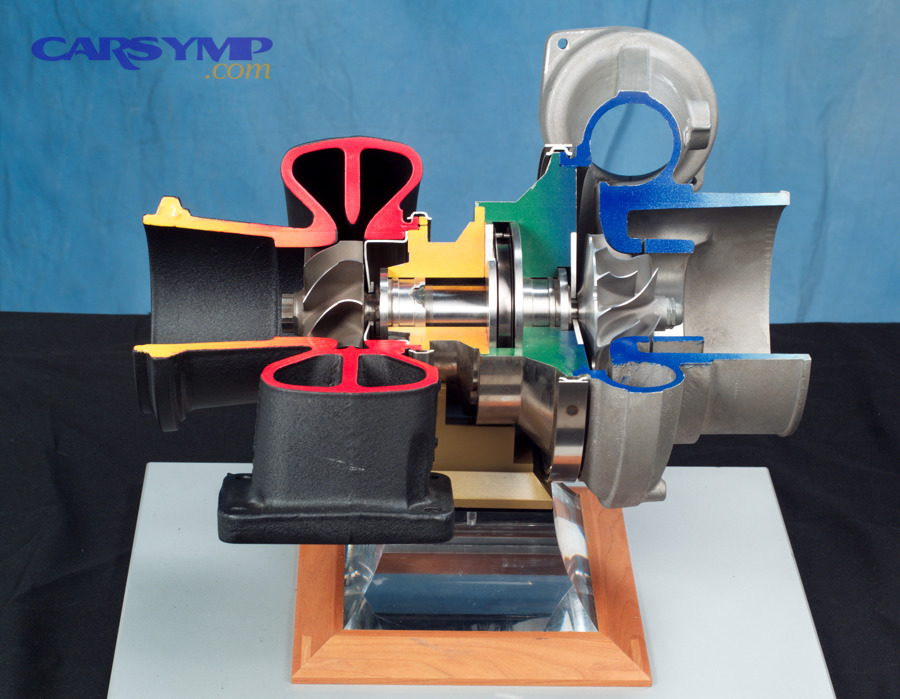
What turbo smoke symptoms are “normal” and when should you worry?
Some “normal-ish” scenarios exist, but they’re brief and repeatable under specific conditions.
- Cold-start water vapor (white, thin, dissipates quickly): Common in cool/humid weather. It should fade as the exhaust warms.
- A short puff after long idle, then clears: Can happen if oil pools slightly in the intake tract or turbo return area—still worth checking, but not instant “turbo is dead.”
- Temporary smell after service: Oil residue on a downpipe or turbine housing can burn off and look like smoke for a short time.
You should worry when the pattern is persistent or escalating.
- Blue smoke that continues under throttle and comes with rising oil consumption.
- White smoke that is thick and sweet-smelling, doesn’t dissipate, and coincides with coolant loss.
- Black smoke under boost plus sluggish acceleration, poor MPG, or soot buildup.
- Any smoke plus new turbo noises (sirens/whine), loss of boost, or oil in intercooler piping that returns quickly after cleaning.
What other faults can cause smoke that looks turbo-related?
A turbocharged engine moves more air and often has more plumbing, so multiple systems imitate turbo failure.
- PCV system faults: Excess crankcase pressure pushes oil mist into the intake; that oil burns and looks like “turbo seal smoke.”
- Worn valve stem seals: Often show smoke after idle/decel, then clear on steady cruise.
- Worn piston rings/blow-by: Can cause consistent blue smoke, oil consumption, and oily charge pipes—again mimicking a turbo leak.
- Over-fueling / restricted air: Dirty air filter, stuck injector, MAF/MAP issues, or charge leaks can drive black smoke even if the turbo is healthy.
- Coolant ingress: Head gasket, EGR cooler (on some engines), cracked head/block—white smoke that can be mistaken for “turbo steam.”
The goal is not to guess—it’s to choose checks that prove where the oil/coolant/fuel imbalance is coming from.
What do turbocharger smoke symptoms mean by color: blue, white, and black?
There are 3 main smoke-color patterns in turbocharger smoke symptoms—blue (oil burning), white (water/coolant or raw fuel vapor), and black (excess fuel/soot)—based on what material is entering combustion or the exhaust stream.
Then, once you connect each color to its likely sources, you can build a fast “confirm or eliminate” test plan.
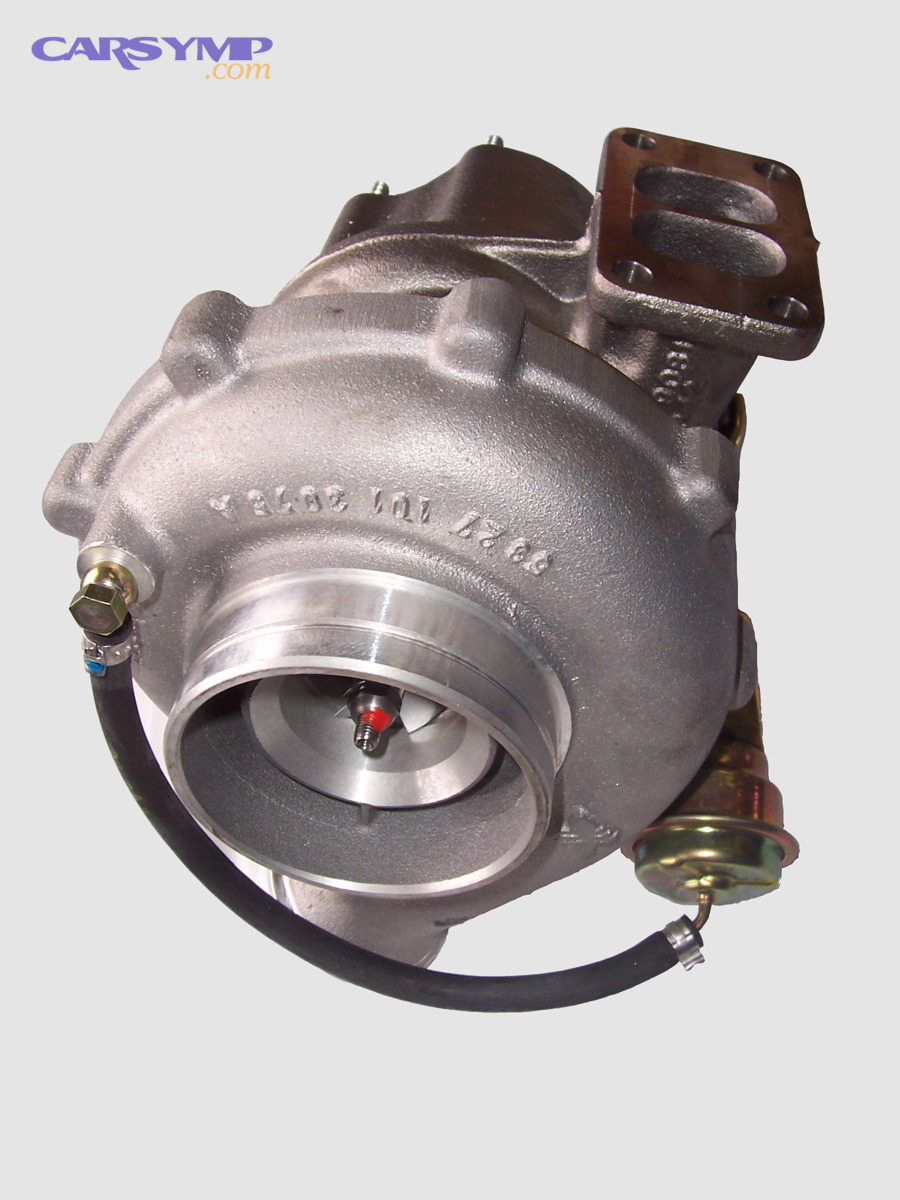
Here’s a quick diagnostic table (the rows show what each smoke color usually indicates and what to check first):
| Smoke color | Most likely meaning | Turbo-related causes | Common non-turbo causes | First checks (fastest) |
|---|---|---|---|---|
| Blue / blue-gray | Oil burning | Turbo oil seal leak, bearing wear, restricted oil return | PCV fault, valve seals, rings/blow-by | Oil in charge pipes, PCV test, turbo shaft play, return line |
| White (thin, dissipates) | Condensation/steam | Rarely turbo itself | Normal cold-start vapor | Warm-up behavior, ambient temp/humidity |
| White (thick, lingering, sweet) | Coolant/water in exhaust | Sometimes via EGR cooler (engine-dependent) | Head gasket, cracked head/block | Coolant loss, bubbles/pressure, plug inspection |
| Black / dark gray | Soot from rich fueling / low air | Boost leak causing misfuel, turbo not building boost | Injectors, MAF/MAP, air filter, EGR/DPF issues | Air filter, scan trims/boost, smoke test intake, injector balance |
What does blue smoke from a turbocharged engine usually indicate?
Blue smoke usually indicates engine oil is being burned, and in turbo applications it often points to oil getting into either the compressor/intake side (oil enters intake, then burns in cylinders) or the turbine/exhaust side (oil leaks into turbine housing and burns directly in the exhaust).
Turbo-related blue smoke causes you can confirm include worn turbo bearings/seals, a restricted turbo oil drain/return, and high crankcase pressure that overwhelms oil return.
What blue smoke often looks like in the real world includes more smoke under boost, smoke after idle, and oil evidence in charge plumbing. A light oil film can be normal over long intervals, but wet pooling is a stronger warning sign.
What does white smoke mean in turbo vehicles?
White smoke splits into two different categories: thin white vapor that disappears quickly (often condensation/steam from a cold exhaust) versus thick white smoke that lingers (often coolant/water entering combustion/exhaust, or less commonly unburned fuel vapor).
Turbo vehicles can add confusing pathways on some platforms (for example, certain coolant-to-gas components), but the simplest logic still works: if it dissipates quickly and happens only cold, it’s more likely condensation; if it’s thick, persistent, and matches coolant loss or overheating signs, treat it as urgent.
According to a study by Yale University from the Department of Chemical & Environmental Engineering, in 2015, researchers noted that ethylene glycol can evaporate directly from a malfunctioning cooling system and may appear as part of the visible mist emitted by an overheating vehicle.
What causes black smoke under boost?
Black smoke under boost is usually too much fuel for the amount of air available, creating soot; in turbo engines, the most common causes are boost leaks, a turbo that is not building boost due to control/mechanical faults, or airflow restrictions that reduce oxygen.
Non-turbo causes still matter: injector issues, MAF/MAP drift, and diesel EGR/DPF operating states can also increase soot output, so the best first step is to compare airflow/boost reality to what the ECU expects.
According to a study by the University of Michigan’s Department of Environmental Health Sciences, in 2012, researchers reported that particulate emissions can rise sharply in certain low-temperature/incomplete-combustion conditions—one example they observed was PM2.5 increasing by 60% at idle for a tested diesel configuration, highlighting how engine operating state can strongly change soot output.
When does the smoke happen—and how does that narrow the diagnosis?
Smoke timing is one of the best shortcuts because it reveals which pressure gradients and flow paths were active when the smoke appeared (vacuum vs boost, high exhaust pressure vs low, hot oil vs cold).
Below, you’ll use timing to reduce the problem from “dozens of causes” to a short list.
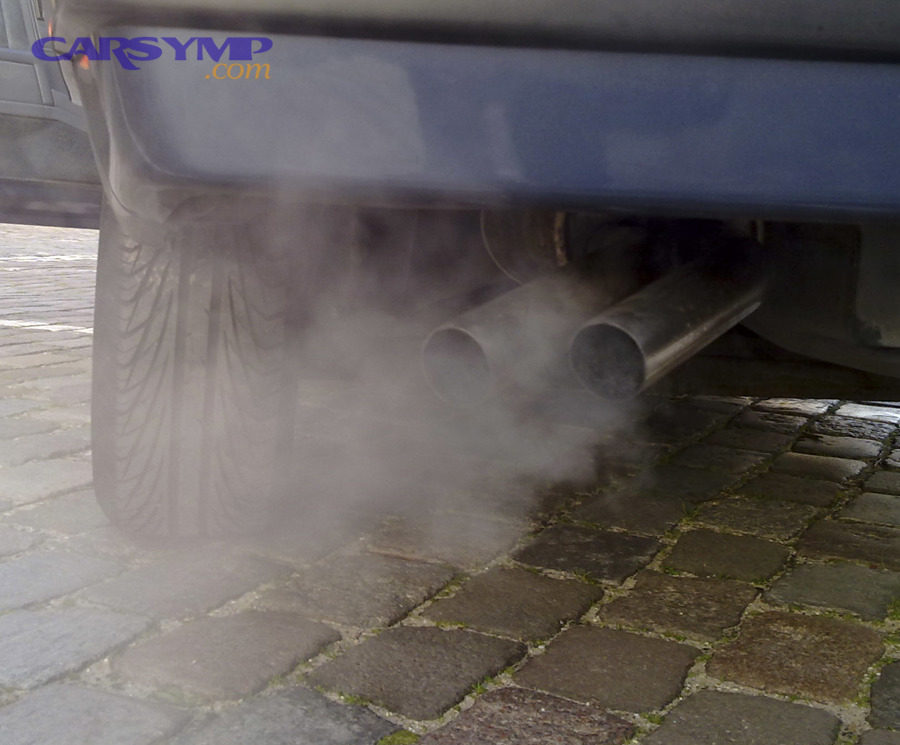
What do smoke on startup vs under load clues tell you?
Smoke on startup vs under load clues matter because startup involves cold clearances and pooled fluids, while load involves higher turbo speed, higher exhaust pressure, and stronger airflow that can amplify oil or fueling issues.
Smoke mostly on startup often points to condensation (thin white) or oil pooling (blue puff then clears), while smoke mostly under load often points to oil ingestion under boost (blue) or air-fuel imbalance from boost leaks or turbo control problems (black).
A practical shortcut is correlation: if smoke intensity tracks boost request or a boost gauge spike, suspect charge-air integrity and turbo control earlier, then move to internal engine causes only after those checks are clean.
Why does smoke after idle or during deceleration matter?
Smoke after idle or during deceleration matters because those conditions often create airflow patterns that pull oil through weak points—such as valve guides, PCV pathways, or a stressed turbo oil return—so timing becomes a map back to the source.
Common patterns include blue smoke after a long idle (then clears), blue smoke during decel (vacuum-related oil draw or oil control issues), and on diesels, dark haze at low-load states that may reflect incomplete combustion or aftertreatment behavior.
How can DIY car owners diagnose turbo smoke without guessing?
The best DIY approach is a structured test sequence that starts with fast, non-invasive checks and then confirms oil path vs coolant path vs fueling path with targeted tests, so you avoid replacing parts on hope.
More specifically, this is where you build an exhaust smoke fix plan that matches the smoke signature you’ve already identified.
What are the fastest DIY checks before major repairs?
Start with the checks that create the most certainty for the least effort: confirm fluid trends, inspect the charge-air path for oil, and rule out simple airflow and boost leaks before you touch the turbo.
- Check oil level and condition: Overfilled oil can increase oil carryover into the intake; fuel-diluted oil can reduce oil control and worsen smoking.
- Inspect intake plumbing and intercooler: Light film can be normal over time, but wet pooling suggests an active oil source.
- Check PCV/crankcase ventilation: A stuck PCV valve or high blow-by can mimic turbo seal smoke by feeding oil mist into the intake.
- Look for obvious boost leaks: Loose clamps, split couplers, and cracked charge hoses often cause black smoke under boost by reducing actual airflow.
- Scan basic data if available: Compare boost actual vs requested and check for misfires or abnormal fuel trims to avoid guessing.
How do you confirm turbo oil seal or bearing issues?
You confirm turbo oil control issues by proving two things: oil is escaping into the airflow/exhaust path and the turbo is the most likely source rather than a pressure or ventilation problem upstream.
Compressor-side confirmation includes cleaning charge pipes, driving briefly, and re-checking for rapid oil return; turbine-side confirmation includes oily residue near the turbine outlet or downpipe and smoke that intensifies with heat/load.
Also check shaft movement and contact evidence: moderate radial play can be normal due to oil-film clearance, but blade contact, scraping, or severe wobble is not. Pairing smoke with new turbo noises or boost loss increases the likelihood of a turbo mechanical issue.
Finally, verify root causes that make a good turbo smoke: restricted oil return, high crankcase pressure, or incorrect oil feed restriction on modified setups.
When is it time for a smoke test, compression test, or leak-down test?
Use deeper tests when basic checks don’t explain the smoke or when you must separate turbo faults from internal engine wear: smoke tests find boost leaks, compression/leak-down tests assess ring and top-end sealing, and cooling-system pressure tests validate persistent white smoke.
Smoke testing the intake/charge system is especially helpful with black smoke under boost or low-boost complaints, while compression or leak-down becomes more useful when blue smoke is constant with high oil consumption.
According to a study by the University of Minnesota’s Department of Mechanical Engineering and the University of Michigan’s Department of Environmental Health Sciences, in 2012, researchers explained that diesel exhaust outcomes vary substantially by operating condition and aftertreatment—highlighting that changing load/temperature states can change emissions and visible smoke patterns even without a single “broken part.”
Can you keep driving with turbo smoke symptoms, or should you stop immediately?
No—you should not keep driving in every case because (1) oil-burning smoke can accelerate catalyst/DPF damage, (2) severe oil ingestion can create runaway or fire risk, and (3) coolant-related smoke can escalate rapidly into overheating and engine damage.
Next, you’ll decide based on smoke color, severity, and how the engine behaves—so Can you drive with exhaust smoke becomes a practical yes/no with clear boundaries.
When is it unsafe to drive (runaway, fire risk, catalyst damage)?
It is unsafe to drive when smoke is heavy or escalating, fluids drop quickly, the engine behavior changes, or there are signs of overheating—because the risk shifts from inconvenience to immediate mechanical damage or safety hazards.
- Rapidly increasing smoke + rising oil consumption: risk of low oil, turbo failure, and engine damage.
- Engine surging or revving unexpectedly (especially diesels): potential runaway if oil is being ingested as fuel.
- Loss of power + loud turbo noise + heavy smoke: possible turbo mechanical failure and debris ingestion.
- Thick white smoke + overheating signs: likely coolant-related failure path with rapid escalation risk.
- Burning smell near the turbo/downpipe area: possible oil on hot exhaust components, increasing fire risk.
Repeated oil-burning can also foul oxygen sensors and catalysts on gasoline engines and can overload DPF systems on diesels, so severity and duration matter even if the vehicle still drives.
What’s the safest way to get to a shop if you must drive?
If you must drive, the safest approach is a short, monitored trip under light load: verify oil and coolant first, avoid boost, watch temperature, and stop immediately if smoke worsens or the engine runs differently.
- Check oil and coolant first and top off only to spec (do not overfill oil).
- Avoid boost and high load: gentle throttle, low RPM, short trip.
- Monitor temperature continuously if white smoke is present.
- Choose a direct route and be ready to stop if smoke escalates or power drops.
Contextual Border: At this point, you can diagnose most turbocharger smoke symptoms using color + timing + confirmation checks. Next, we expand into less-common edge cases that can mislead even experienced DIYers.
What edge cases can mimic turbo smoke symptoms and lead to misdiagnosis?
Edge cases matter because they produce “real smoke” but come from operating modes, modifications, or one-time events—not a failing turbo.
Then, once you recognize these patterns, you can avoid unnecessary turbo replacement and focus on prevention.
How do diesel DPF regen, fuel additives, or short trips change smoke?
DPF regeneration, short-trip operation, and certain additives can temporarily change exhaust appearance and smell, so a haze or smoke-like output can appear without a turbo fault, especially when aftertreatment is warming up or operating in a special mode.
Short trips keep exhaust and aftertreatment colder, which can increase the chance of incomplete combustion haze and soot output; additives can change odor and exhaust appearance, particularly if dosing is incorrect.
Can intercooler oil pooling create one-time smoke events?
Yes—oil can pool in intercoolers and charge pipes over time, and a sudden change in driving conditions (such as a hard pull after gentle driving) can draw that oil into the engine and produce a dramatic but short-lived smoke event.
A key differentiator is repeatability: a one-time event that does not recur after cleaning and correcting PCV/blow-by differs from persistent smoke that returns rapidly after cleanup.
What about modded tunes, blow-off valves, and “rolling coal” behavior?
Aggressive tunes and certain intake or blow-off valve configurations can increase soot or skew airflow measurement, so black smoke may be commanded by calibration rather than caused by a failing turbo.
Intentional over-fueling on diesels produces black smoke by design, and some hardware changes can affect MAF-based fueling strategies; the fastest diagnostic path is to compare requested boost/fueling to actual logs before blaming the turbo.
How do you prevent turbo smoke from coming back after repairs?
You prevent repeat smoke by restoring oil control and airflow integrity: fix crankcase pressure issues, ensure the turbo oil drain is properly routed and unrestricted, use correct oil spec and intervals, pressure-test charge piping, and clean intercooler plumbing after oil contamination.
If you treat smoke as a system problem rather than only a turbo problem, you reduce the chance of “new turbo, same smoke” outcomes.